Download Mendeley
Structure of the hibernating Francisella tularensis ribosome and mechanistic insights into its inhibition by antibiotics.
Klima, M., Silhan, J., Pavlik, P., Hercik, K., Boura, E.(2026) Nucleic Acids Res 54
- PubMed: 42049235 Search on PubMedSearch on PubMed Central
- DOI: https://doi.org/10.1093/nar/gkag340
- Primary Citation Related Structures:
28NT, 9SDA, 9T6H - PubMed Abstract:
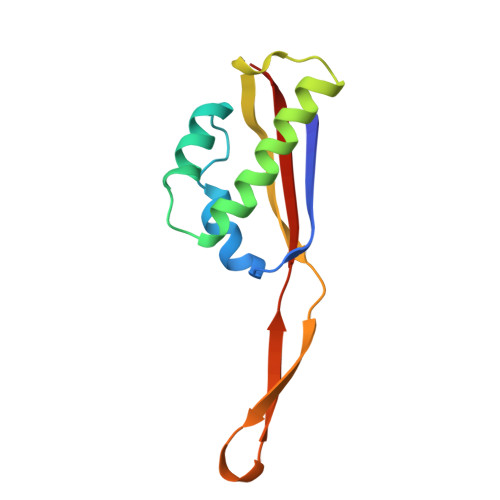
Francisella tularensis is the causative agent of tularemia, a zoonotic disease named after the Tulare County, California. Symptoms include sudden fever, chills, fatigue, and swollen lymph nodes, among others, and without treatment it is very serious or even fatal. In addition, F. tularensis is considered a potential bioterrorism threat due to its high infectivity and lethality. Ribosomes are key targets for many classes of antibiotics. In this study, we examined the F. tularensis ribosome and determined its structure at 2.5Å resolution using cryo-electron microscopy. Notably, we observed the stress-induced ribosome-associated inhibitor A (RaiA) protein bound to the ribosome. RaiA functions as a molecular hibernation factor, inhibiting bacterial translation in response to stress or nutrient deprivation. This mechanism parallels that described in the model organism Escherichia coli and in several pathogenic bacteria, such as Staphylococcus aureus. Furthermore, we solved structures of the antibiotics chloramphenicol and gentamicin bound to the F. tularensis ribosome. Collectively, these results provide structural insights that highlight previously unexplored opportunities for therapeutic intervention.
- Institute of Organic Chemistry and Biochemistry, Academy of Sciences of the Czech Republic, v.v.i, Flemingovo namesti 2, Prague 6 16600, Czech Republic.
Organizational Affiliation: