Download Mendeley
Structural mechanism of histone H2A.Z exchange by human SRCAP-CFDP1 holoenzyme.
Park, G., Wu, C., Louder, R.K.(2026) Sci Adv 12: eaei7728-eaei7728
- PubMed: 42536744 Search on PubMedSearch on PubMed Central
- DOI: https://doi.org/10.1126/sciadv.aei7728
- Primary Citation Related Structures:
9CA7, 9CA8, 9CA9, 9CAA, 9NFV, 9NFW, 9NFX, 9NFY, 9NFZ, 9NG0, 9PGC, 9PGD, 9Y3D, 9Y3E, 9Y3F, 9Y3G, 9Y3H, 9ZLA - PubMed Abstract:
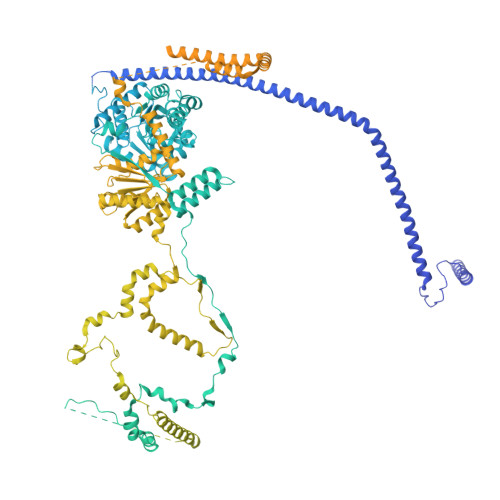
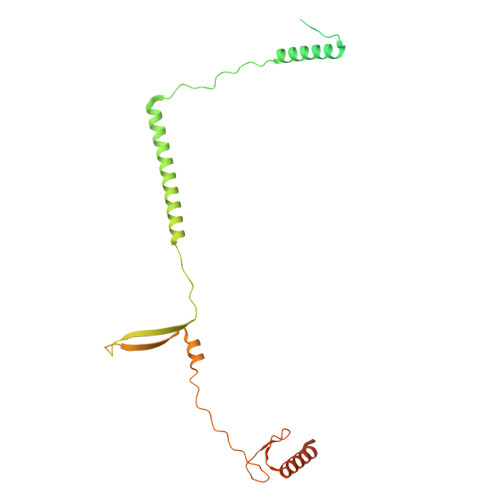
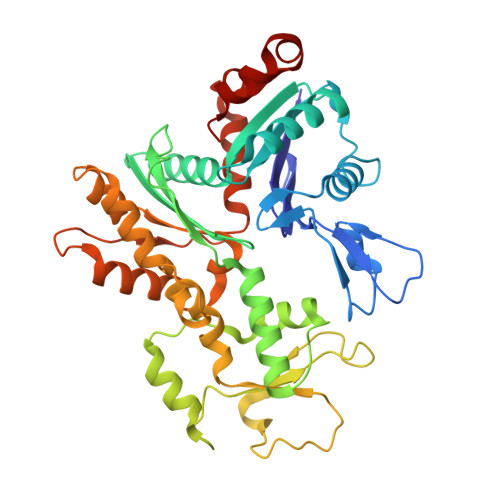
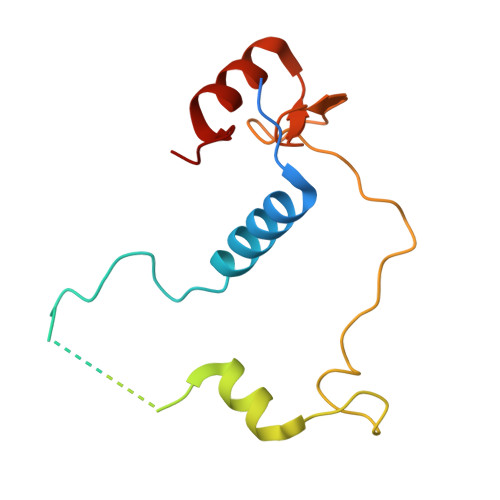
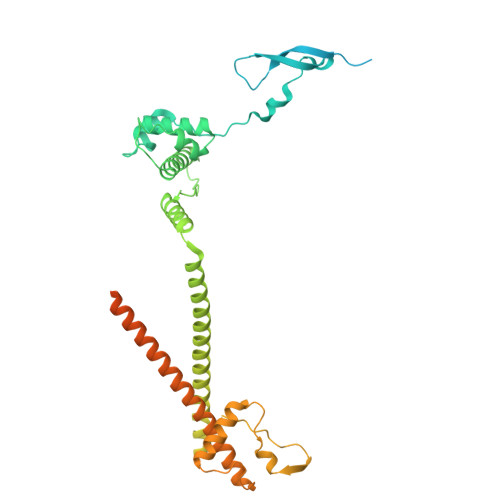
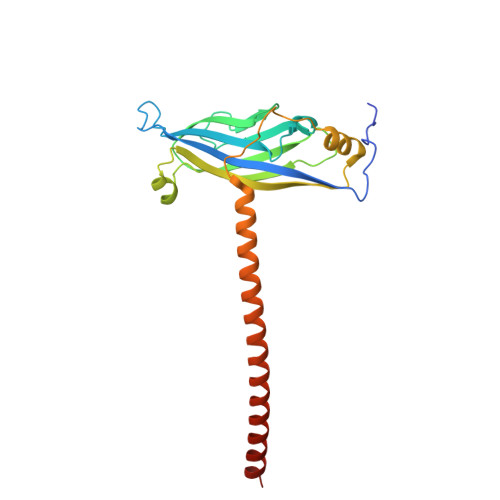
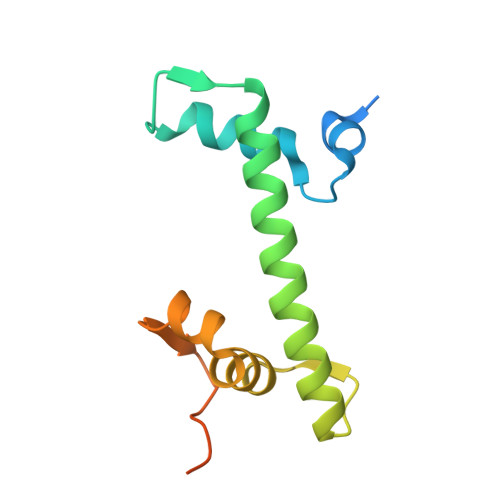
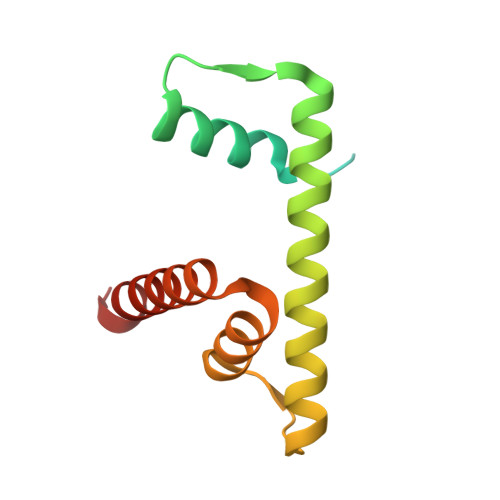
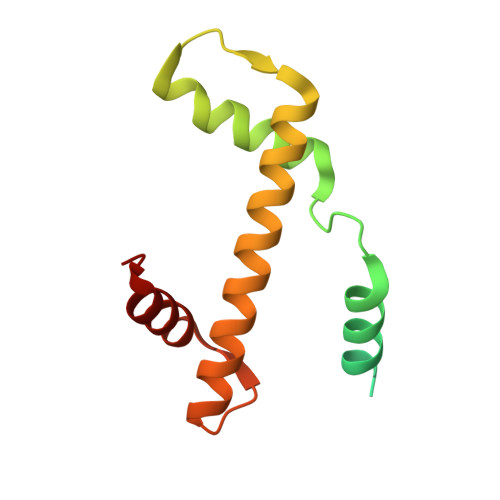
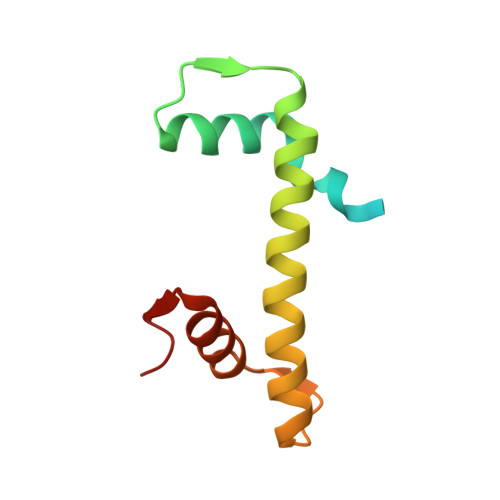
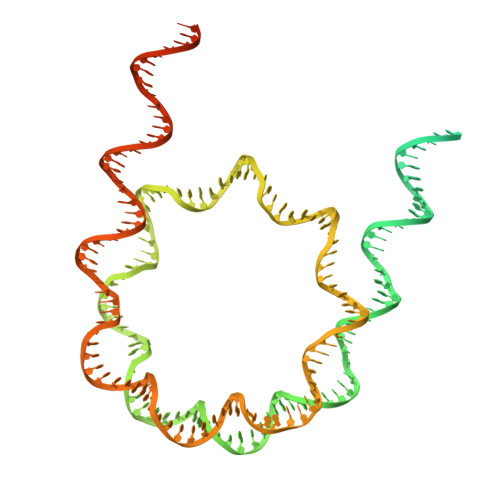
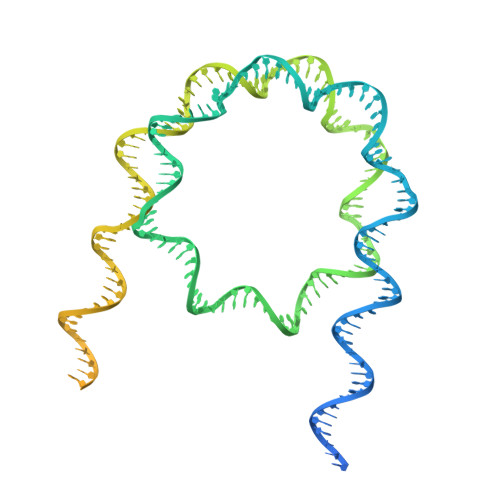
The conserved yeast SWR1 and human SRCAP chromatin remodeling complexes catalyze exchange of nucleosomal histone H2A for H2A.Z, but the underlying mechanism has remained obscure. Here, we show that histone exchange by SRCAP requires the transient activator CFDP1 and resolve nine cryo-electron microscopy structures of the SRCAP-CFDP1 holoenzyme that define the stepwise exchange mechanism. CFDP1 recognizes the conformation of the fully engaged SRCAP-nucleosome complex through interactions with multiple subunits-including direct contact with the ATPase domain-and induces conformational transitions that drive extensive DNA unwrapping, eviction of the H2A-H2B dimer, and insertion of the H2A.Z-H2B dimer, all without necessarily requiring hydrolysis of bound ATP. Collectively, these findings provide unprecedented insight into the mechanism of activator- and nucleotide-driven histone exchange from nucleosomal H2A to H2A.Z.
- Biochemistry, Cellular and Molecular Biology Graduate Program, Johns Hopkins University School of Medicine, Baltimore, MD 21205, USA.
Organizational Affiliation: