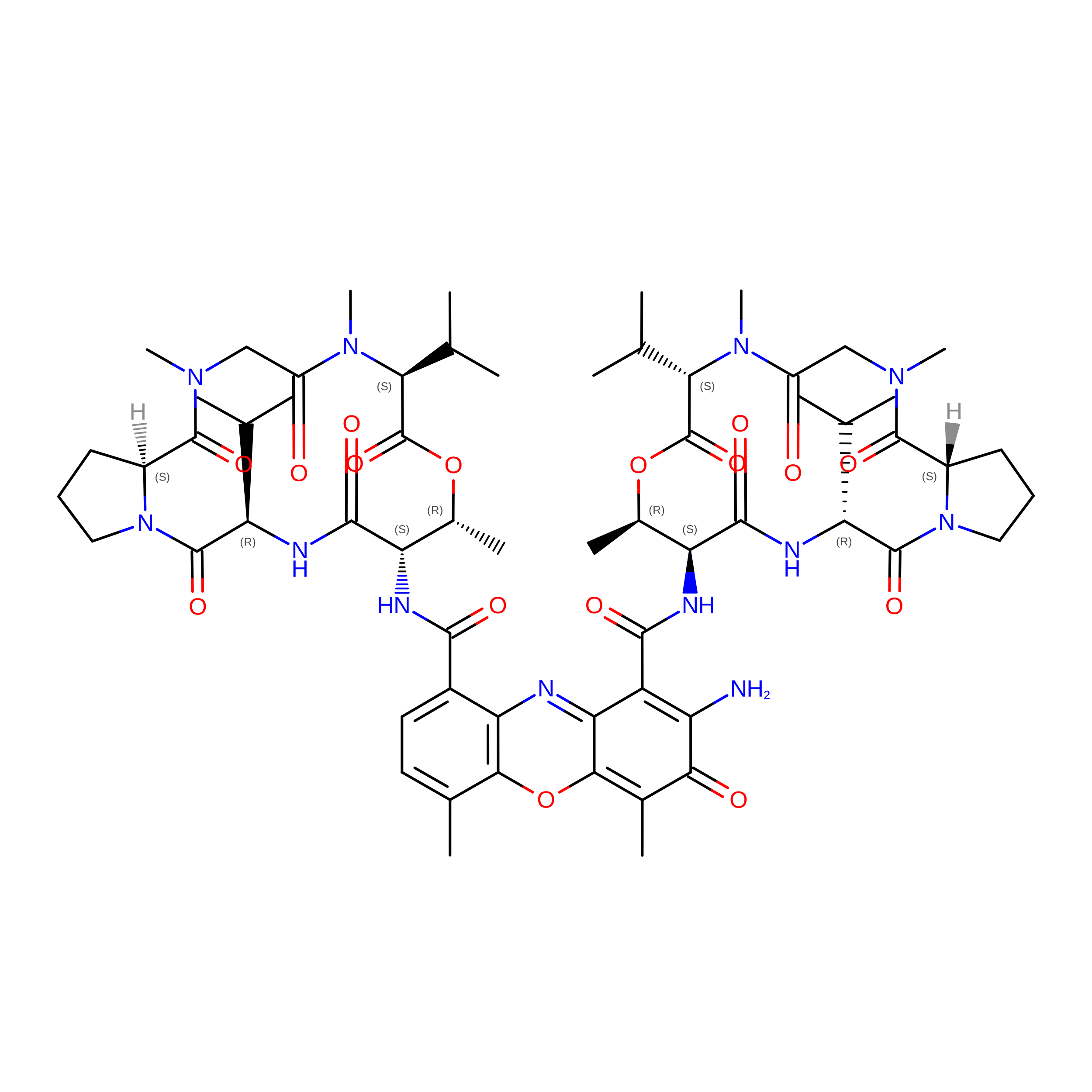
7XDJ | pdb_00007xdj

Crystal structure of actinomycin D-echinomycin-d(AGCGCGT/ACGAGCT) complex


Experimental Data Snapshot

  • Method: X-RAY DIFFRACTION
  • Resolution: 2.44 Å
  • R-Value Free: 
    0.236 (Depositor), 0.237 (DCC) 
  • R-Value Work: 
    0.201 (Depositor), 0.204 (DCC) 
  • R-Value Observed: 
    0.204 (Depositor) 

Starting Model: experimental
View more details

wwPDB Validation 3D Report Full Report

Validation slider image for 7XDJ

Ligand Structure Quality Assessment 


This is version 3.0 of the entry. See complete history

Literature

Staggered intercalation of DNA duplexes with base-pair modulation by two distinct drug molecules induces asymmetric backbone twisting and structure polymorphism.

Satange, R.Kao, S.H.Chien, C.M.Chou, S.H.Lin, C.C.Neidle, S.Hou, M.H.

(2022) Nucleic Acids Res 50: 8867-8881

  • DOI: https://doi.org/10.1093/nar/gkac629
  • Primary Citation Related Structures: 
    7X6R, 7X97, 7X9F, 7XDJ

  • PubMed Abstract: 

    The use of multiple drugs simultaneously targeting DNA is a promising strategy in cancer therapy for potentially overcoming single drug resistance. In support of this concept, we report that a combination of actinomycin D (ActD) and echinomycin (Echi), can interact in novel ways with native and mismatched DNA sequences, distinct from the structural effects produced by either drug alone. Changes in the former with GpC and CpG steps separated by a A:G or G:A mismatch or in a native DNA with canonical G:C and C:G base pairs, result in significant asymmetric backbone twists through staggered intercalation and base pair modulations. A wobble or Watson-Crick base pair at the two drug-binding interfaces can result in a single-stranded 'chair-shaped' DNA duplex with a straight helical axis. However, a novel sugar-edged hydrogen bonding geometry in the G:A mismatch leads to a 'curved-shaped' duplex. Two non-canonical G:C Hoogsteen base pairings produce a sharply kinked duplex in different forms and a four-way junction-like superstructure, respectively. Therefore, single base pair modulations on the two drug-binding interfaces could significantly affect global DNA structure. These structures thus provide a rationale for atypical DNA recognition via multiple DNA intercalators and a structural basis for the drugs' potential synergetic use.


  • Organizational Affiliation
    • Institute of Genomics and Bioinformatics, National Chung Hsing University, Taichung 402, Taiwan.

Macromolecule Content 

  • Total Structure Weight: 27.28 kDa 
  • Atom Count: 1,864 
  • Modeled Residue Count: 132 
  • Deposited Residue Count: 132 
  • Unique protein chains: 2
  • Unique nucleic acid chains: 2

Macromolecules


Find similar proteins by:  Sequence   |   3D Structure  
Entity ID: 3
MoleculeChains  Sequence LengthOrganismDetailsImage
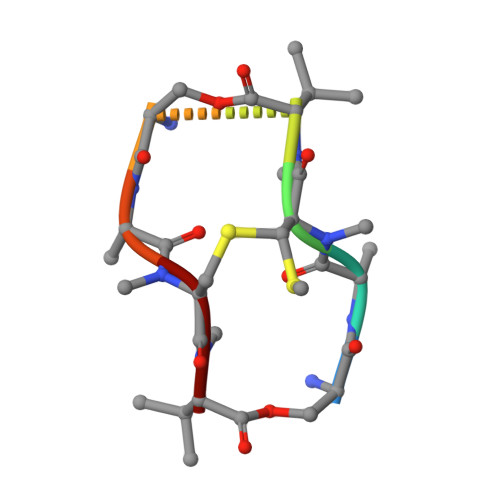
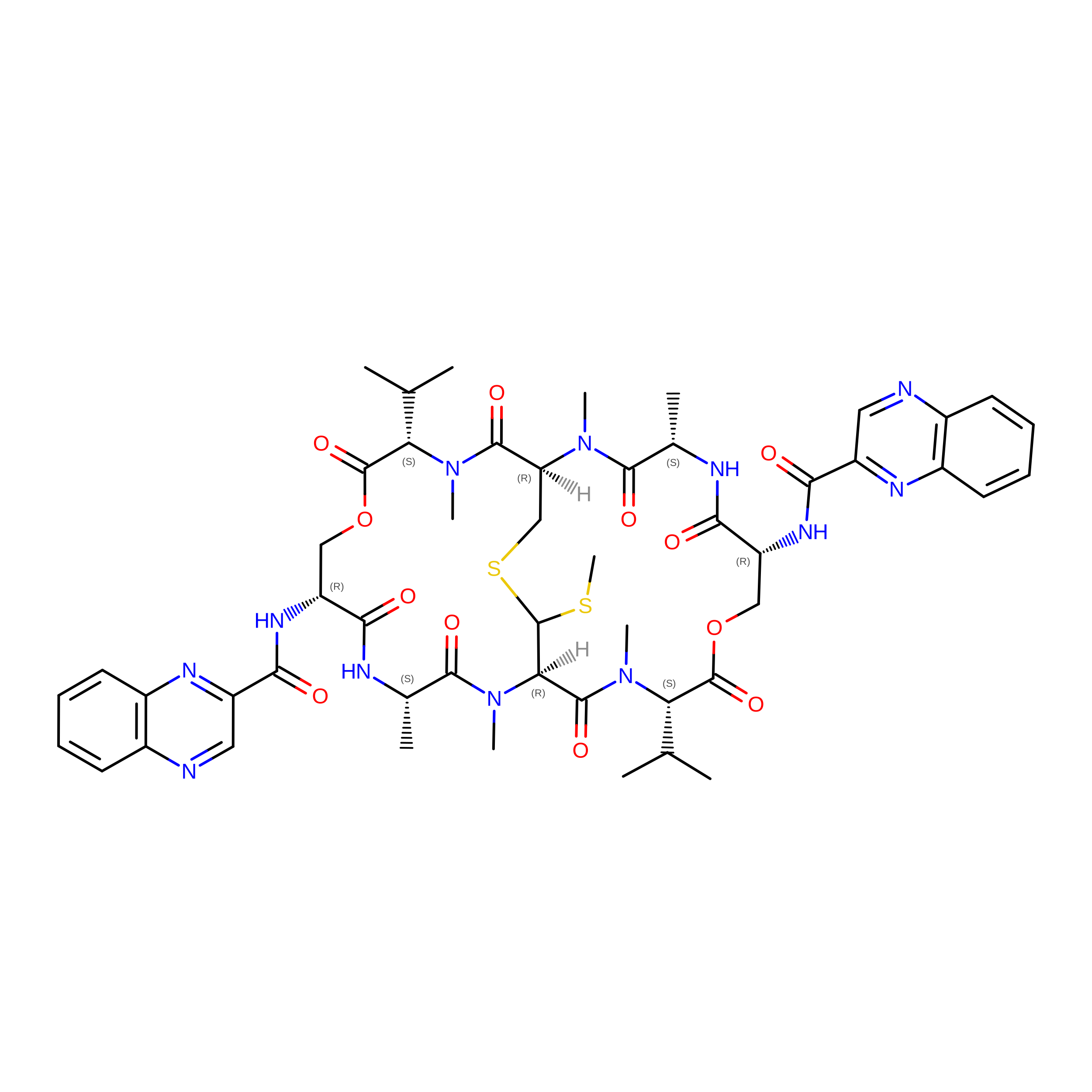
DSN-ALA-N2C-MVA-DSN-ALA-NCY-MVAG [auth L],
J [auth P],
O [auth D],
P [auth H]
8StreptomycesMutation(s): 0 
Find similar proteins by:  Sequence   |   3D Structure  
Entity ID: 4
MoleculeChains  Sequence LengthOrganismDetailsImage
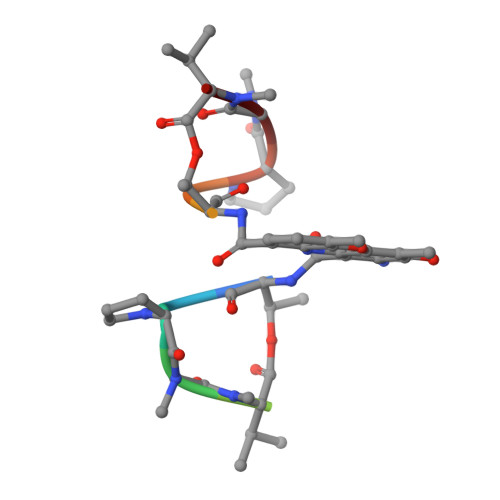
THR-DVA-PRO-SAR-MVA-PXZ-THR-DVA-PRO-SAR-MVAK [auth C],
L [auth G],
M [auth K],
N [auth O]
11StreptomycesMutation(s): 0 
Find similar nucleic acids by:  Sequence
Entity ID: 1
MoleculeChains LengthOrganismImage
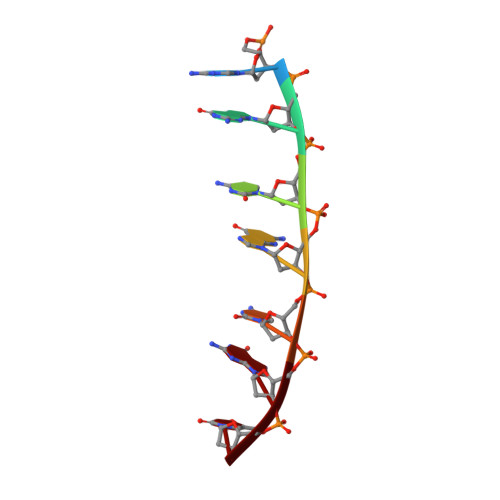
DNA (5'-D(P*AP*GP*CP*GP*CP*GP*T)-3')A,
C [auth E],
E [auth I],
H [auth M]
7synthetic construct
Sequence Annotations
Expand
Reference Sequence
Find similar nucleic acids by:  Sequence
Entity ID: 2
MoleculeChains LengthOrganismImage
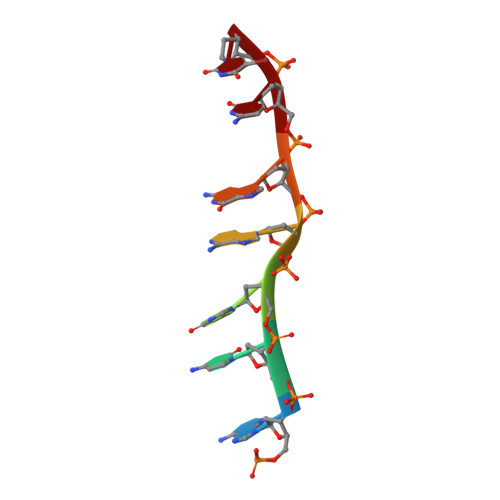
DNA (5'-D(P*AP*CP*GP*AP*GP*CP*(BRU))-3')B,
D [auth F],
F [auth J],
I [auth N]
7synthetic construct
Sequence Annotations
Expand
Reference Sequence

Small Molecules

Ligands 3 Unique
IDChains Name / Formula / InChI Key2D Diagram3D Interactions
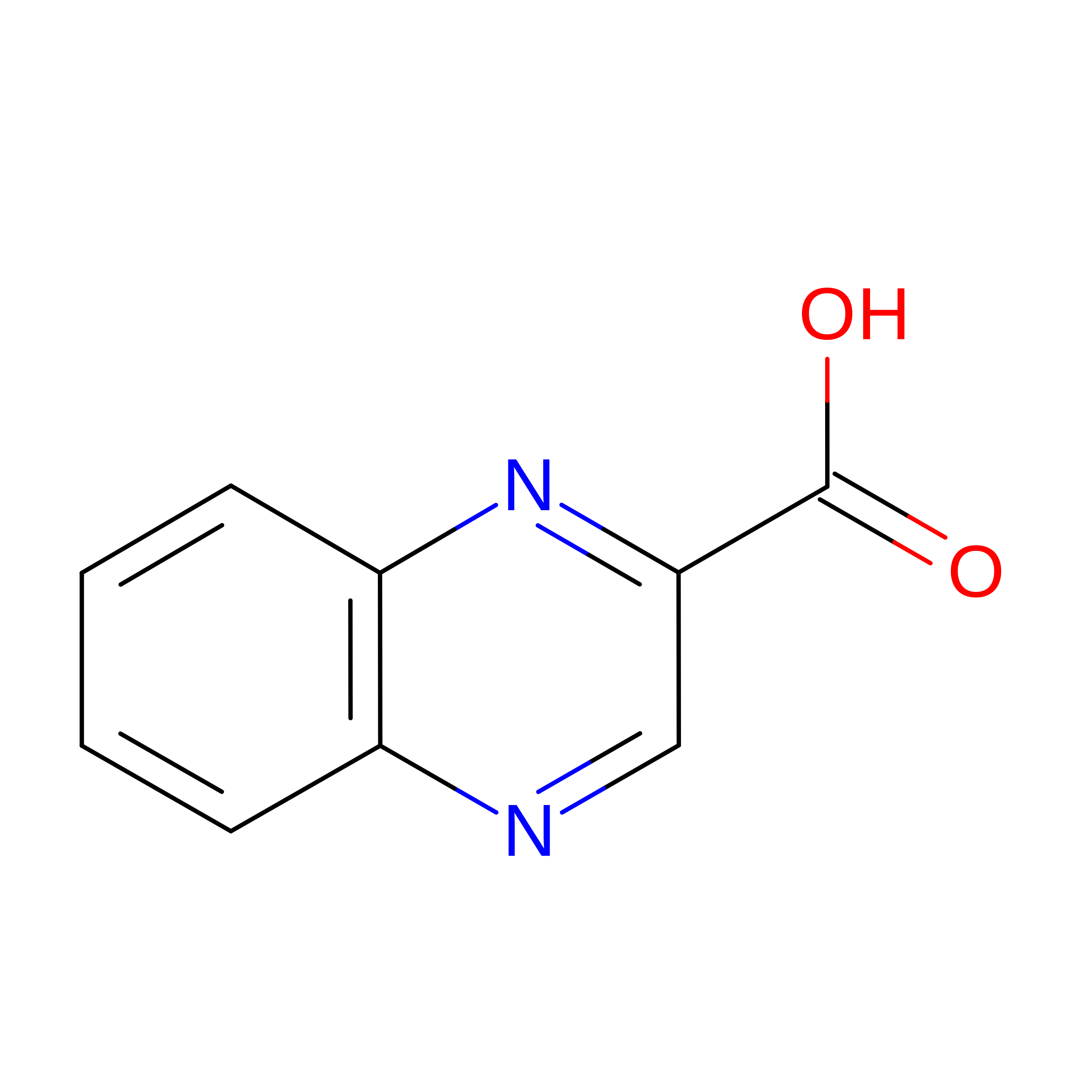
QUI

Query on QUI


Download:Ideal Coordinates CCD File
AA [auth D]
BA [auth D]
CA [auth H]
DA [auth H]
U [auth L]
AA [auth D],
BA [auth D],
CA [auth H],
DA [auth H],
U [auth L],
V [auth L],
Y [auth P],
Z [auth P]
2-CARBOXYQUINOXALINE
C9 H6 N2 O2
UPUZGXILYFKSGE-UHFFFAOYSA-N
CL

Query on CL


Download:Ideal Coordinates CCD File
Q [auth A],
S [auth J],
W [auth N]
CHLORIDE ION
Cl
VEXZGXHMUGYJMC-UHFFFAOYSA-M
MG

Query on MG


Download:Ideal Coordinates CCD File
R [auth A],
T [auth J],
X [auth N]
MAGNESIUM ION
Mg
JLVVSXFLKOJNIY-UHFFFAOYSA-N
Modified Residues  2 Unique
IDChains TypeFormula2D DiagramParent
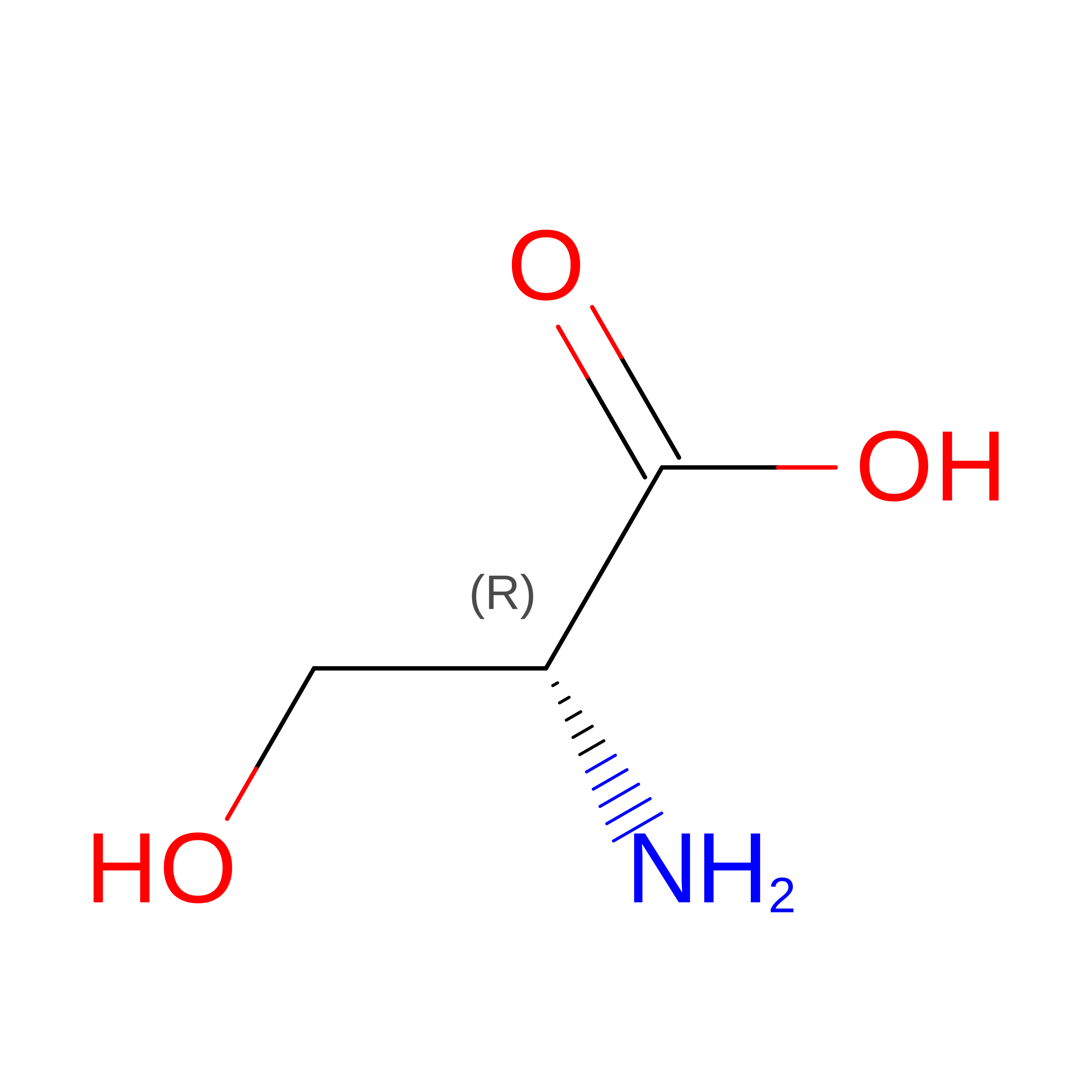
DSN
Query on DSN
G [auth L],
J [auth P],
O [auth D],
P [auth H]
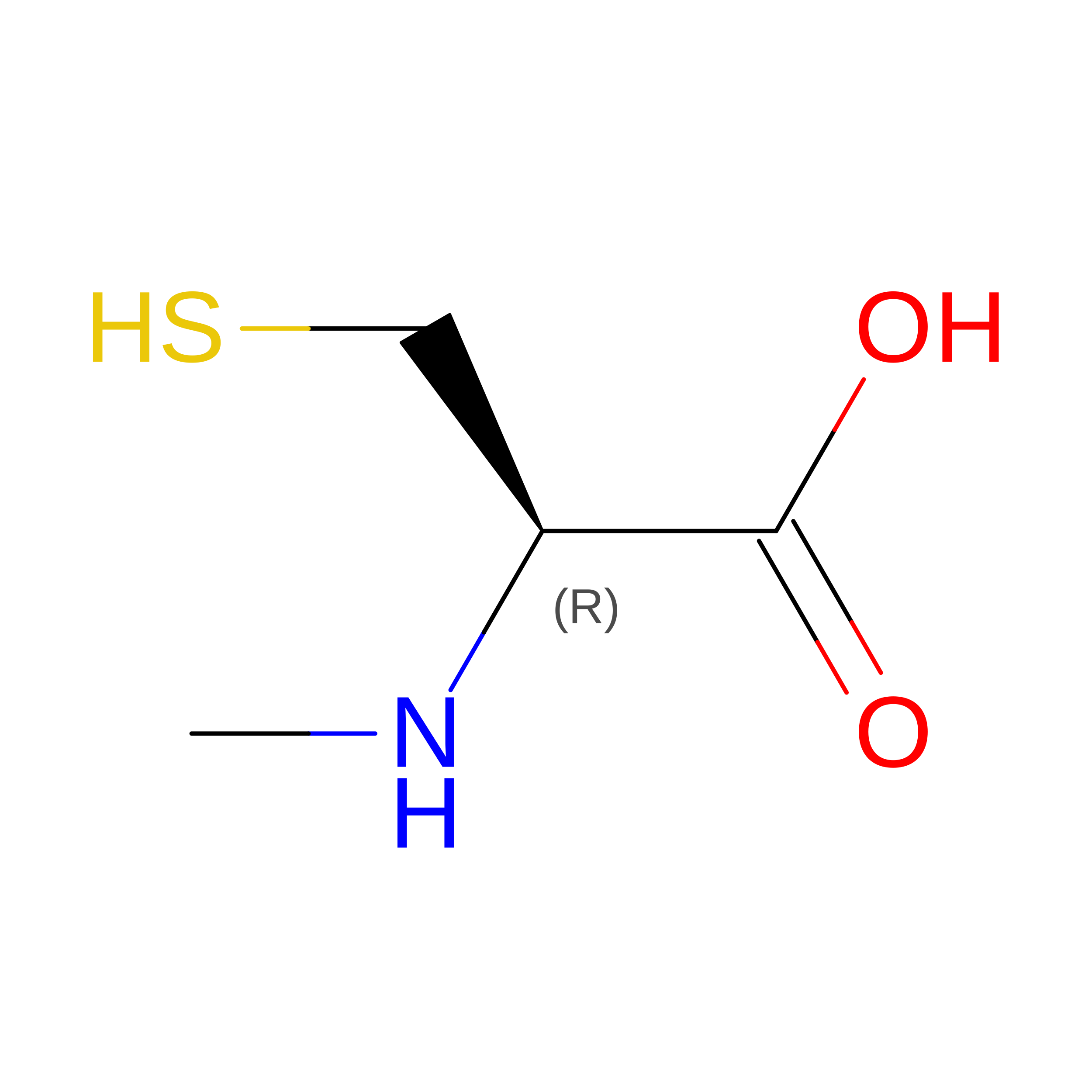
D-PEPTIDE LINKINGC3 H7 N O3

--

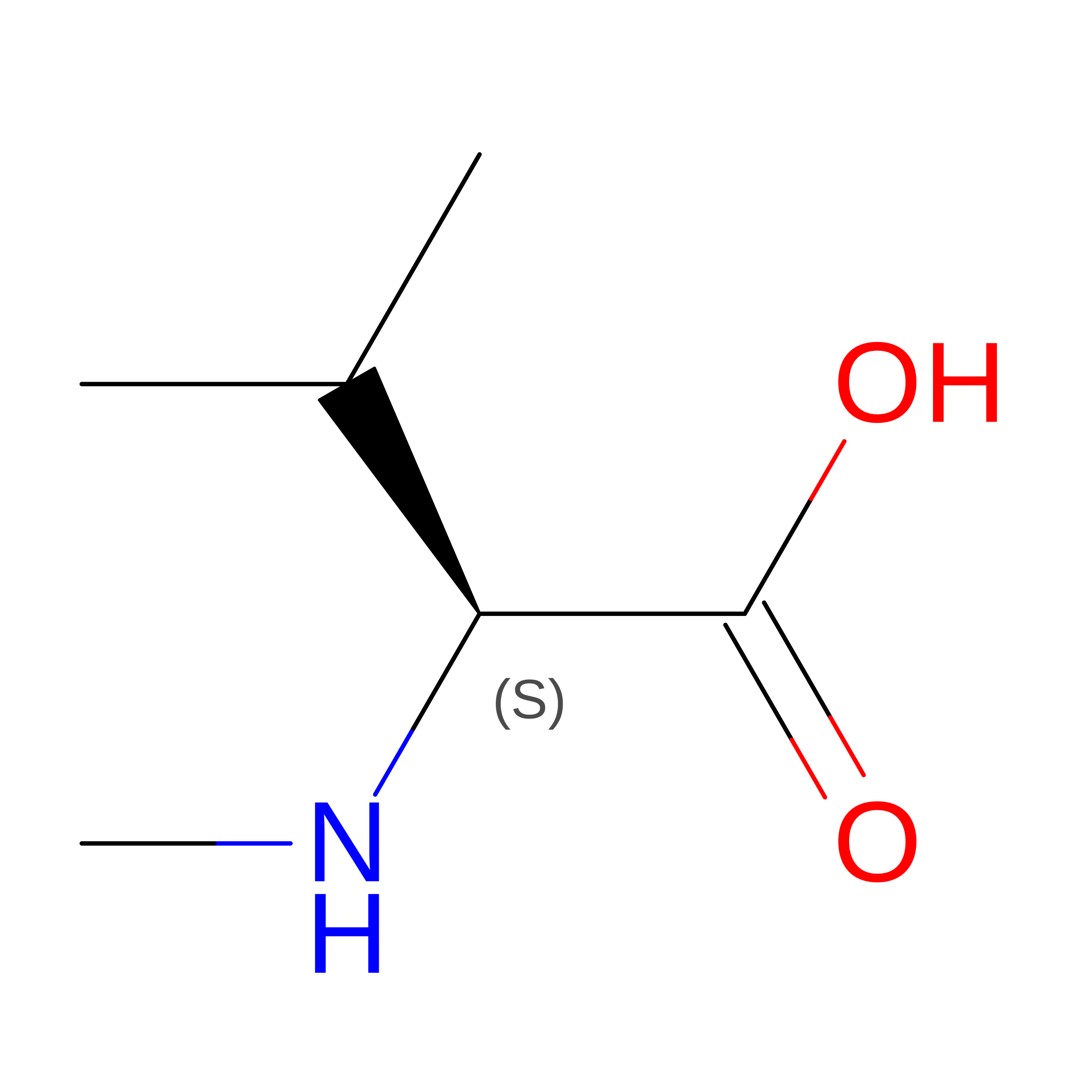
MVA
Query on MVA
G [auth L],
J [auth P],
O [auth D],
P [auth H]
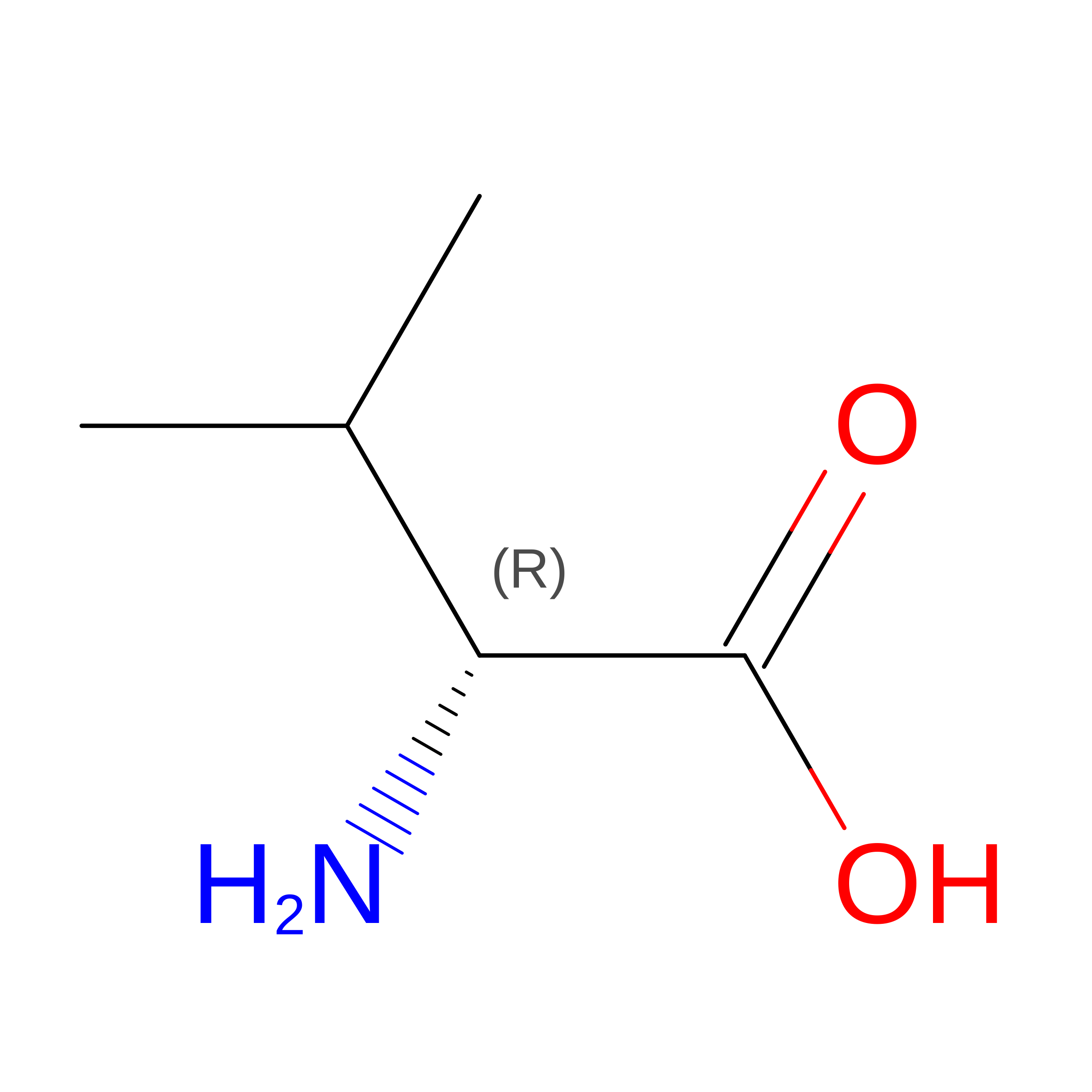
L-PEPTIDE LINKINGC6 H13 N O2VAL
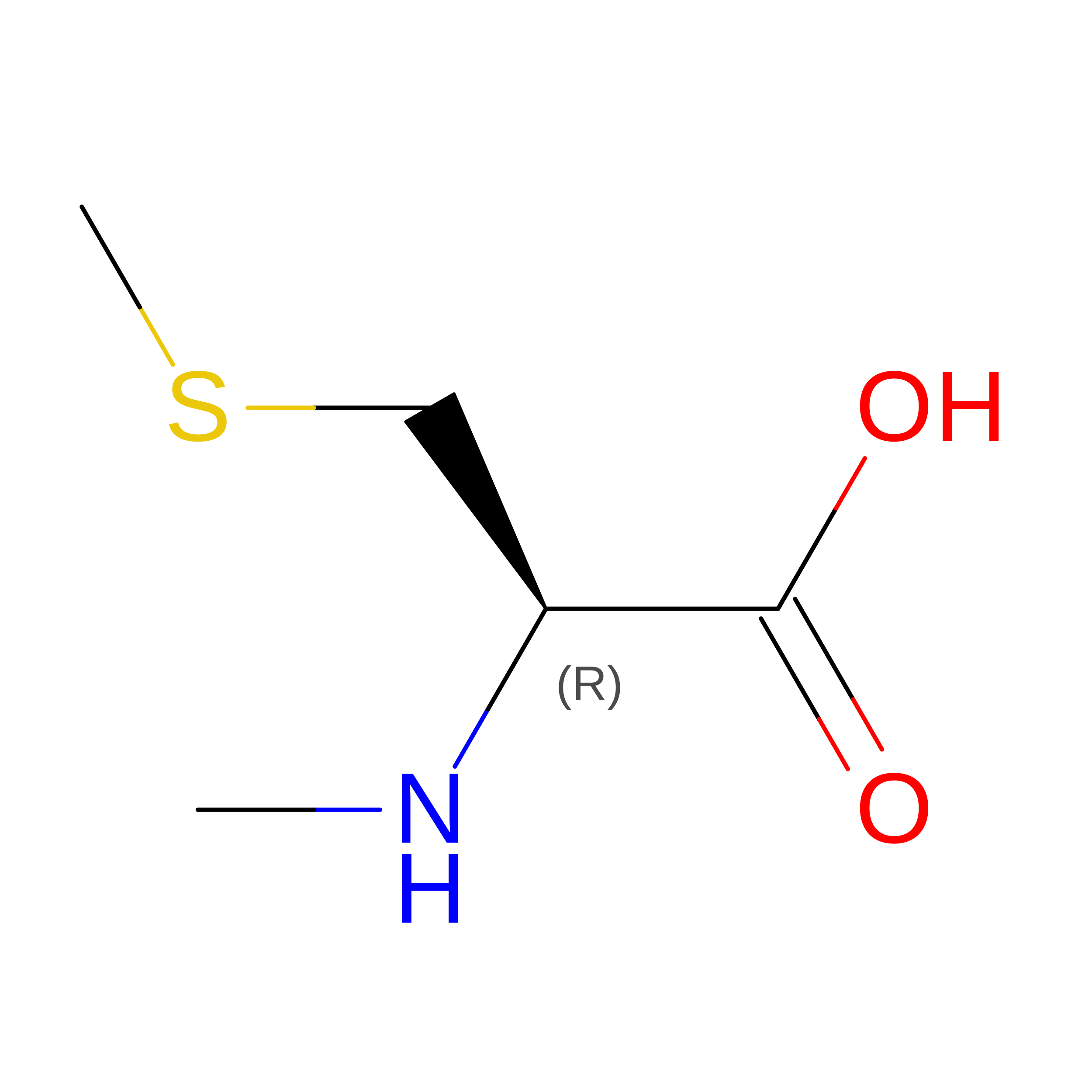
N2C
Query on N2C
G [auth L],
J [auth P],
O [auth D],
P [auth H]
L-PEPTIDE LINKINGC5 H11 N O2 S

--

NCY
Query on NCY
G [auth L],
J [auth P],
O [auth D],
P [auth H]
L-PEPTIDE LINKINGC4 H9 N O2 S

--

DVA
Query on DVA
K [auth C],
L [auth G],
M [auth K],
N [auth O]
D-PEPTIDE LINKINGC5 H11 N O2

--

SAR
Query on SAR
K [auth C],
L [auth G],
M [auth K],
N [auth O]
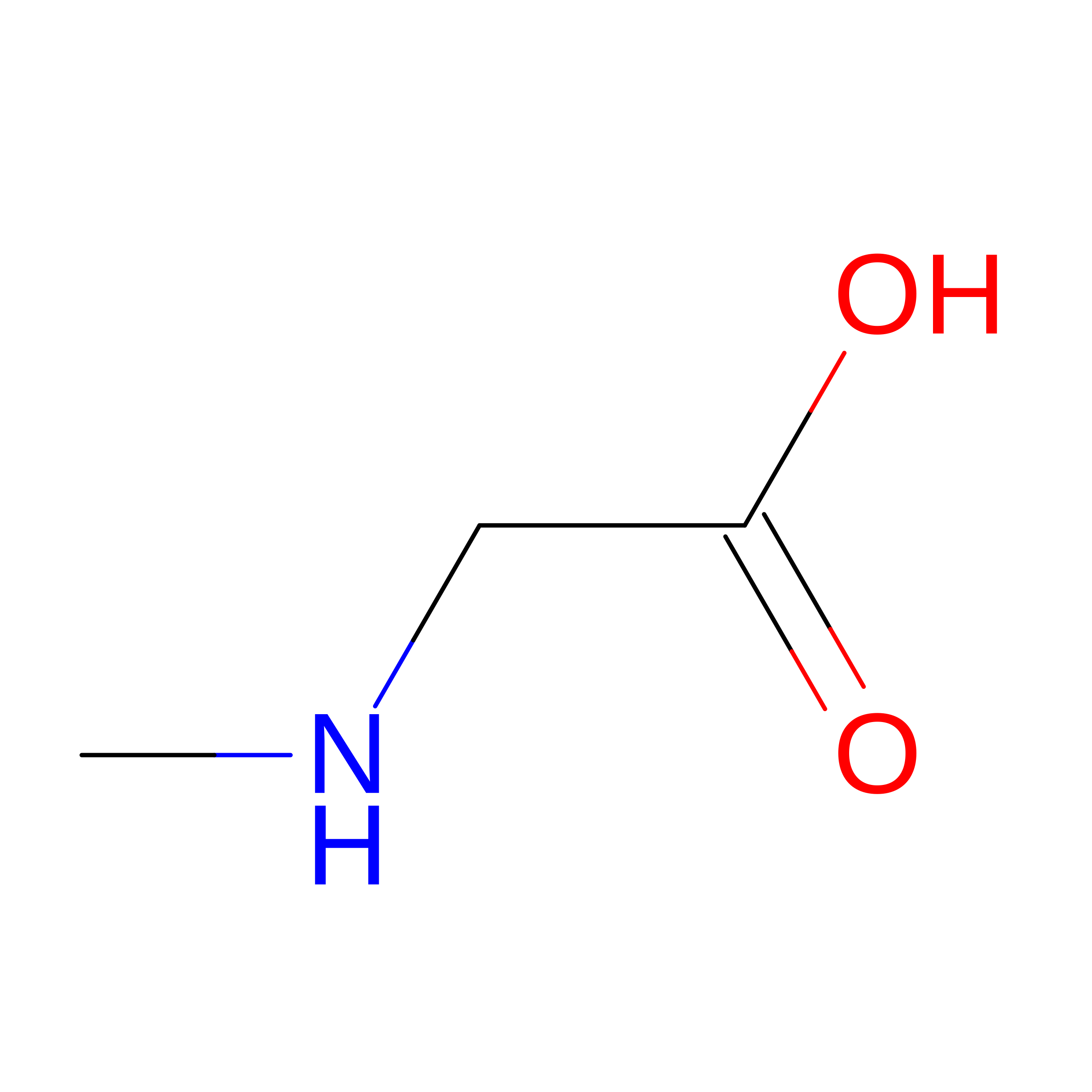
PEPTIDE LINKINGC3 H7 N O2GLY

Experimental Data & Validation

Experimental Data

  • Method: X-RAY DIFFRACTION
  • Resolution: 2.44 Å
  • R-Value Free:  0.236 (Depositor), 0.237 (DCC) 
  • R-Value Work:  0.201 (Depositor), 0.204 (DCC) 
  • R-Value Observed: 0.204 (Depositor) 
Space Group: H 3
Unit Cell:
Length ( Å )Angle ( ˚ )
a = 132.522α = 90
b = 132.522β = 90
c = 49.595γ = 120
Software Package:
Software NamePurpose
HKL-2000data scaling
PHENIXrefinement
PDB_EXTRACTdata extraction
HKL-2000data reduction
PHENIXphasing

Structure Validation

View Full Validation Report


Ligand Structure Quality Assessment 


Entry History 

& Funding Information

Deposition Data


Funding OrganizationLocationGrant Number
Ministry of Science and Technology (MoST, Taiwan)Taiwan109-2628-M-005-001-MY4
Ministry of Science and Technology (MoST, Taiwan)Taiwan109-2311-B-005-007-MY3

Revision History  (Full details and data files)

  • Version 1.0: 2022-12-14
    Type: Initial release
  • Version 2.0: 2023-11-15
    Changes: Advisory, Atomic model, Data collection, Derived calculations
  • Version 2.1: 2023-11-29
    Changes: Refinement description
  • Version 3.0: 2024-07-10
    Changes: Data collection, Derived calculations, Non-polymer description, Structure summary