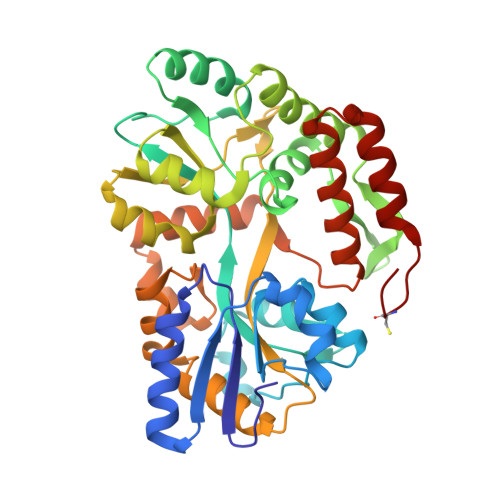
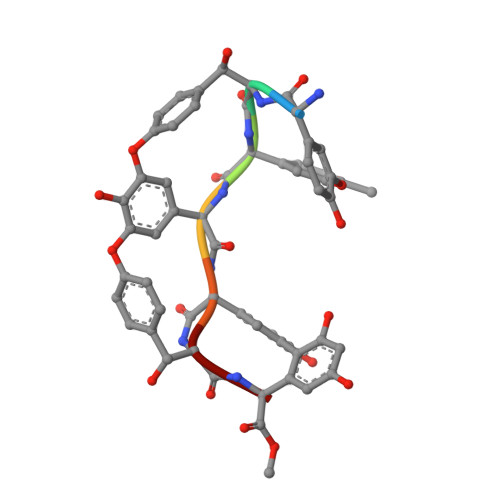
3RUM | pdb_00003rum

New strategy to analyze structures of glycopeptide antibiotic-target complexes


Experimental Data Snapshot

  • Method: X-RAY DIFFRACTION
  • Resolution: 1.85 Å
  • R-Value Free: 
    0.219 (Depositor), 0.216 (DCC) 
  • R-Value Work: 
    0.176 (Depositor), 0.173 (DCC) 
  • R-Value Observed: 
    0.178 (Depositor) 

Starting Model: experimental
View more details

wwPDB Validation 3D Report Full Report

Validation slider image for 3RUM

Ligand Structure Quality Assessment 


This is version 2.2 of the entry. See complete history

Literature

A carrier protein strategy yields the structure of dalbavancin.

Economou, N.J.Nahoum, V.Weeks, S.D.Grasty, K.C.Zentner, I.J.Townsend, T.M.Bhuiya, M.W.Cocklin, S.Loll, P.J.

(2012) J Am Chem Soc 134: 4637-4645

  • DOI: https://doi.org/10.1021/ja208755j
  • Primary Citation Related Structures: 
    3RUL, 3RUM, 3RUN

  • PubMed Abstract: 

    Many large natural product antibiotics act by specifically binding and sequestering target molecules found on bacterial cells. We have developed a new strategy to expedite the structural analysis of such antibiotic-target complexes, in which we covalently link the target molecules to carrier proteins, and then crystallize the entire carrier-target-antibiotic complex. Using native chemical ligation, we have linked the Lys-D-Ala-D-Ala binding epitope for glycopeptide antibiotics to three different carrier proteins. We show that recognition of this peptide by multiple antibiotics is not compromised by the presence of the carrier protein partner, and use this approach to determine the first-ever crystal structure for the new therapeutic dalbavancin. We also report the first crystal structure of an asymmetric ristocetin antibiotic dimer, as well as the structure of vancomycin bound to a carrier-target fusion. The dalbavancin structure reveals an antibiotic molecule that has closed around its binding partner; it also suggests mechanisms by which the drug can enhance its half-life by binding to serum proteins, and be targeted to bacterial membranes. Notably, the carrier protein approach is not limited to peptide ligands such as Lys-D-Ala-D-Ala, but is applicable to a diverse range of targets. This strategy is likely to yield structural insights that accelerate new therapeutic development.


  • Organizational Affiliation
    • Department of Biochemistry and Molecular Biology, Drexel University College of Medicine, Philadelphia, Pennsylvania 19102, United States.

Macromolecule Content 

  • Total Structure Weight: 46.51 kDa 
  • Atom Count: 3,645 
  • Modeled Residue Count: 392 
  • Deposited Residue Count: 392 
  • Unique protein chains: 2

Macromolecules

Find similar proteins by:|  3D Structure
Entity ID: 1
MoleculeChains  Sequence LengthOrganismDetailsImage
Maltose-binding periplasmic protein378Escherichia coli K-12Mutation(s): 0 
Gene Names: malEb4034JW3994
UniProt
Find proteins for P0AEX9 (Escherichia coli (strain K12))
Explore P0AEX9 
Go to UniProtKB:  P0AEX9
Entity Groups
Sequence Clusters30% Identity50% Identity70% Identity90% Identity95% Identity100% Identity
UniProt GroupP0AEX9
Sequence Annotations
Expand
Reference Sequence
Find similar proteins by:  Sequence   |   3D Structure  
Entity ID: 2
MoleculeChains  Sequence LengthOrganismDetailsImage
Ristocetin
B, C
7Amycolatopsis luridaMutation(s): 0 

Oligosaccharides

Help  
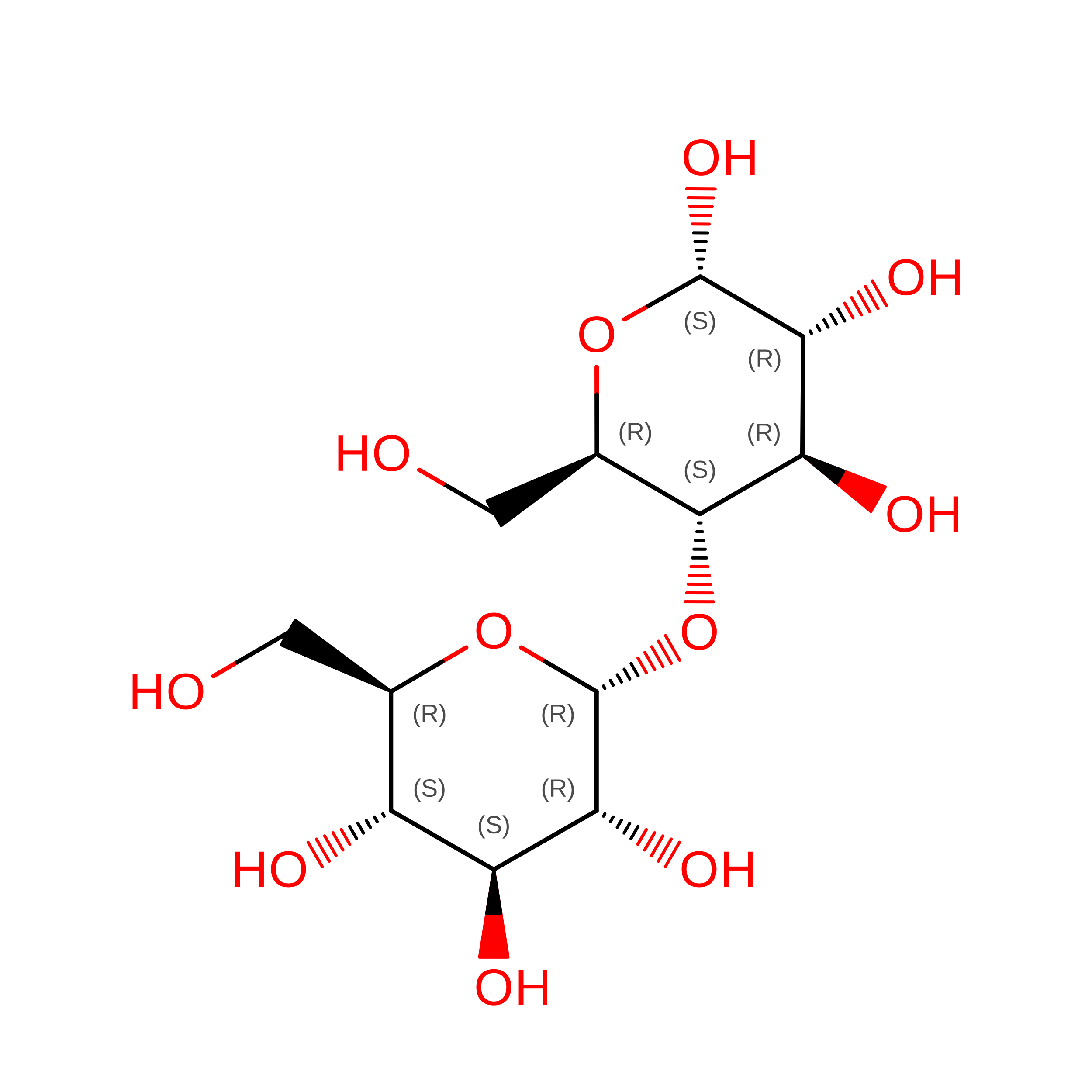
Entity ID: 3
MoleculeChains Length2D Diagram GlycosylationD Interactions
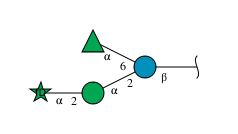
alpha-D-arabinofuranose-(1-2)-alpha-D-mannopyranose-(1-2)-[alpha-L-rhamnopyranose-(1-6)]beta-D-glucopyranose
D, E
4N/A
Glycosylation Resources
GlyTouCan: G77120YG
GlyCosmos: G77120YG
Entity ID: 4
MoleculeChains Length2D Diagram GlycosylationD Interactions
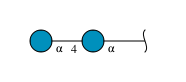
alpha-D-glucopyranose-(1-4)-alpha-D-glucopyranose
F
2N/A
Glycosylation Resources
GlyTouCan: G07411ON
GlyCosmos: G07411ON

Small Molecules

Ligands 4 Unique
IDChains Name / Formula / InChI Key2D Diagram3D Interactions
MAN

Query on MAN


Download:Ideal Coordinates CCD File
N [auth B],
P [auth C]
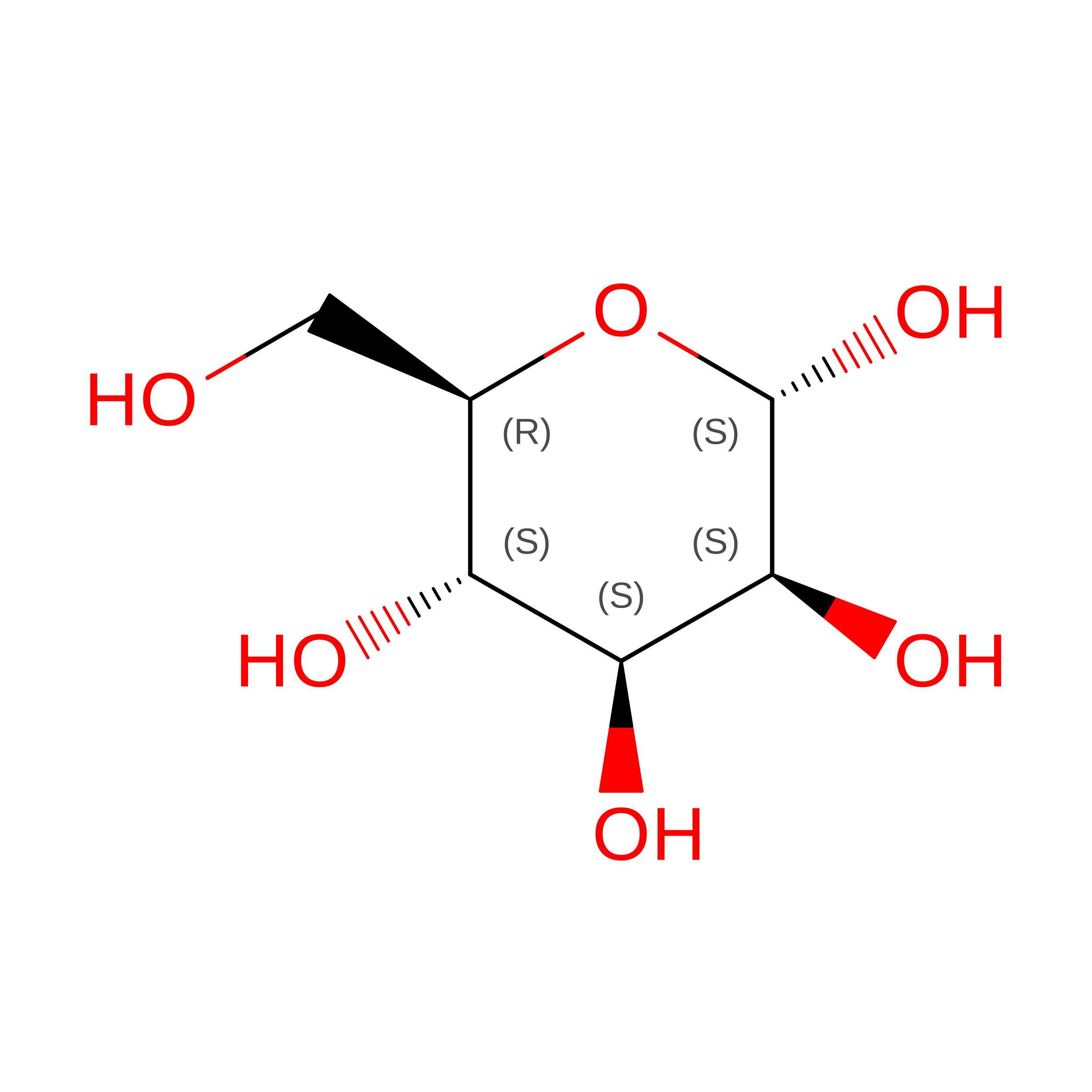
alpha-D-mannopyranose
C6 H12 O6
WQZGKKKJIJFFOK-PQMKYFCFSA-N
RST

Query on RST


Download:Ideal Coordinates CCD File
M [auth B],
O [auth C]
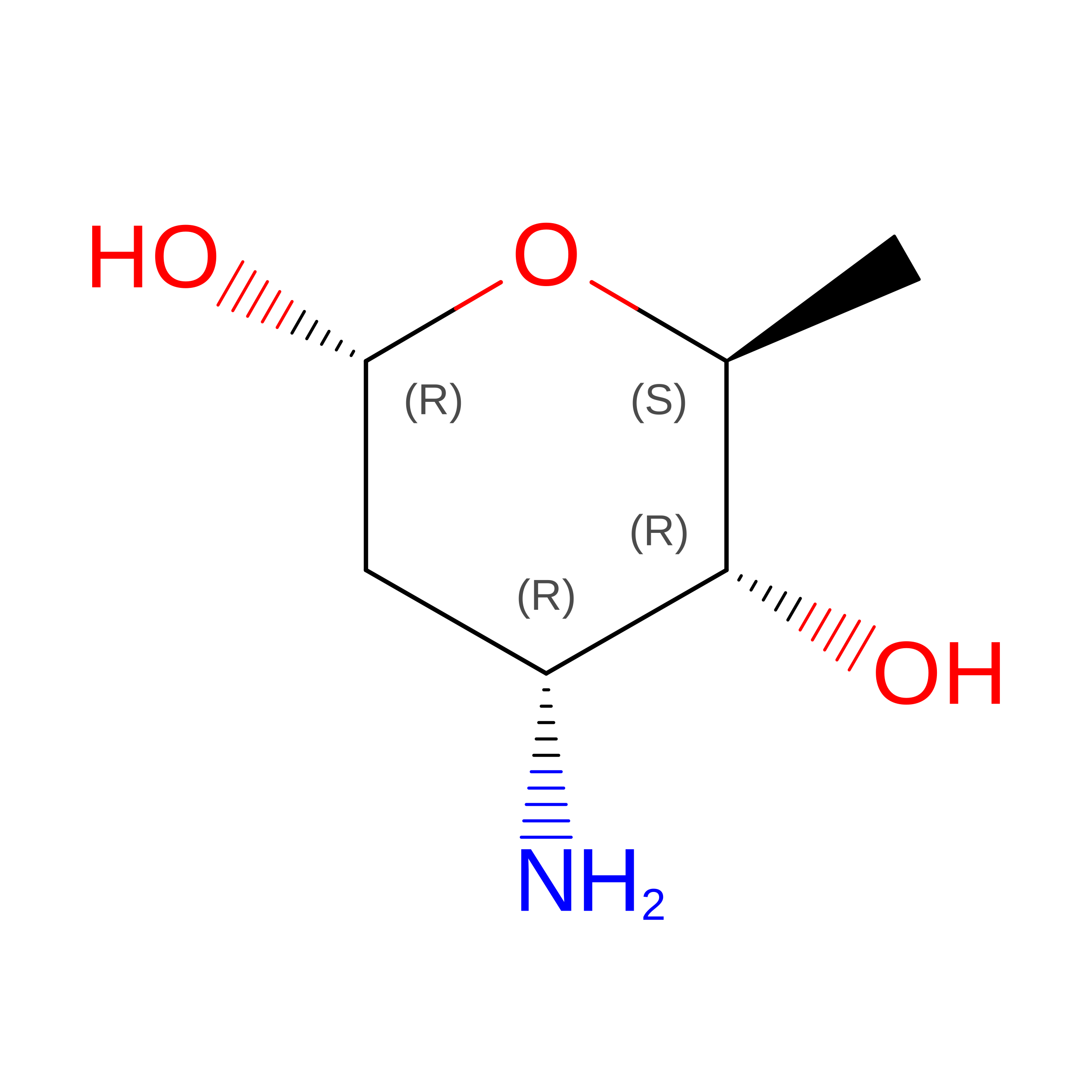
3-amino-2,3,6-trideoxy-alpha-L-ribo-hexopyranose
C6 H13 N O3
BBMKQGIZNKEDOX-KCDKBNATSA-N
SO4

Query on SO4


Download:Ideal Coordinates CCD File
J [auth A],
K [auth A],
L [auth A],
Q [auth C]
SULFATE ION
O4 S
QAOWNCQODCNURD-UHFFFAOYSA-L
IPA

Query on IPA


Download:Ideal Coordinates CCD File
G [auth A],
H [auth A],
I [auth A]
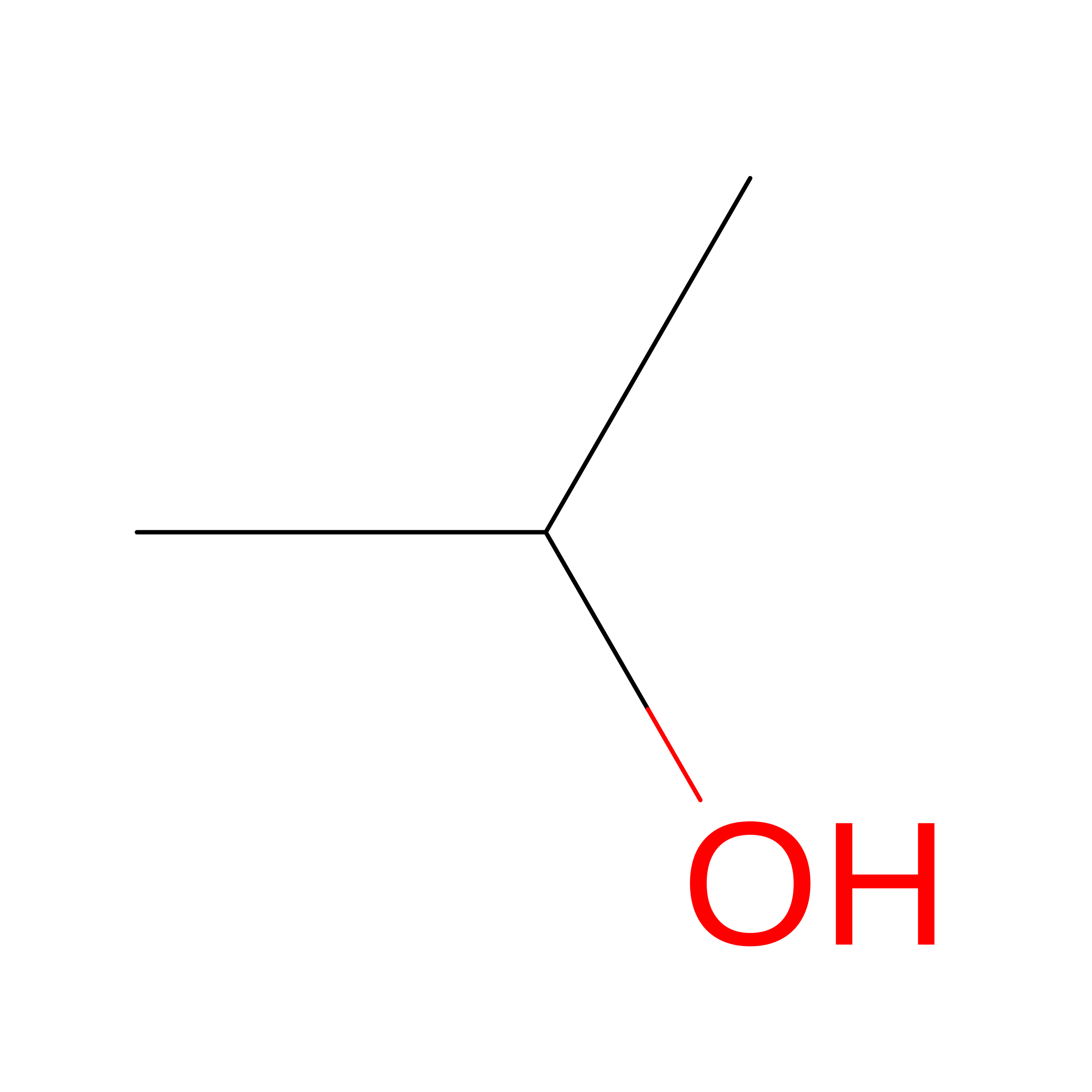
ISOPROPYL ALCOHOL
C3 H8 O
KFZMGEQAYNKOFK-UHFFFAOYSA-N
Modified Residues  3 Unique
IDChains TypeFormula2D DiagramParent
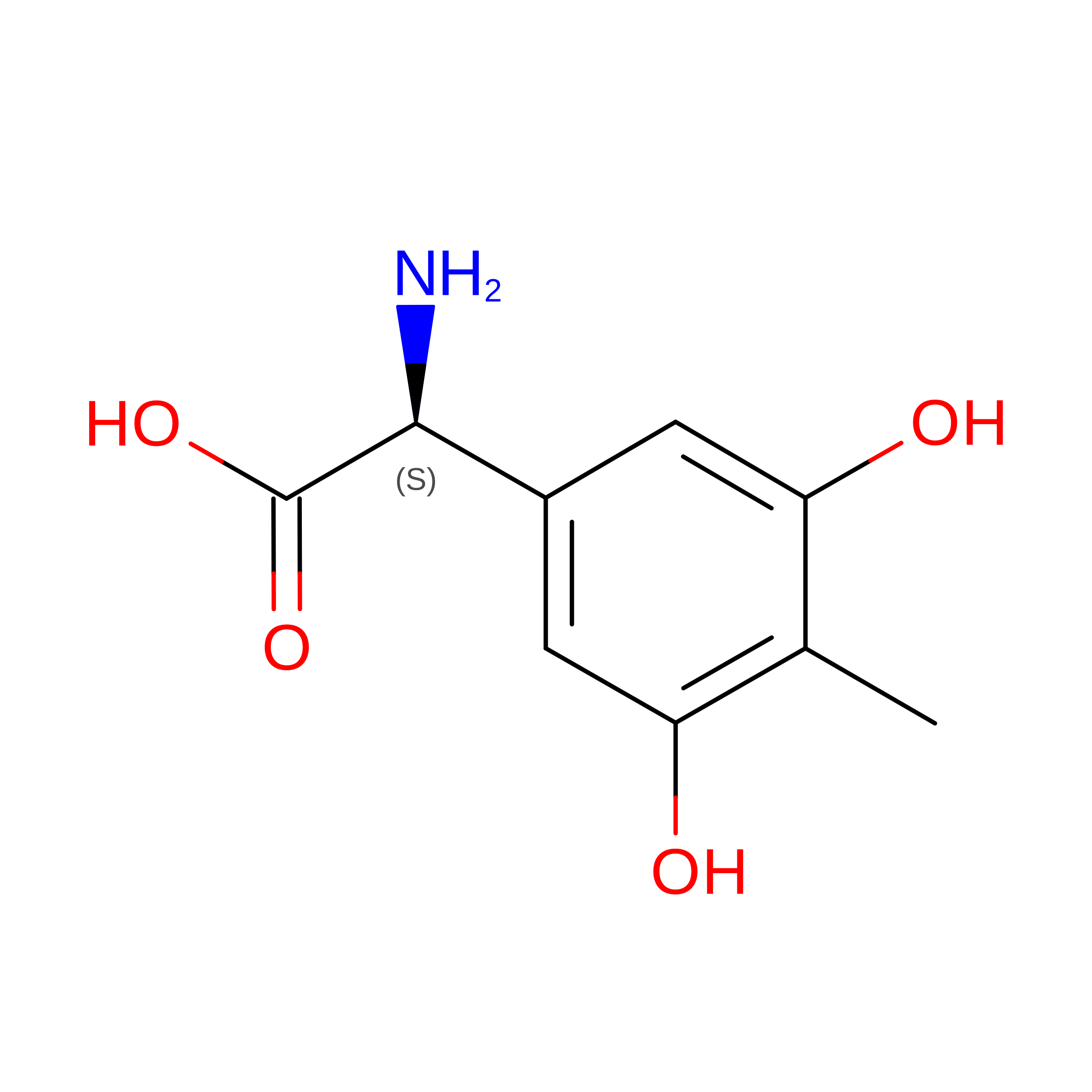
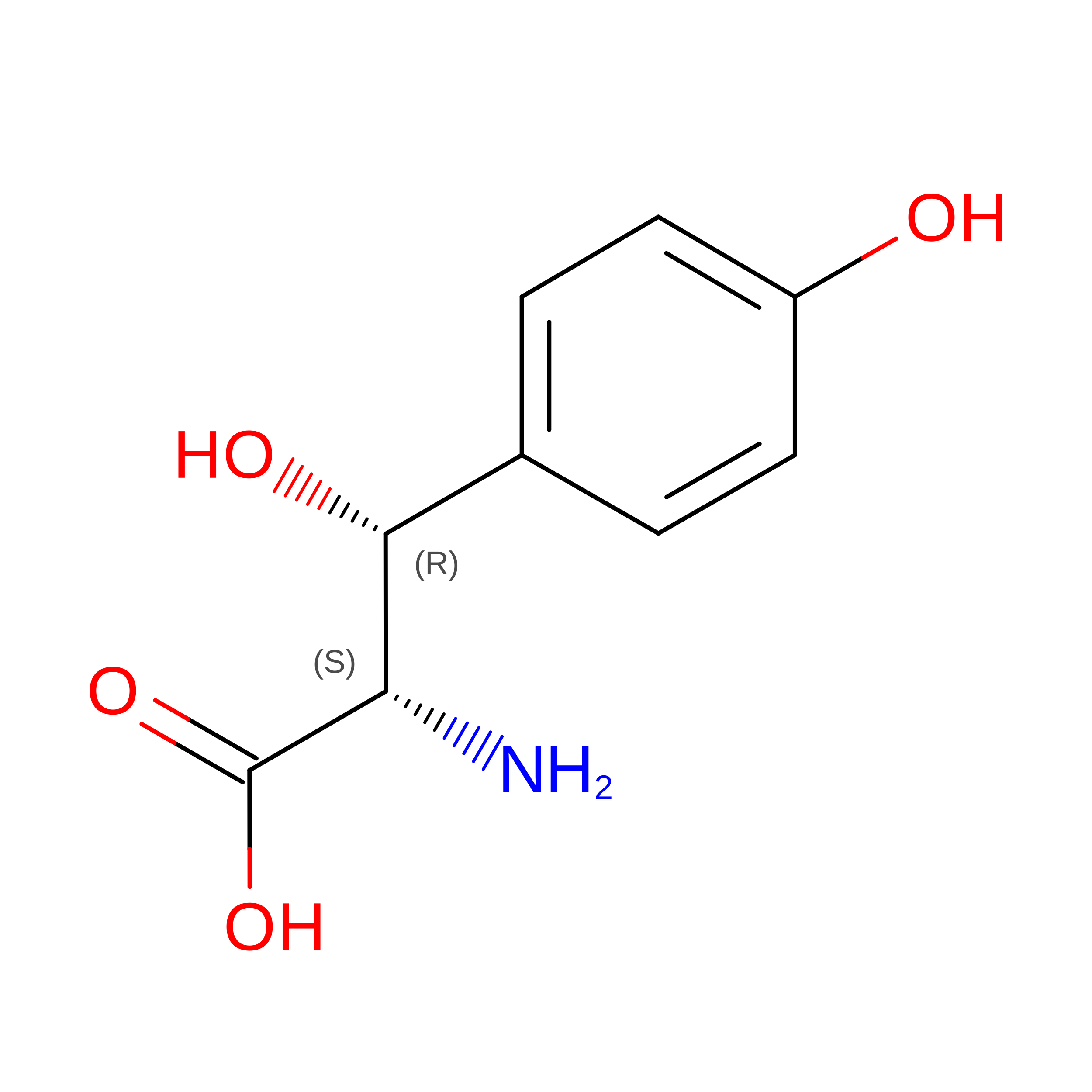
CCS
Query on CCS
A
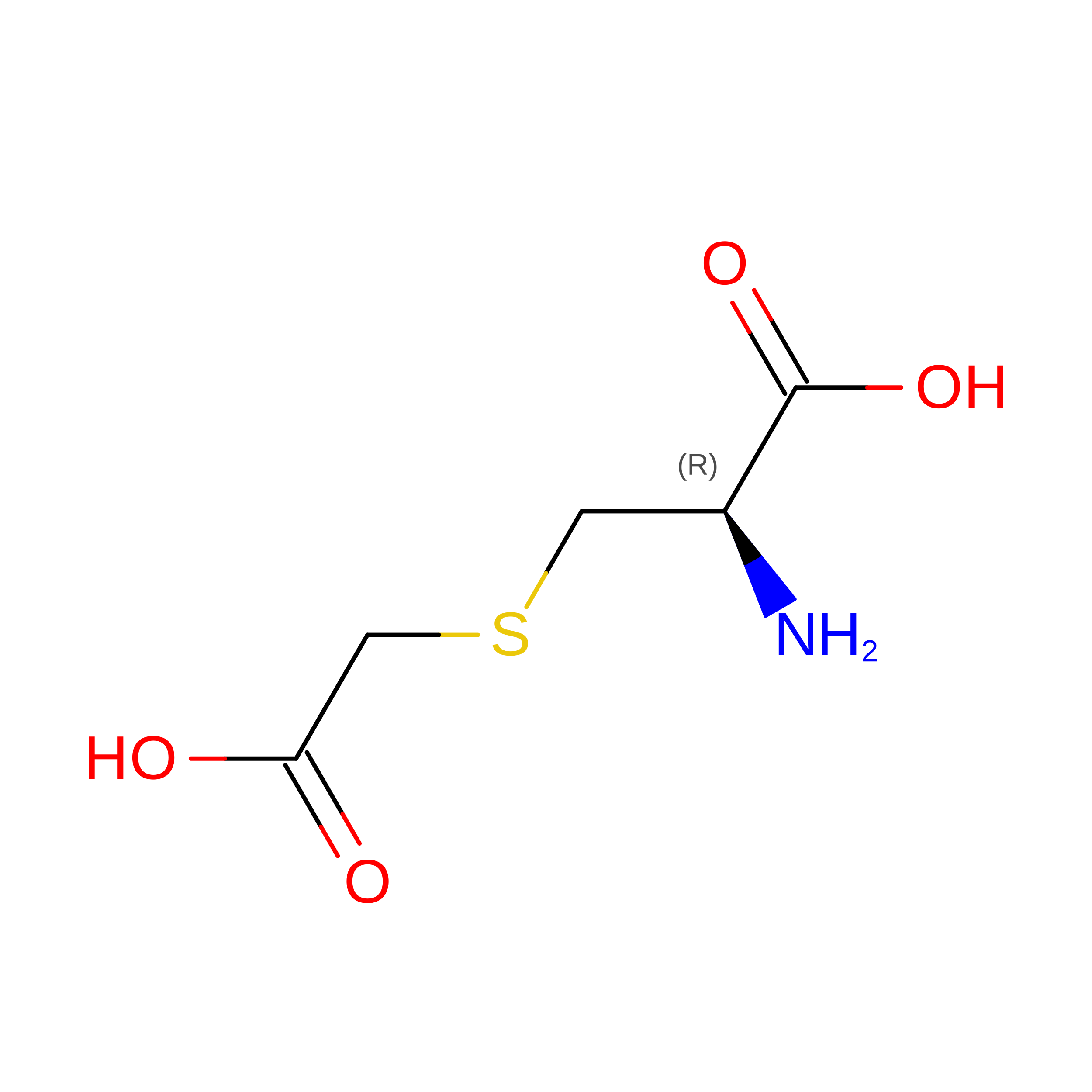
L-PEPTIDE LINKINGC5 H9 N O4 SCYS
DAL
Query on DAL
A
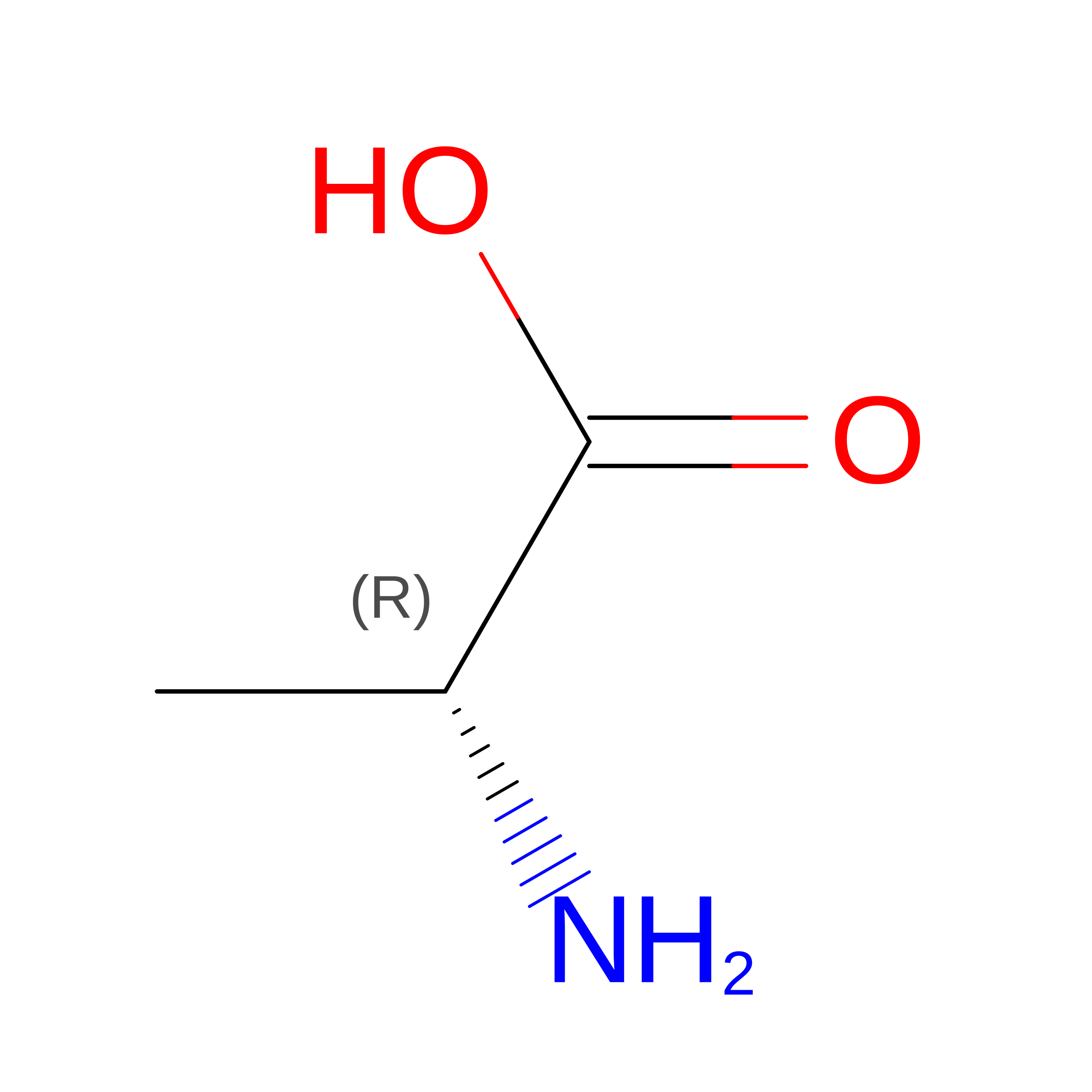
D-PEPTIDE LINKINGC3 H7 N O2

--

GHP
Query on GHP
B, C
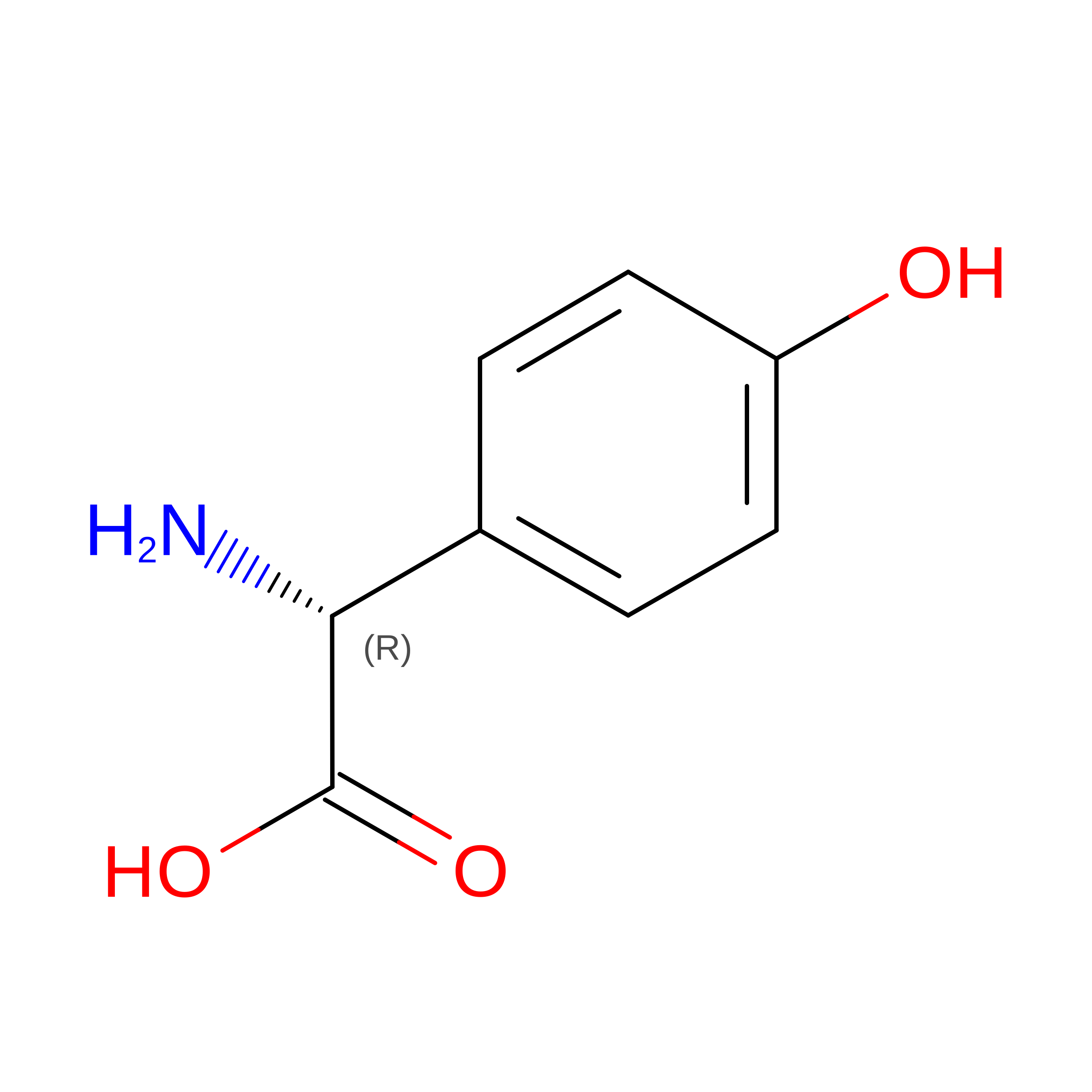
D-PEPTIDE LINKINGC8 H9 N O3

--

HTY
Query on HTY
B, C
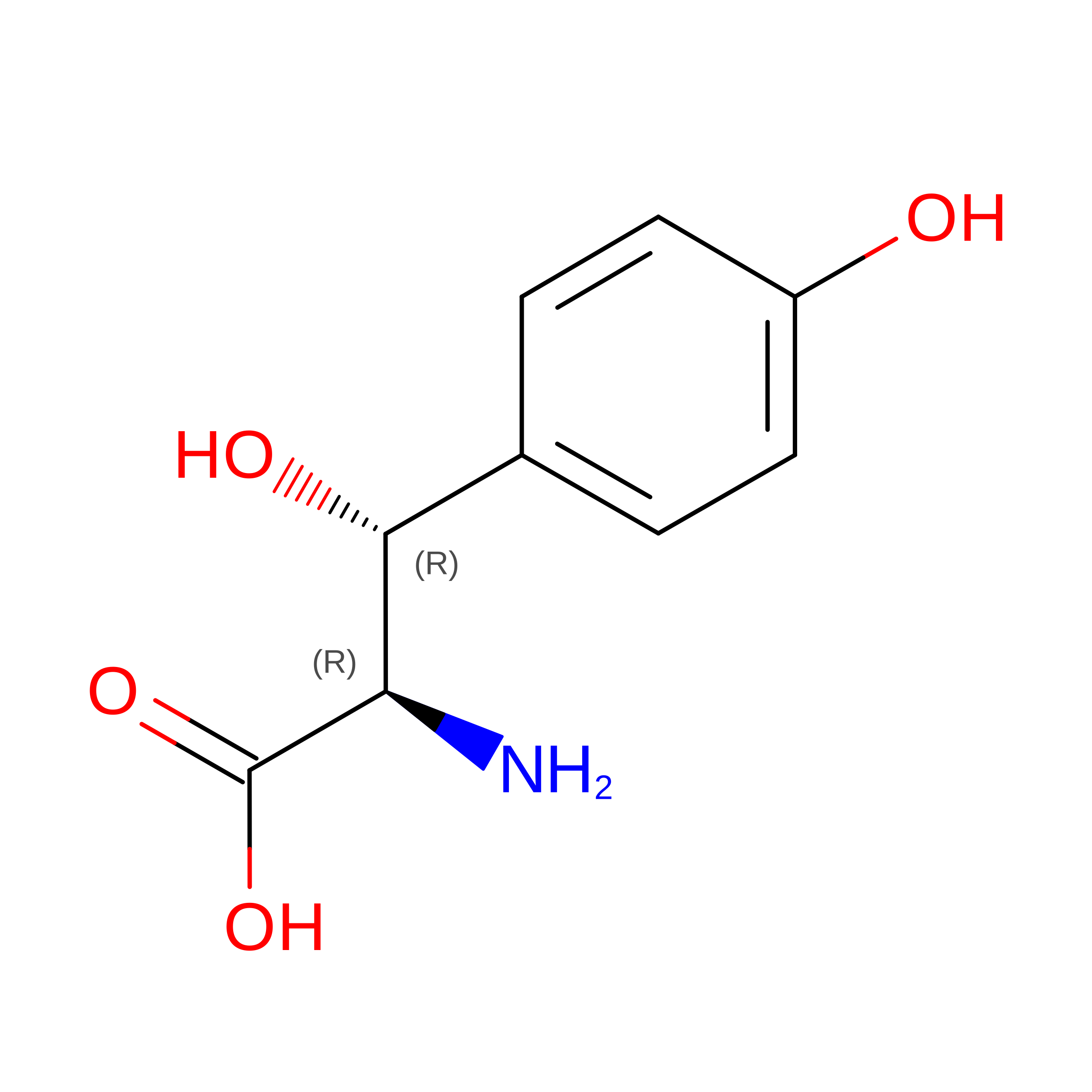
D-PEPTIDE LINKINGC9 H11 N O4

--

MDF
Query on MDF
B, C
L-PEPTIDE LINKINGC9 H11 N O4TYR
MP4
Query on MP4
B, C
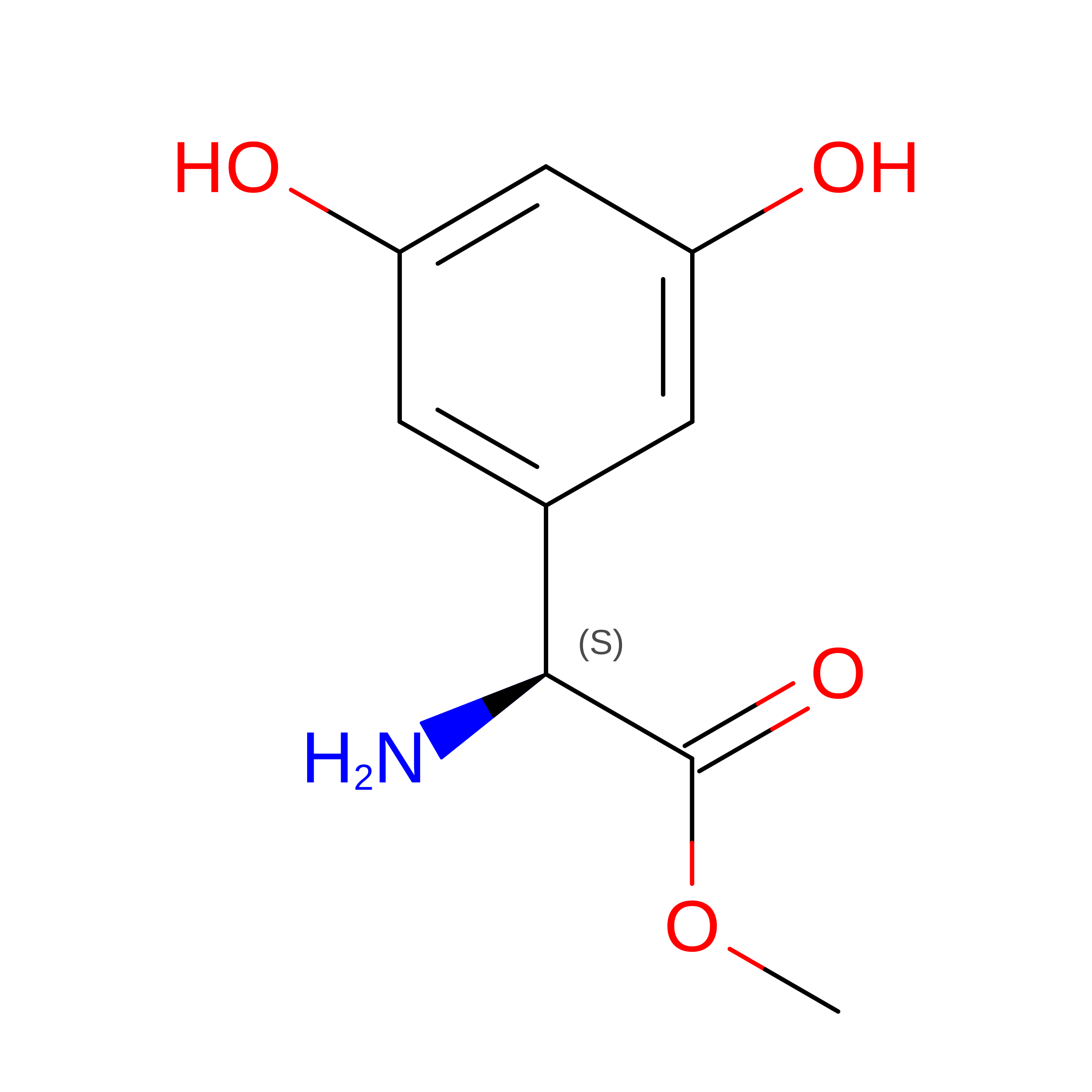
L-PEPTIDE LINKINGC9 H11 N O4

--

OMX
Query on OMX
B, C
L-PEPTIDE LINKINGC9 H11 N O4TYR

Biologically Interesting Molecules (External Reference) 

1 Unique

Experimental Data & Validation

Experimental Data

  • Method: X-RAY DIFFRACTION
  • Resolution: 1.85 Å
  • R-Value Free:  0.219 (Depositor), 0.216 (DCC) 
  • R-Value Work:  0.176 (Depositor), 0.173 (DCC) 
  • R-Value Observed: 0.178 (Depositor) 
Space Group: P 21 21 21
Unit Cell:
Length ( Å )Angle ( ˚ )
a = 57.833α = 90
b = 75.005β = 90
c = 90.778γ = 90
Software Package:
Software NamePurpose
XSCALEdata scaling
MOLREPphasing
PHENIXrefinement
PDB_EXTRACTdata extraction
XDSdata reduction

Structure Validation

View Full Validation Report


Ligand Structure Quality Assessment 


Entry History 

Deposition Data

Revision History  (Full details and data files)

  • Version 1.0: 2012-06-06
    Type: Initial release
  • Version 1.1: 2016-02-17
    Changes: Derived calculations, Non-polymer description
  • Version 2.0: 2020-07-29
    Type: Remediation
    Reason: Carbohydrate remediation
    Changes: Atomic model, Data collection, Database references, Derived calculations, Non-polymer description, Polymer sequence, Structure summary
  • Version 2.1: 2023-09-13
    Changes: Data collection, Database references, Refinement description, Structure summary
  • Version 2.2: 2023-12-06
    Changes: Data collection, Derived calculations