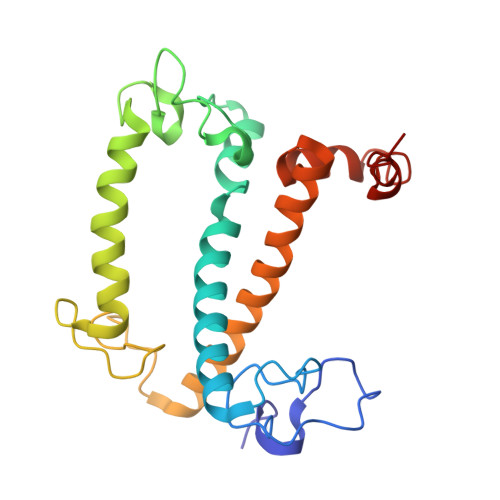
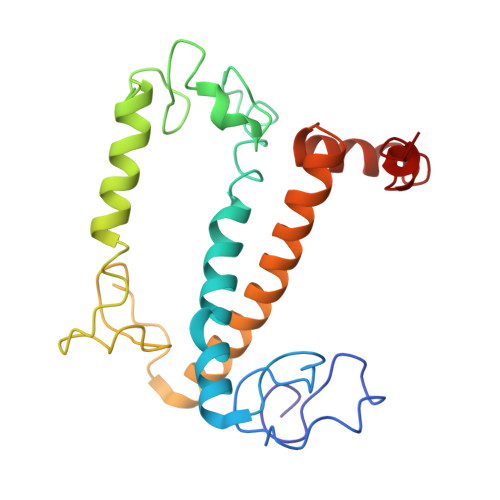
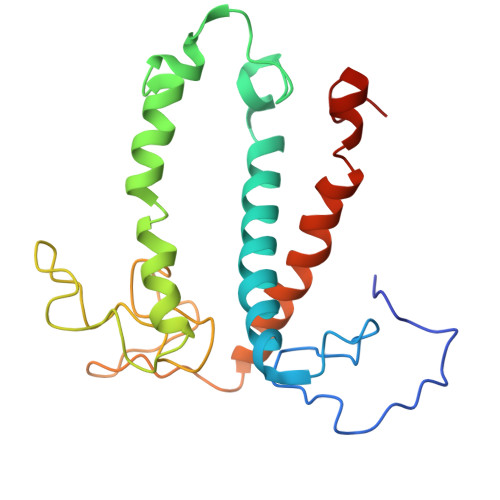
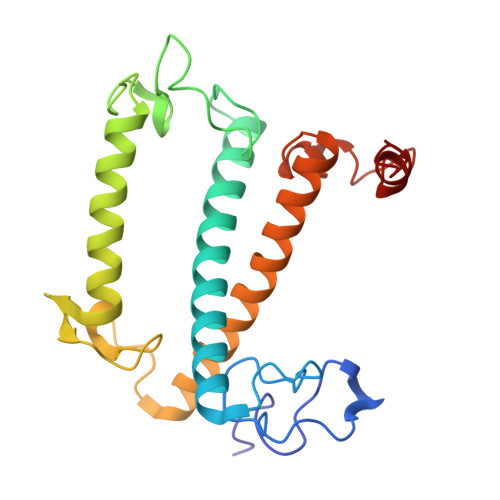
Find PDB structures and Computed Structure Models (CSM) by combining queries from tools in this suite: Attribute Search, Sequence Similarity, Sequence Motif, 3D Similarity, and 3D Motif with 'AND' logic.
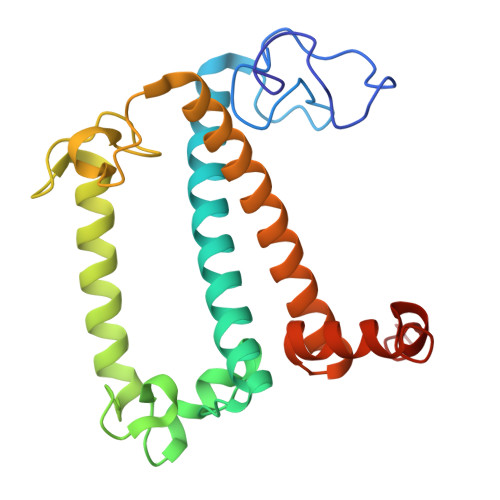
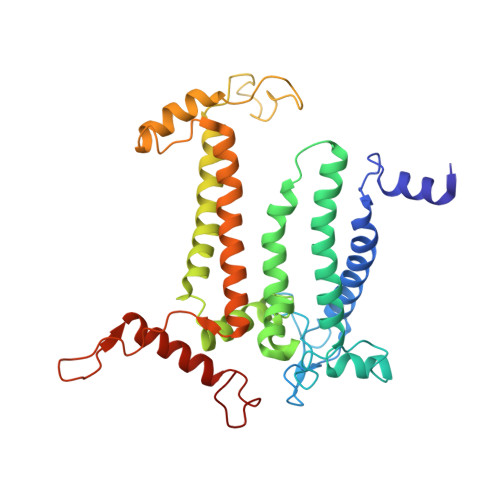
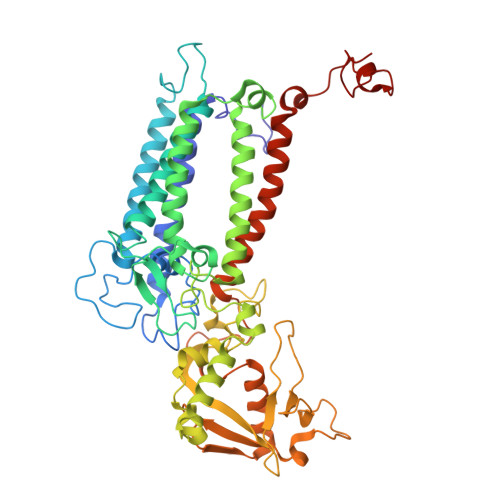
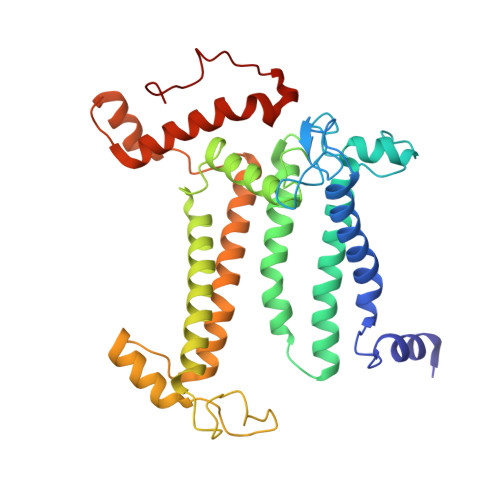
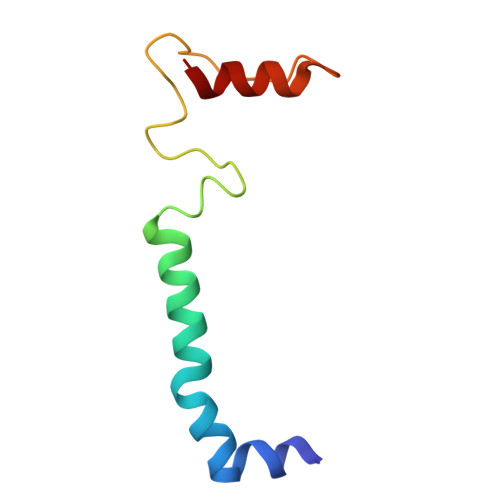
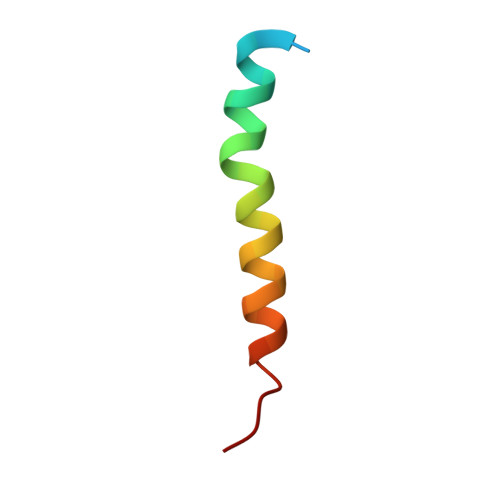
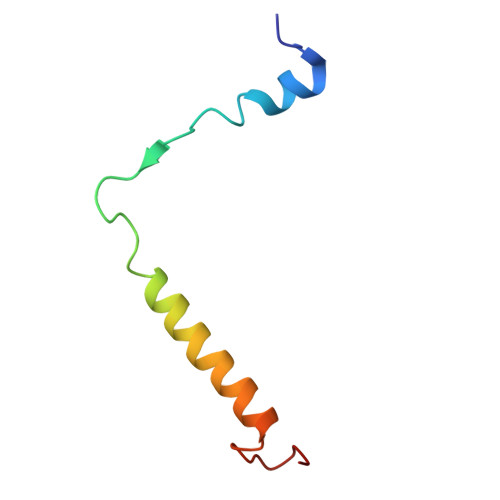
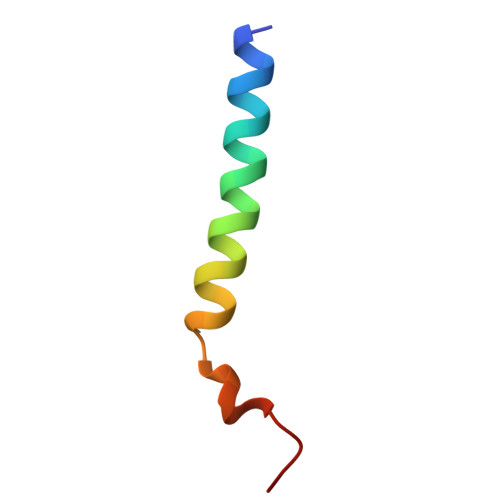
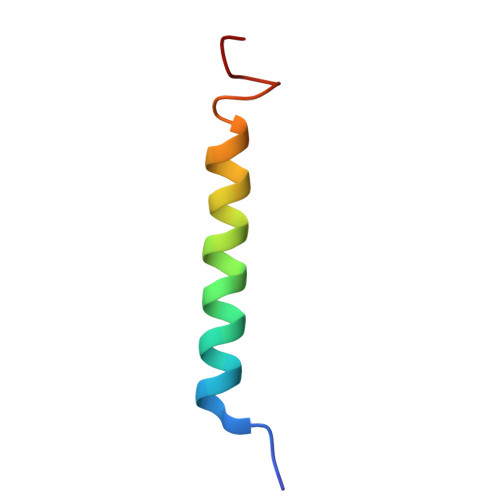
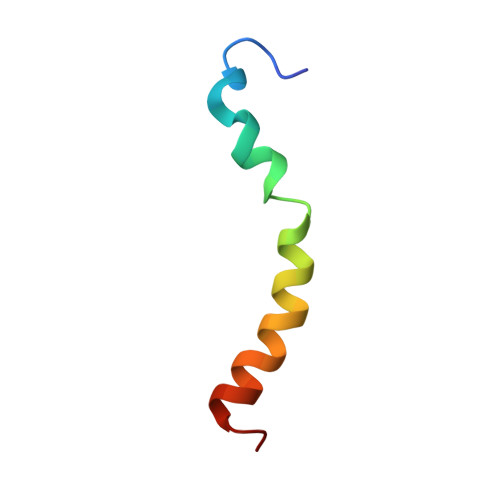
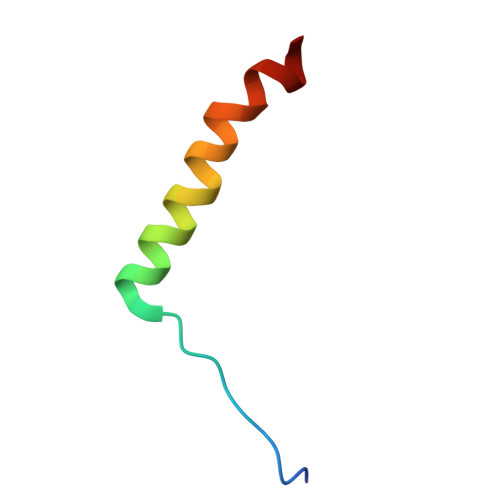
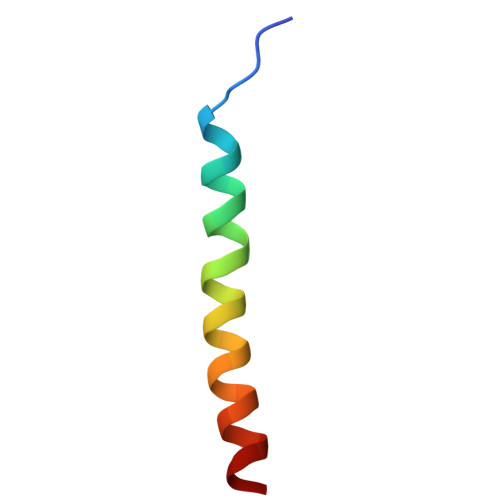
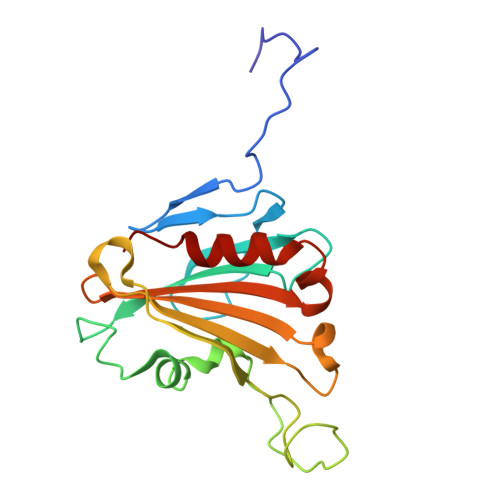
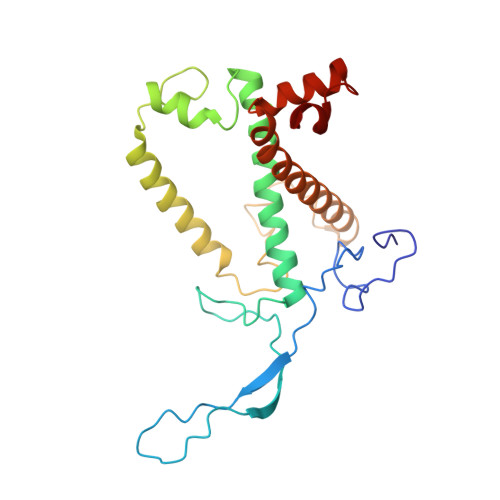
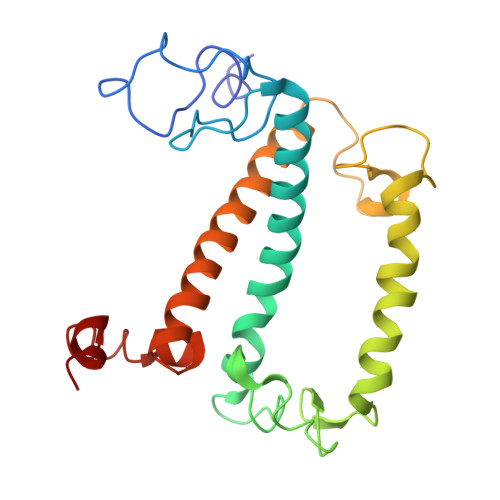
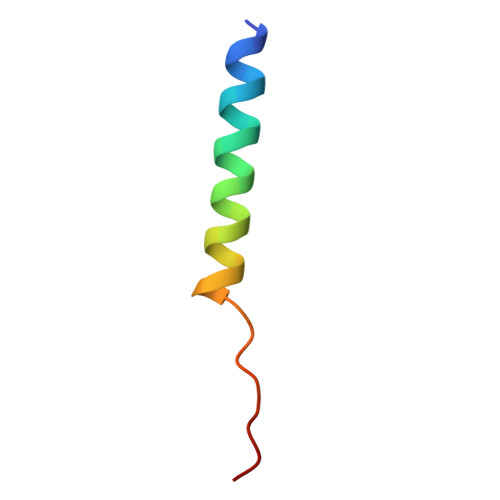
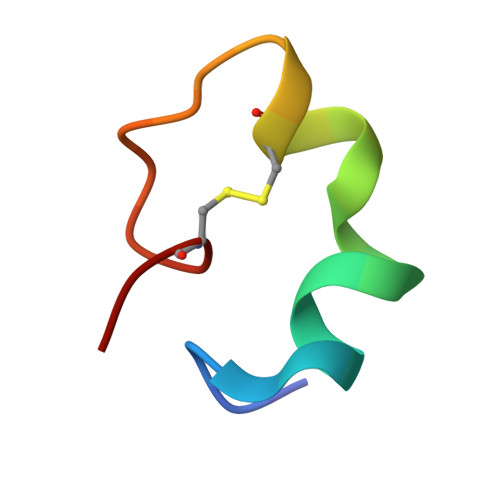
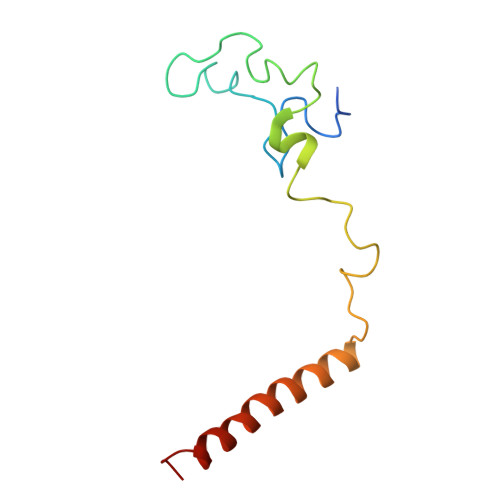
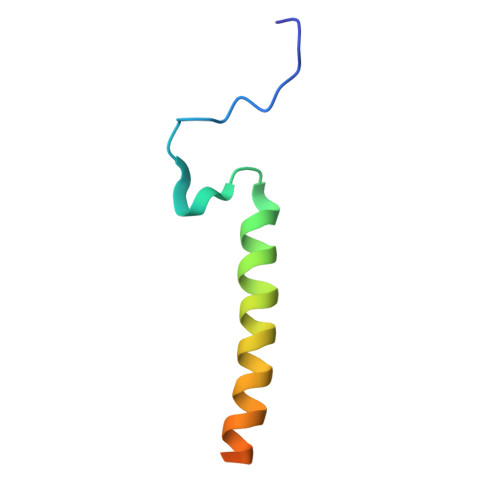
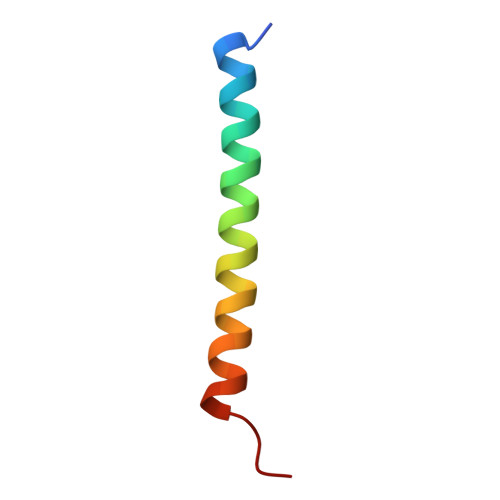
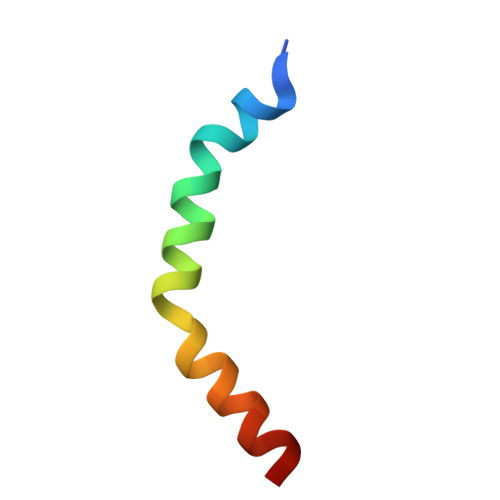
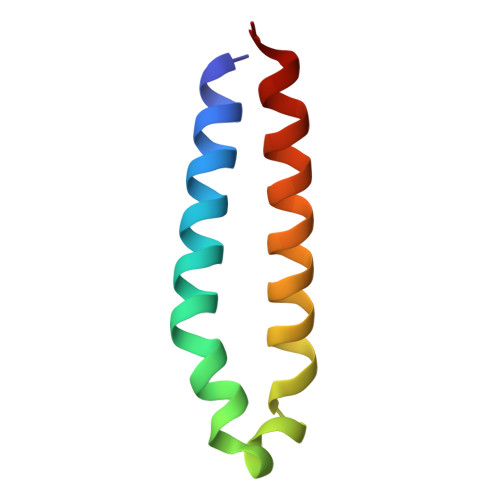
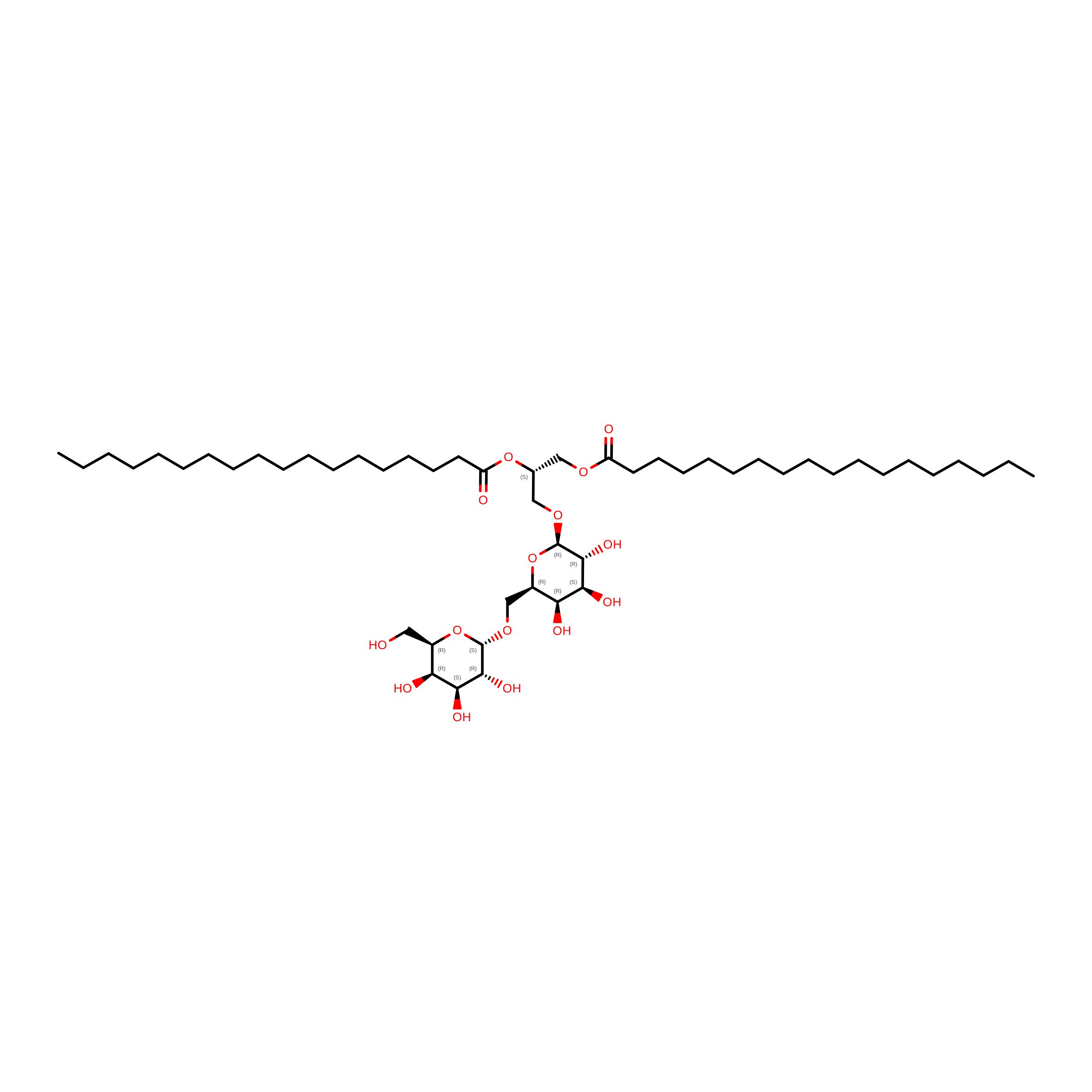
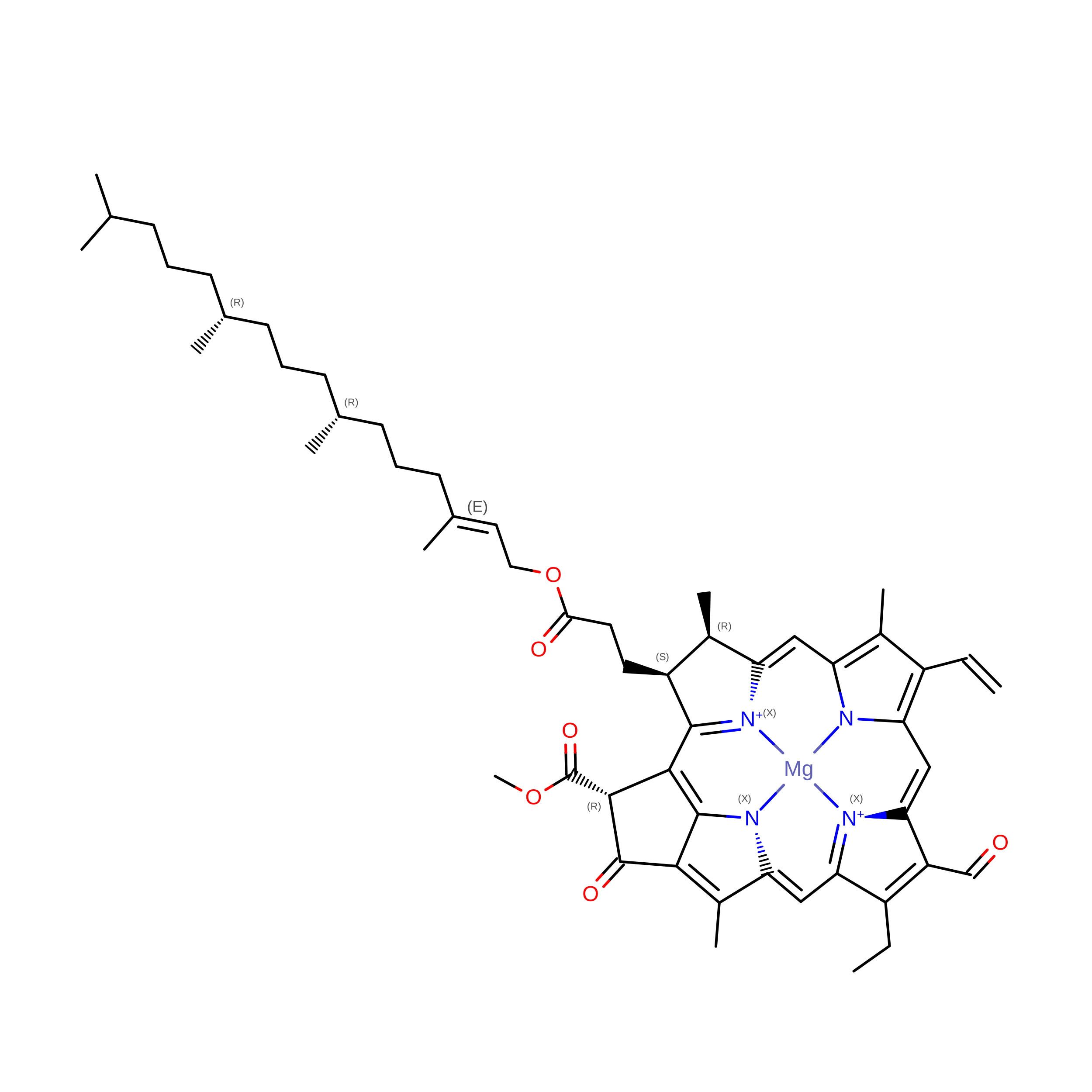
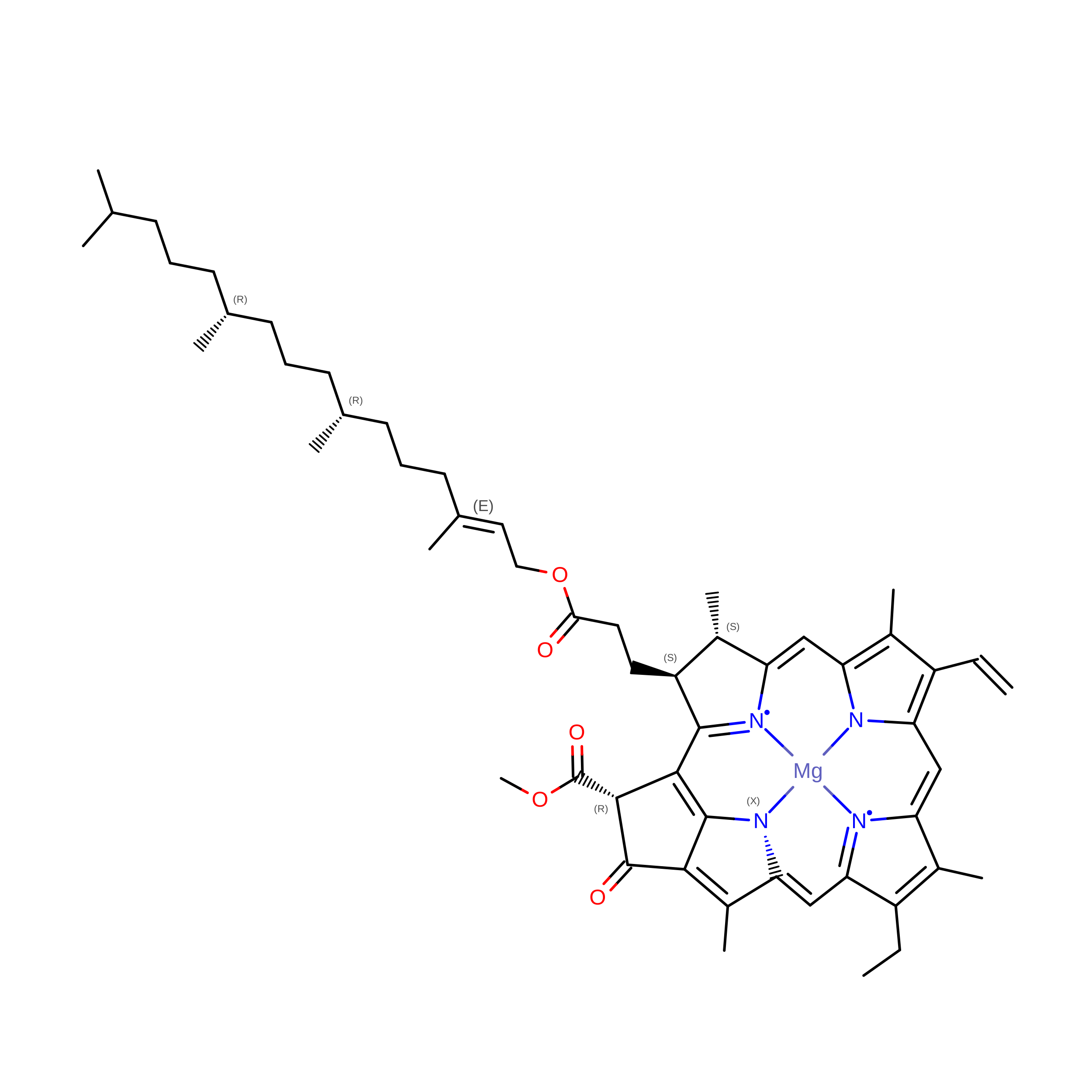
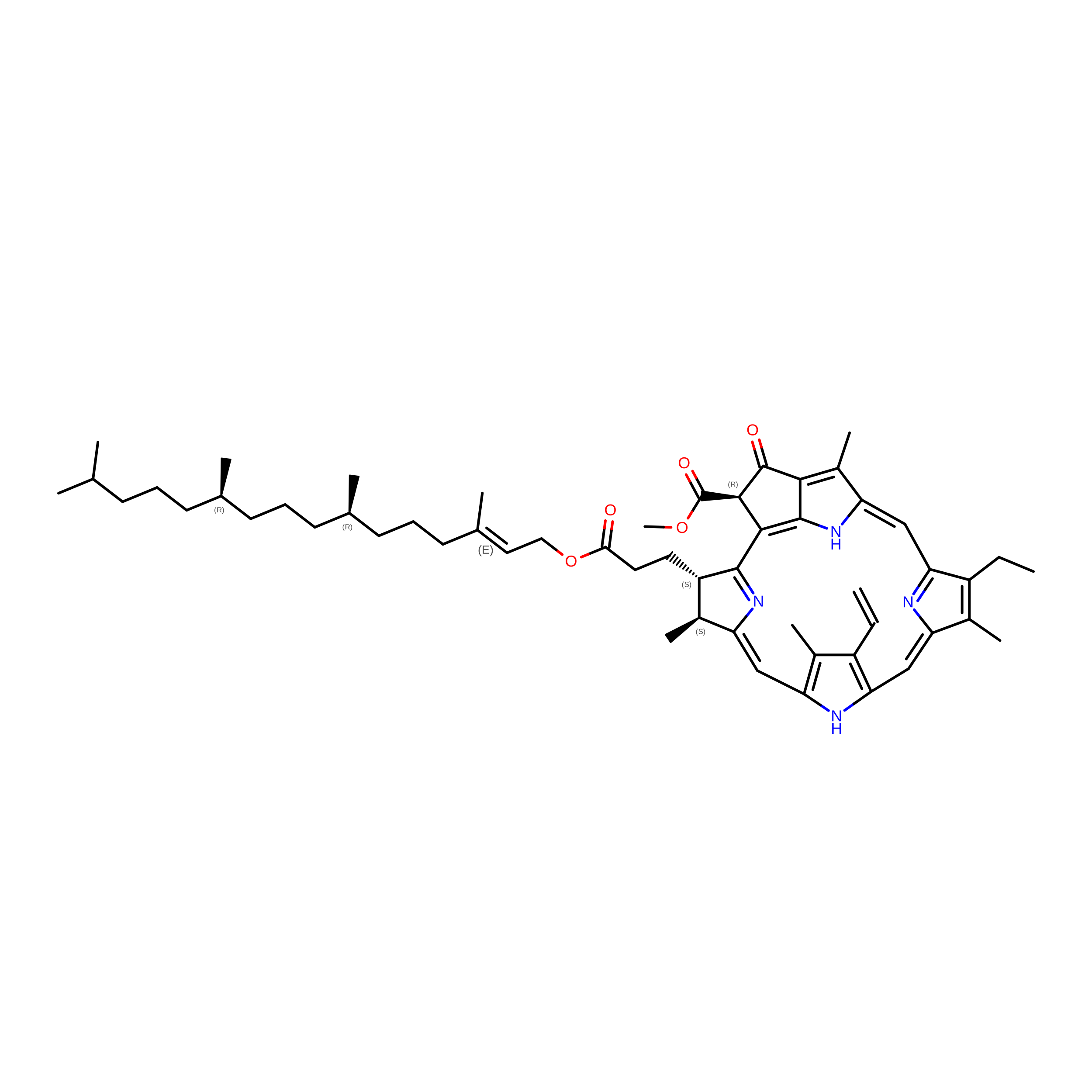
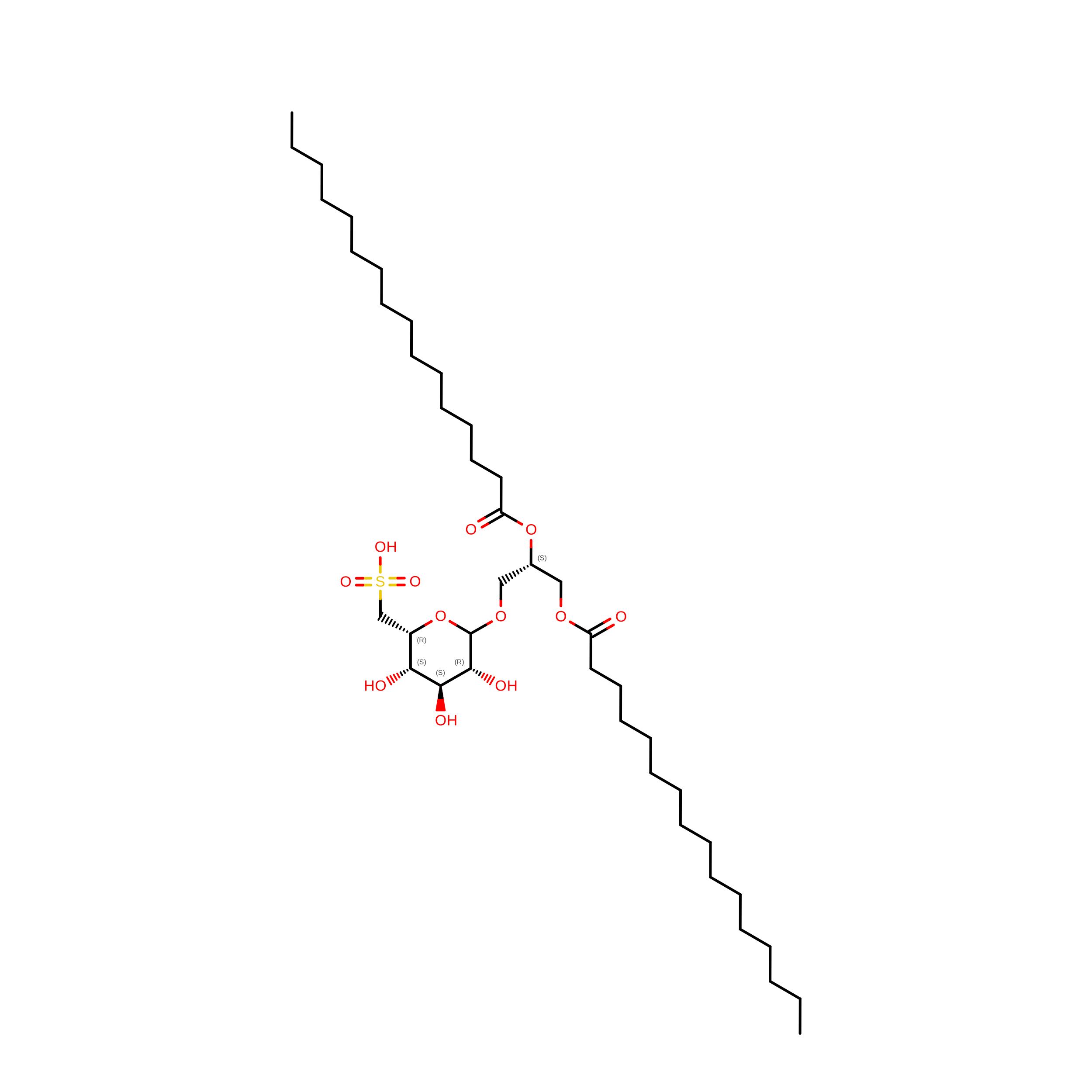
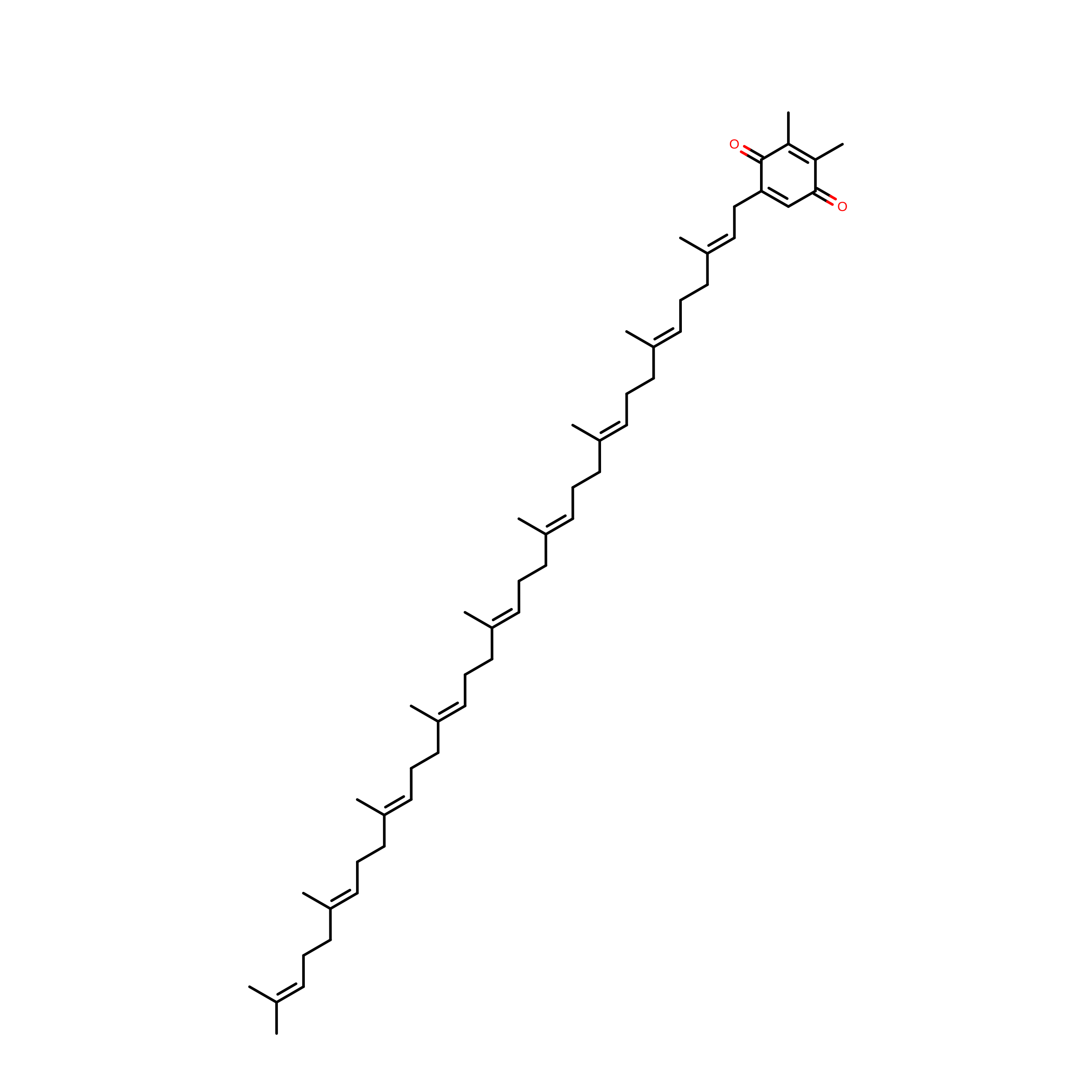
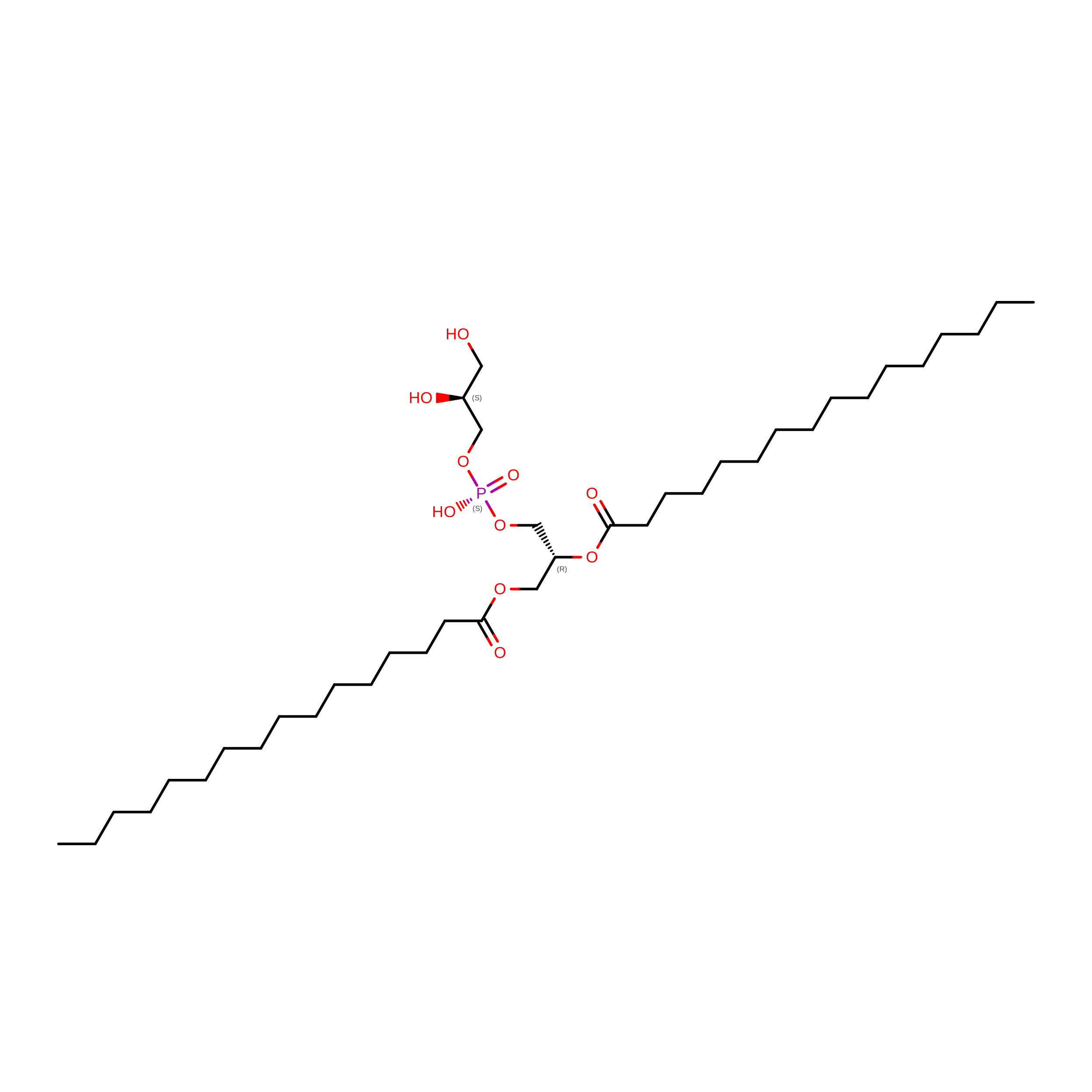
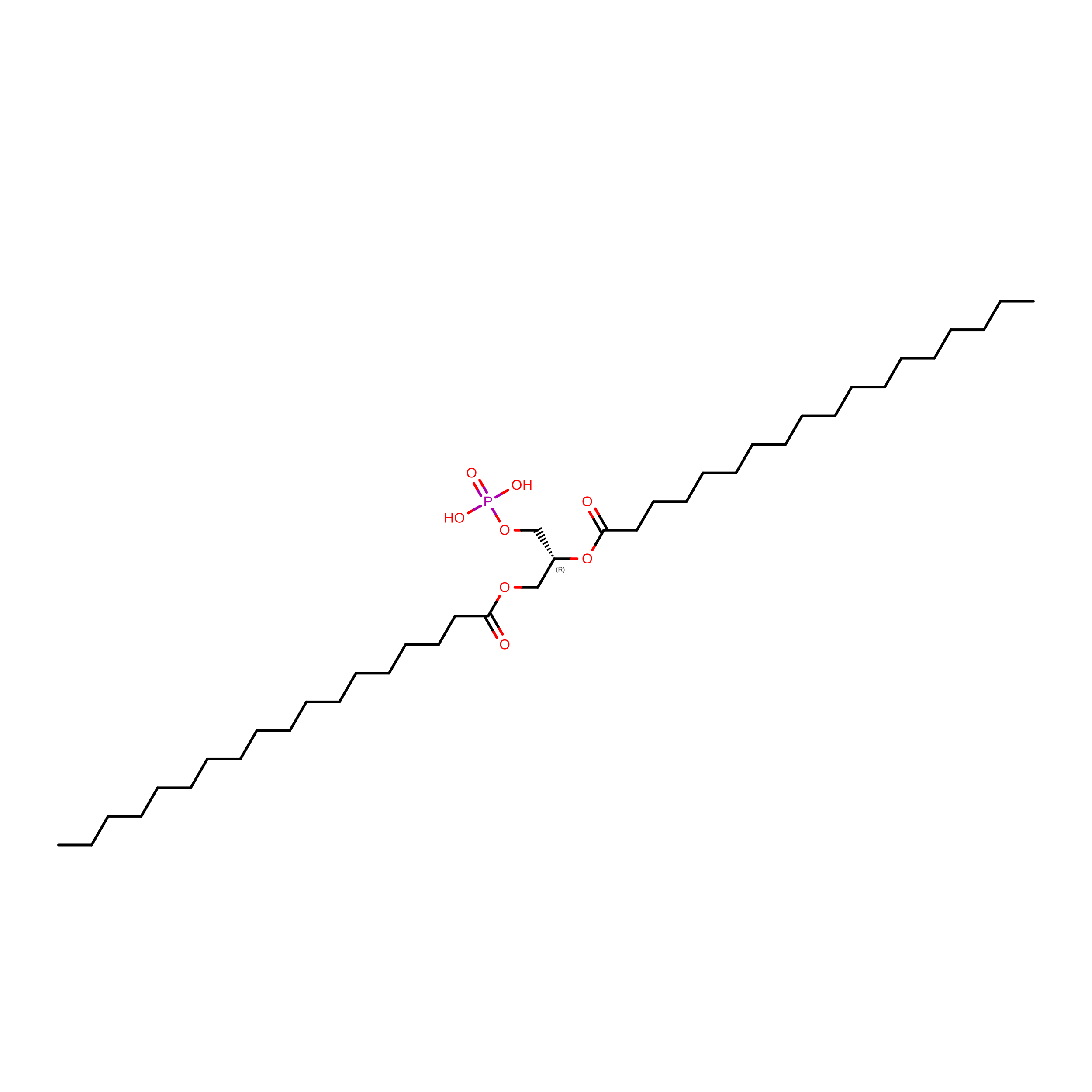
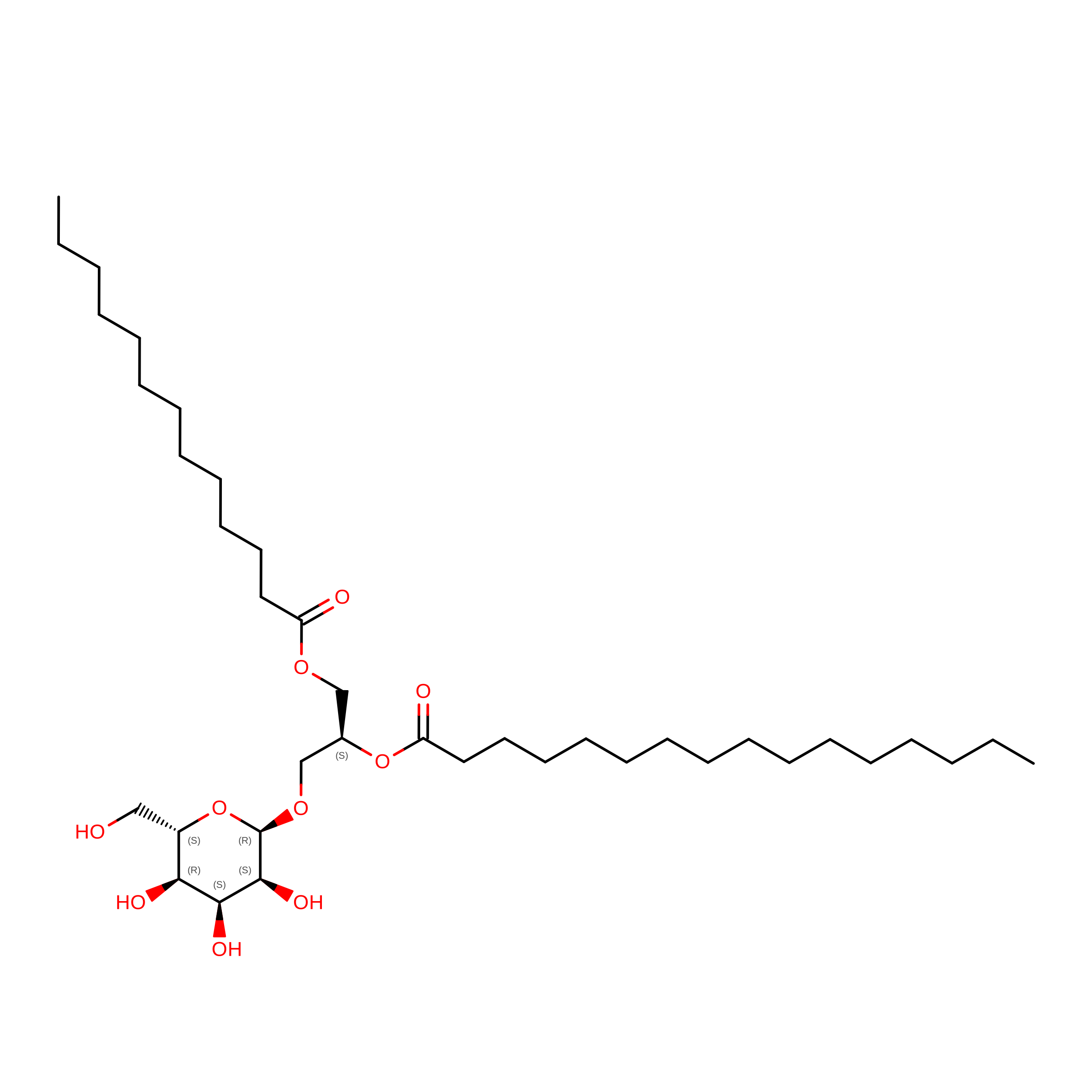
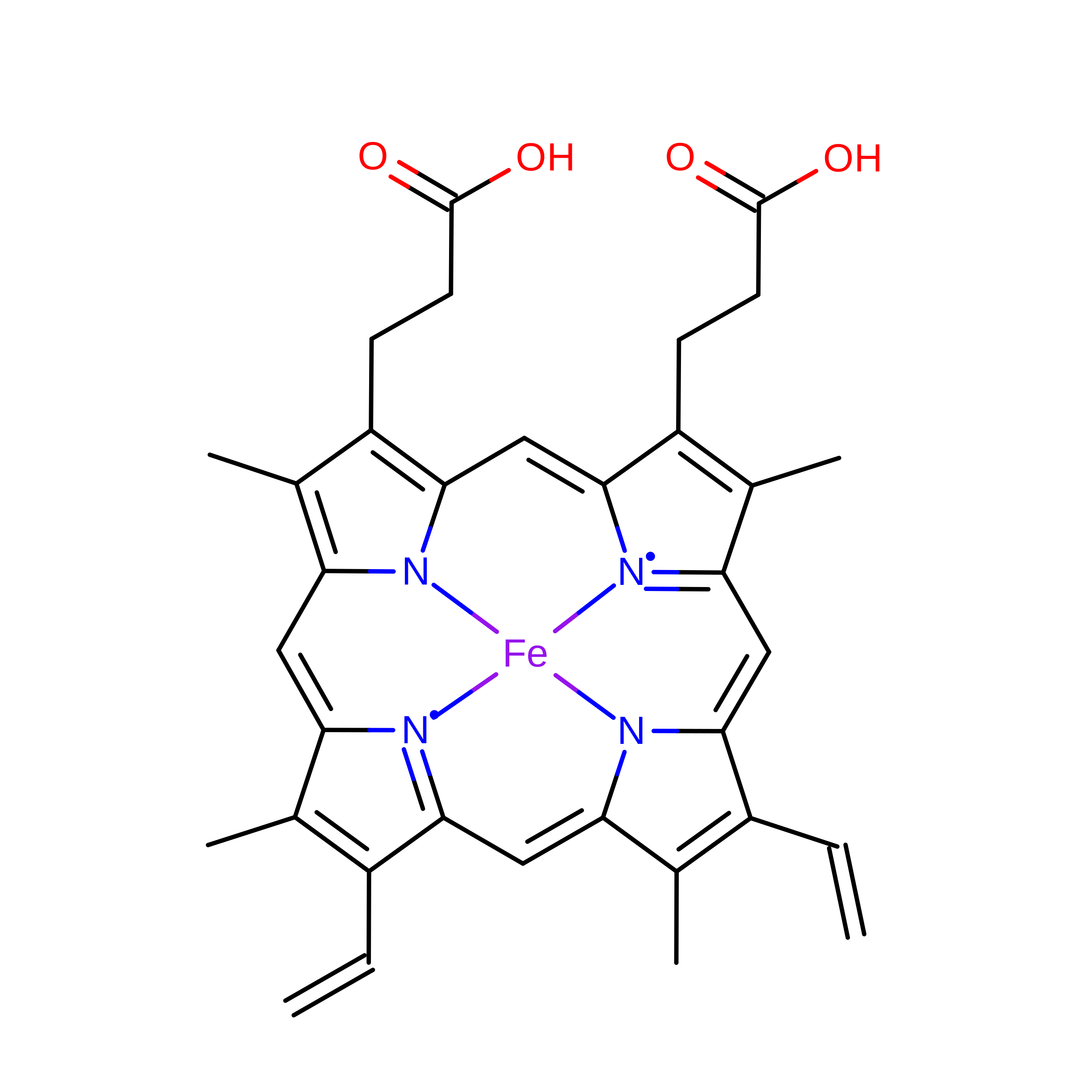
Photosynthesis sustains life on Earth by converting light to chemical energy through the coordinated action of photosystem I (PSI) and photosystem II (PSII) within thylakoid membranes 1-4 . Although structures of isolated photosystems are available, their native organization in chloroplasts remains unknown. Here, using in situ cryo-electron microscopy, we directly imaged Oryza sativa (rice) chloroplasts and determined structures of photosystem supercomplexes in their native membrane environment. We resolved a C 2 S 2 M 2 L 4 -type PSII-light harvesting complex II (LHCII) supercomplex, including four LHCII antenna trimers that were not retained in purified preparations. Excitation energy transfer calculations based on this architecture closely reproduce in vivo measurements, indicating its physiological relevance. We also resolved asymmetric PSII-LHCII dimers, including side-by-side, trans-lumenal and trans-stromal architectures, and higher-order assemblies of trimers and tetramers. On the basis of these observations, we propose that PSII forms a trans-lumenal and trans-stromal 'skeleton' that shapes thylakoid morphology and supports grana stacking. In addition, we obtained high-resolution structures of PSI-LHCI-LHCII and PSI-LHCI supercomplexes. Together, these structures reveal extensive networks of lipids, pigments and cofactors, providing the first molecular framework for understanding how the native architecture of plant photosystem supports the exceptional photon-to-electron efficiency of photosynthesis.
Organizational Affiliation:
Department of Cardiology, The First Affiliated Hospital of USTC, MOE Key Laboratory for Cellular Dynamics, Center for Advanced Interdisciplinary Science and Biomedicine of IHM, Division of Life Sciences and Medicine, Hefei National Research Center for Interdisciplinary Sciences at the Microscale, University of Science and Technology of China, Hefei, China. jiao.li@ustc.edu.cn.
School of Medicine, Nanjing University of Chinese Medicine, Nanjing, China. jiao.li@ustc.edu.cn.
Department of Physics and Astronomy, Faculty of Science, Vrije Universiteit Amsterdam, Amsterdam, The Netherlands.
Institute for Lasers, Life and Biophotonics, Faculty of Science, Vrije Universiteit Amsterdam, Amsterdam, The Netherlands.
Department of Cardiology, The First Affiliated Hospital of USTC, MOE Key Laboratory for Cellular Dynamics, Center for Advanced Interdisciplinary Science and Biomedicine of IHM, Division of Life Sciences and Medicine, Hefei National Research Center for Interdisciplinary Sciences at the Microscale, University of Science and Technology of China, Hefei, China. jack.zhang@ustc.edu.cn.
Department of Physics and Astronomy, Faculty of Science, Vrije Universiteit Amsterdam, Amsterdam, The Netherlands. r.croce@vu.nl.
Institute for Lasers, Life and Biophotonics, Faculty of Science, Vrije Universiteit Amsterdam, Amsterdam, The Netherlands. r.croce@vu.nl.
Department of Hepatobiliary Surgery, The First Affiliated Hospital of Anhui Medical University, Hefei, China. zhujiapeng@fy.ahmu.edu.cn.
MOE Innovation Center for Basic Research in Tumor Immunotherapy, Hefei, China. zhujiapeng@fy.ahmu.edu.cn.
Anhui Province Key Laboratory of Tumor Immune Microenvironment and Immunotherapy, Hefei, China. zhujiapeng@fy.ahmu.edu.cn.
Anhui Provincial Innovation Institute for Pharmaceutical Basic Research, Hefei, Anhui, China. zhujiapeng@fy.ahmu.edu.cn.
AO [auth 1S] BO [auth 1S] CD [auth 01] DD [auth 01] FE [auth 03]
AO [auth 1S], BO [auth 1S], CD [auth 01], DD [auth 01], FE [auth 03], GC [auth 00], GN [auth 1R], HC [auth 00], HG [auth 07], HH [auth 09], IF [auth 05], IH [auth 09], IU [auth 1s], JU [auth 1s], LL [auth 1G], ML [auth 1G], OM [auth 1N], PT [auth 1r], XR [auth 1g], YR [auth 1g], YS [auth 1n]

 Download Mendeley