Download Mendeley
Broad neutralization of influenza B hemagglutinin antibodies via receptor mimicry and glycan engagement.
Huang, K.A., Nguyen, H.T.V., Chen, Y.Y., Wu, K.J., Hsu, P.H., Liu, Y.M., Lin, T.Y., Ma, C.(2026) Proc Natl Acad Sci U S A 123: e2532989123-e2532989123
- PubMed: 42060718 Search on PubMedSearch on PubMed Central
- DOI: https://doi.org/10.1073/pnas.2532989123
- Primary Citation Related Structures:
9X5W, 9X5X, 9X5Y, 9X5Z, 9X60, 9X61 - PubMed Abstract:
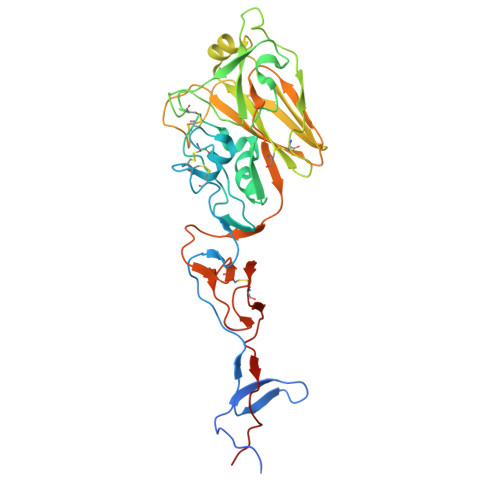
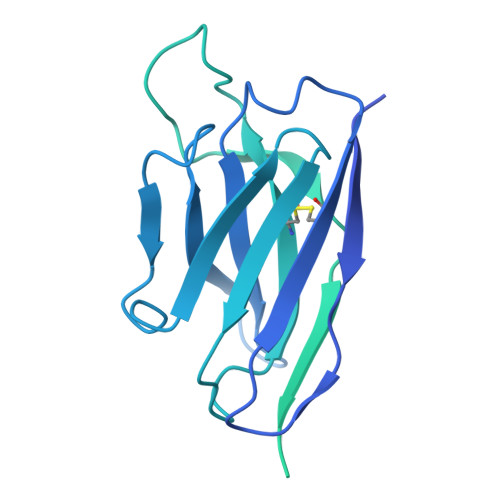
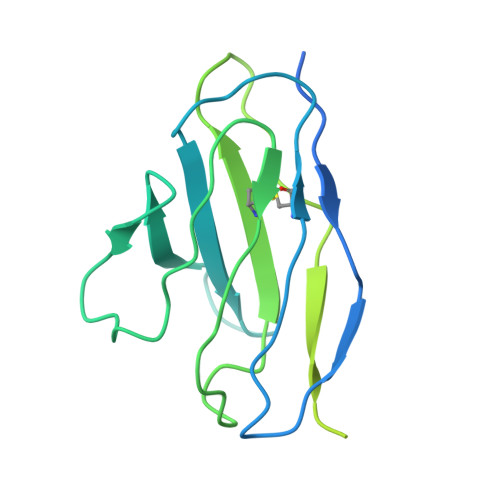
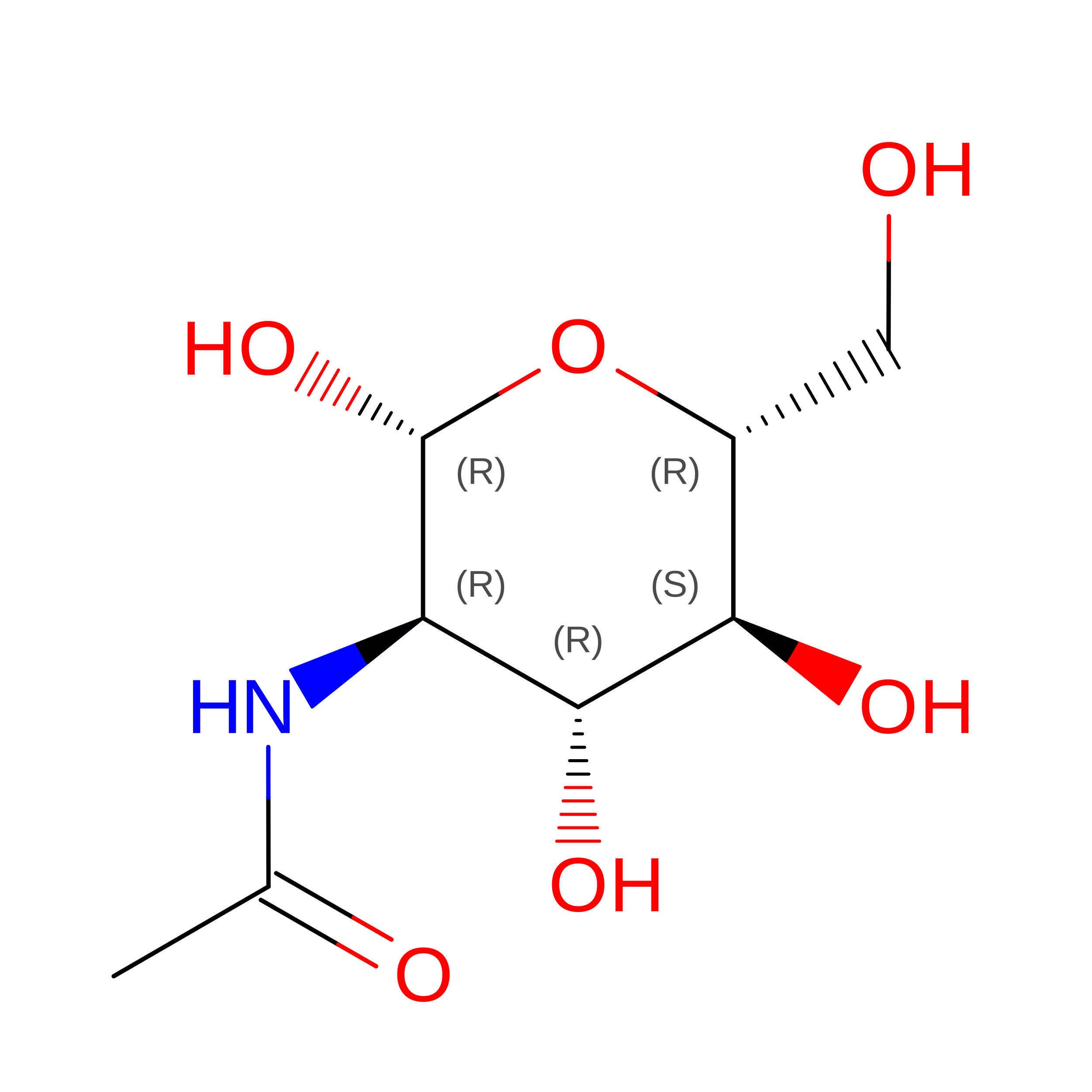
Influenza B virus contributes to seasonal influenza epidemics and causes global morbidity and mortality. The two antigenically distinct lineages, Victoria and Yamagata, cocirculate within the population and are subject to ongoing antigenic drift. In this study, we report the isolation of cross-lineage neutralizing anti-influenza B hemagglutinin (HA) monoclonal antibodies, exhibiting hemagglutination-inhibition activities, from vaccinated adult donors. While some antibodies exhibit reduced activities against recently emerged antigenic variants, BP-1A and BO-6B demonstrate broad neutralization across influenza B viruses isolated over the past two decades and confer protection in mice against lethal challenge from both lineages. Structural analysis of the antibody Fab domains in complex with HA reveals two distinct molecular binding modes: BP-1A uses a long heavy chain CDR3 loop that mimics the ligand to target the receptor-binding site, while BO-6B engages a conserved cleft on the surface of vestigial esterase subdomain through key interactions with glycan moieties. These findings elucidate the molecular basis for broad neutralization by human anti-influenza B HA antibodies and provide insights that may guide the development of immunotherapeutics and rational vaccine design.
- Graduate Institute of Immunology and Department of Pediatrics, National Taiwan University Hospital, College of Medicine, National Taiwan University, Taipei 100225, Taiwan.
Organizational Affiliation: