Download Mendeley
RPL41 stabilizes ribosome dynamics and supports long-protein homeostasis in mammals.
Hirata, M., Fujino, M., Ichihara, K., Tang, R., Narita, M., Iwasaki, W., Shiraishi, C., Shiraishi, T., Hatano, A., Suzuki, T., Abe, T., Takami, T., Mishiro-Sato, E., Toyoda, A., Matsumoto, M., Tanaka, Y., Ito, T., Inada, T., Nakayama, K.I., Yokoyama, T., Matsumoto, A.(2026) Nucleic Acids Res 54
- PubMed: 42613035 Search on PubMedSearch on PubMed Central
- DOI: https://doi.org/10.1093/nar/gkag797
- Primary Citation Related Structures:
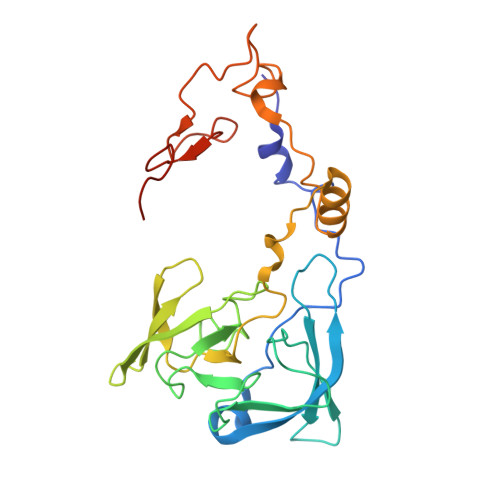
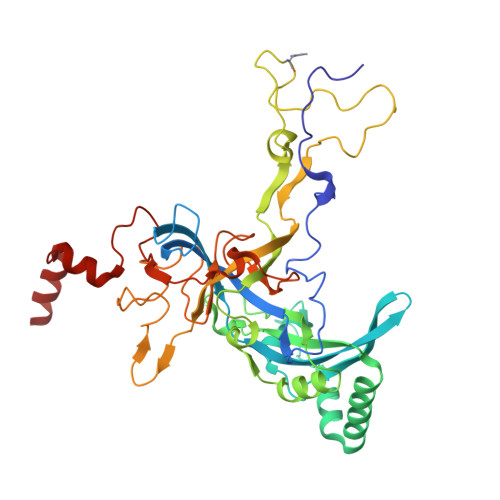
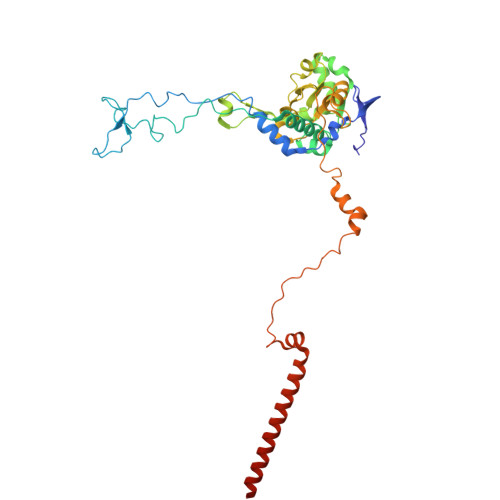
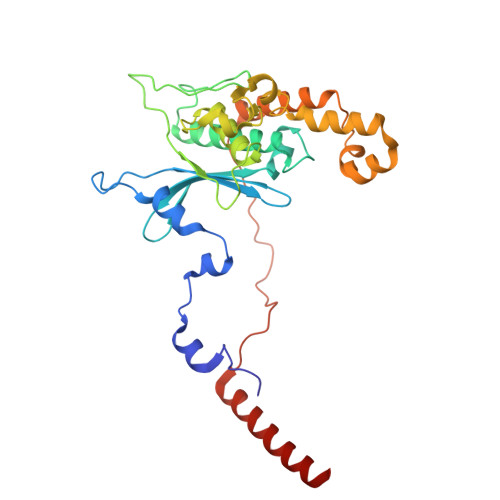
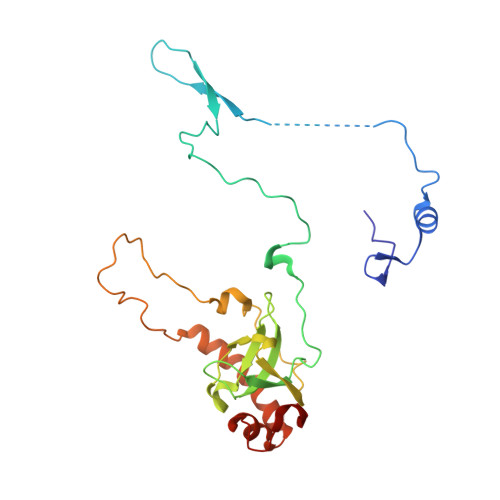
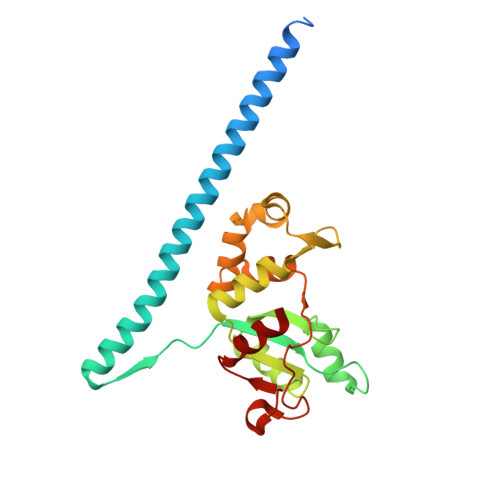
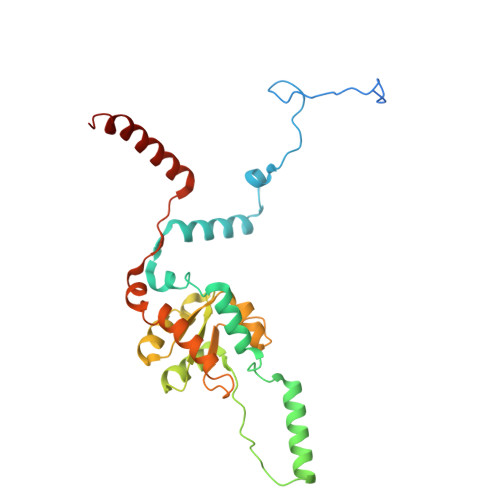
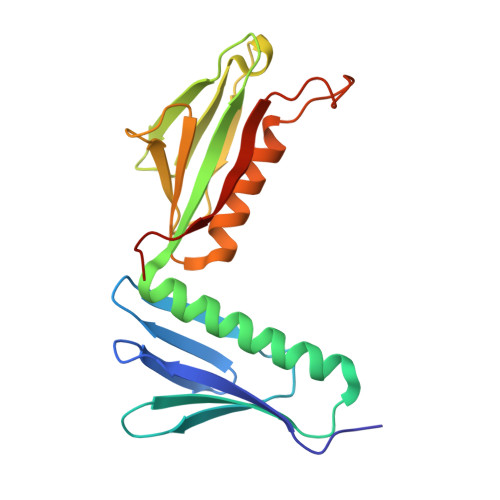
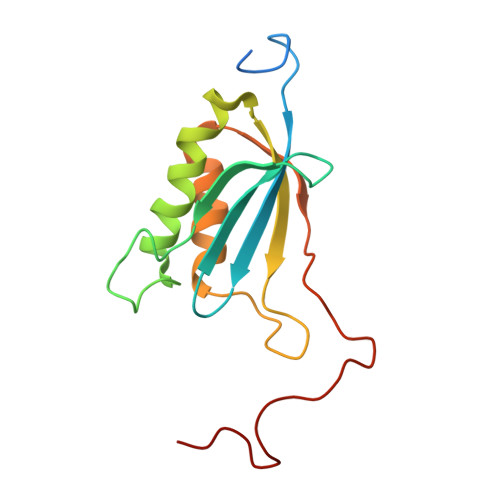
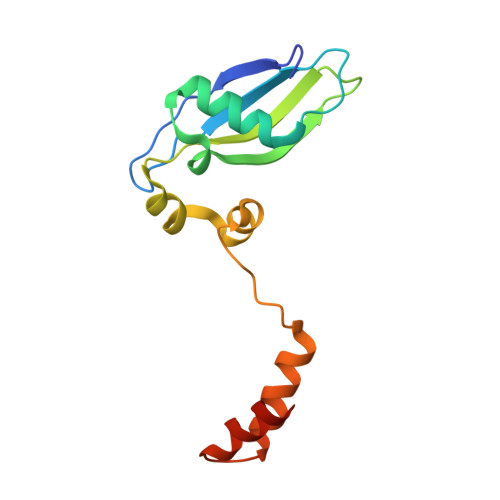
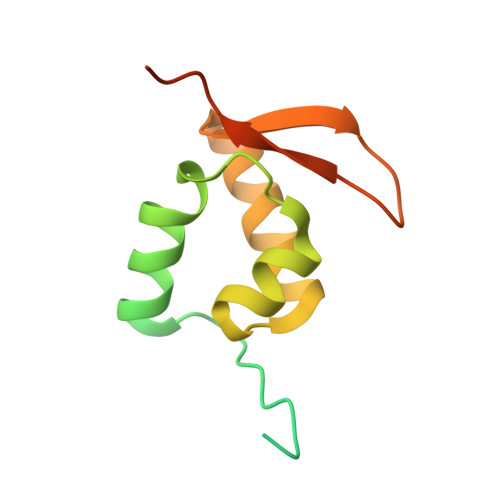
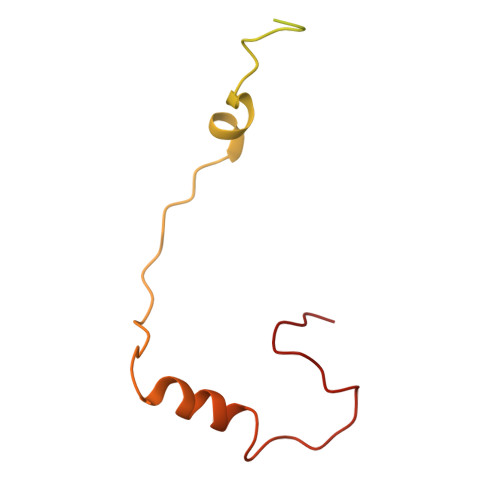
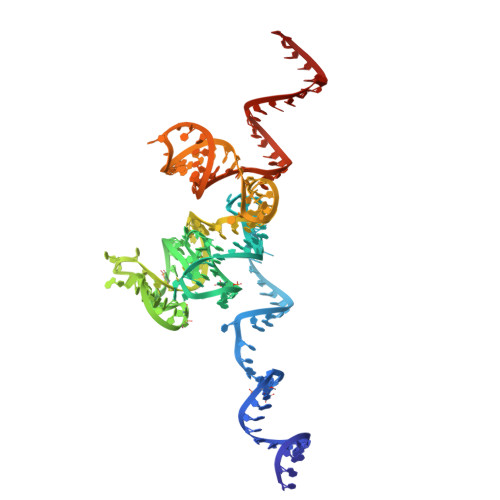
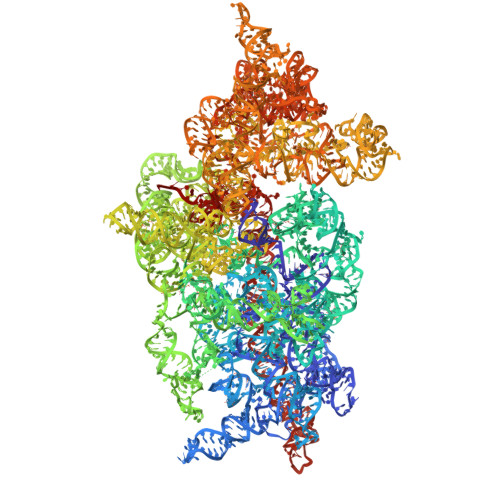
9WW4, 9WW5, 9WW6, 9WW7 - PubMed Abstract:
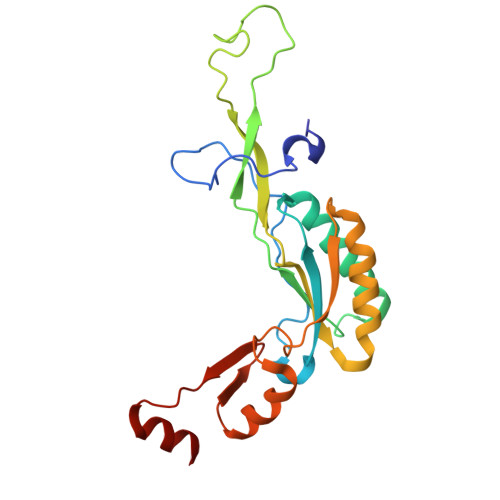
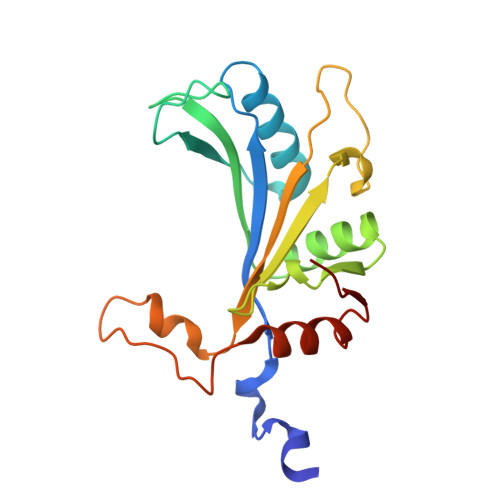
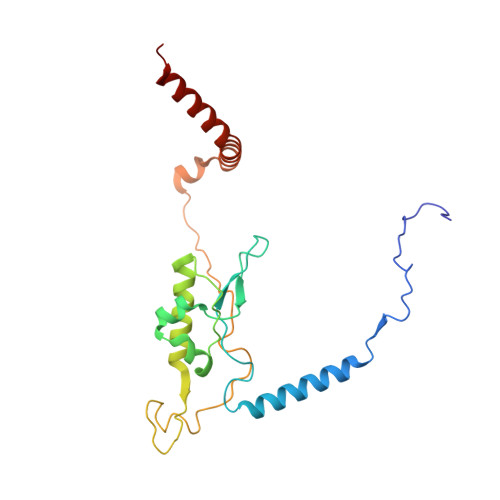
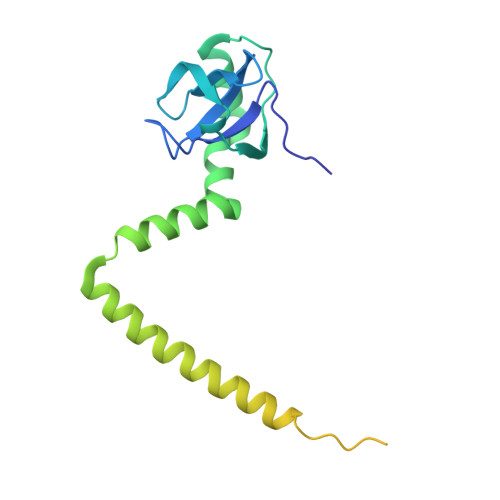
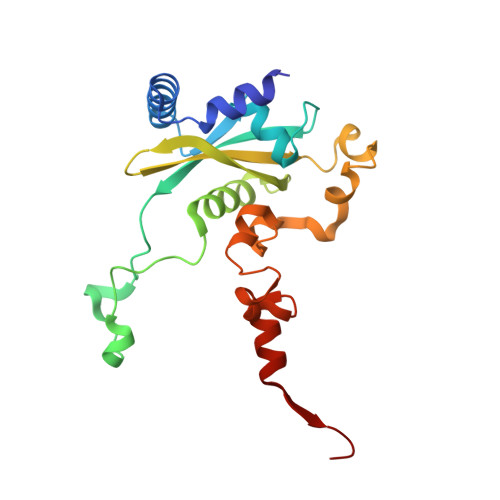
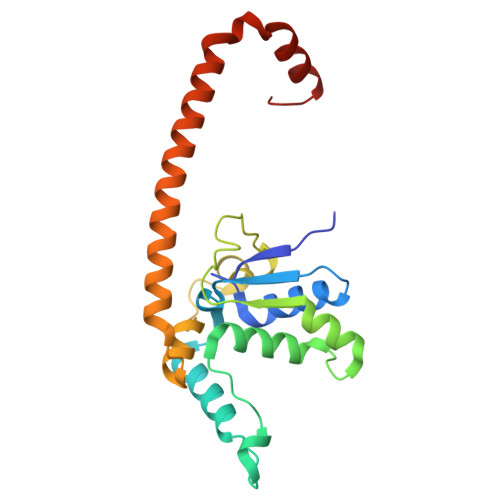
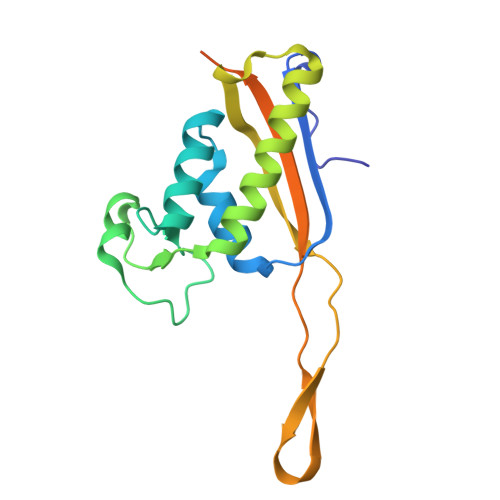
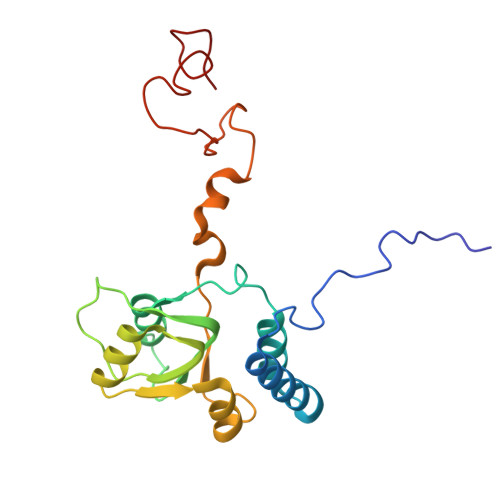
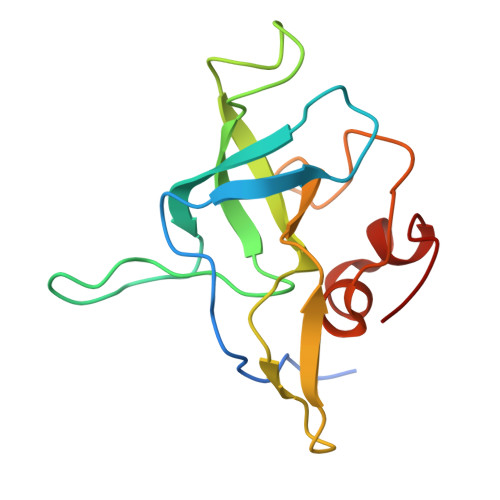
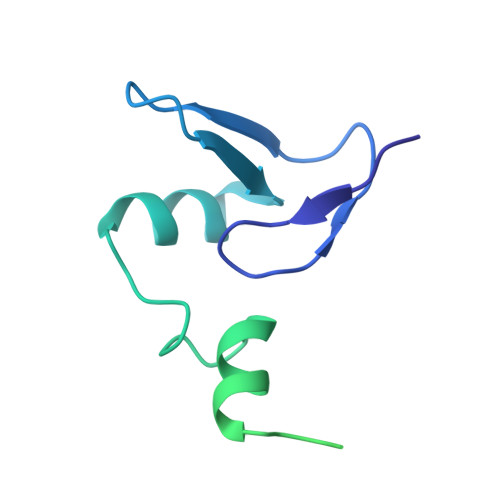
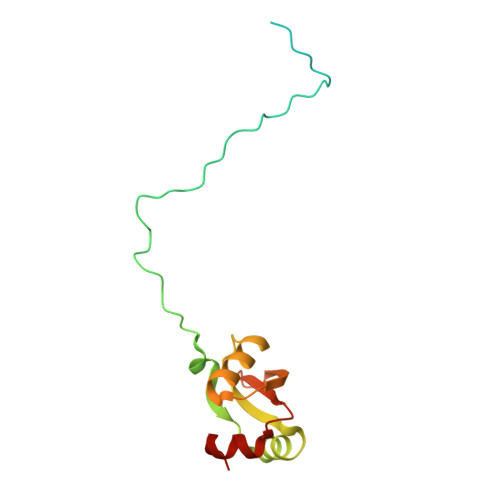
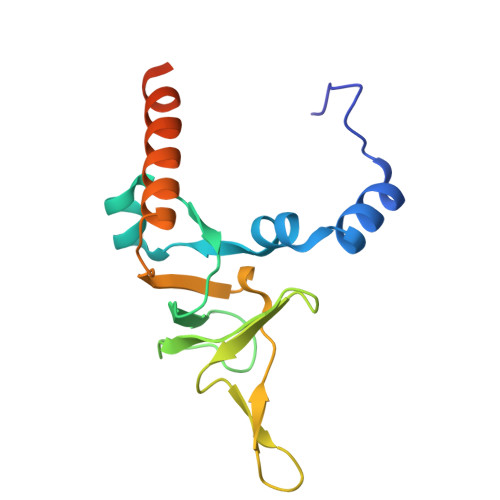
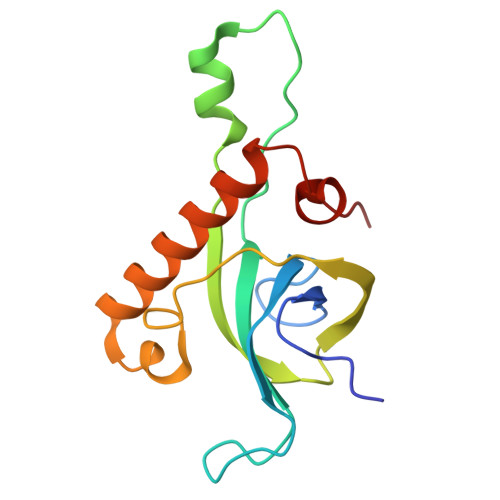
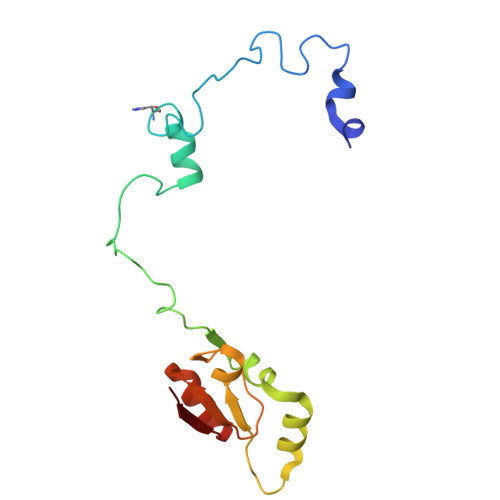
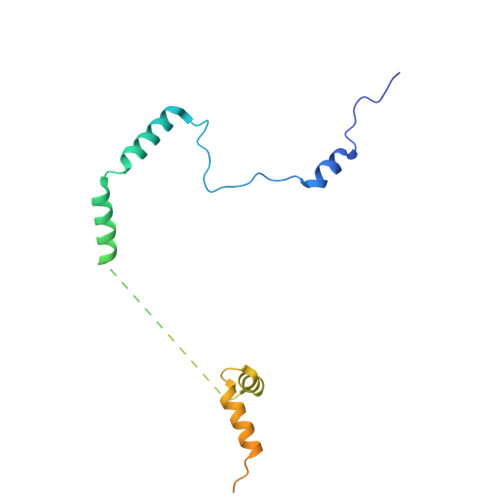
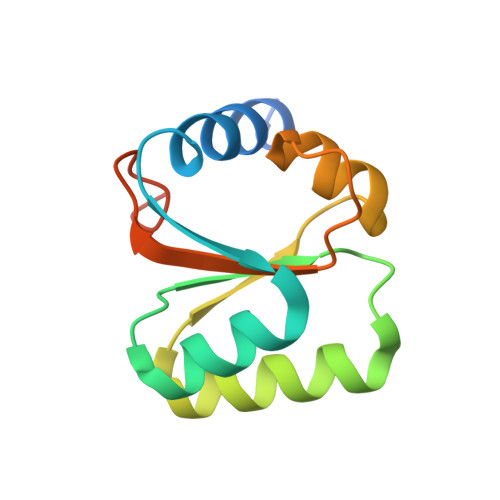
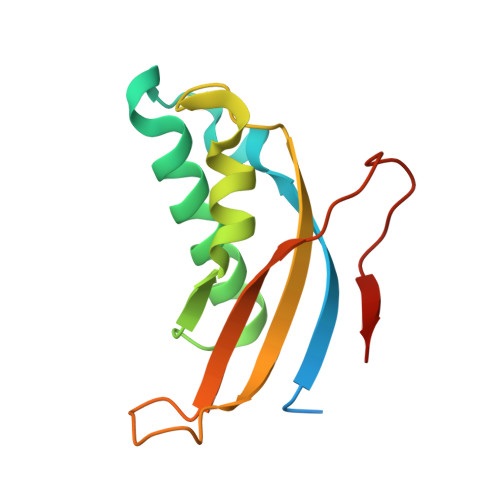
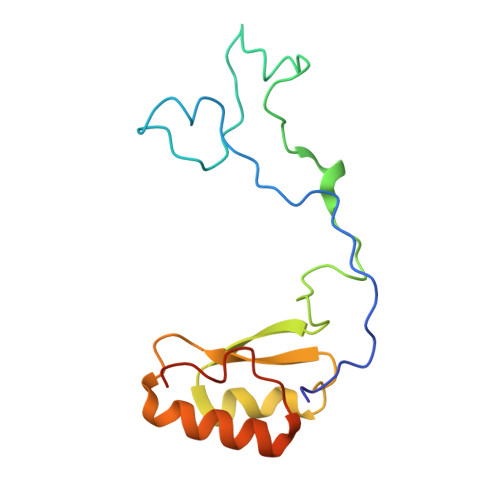
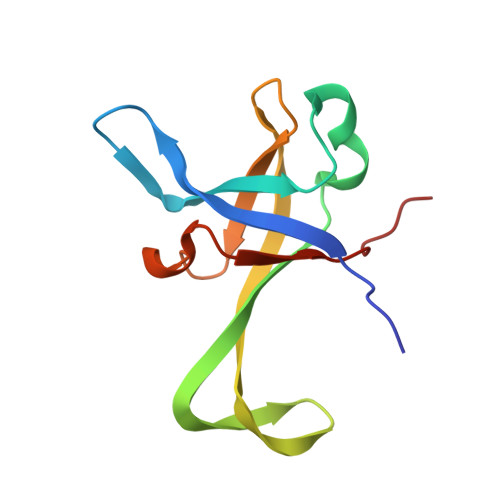
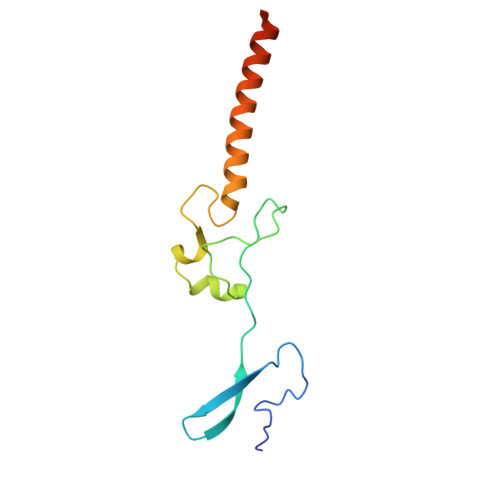
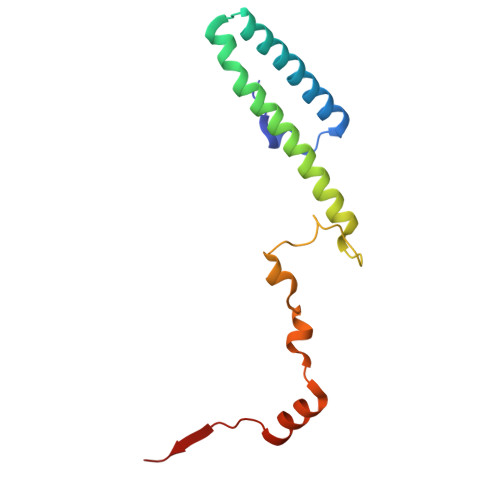
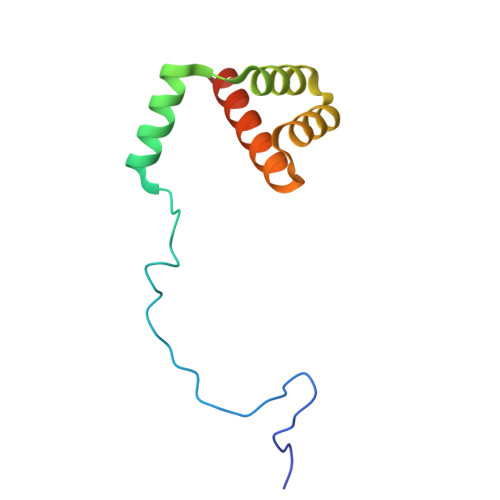
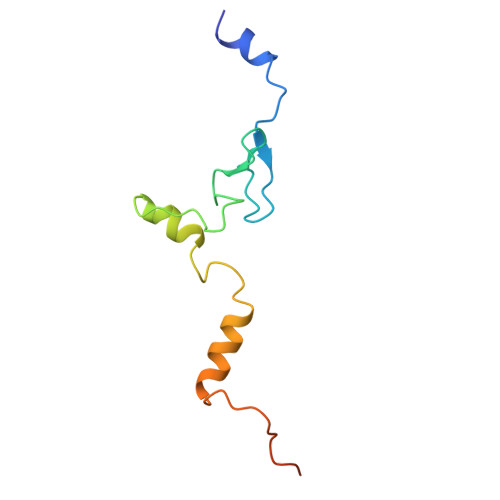
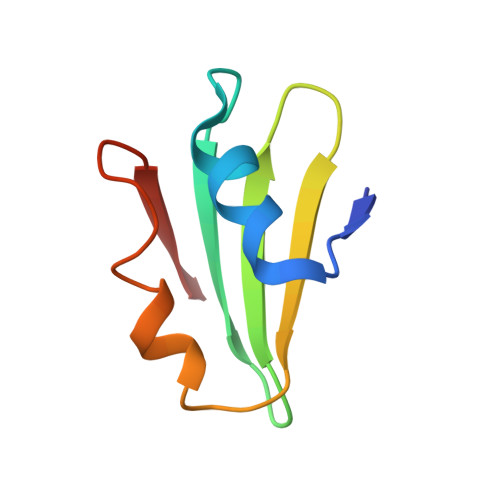
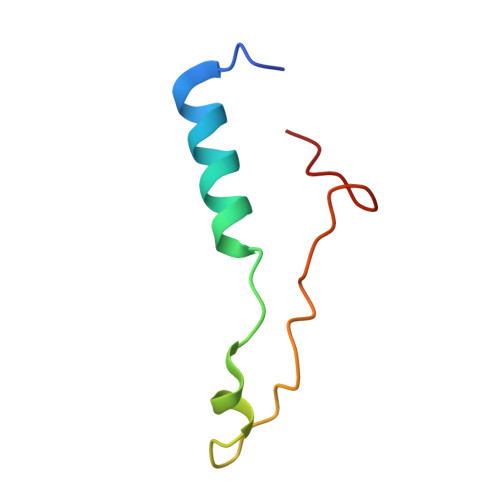
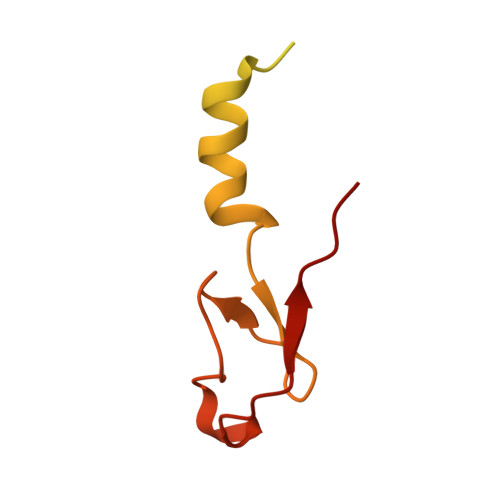
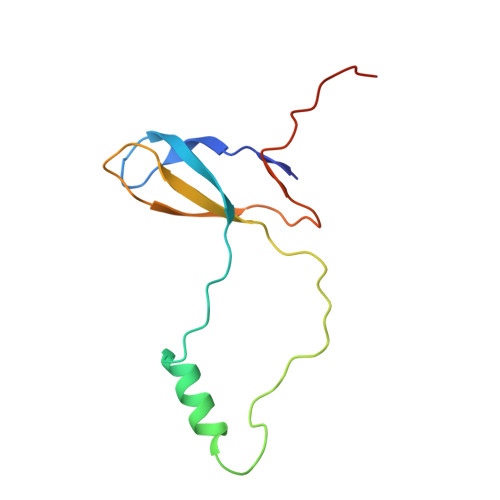
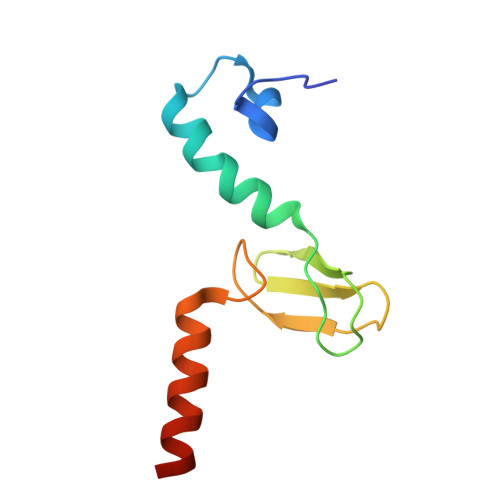
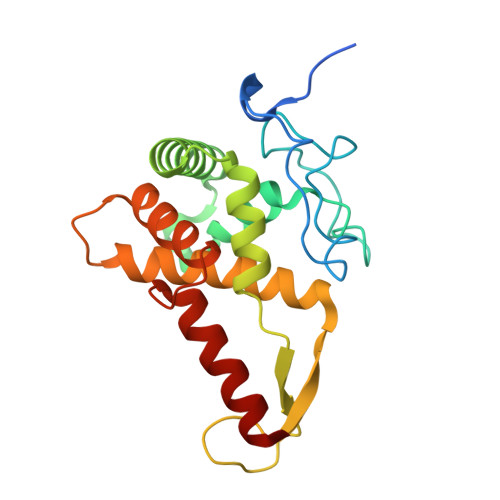
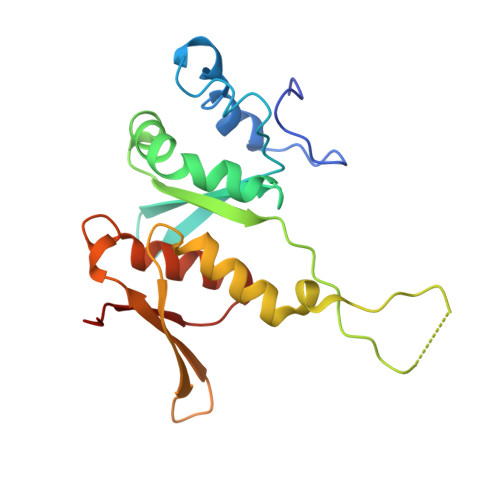
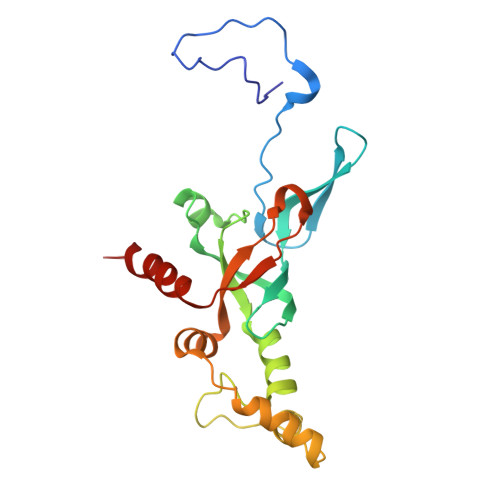
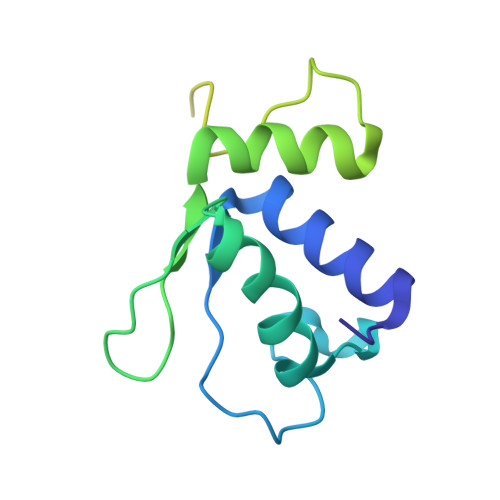
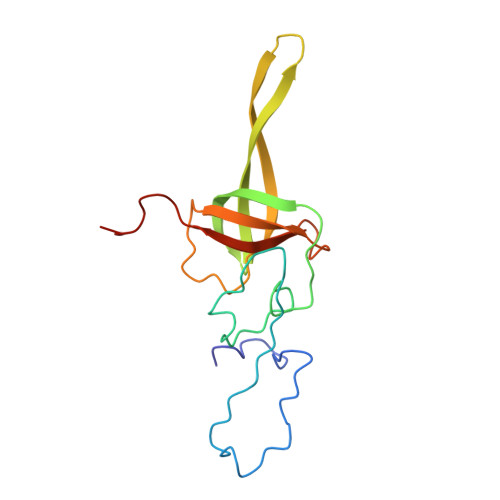
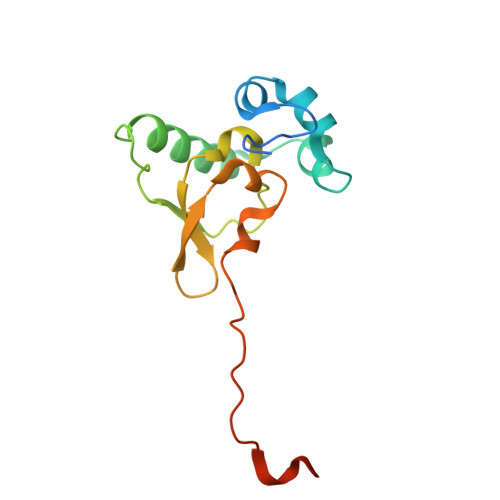
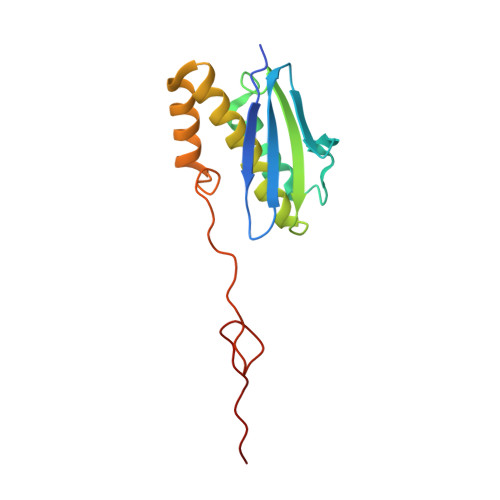
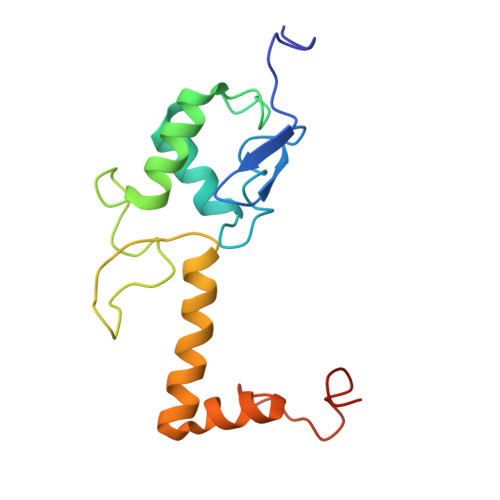
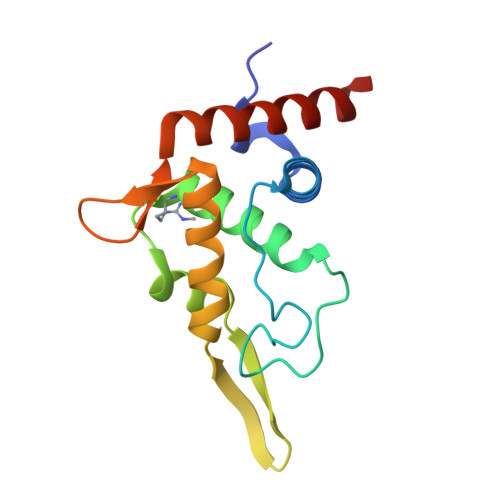
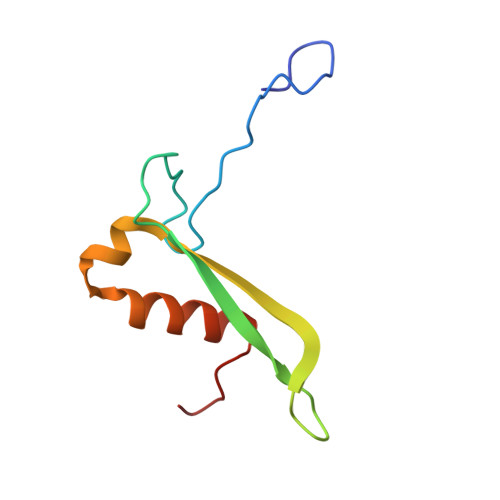
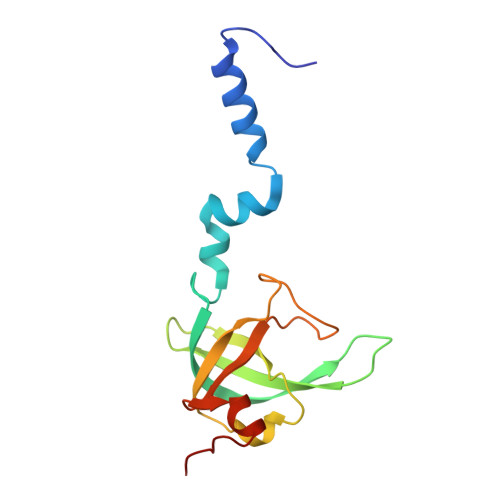
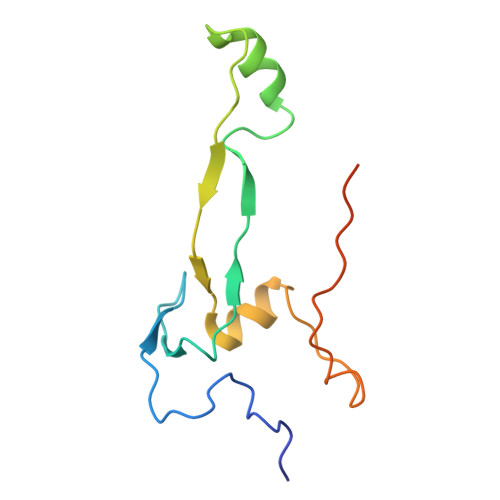
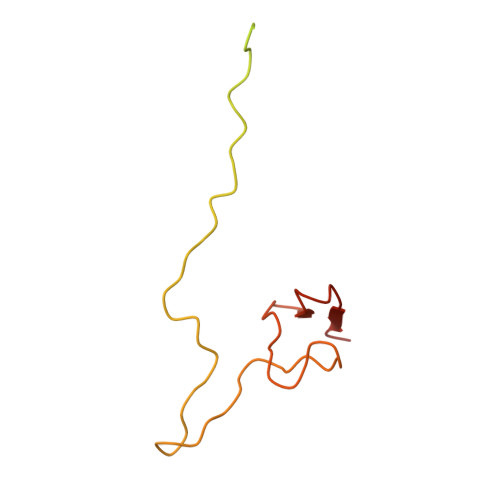
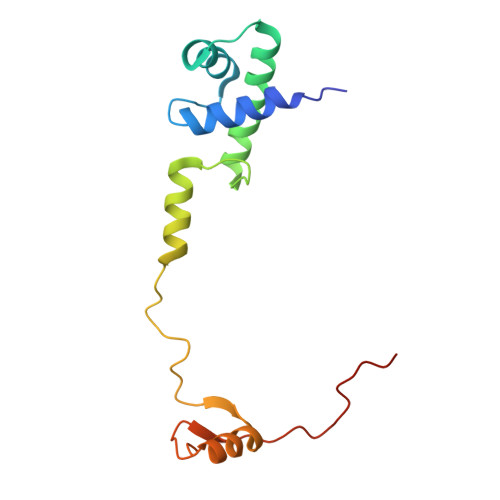
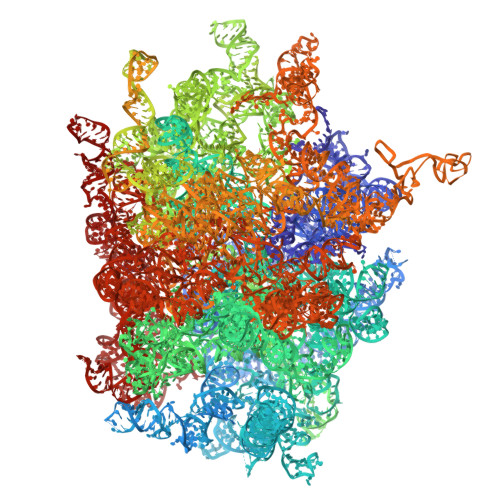
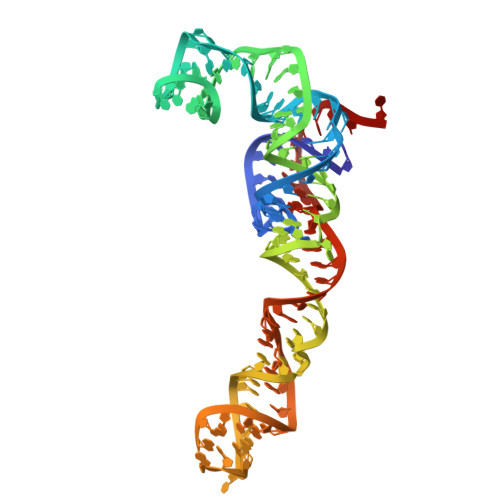
Ribosomal protein L41 (RPL41 or eL41) is the smallest ribosomal protein and forms the eukaryote-specific bridge, eB14, near the decoding center; however, its role in mammalian translation remains unclear. In this study, we established RPL41-deficient models of human HEK293T cells and mice to define its function. Cryo-electron microscopy revealed that RPL41 constrains intersubunit conformational dynamics without inducing major local static rearrangements. Loss of RPL41 altered A-site dynamics, slowed elongation, modestly increased amino acid misincorporation, and modestly enhanced readthrough of collision-inducing reporter sequences. Quantitative proteomic analysis suggested that these translational defects compromise long-protein homeostasis, as evidenced by increased insolubility and reduced abundance of long proteins. In vivo, Rpl41-/- mice were viable but exhibited growth retardation and decreased abundance of long proteins in tissues. Our findings reveal a conserved role for RPL41 in maintaining ribosome dynamics and translational fidelity, indicating that RPL41 supports ribosome function and long-protein homeostasis in mammals.
- Department of Biological Science, Division of Biological Science, Graduate School of Science, Nagoya University, Nagoya 464-8602, Japan.
Organizational Affiliation: