Download Mendeley
Molecular basis of oocyte cytoplasmic lattice assembly.
Liu, S., Liu, Y., Xue, J., Li, Z., Zhang, Y., Li, B., Xu, L., Li, L., Yu, Z., Yu, H., Gao, H., Shen, E.Z.(2026) Nature 654: 532-540
- PubMed: 41845018 Search on PubMedSearch on PubMed Central
- DOI: https://doi.org/10.1038/s41586-026-10360-7
- Primary Citation Related Structures:
9W2M - PubMed Abstract:
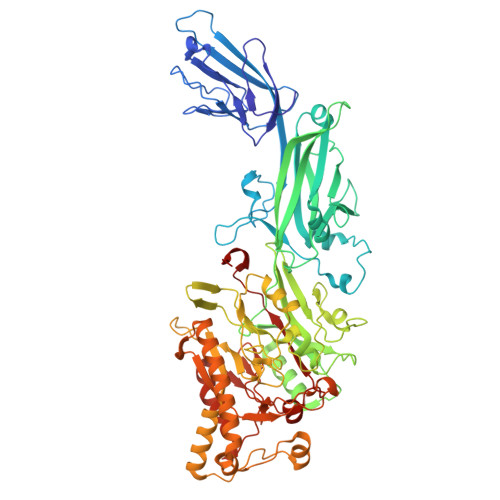
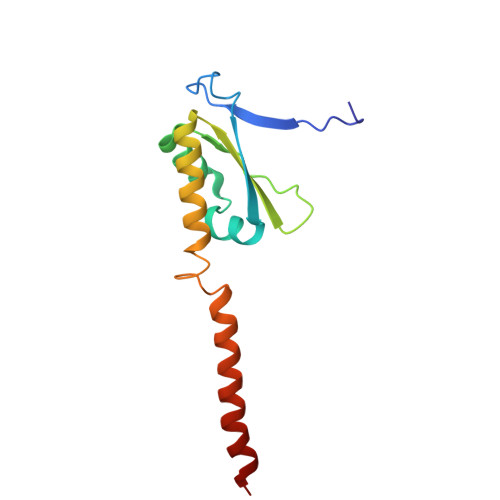
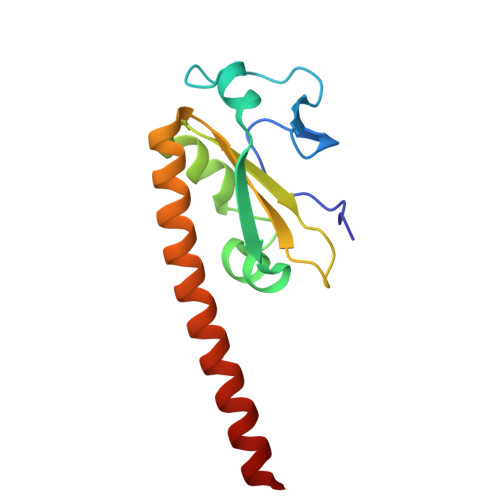
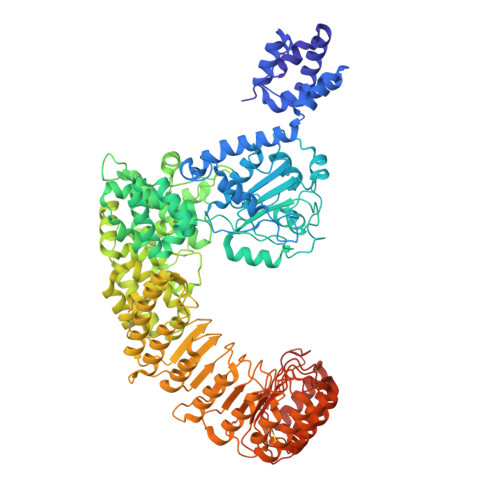
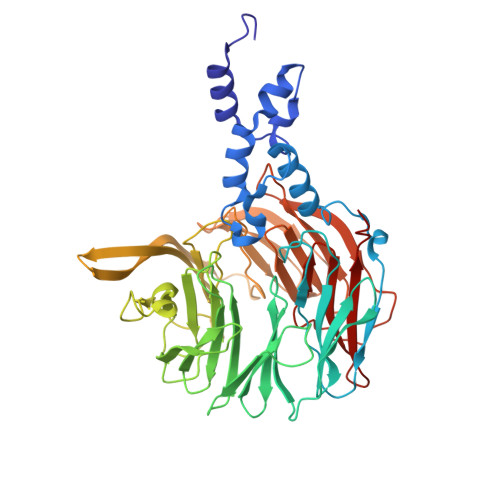
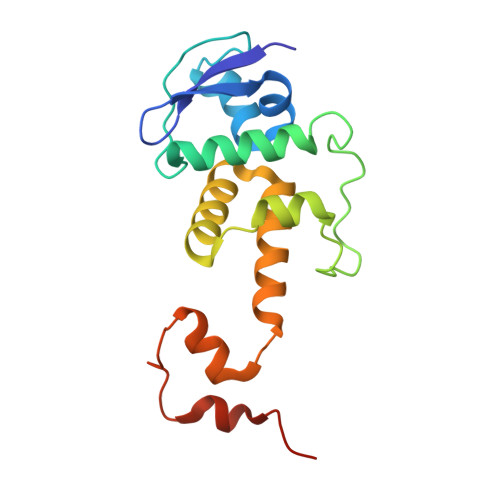
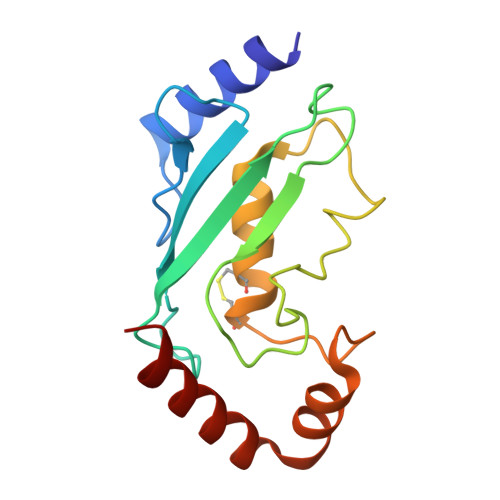
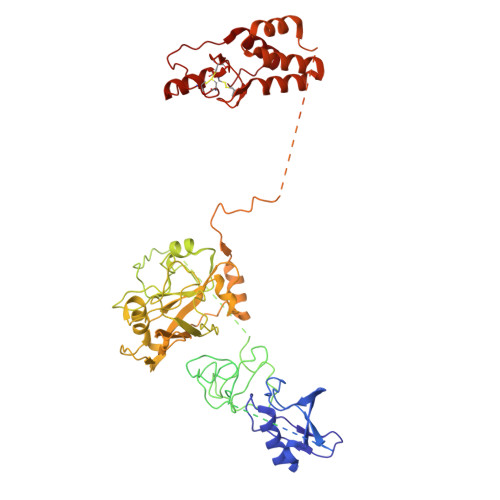
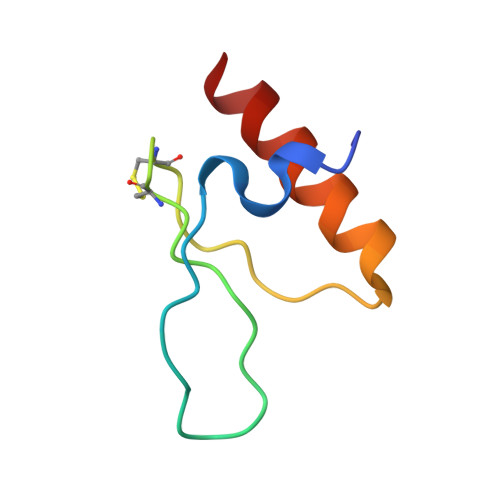
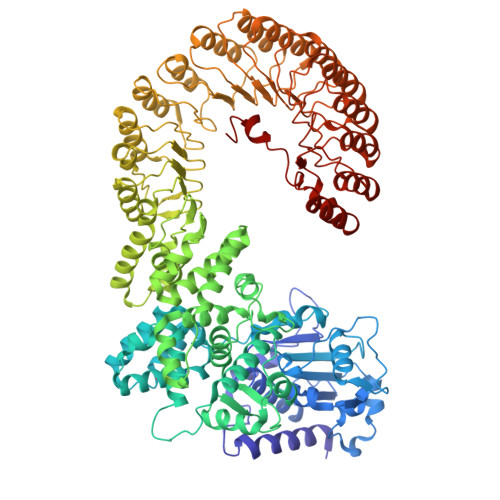
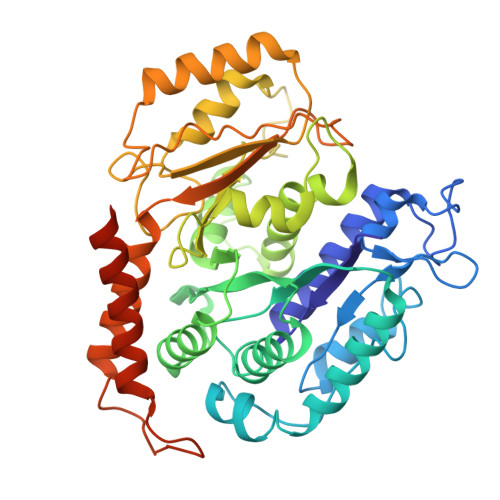
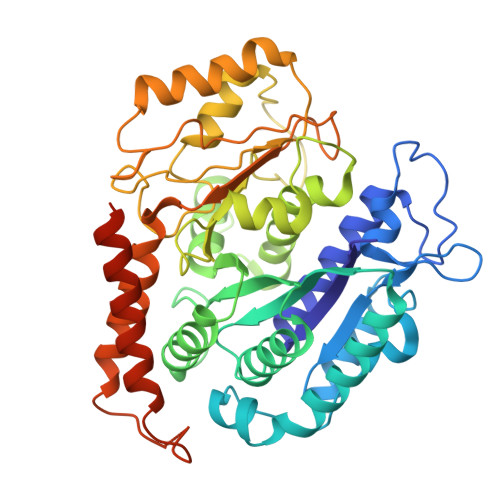
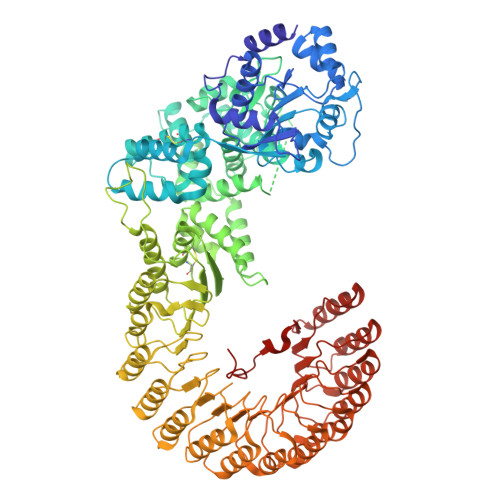
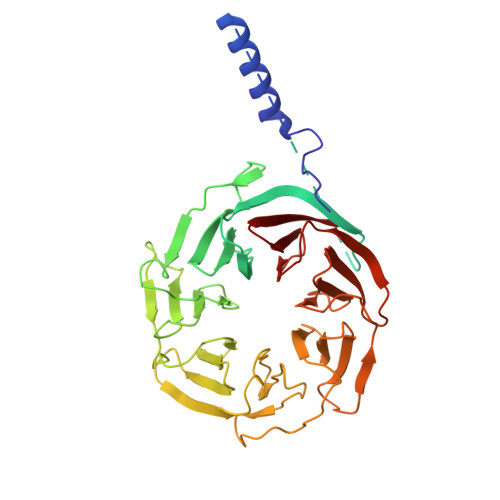
Mammalian oocytes are filled with fibric structures called cytoplasmic lattice (CPL) that are essential for oocyte maturation and early embryonic development 1-3 . CPL comprises subcortical maternal complex (SCMC) and multiple components, including PADI6 2,4,5 . Although it was first discovered in the 1960s, the molecular architecture and assembly mechanisms of CPL remain poorly understood. Here we present the cryo-electron microscopy structure of CPL isolated from mouse oocytes. Our analysis identified 14 constitutive protein subunits and revealed that CPL is composed of repeating units comprising U-shaped basket (UB) and adapter ring (AR) features, forming a filamentous architecture. The AR adopts a two-fold symmetric conformation, containing two NLRP4F, four SCMC and two ZBED3 subunits circularized via two distinct interaction clusters. The UB is anchored by PADI6, a didecamer composed of ten homodimers assembled by two back-to-back pentamers, each forming the lateral side of the UB. The underfoot base and up and down sides of the UB are formed by multiple central-symmetric assemblies (UBE2D3-UHRF1-NLRP14) and (TUBB2B-TUBB2A-FBXW24-SKP1), respectively, associating with the PADI6 pentamers to construct the intact UB structure. Two SCMC dimers within each AR connect the up and down sides of two adjacent UBs with an extensive protein-protein interaction network, and thus maintain the repetitive connection between the neighbouring CPL units. Our work unveils the architectural principles underlying the assembly of this large, periodic CPL filament, offering a molecular basis for understanding the functions of CPL in early mammalian embryogenesis and female reproductive disorders.
- College of Life Sciences, Zhejiang University, Hangzhou, China.
Organizational Affiliation: