Download Mendeley
Structural dynamics of the midnolin-proteasome during ubiquitin-independent substrate turnover.
Zhu, C., Qin, L., Dai, Z., Zuo, P., Yang, A., Zhong, L., Lin, Z., Liang, L.(2026) Nat Commun 17
- PubMed: 41896529 Search on PubMedSearch on PubMed Central
- DOI: https://doi.org/10.1038/s41467-026-71002-0
- Primary Citation Related Structures:
22MM, 9MBO, 9MBP, 9MBQ, 9U3L, 9U4M, 9U7R, 9W39, 9WBG - PubMed Abstract:
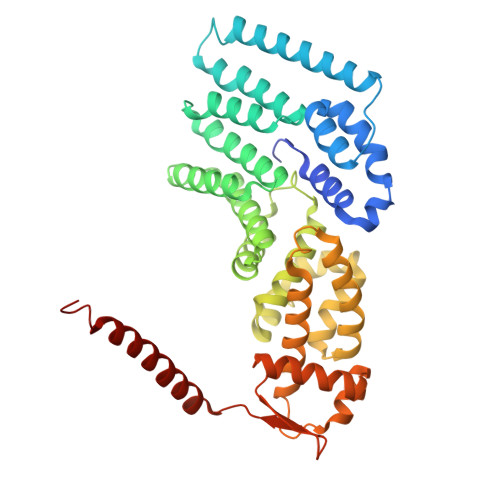
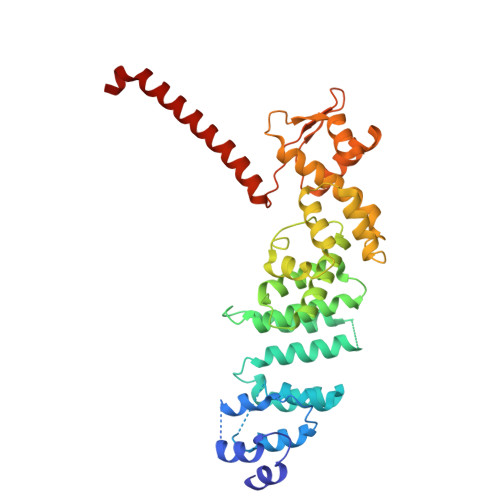
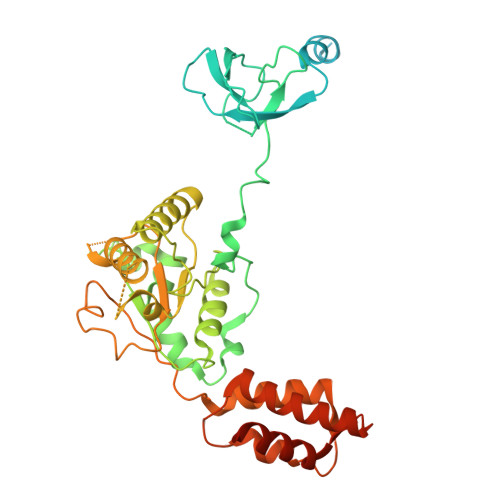
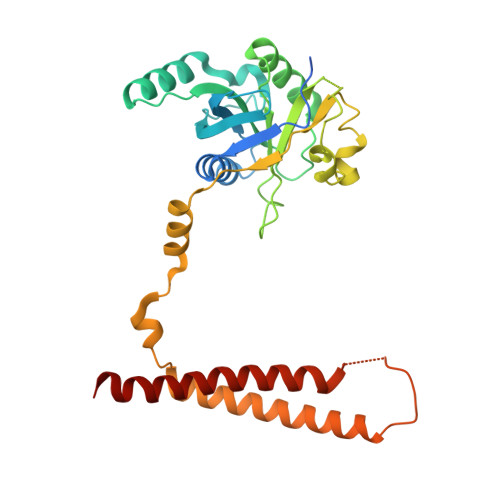
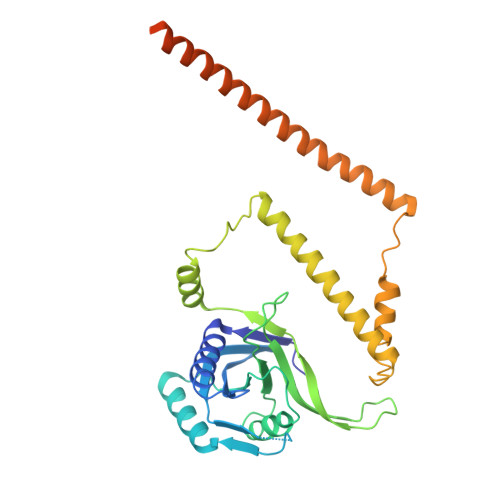
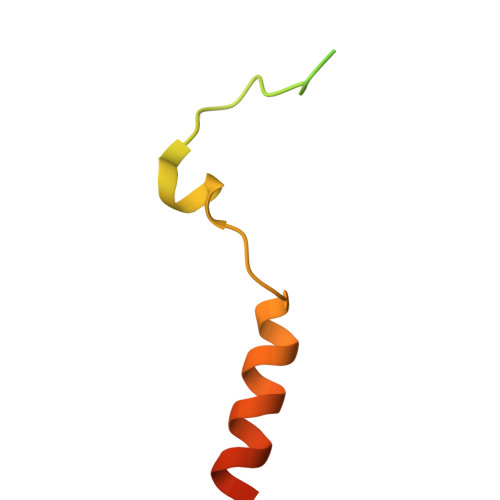
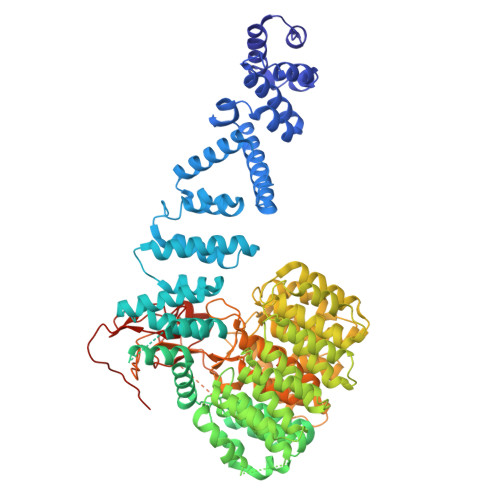
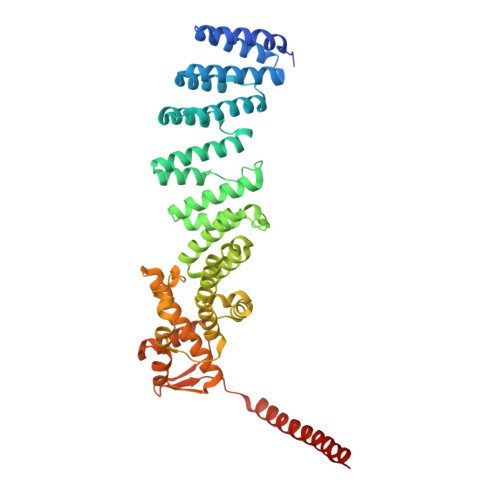
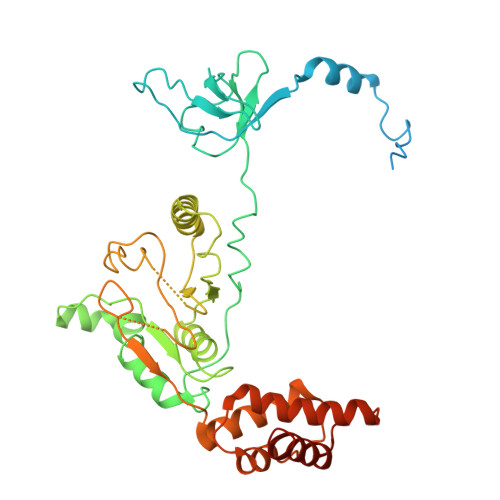
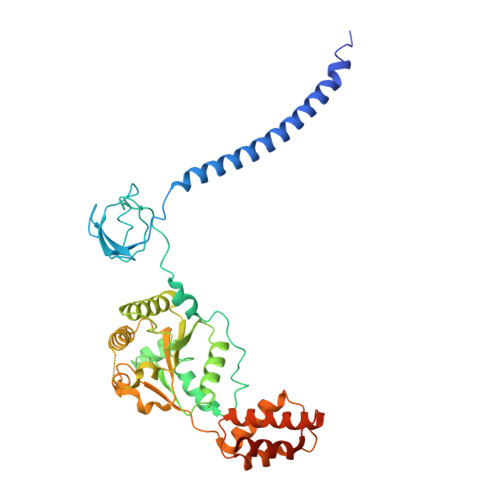
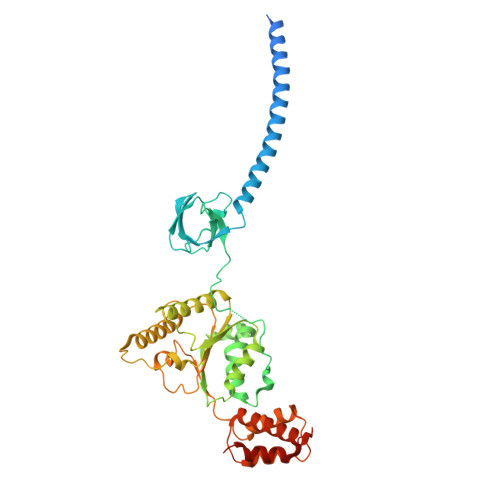
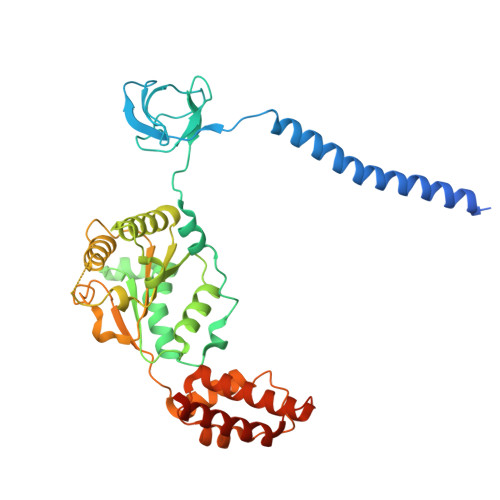
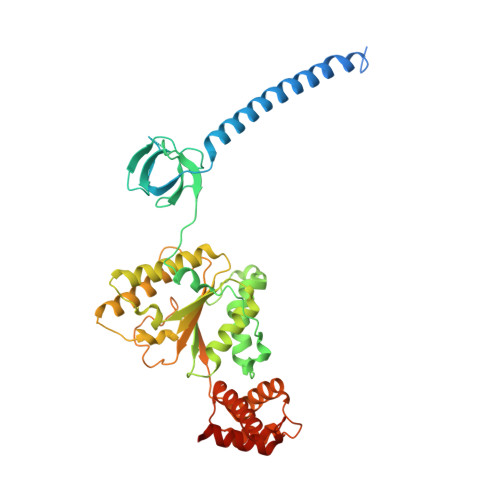
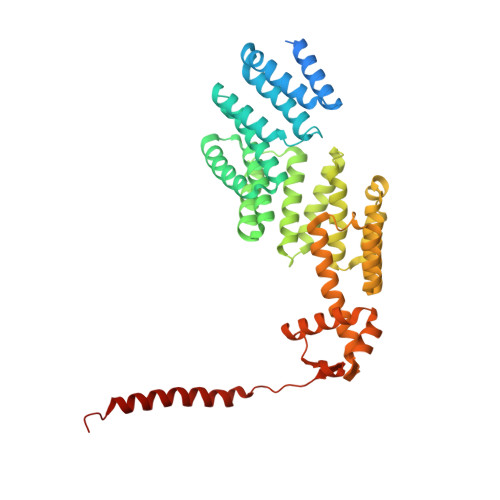
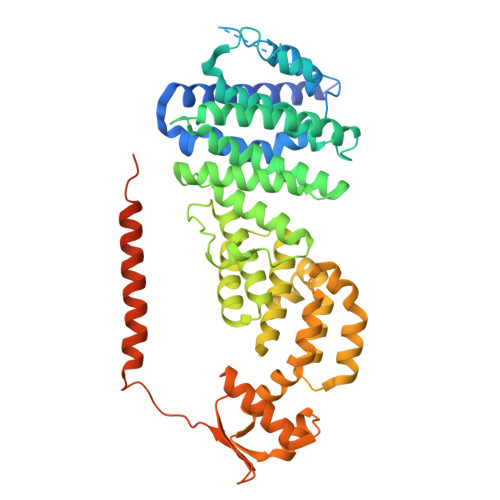
The 26S proteasome typically degrades proteins marked by ubiquitin chains. However, a distinct, ubiquitin-independent degradation pathway for nuclear proteins exists, mediated by the adaptor protein midnolin, yet its molecular mechanism remains poorly understood. Here, we present nine cryo-electron microscopy structures of the human 26S proteasome in complex with midnolin, which collectively delineate a near-complete catalytic cycle. Our structures reveal that midnolin binds to the proteasome via the RPN1 subunit by its C-terminal helix. Unexpectedly, its ubiquitin-like domain interacts with the RPN11 deubiquitinase in a non-catalytic role. This interaction positions the adjacent Catch domain, which is responsible for substrate binding, directly above the proteasomal entrance, potentially facilitating substrate entry into the proteasome. Furthermore, we observe four consecutive spiral staircase conformations of the AAA+ ATPase hexamer during substrate translocation. These findings provide insights into the mechanisms underlying ubiquitin-independent nuclear protein degradation and may help develop strategies for targeting nuclear proteins via direct proteasomal degradation.
- Department of Biophysics, State Key Laboratory of Natural and Biomimetic Drugs, School of Basic Medical Sciences, Peking University Health Science Center, Beijing, China.
Organizational Affiliation: