Download Mendeley
Molecular Mechanism of the beta 3 AR Agonist Activity of a beta-Blocker.
Zheng, S., Zhang, S., Dai, S., Chen, K., Gao, K., Sun, X., Lin, B., Liu, X.(2024) Chempluschem 89: e202400288-e202400288
- PubMed: 39046191 Search on PubMed
- DOI: https://doi.org/10.1002/cplu.202400288
- Primary Citation Related Structures:
9IJD, 9IJE - PubMed Abstract:
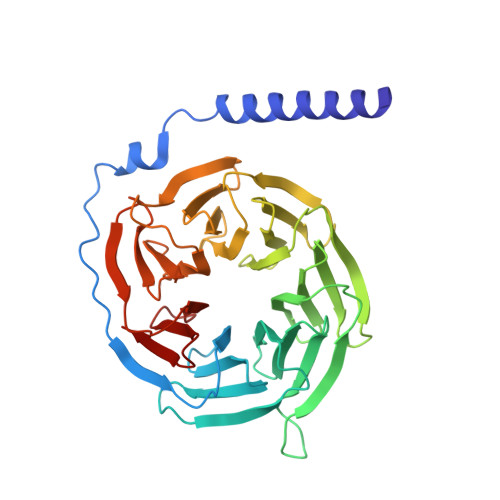
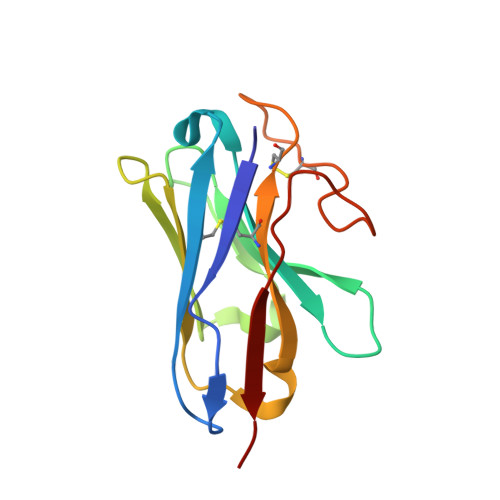
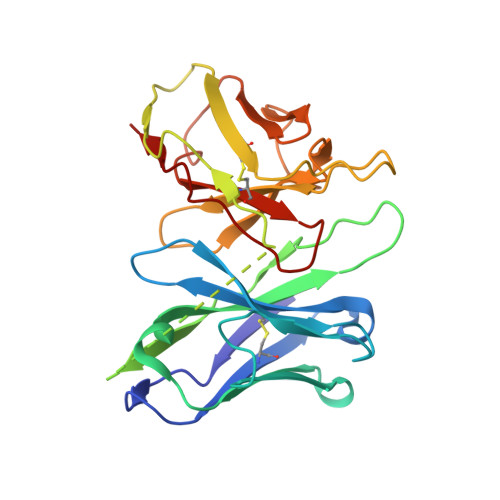
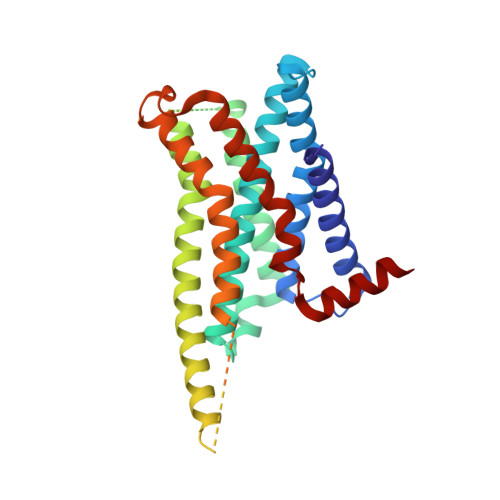
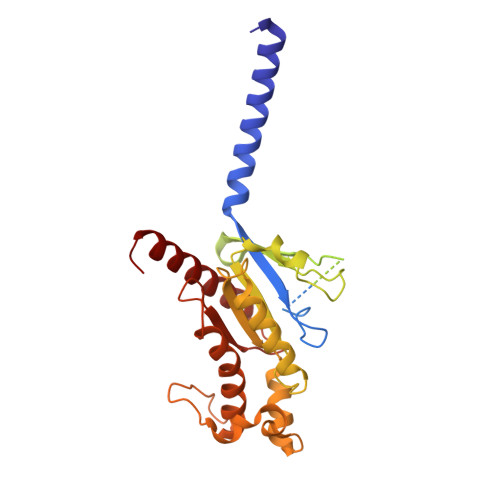
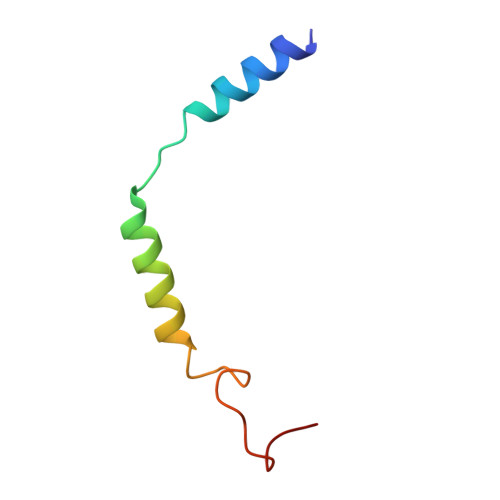
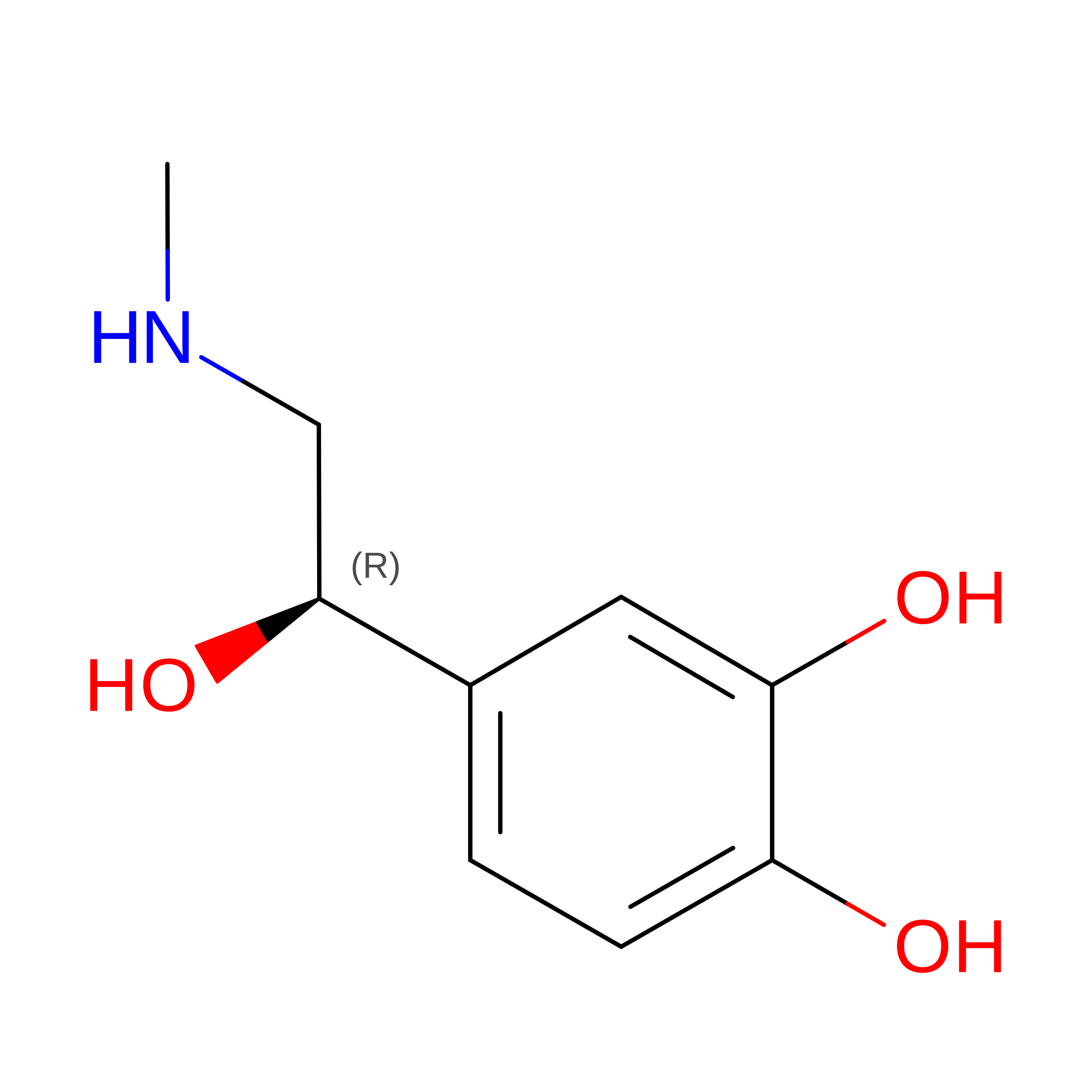
Development of subtype-selective drugs for G protein-coupled receptors poses a significant challenge due to high similarity between subtypes, as exemplified by the three β-adrenergic receptors (βARs). The β 3 AR agonists show promise for treating the overactive bladder or preterm birth, but their potential is hindered by off-target activation of β 1 AR and β 2 AR. Interestingly, several β-blockers, which are antagonists of the β 1 ARs and β 2 ARs, have been reported to exhibit agonist activity at the β 3 AR. However, the molecular mechanism remains elusive. Understanding the underlying mechanism should facilitate the development of β 3 AR agonists with improved selectivity and reduced off-target effects. In this work, we determined the structures of human β 3 AR in complex with the endogenous agonist epinephrine or with a synthetic β 3 AR agonist carazolol, which is also a high-affinity β-blocker. Structure comparison, mutagenesis studies and molecular dynamics simulations revealed that the differences on the flexibility of D 3.32 directly contribute to carazolol's distinct activities as an antagonist for the β 2 AR and an agonist for the β 3 AR. The process is also indirectly influenced by the extracellular loops (ECL), especially ECL1. Taken together, these results provide key guidance for development of selective β 3 AR agonists, paving the way for new therapeutic opportunities.
- State Key Laboratory of Membrane Biology, Tsinghua-Peking Center for Life Sciences, School of Pharmaceutical Sciences, Tsinghua University, Beijing, 100084, P. R. China.
Organizational Affiliation: