Find PDB structures and Computed Structure Models (CSM) by combining queries from tools in this suite: Attribute Search, Sequence Similarity, Sequence Motif, 3D Similarity, and 3D Motif with 'AND' logic.
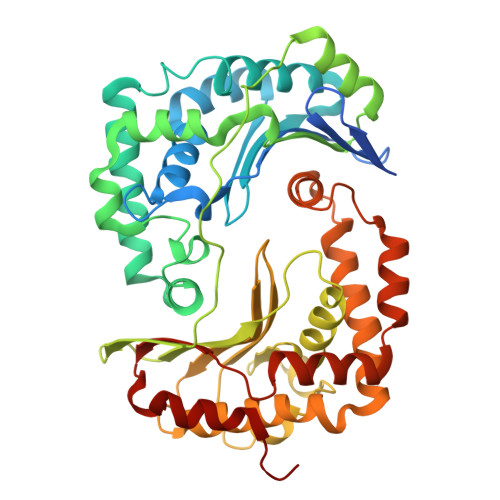
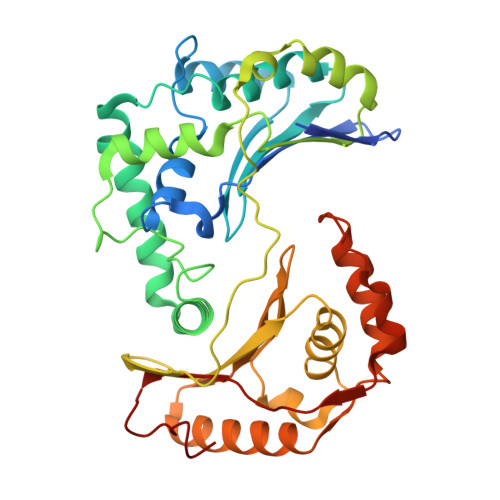
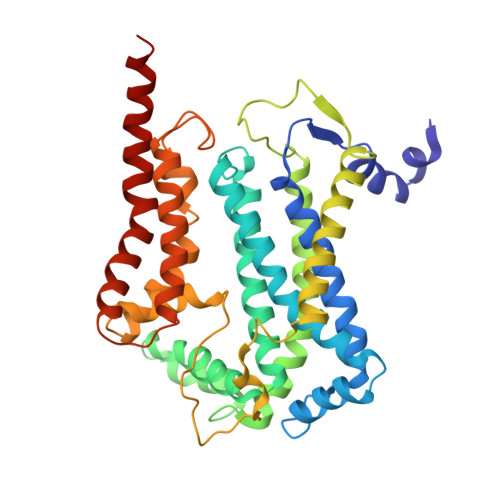
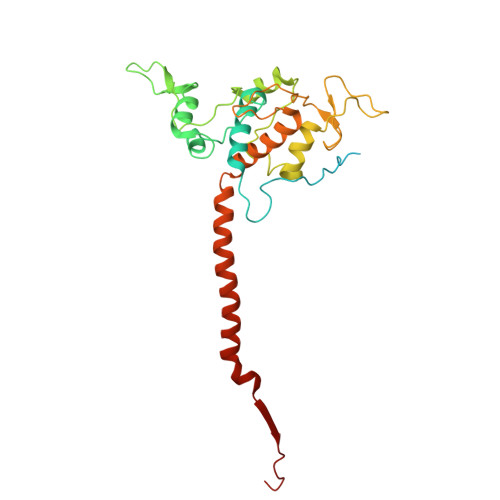
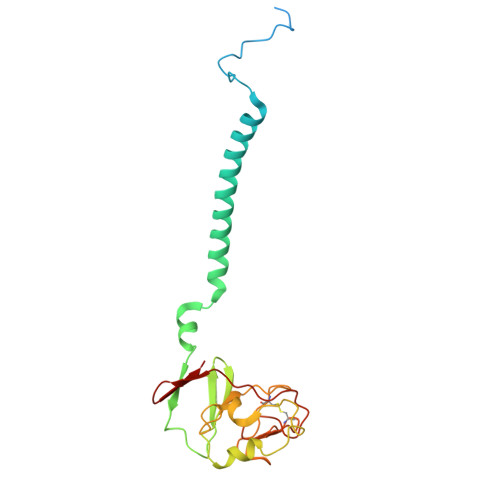
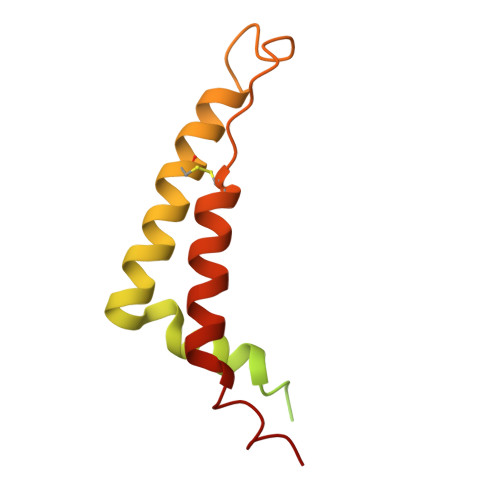
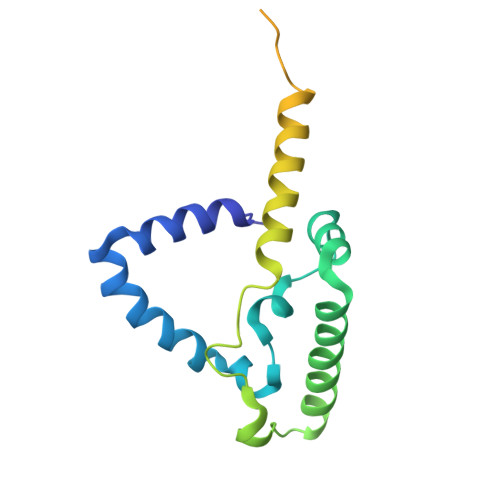
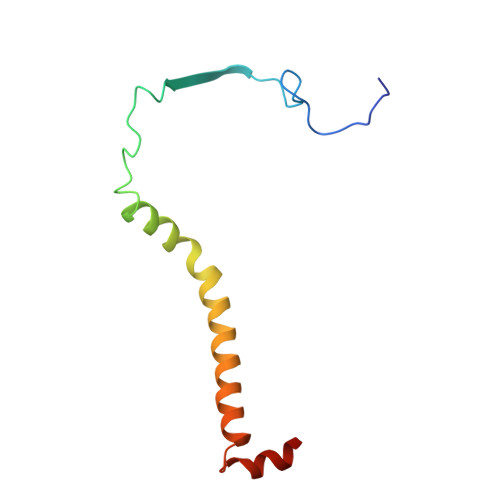
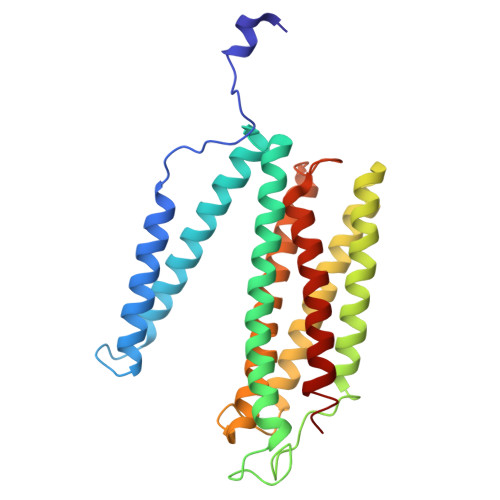
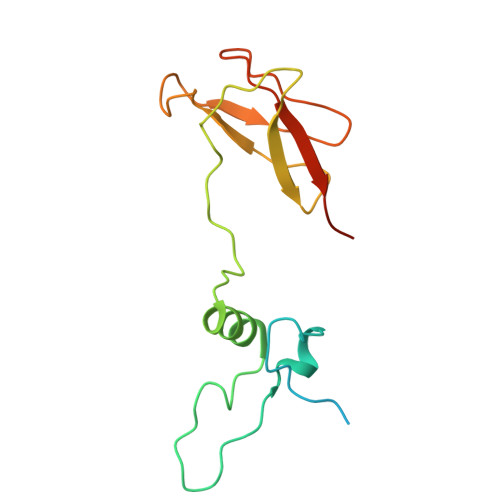
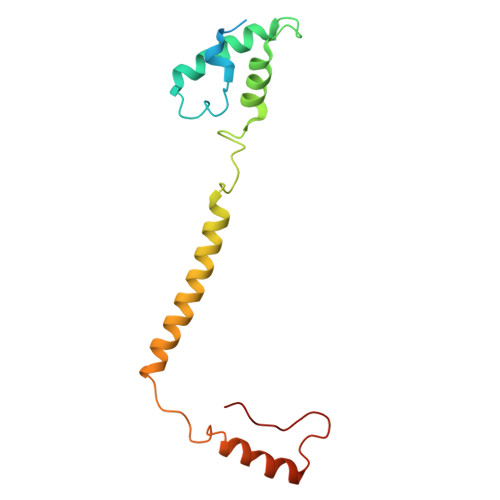
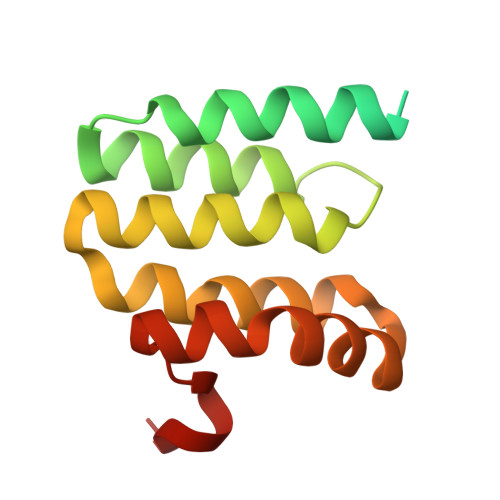
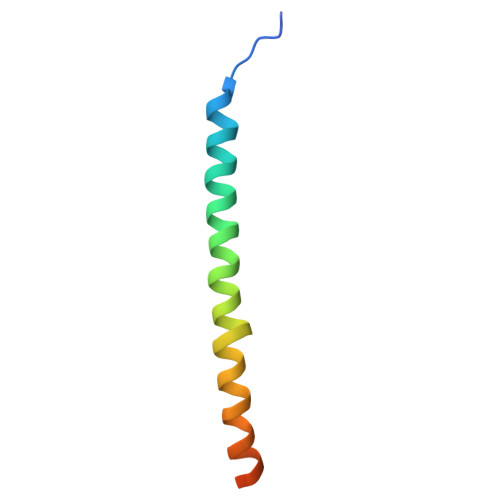
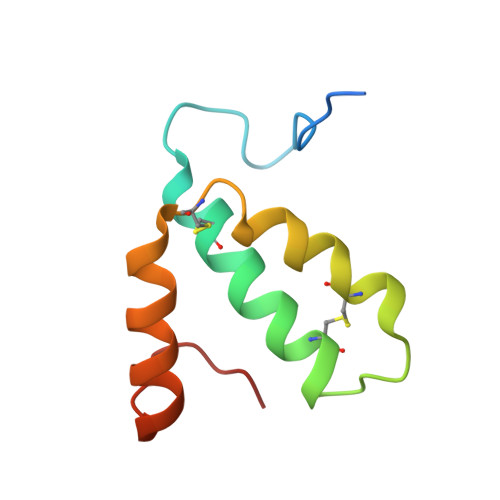
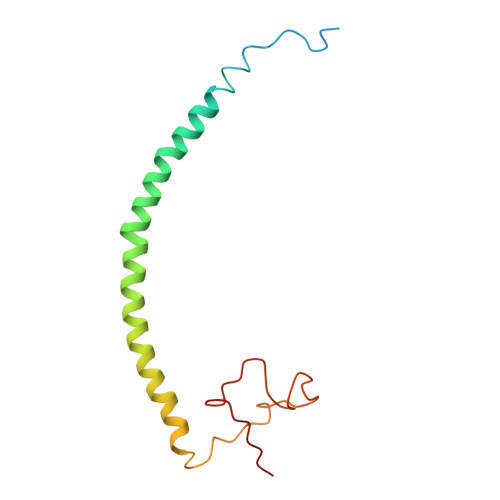
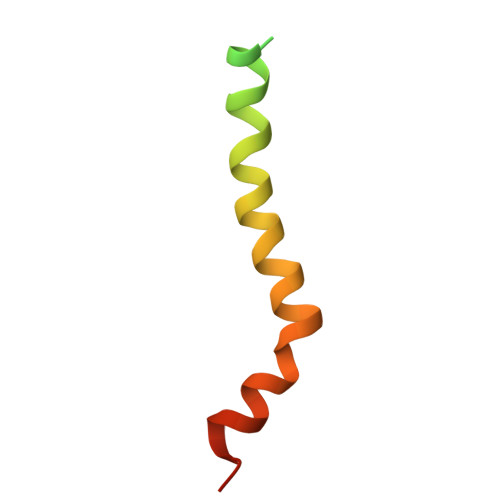
The mitochondrial respiratory chain (MRC) complexes, crucial for aerobic energy transduction in eukaryotes, form conserved higher-order structures called supercomplexes (SCs). The elucidation of SC physiological relevance is critical for our understanding of mitochondrial function and bioenergetics but has been hindered by the limited availability of experimental models isolating SC formation as the sole variable. In baker's yeast, SCs comprise III 2 IV 1 and III 2 IV 2 configurations, which enhance respiratory rates by facilitating cytochrome c diffusion along the SC surface. However, the roles of distinct SC conformations and MRC plasticity remain unclear. To address these questions, we engineered a yeast strain expressing a covalently-linked III 2 IV 2 SC, structurally like the wild-type. Expression of this tethered SC supports robust respiratory activity but selectively impacts cytosolic NADH-driven respiration, due to distinct interactions with the NADH dehydrogenase Nde1. We propose that in yeast mitochondria, substrate-specific respirasome-like SCs contribute to the optimization of electron fluxes and support metabolic flexibility.
Organizational Affiliation:
Department of Biochemistry and Molecular Biology, University of Miami Miller School of Medicine, Miami, FL, USA.
Department of Radiation Oncology, Massachusetts General Brigham, Boston, MA, USA.
Department of Medical Biochemistry and Cell Biology, Institute of Biomedicine, University of Gothenburg, Gothenburg, Sweden.
Brooklyn Hospital Center, Brooklyn, NY, USA.
Centre for Cellular Imaging Core Facility, Sahlgrenska Academy, University of Gothenburg, Gothenburg, Sweden.
Department of Biochemistry and Molecular Biology, University of Miami Miller School of Medicine, Miami, FL, USA. ffontanesi@med.miami.edu.

 Download Mendeley