Find PDB structures and Computed Structure Models (CSM) by combining queries from tools in this suite: Attribute Search, Sequence Similarity, Sequence Motif, 3D Similarity, and 3D Motif with 'AND' logic.
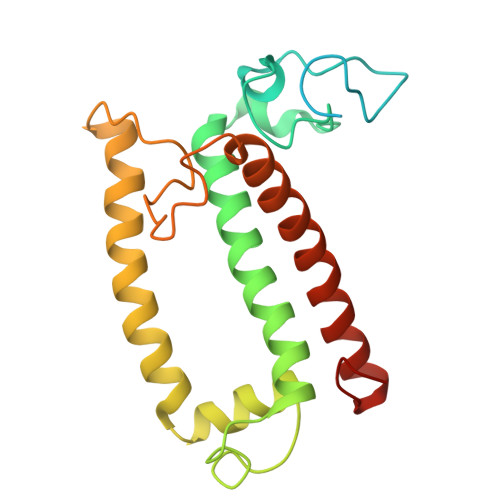
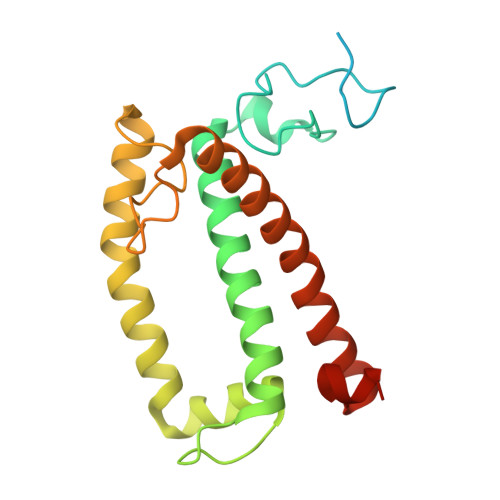
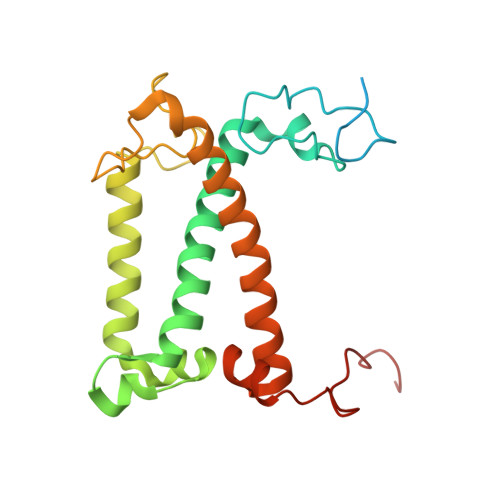
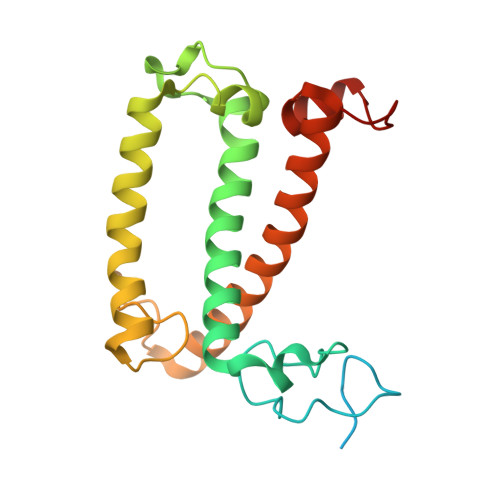
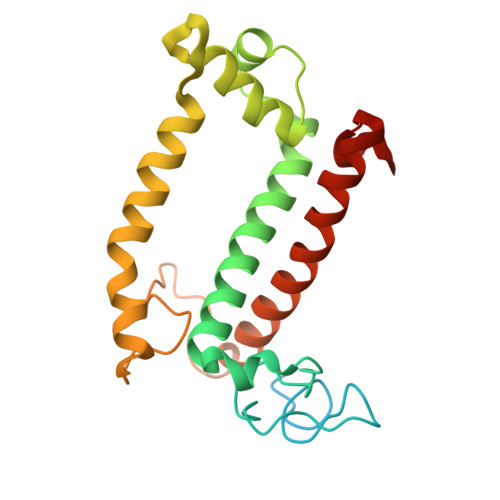
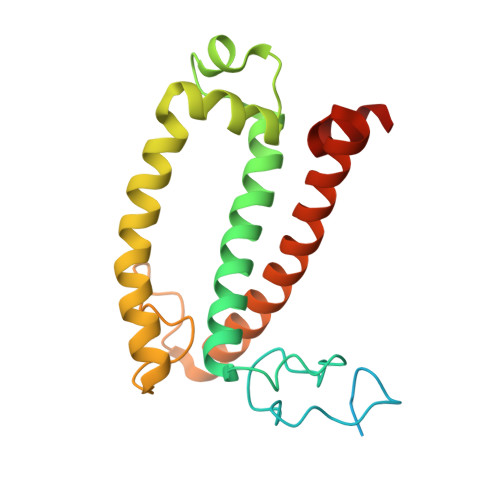
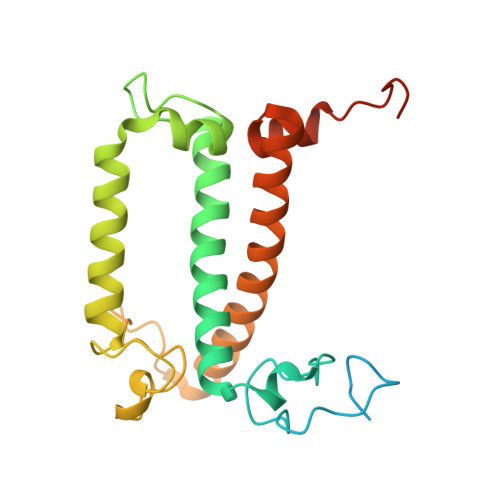
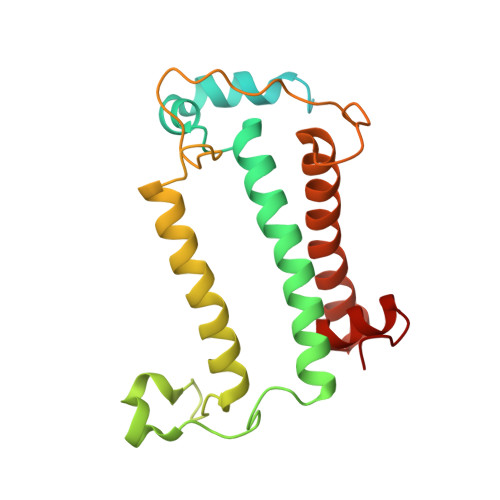
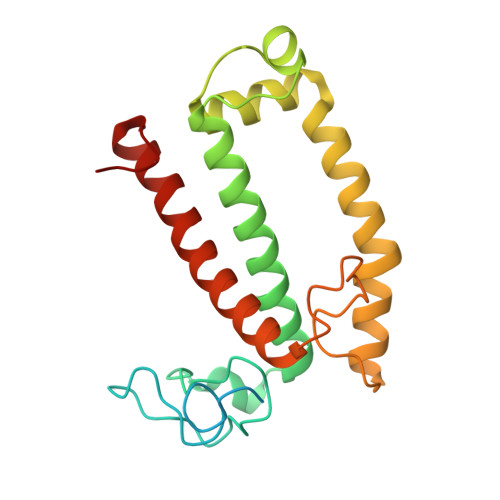
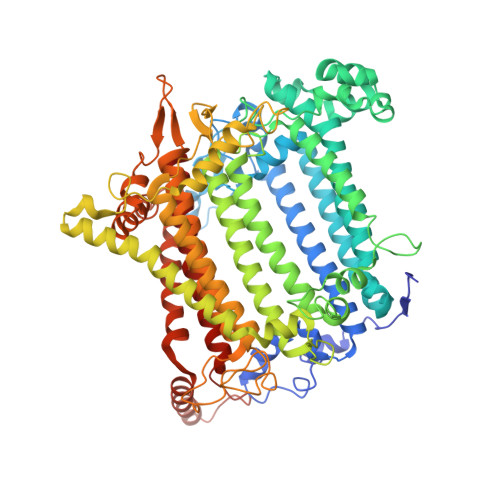
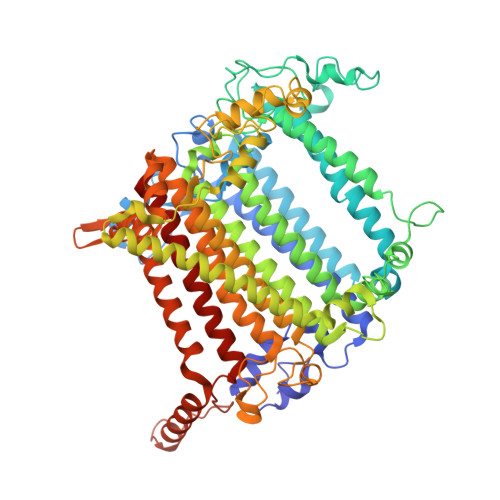
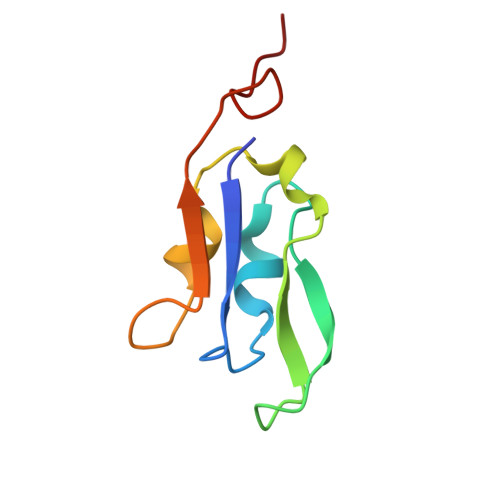
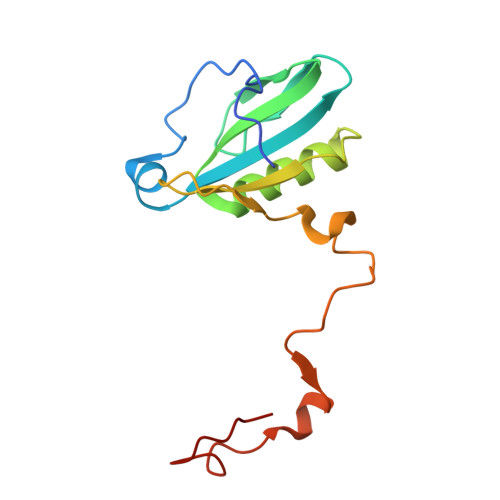
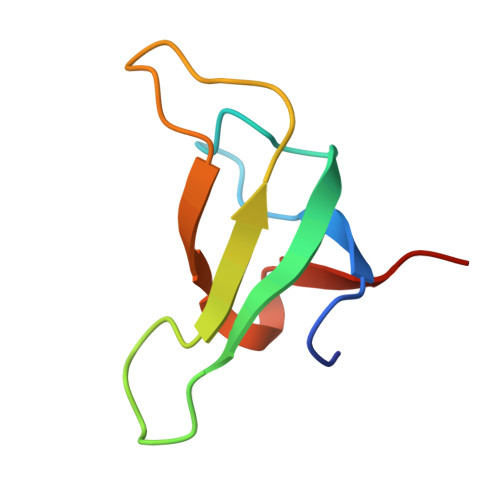
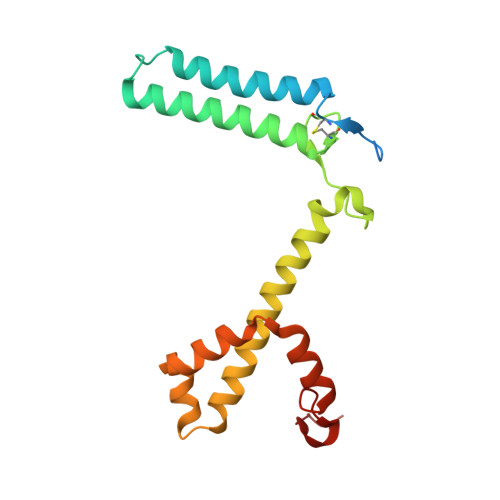
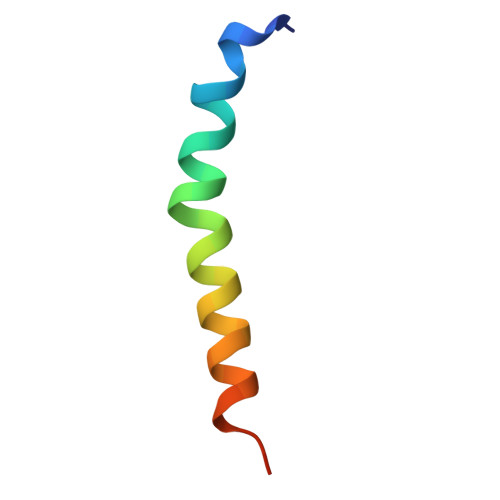
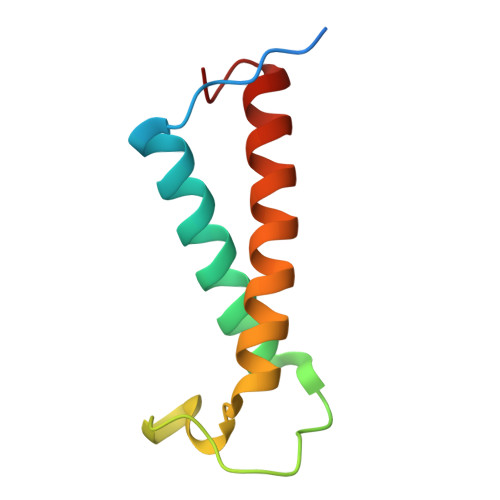
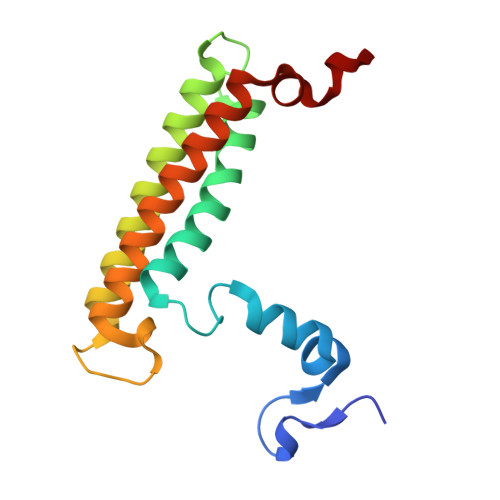
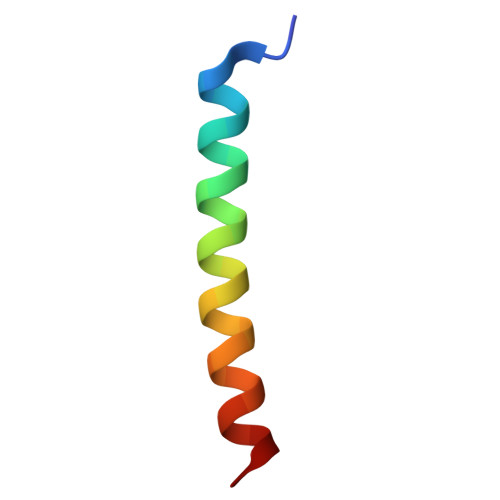
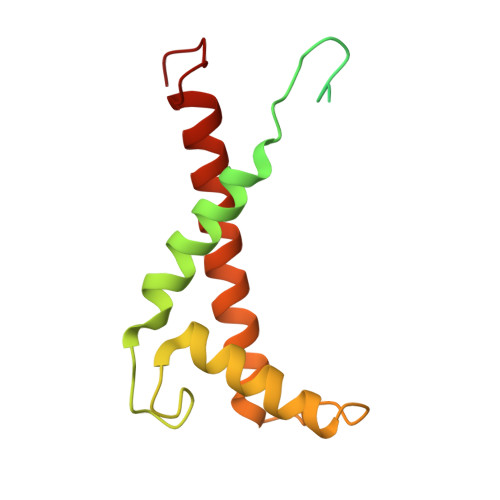
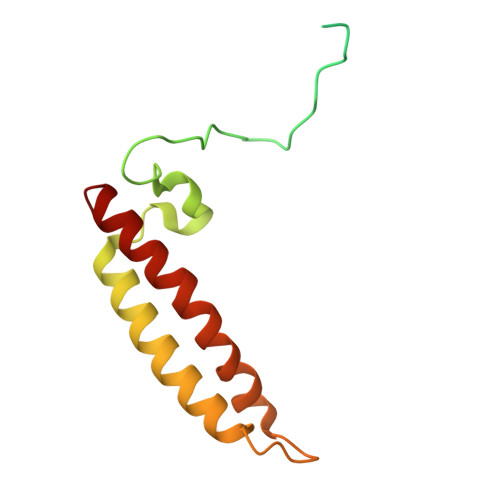
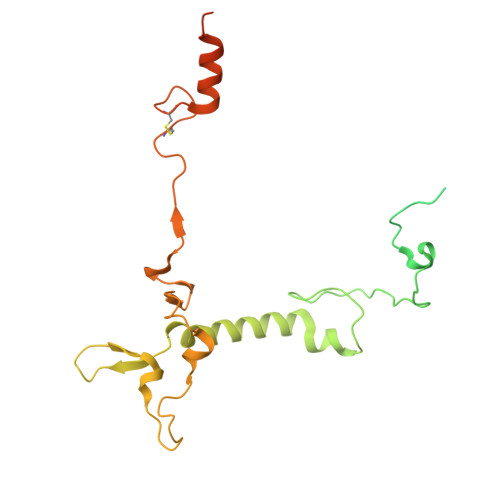
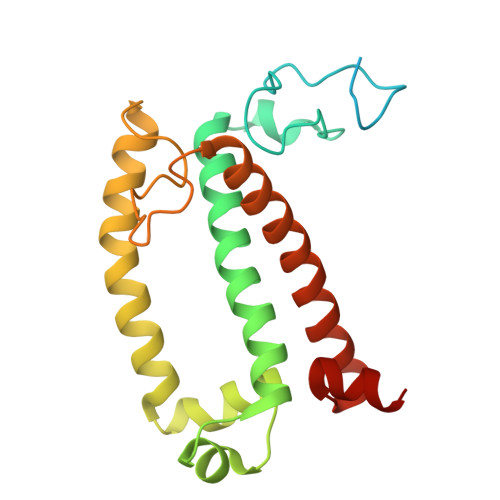
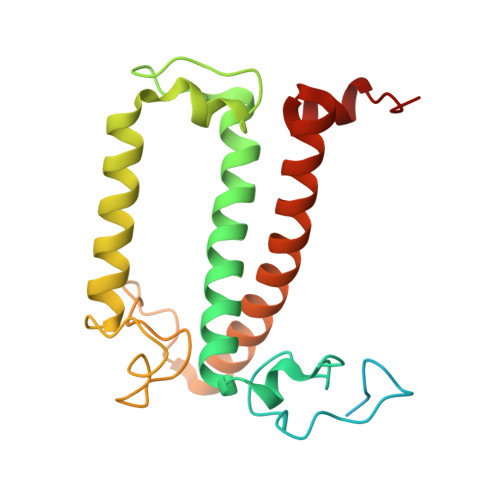
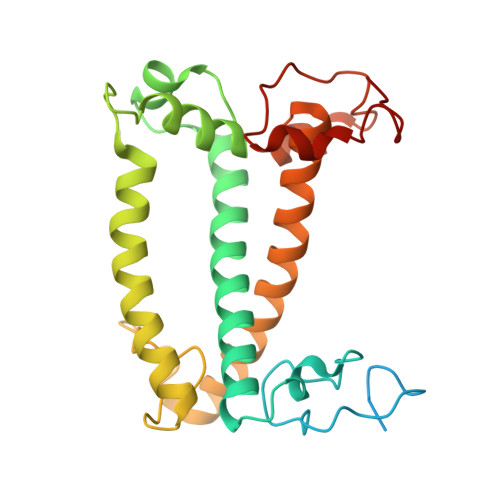
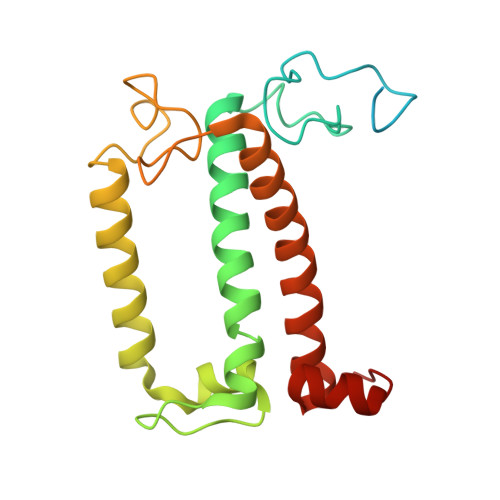
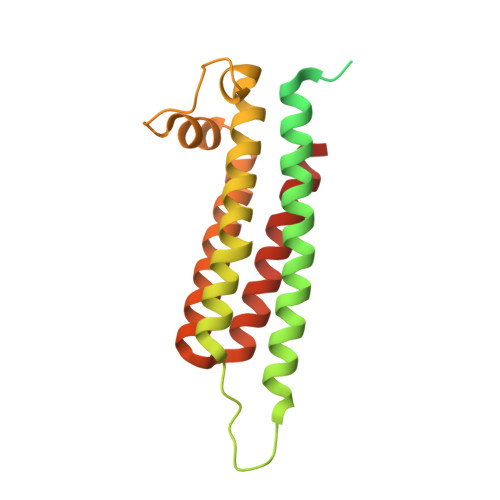
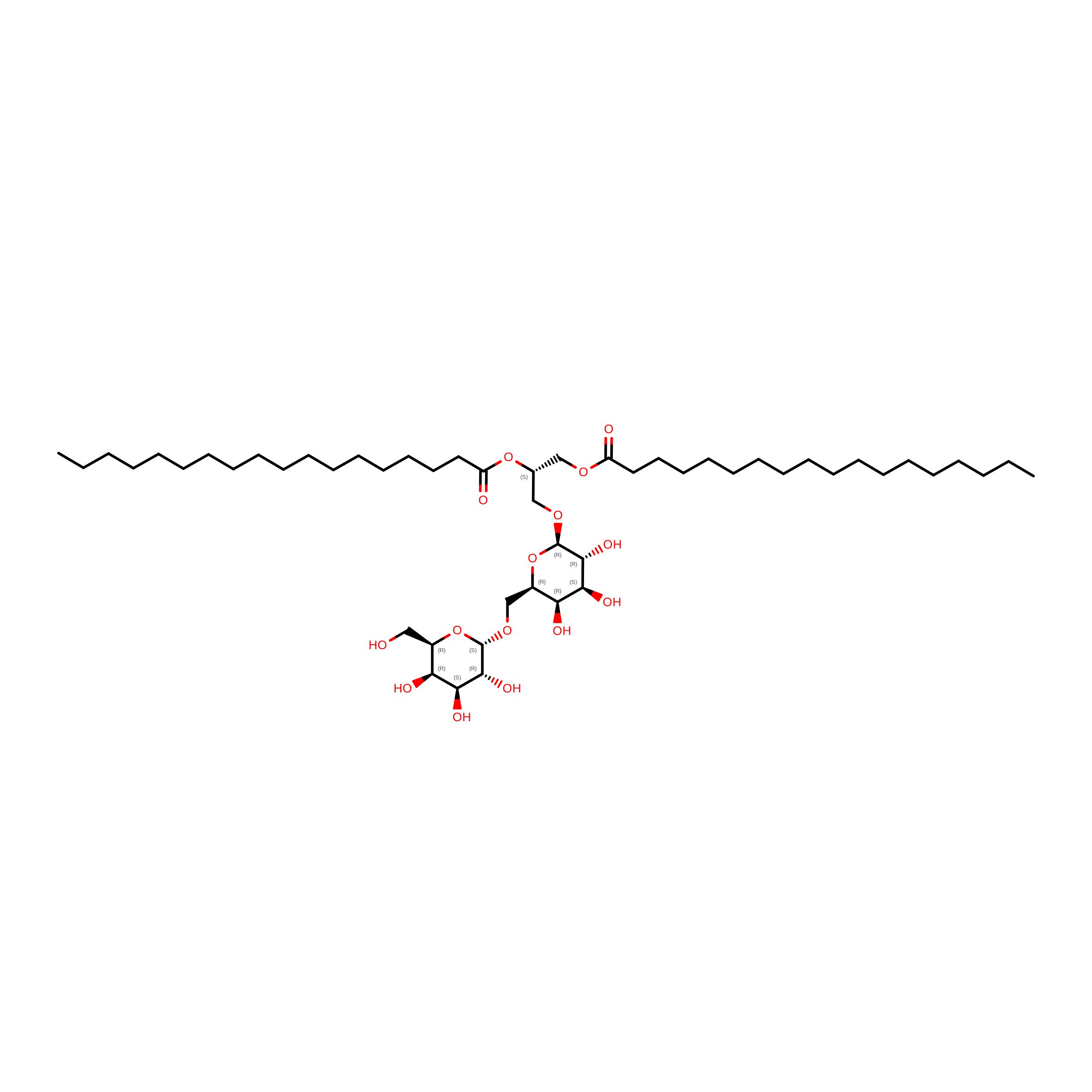
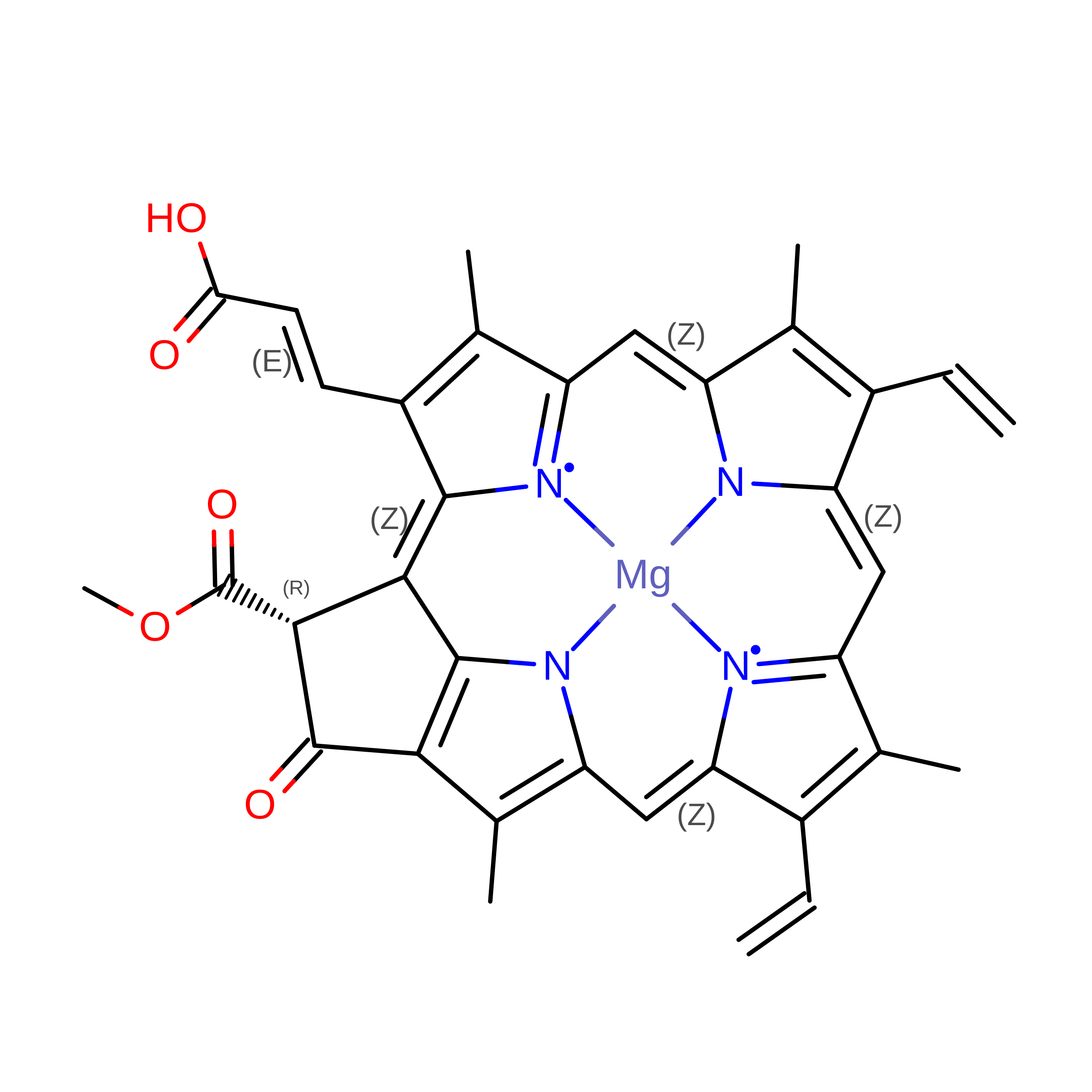
Cryptophyte algae are an important group of photosynthetic eukaryotes and originated evolutionarily from a secondary endosymbiosis with a red algal ancestor. Photosystem I (PSI) of cryptophyte algae binds alloxanthin-chlorophyll a/c-binding proteins (ACPs) equivalent to the light harvesting complexes (LHCs) of green algae and higher plants. Here, we report a high resolution (2.25 Å) structure of the PSI-ACPI supercomplex purified from the cryptophyte Chroomonas placoidea (C. placoidea) by cryo-electron microscopy. The PSI-ACPI supercomplex consists of a monomeric PSI core, 14 ACPI subunits and a Chl-binding subunit, CCPI-S. The 14 ACPI subunits are divided into two layers, with an inner layer including 11 ACPIs, and an outer layer consisting of 3 ACPIs. The CCPI-S mediates the connections and energy transfer between the outer and inner ACPI layers. Due to the current higher resolution, a unique PsaQ subunit bound at the lumenal side was identified in the PSI core. Two new pigment molecules Chl a856PsaA and Mon 627ACPI − 8 as well as 18 new lipids were identified, compared to the previously reported PSI-ACPI structure from the cryptophyte alga C. placoidea (Zhao et al. 2023). These lipids mediate the interactions of subunits and the assembly of PSI-ACPI. These results provide structural insights for the assembly of the PSI-ACPI complex and pathways of light-energy absorption and transfer in cryptophyte PSI-ACPI, as well as the possible adaptation mechanisms to fluctuating light conditions.
Organizational Affiliation:
State Key Laboratory of Forage Breeding-by-Design and Utilization, Key Laboratory of Photobiology, Institute of Botany, Chinese Academy of Sciences, Beijing, 100093, China.
University of Chinese Academy of Sciences, Beijing, 100049, China.
China National Botanical Garden, Beijing, 100093, China.
Academician Workstation of Agricultural High-tech Industrial Area of The Yellow River Delta, National Center of Technology Innovation for Comprehensive Utilization of Saline-Alkali Land, Dongying, 257300, China.
State Key Laboratory of Forage Breeding-by-Design and Utilization, Key Laboratory of Photobiology, Institute of Botany, Chinese Academy of Sciences, Beijing, 100093, China. shen@cc.okayama-u.ac.jp.
China National Botanical Garden, Beijing, 100093, China. shen@cc.okayama-u.ac.jp.
Institute for Interdisciplinary Science, Advanced Research Field, Graduate School of Natural Science and Technology, Okayama University, Okayama, 700-8530, Japan. shen@cc.okayama-u.ac.jp.
State Key Laboratory of Forage Breeding-by-Design and Utilization, Key Laboratory of Photobiology, Institute of Botany, Chinese Academy of Sciences, Beijing, 100093, China. hanguangye@ibcas.ac.cn.
University of Chinese Academy of Sciences, Beijing, 100049, China. hanguangye@ibcas.ac.cn.
China National Botanical Garden, Beijing, 100093, China. hanguangye@ibcas.ac.cn.
Academician Workstation of Agricultural High-tech Industrial Area of The Yellow River Delta, National Center of Technology Innovation for Comprehensive Utilization of Saline-Alkali Land, Dongying, 257300, China. hanguangye@ibcas.ac.cn.
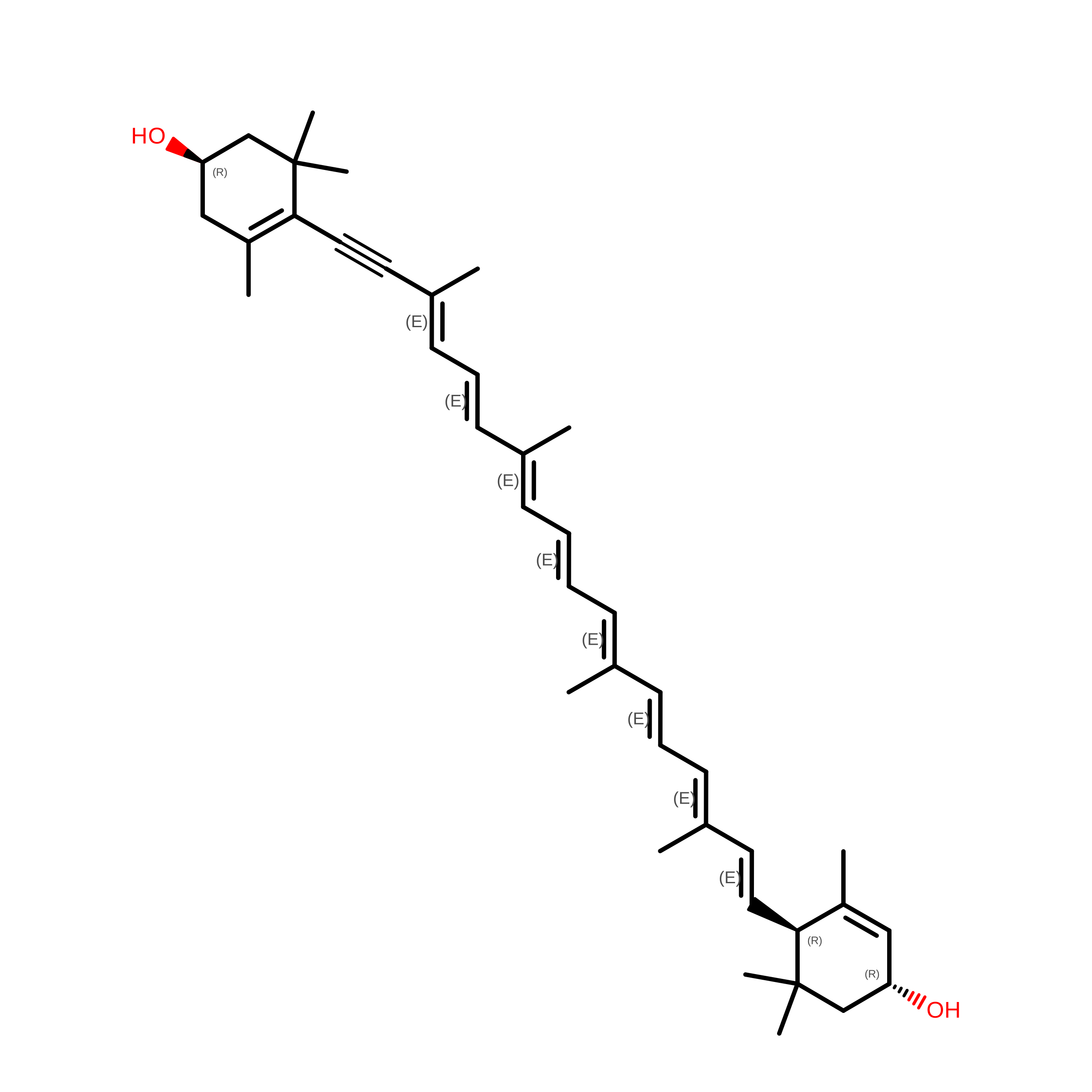
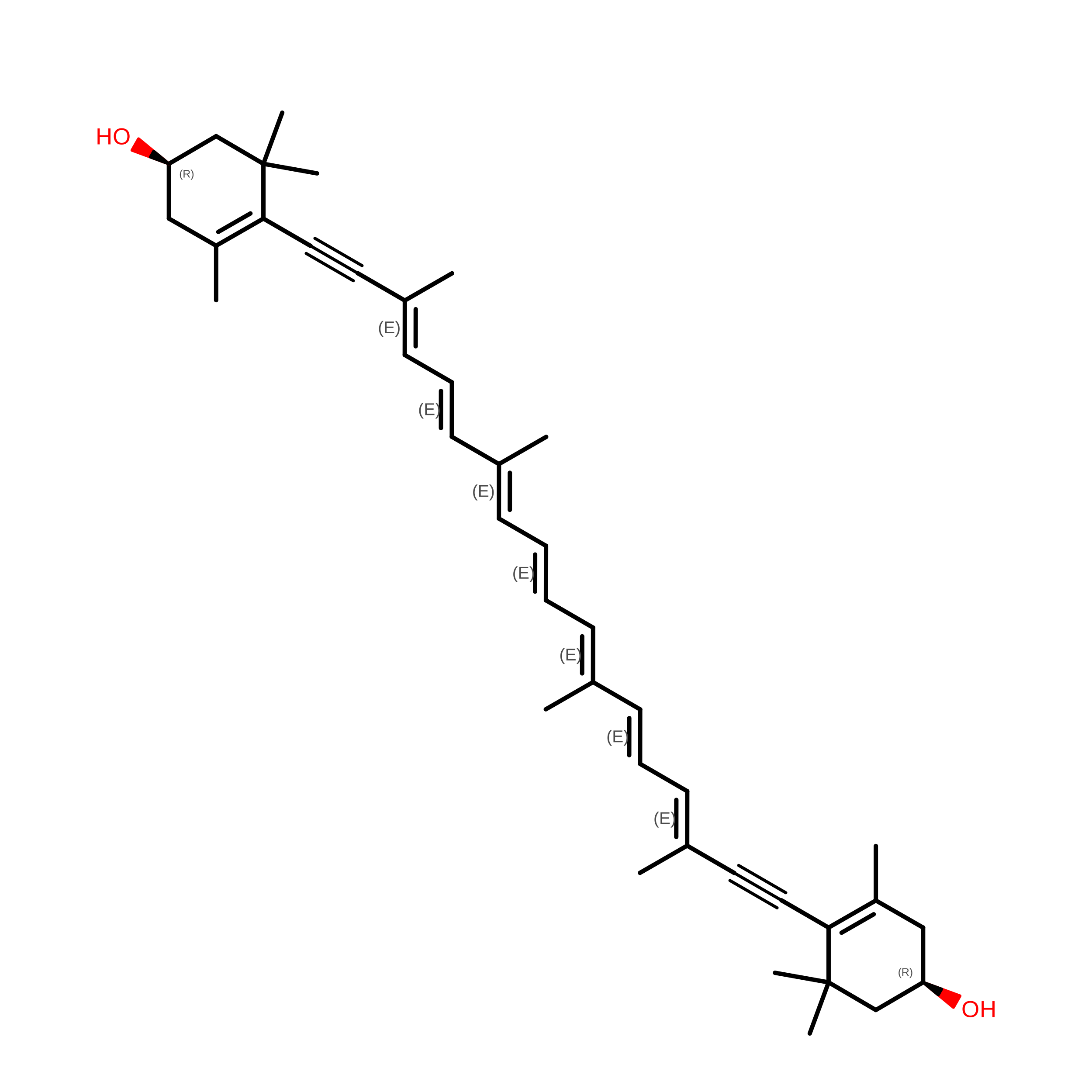
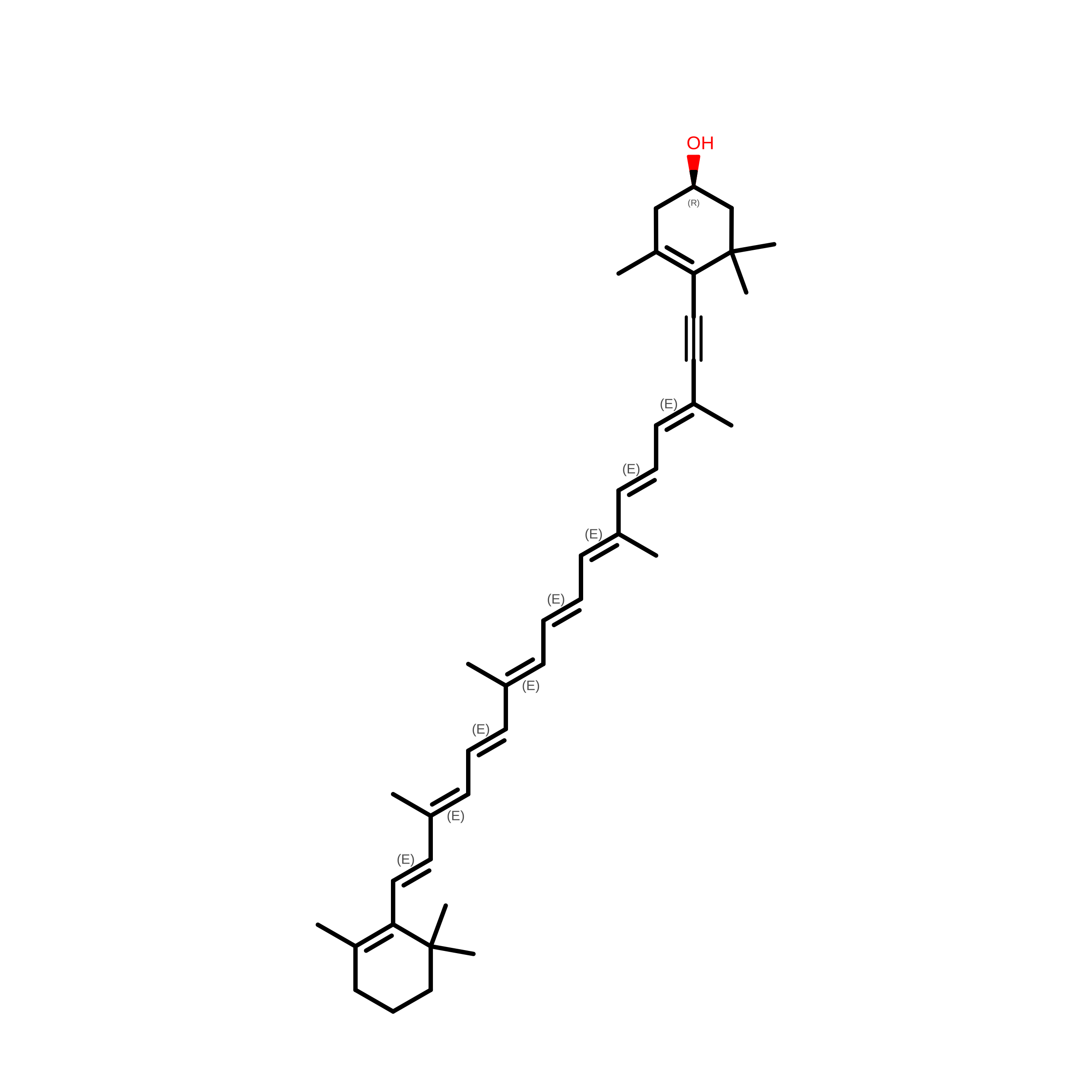
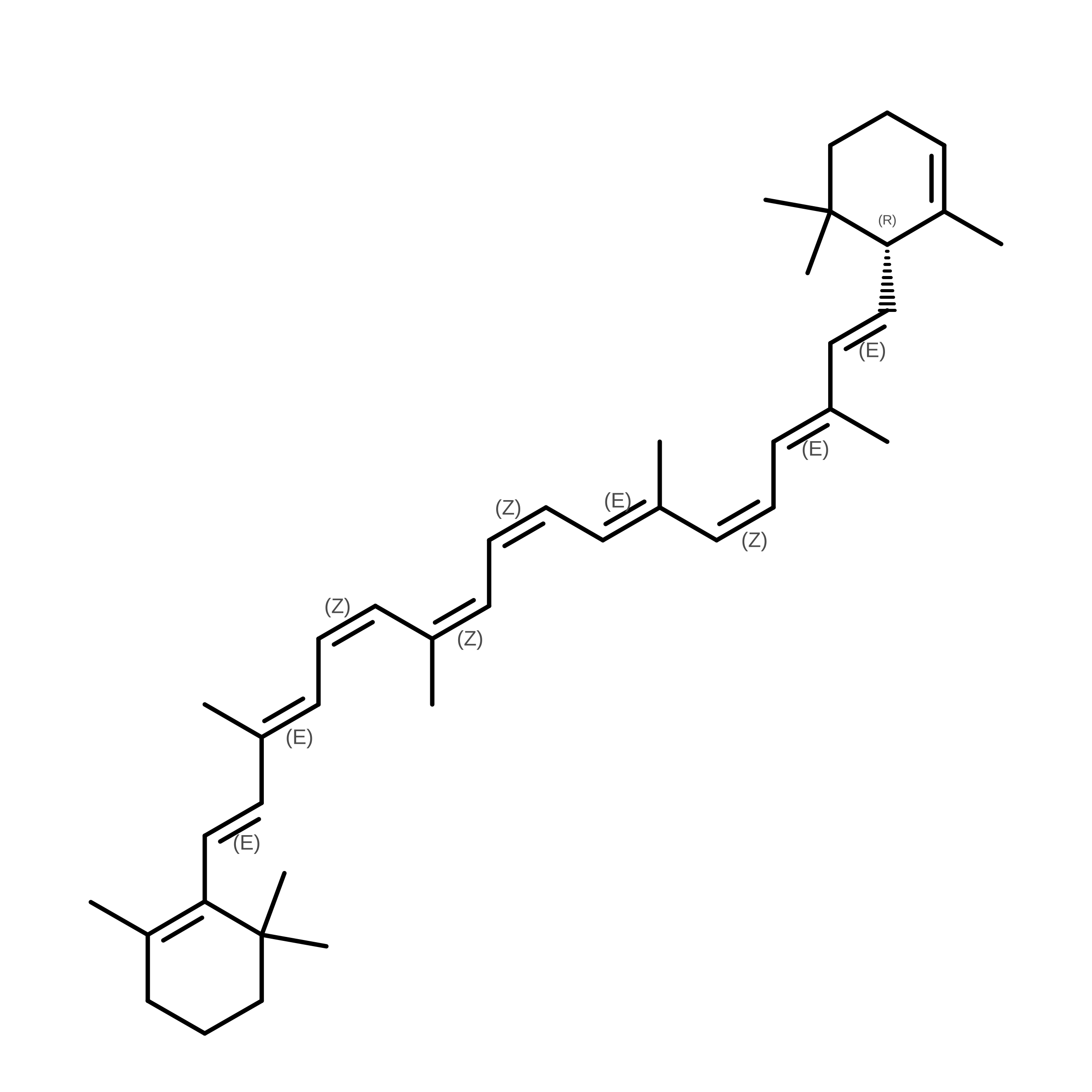
(1~{R})-3,5,5-trimethyl-4-[(3~{E},5~{E},7~{E},9~{E},11~{E},13~{E},15~{E},17~{E})-3,7,12,16-tetramethyl-18-(2,6,6-trimethylcyclohexen-1-yl)octadeca-3,5,7,9,11,13,15,17-octaen-1-ynyl]cyclohex-3-en-1-ol C40 H54 O UNJKJDIRJWIHLL-BQLQDKTLSA-N

 Download Mendeley