Download Mendeley
Efficient acrylamide adduct formation suggests dual applications of ReAIV L-asparaginase.
Sliwiak, J., Grzechowiak, M., Worsztynowicz, P., Pokrywka, K., Ruszkowski, M., Gilski, M., Jaskolski, M.(2026) Amino Acids
- PubMed: 42113412 Search on PubMed
- DOI: https://doi.org/10.1007/s00726-026-03525-1
- Primary Citation Related Structures:
9THY - PubMed Abstract:
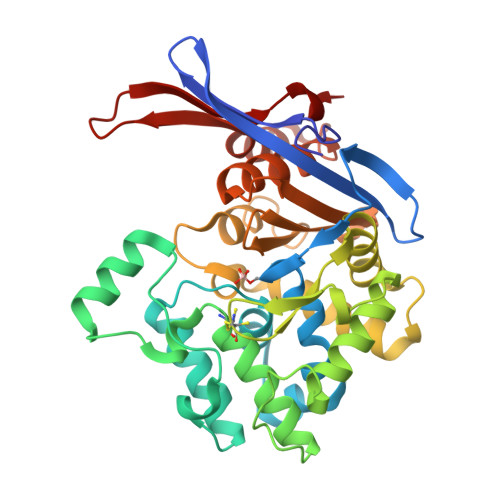
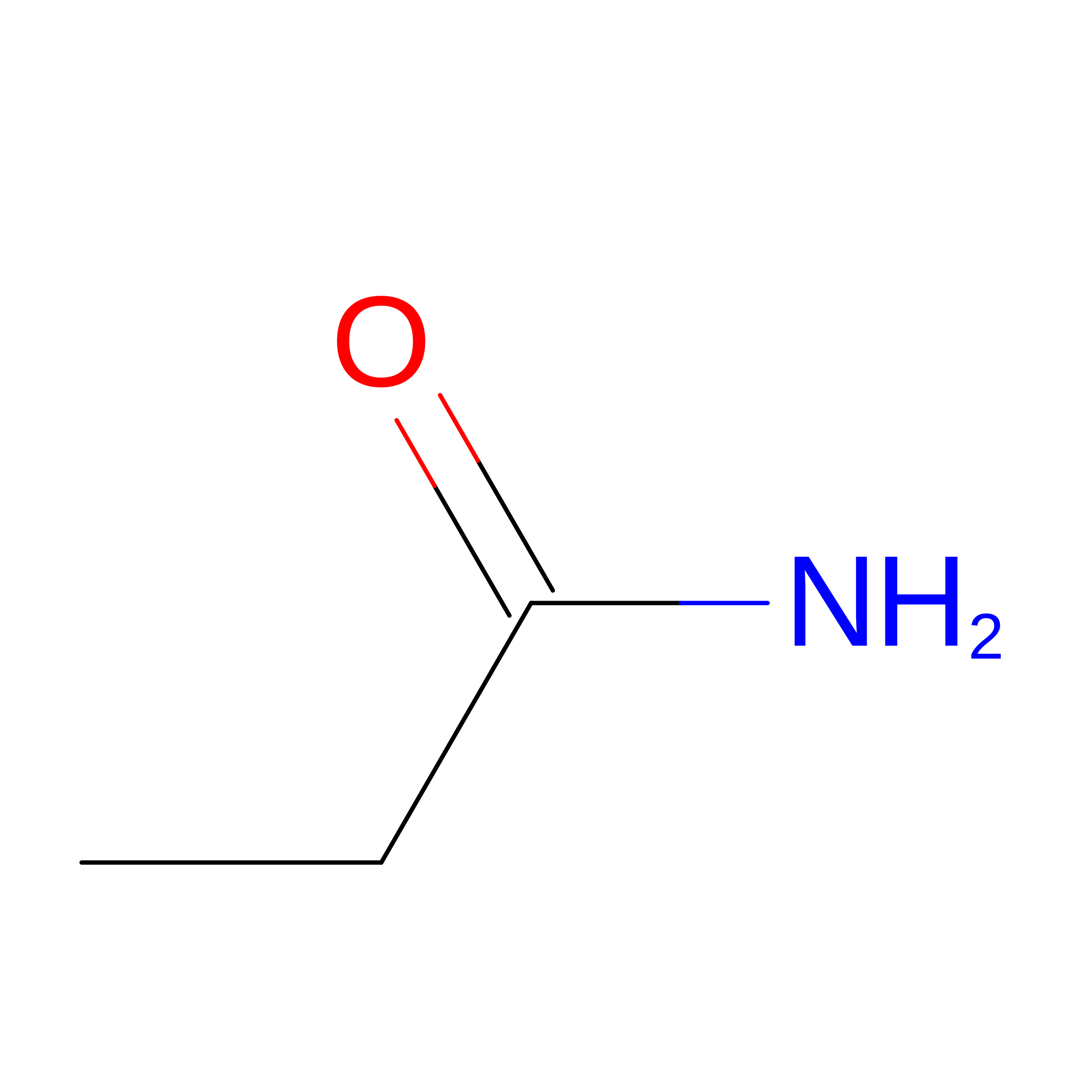
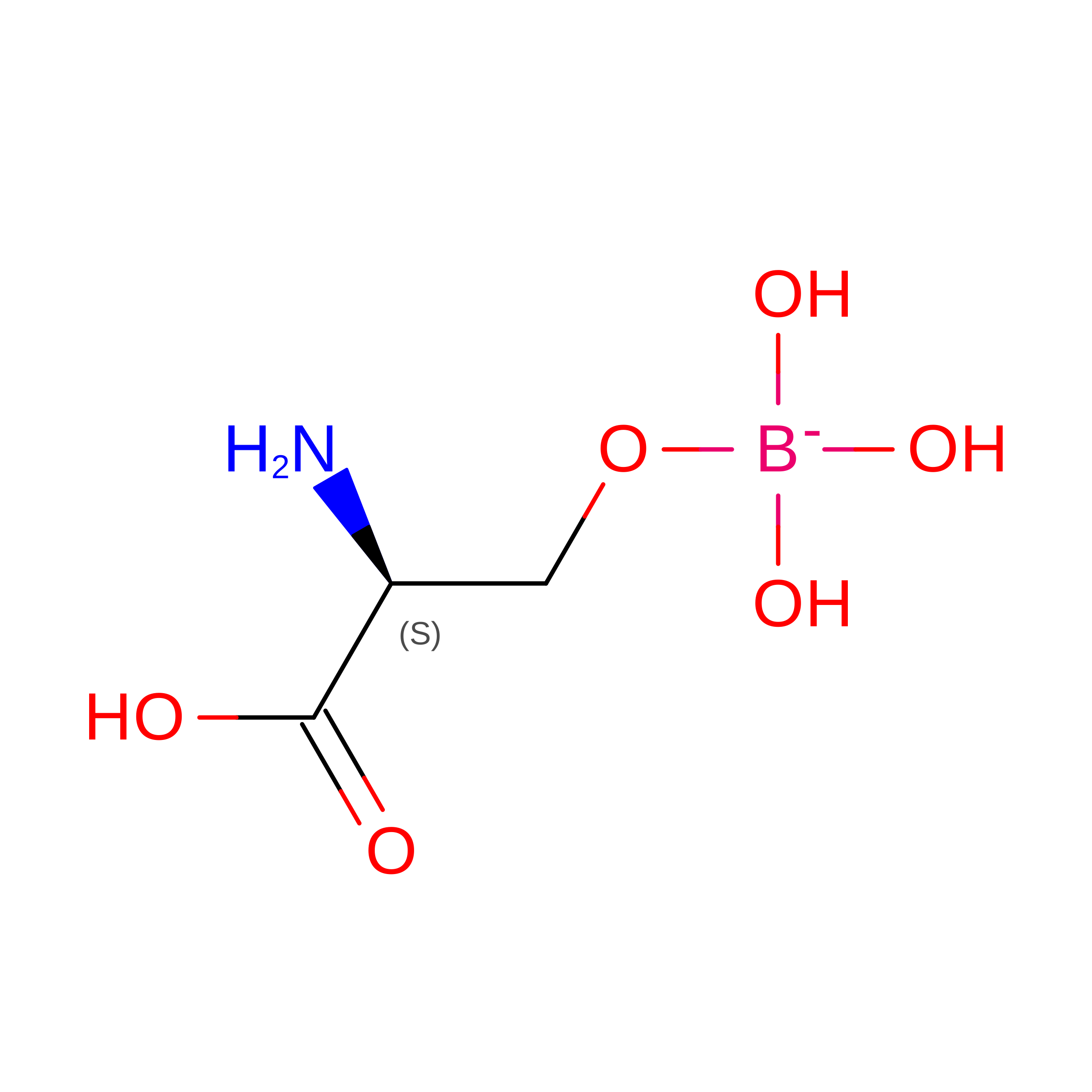
Isothermal titration calorimetry (ITC) studies of the enzyme kinetics and substrate specificity of Rhizobium etli Class 3 L-asparaginases, ReAIV (constitutive) and ReAV (inducible), showed that despite highly conserved catalytic site, the two isoforms differ significantly in thermostability, zinc affinity, and biochemical properties. As part of a wider investigation of potential non-natural substrates, acrylamide was tested, revealing a pronounced heat effect with ReAIV but none with ReAV. Crystallographic analysis showed the formation of a Michael adduct between acrylamide and a surface-exposed cysteine 183 in ReAIV, while the catalytic activity toward L-asparagine hydrolysis remained unaffected. These findings highlight the unique and multimodal reactivity of ReAIV, suggesting its potential dual application in the food industry: in selective removal of L-asparagine and in covalent sequestration of acrylamide under mild conditions. The acrylamide modification improved crystal morphology of ReAIV, offering practical advantages for structural studies. Additionally, a covalent modification of the catalytic Ser47 residue was observed in the presented crystal structure. Based on B-factor analysis, literature data, and detection of borate contamination in the laboratory water, this modification was interpreted as an orthoborate ester.
- Institute of Bioorganic Chemistry, Polish Academy of Sciences, Poznan, Poland. sliwiak@ibch.poznan.pl.
Organizational Affiliation: