Download Mendeley
Architecture of the 8 MDa Hdr-Vhu-Fwd super-assembly in class I methanogens.
Paul, S., Pascoa, T.C., Klamke, M.A., Bohn, S., Abendroth, F., Deobald, D., Vazquez, O., Stripp, S.T., Schuller, J.M.(2026) Nature 656: 1054-1063
- PubMed: 42420451 Search on PubMedSearch on PubMed Central
- DOI: https://doi.org/10.1038/s41586-026-10744-9
- Primary Citation Related Structures:
9SFI, 9T1S - PubMed Abstract:
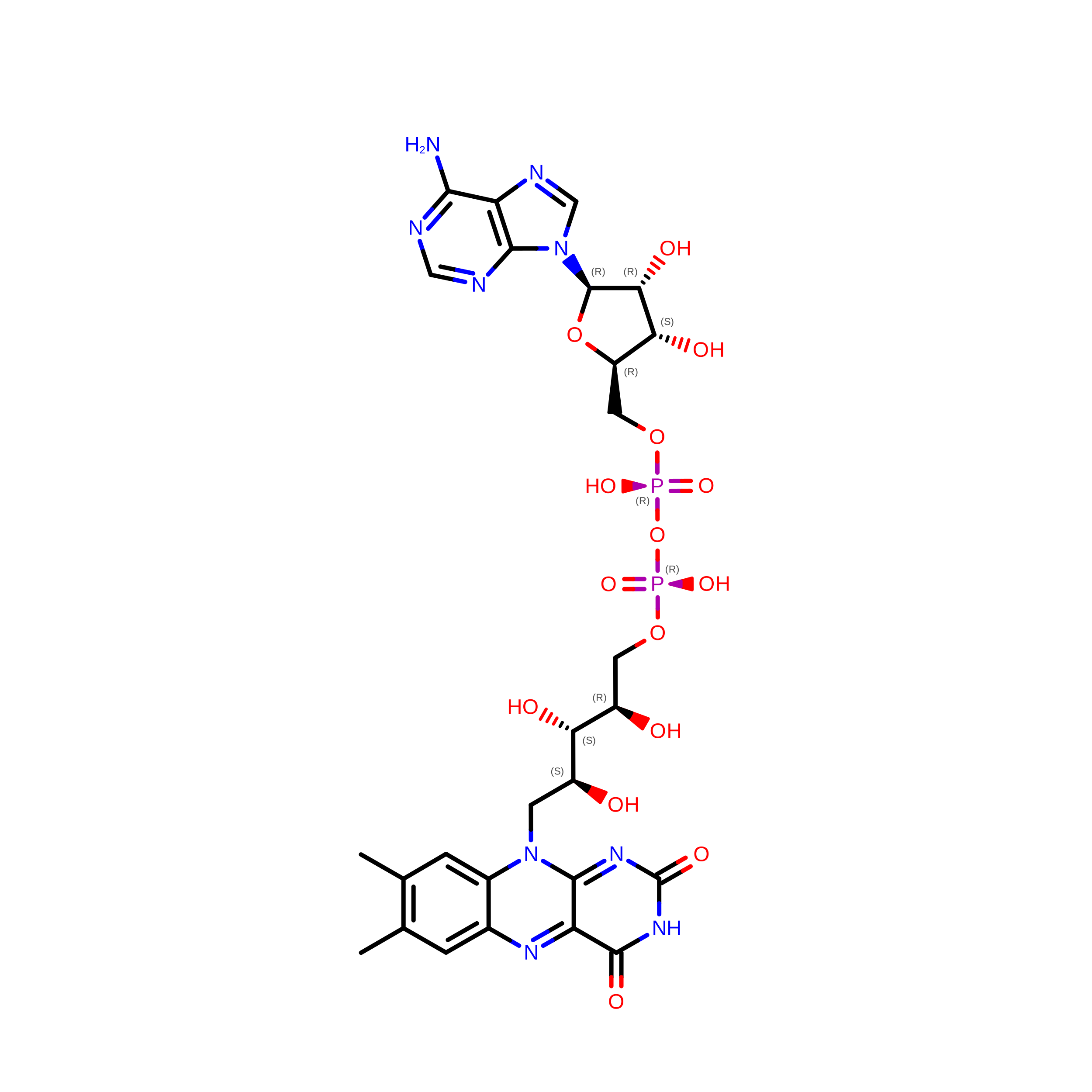
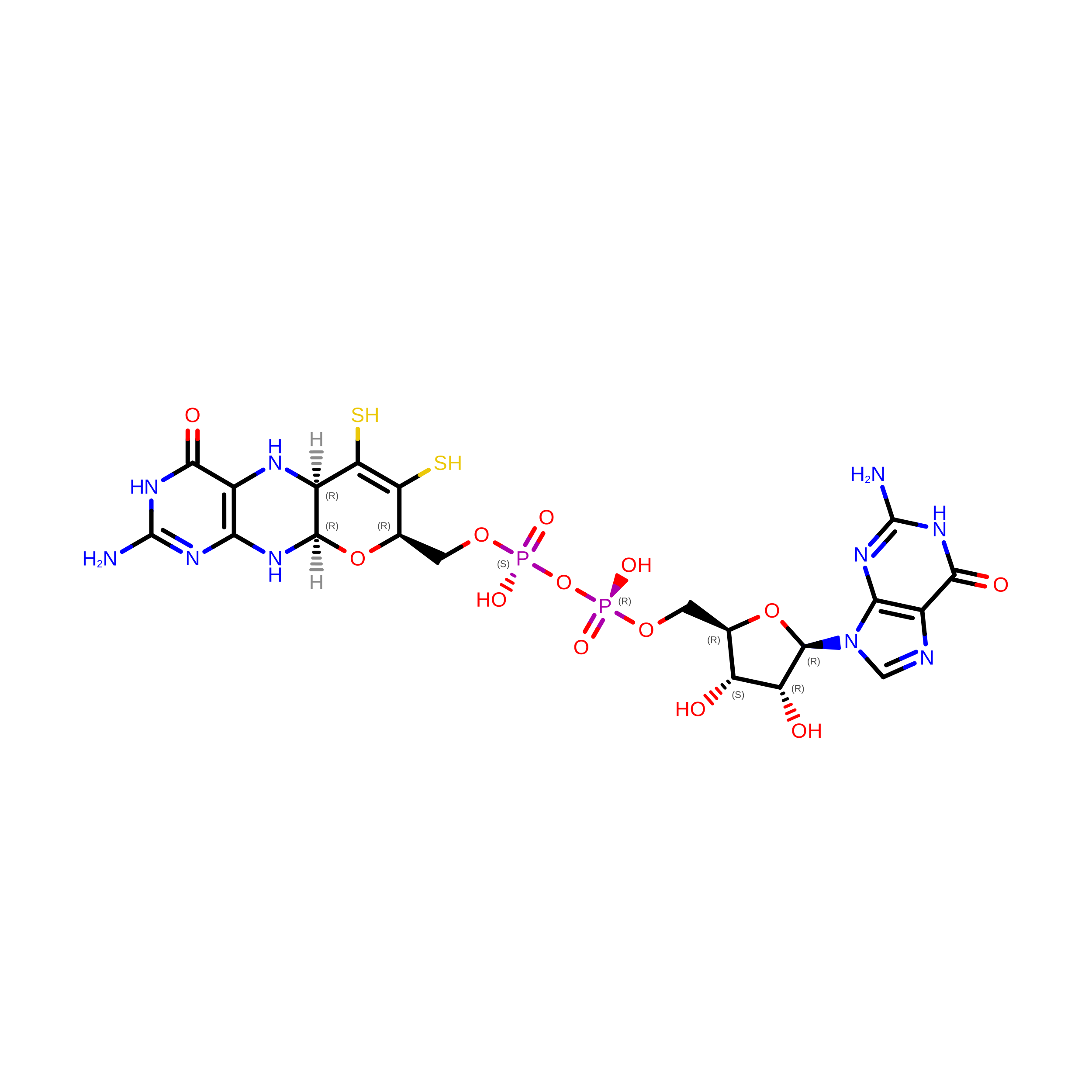
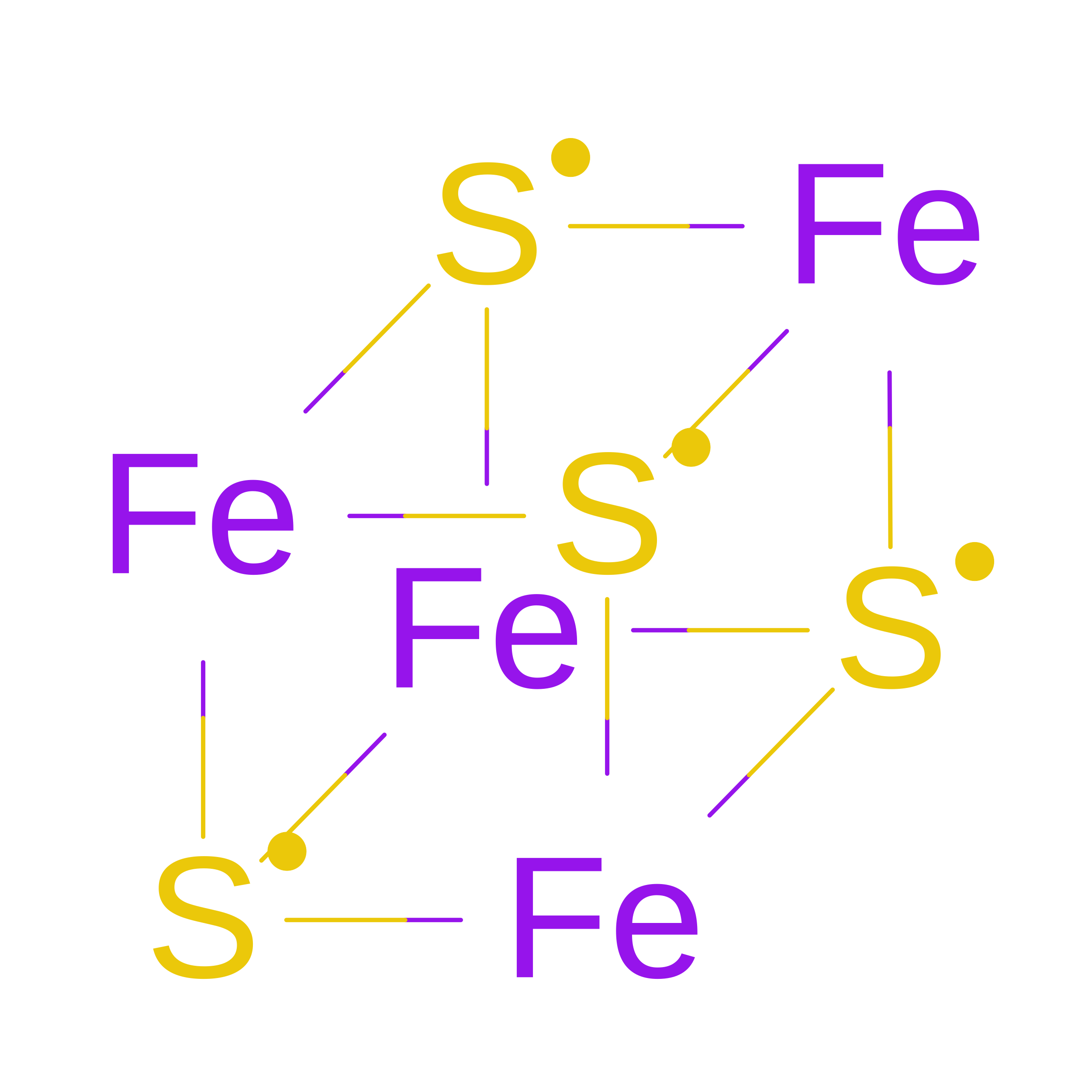
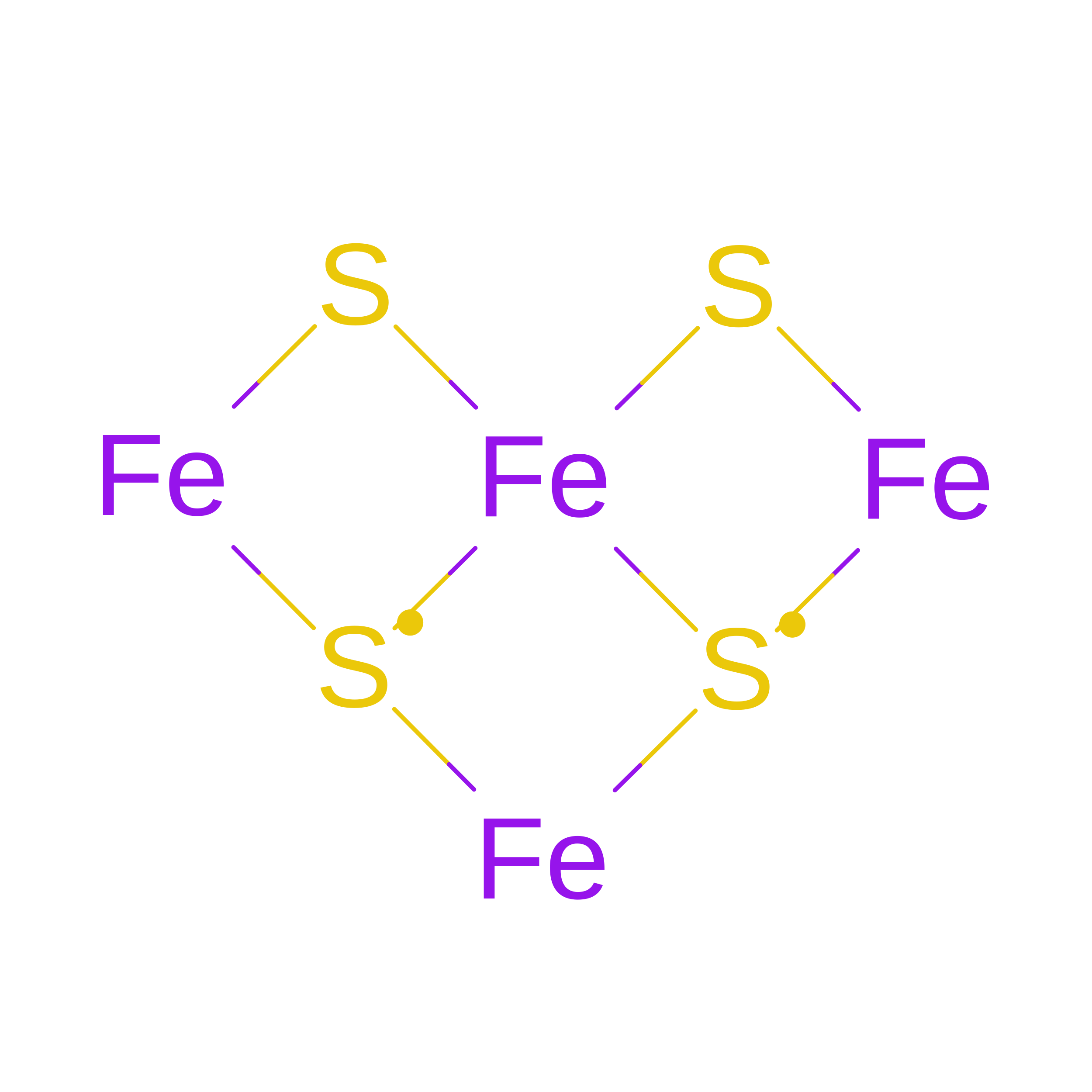
Methanogens are central to global carbon cycling and among the largest biological sources of methane, a potent greenhouse gas 1 . At the heart of their energy metabolism lies the Hdr-Vhu-Fwd super-assembly, which couples H 2 oxidation with CO 2 reduction through flavin-based electron bifurcation. Here we present the cryogenic electron microscopy structure of the Hdr-Vhu-Fwd super-assembly from Methanococcus maripaludis, revealing an 8 MDa complex comprising 252 polypeptide chains and over 600 redox cofactors. Cryo-electron tomography further support that this super-assembly forms an intact structure within the cytoplasm of intact cells. This architecture comprises two hexameric HdrABC-Vhu rings linked by a tetrameric FwdF core, forming a continuous, circular electron chain. In this unique arrangement, 12 polyferredoxin subunits (VhuB) connect the Vhu-Hdr and Fwd complexes, thereby coupling electron bifurcation with CO 2 reduction and directly linking the last and the first step of methanogenesis. Moreover, we identify a modular variant of the complex in which the [NiFe]-hydrogenase Vhu is substituted by tungsten-containing formate dehydrogenase (FdhAB), indicating flexible integration of electron-input modules facilitating metabolic adaptation under diverse environmental conditions 2 . Analysis of the taxonomic distribution reveals that this architecture is specific to class I methanogens and is distinct from the smaller Hdr-Fmd complex of class II 3 . Together, our study reveals that the the Hdr-Vhu-Fwd super-assembly has a modular and adaptable bioenergetic assembly, suggesting a lineage-specific architecture to adapt to diverse anaerobic niches.
- Department of Chemistry and Center for Synthetic Microbiology (SYNMIKRO), Philipps-Universität Marburg, Marburg, Germany.
Organizational Affiliation: