Download Mendeley
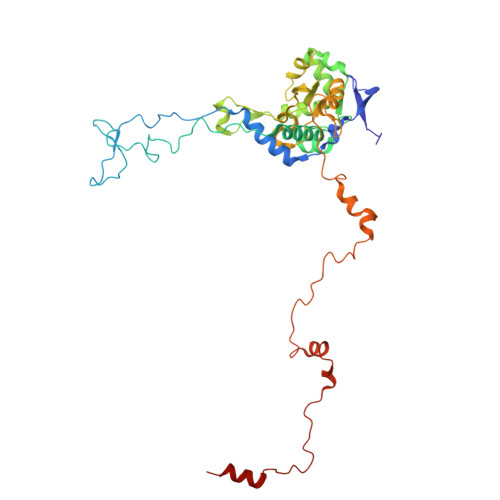
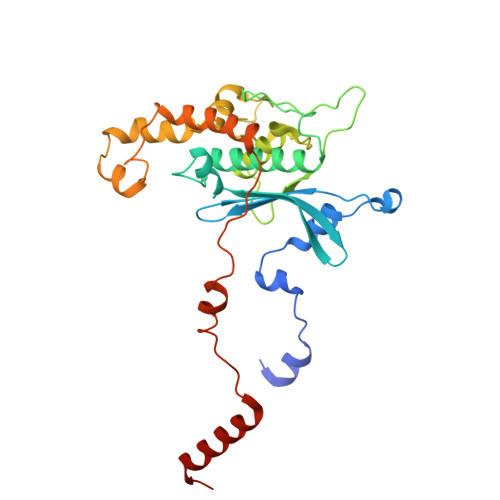
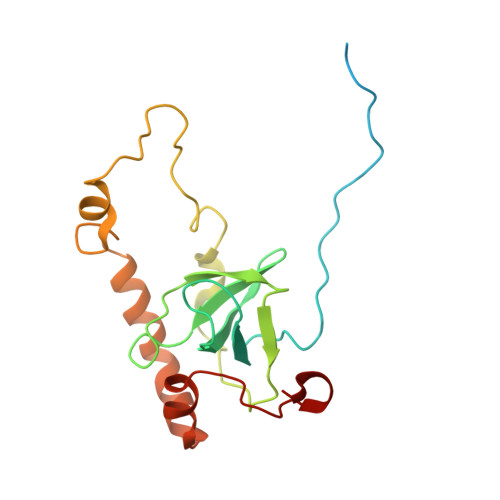
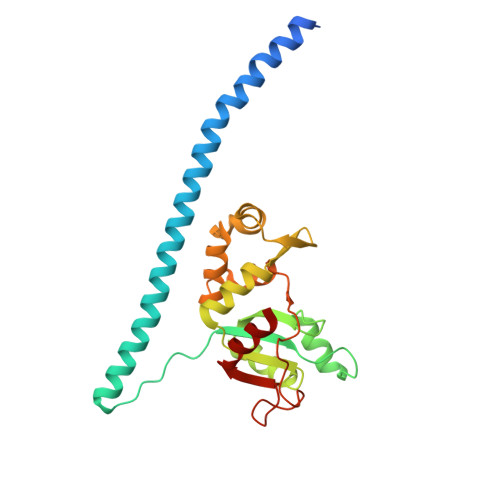
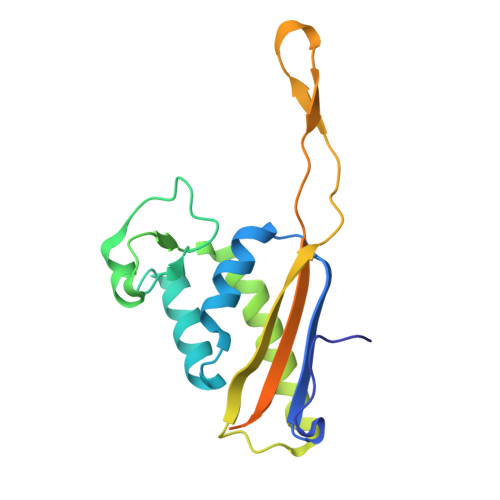
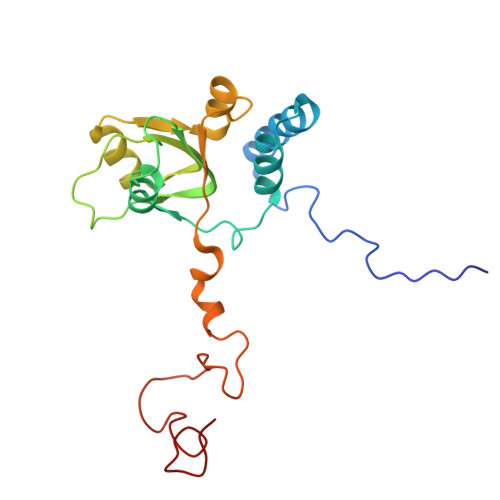
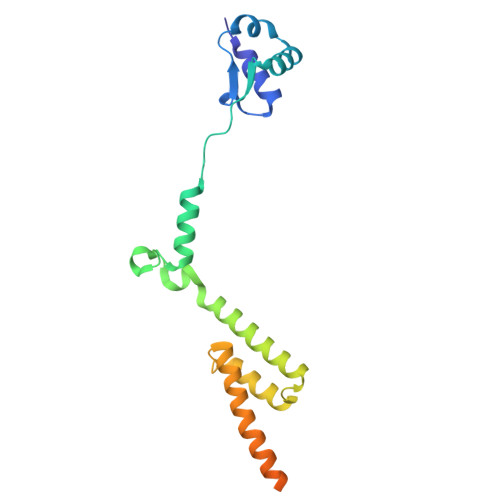
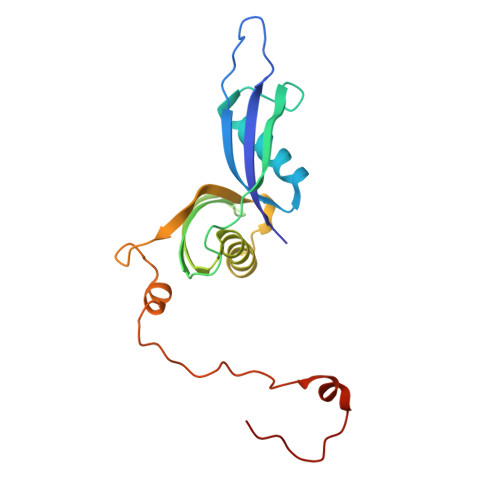
SNOR promotes translation restart after dormancy.
Gluc, M., Rosa, H., Bozko, M., Turner, L.A., Prince, C.R., Peskova, Y., Feaga, H.A., Gould, K.L., Mattei, S., Jomaa, A.(2026) Nature 655: 516-524
- PubMed: 42129552 Search on PubMedSearch on PubMed Central
- DOI: https://doi.org/10.1038/s41586-026-10530-7
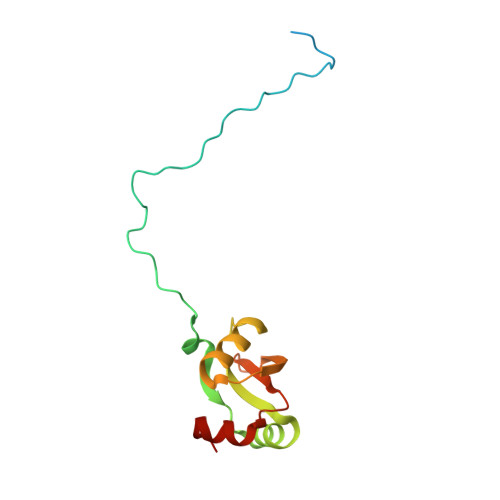
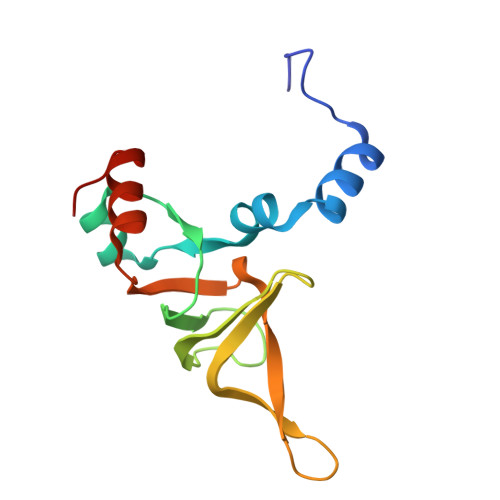
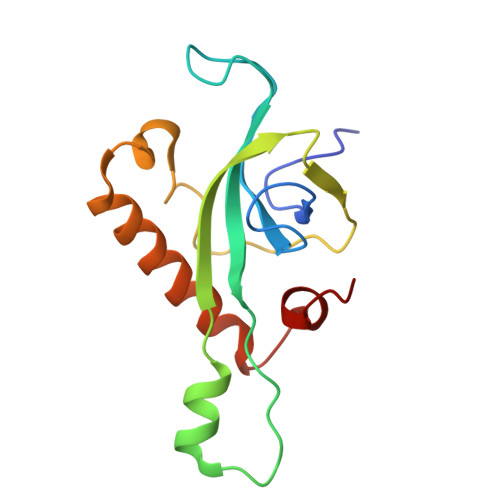
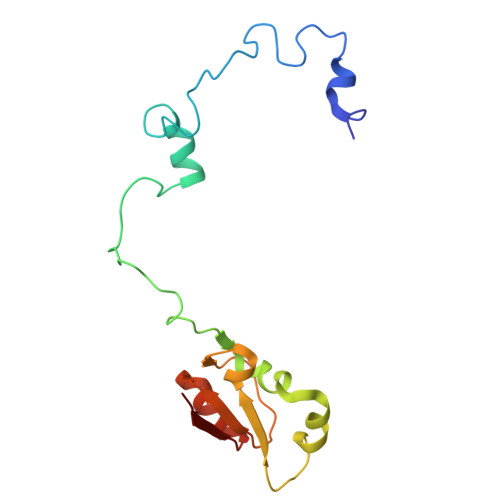
- Primary Citation Related Structures:
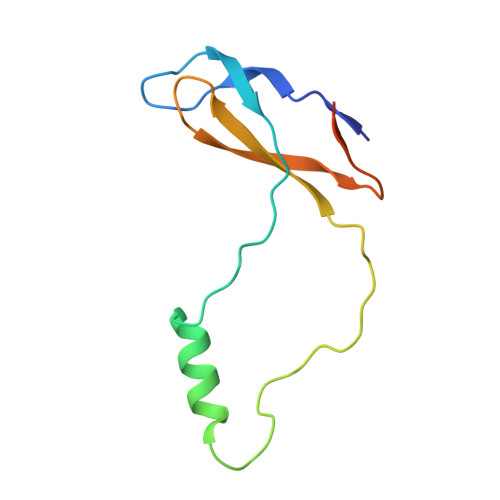
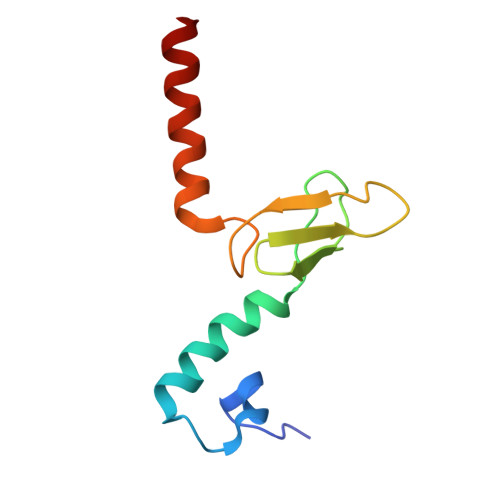
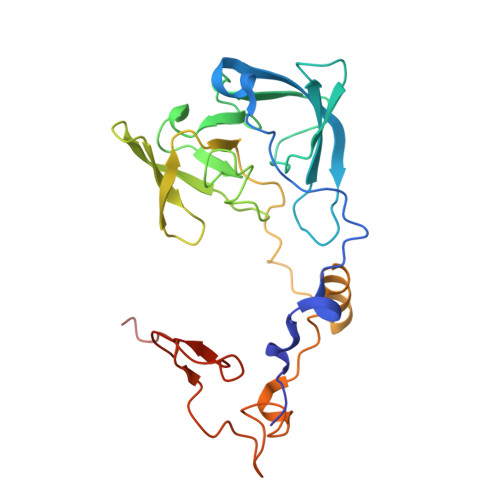
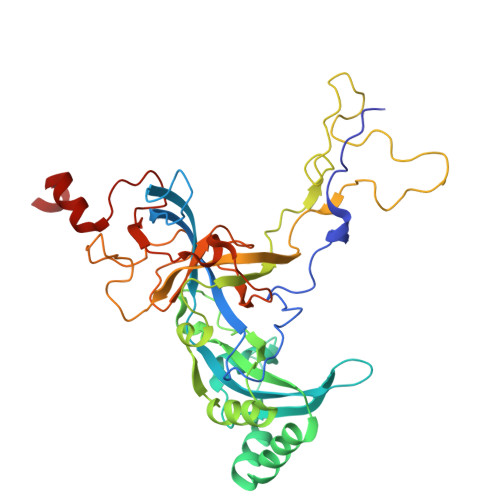
9PHC, 9RVU - PubMed Abstract:
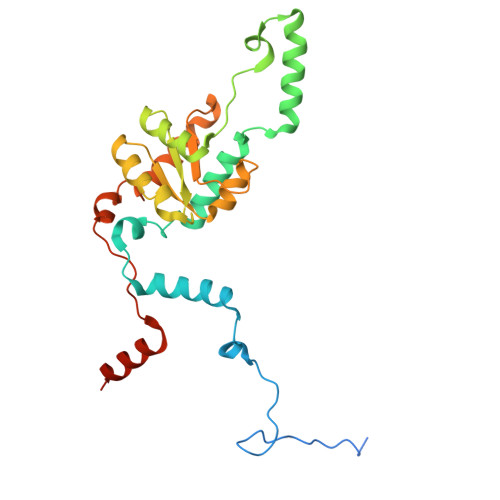
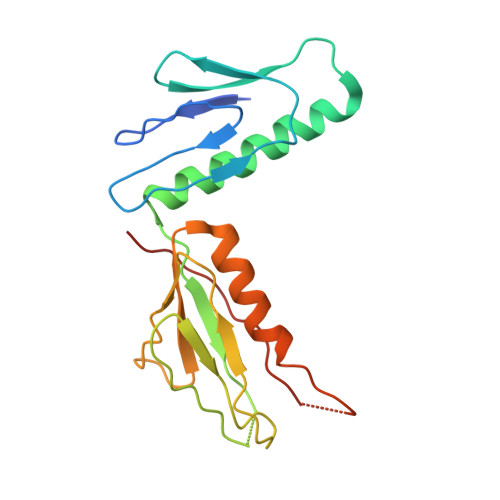
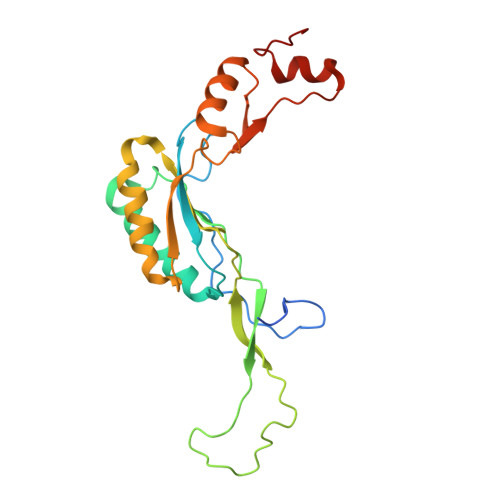
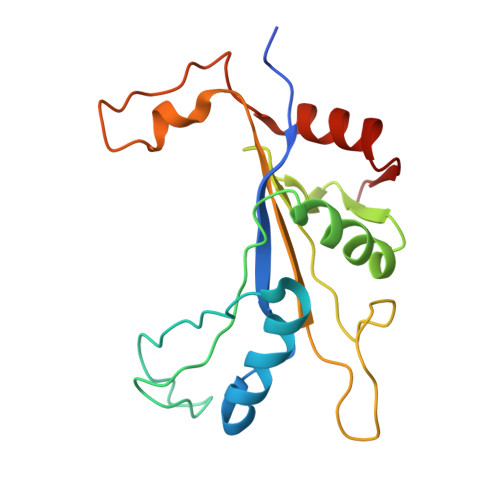
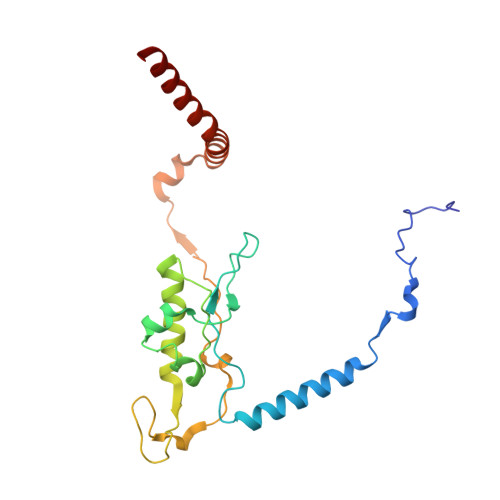
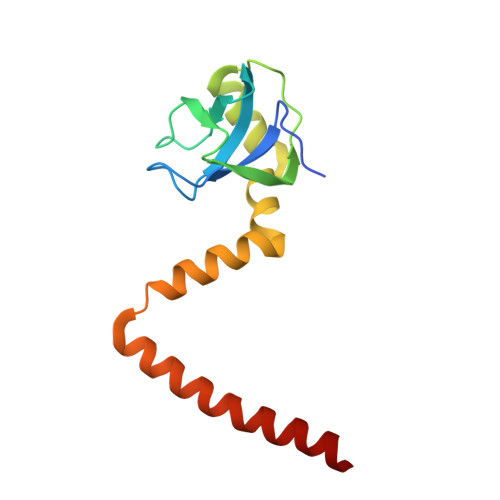
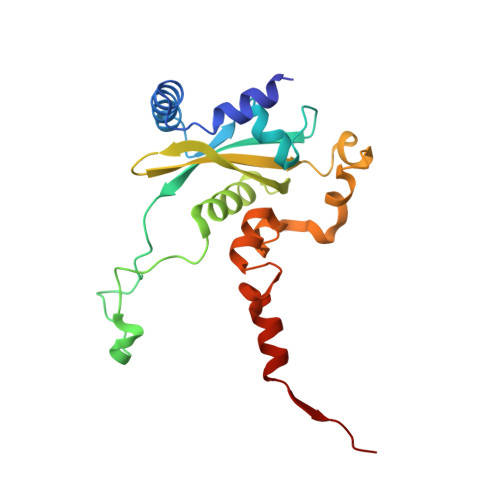
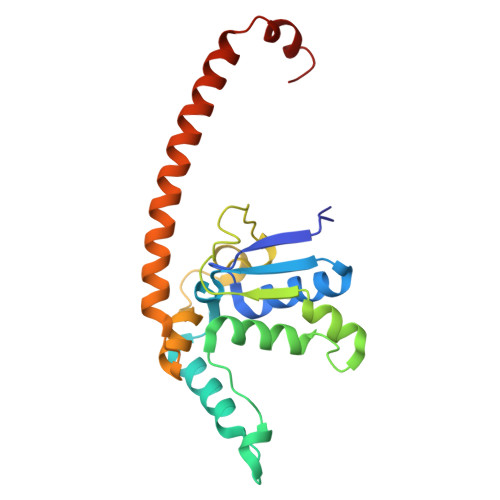
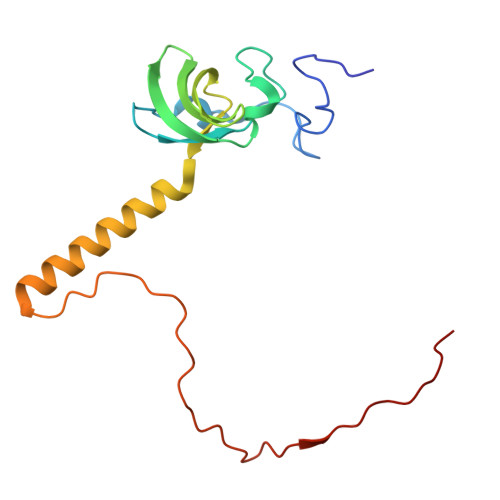
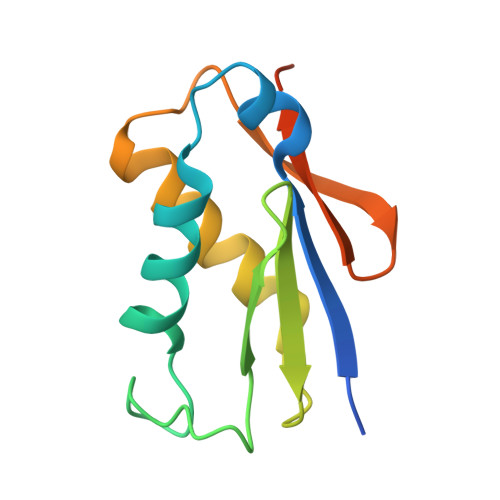
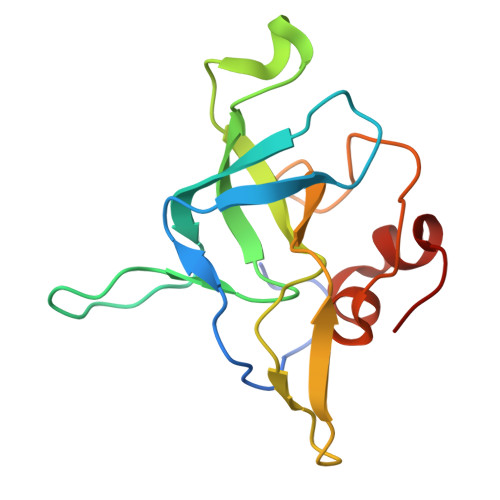
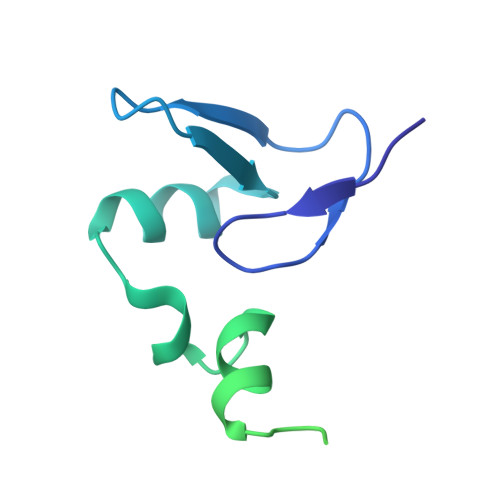
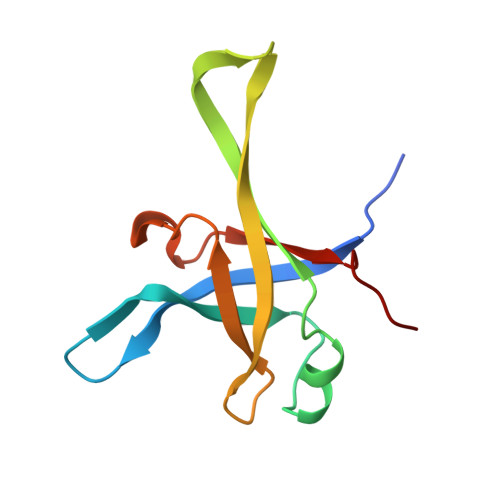
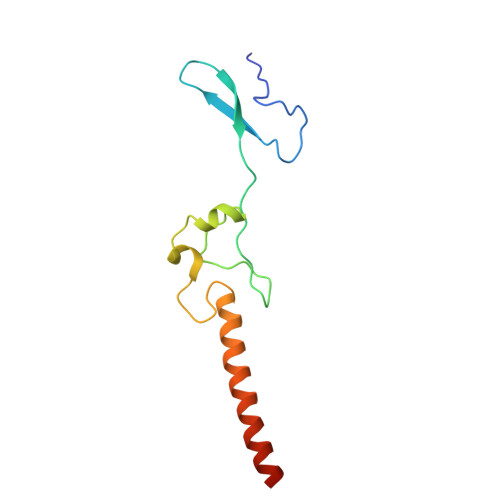
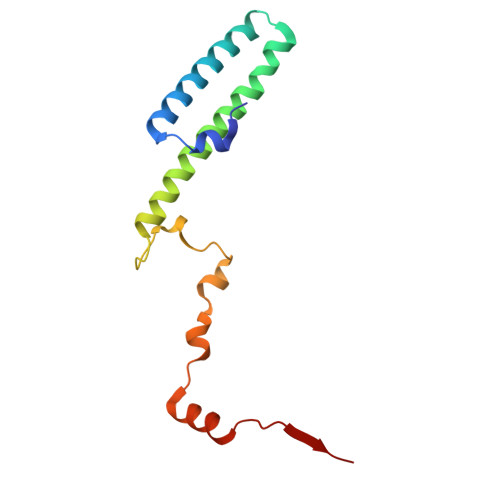
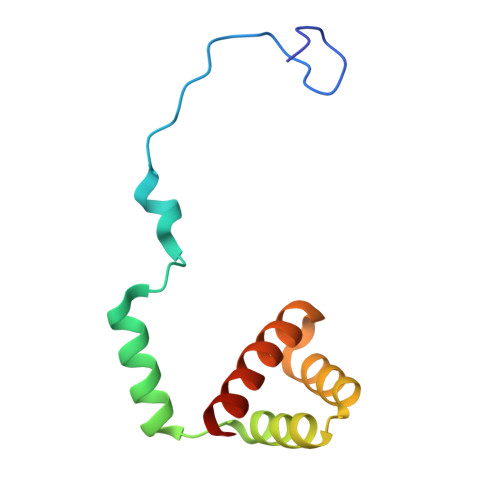
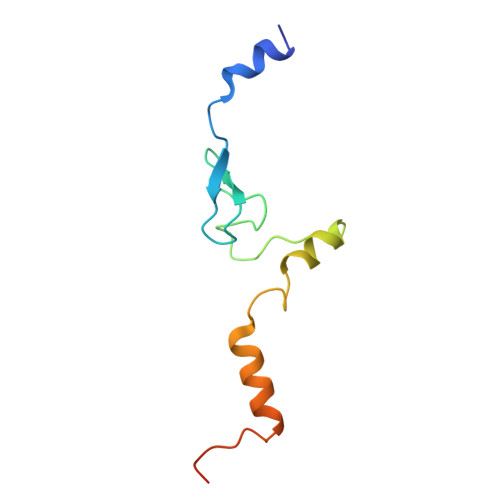
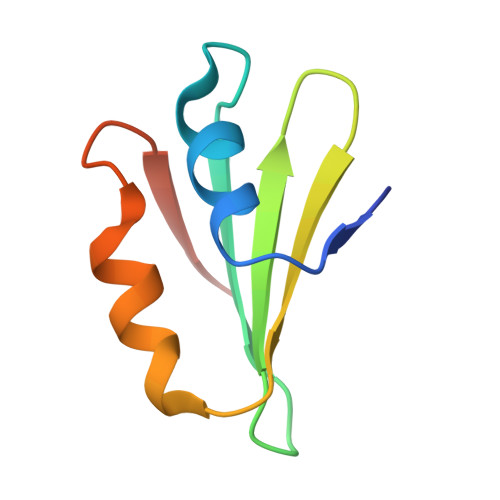
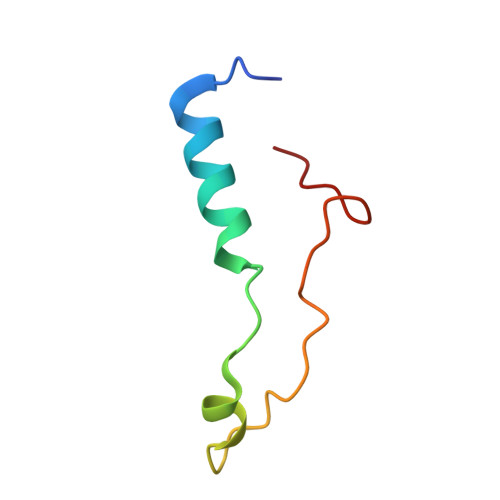
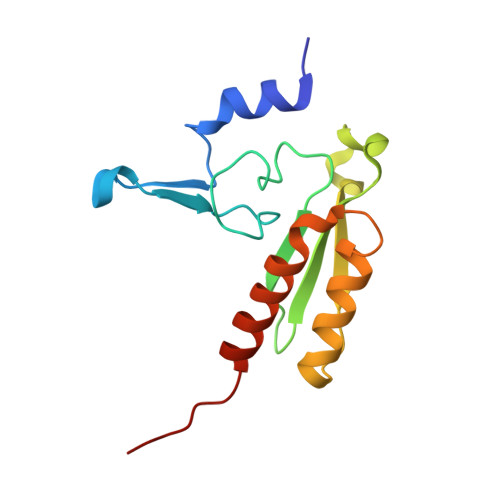
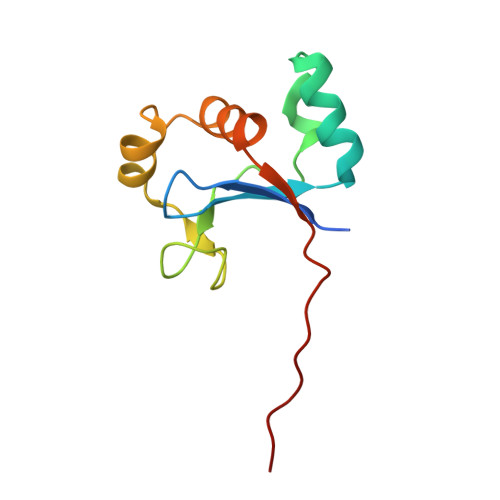
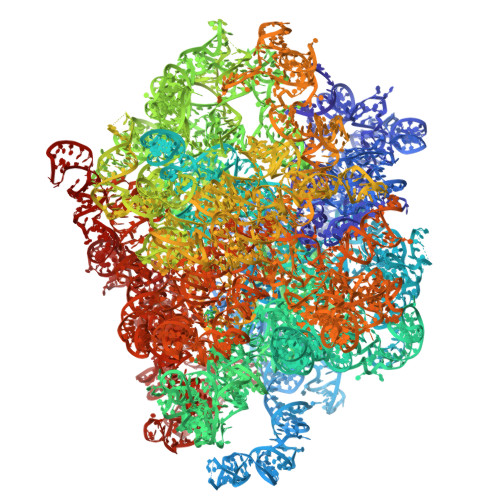
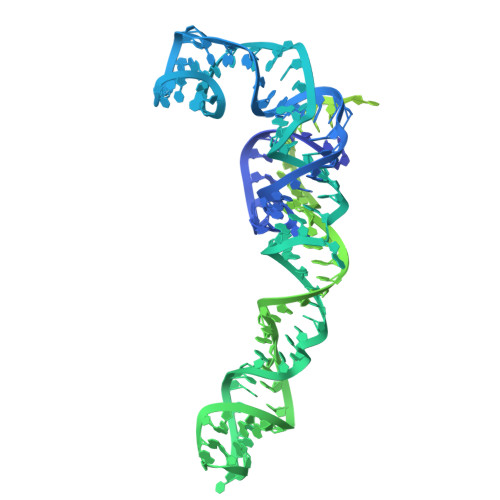
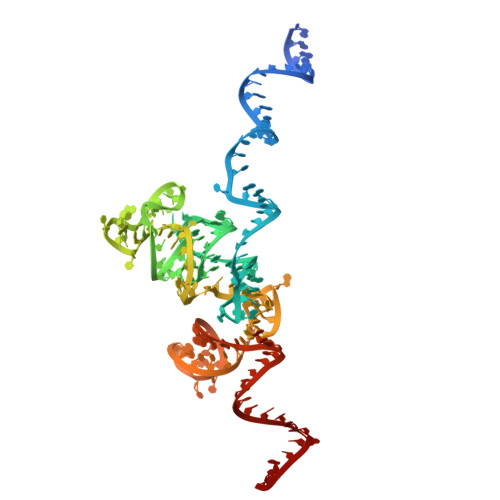
Cellular dormancy enables survival during prolonged nutrient limitation by reversibly suppressing protein synthesis 1-4 . How inactive eukaryotic ribosomes are reactivated when nutrients return remains unclear. Here, using high-resolution in situ cryo-electron tomography in Schizosaccharomyces pombe, we identify SNOR, an SBDS domain-containing ribosome-associated factor that binds at the peptidyl transferase centre and contacts the hypusinated loop of eIF5A during glucose depletion-induced dormancy. Rather than acting as a canonical hibernation factor, SNOR licenses dormant ribosomes for rapid translational restart. Upon glucose repletion, SNOR and eIF5A act together to promote efficient recovery of polysomes and exit from dormancy. These findings define a stress-responsive ribosome restart module that couples carbon-source limitation to surveillance of the ribosomal active site and reactivation of protein synthesis.
- Department of Molecular Physiology and Biological Physics and Center for Cell and Membrane Physiology, University of Virginia, Charlottesville, VA, USA.
Organizational Affiliation: