Download Mendeley
A GPCR-G protein-beta-arrestin megacomplex enabled by a versatile allosteric modulator.
He, G., Sun, Q., Xu, X., Kong, F., Zhang, S., Ye, K., Sun, X., Lin, B., Chen, X., Yan, C., Liu, X.(2026) Cell 189: 1434-1450.e22
- PubMed: 41605208 Search on PubMed
- DOI: https://doi.org/10.1016/j.cell.2025.12.023
- Primary Citation Related Structures:
9L80, 9L84, 9L8L - PubMed Abstract:
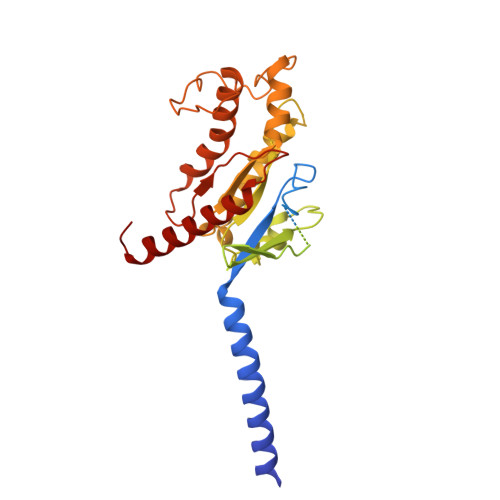
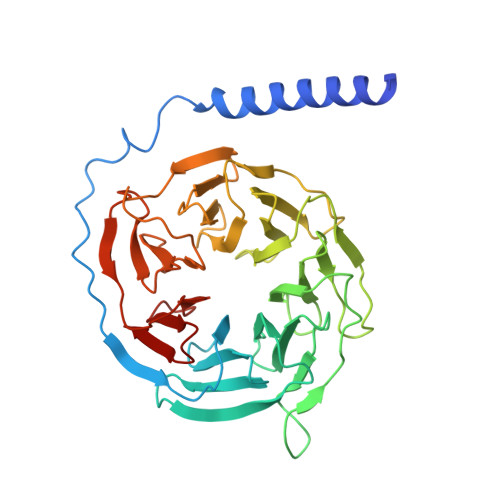
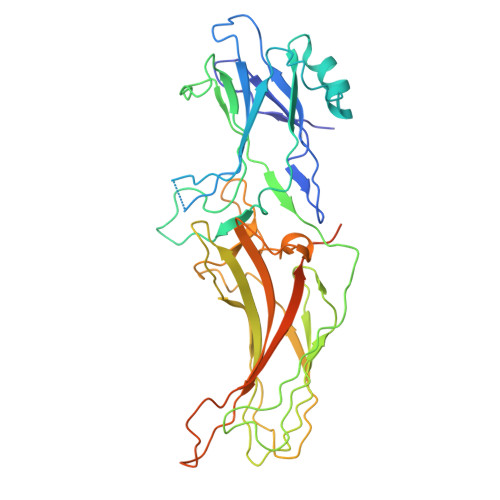
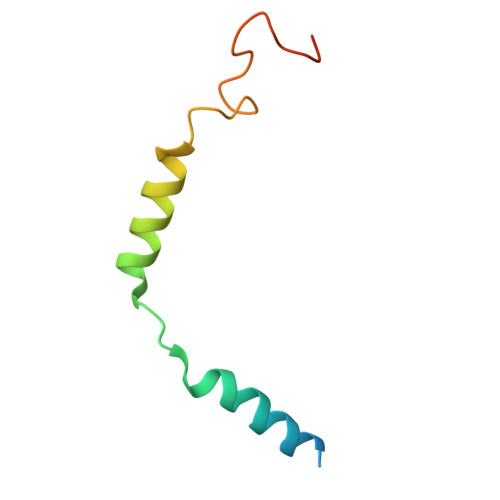
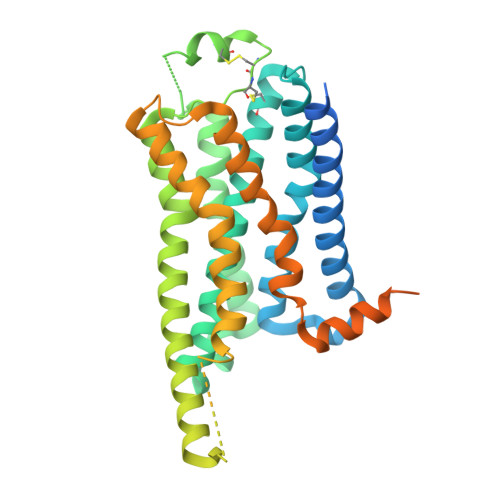
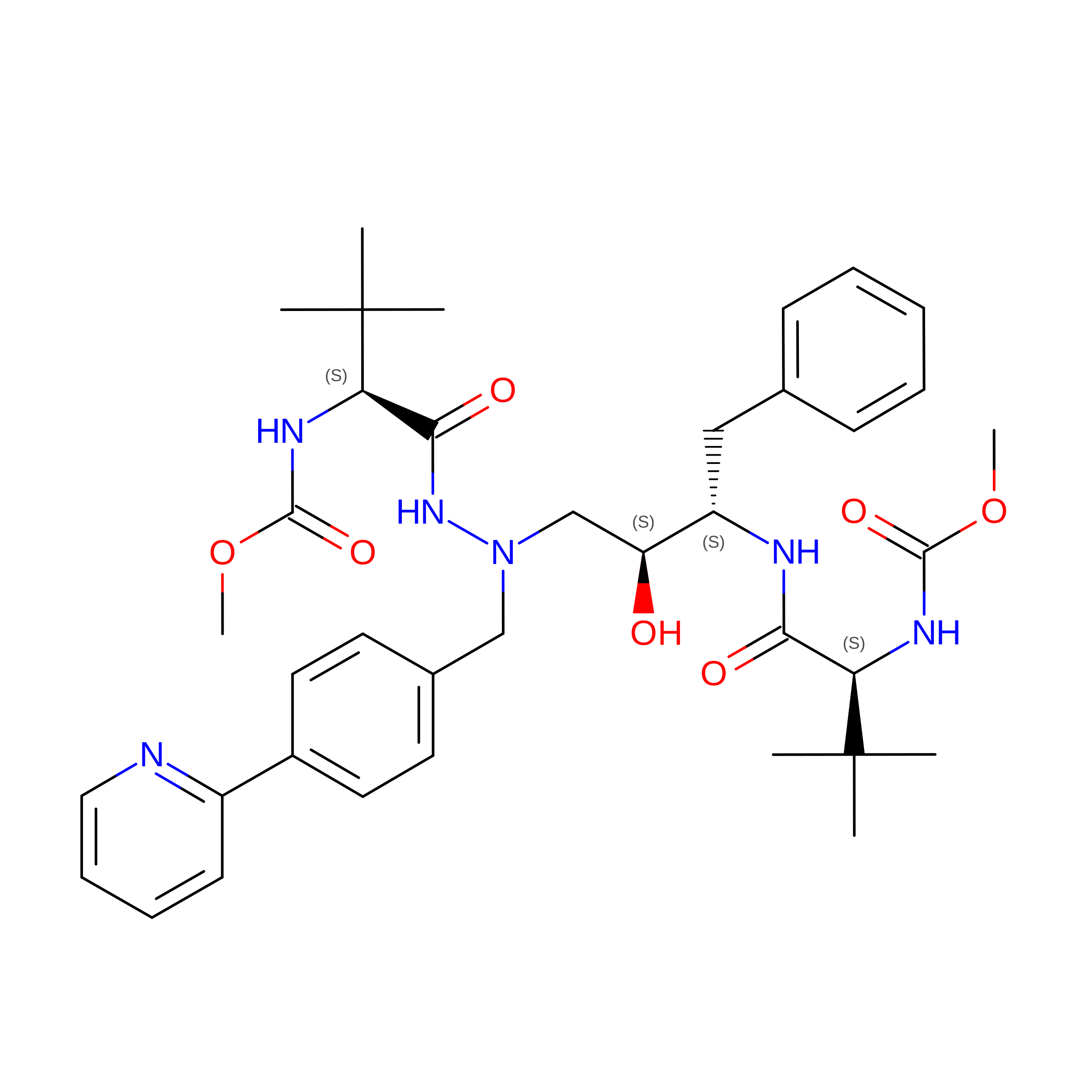
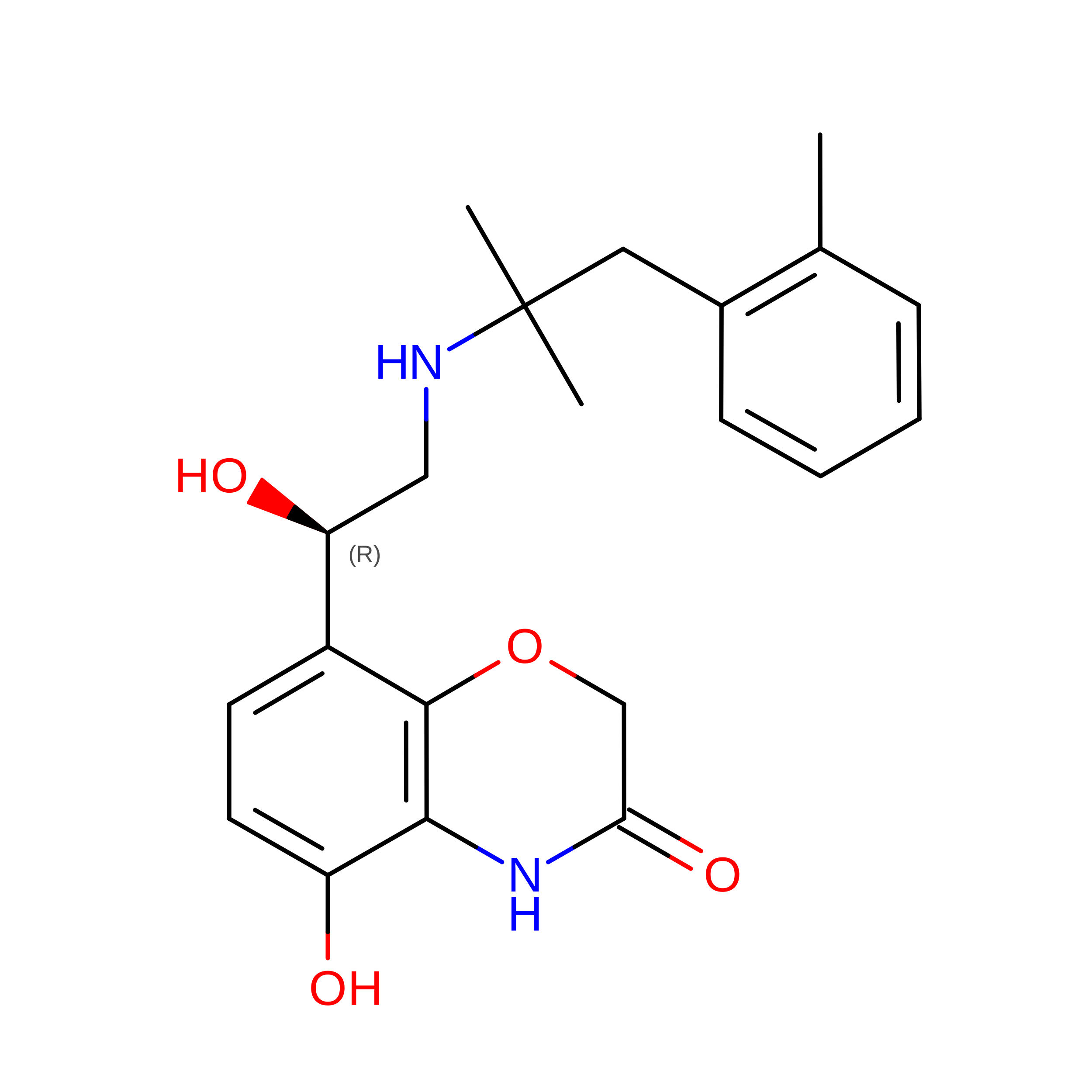
Approximately one-third of clinical drugs mediate their therapeutic effects through G protein-coupled receptors (GPCRs), highlighting their immense therapeutic relevance. Novel approaches to modulate GPCR activity have the potential to yield unique pharmacological profiles. Conventionally, the G protein and β-arrestin signaling pathways downstream of GPCRs have been viewed as mutually exclusive. Using the in-house developed survival pressure selection (SPS) method, a high-throughput platform for GPCR agonist discovery, we identified an allosteric ligand that stabilizes a GPCR-G protein-β-arrestin megacomplex, thereby mediating sustained receptor signaling following internalization. Remarkably, this compound, atazanavir, exhibits pan-receptor activation across multiple family A GPCRs, including GPR119, β 1 AR, and β 2 AR, demonstrating the broad applicability of this regulatory mechanism. This discovery uncovers a distinct mechanism of GPCR regulation, opening alternative avenues for the development of therapeutics targeting GPCRs.
- State Key Laboratory of Membrane Biology, Tsinghua-Peking Center for Life Sciences, School of Pharmaceutical Sciences, Tsinghua University, Beijing, China; Beijing Frontier Research Center for Biological Structure, Beijing Advanced Innovation Center for Structural Biology, Tsinghua University, Beijing, China.
Organizational Affiliation: