Download Mendeley
Discovery and Validation of a Novel Class of Necroptosis Inhibitors Targeting RIPK1.
Soday, L., Seripracharat, C., Gray, J.L., Luz, A.F.S., Howard, R.T., Singh, R., Burden, T.J., Bernardini, E., Mateus-Pinheiro, M., Petersen, J., Gunnarsson, A., Gunnarsson, J., Aagaard, A., Sjogren, T., Maslen, S., Bartlett, E.J., Iles, A.F., Smith, D.M., Scott, J.S., Skehel, M., Davis, A.M., Ressurreicao, A.S., Moreira, R., Rodrigues, C.M.P., Shenoy, A.R., Tate, E.W.(2025) ACS Chem Biol 20: 1527-1543
- PubMed: 40539767 Search on PubMedSearch on PubMed Central
- DOI: https://doi.org/10.1021/acschembio.5c00112
- Primary Citation Related Structures:
9GTG, 9GTY - PubMed Abstract:
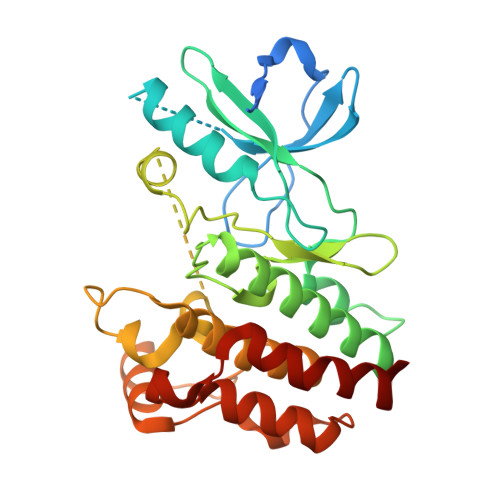
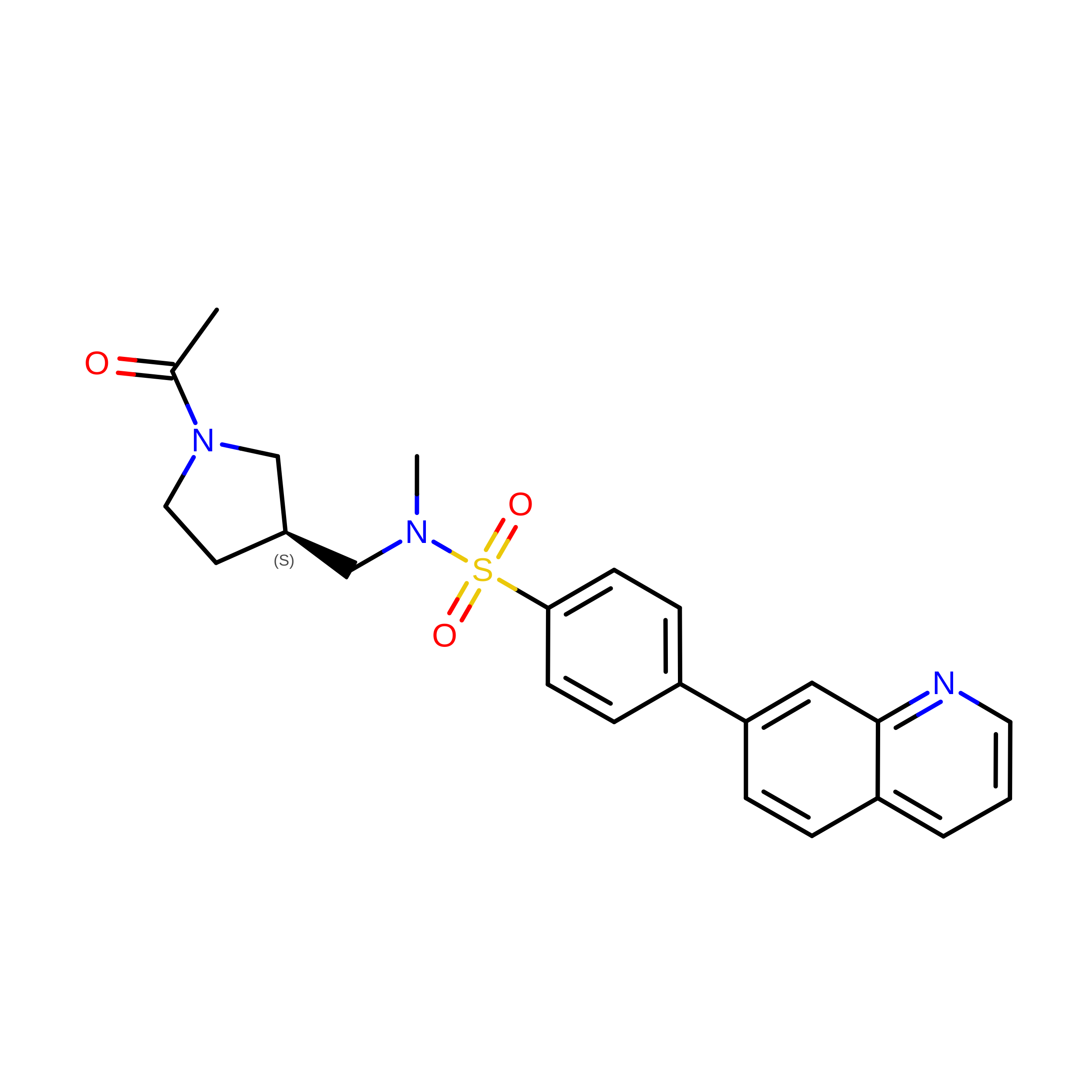
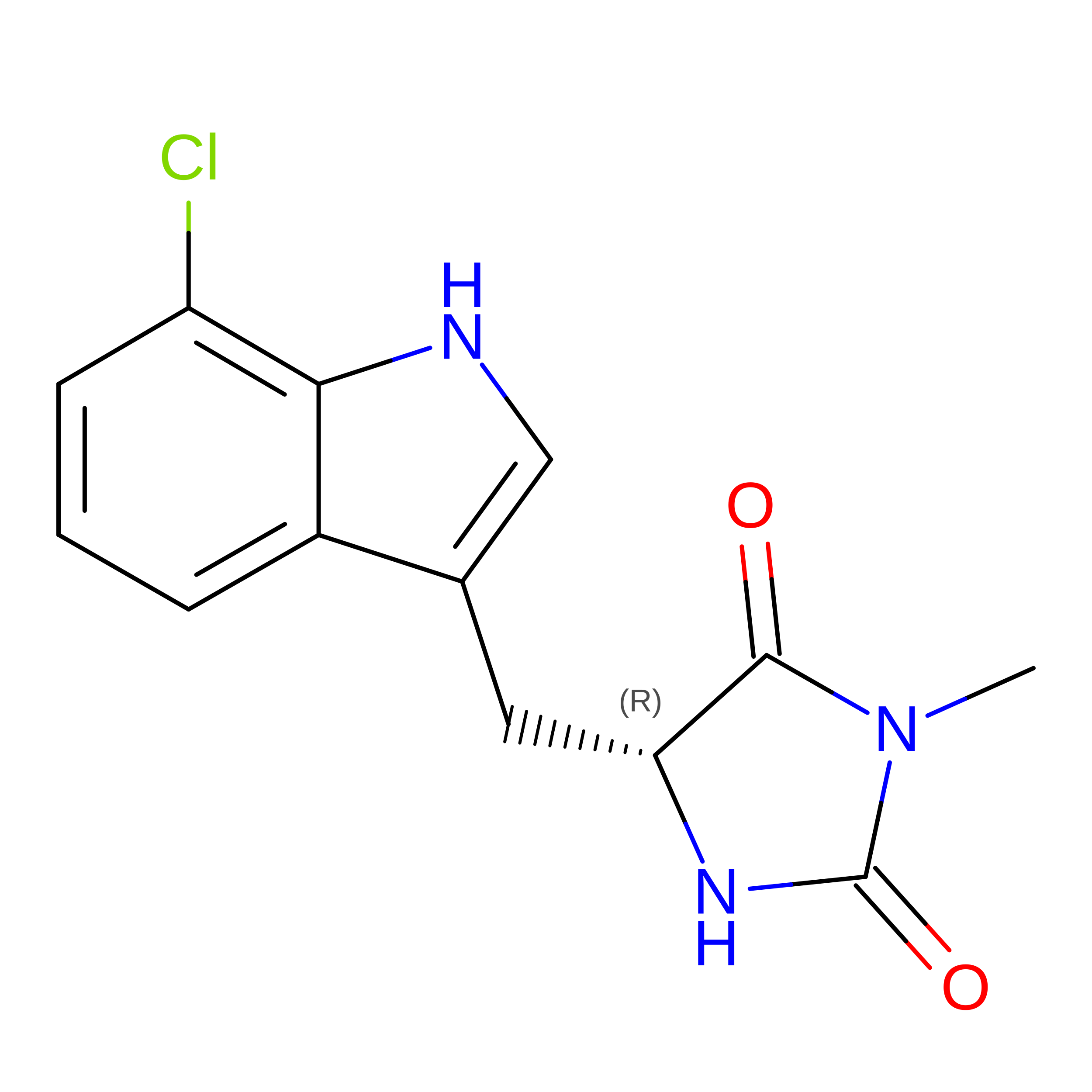
Necroptosis is a form of programmed cell death that, when dysregulated, is associated with cancer and inflammatory and neurodegenerative diseases. Here, starting from hits identified from a phenotypic high-throughput screen for inhibitors of necroptosis, we synthesized a library of compounds containing a 7-phenylquinoline motif and validated their anti-necroptotic activity in a novel live-cell assay. Based on these data, we designed an optimized photoaffinity probe for target engagement studies and through biochemical and cell-based assays established receptor-interacting kinase 1 (RIPK1) as the cellular target, with inhibition of necroptosis arising from the prevention of RIPK1 autophosphorylation and activation. X-ray crystallography and mass spectrometry revealed that these compounds bind at the hinge region of the active conformation of RIPK1, establishing them as type I kinase inhibitors. In addition, we demonstrated in vitro synergy with type III kinase inhibitors, such as necrostatin-1 and found that lead compounds protected mice against acute inflammation in necroptosis models in vivo . Overall, we present a novel pharmacophore for inhibition of human RIPK1, a key protein involved in necroptosis, and provide a photoaffinity probe to explore RIPK1 target engagement in cells.
- Department of Chemistry, Molecular Sciences Research Hub, Imperial College London, London W12 0BZ, U.K.
Organizational Affiliation: