Download Mendeley
The RNA helicase HrpA rescues collided ribosomes in E. coli.
Campbell, A., Esser, H.F., Burroughs, A.M., Berninghausen, O., Aravind, L., Becker, T., Green, R., Beckmann, R., Buskirk, A.R.(2025) Mol Cell 85: 999-1007.e7
- PubMed: 39922193 Search on PubMedSearch on PubMed Central
- DOI: https://doi.org/10.1016/j.molcel.2025.01.018
- Primary Citation Related Structures:
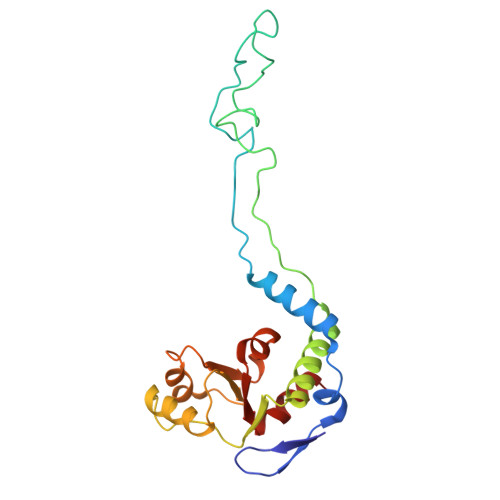
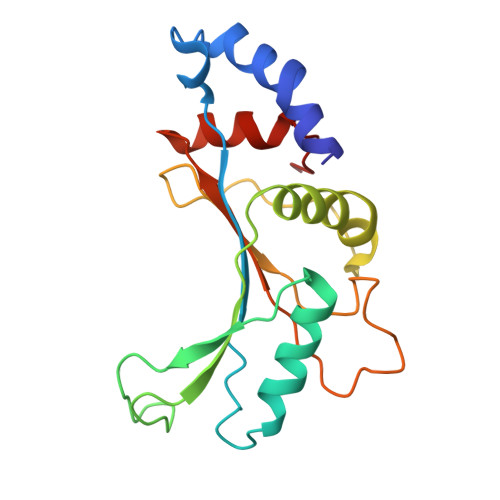
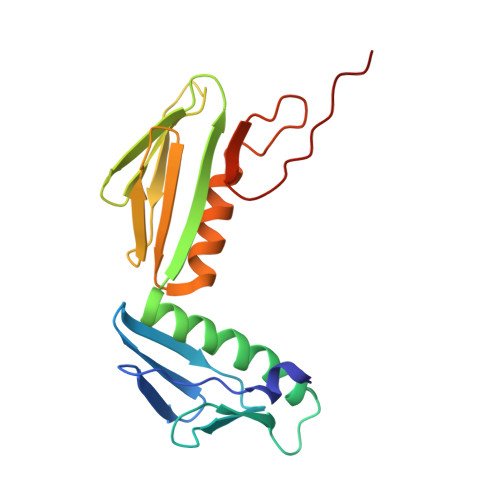
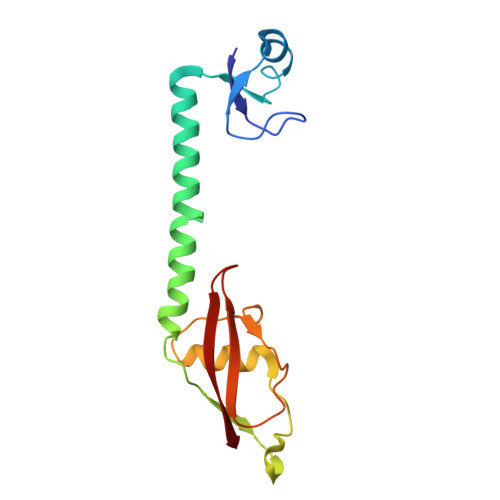
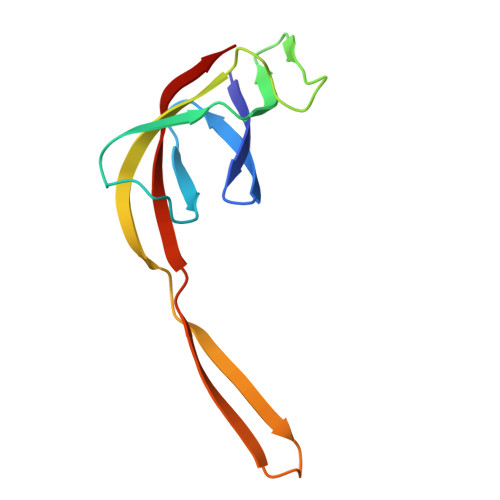
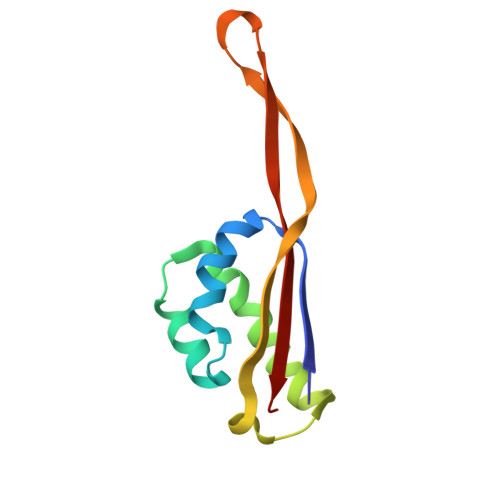
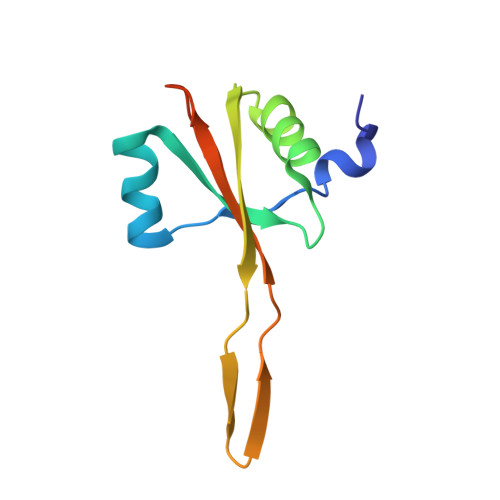
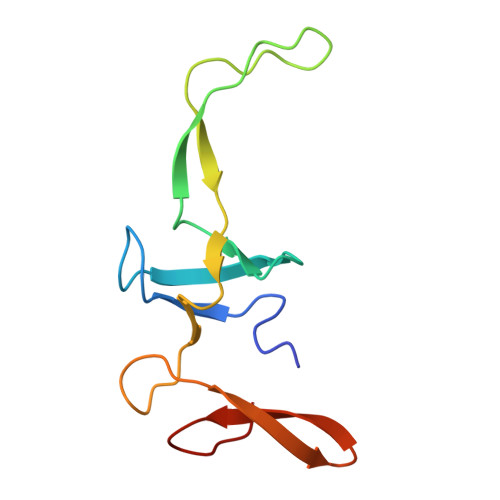
9GFT, 9GGR - PubMed Abstract:
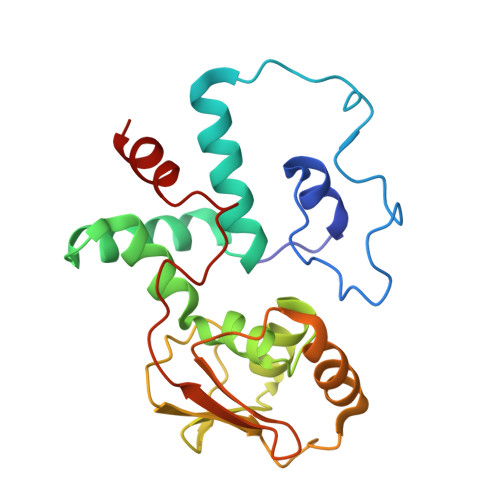
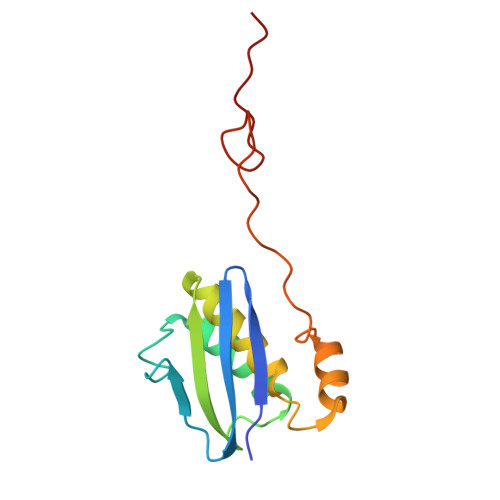
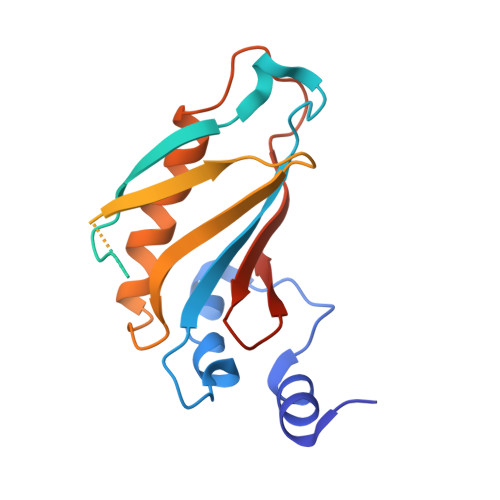
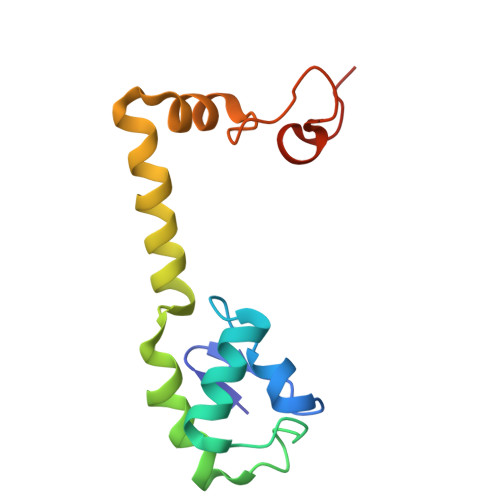
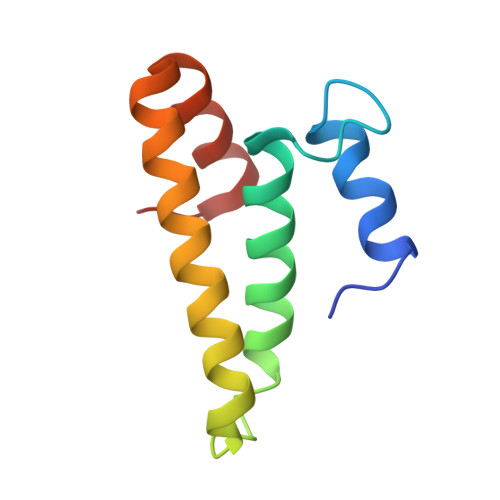
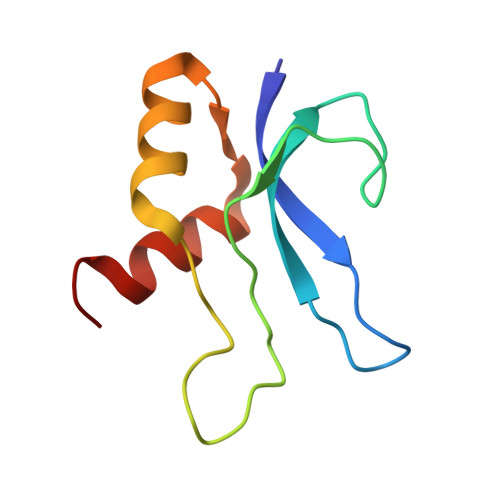
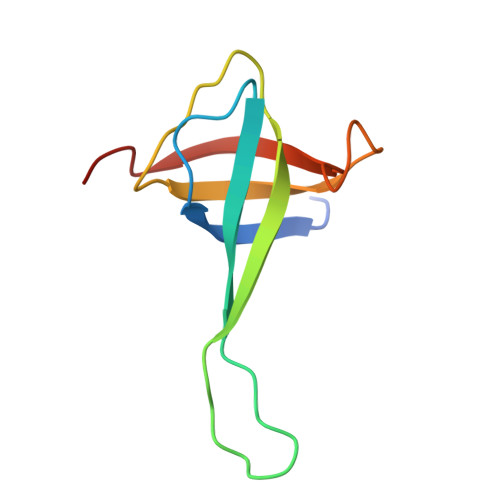
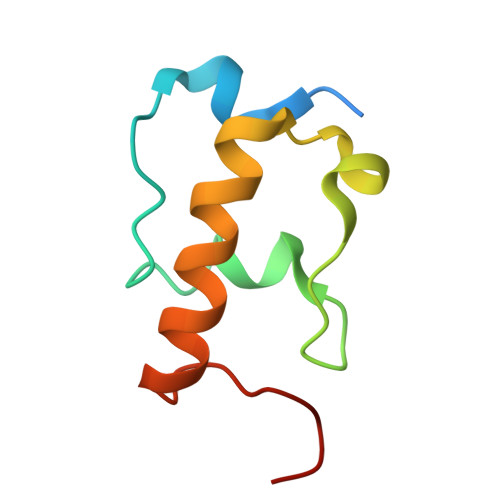
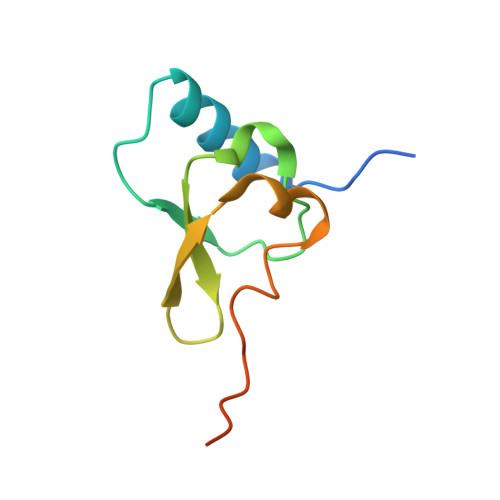
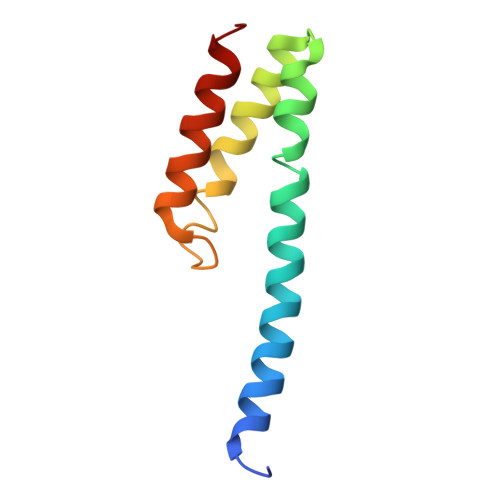
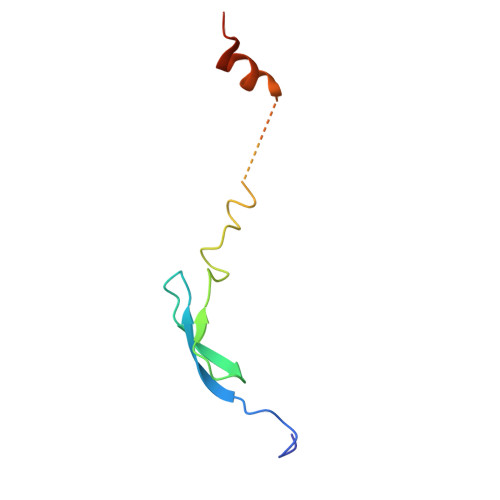
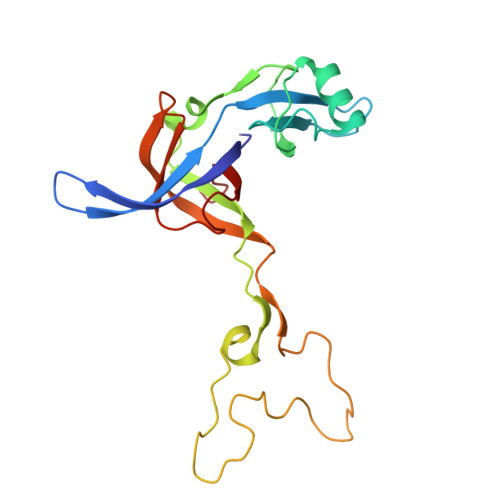
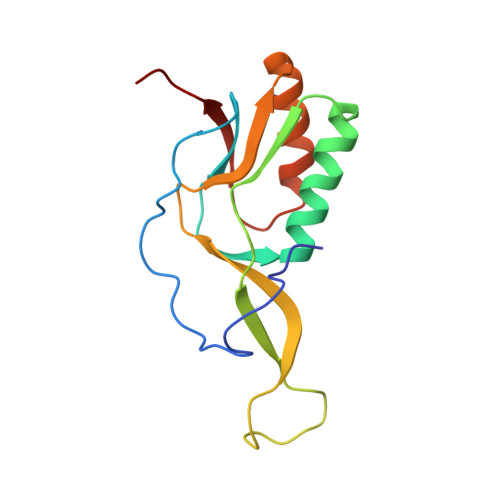
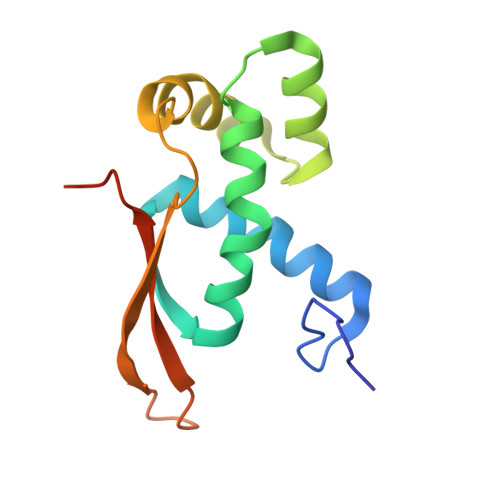
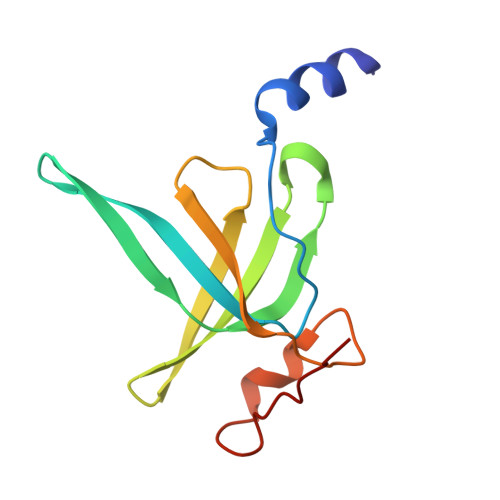
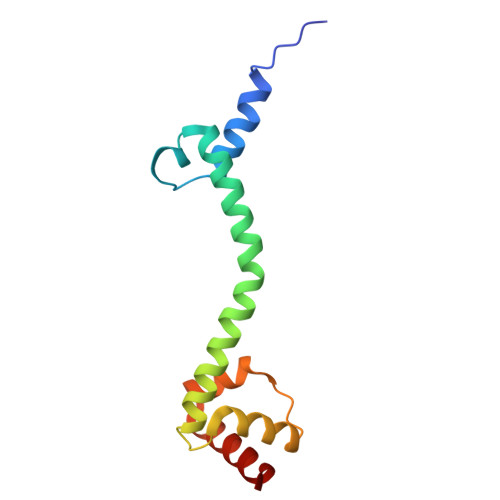
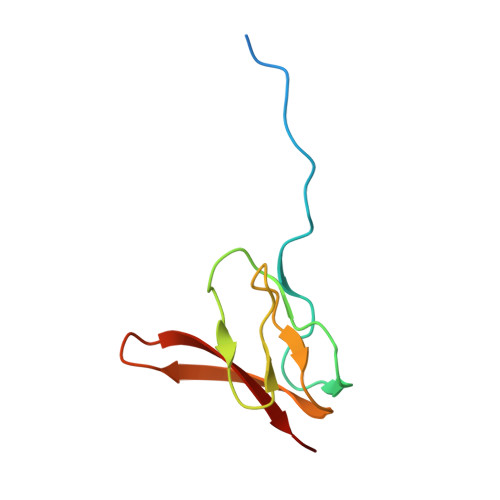
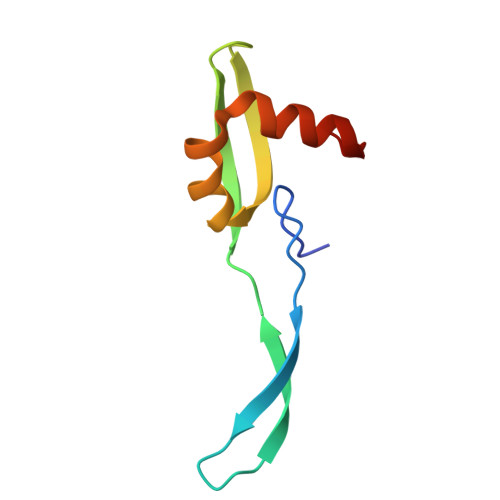
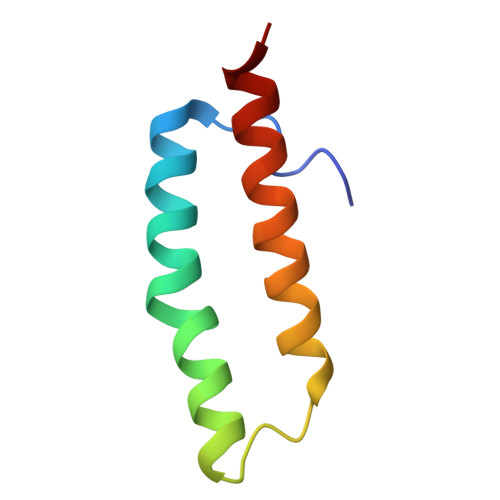
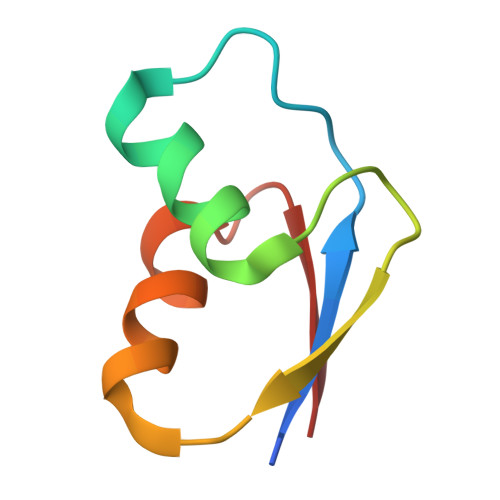
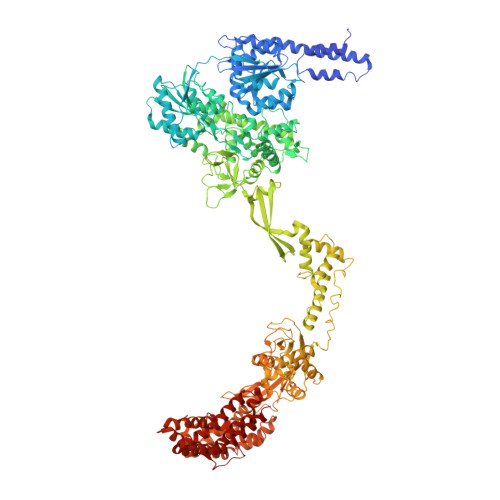
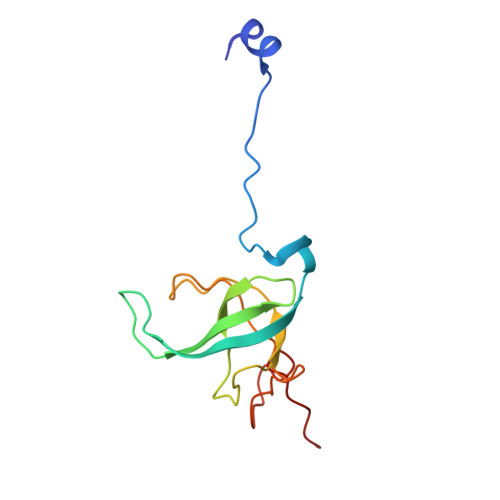
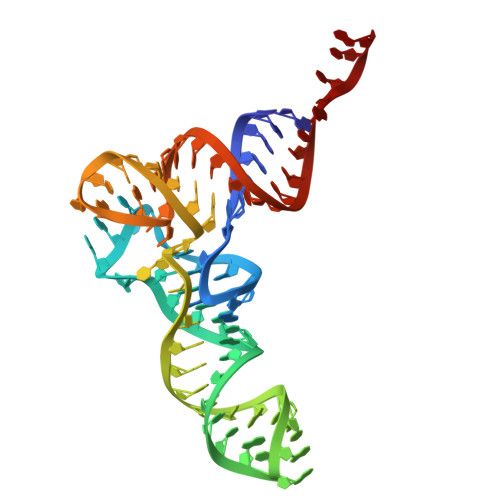
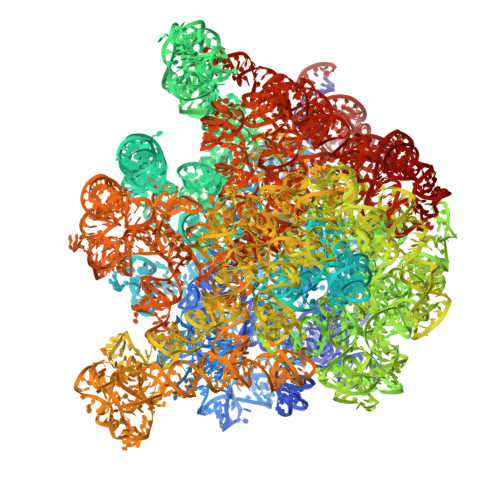
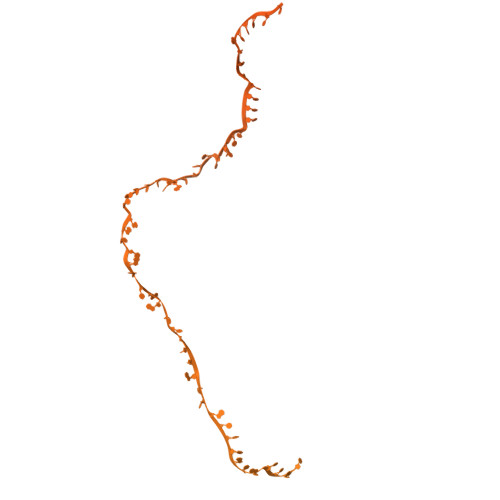
Although many antibiotics inhibit bacterial ribosomes, the loss of known factors that rescue stalled ribosomes does not lead to robust antibiotic sensitivity in E. coli, suggesting the existence of additional mechanisms. Here, we show that the RNA helicase HrpA rescues stalled ribosomes in E. coli. Acting selectively on ribosomes that have collided, HrpA uses ATP hydrolysis to split stalled ribosomes into subunits. Cryoelectron microscopy (cryo-EM) structures reveal how HrpA simultaneously binds to two collided ribosomes, explaining its selectivity, and how its helicase module engages downstream mRNA such that, by exerting a pulling force on the mRNA, it would destabilize the stalled ribosome. These studies show that ribosome splitting is a conserved mechanism that allows proteobacteria to tolerate ribosome-targeting antibiotics.
- Department of Molecular Biology and Genetics, Johns Hopkins University School of Medicine, Baltimore, MD 21205, USA.
Organizational Affiliation: