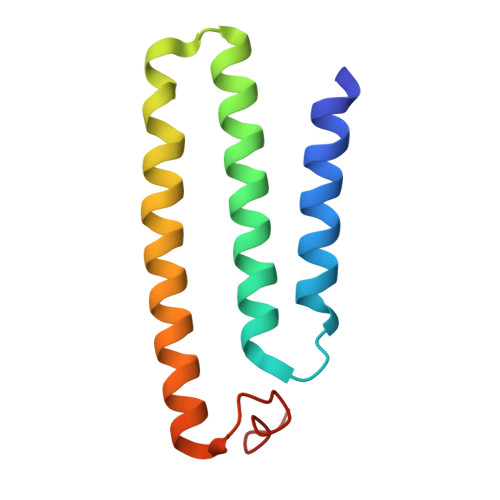
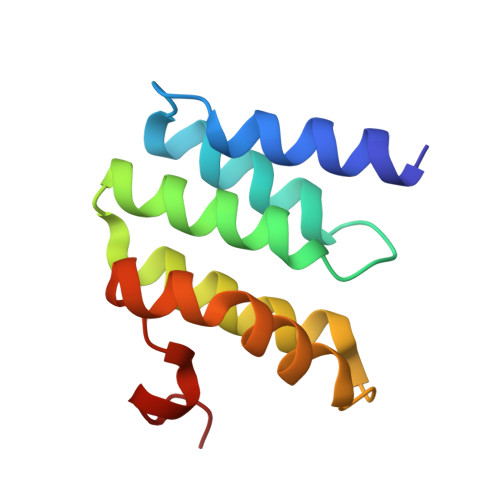
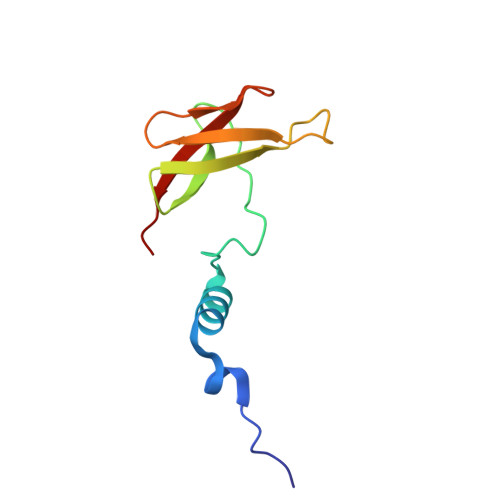
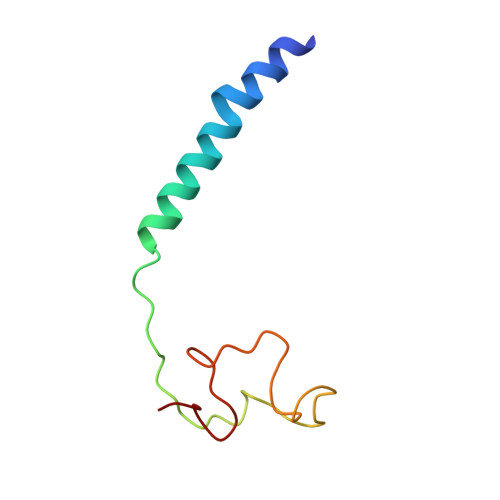
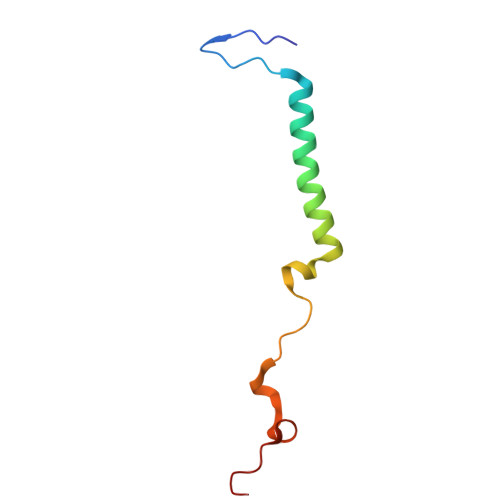
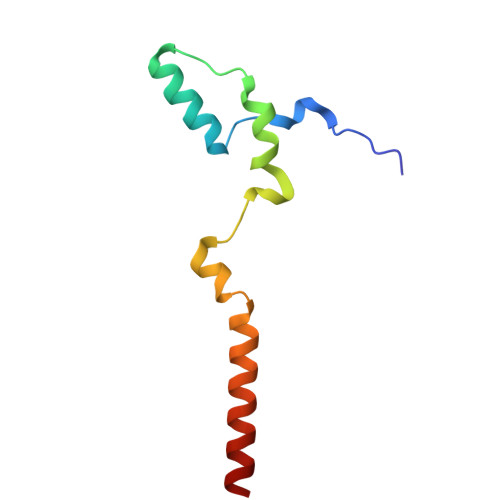
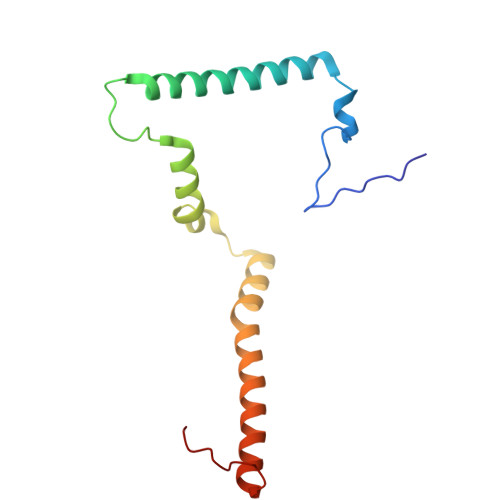
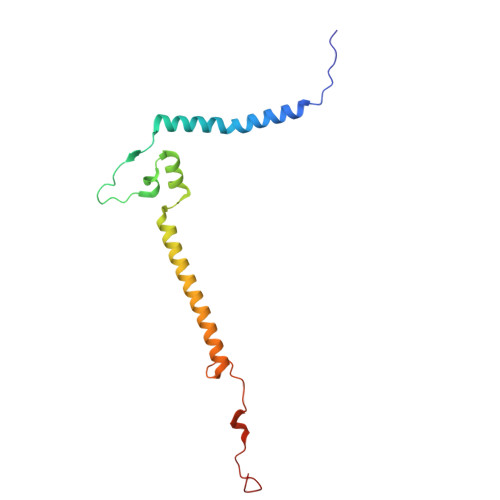
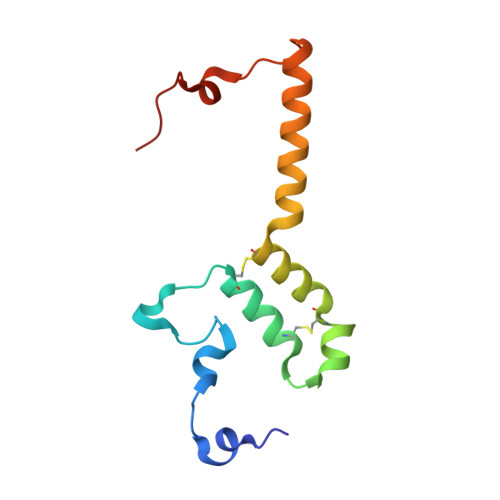
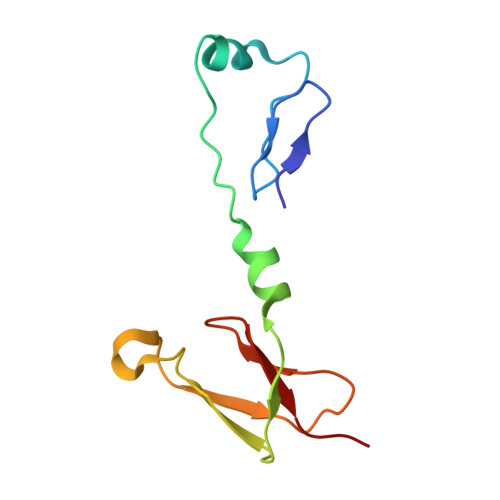
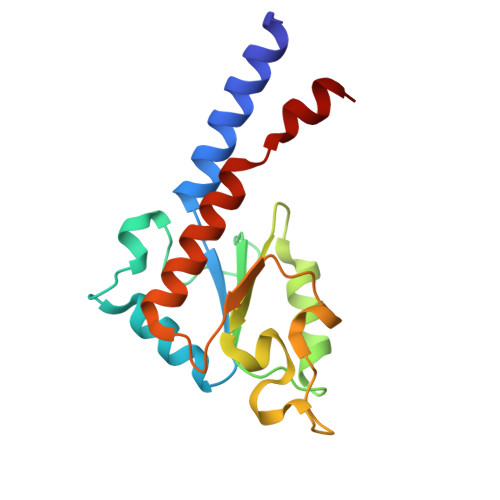
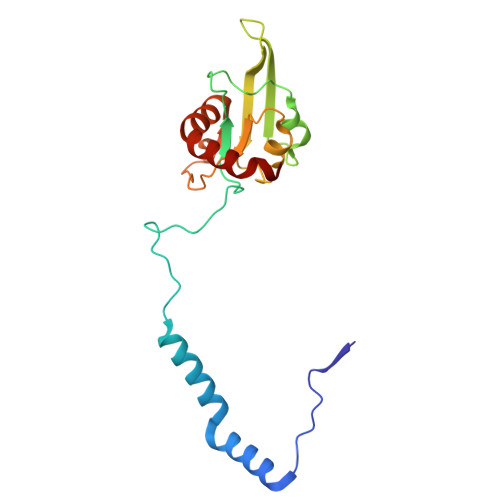
Find PDB structures and Computed Structure Models (CSM) by combining queries from tools in this suite: Attribute Search, Sequence Similarity, Sequence Motif, 3D Similarity, and 3D Motif with 'AND' logic.
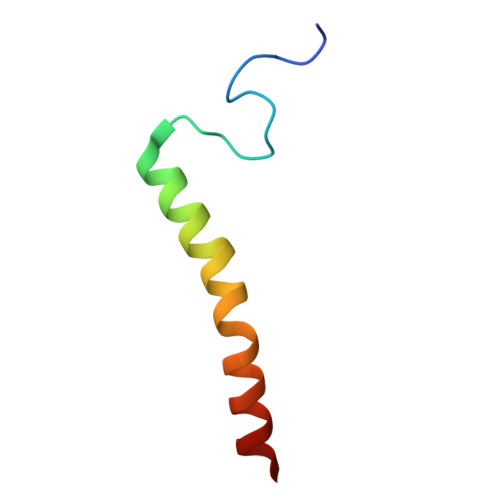
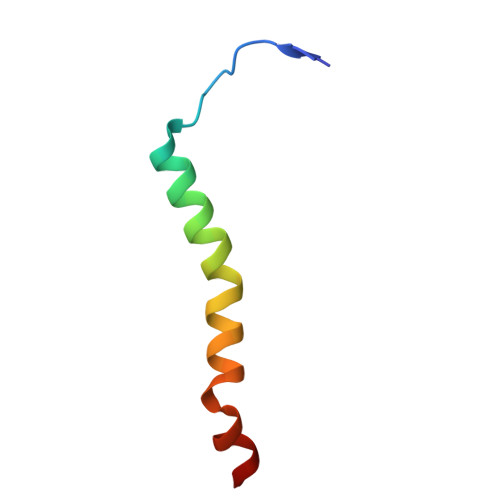
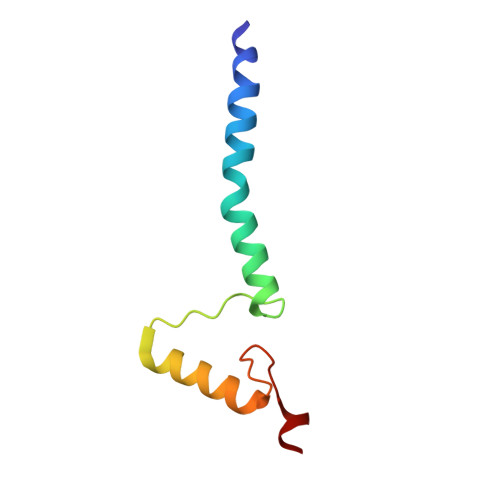
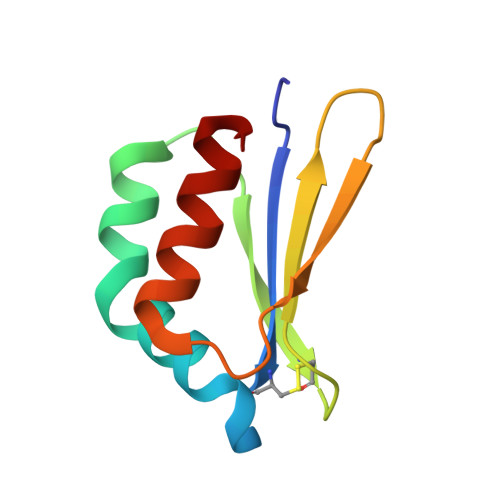
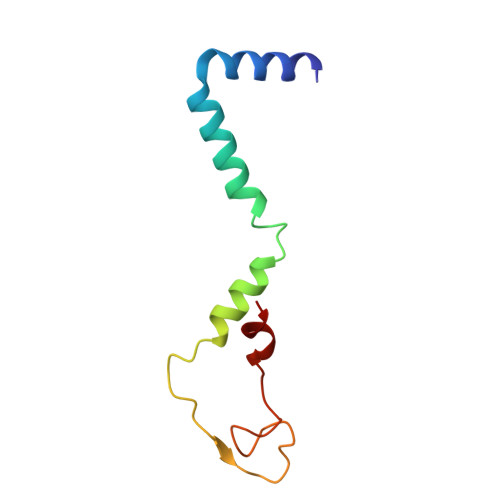
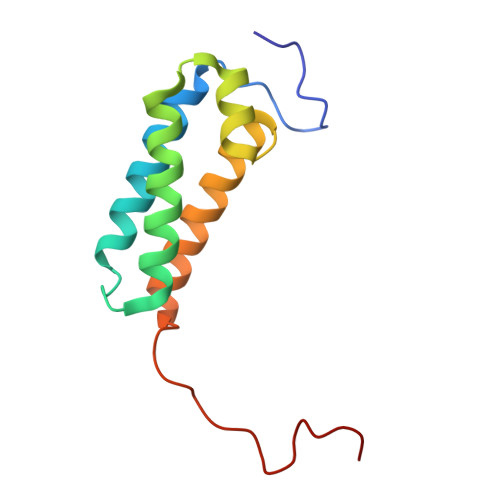
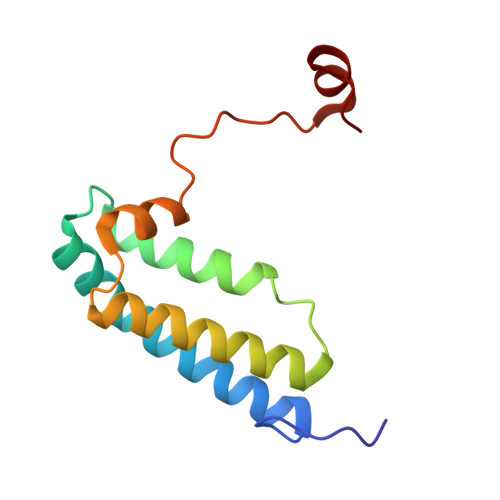
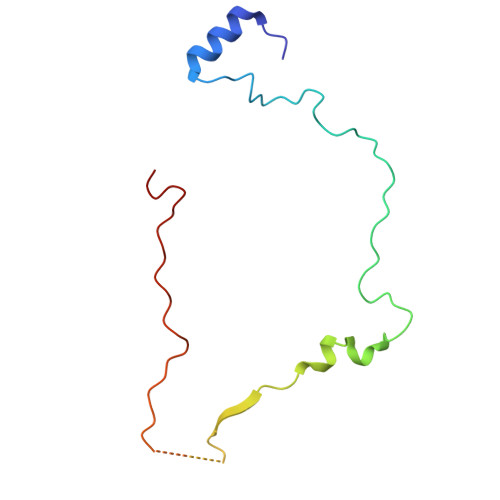
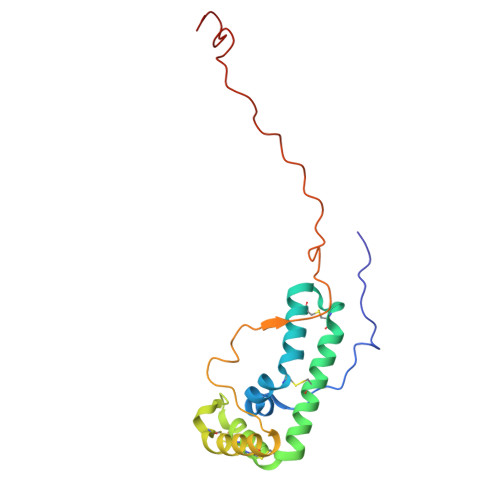
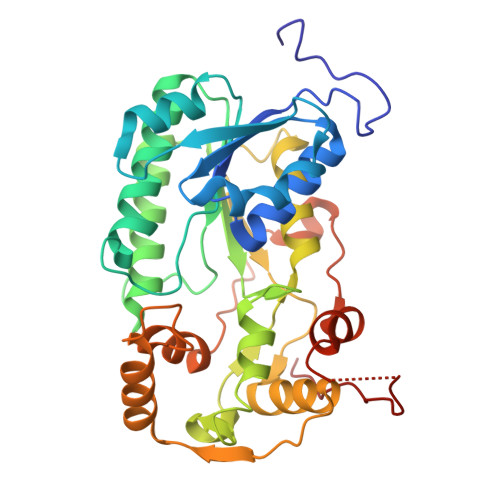
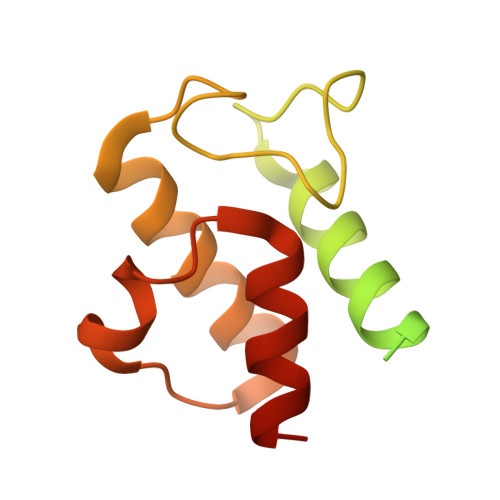
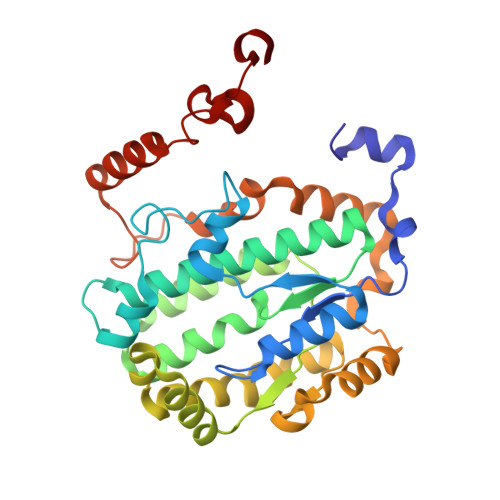
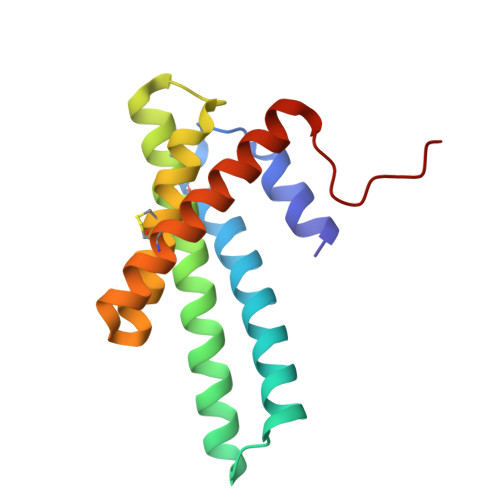
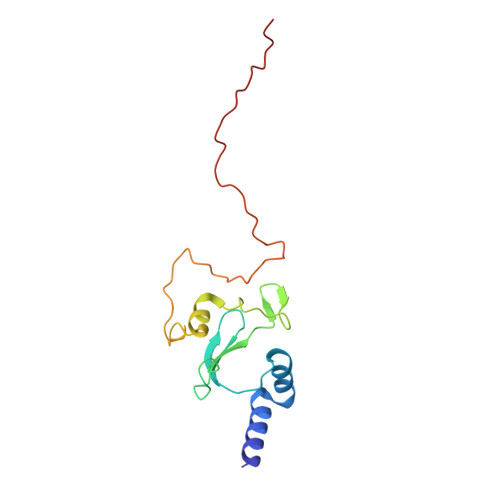
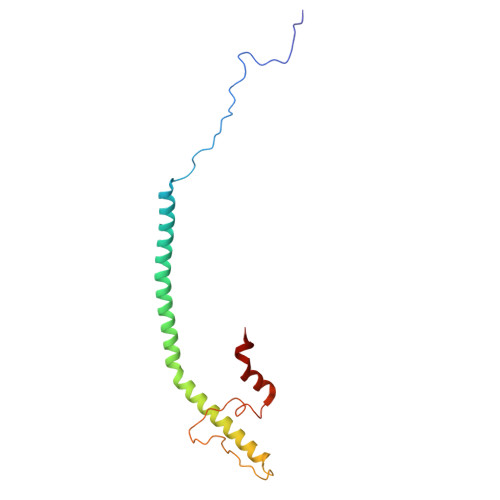
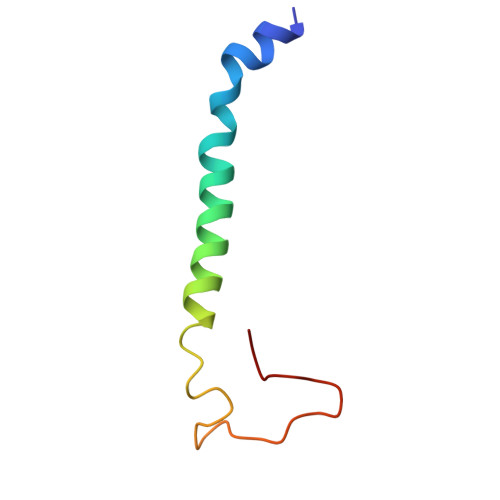
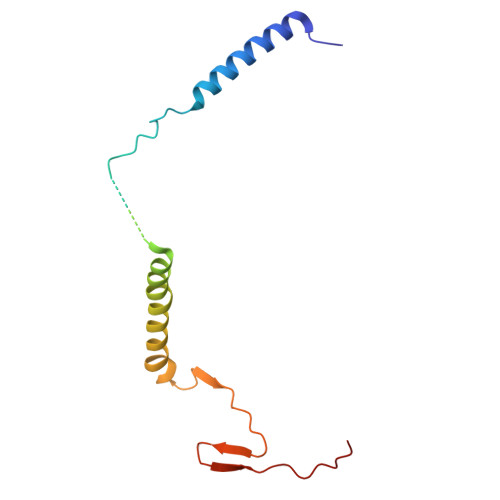
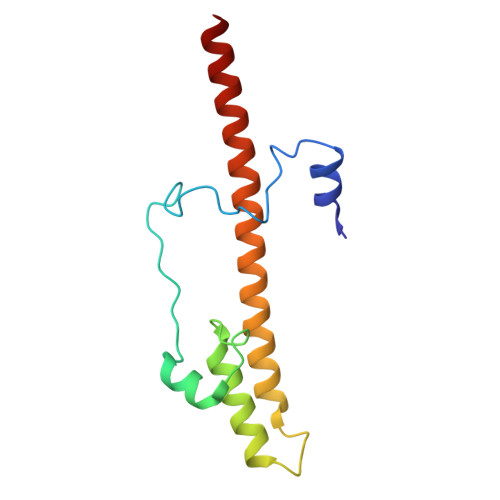
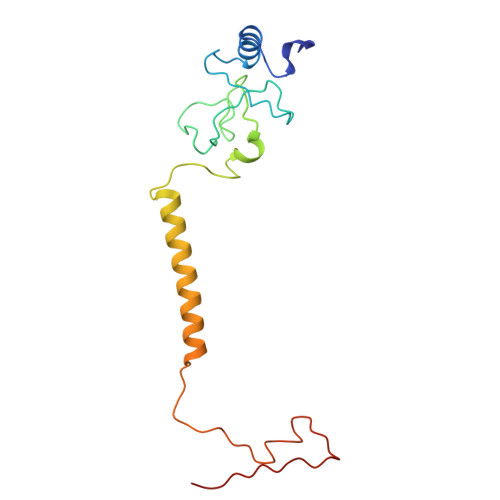
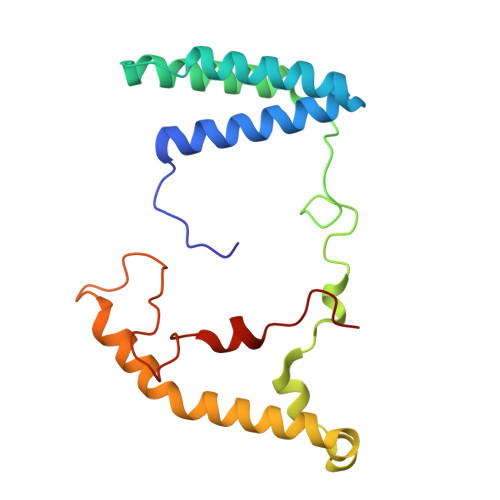
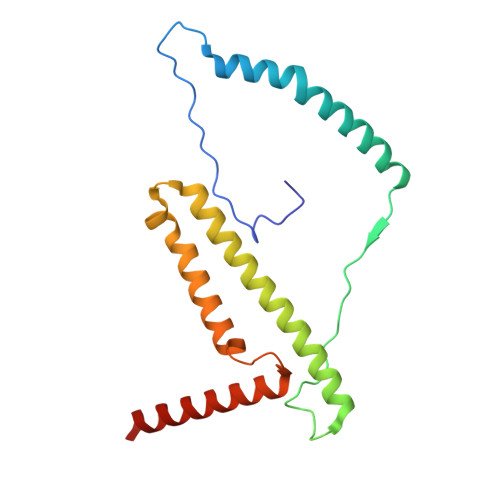
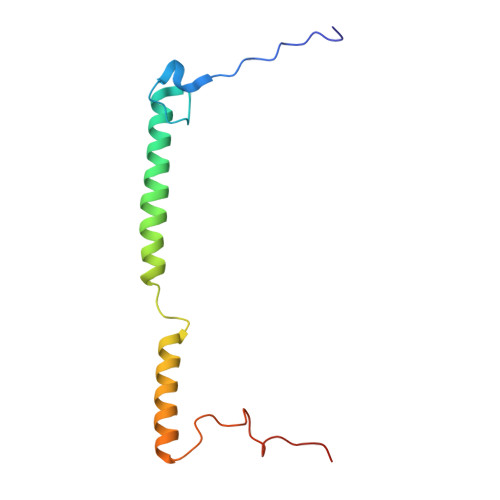
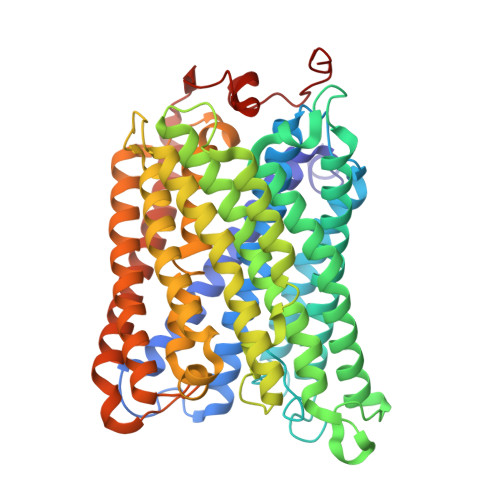
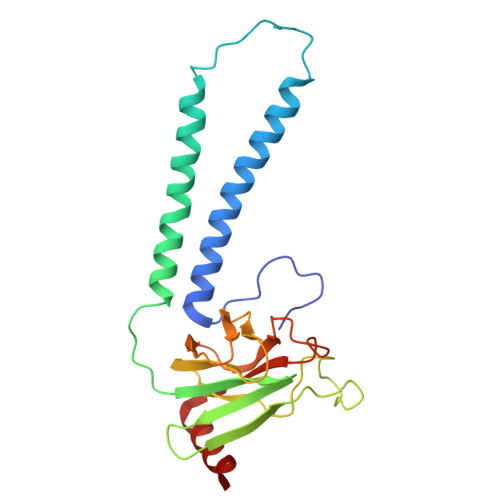
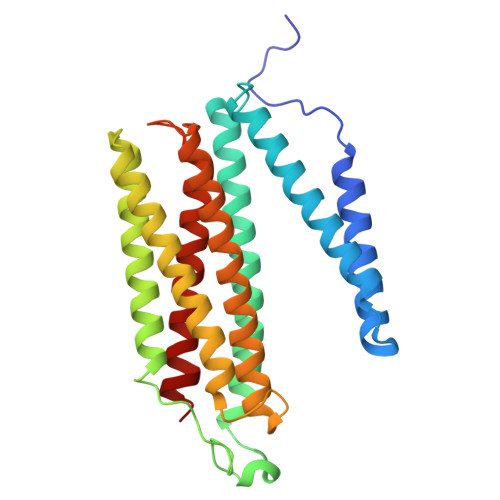
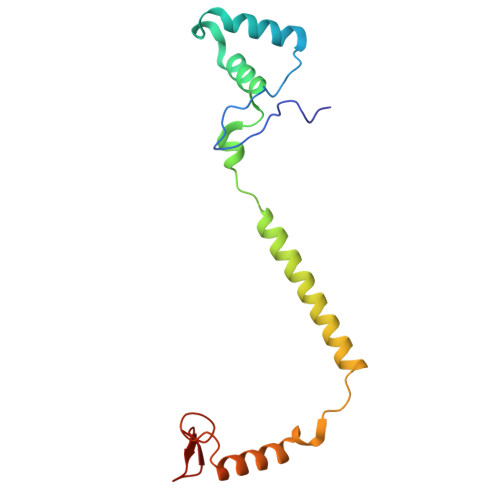
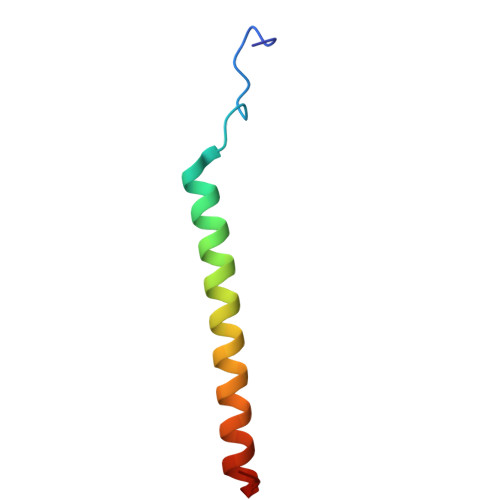
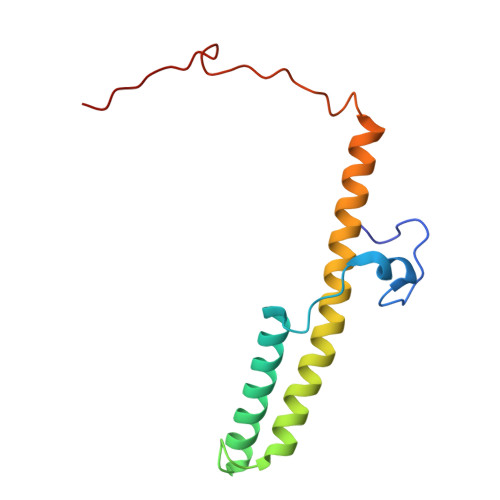
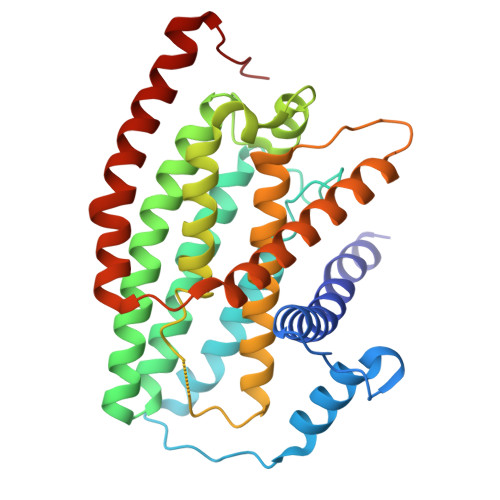
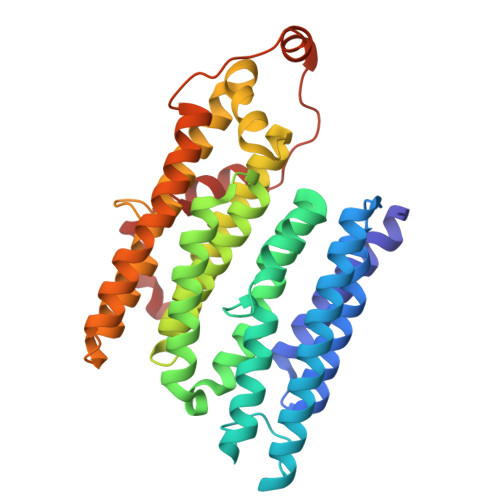
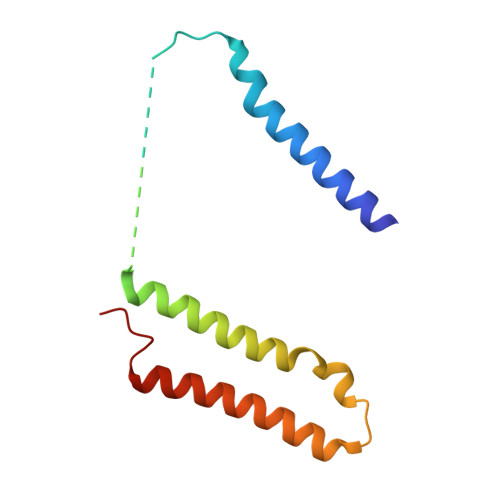
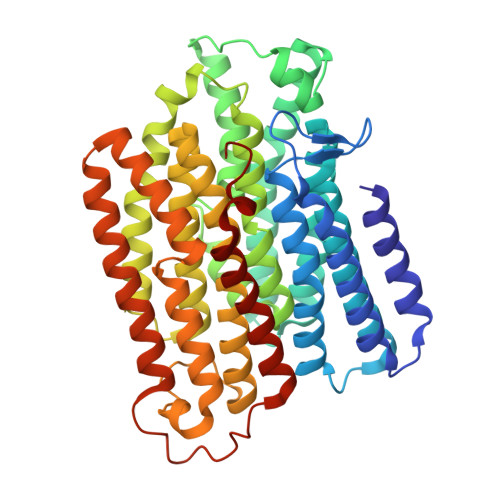
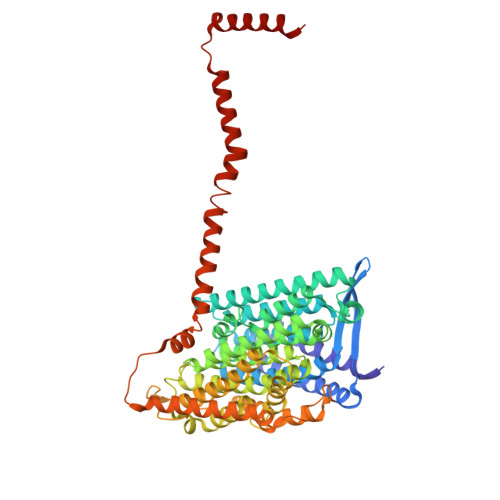
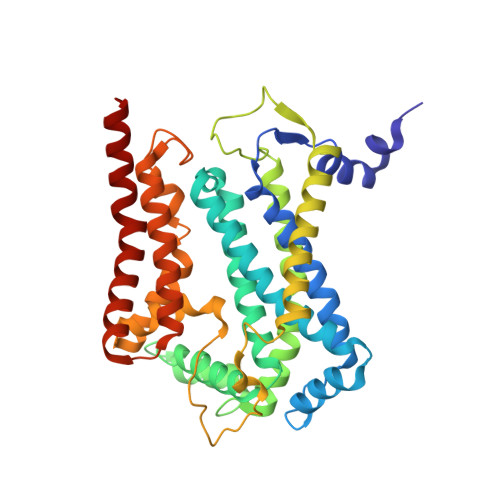
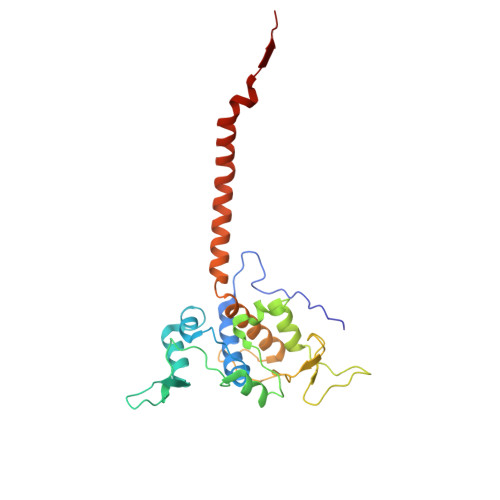
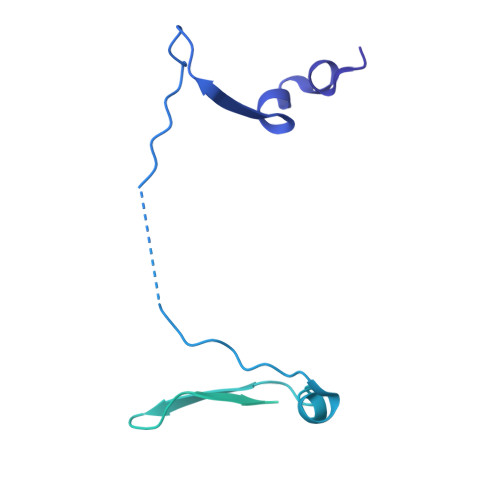
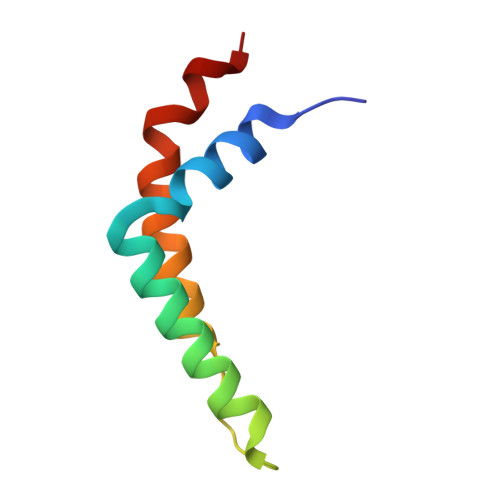
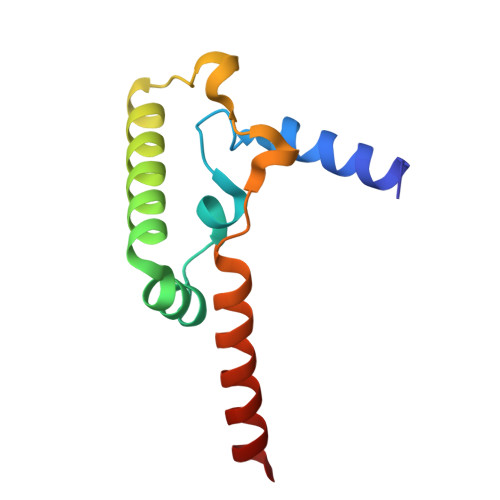
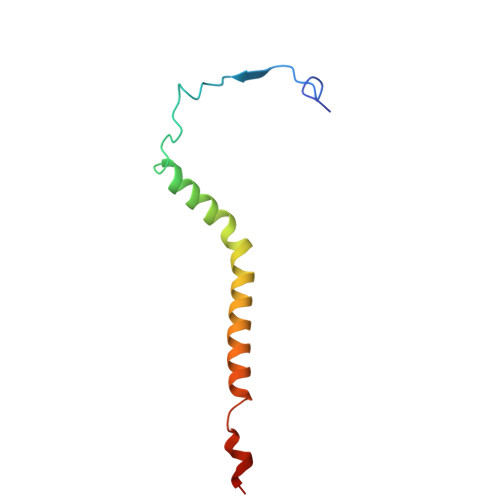
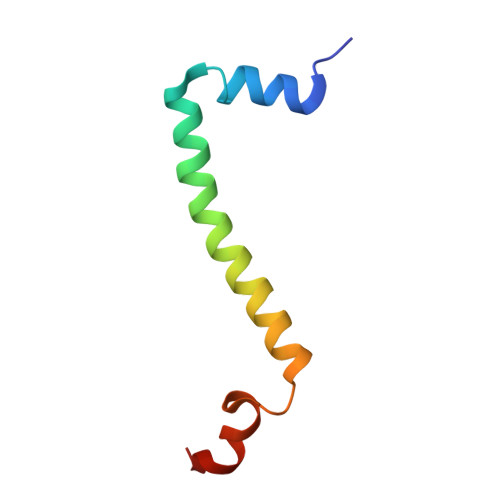
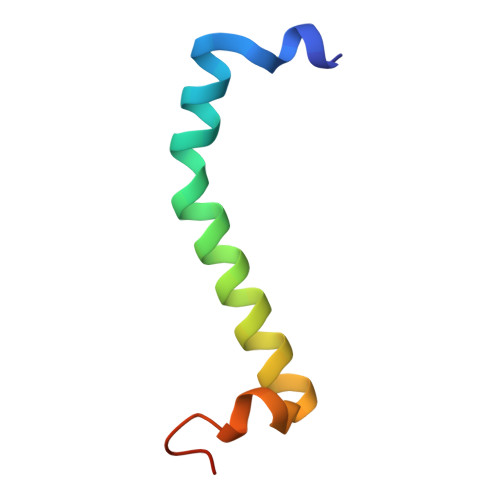
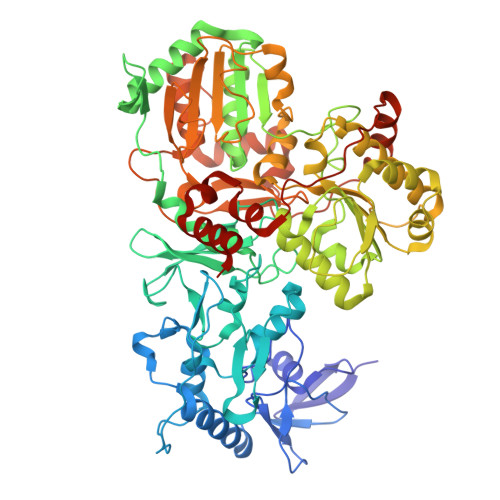
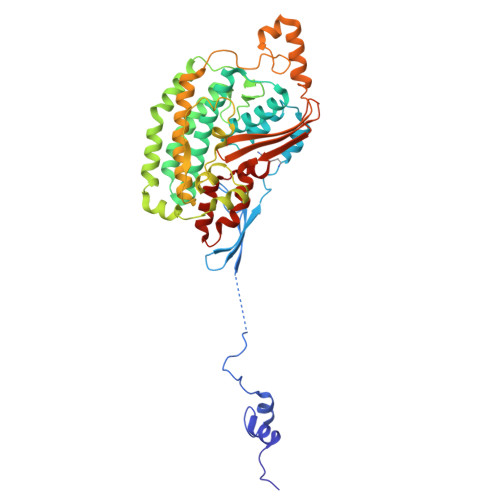
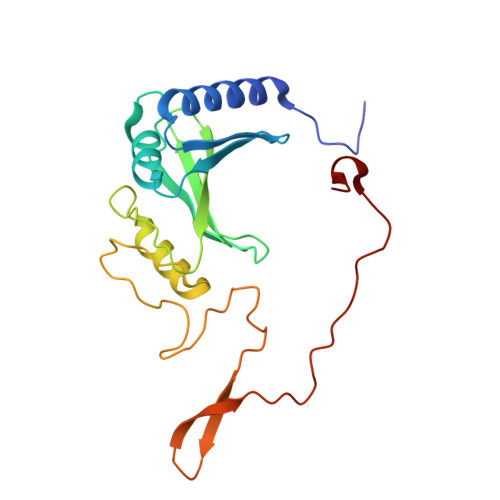
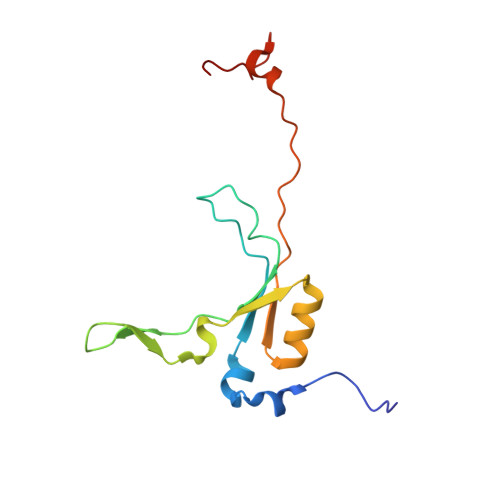
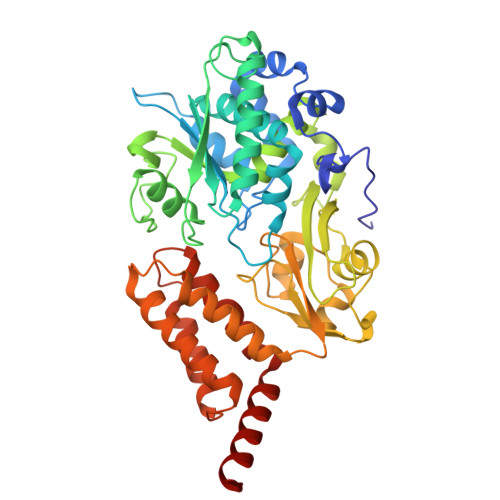
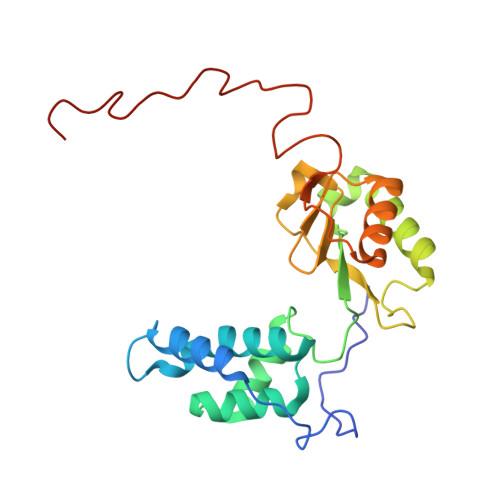
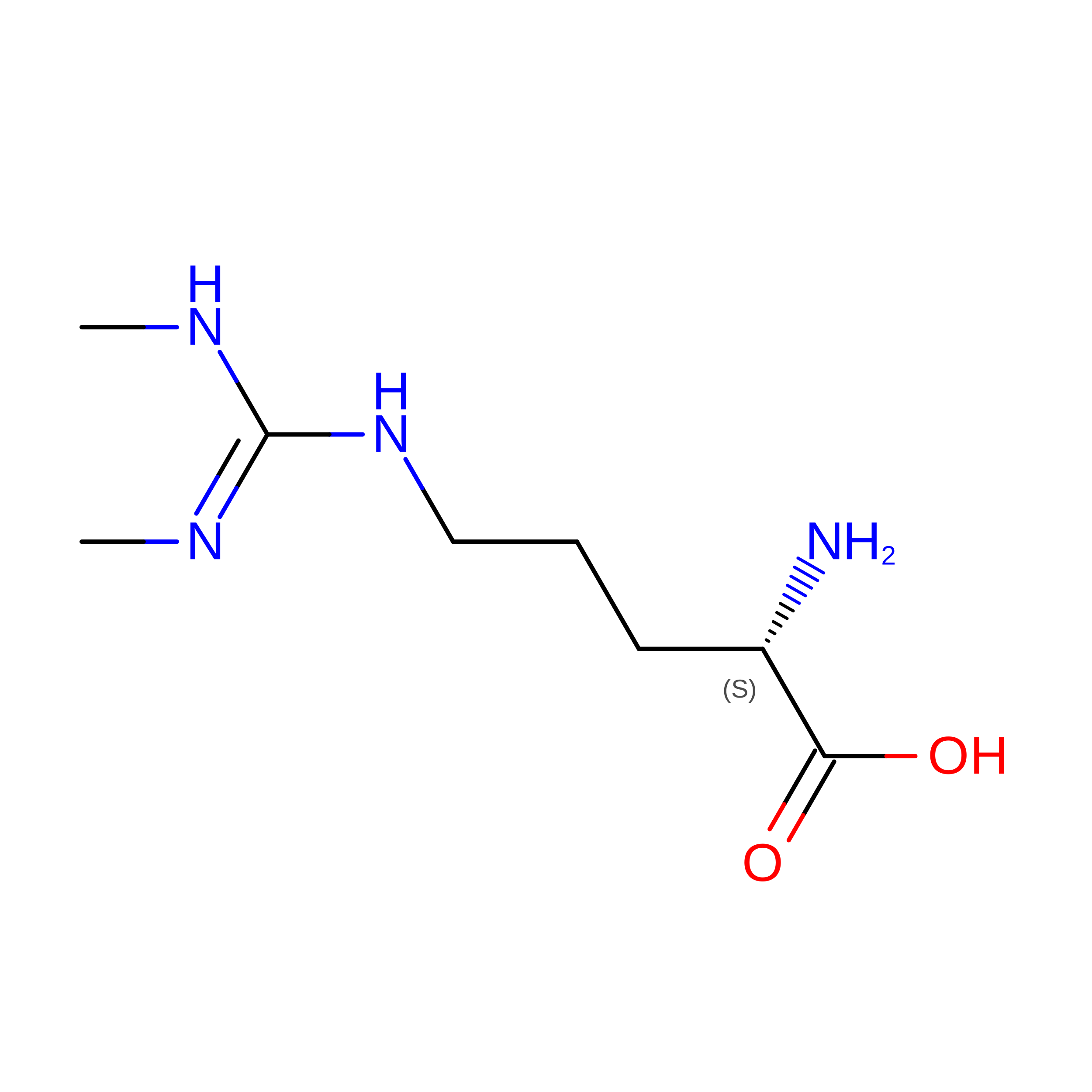
Metformin is the only antihyperglycemic biguanide targeting type 2 diabetes mellitus with proven safety. Although a mechanism of action involving tight inhibition of the respiratory complex I has been proposed for hydrophobic biguanides, it remains elusive for the hydrophilic metformin, whose excellent pharmacological tolerance depends on weak complex I inhibition without competitive nature. Here we solved cryo-electron microscopy structures of the metformin-bound porcine respirasome. Our structural and kinetic data are consistent with a model in which metformin enters complex I only in its open state and becomes trapped at the ubiquinone redox site by ubiquinone-induced conformational closing of the enzyme. By contrast, the hydrophobic proguanil alone occupies both the entrance and the redox site of the ubiquinone channel in open and closed complex I and is kinetically consistent with competitive inhibition with conformation-dependent affinities. Our data provide the molecular basis for metformin's well-known superior properties, such as a wide therapeutic window and positive ubiquinone cooperativity, leading to its clinical success and facilitating future therapeutic developments.
Organizational Affiliation:
Department of Biophysics and Department of Critical Care Medicine of Sir Run Run Shaw Hospital, Zhejiang University School of Medicine, Hangzhou, China.
Department of Biophysics and Kidney Disease Center of the First Affiliated Hospital, Zhejiang University School of Medicine, Hangzhou, China.
Institute of Quantitative Biology, College of Life Sciences, Zhejiang University, Hangzhou, China.
Department of Biochemistry and Department of Cardiology of First Affiliated Hospital, Zhejiang University School of Medicine, Hangzhou, China.
Cancer Center, The First Affiliated Hospital, Zhejiang University School of Medicine, Hangzhou, China.
IBM Thomas J Watson Research Center, Yorktown Heights, NY, USA.
Department of Critical Care Medicine, Sir Run Run Shaw Hospital, Zhejiang University School of Medicine, Hangzhou, China. jiancangzhou@zju.edu.cn.
Department of Biochemistry and Department of Cardiology of First Affiliated Hospital, Zhejiang University School of Medicine, Hangzhou, China. shanzhang@zju.edu.cn.
Department of Molecular and Cellular Biology, University of California, Davis, Davis, CA, USA. jaletts@ucdavis.edu.
Institute of Quantitative Biology, College of Life Sciences, Zhejiang University, Hangzhou, China. rhzhou@zju.edu.cn.
Cancer Center, The First Affiliated Hospital, Zhejiang University School of Medicine, Hangzhou, China. rhzhou@zju.edu.cn.
Department of Chemistry, Columbia University, New York, NY, USA. rhzhou@zju.edu.cn.
Department of Biophysics and Department of Critical Care Medicine of Sir Run Run Shaw Hospital, Zhejiang University School of Medicine, Hangzhou, China. longzhou@zju.edu.cn.
CD [auth B1] DE [auth CB] FF [auth QE] IE [auth N3] JD [auth BL]
CD [auth B1], DE [auth CB], FF [auth QE], IE [auth N3], JD [auth BL], LF [auth QI], QG [auth S7], UD [auth C2], WC [auth AL], YC [auth AM]
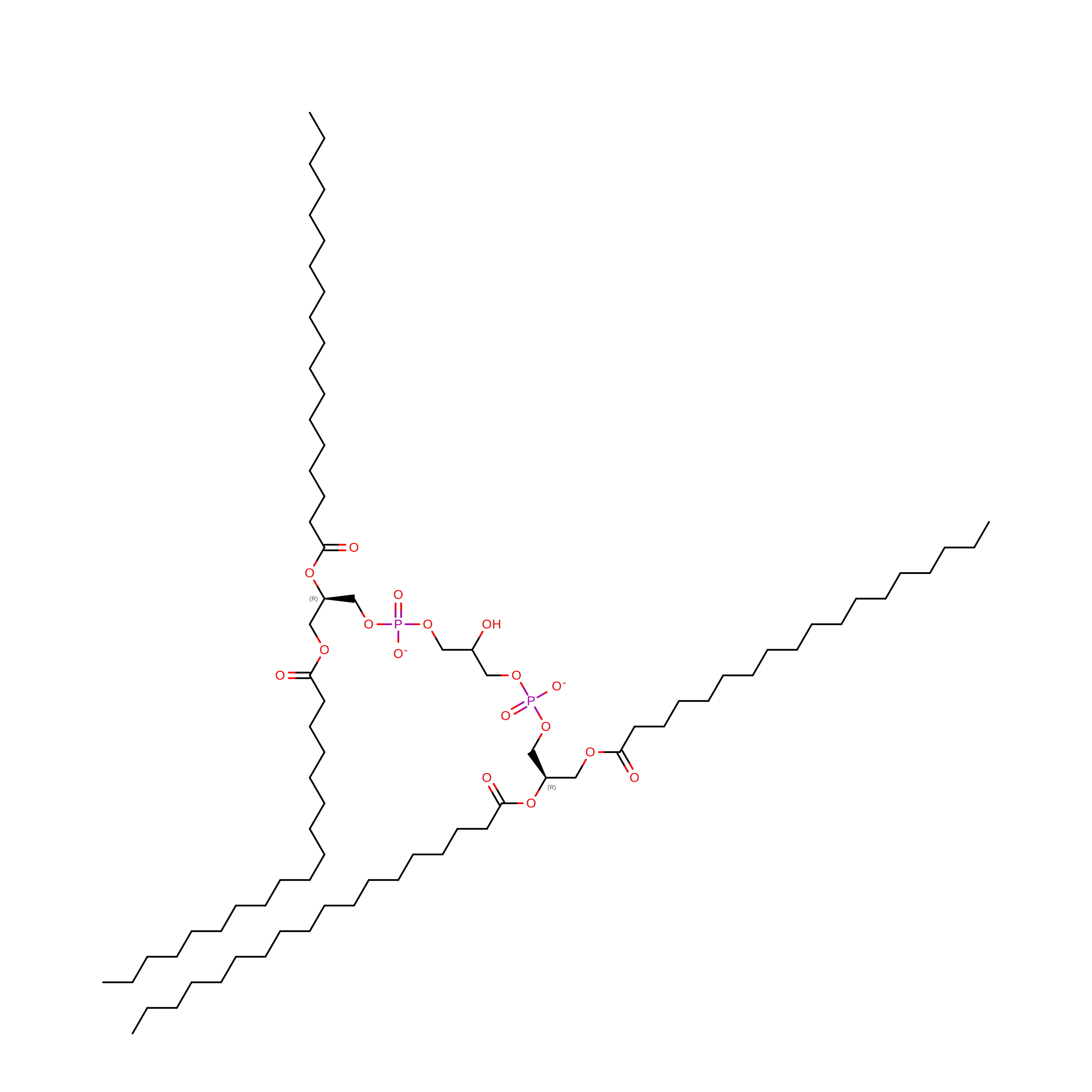
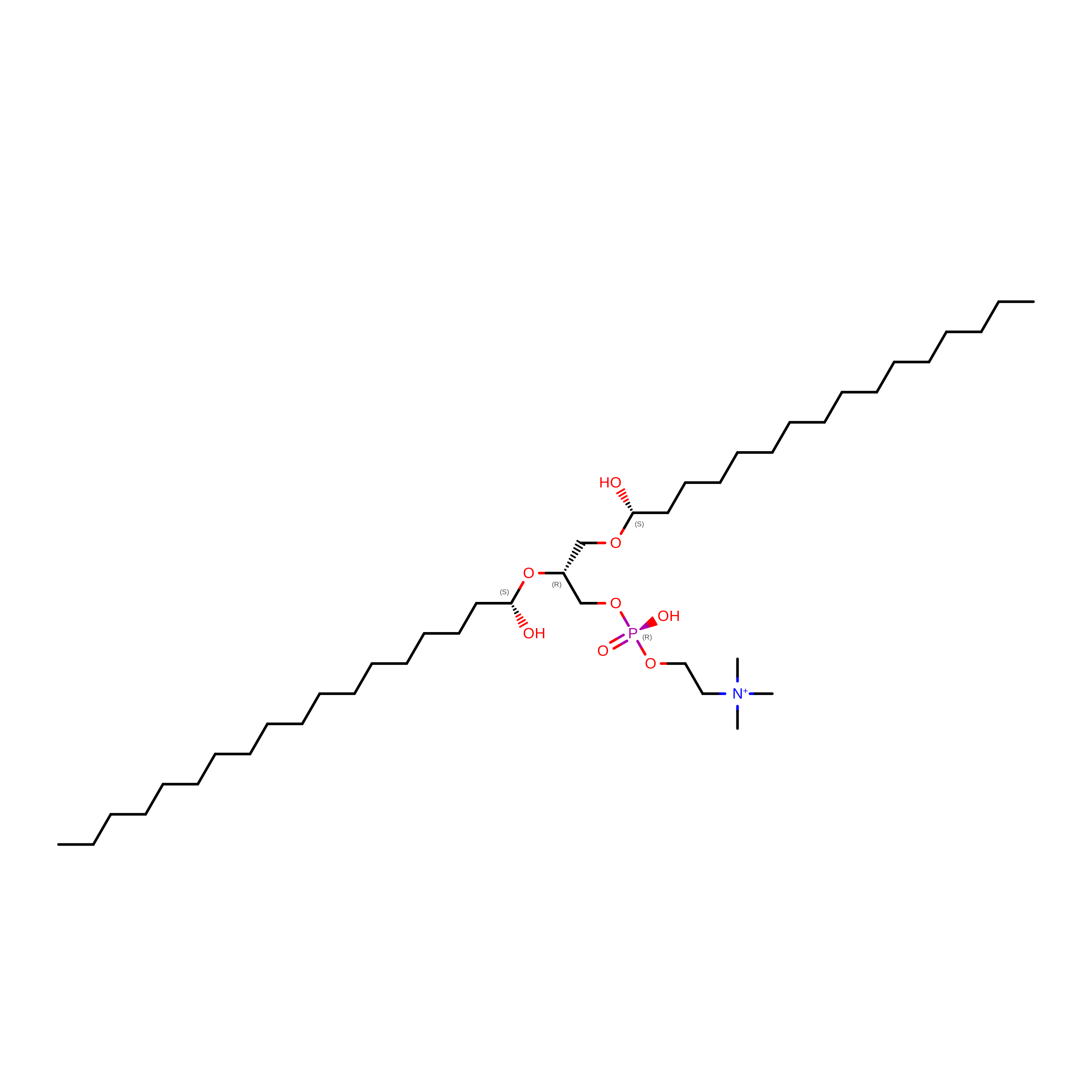
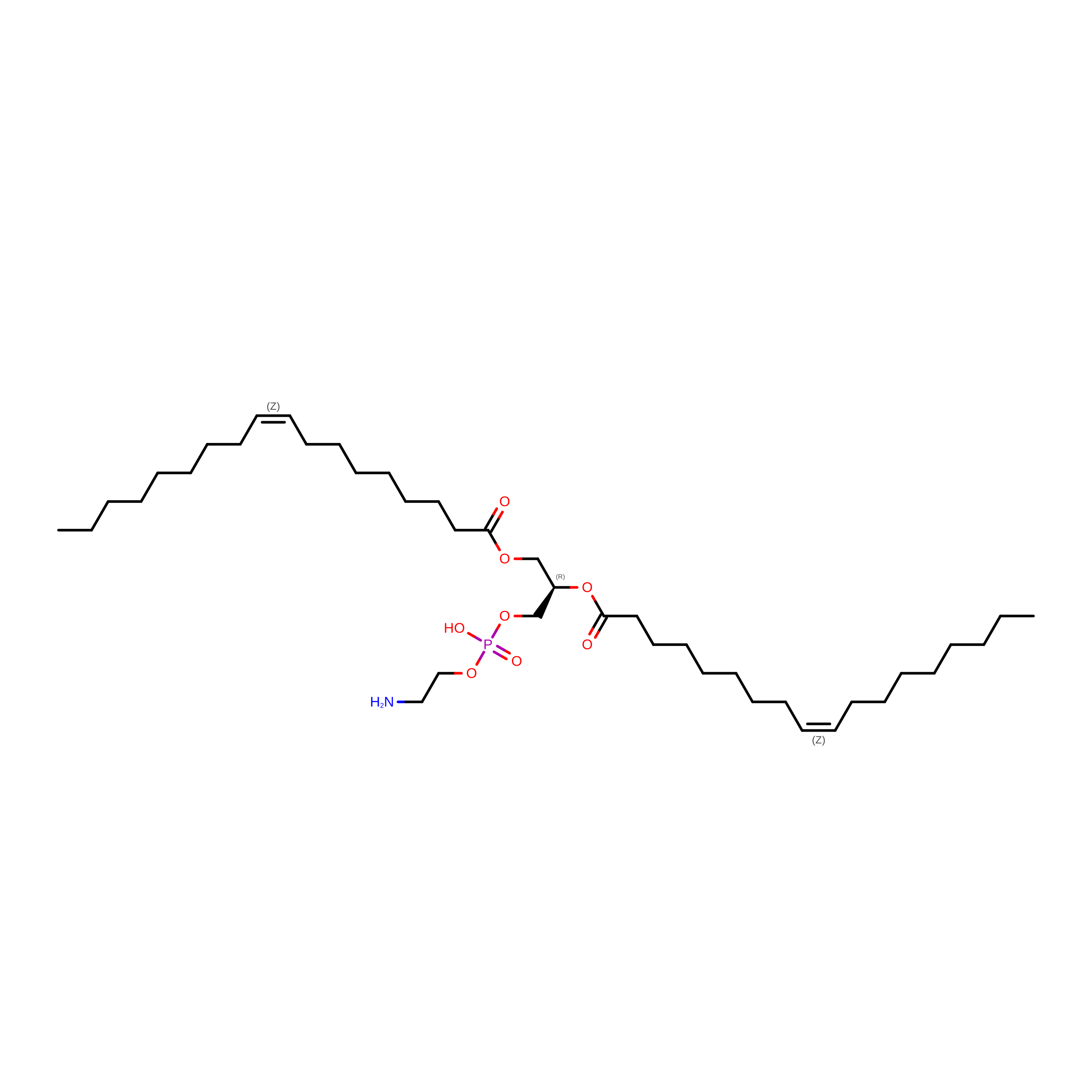
(9R,11S)-9-({[(1S)-1-HYDROXYHEXADECYL]OXY}METHYL)-2,2-DIMETHYL-5,7,10-TRIOXA-2LAMBDA~5~-AZA-6LAMBDA~5~-PHOSPHAOCTACOSANE-6,6,11-TRIOL C42 H89 N O8 P YVNJQRQLQPWVSQ-IWSHAHEXSA-O
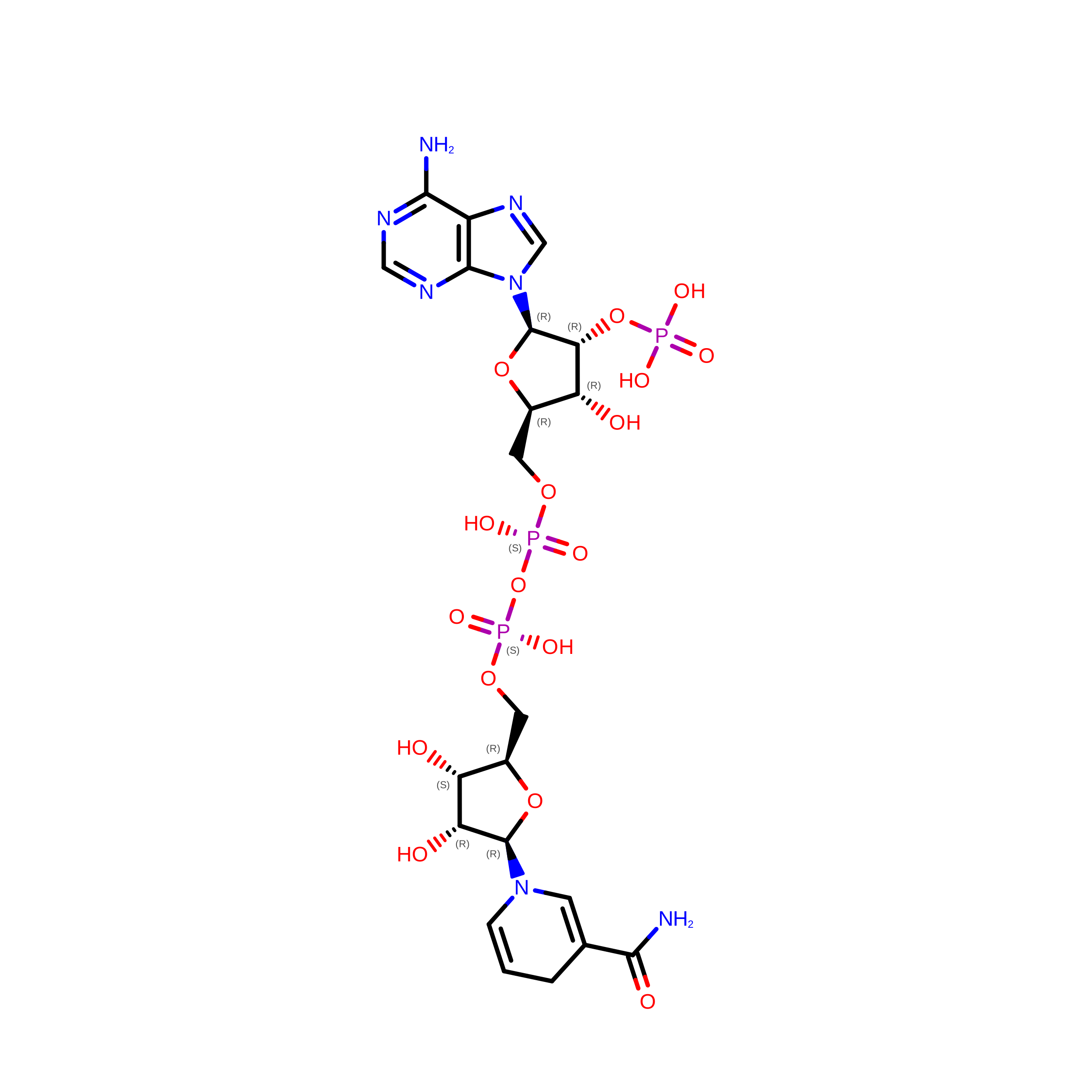
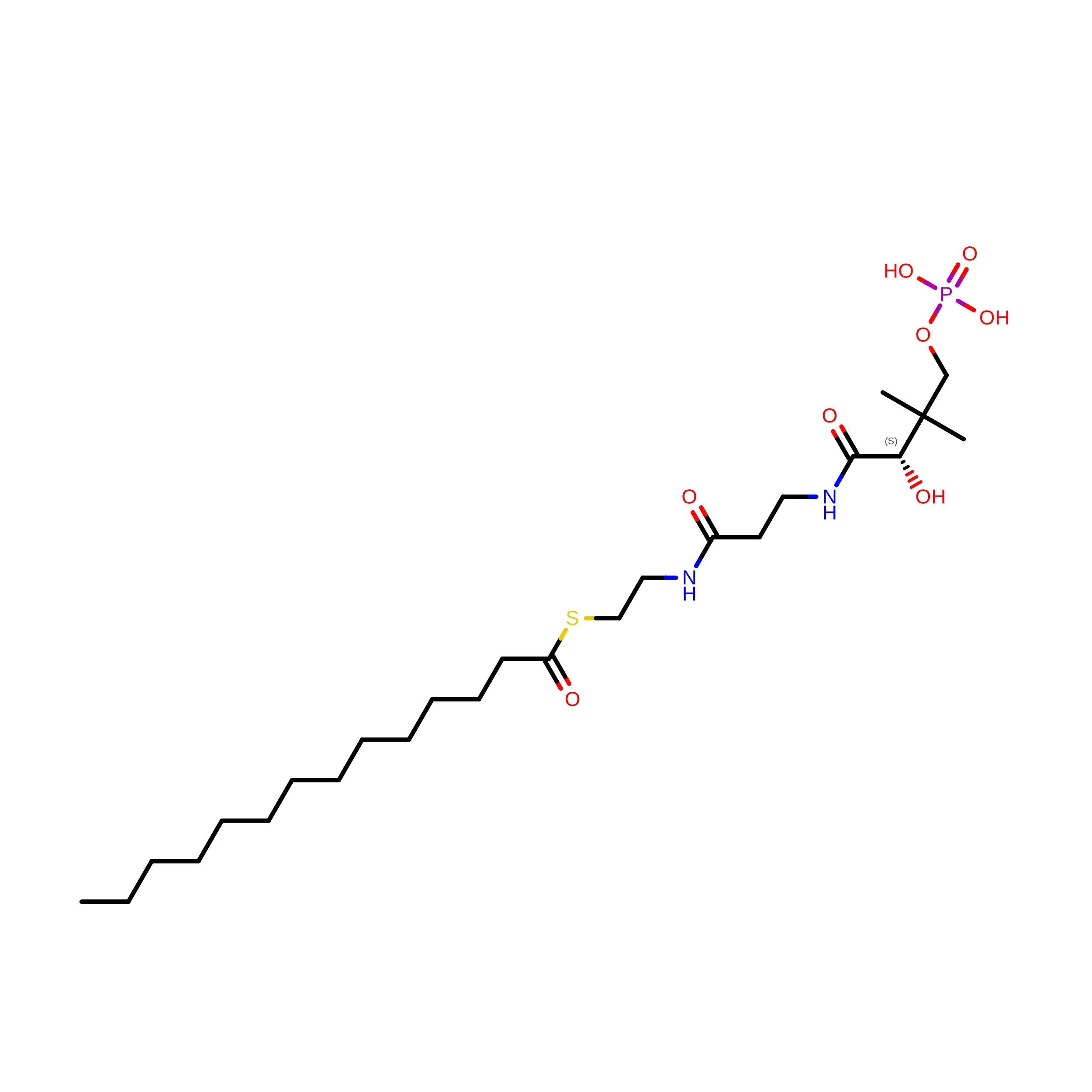
S-[2-({N-[(2S)-2-hydroxy-3,3-dimethyl-4-(phosphonooxy)butanoyl]-beta-alanyl}amino)ethyl] tetradecanethioate C25 H49 N2 O8 P S HDTINWYIVVMRIN-HSZRJFAPSA-N

 Download Mendeley