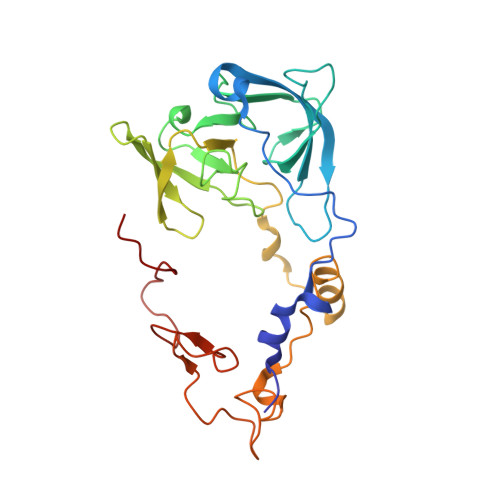
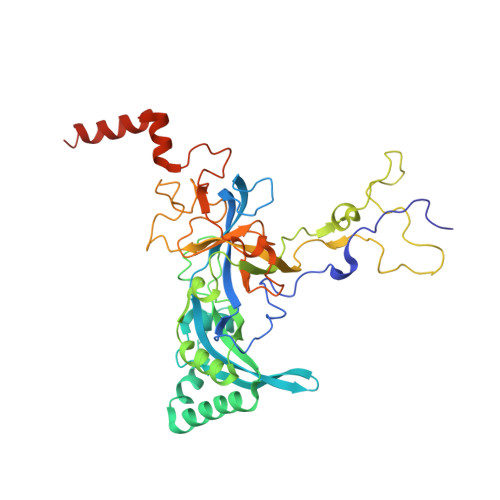
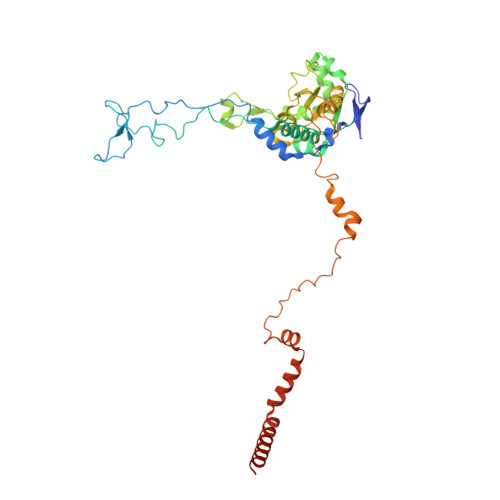
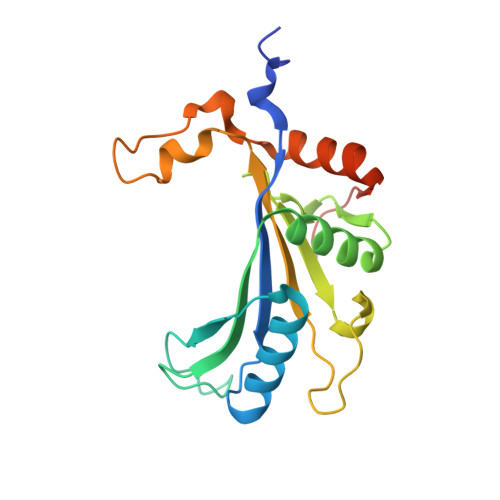
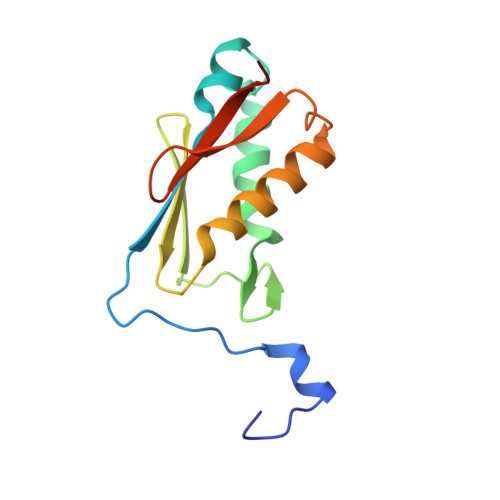
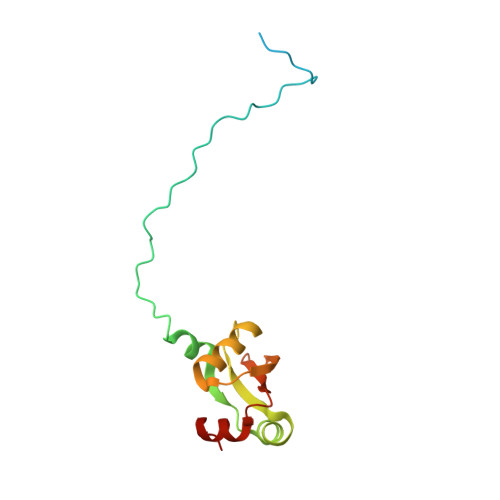
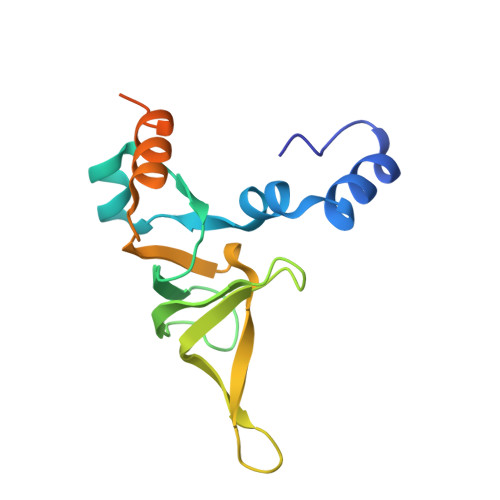
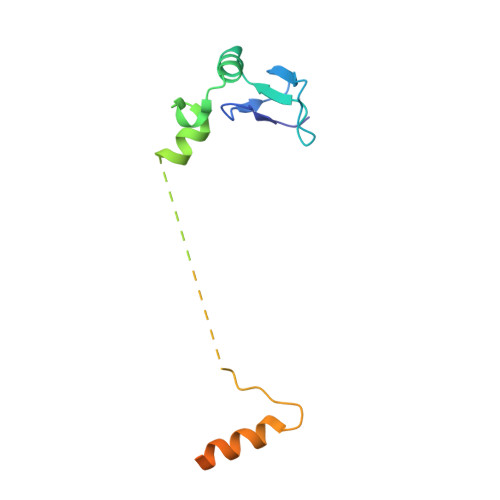
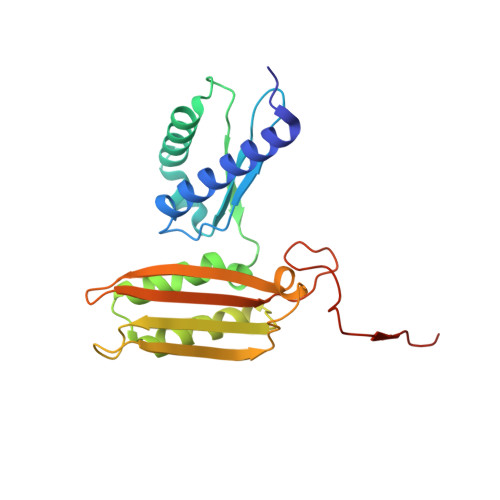
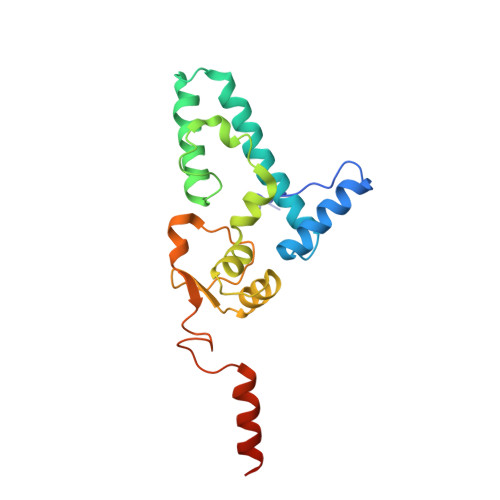
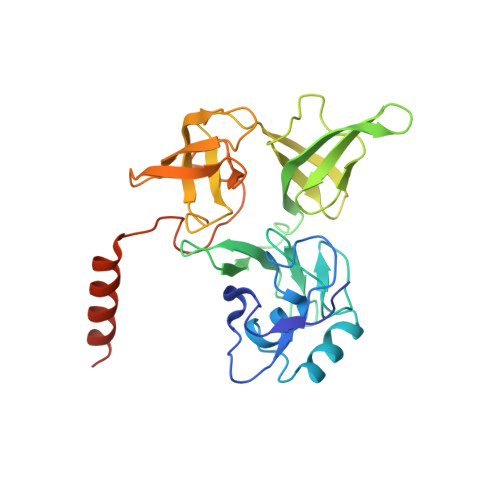
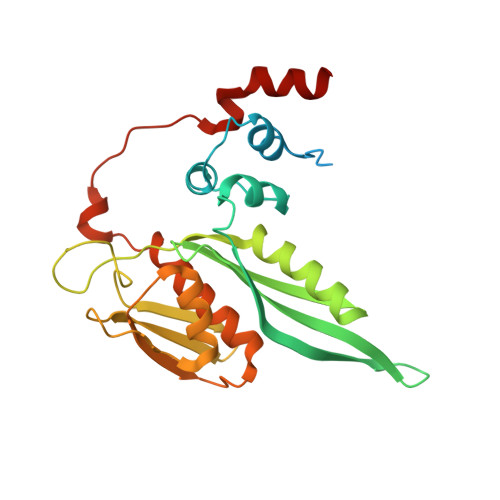
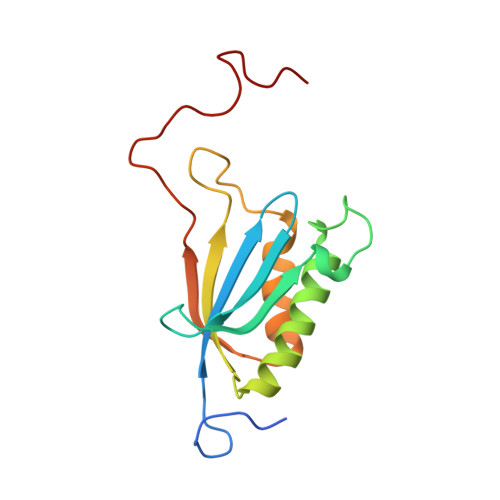
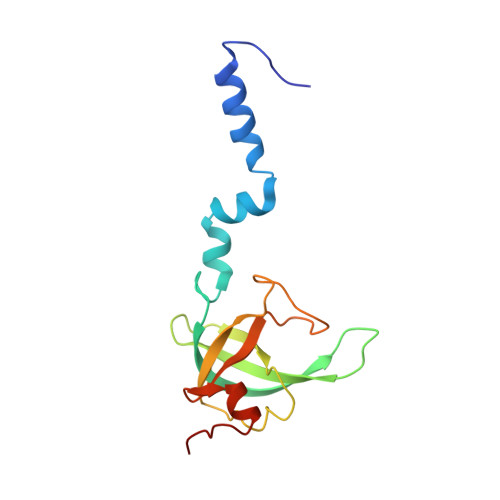
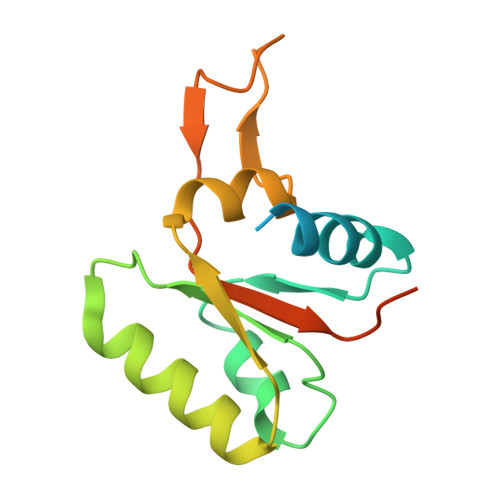
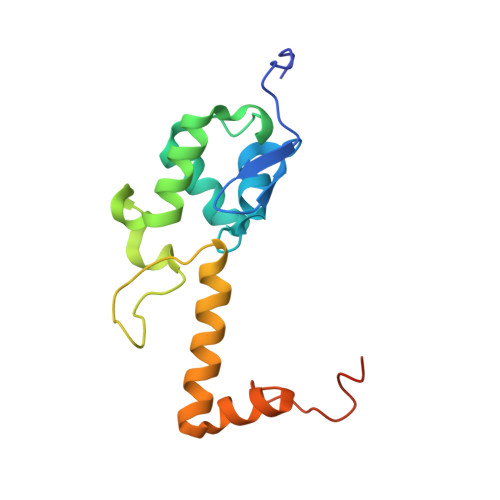
Find PDB structures and Computed Structure Models (CSM) by combining queries from tools in this suite: Attribute Search, Sequence Similarity, Sequence Motif, 3D Similarity, and 3D Motif with 'AND' logic.
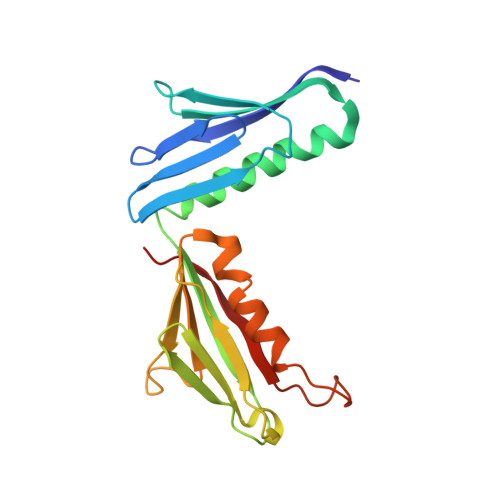
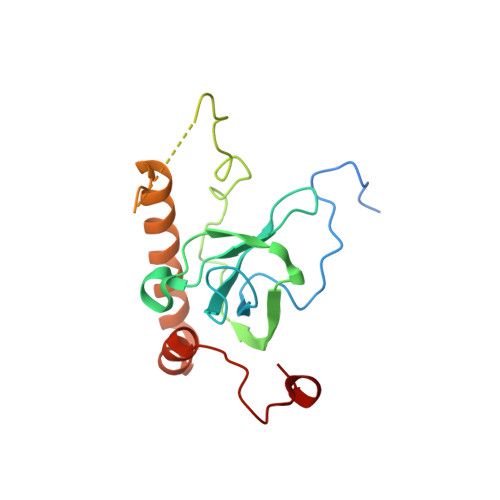
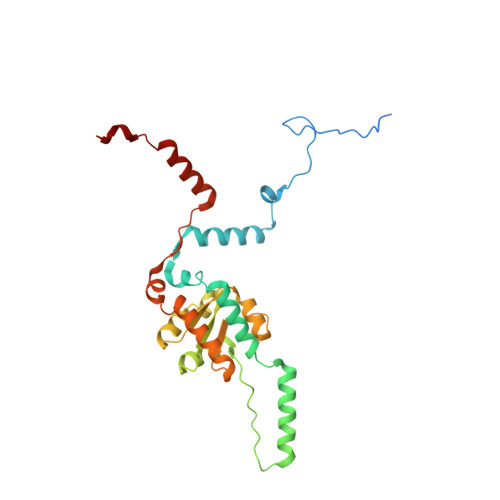
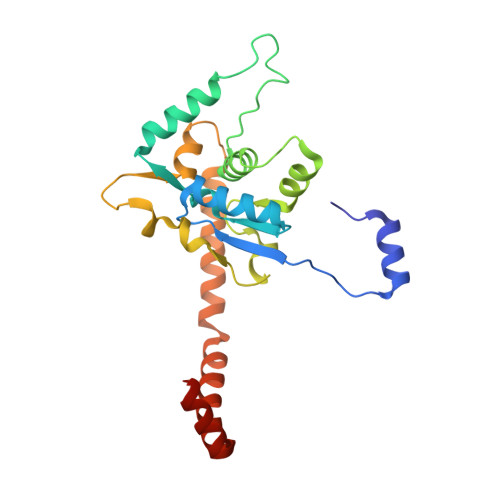
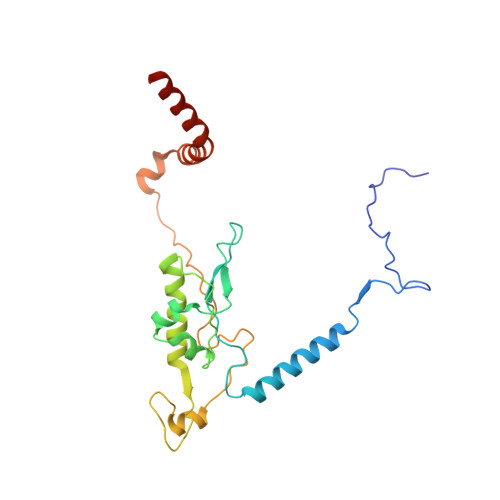
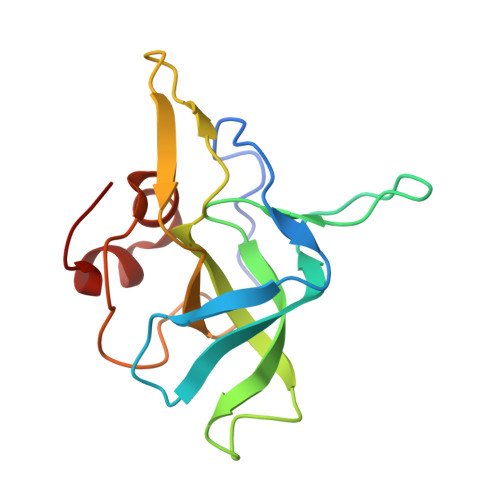
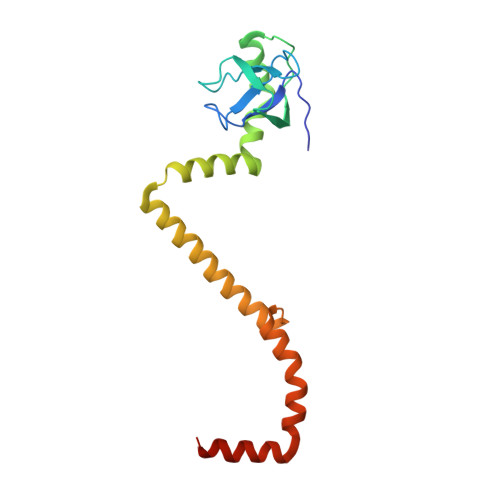
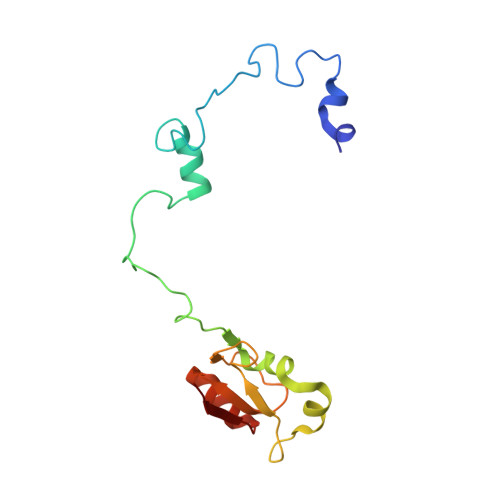
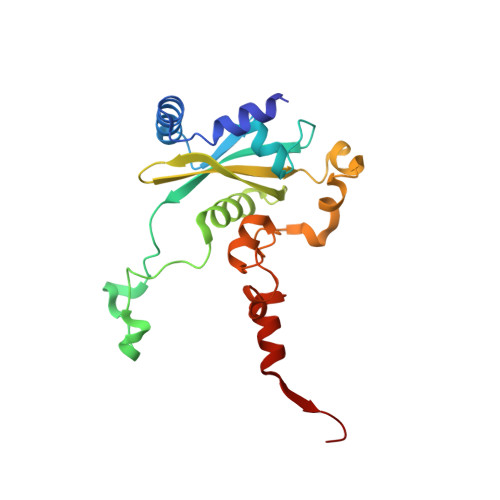
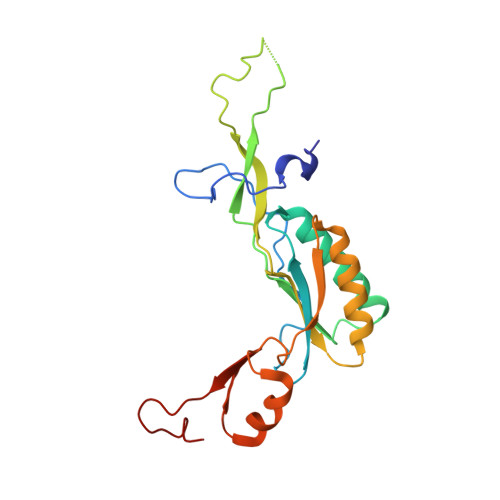
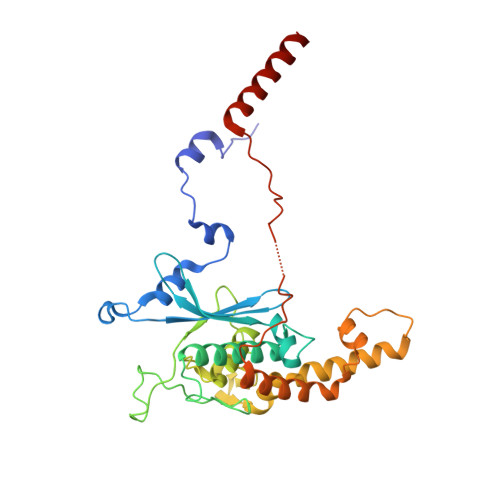
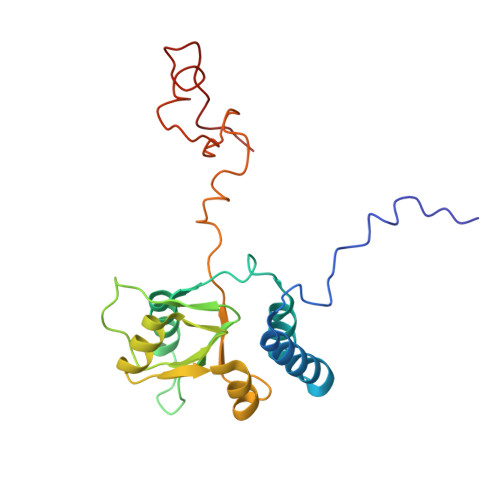
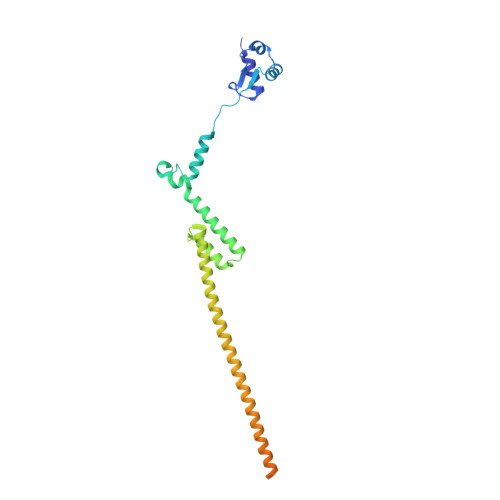
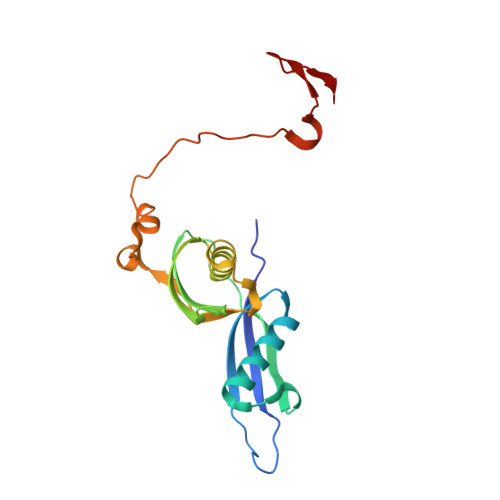
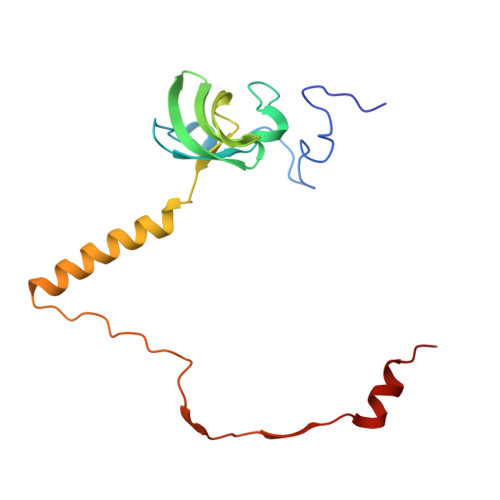
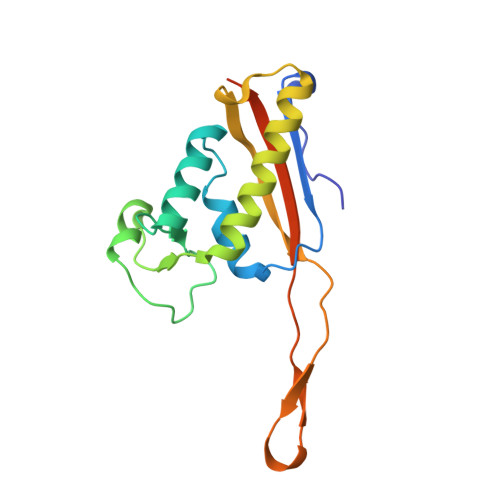
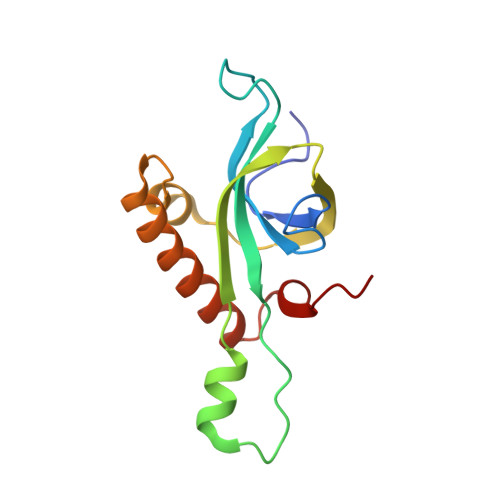
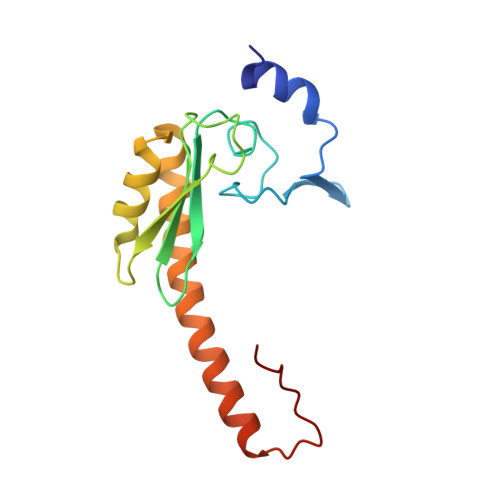
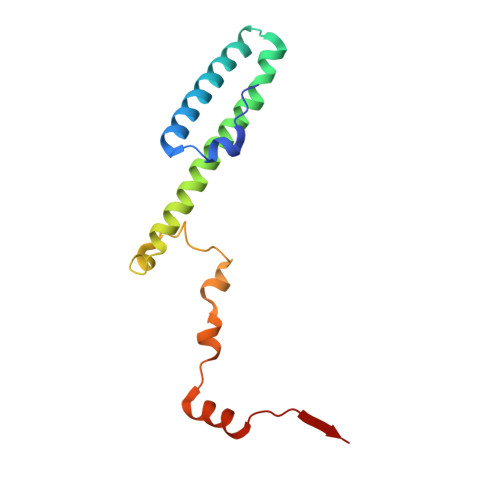
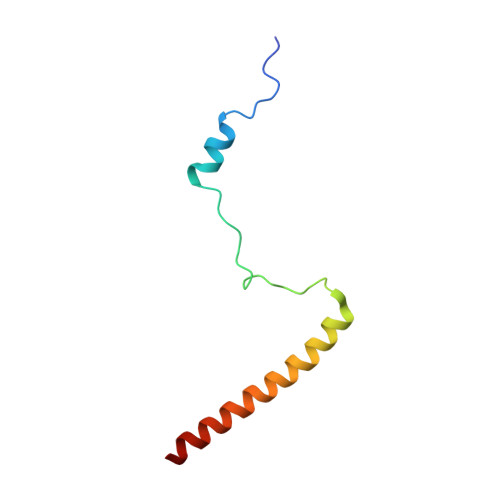
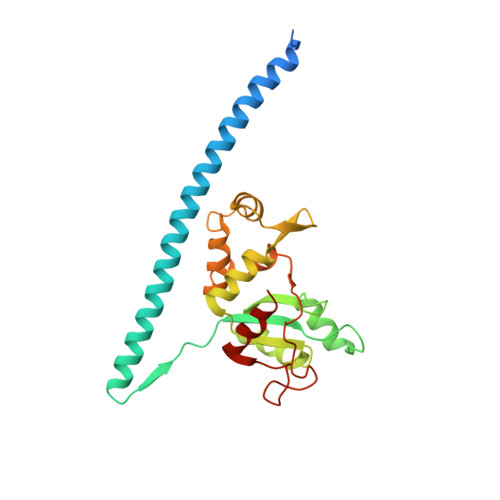
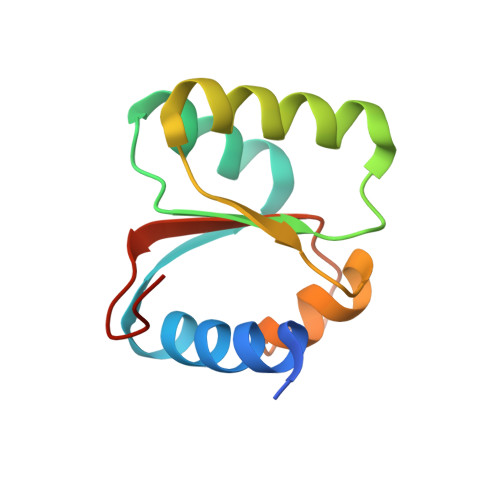
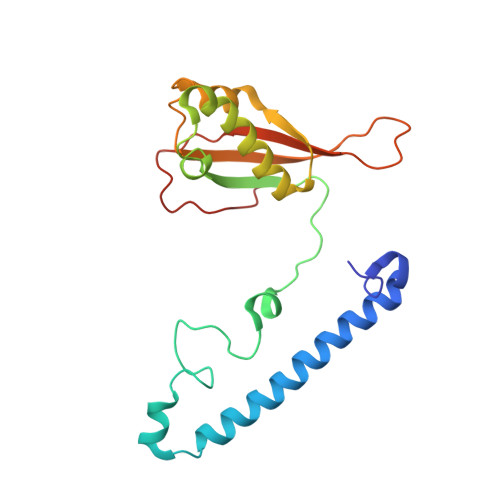
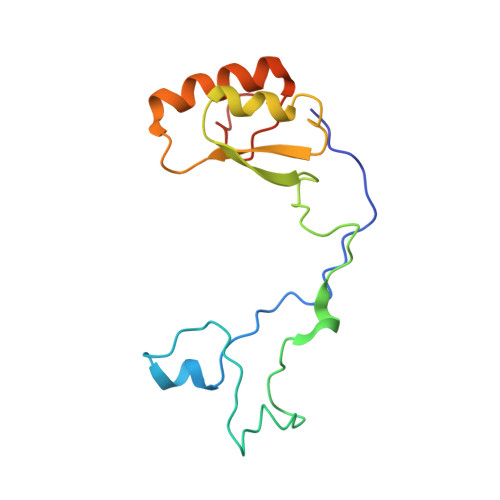
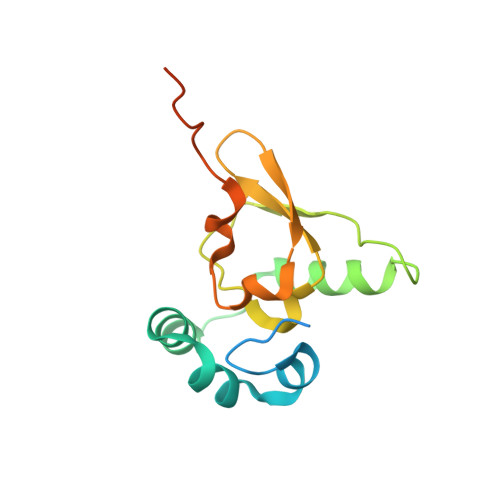
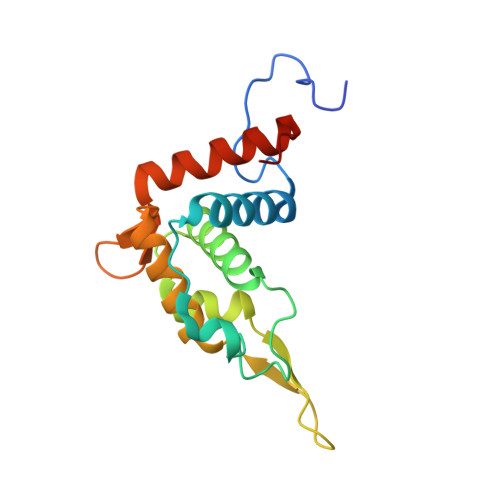
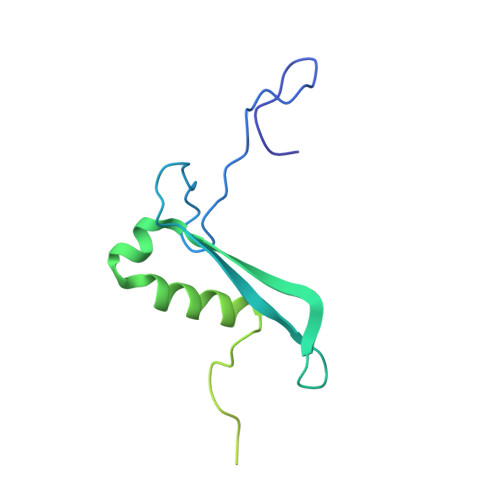
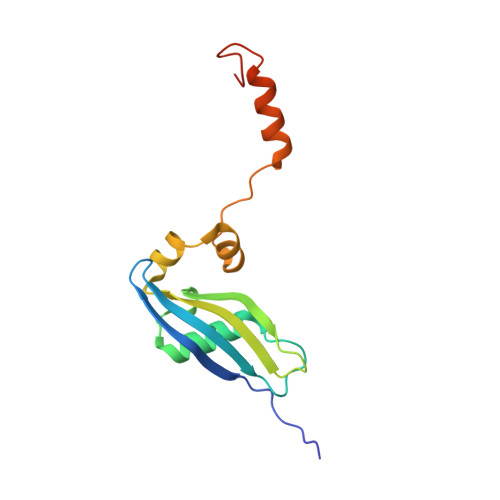
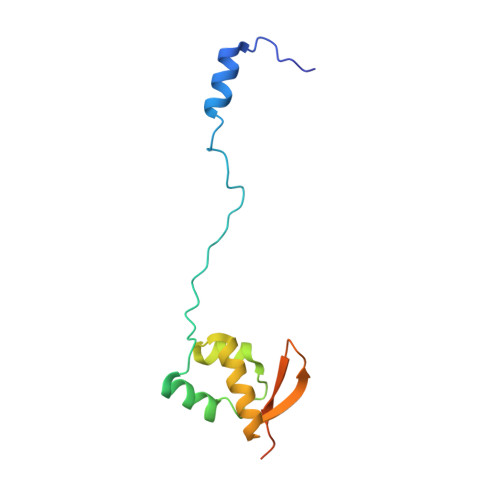
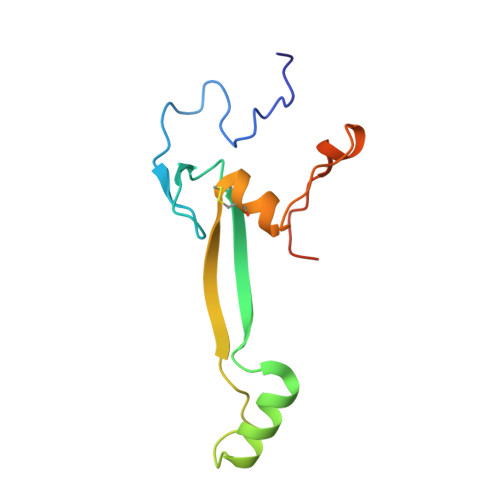
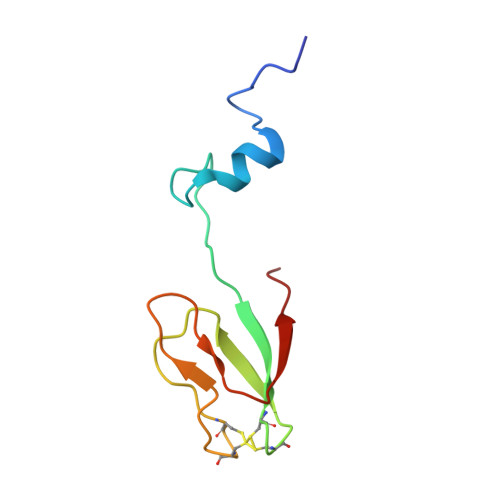
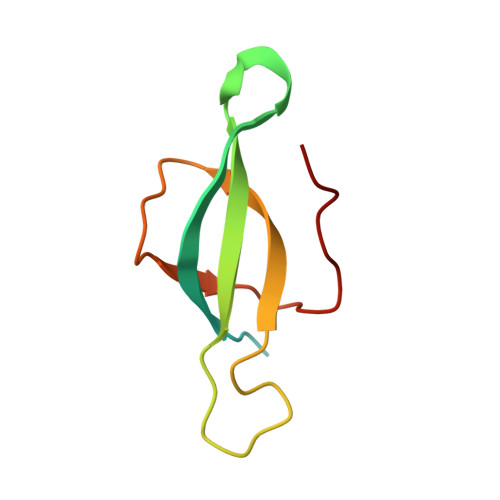
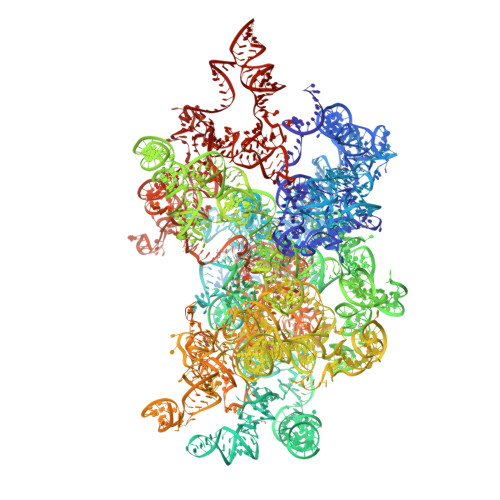
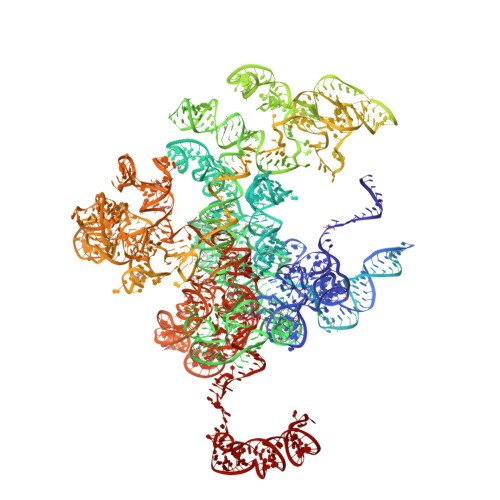
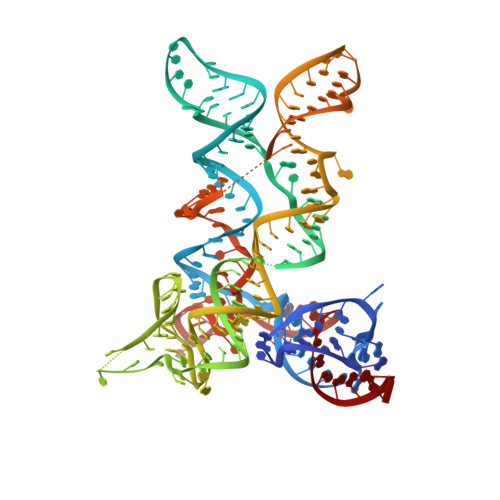
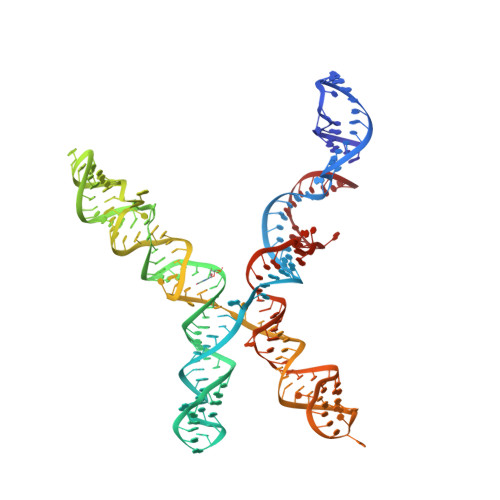
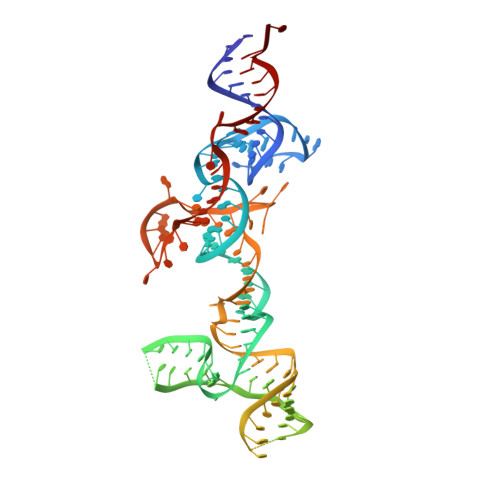
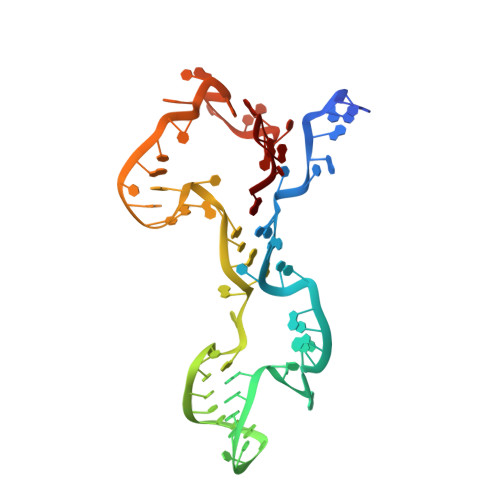
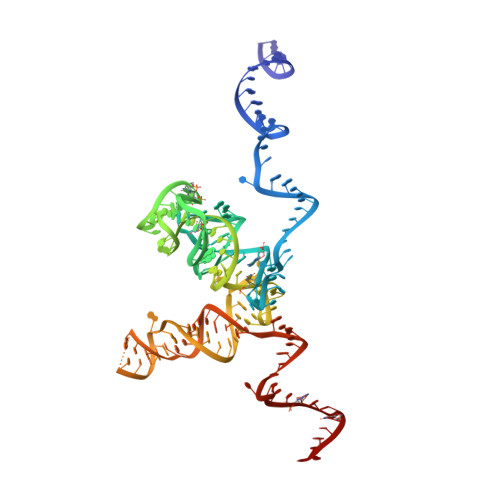
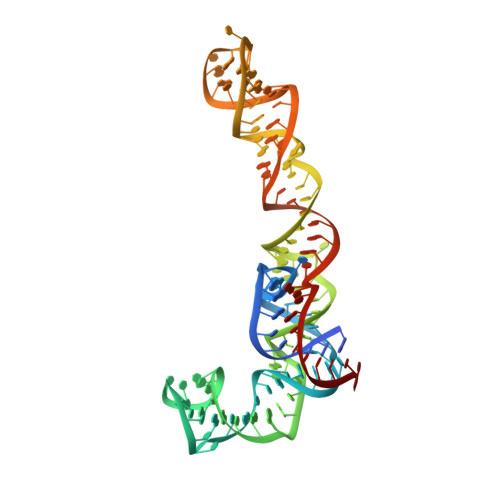
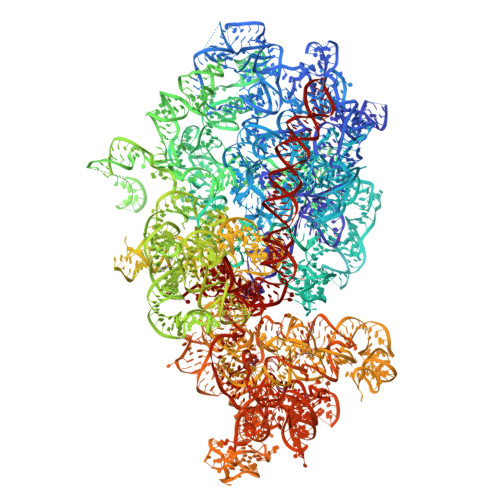
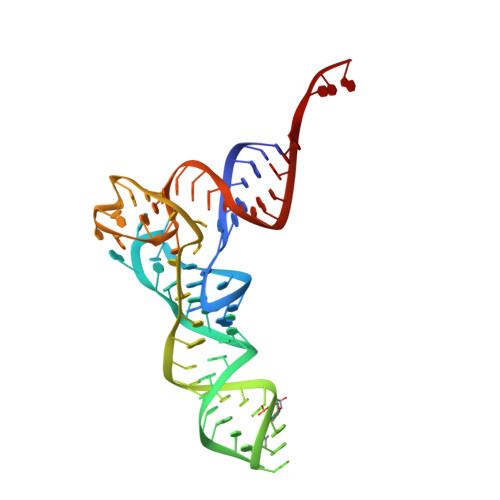
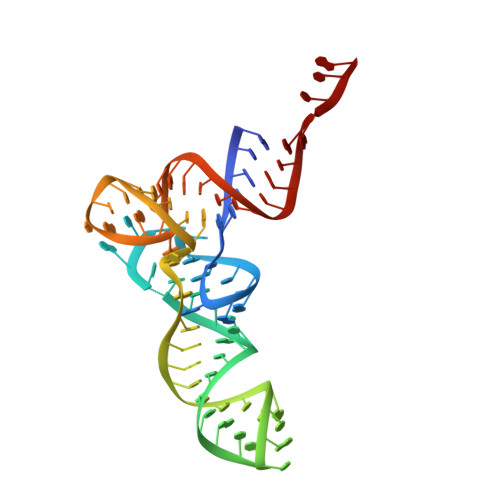
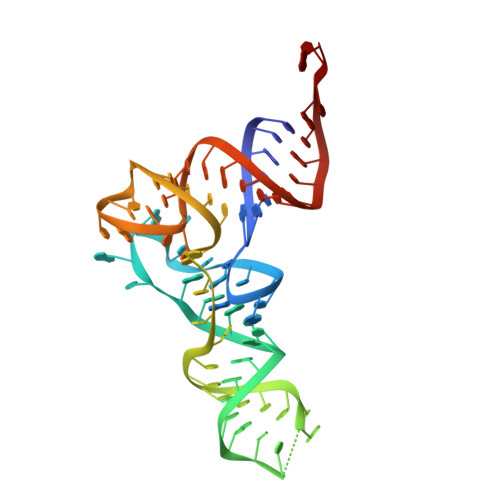
Leishmania is the causative agent of cutaneous and visceral diseases affecting millions of individuals worldwide. Pseudouridine (Ψ), the most abundant modification on rRNA, changes during the parasite life cycle. Alterations in the level of a specific Ψ in helix 69 (H69) affected ribosome function. To decipher the molecular mechanism of this phenotype, we determine the structure of ribosomes lacking the single Ψ and its parental strain at ∼2.4-3 Å resolution using cryo-EM. Our findings demonstrate the significance of a single Ψ on H69 to its structure and the importance for its interactions with helix 44 and specific tRNAs. Our study suggests that rRNA modification affects translation of mRNAs carrying codon bias due to selective accommodation of tRNAs by the ribosome. Based on the high-resolution structures, we propose a mechanism explaining how the ribosome selects specific tRNAs.
Organizational Affiliation:
Department of Chemical and Structural Biology, The Weizmann Institute of Science, Rehovot 76100001, Israel; The Mina and Everard Goodman Faculty of Life Sciences and Advanced and Nanotechnology Institute, Bar-Ilan University, Ramat-Gan 52900, Israel.
The Mina and Everard Goodman Faculty of Life Sciences and Advanced and Nanotechnology Institute, Bar-Ilan University, Ramat-Gan 52900, Israel.
Department of Chemical and Structural Biology, The Weizmann Institute of Science, Rehovot 76100001, Israel.
Institut Pasteur, Université Paris Cité, INSERM U1201, Unité de Parasitologie moléculaire et Signalisation, Paris, France.
Department of Chemistry, Graduate School of Science, Tokyo Metropolitan University, Minami-osawa 1-1, Hachioji-shi, Tokyo 192-0397, Japan.
Department of Molecular Genetics, Weizmann Institute of Science, Rehovot, Israel.
The Mina and Everard Goodman Faculty of Life Sciences and Advanced and Nanotechnology Institute, Bar-Ilan University, Ramat-Gan 52900, Israel. Electronic address: shulamit.michaeli@biu.ac.il.

 Download Mendeley