8TFL | pdb_00008tfl

Ricin in complex with Fab SylH3


Experimental Data Snapshot

  • Method: X-RAY DIFFRACTION
  • Resolution: 2.89 Å
  • R-Value Free: 
    0.287 (Depositor), 0.237 (DCC) 
  • R-Value Work: 
    0.233 (Depositor) 
  • R-Value Observed: 
    0.236 (Depositor) 

Starting Models: experimental
View more details

wwPDB Validation 3D Report Full Report

Validation slider image for 8TFL

Ligand Structure Quality Assessment 


This is version 1.1 of the entry. See complete history

Literature

Structural Basis of Antibody-Mediated Inhibition of Ricin Toxin Attachment to Host Cells.

Vance, D.J.Rudolph, M.J.Davis, S.A.Mantis, N.J.

(2023) Biochemistry 62: 3181-3187

  • DOI: https://doi.org/10.1021/acs.biochem.3c00480
  • Primary Citation Related Structures: 
    8TFH, 8TFL

  • PubMed Abstract: 

    Monoclonal antibodies, JB4 and SylH3, neutralize ricin toxin (RT) by inhibiting the galactose-specific lectin activity of the B subunit of the toxin (RTB), which is required for cell attachment and entry. It is not immediately apparent how the antibodies accomplish this feat, considering that RTB consists of two globular domains (D1, D2) each divided into three homologous subdomains (α, β, γ) with the two functional galactosyl-specific carbohydrate recognition domains (CRDs) situated on opposite poles (subdomains 1α and 2γ). Here, we report the X-ray crystal structures of JB4 and SylH3 Fab fragments bound to RTB in the context of RT. The structures revealed that neither Fab obstructed nor induced detectable conformational alterations in subdomains 1α or 2γ. Rather, JB4 and SylH3 Fabs recognize nearly identical epitopes within an ancillary carbohydrate recognition pocket located in subdomain 1β. Despite limited amino acid sequence similarity between SylH3 and JB4 Fabs, each paratope inserts a Phe side chain from the heavy (H) chain complementarity determining region (CDR3) into the 1β CRD pocket, resulting in local aromatic stacking interactions that potentially mimic a ligand interaction. Reconciling the fact that stoichiometric amounts of SylH3 and JB4 are sufficient to disarm RTB's lectin activity without evidence of allostery, we propose that subdomain 1β functions as a "coreceptor" required to stabilize glycan interactions principally mediated by subdomains 1α and 2γ. Further investigation into subdomain 1β will yield fundamental insights into the large family of R-type lectins and open novel avenues for countermeasures aimed at preventing toxin uptake into vulnerable tissues and cells.


  • Organizational Affiliation
    • Division of Infectious Diseases, Wadsworth Center, New York State Department of Health, Albany, New York 12208, United States.

Macromolecule Content 

  • Total Structure Weight: 106.11 kDa 
  • Atom Count: 7,443 
  • Modeled Residue Count: 938 
  • Deposited Residue Count: 947 
  • Unique protein chains: 4

Macromolecules

Find similar proteins by:|  3D Structure
Entity ID: 1
MoleculeChains  Sequence LengthOrganismDetailsImage
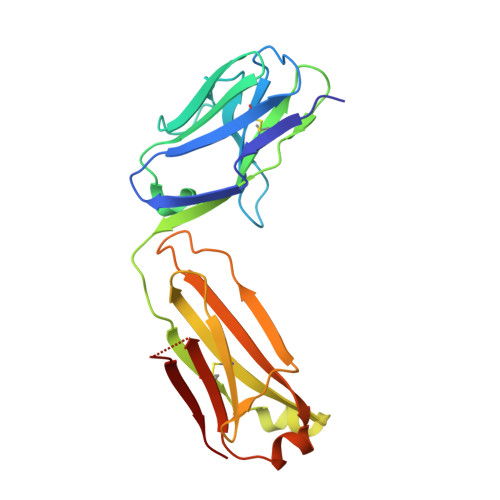
SylH3 Fab light chainA [auth L]210Mus musculusMutation(s): 0 
Find similar proteins by:|  3D Structure
Entity ID: 2
MoleculeChains  Sequence LengthOrganismDetailsImage
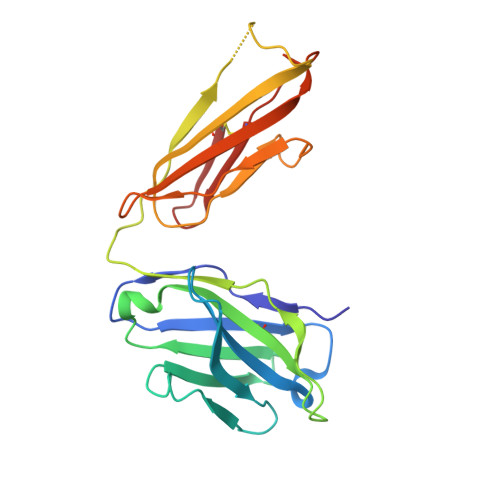
SylH3 Fab heavy chainB [auth H]216Mus musculusMutation(s): 0 
Find similar proteins by:|  3D Structure
Entity ID: 3
MoleculeChains  Sequence LengthOrganismDetailsImage
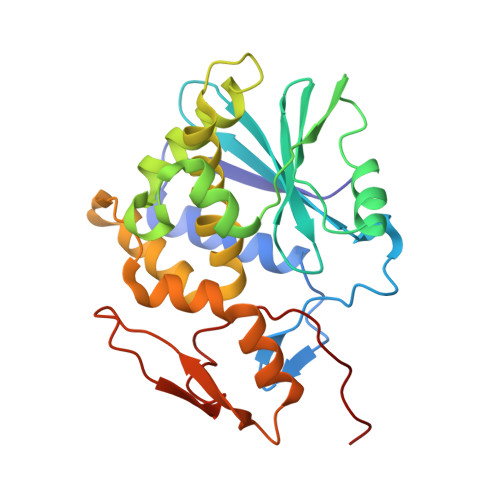
Ricin A chainC [auth A]260Ricinus communisMutation(s): 0 
EC: 3.2.2.22
UniProt
Find proteins for P02879 (Ricinus communis)
Explore P02879 
Go to UniProtKB:  P02879
Entity Groups
Sequence Clusters30% Identity50% Identity70% Identity90% Identity95% Identity100% Identity
UniProt GroupP02879
Sequence Annotations
Expand
Reference Sequence
Find similar proteins by:|  3D Structure
Entity ID: 4
MoleculeChains  Sequence LengthOrganismDetailsImage
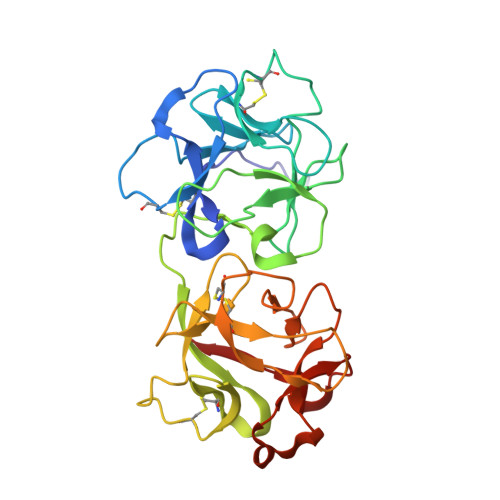
Ricin B chainD [auth B]261Ricinus communisMutation(s): 0 
UniProt
Find proteins for P02879 (Ricinus communis)
Explore P02879 
Go to UniProtKB:  P02879
Entity Groups
Sequence Clusters30% Identity50% Identity70% Identity90% Identity95% Identity100% Identity
UniProt GroupP02879
Sequence Annotations
Expand
Reference Sequence

Oligosaccharides

Help  
Entity ID: 5
MoleculeChains Length2D Diagram GlycosylationD Interactions
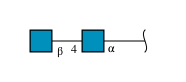
2-acetamido-2-deoxy-beta-D-glucopyranose-(1-4)-2-acetamido-2-deoxy-alpha-D-glucopyranoseE [auth C],
F [auth D]
2N/A
Glycosylation Resources
GlyTouCan: G05026ZL
GlyCosmos: G05026ZL
GlyGen: G05026ZL

Small Molecules

Ligands 2 Unique
IDChains Name / Formula / InChI Key2D Diagram3D Interactions
2PE

Query on 2PE


Download:Ideal Coordinates CCD File
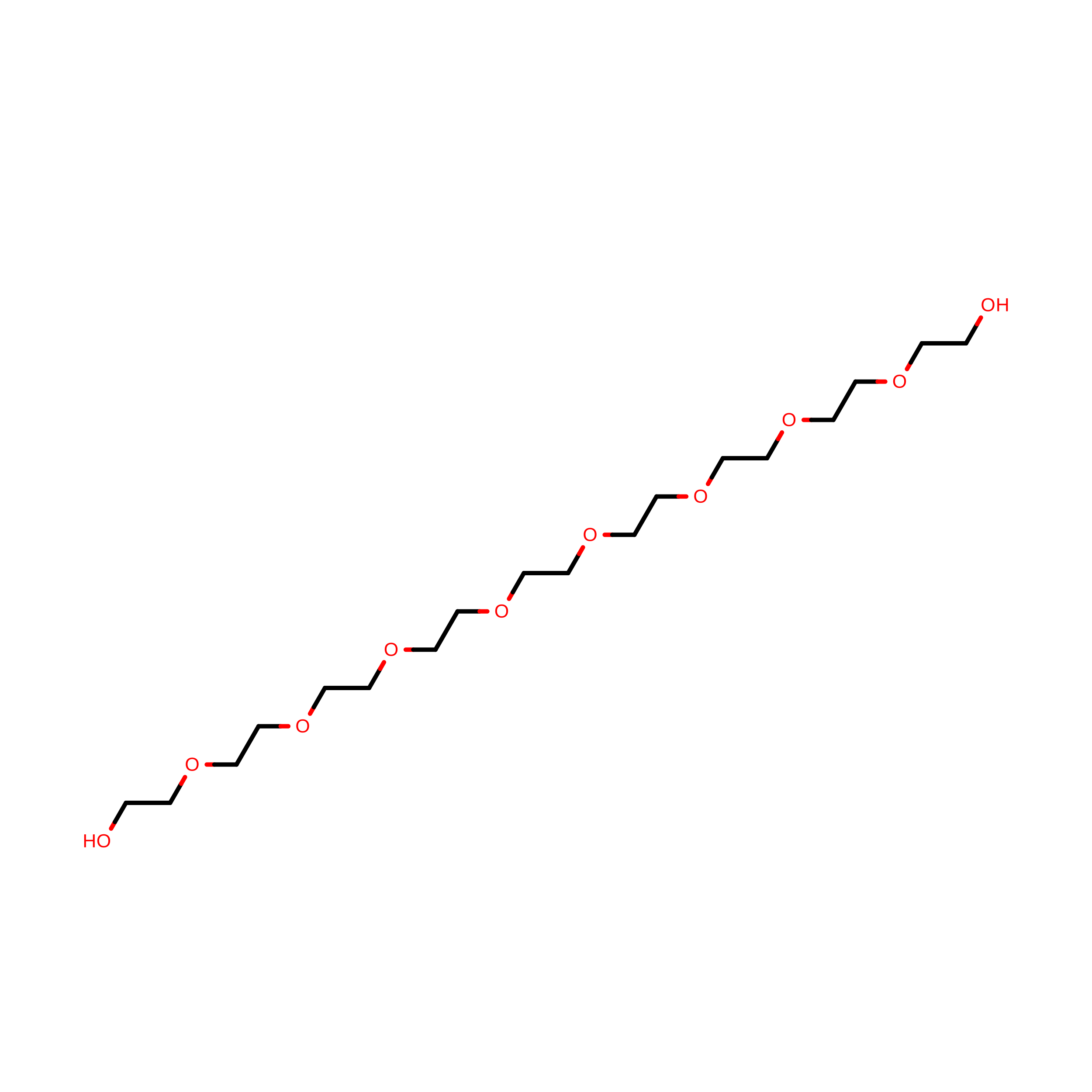
G [auth H]NONAETHYLENE GLYCOL
C18 H38 O10
YZUUTMGDONTGTN-UHFFFAOYSA-N
NDG

Query on NDG


Download:Ideal Coordinates CCD File
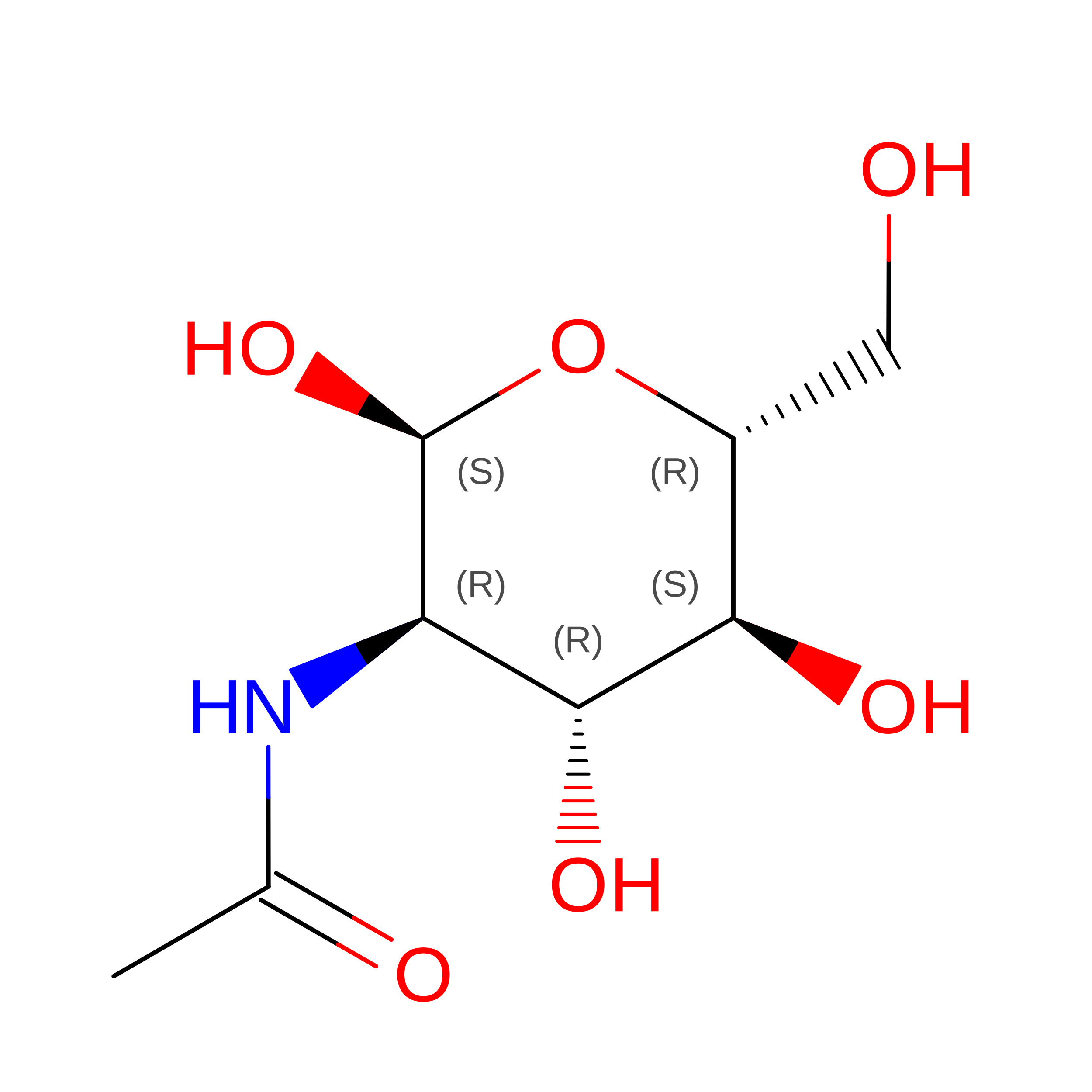
H [auth A]2-acetamido-2-deoxy-alpha-D-glucopyranose
C8 H15 N O6
OVRNDRQMDRJTHS-PVFLNQBWSA-N

Experimental Data & Validation

Experimental Data

  • Method: X-RAY DIFFRACTION
  • Resolution: 2.89 Å
  • R-Value Free:  0.287 (Depositor), 0.237 (DCC) 
  • R-Value Work:  0.233 (Depositor) 
  • R-Value Observed: 0.236 (Depositor) 
Space Group: P 1 21 1
Unit Cell:
Length ( Å )Angle ( ˚ )
a = 49.42α = 90
b = 126.927β = 92.74
c = 102.027γ = 90
Software Package:
Software NamePurpose
PHENIXrefinement
HKL-2000data reduction
HKL-2000data scaling
PHASERphasing

Structure Validation

View Full Validation Report


Ligand Structure Quality Assessment 


Entry History 

& Funding Information

Deposition Data


Funding OrganizationLocationGrant Number
National Institutes of Health/National Institute Of Allergy and Infectious Diseases (NIH/NIAID)United StatesHHSN272201400021C

Revision History  (Full details and data files)

  • Version 1.0: 2024-04-17
    Type: Initial release
  • Version 1.1: 2024-11-20
    Changes: Structure summary