Download Mendeley
The novel potent TEAD inhibitor, K-975, inhibits YAP1/TAZ-TEAD protein-protein interactions and exerts an anti-tumor effect on malignant pleural mesothelioma.
Kaneda, A., Seike, T., Danjo, T., Nakajima, T., Otsubo, N., Yamaguchi, D., Tsuji, Y., Hamaguchi, K., Yasunaga, M., Nishiya, Y., Suzuki, M., Saito, J.I., Yatsunami, R., Nakamura, S., Sekido, Y., Mori, K.(2020) Am J Cancer Res 10: 4399-4415
- PubMed: 33415007 Search on PubMedSearch on PubMed Central
- Primary Citation Related Structures:
7CMM - PubMed Abstract:
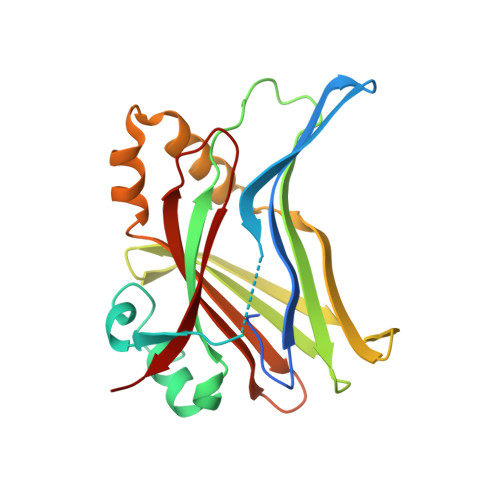
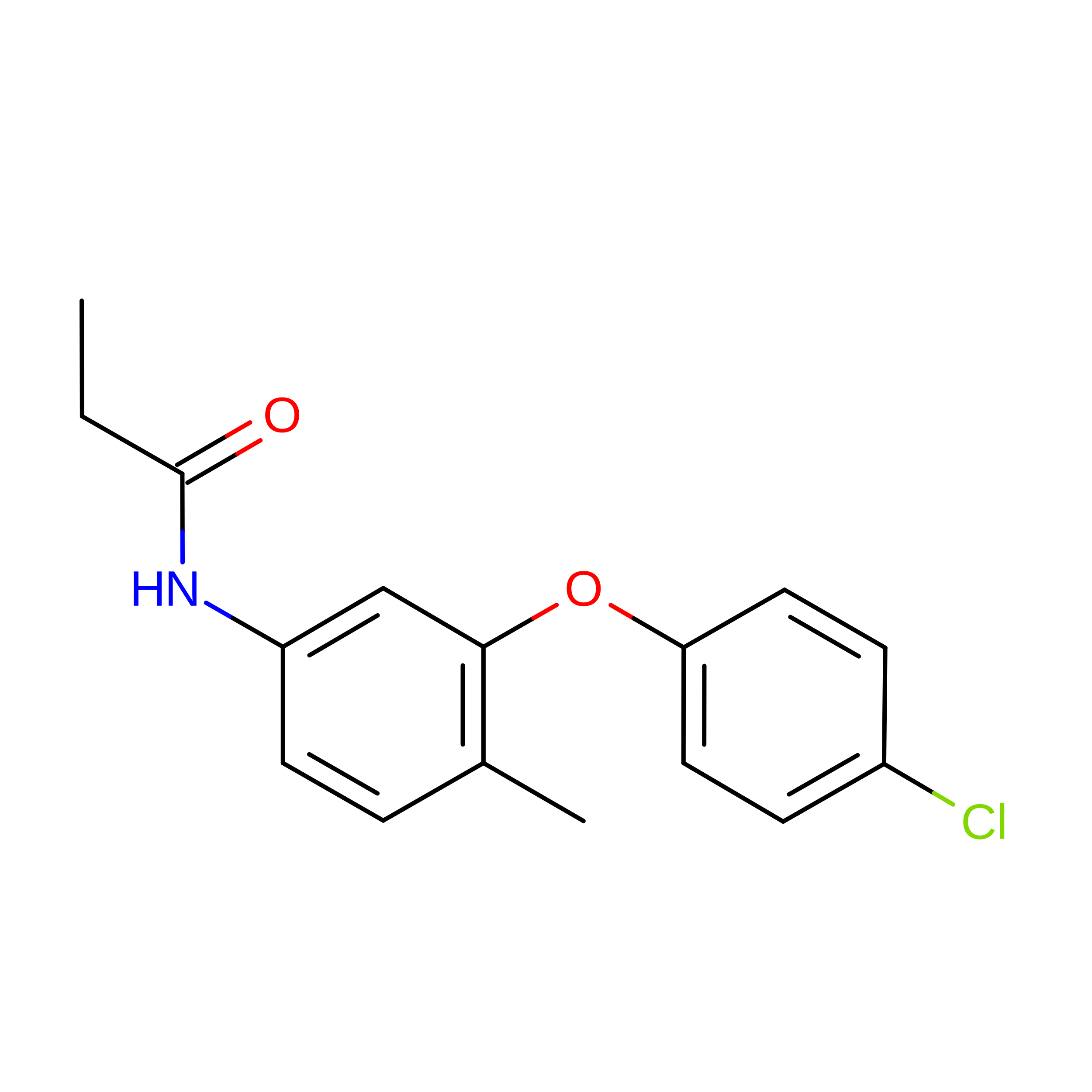
The Hippo signaling pathway regulates cell fate and organ development. In the Hippo pathway, transcriptional enhanced associate domain (TEAD) which is a transcription factor is activated by forming a complex with yes-associated protein 1 (YAP1) or transcriptional coactivator with PDZ-binding motif (TAZ, also called WWTR1). Hyper-activation of YAP1/TAZ, leading to the activation of TEAD, has been reported in many cancers, including malignant pleural mesothelioma (MPM). Therefore, the YAP1/TAZ-TEAD complex is considered a novel therapeutic target for cancer treatment. However, few reports have described YAP1/TAZ-TEAD inhibitors, and their efficacy and selectivity are poor. In this study, we performed a high-throughput screening of a neurofibromin 2 (NF2)-deficient MPM cell line and a large tumor suppressor kinase 1/2 (LATS1/2)-deficient non-small-cell lung cancer cell line using a transcriptional reporter assay. After screening and optimization, K-975 was successfully identified as a potent inhibitor of YAP1/TAZ-TEAD signaling. X-ray crystallography revealed that K-975 was covalently bound to an internal cysteine residue located in the palmitate-binding pocket of TEAD. K-975 had a strong inhibitory effect against protein-protein interactions between YAP1/TAZ and TEAD in cell-free and cell-based assays. Furthermore, K-975 potently inhibited the proliferation of NF2-non-expressing MPM cell lines compared with NF2-expressing MPM cell lines. K-975 also suppressed tumor growth and provided significant survival benefit in MPM xenograft models. These findings indicate that K-975 is a strong and selective TEAD inhibitor with the potential to become an effective drug candidate for MPM therapy.
- R&D Division, Kyowa Kirin Co., Ltd Shizuoka, Japan.
Organizational Affiliation: