Download Mendeley
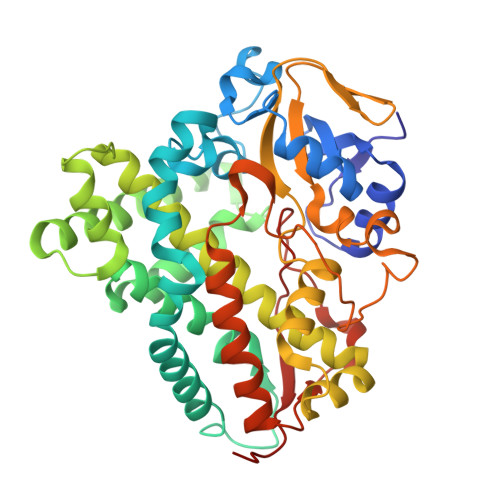
Characterization of two steroid hydroxylases from different Streptomyces spp. and their ligand-bound and -unbound crystal structures.
Dangi, B., Lee, C.W., Kim, K.H., Park, S.H., Yu, E.J., Jeong, C.S., Park, H., Lee, J.H., Oh, T.J.(2019) FEBS J 286: 1683-1699
- PubMed: 30552795 Search on PubMed
- DOI: https://doi.org/10.1111/febs.14729
- Primary Citation Related Structures:
6A7I, 6A7J - PubMed Abstract:
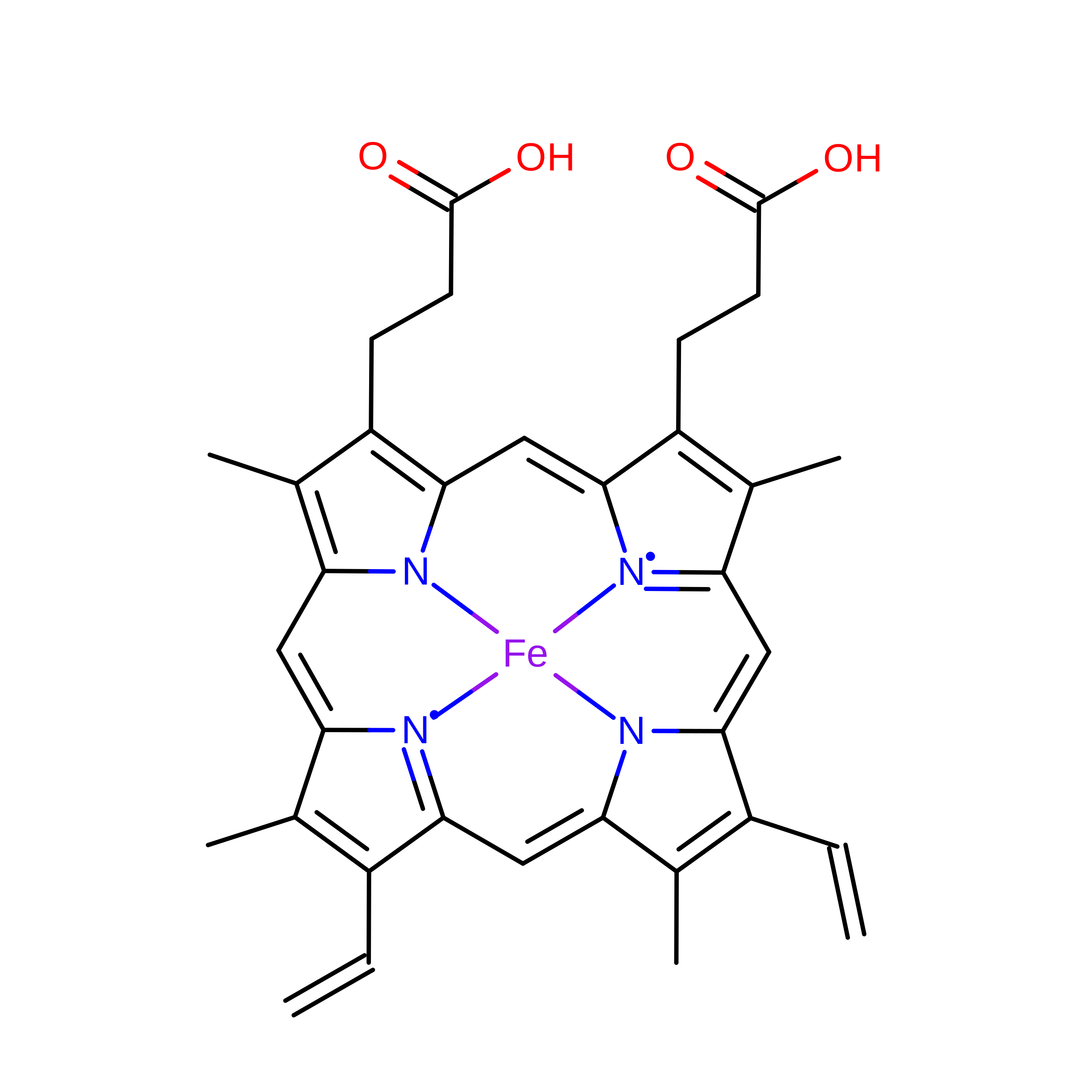
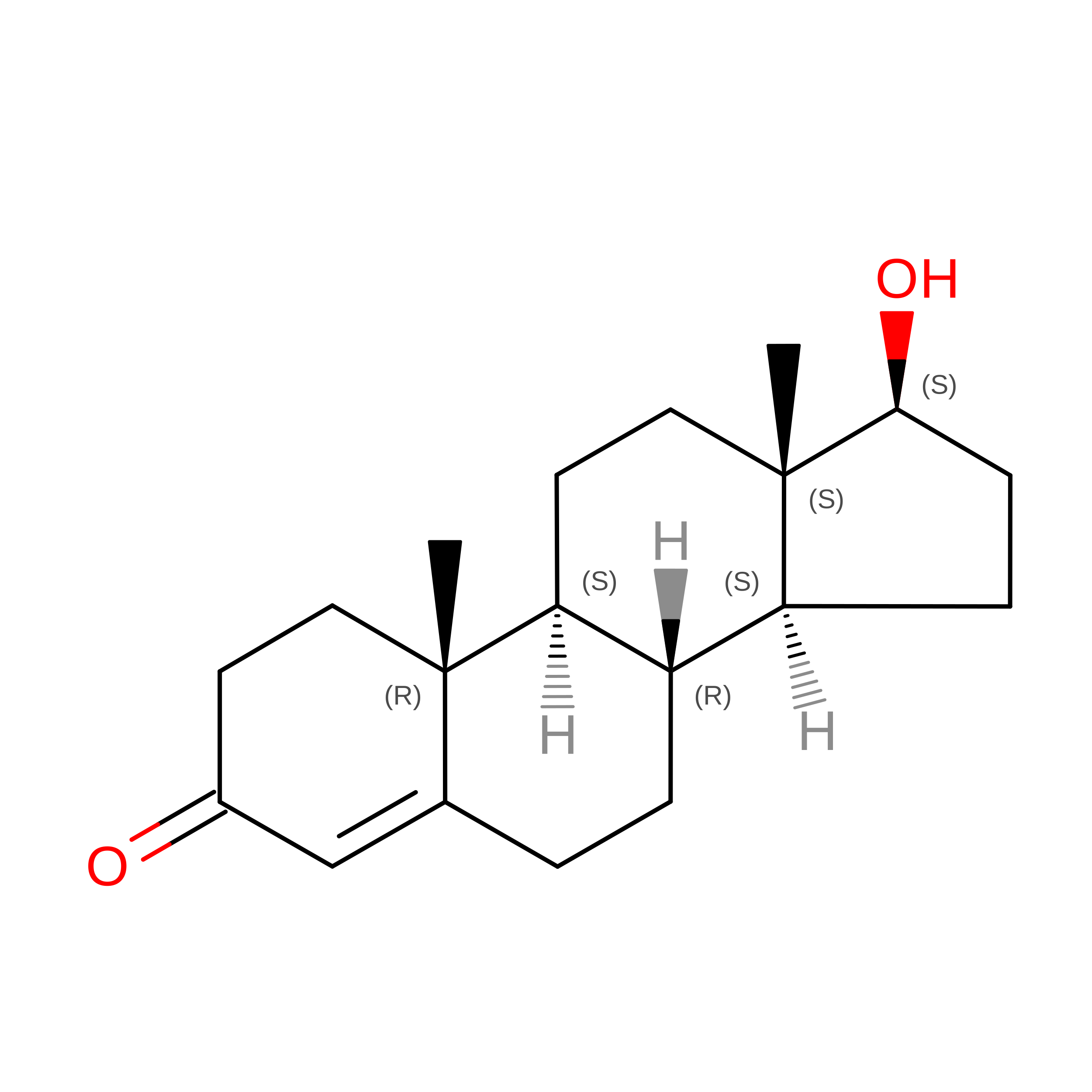
Bacterial cytochrome P450 (CYP) enzymes are involved in the hydroxylation of various endogenous substrates while using a heme molecule as a cofactor. CYPs have gained biotechnological interest as useful biocatalysts capable of altering chemical structures by adding a hydroxyl group in a regiospecific manner. Here, we identified, purified, and characterized two CYP154C4 proteins from Streptomyces sp. W2061 (StCYP154C4-1) and Streptomyces sp. ATCC 11861 (StCYP154C4-2). Activity assays showed that both StCYP154C4-1 and StCYP154C4-2 can produce 2'-hydroxylated testosterone, which differs from the activity of a previously described NfCYP154C5 from Nocardia farcinica in terms of its 16α-hydroxylation of testosterone. To better understand the molecular basis of the regioselectivity of these two CYP154C4 proteins, crystal structures of the ligand-unbound form of StCYP154C4-1 and the testosterone-bound form of StCYP154C4-2 were determined. Comparison with the previously determined NfCYP154C5 structure revealed differences in the substrate-binding residues, suggesting a likely explanation for the different patterns of testosterone hydroxylation, despite the high sequence similarities between the enzymes (54% identity). These findings provide valuable insights that will enable protein engineering for the development of artificial steroid-related CYPs exhibiting different regiospecificity.
- Department of Life Science and Biochemical Engineering, Sunmoon University, Asansi, Korea.
Organizational Affiliation: