5N2A | pdb_00005n2a

METHYL-COENZYME M REDUCTASE III FROM METHANOTORRIS FORMICICUS TRIGONAL FORM


Experimental Data Snapshot

  • Method: X-RAY DIFFRACTION
  • Resolution: 2.80 Å
  • R-Value Free: 
    0.221 (Depositor), 0.241 (DCC) 
  • R-Value Work: 
    0.198 (Depositor), 0.218 (DCC) 
  • R-Value Observed: 
    0.199 (Depositor) 

Starting Model: experimental
View more details

wwPDB Validation 3D Report Full Report

Validation slider image for 5N2A

Ligand Structure Quality Assessment 


This is version 2.1 of the entry. See complete history

Literature

Phylogenetic and Structural Comparisons of the Three Types of Methyl Coenzyme M Reductase from Methanococcales and Methanobacteriales.

Wagner, T.Wegner, C.E.Kahnt, J.Ermler, U.Shima, S.

(2017) J Bacteriol 199

  • DOI: https://doi.org/10.1128/JB.00197-17
  • Primary Citation Related Structures: 
    5N1Q, 5N28, 5N2A

  • PubMed Abstract: 

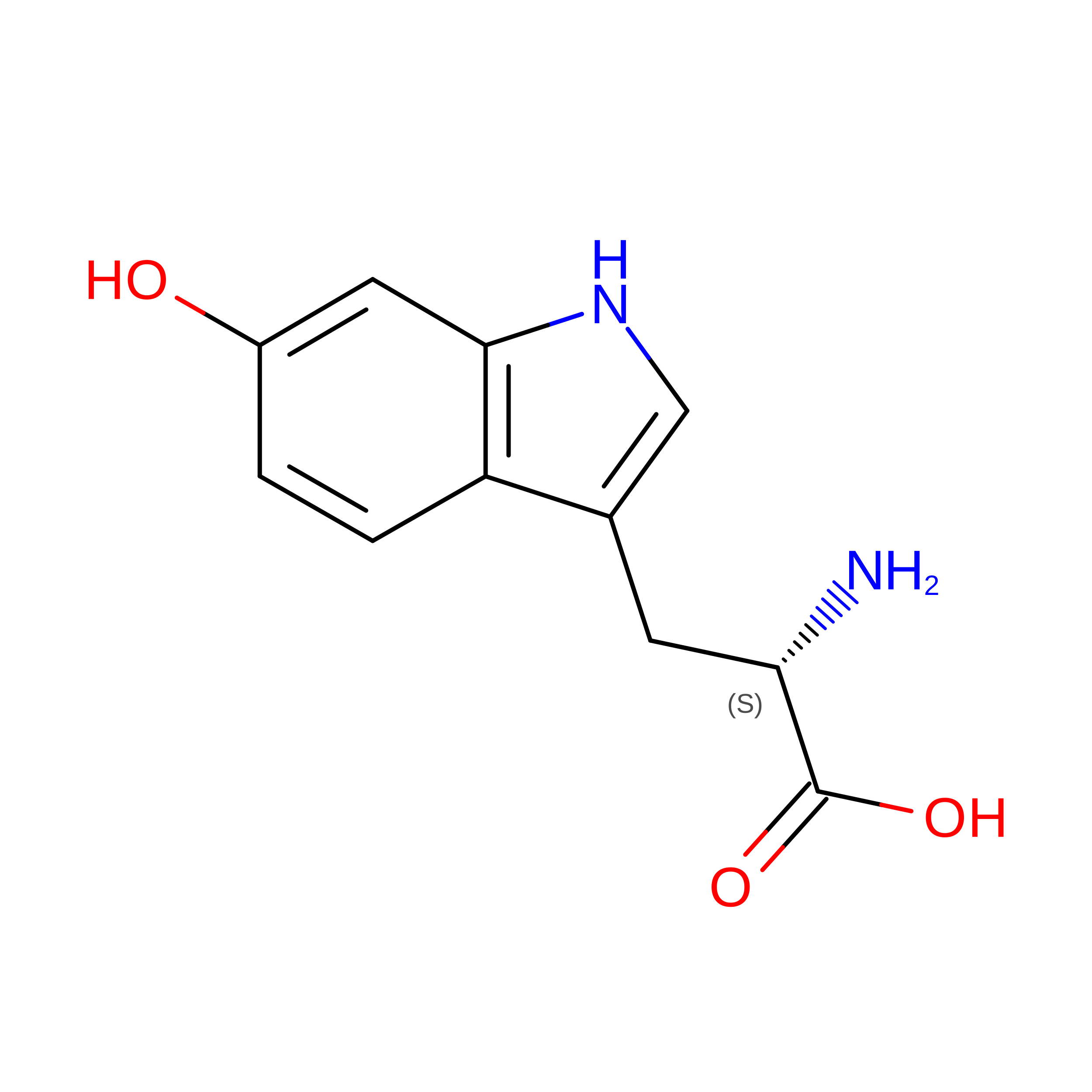
    The phylogenetically diverse family of methanogenic archaea universally use methyl coenzyme M reductase (MCR) for catalyzing the final methane-forming reaction step of the methanogenic energy metabolism. Some methanogens of the orders Methanobacteriales and Methanococcales contain two isoenzymes. Comprehensive phylogenetic analyses on the basis of all three subunits grouped MCRs from Methanobacteriales and Methanococcales into three distinct types: (i) MCRs from Methanobacteriales , (ii) MCRs from Methanobacteriales and Methanococcales , and (iii) MCRs from Methanococcales The first and second types contain MCR isoenzymes I and II from Methanothermobacter marburgensis , respectively; therefore, they were designated MCR type I and type II and accordingly; the third one was designated MCR type III. For comparison with the known MCR type I and type II structures, we determined the structure of MCR type III from Methanotorris formicicus and Methanothermococcus thermolithotrophicus As predicted, the three MCR types revealed highly similar overall structures and virtually identical active site architectures reflecting the chemically challenging mechanism of methane formation. Pronounced differences were found at the protein surface with respect to loop geometries and electrostatic properties, which also involve the entrance of the active-site funnel. In addition, the C-terminal end of the γ-subunit is prolonged by an extra helix after helix γ8 in MCR type II and type III, which is, however, differently arranged in the two MCR types. MCR types I, II, and III share most of the posttranslational modifications which appear to fine-tune the enzymatic catalysis. Interestingly, MCR type III lacks the methyl-cysteine but possesses in subunit α of M. formicicus a 6-hydroxy-tryptophan, which thus far has been found only in the α-amanitin toxin peptide but not in proteins. IMPORTANCE Methyl coenzyme M reductase (MCR) represents a prime target for the mitigation of methane releases. Phylogenetic analyses of MCRs suggested several distinct sequence clusters; those from Methanobacteriales and Methanococcales were subdivided into three types: MCR type I from Methanobacteriales , MCR type II from Methanobacteriales and Methanococcales , and the newly designated MCR type III exclusively from Methanococcales We determined the first X-ray structures for an MCR type III. Detailed analyses revealed substantial differences between the three types only in the peripheral region. The subtle modifications identified and electrostatic profiles suggested enhanced substrate binding for MCR type III. In addition, MCR type III from Methanotorris formicicus contains 6-hydroxy-tryptophan, a new posttranslational modification that thus far has been found only in the α-amanitin toxin.


  • Organizational Affiliation
    • Max-Planck-Institut für Terrestrische Mikrobiologie, Marburg, Germany.

Macromolecule Content 

  • Total Structure Weight: 140.51 kDa 
  • Atom Count: 9,806 
  • Modeled Residue Count: 1,249 
  • Deposited Residue Count: 1,256 
  • Unique protein chains: 3

Macromolecules

Find similar proteins by:|  3D Structure
Entity ID: 1
MoleculeChains  Sequence LengthOrganismDetailsImage
Methyl-coenzyme M reductase subunit alpha552Methanotorris formicicus Mc-S-70Mutation(s): 0 
EC: 2.8.4.1
UniProt
Find proteins for H1KXL5 (Methanotorris formicicus Mc-S-70)
Explore H1KXL5 
Go to UniProtKB:  H1KXL5
Entity Groups
Sequence Clusters30% Identity50% Identity70% Identity90% Identity95% Identity100% Identity
UniProt GroupH1KXL5
Sequence Annotations
Expand
Reference Sequence
Find similar proteins by:|  3D Structure
Entity ID: 2
MoleculeChains  Sequence LengthOrganismDetailsImage
Methyl-coenzyme M reductase, beta subunit444Methanotorris formicicus Mc-S-70Mutation(s): 0 
EC: 2.8.4.1
UniProt
Find proteins for H1KXL9 (Methanotorris formicicus Mc-S-70)
Explore H1KXL9 
Go to UniProtKB:  H1KXL9
Entity Groups
Sequence Clusters30% Identity50% Identity70% Identity90% Identity95% Identity100% Identity
UniProt GroupH1KXL9
Sequence Annotations
Expand
Reference Sequence
Find similar proteins by:|  3D Structure
Entity ID: 3
MoleculeChains  Sequence LengthOrganismDetailsImage
Methyl-coenzyme M reductase, gamma subunit260Methanotorris formicicus Mc-S-70Mutation(s): 0 
EC: 2.8.4.1
UniProt
Find proteins for H1KXL6 (Methanotorris formicicus Mc-S-70)
Explore H1KXL6 
Go to UniProtKB:  H1KXL6
Entity Groups
Sequence Clusters30% Identity50% Identity70% Identity90% Identity95% Identity100% Identity
UniProt GroupH1KXL6
Sequence Annotations
Expand
Reference Sequence

Small Molecules

Ligands 5 Unique
IDChains Name / Formula / InChI Key2D Diagram3D Interactions
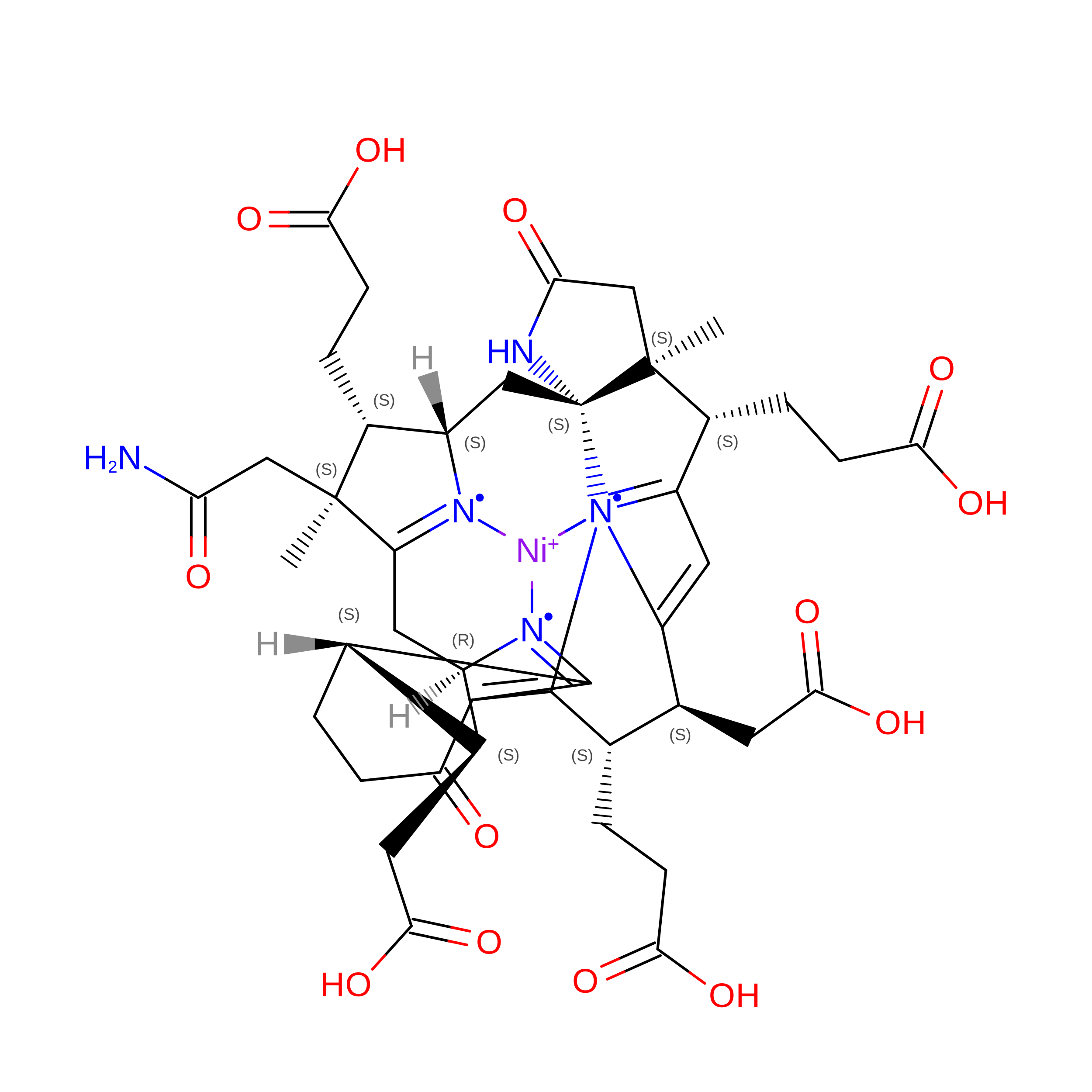
F43

Query on F43


Download:Ideal Coordinates CCD File
F [auth A]FACTOR 430
C42 H51 N6 Ni O13
XLFIRMYGVLUNOY-SXMZNAGASA-M
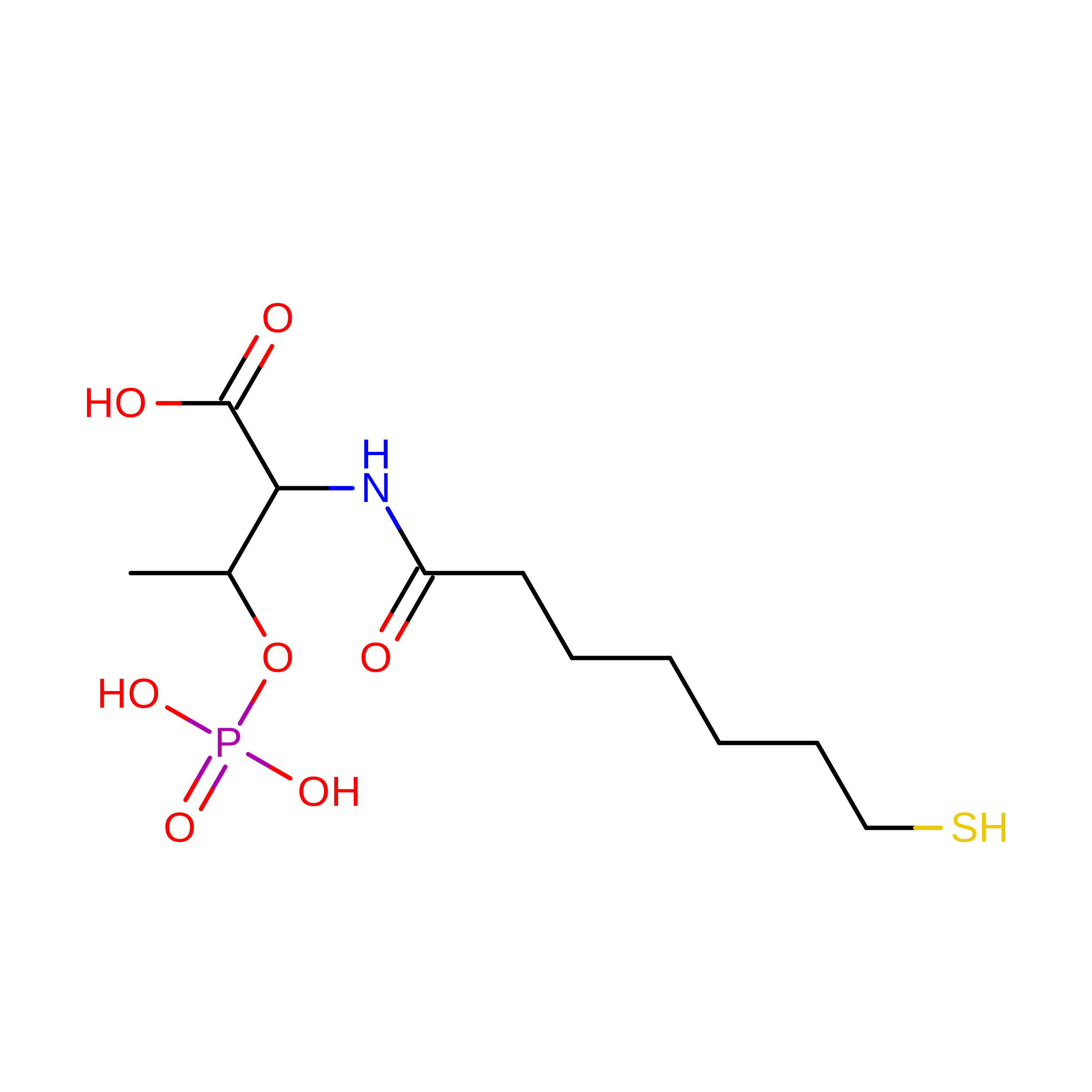
TP7

Query on TP7


Download:Ideal Coordinates CCD File
E [auth A]Coenzyme B
C11 H22 N O7 P S
JBJSVEVEEGOEBZ-SCZZXKLOSA-N
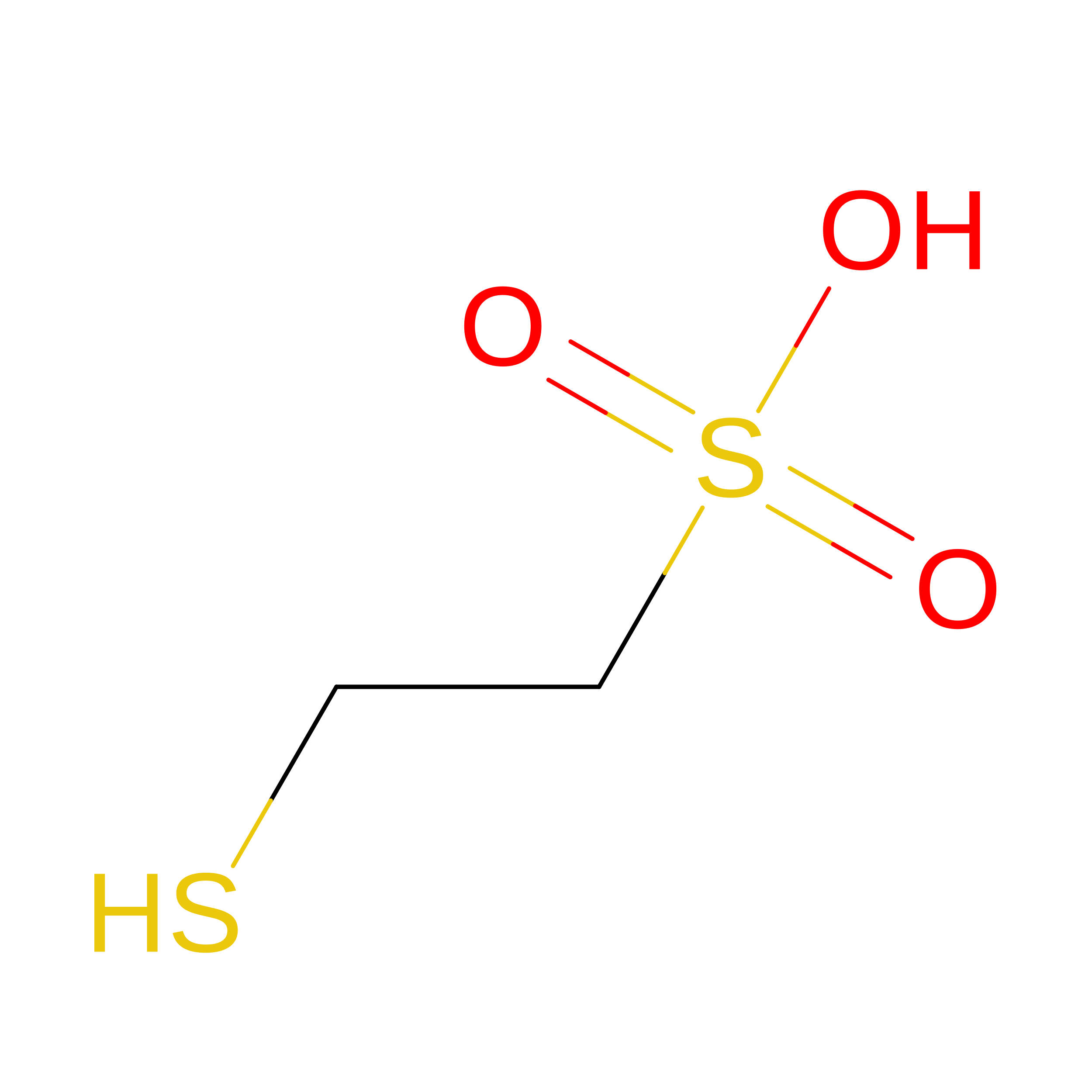
COM

Query on COM


Download:Ideal Coordinates CCD File
D [auth A]1-THIOETHANESULFONIC ACID
C2 H6 O3 S2
ZNEWHQLOPFWXOF-UHFFFAOYSA-N
BR

Query on BR


Download:Ideal Coordinates CCD File
H [auth C]BROMIDE ION
Br
CPELXLSAUQHCOX-UHFFFAOYSA-M
K

Query on K


Download:Ideal Coordinates CCD File
G [auth A]POTASSIUM ION
K
NPYPAHLBTDXSSS-UHFFFAOYSA-N
Modified Residues  5 Unique
IDChains TypeFormula2D DiagramParent
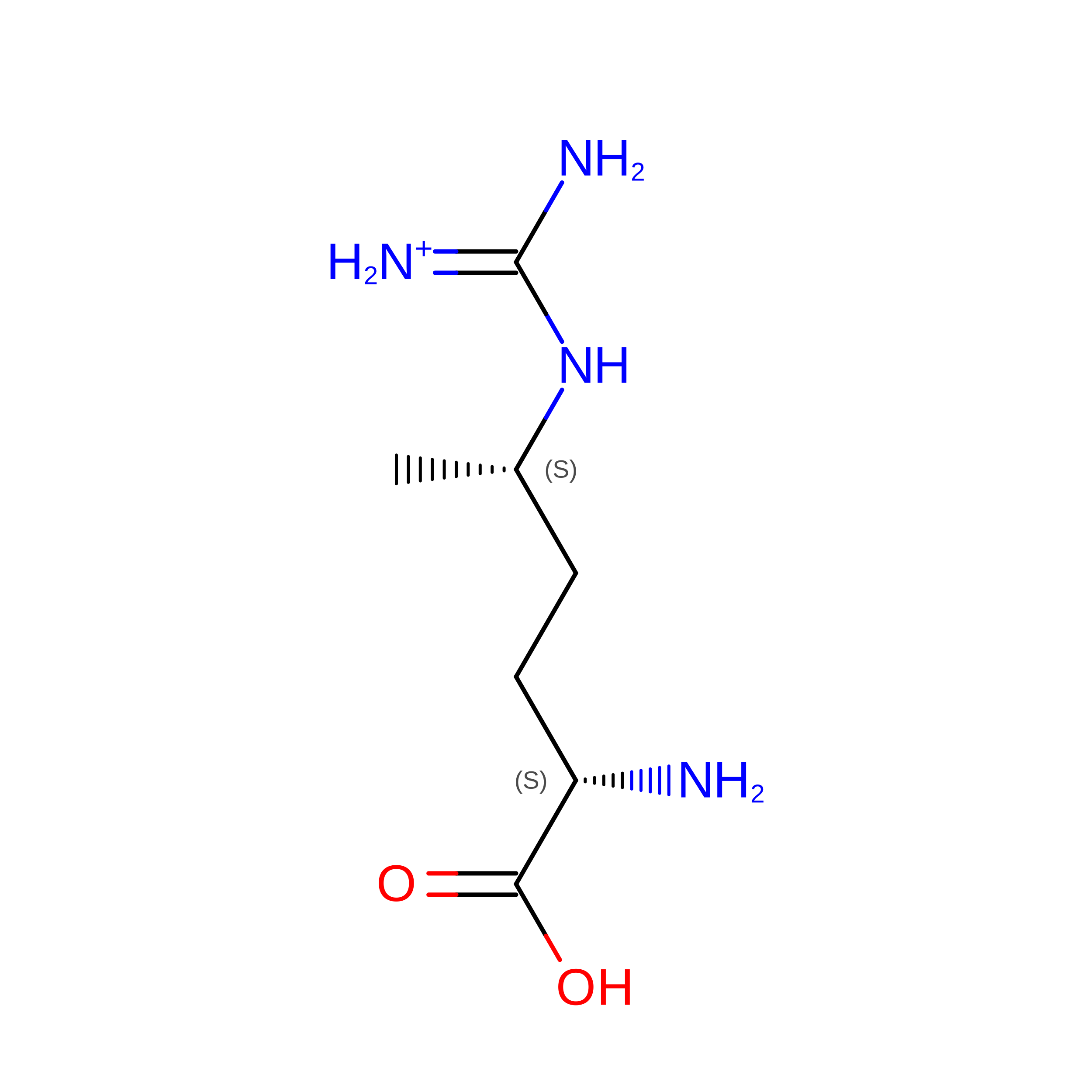
AGM
Query on AGM
A
L-PEPTIDE LINKINGC7 H17 N4 O2ARG
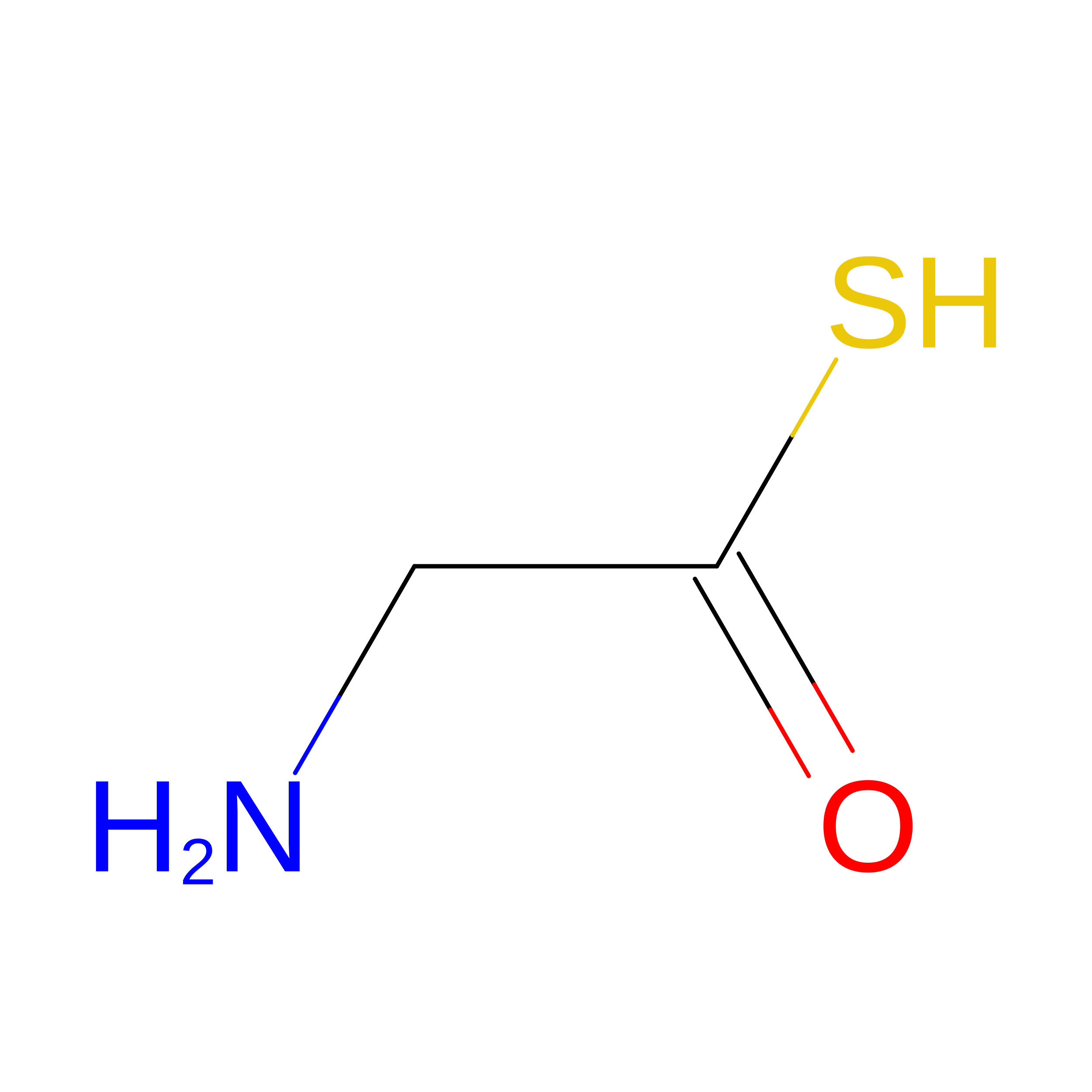
GL3
Query on GL3
A
L-PEPTIDE LINKINGC2 H5 N O SGLY
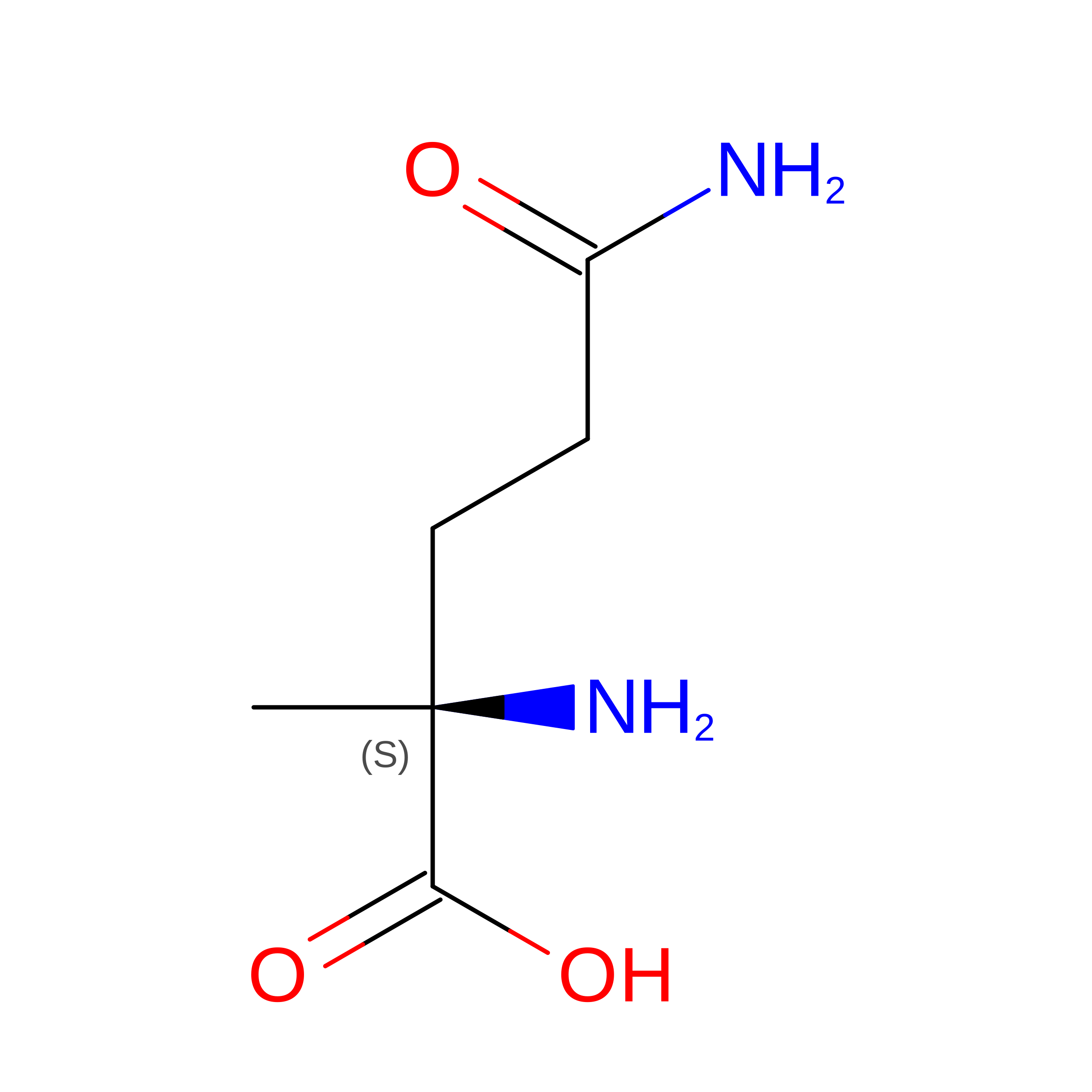
MGN
Query on MGN
A
L-PEPTIDE LINKINGC6 H12 N2 O3GLN
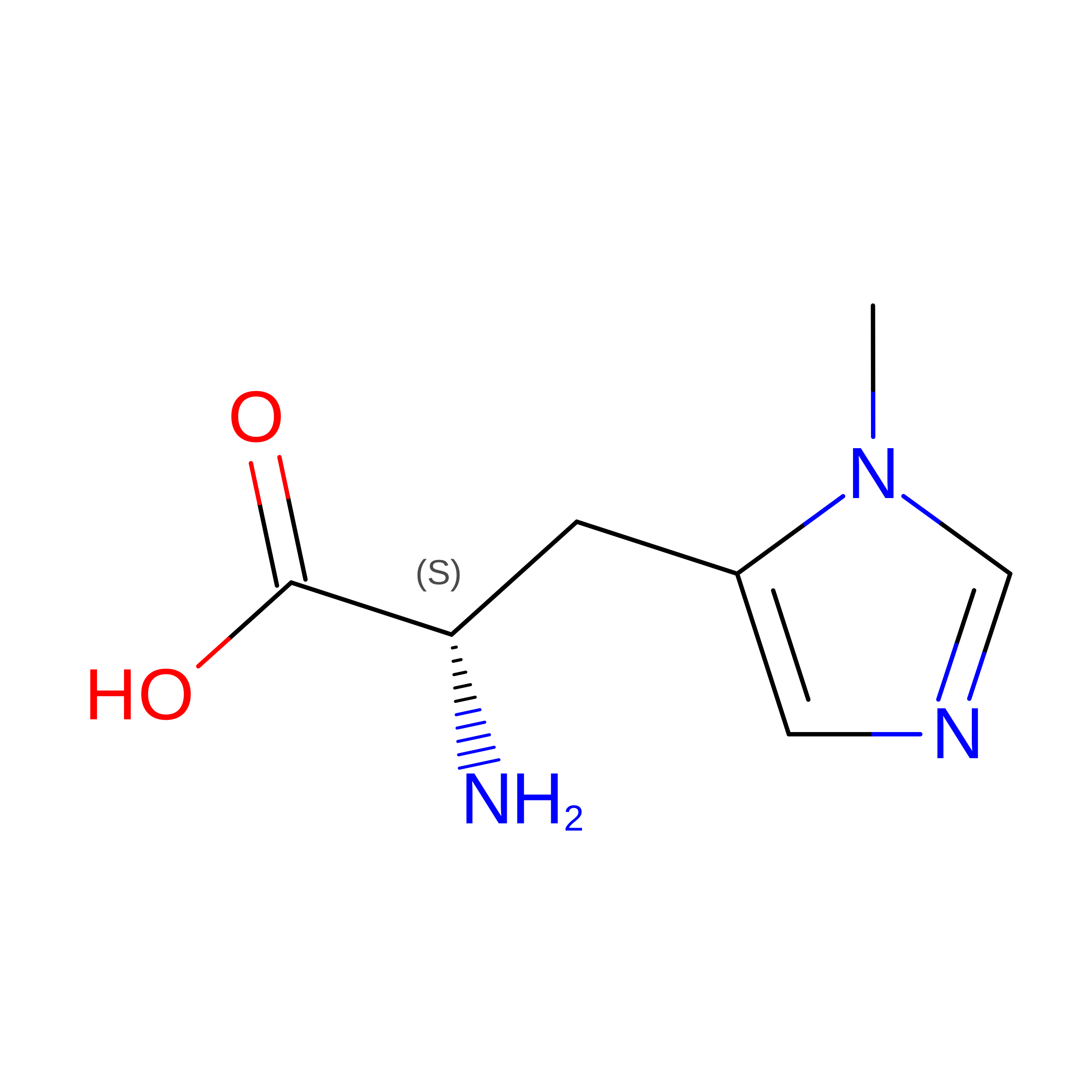
MHS
Query on MHS
A
L-PEPTIDE LINKINGC7 H11 N3 O2HIS
TRX
Query on TRX
A
L-PEPTIDE LINKINGC11 H12 N2 O3TRP

Experimental Data & Validation

Experimental Data

  • Method: X-RAY DIFFRACTION
  • Resolution: 2.80 Å
  • R-Value Free:  0.221 (Depositor), 0.241 (DCC) 
  • R-Value Work:  0.198 (Depositor), 0.218 (DCC) 
  • R-Value Observed: 0.199 (Depositor) 
Space Group: P 32 2 1
Unit Cell:
Length ( Å )Angle ( ˚ )
a = 127.699α = 90
b = 127.699β = 90
c = 160.376γ = 120
Software Package:
Software NamePurpose
BUSTERrefinement
XDSdata reduction
SCALAdata scaling
MOLREPphasing

Structure Validation

View Full Validation Report


Ligand Structure Quality Assessment 


Entry History 

Deposition Data

Revision History  (Full details and data files)

  • Version 1.0: 2017-06-14
    Type: Initial release
  • Version 2.0: 2019-04-24
    Changes: Atomic model, Data collection, Database references
  • Version 2.1: 2024-01-17
    Changes: Data collection, Database references, Derived calculations, Refinement description