Download Mendeley
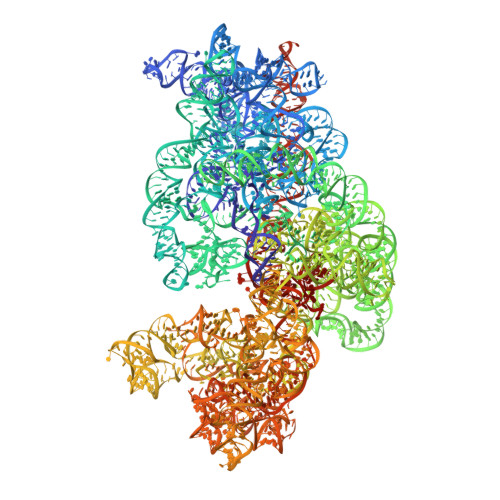
Visualization of two transfer RNAs trapped in transit during elongation factor G-mediated translocation.
Ramrath, D.J., Lancaster, L., Sprink, T., Mielke, T., Loerke, J., Noller, H.F., Spahn, C.M.(2013) Proc Natl Acad Sci U S A 110: 20964-20969
- PubMed: 24324168 Search on PubMedSearch on PubMed Central
- DOI: https://doi.org/10.1073/pnas.1320387110
- Primary Citation Related Structures:
4V7B - PubMed Abstract:
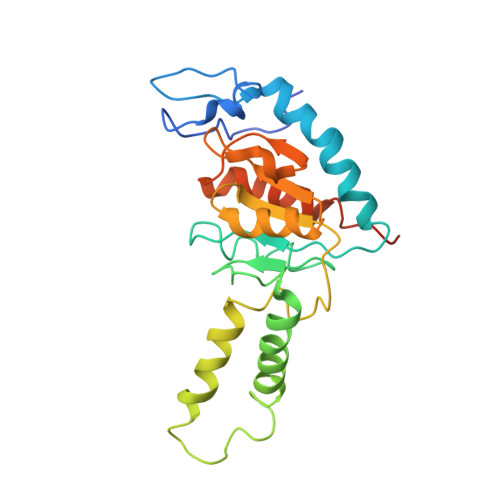
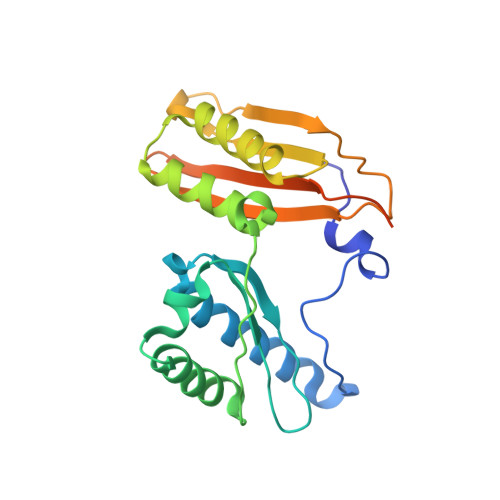
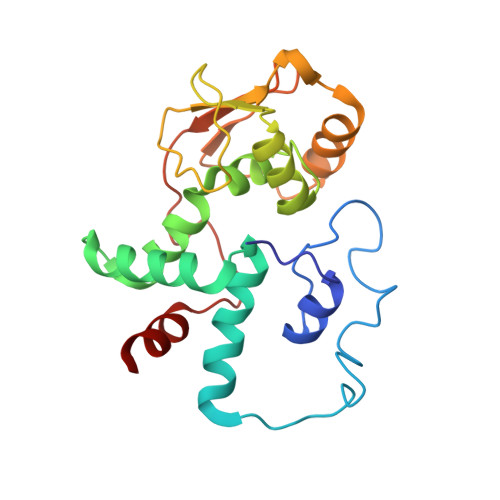
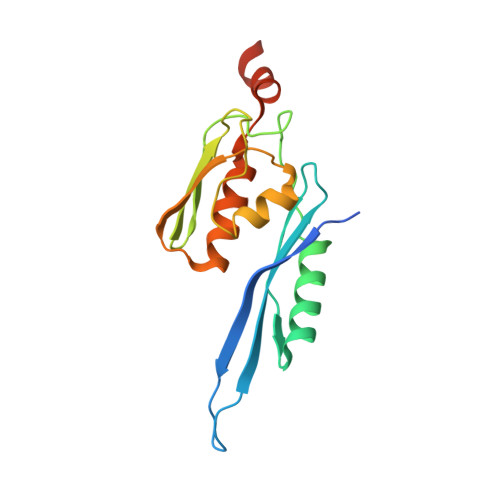
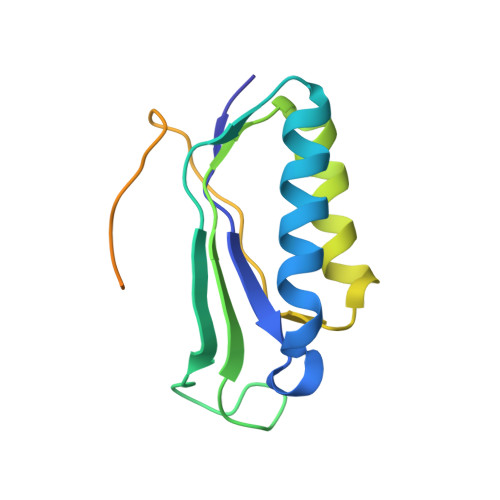
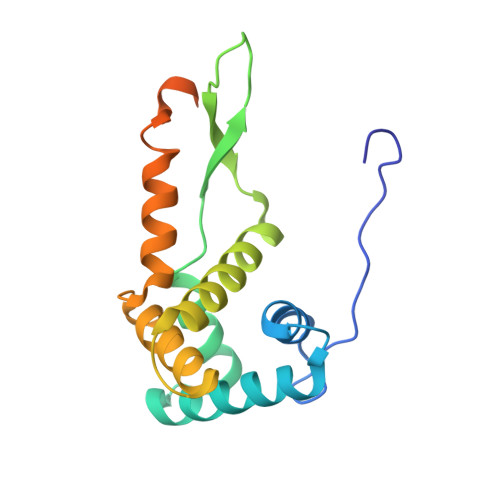
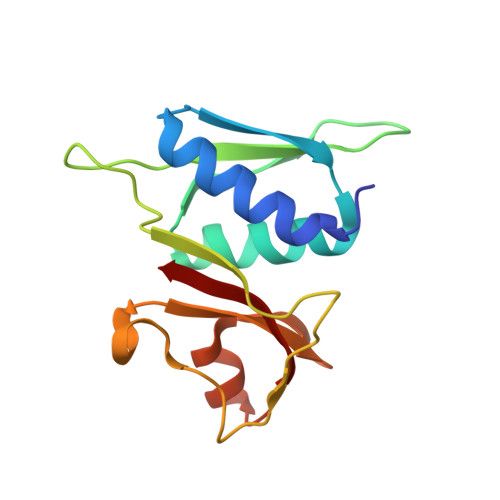
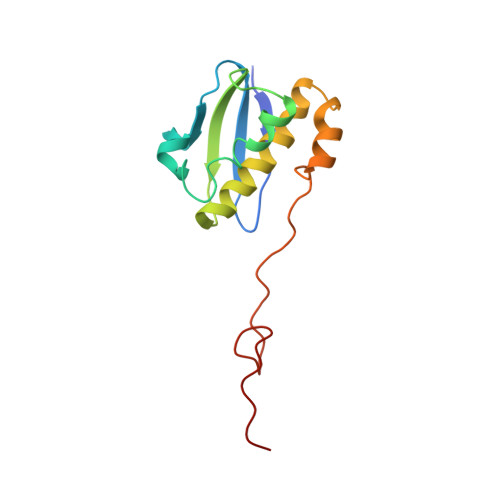
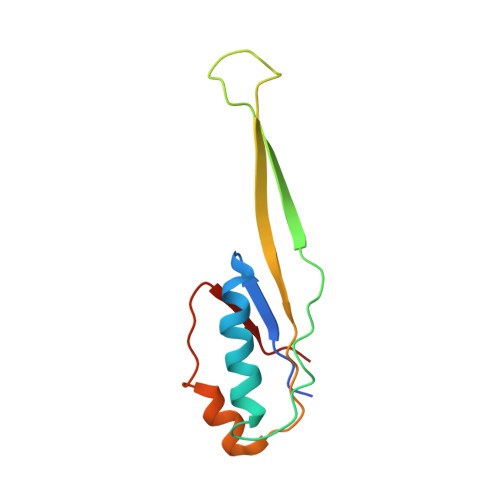
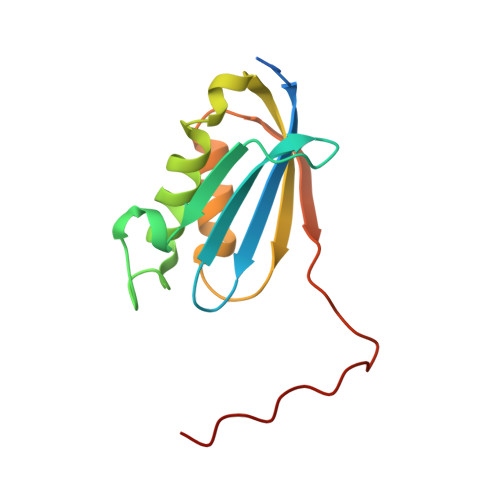
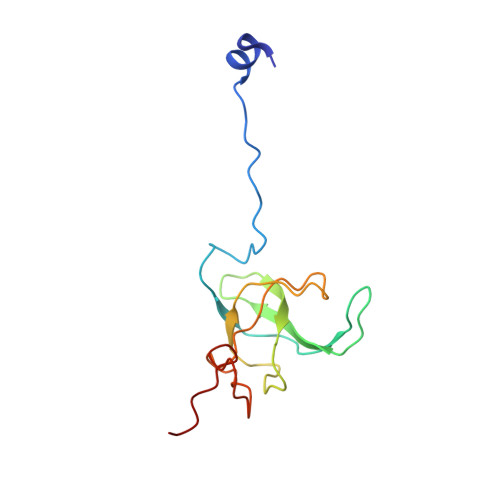
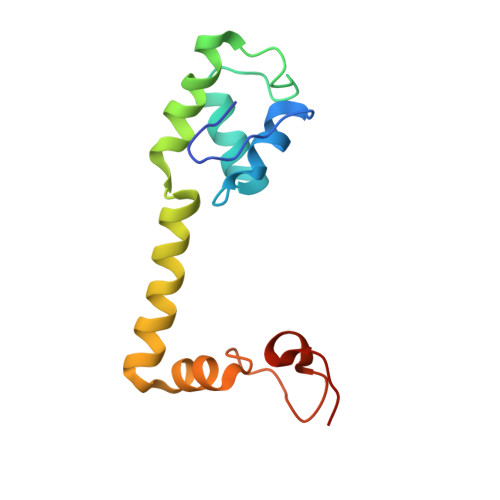
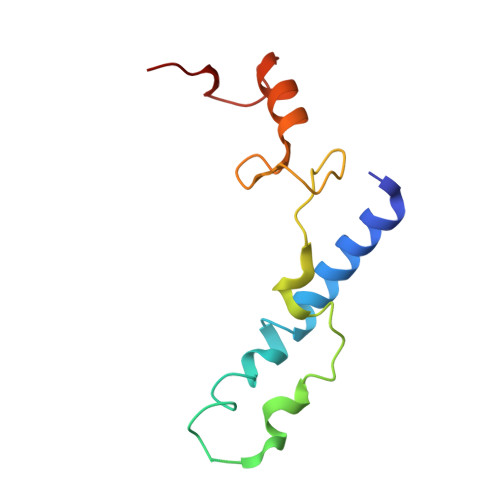
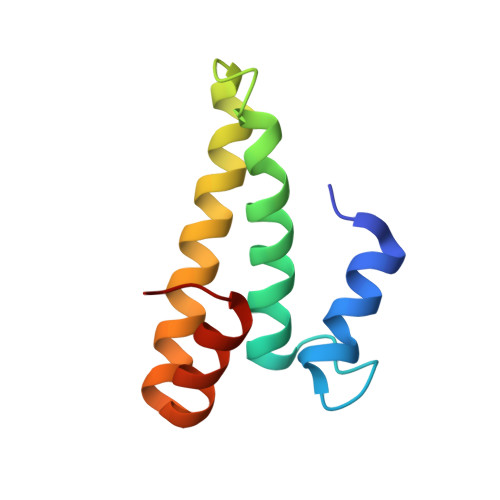
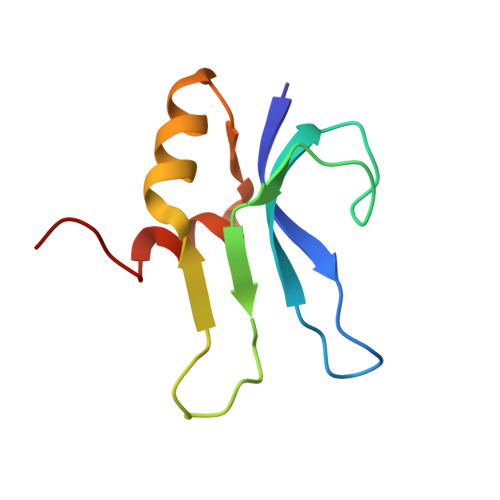
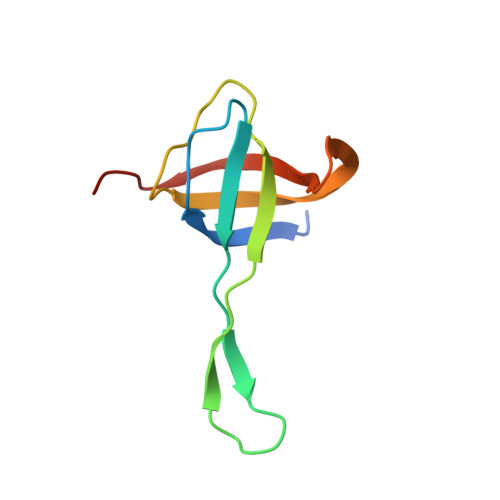
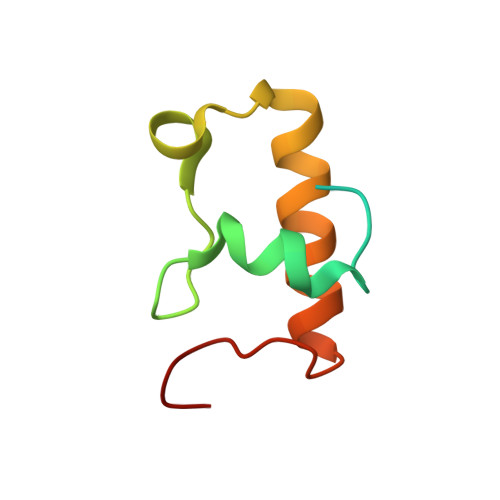
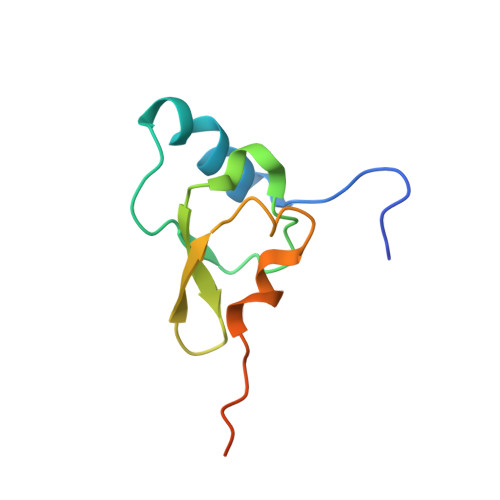
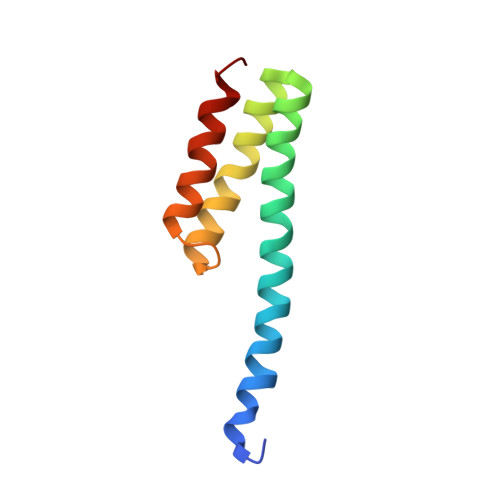
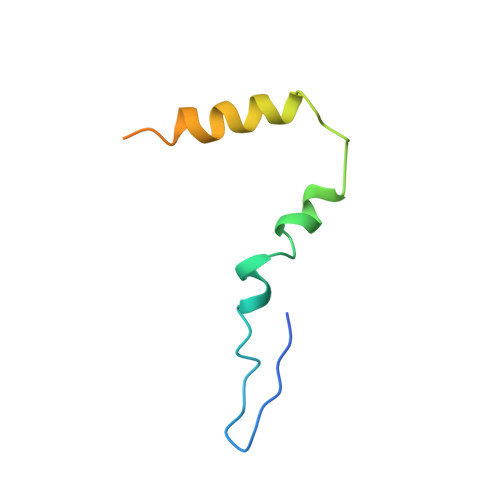
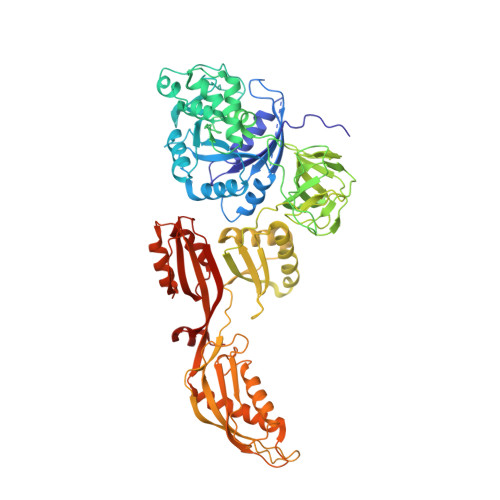
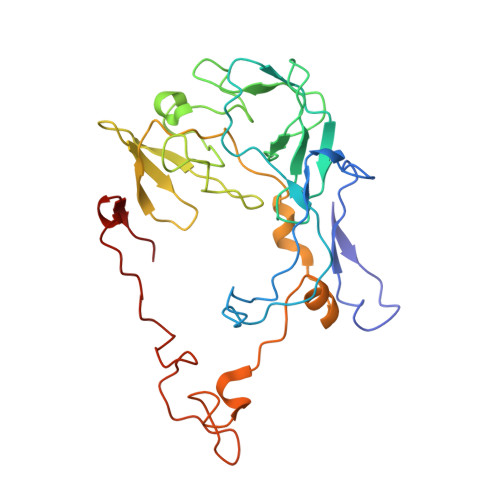
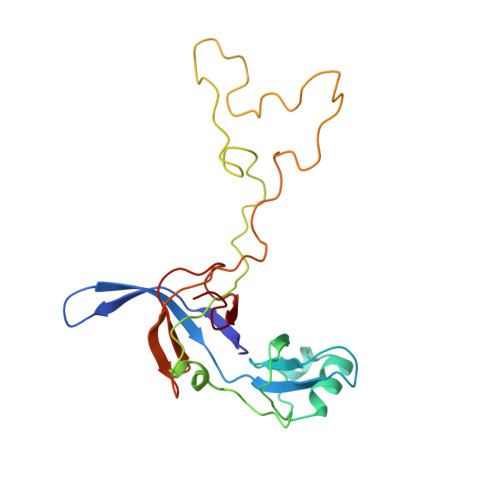
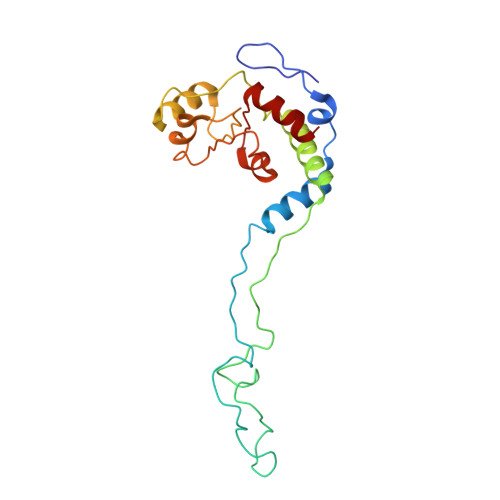
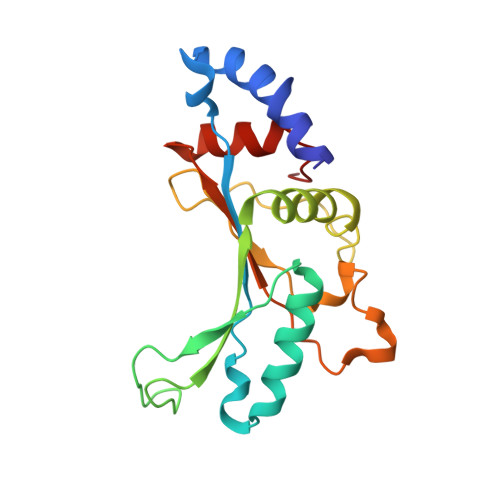
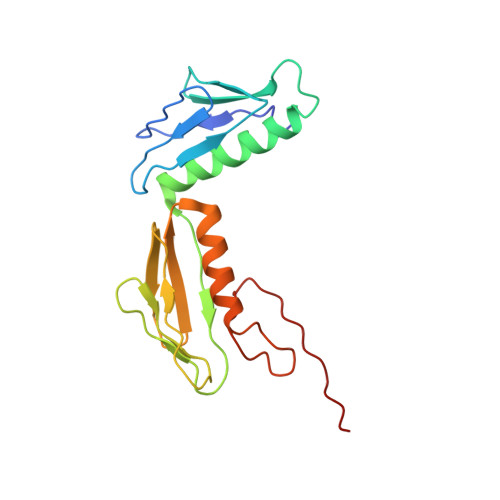
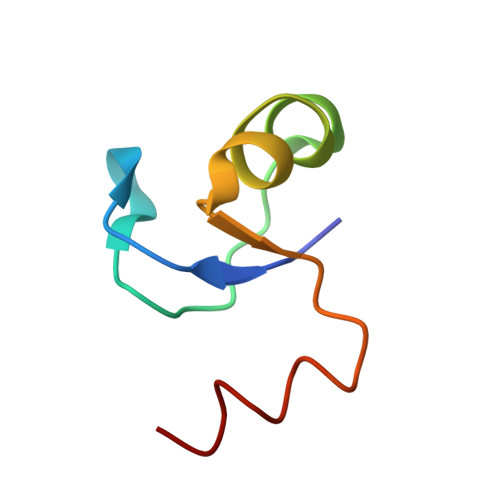
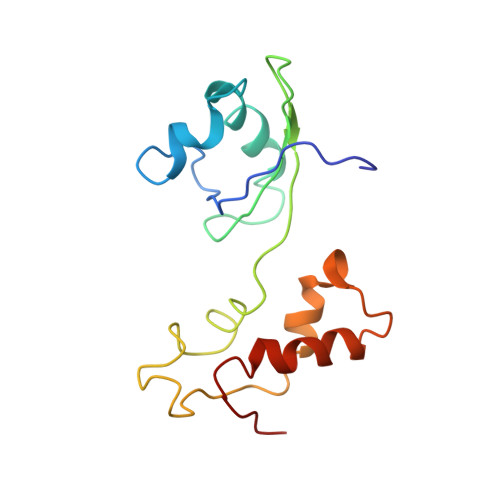
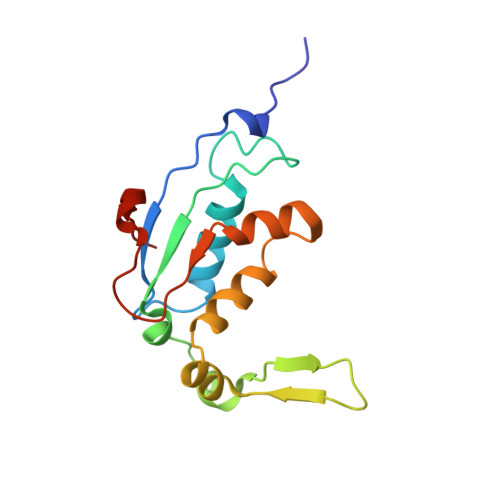
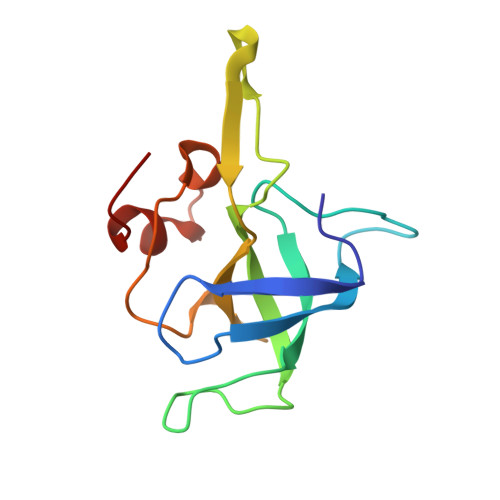
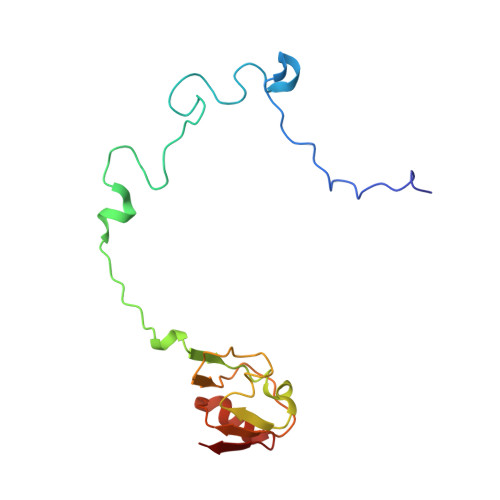
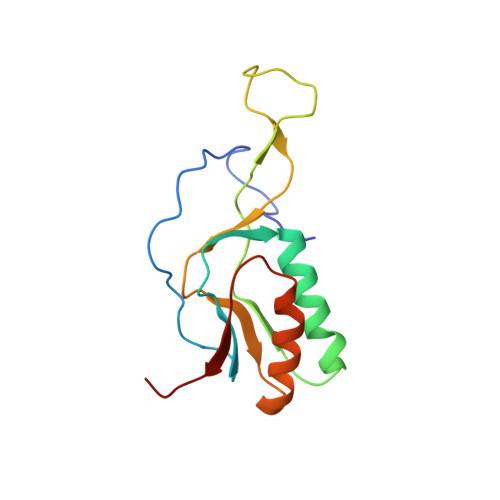
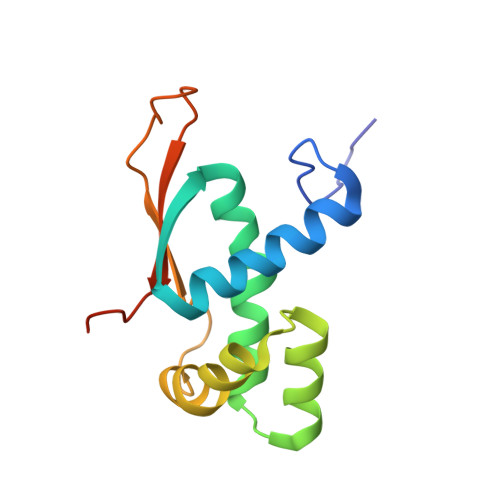
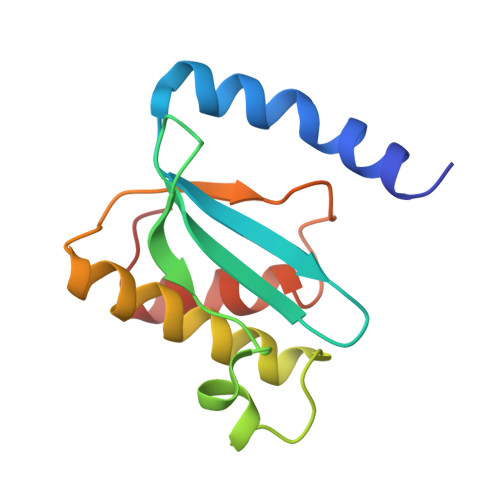
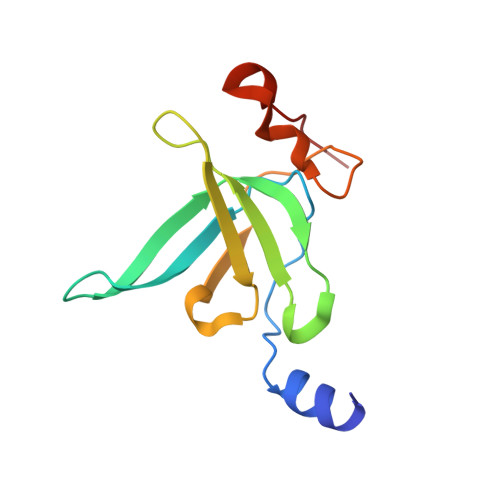
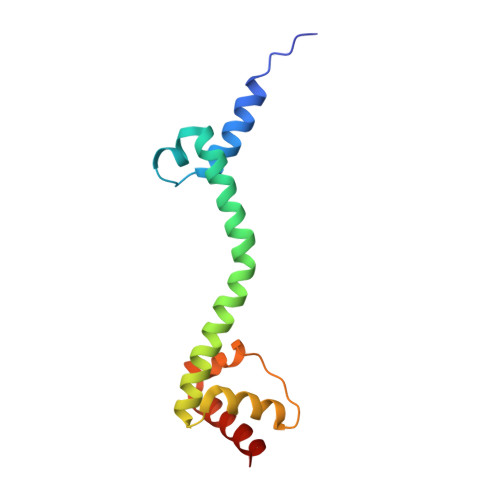
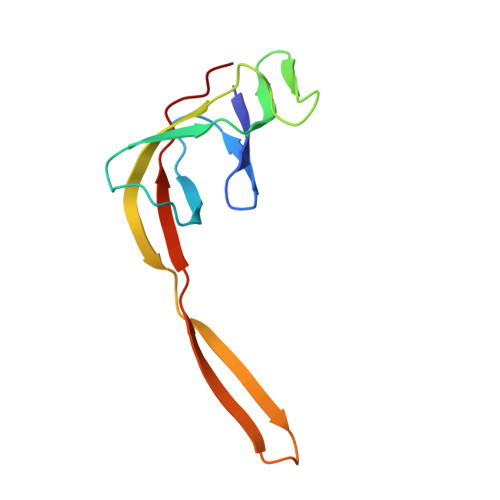
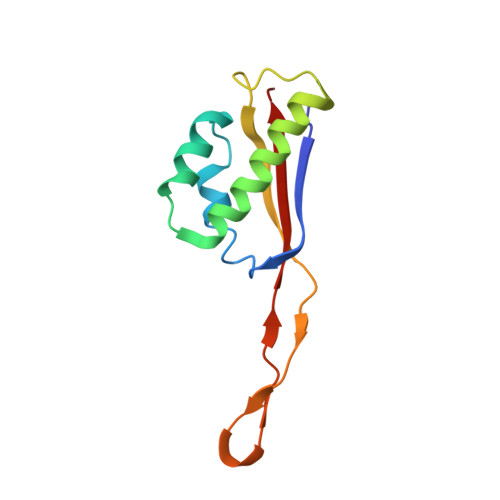
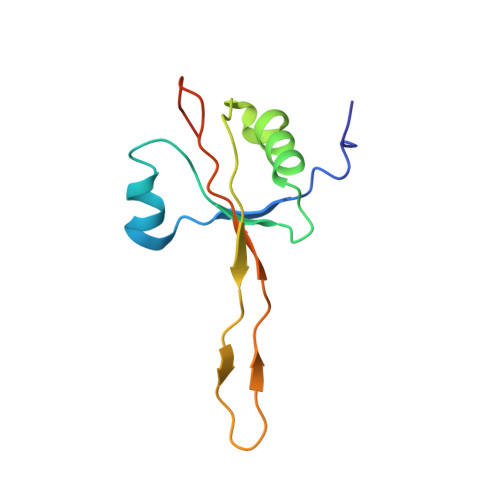
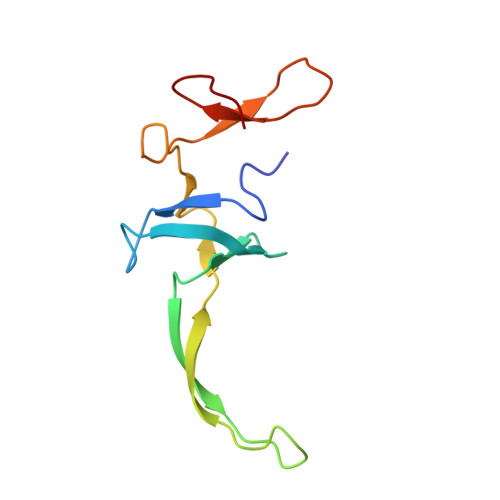
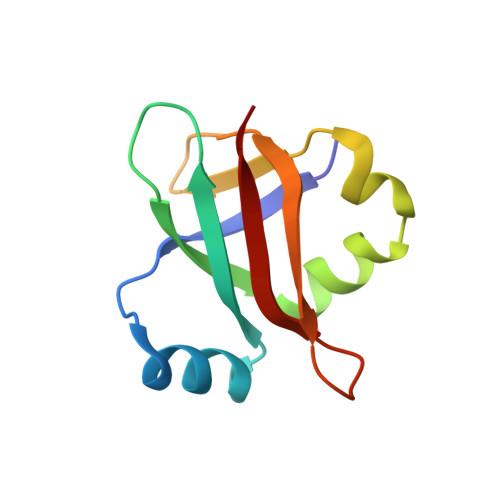
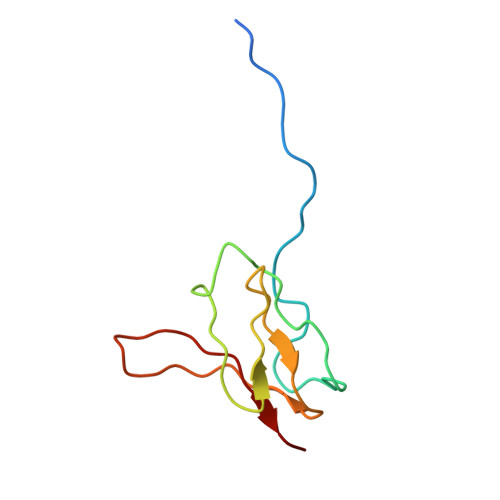
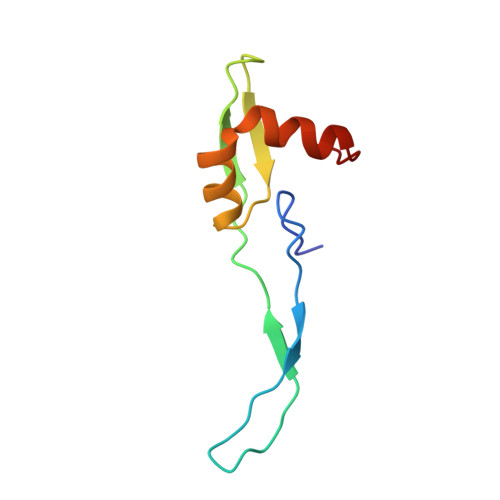
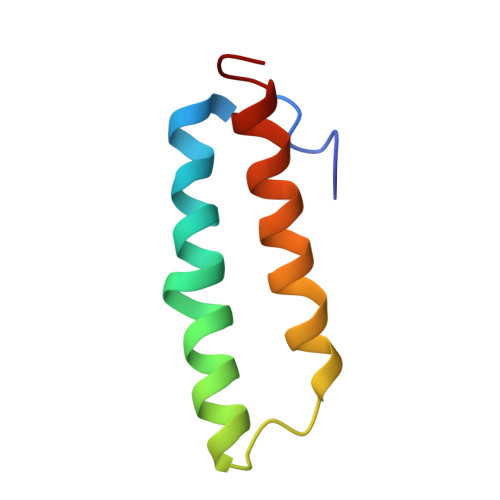
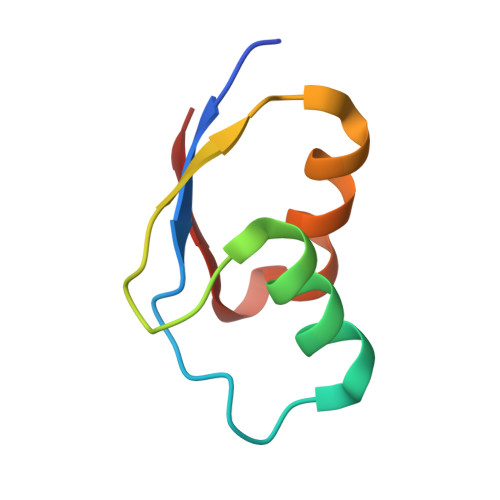
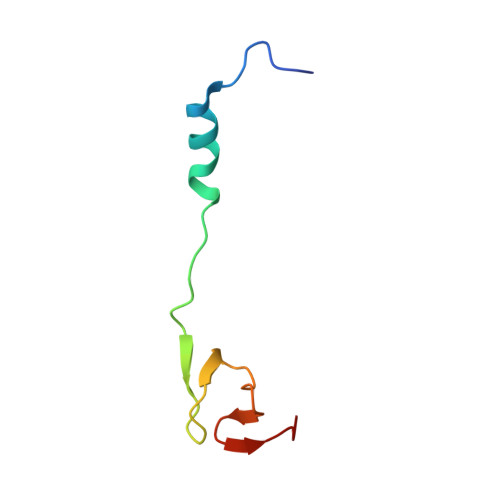
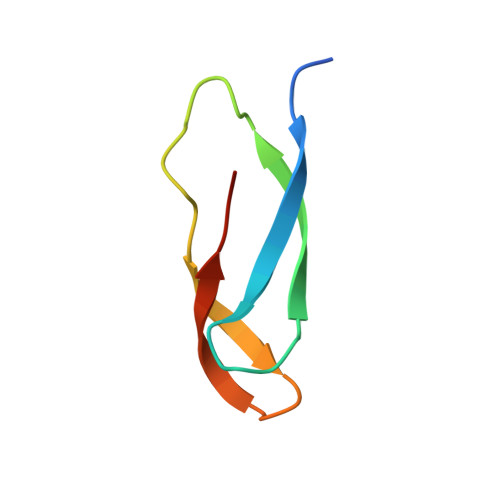
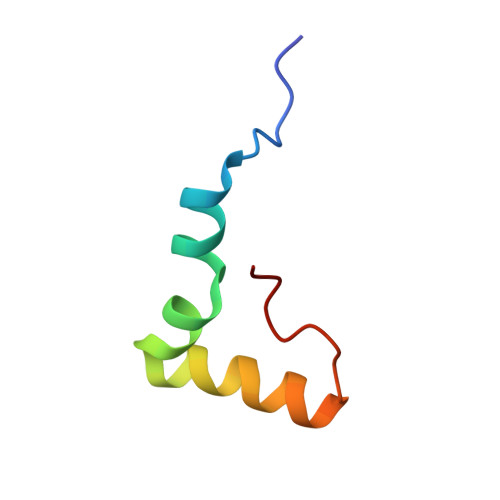
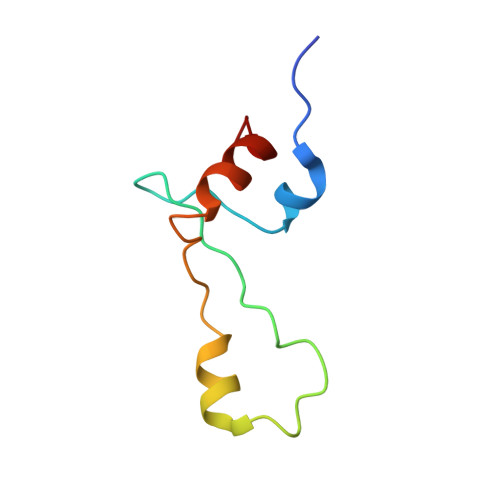
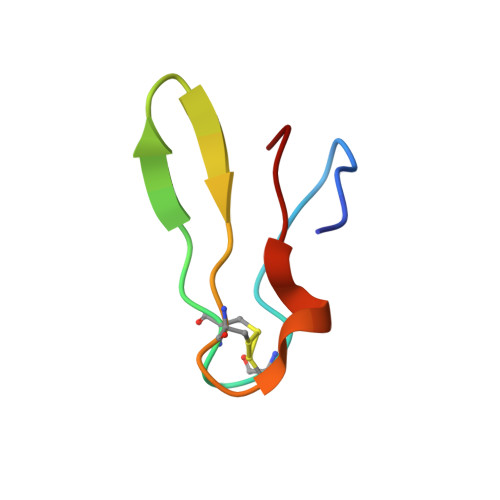
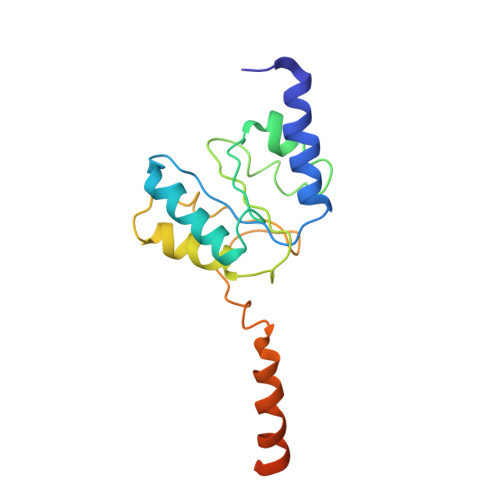
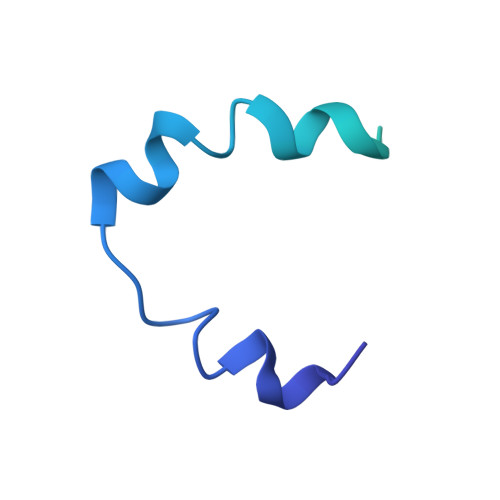
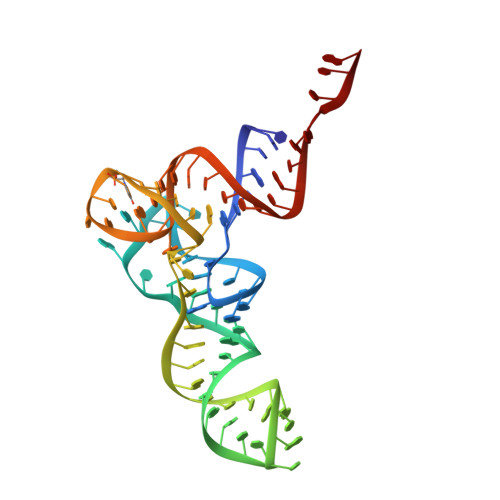
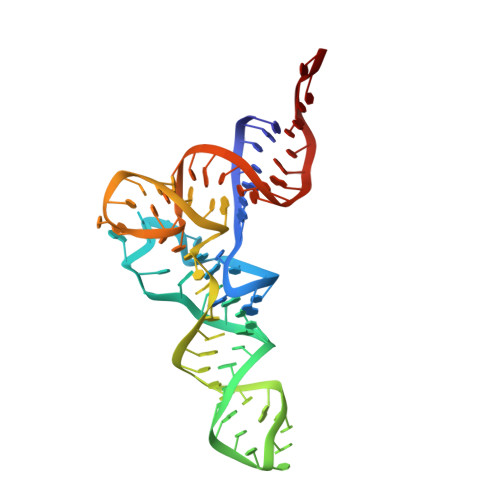
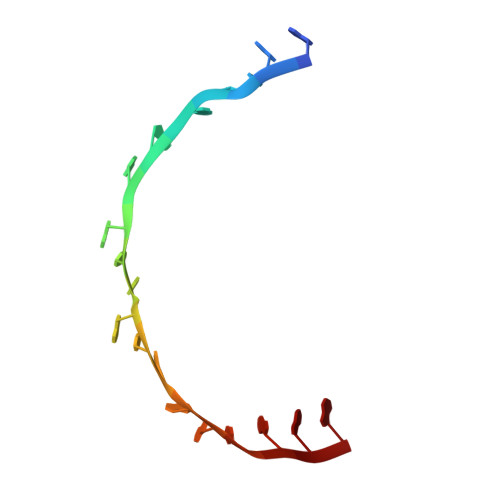
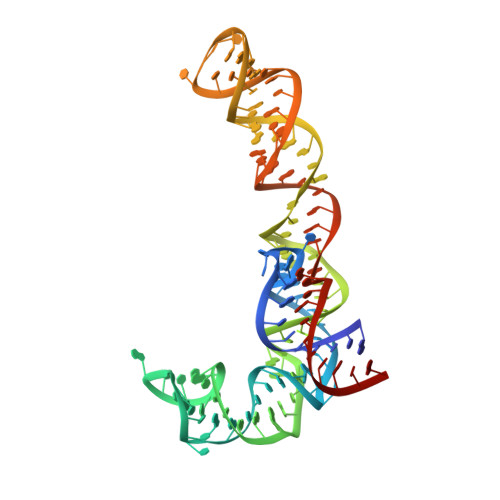
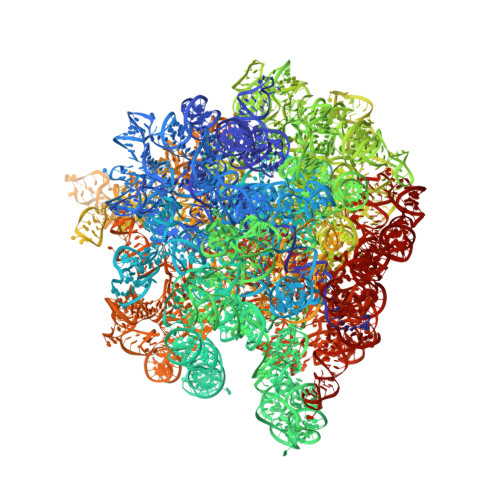
During protein synthesis, coupled translocation of messenger RNAs (mRNA) and transfer RNAs (tRNA) through the ribosome takes place following formation of each peptide bond. The reaction is facilitated by large-scale conformational changes within the ribosomal complex and catalyzed by elongtion factor G (EF-G). Previous structural analysis of the interaction of EF-G with the ribosome used either model complexes containing no tRNA or only a single tRNA, or complexes where EF-G was directly bound to ribosomes in the posttranslocational state. Here, we present a multiparticle cryo-EM reconstruction of a translocation intermediate containing two tRNAs trapped in transit, bound in chimeric intrasubunit ap/P and pe/E hybrid states. The downstream ap/P-tRNA is contacted by domain IV of EF-G and P-site elements within the 30S subunit body, whereas the upstream pe/E-tRNA maintains tight interactions with P-site elements of the swiveled 30S head. Remarkably, a tight compaction of the tRNA pair can be seen in this state. The translocational intermediate presented here represents a previously missing link in understanding the mechanism of translocation, revealing that the ribosome uses two distinct molecular ratchets, involving both intra- and intersubunit rotational movements, to drive the synchronous movement of tRNAs and mRNA.
- Institut für Medizinische Physik und Biophysik, Charité-Universitätsmedizin Berlin, 10117-Berlin, Germany.
Organizational Affiliation: