4AAY | pdb_00004aay

Crystal Structure of the arsenite oxidase protein complex from Rhizobium species strain NT-26


Experimental Data Snapshot

  • Method: X-RAY DIFFRACTION
  • Resolution: 2.70 Å
  • R-Value Free: 
    0.211 (Depositor), 0.210 (DCC) 
  • R-Value Work: 
    0.193 (Depositor), 0.193 (DCC) 
  • R-Value Observed: 
    0.194 (Depositor) 

Starting Model: experimental
View more details

wwPDB Validation 3D Report Full Report

Validation slider image for 4AAY

Ligand Structure Quality Assessment 


This is version 1.4 of the entry. See complete history

Literature

The Respiratory Arsenite Oxidase: Structure and the Role of Residues Surrounding the Rieske Cluster.

Warelow, T.P.Oke, M.Schoepp-Cothenet, B.Dahl, J.U.Bruselat, N.Sivalingam, G.N.Leimkuhler, S.Thalassinos, K.Kappler, U.Naismith, J.H.Santini, J.M.

(2013) PLoS One 8: 72535

  • DOI: https://doi.org/10.1371/journal.pone.0072535
  • Primary Citation Related Structures: 
    4AAY

  • PubMed Abstract: 

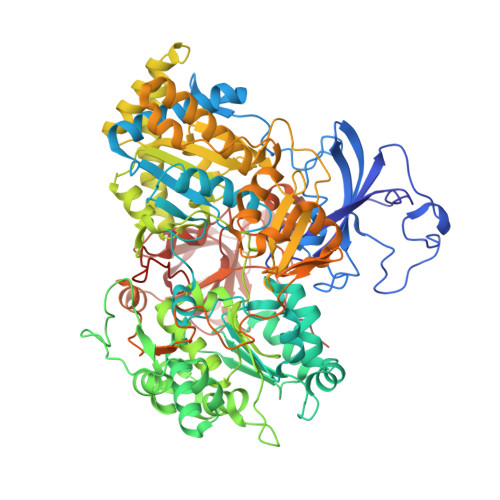
    The arsenite oxidase (Aio) from the facultative autotrophic Alphaproteobacterium Rhizobium sp. NT-26 is a bioenergetic enzyme involved in the oxidation of arsenite to arsenate. The enzyme from the distantly related heterotroph, Alcaligenes faecalis, which is thought to oxidise arsenite for detoxification, consists of a large α subunit (AioA) with bis-molybdopterin guanine dinucleotide at its active site and a 3Fe-4S cluster, and a small β subunit (AioB) which contains a Rieske 2Fe-2S cluster. The successful heterologous expression of the NT-26 Aio in Escherichia coli has resulted in the solution of its crystal structure. The NT-26 Aio, a heterotetramer, shares high overall similarity to the heterodimeric arsenite oxidase from A. faecalis but there are striking differences in the structure surrounding the Rieske 2Fe-2S cluster which we demonstrate explains the difference in the observed redox potentials (+225 mV vs. +130/160 mV, respectively). A combination of site-directed mutagenesis and electron paramagnetic resonance was used to explore the differences observed in the structure and redox properties of the Rieske cluster. In the NT-26 AioB the substitution of a serine (S126 in NT-26) for a threonine as in the A. faecalis AioB explains a -20 mV decrease in redox potential. The disulphide bridge in the A. faecalis AioB which is conserved in other betaproteobacterial AioB subunits and the Rieske subunit of the cytochrome bc 1 complex is absent in the NT-26 AioB subunit. The introduction of a disulphide bridge had no effect on Aio activity or protein stability but resulted in a decrease in the redox potential of the cluster. These results are in conflict with previous data on the betaproteobacterial AioB subunit and the Rieske of the bc 1 complex where removal of the disulphide bridge had no effect on the redox potential of the former but a decrease in cluster stability was observed in the latter.


  • Organizational Affiliation
    • Institute of Structural and Molecular Biology, University College London, London, United Kingdom.

Macromolecule Content 

  • Total Structure Weight: 455.26 kDa 
  • Atom Count: 30,609 
  • Modeled Residue Count: 3,900 
  • Deposited Residue Count: 4,080 
  • Unique protein chains: 2

Macromolecules

Find similar proteins by:|  3D Structure
Entity ID: 1
MoleculeChains  Sequence LengthOrganismDetailsImage
AROA
A, C, E, G
845Pseudorhizobium banfieldiaeMutation(s): 0 
EC: 1.20.98.1
UniProt
Find proteins for Q6VAL8 (Pseudorhizobium banfieldiae)
Explore Q6VAL8 
Go to UniProtKB:  Q6VAL8
Entity Groups
Sequence Clusters30% Identity50% Identity70% Identity90% Identity95% Identity100% Identity
UniProt GroupQ6VAL8
Sequence Annotations
Expand
Reference Sequence
Find similar proteins by:|  3D Structure
Entity ID: 2
MoleculeChains  Sequence LengthOrganismDetailsImage
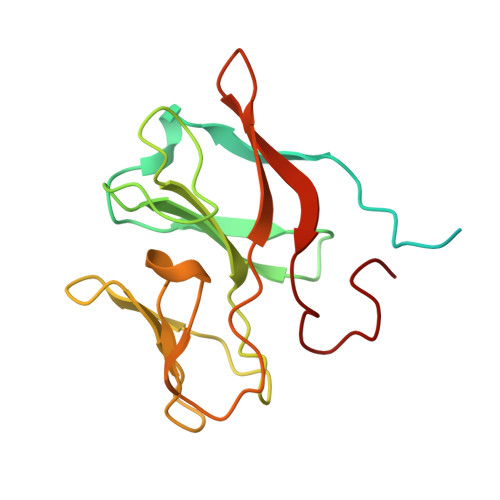
AROB
B, D, F, H
175Pseudorhizobium banfieldiaeMutation(s): 0 
UniProt
Find proteins for Q6VAL9 (Pseudorhizobium banfieldiae)
Explore Q6VAL9 
Go to UniProtKB:  Q6VAL9
Entity Groups
Sequence Clusters30% Identity50% Identity70% Identity90% Identity95% Identity100% Identity
UniProt GroupQ6VAL9
Sequence Annotations
Expand
Reference Sequence

Small Molecules

Ligands 5 Unique
IDChains Name / Formula / InChI Key2D Diagram3D Interactions
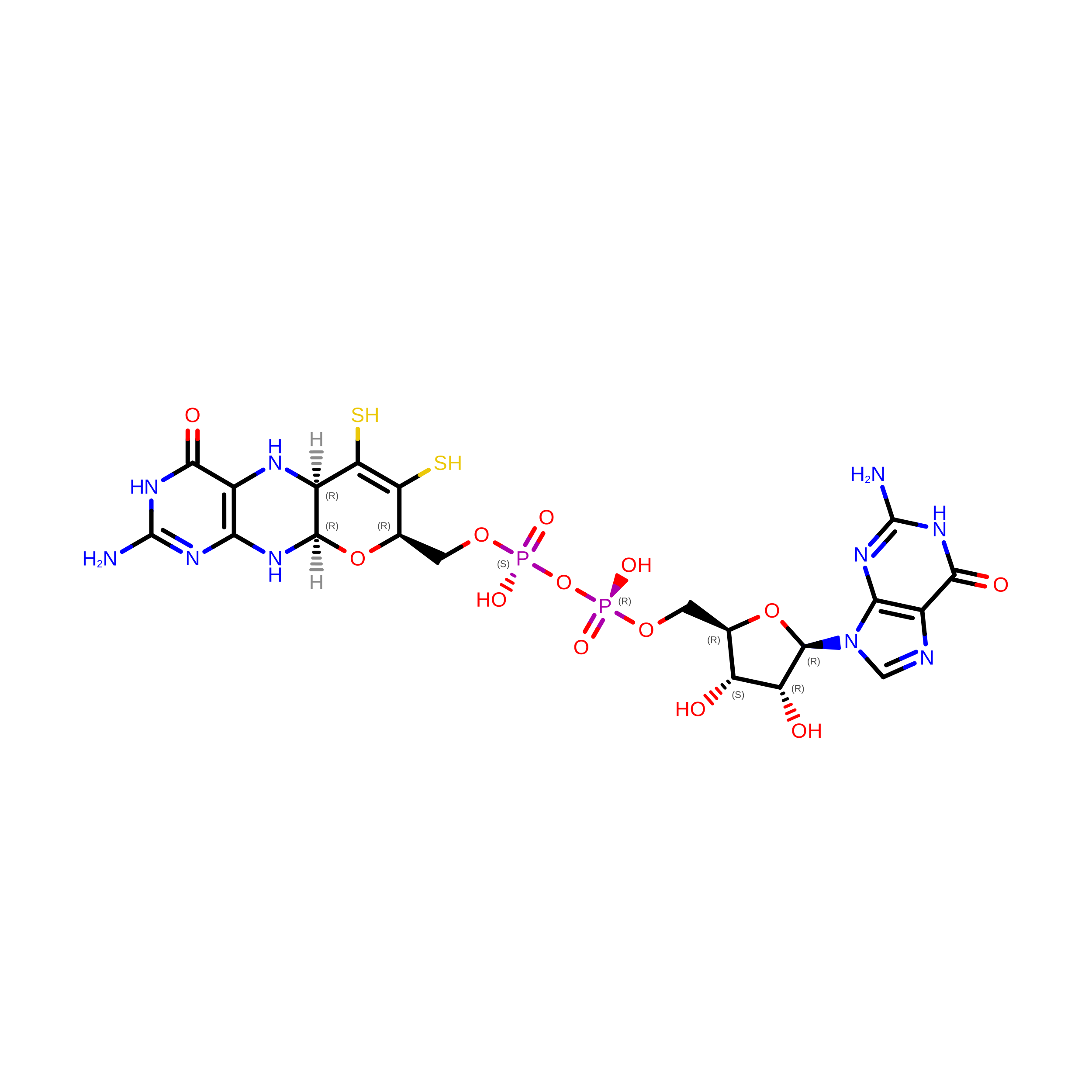
MGD

Query on MGD


Download:Ideal Coordinates CCD File
AA [auth G]
BA [auth G]
I [auth A]
J [auth A]
O [auth C]
AA [auth G],
BA [auth G],
I [auth A],
J [auth A],
O [auth C],
P [auth C],
U [auth E],
V [auth E]
2-AMINO-5,6-DIMERCAPTO-7-METHYL-3,7,8A,9-TETRAHYDRO-8-OXA-1,3,9,10-TETRAAZA-ANTHRACEN-4-ONE GUANOSINE DINUCLEOTIDE
C20 H26 N10 O13 P2 S2
VQAGYJCYOLHZDH-ILXWUORBSA-N
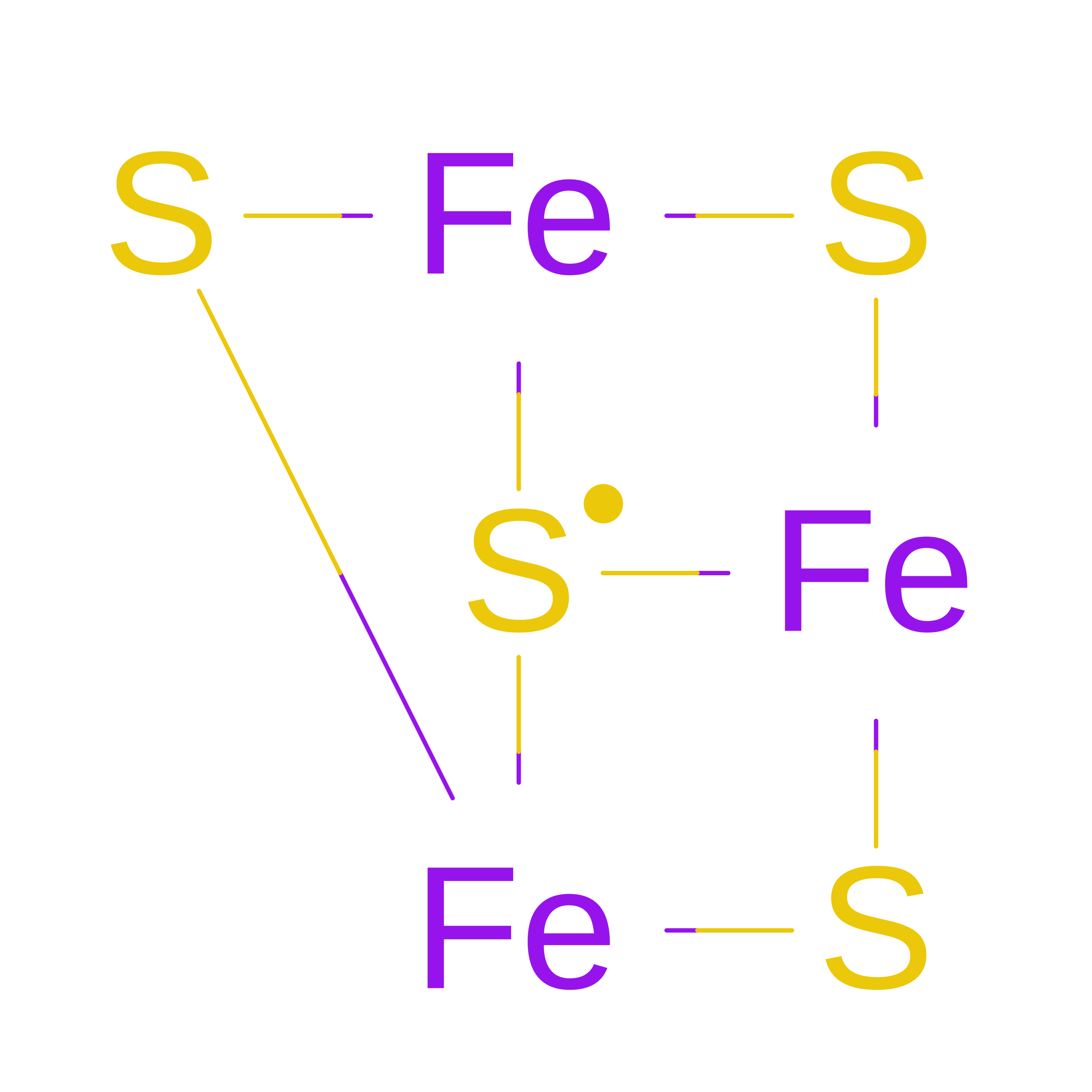
F3S

Query on F3S


Download:Ideal Coordinates CCD File
EA [auth G],
M [auth A],
S [auth C],
Y [auth E]
FE3-S4 CLUSTER
Fe3 S4
FCXHZBQOKRZXKS-UHFFFAOYSA-N
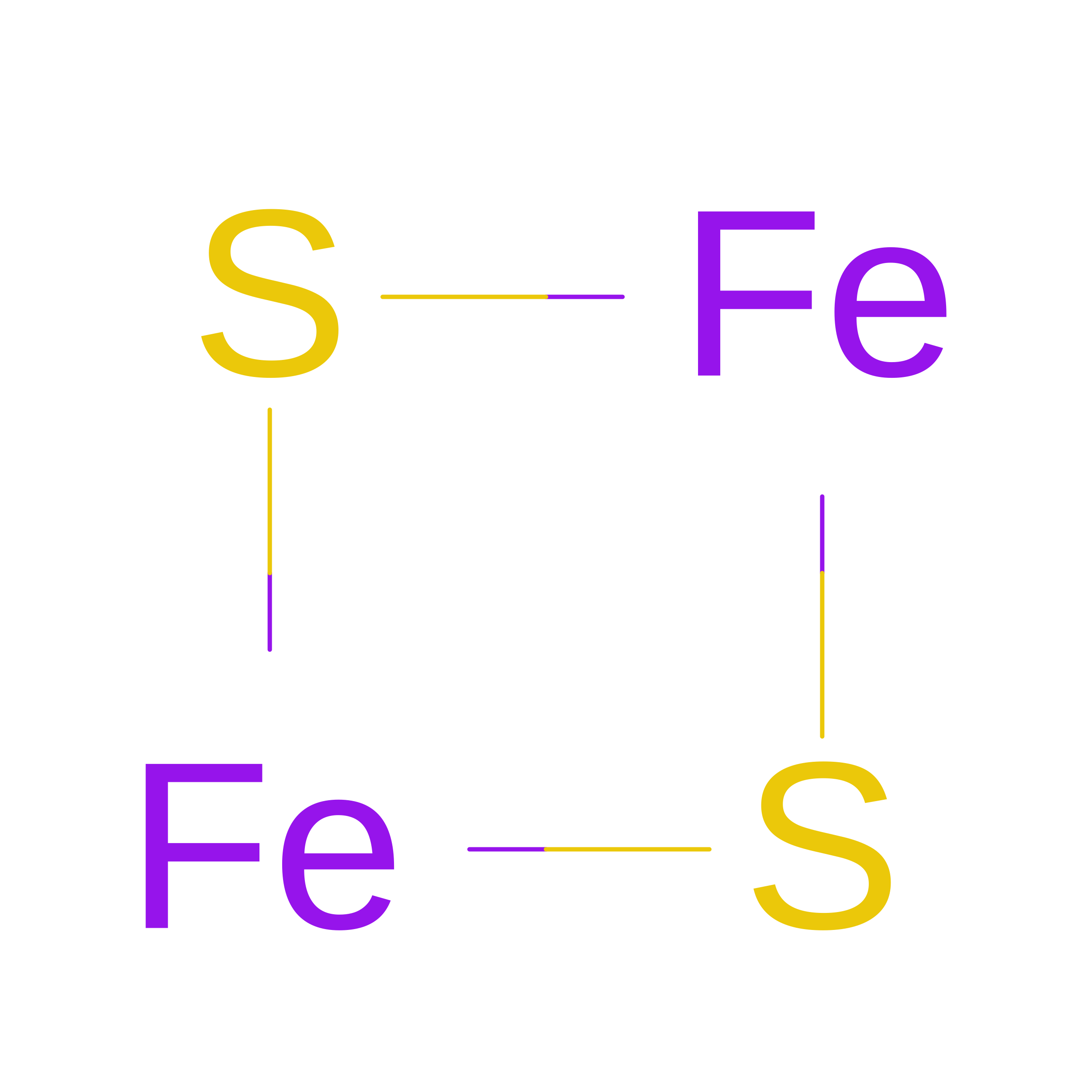
FES

Query on FES


Download:Ideal Coordinates CCD File
FA [auth H],
N [auth B],
T [auth D],
Z [auth F]
FE2/S2 (INORGANIC) CLUSTER
Fe2 S2
NIXDOXVAJZFRNF-UHFFFAOYSA-N
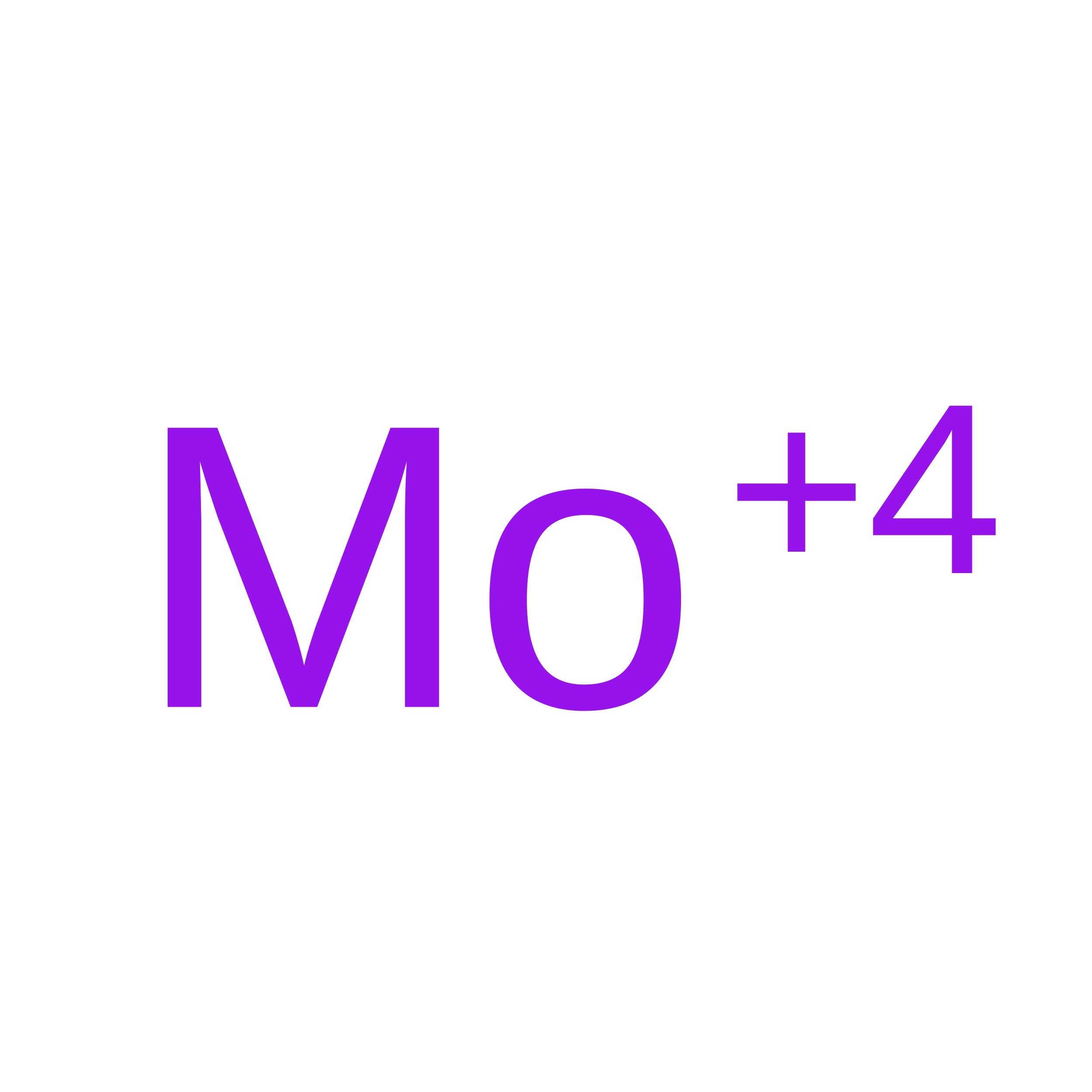
4MO

Query on 4MO


Download:Ideal Coordinates CCD File
DA [auth G],
L [auth A],
R [auth C],
X [auth E]
MOLYBDENUM(IV) ION
Mo
ZIKKVZAYJJZBGE-UHFFFAOYSA-N
O

Query on O


Download:Ideal Coordinates CCD File
CA [auth G],
K [auth A],
Q [auth C],
W [auth E]
OXYGEN ATOM
O
XLYOFNOQVPJJNP-UHFFFAOYSA-N

Experimental Data & Validation

Experimental Data

  • Method: X-RAY DIFFRACTION
  • Resolution: 2.70 Å
  • R-Value Free:  0.211 (Depositor), 0.210 (DCC) 
  • R-Value Work:  0.193 (Depositor), 0.193 (DCC) 
  • R-Value Observed: 0.194 (Depositor) 
Space Group: P 21 21 2
Unit Cell:
Length ( Å )Angle ( ˚ )
a = 149.13α = 90
b = 232.96β = 90
c = 141.87γ = 90
Software Package:
Software NamePurpose
REFMACrefinement
xia2data reduction
xia2data scaling
PHASERphasing

Structure Validation

View Full Validation Report


Ligand Structure Quality Assessment 


Entry History 

Deposition Data

Revision History  (Full details and data files)

  • Version 1.0: 2012-12-12
    Type: Initial release
  • Version 1.1: 2013-09-25
    Changes: Database references
  • Version 1.2: 2013-11-20
    Changes: Derived calculations, Refinement description
  • Version 1.3: 2014-03-12
    Changes: Source and taxonomy
  • Version 1.4: 2023-12-20
    Changes: Data collection, Database references, Derived calculations, Other, Refinement description