3TAY | pdb_00003tay

Crystal structure of porcine rotavirus CRW-8 VP8* in complex with N-glycolylneuraminic acid


Experimental Data Snapshot

  • Method: X-RAY DIFFRACTION
  • Resolution: 1.85 Å
  • R-Value Free: 
    0.225 (Depositor), 0.224 (DCC) 
  • R-Value Work: 
    0.187 (Depositor), 0.187 (DCC) 
  • R-Value Observed: 
    0.189 (Depositor) 

wwPDB Validation 3D Report Full Report

Validation slider image for 3TAY

Ligand Structure Quality Assessment 


This is version 1.3 of the entry. See complete history

Literature

Structural Basis of Rotavirus Strain Preference toward N-Acetyl- or N-Glycolylneuraminic Acid-Containing Receptors.

Yu, X.Dang, V.T.Fleming, F.E.von Itzstein, M.Coulson, B.S.Blanchard, H.

(2012) J Virol 86: 13456-13466

  • DOI: https://doi.org/10.1128/JVI.06975-11
  • Primary Citation Related Structures: 
    3TAY, 3TB0

  • PubMed Abstract: 

    The rotavirus spike protein domain VP8* is essential for recognition of cell surface carbohydrate receptors, notably those incorporating N-acylneuraminic acids (members of the sialic acid family). N-Acetylneuraminic acids occur naturally in both animals and humans, whereas N-glycolylneuraminic acids are acquired only through dietary uptake in normal human tissues. The preference of animal rotaviruses for these natural N-acylneuraminic acids has not been comprehensively established, and detailed structural information regarding the interactions of different rotaviruses with N-glycolylneuraminic acids is lacking. In this study, distinct specificities of VP8* for N-acetyl- and N-glycolylneuraminic acids were revealed using biophysical techniques. VP8* protein from the porcine rotavirus CRW-8 and the bovine rotavirus Nebraska calf diarrhea virus (NCDV) showed a preference for N-glycolyl- over N-acetylneuraminic acids, in contrast to results obtained with rhesus rotavirus (RRV). Crystallographic structures of VP8* from CRW-8 and RRV with bound methyl-N-glycolylneuraminide revealed the atomic details of their interactions. We examined the influence of amino acid type at position 157, which is proximal to the ligand's N-acetyl or N-glycolyl moiety and can mutate upon cell culture adaptation. A structure-based hypothesis derived from these results could account for rotavirus discrimination between the N-acylneuraminic acid forms. Infectivity blockade experiments demonstrated that the determined carbohydrate specificities of these VP8* domains directly correlate with those of the corresponding infectious virus. This includes an association between CRW-8 adaption to cell culture, decreased competition by N-glycolylneuraminic acid for CRW-8 infectivity, and a Pro157-to-Ser157 mutation in VP8* that reduces binding affinity for N-glycolylneuraminic acid.


  • Organizational Affiliation
    • Institute for Glycomics, Griffith University, Gold Coast, Queensland, Australia.

Macromolecule Content 

  • Total Structure Weight: 38.65 kDa 
  • Atom Count: 3,105 
  • Modeled Residue Count: 326 
  • Deposited Residue Count: 326 
  • Unique protein chains: 1

Macromolecules

Find similar proteins by:|  3D Structure
Entity ID: 1
MoleculeChains  Sequence LengthOrganismDetailsImage
Outer capsid protein VP4
A, B
163Porcine rotavirus (serotype 3 / strain CRW-8)Mutation(s): 5 
UniProt
Find proteins for P0C6Y8 (Rotavirus A (isolate RVA/Pig/Australia/CRW-8/1987/G3P9[7]))
Explore P0C6Y8 
Go to UniProtKB:  P0C6Y8
Entity Groups
Sequence Clusters30% Identity50% Identity70% Identity90% Identity95% Identity100% Identity
UniProt GroupP0C6Y8
Sequence Annotations
Expand
Reference Sequence

Small Molecules

Ligands 6 Unique
IDChains Name / Formula / InChI Key2D Diagram3D Interactions
MN0

Query on MN0


Download:Ideal Coordinates CCD File
C [auth A],
K [auth B]
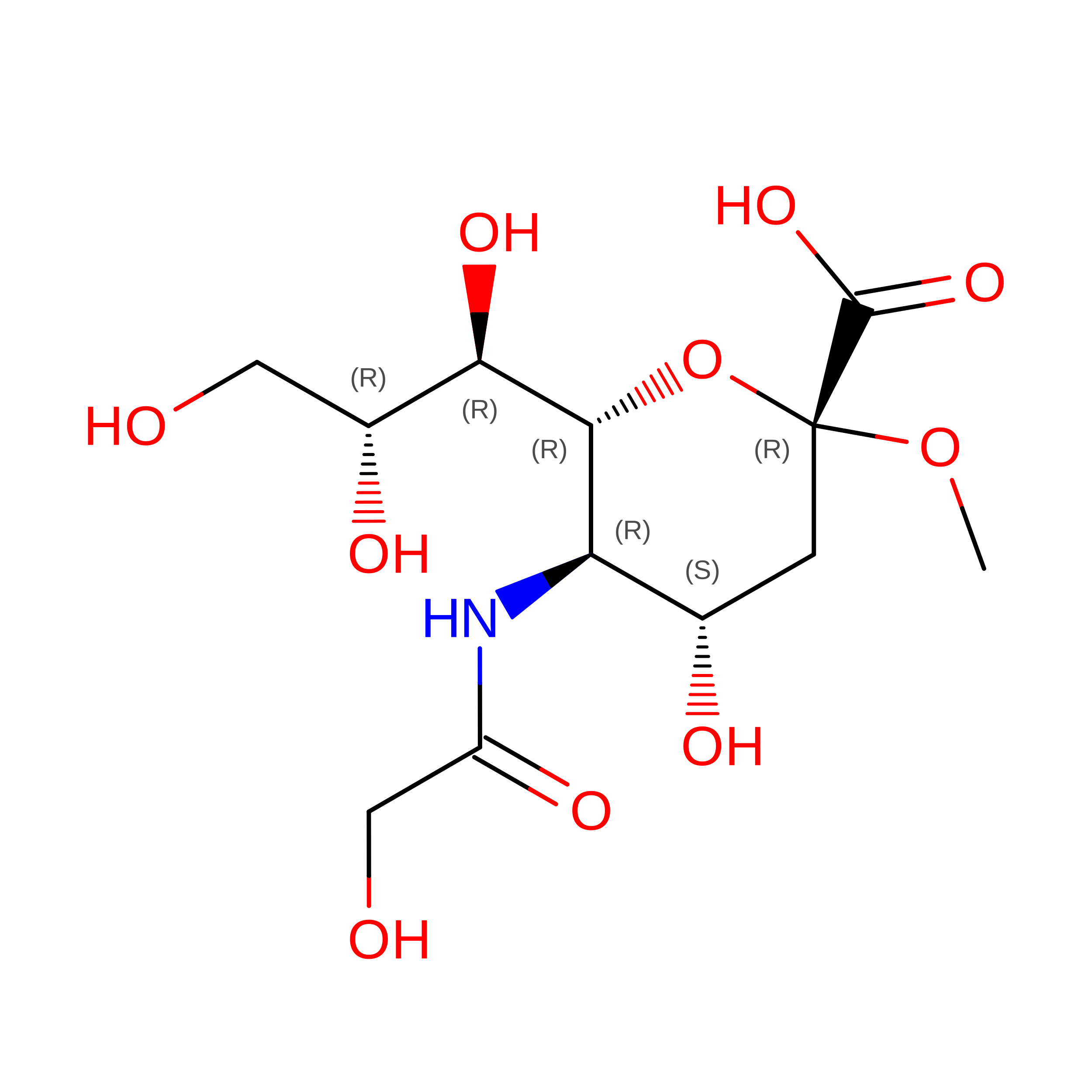
methyl 3,5-dideoxy-5-[(hydroxyacetyl)amino]-D-glycero-alpha-D-galacto-non-2-ulopyranosidonic acid
C12 H21 N O10
NFUCYHODBBSMAK-BLMTXZDNSA-N
EPE

Query on EPE


Download:Ideal Coordinates CCD File
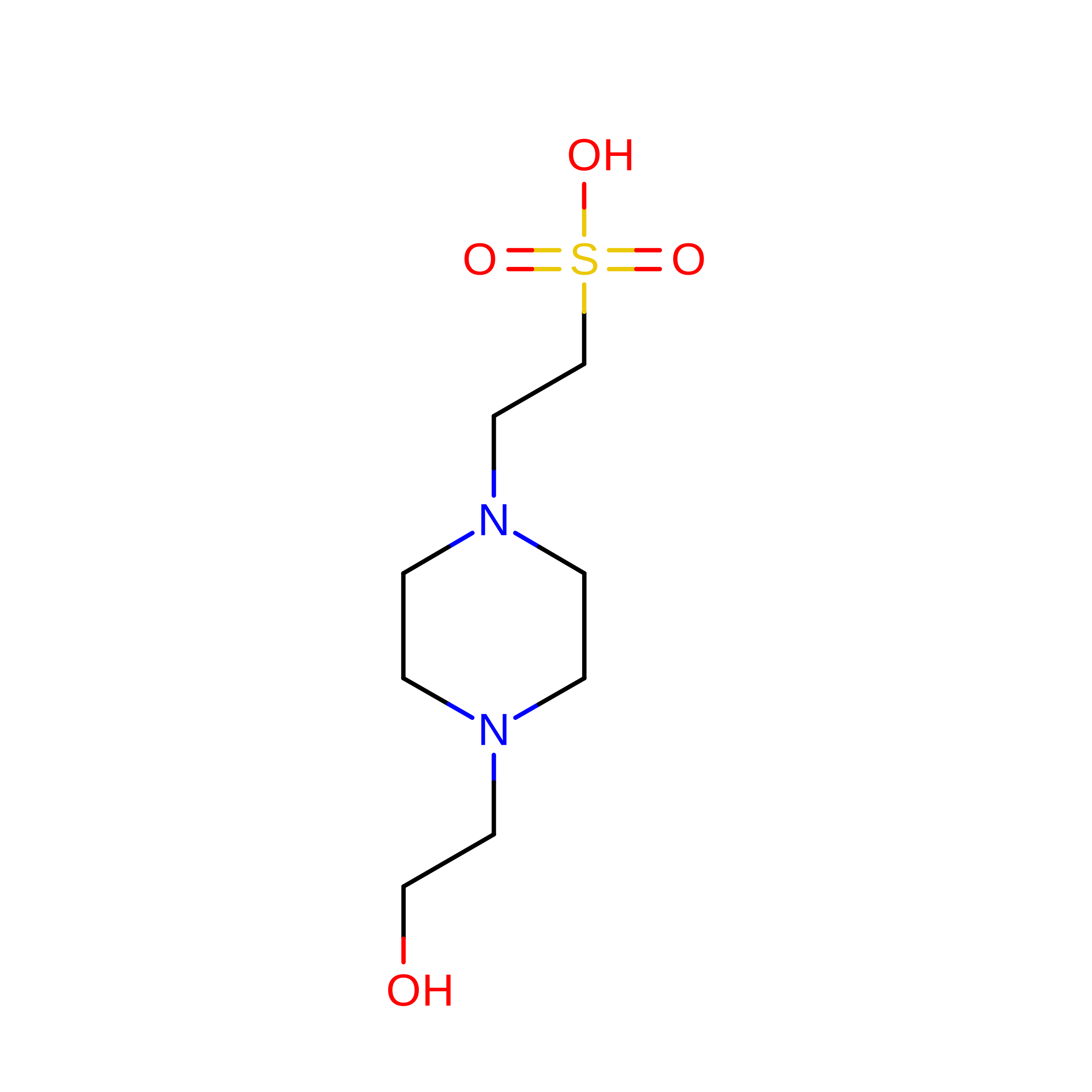
H [auth A]4-(2-HYDROXYETHYL)-1-PIPERAZINE ETHANESULFONIC ACID
C8 H18 N2 O4 S
JKMHFZQWWAIEOD-UHFFFAOYSA-N
BEN

Query on BEN


Download:Ideal Coordinates CCD File
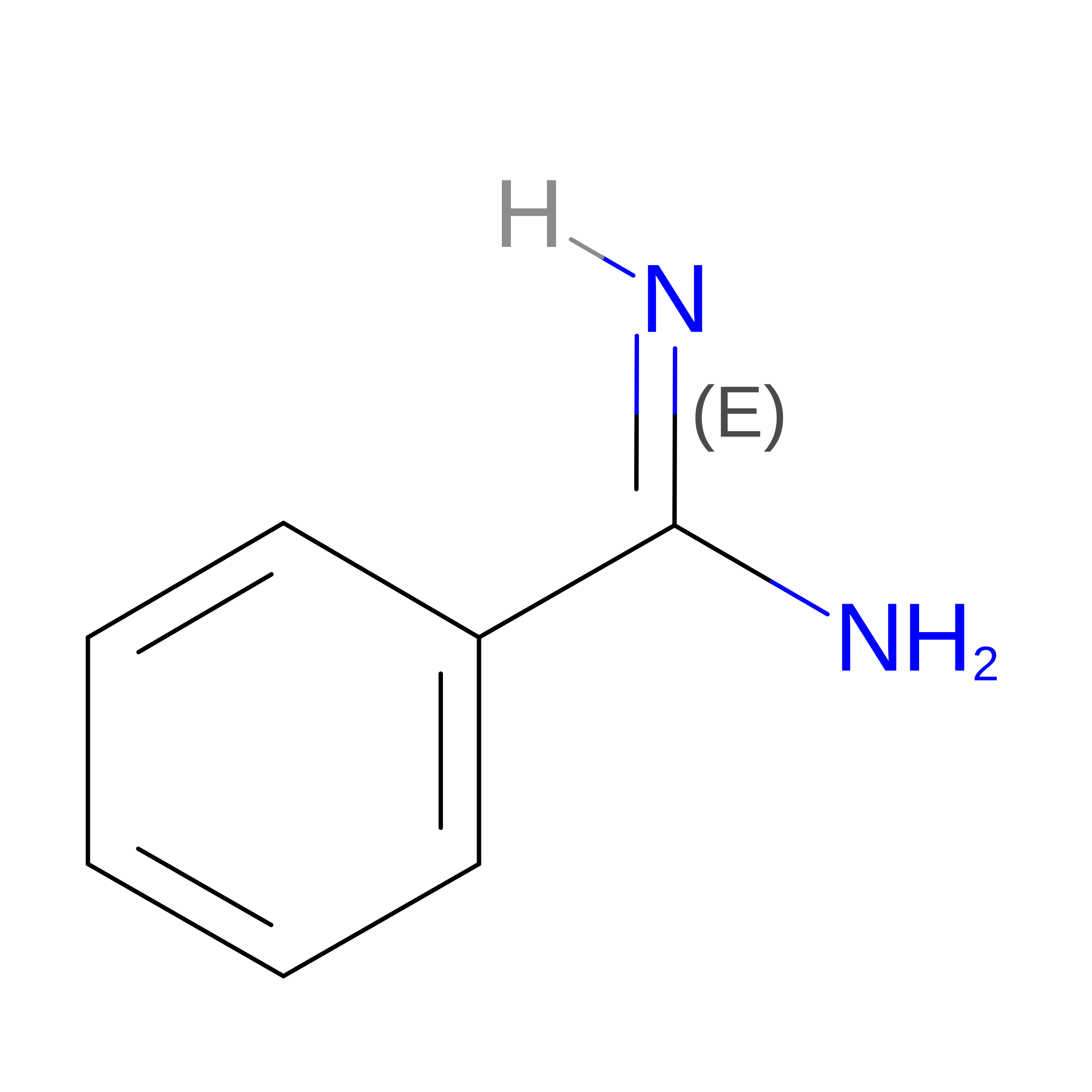
I [auth A]BENZAMIDINE
C7 H8 N2
PXXJHWLDUBFPOL-UHFFFAOYSA-N
MPD

Query on MPD


Download:Ideal Coordinates CCD File
F [auth A],
G [auth A],
L [auth B],
M [auth B]
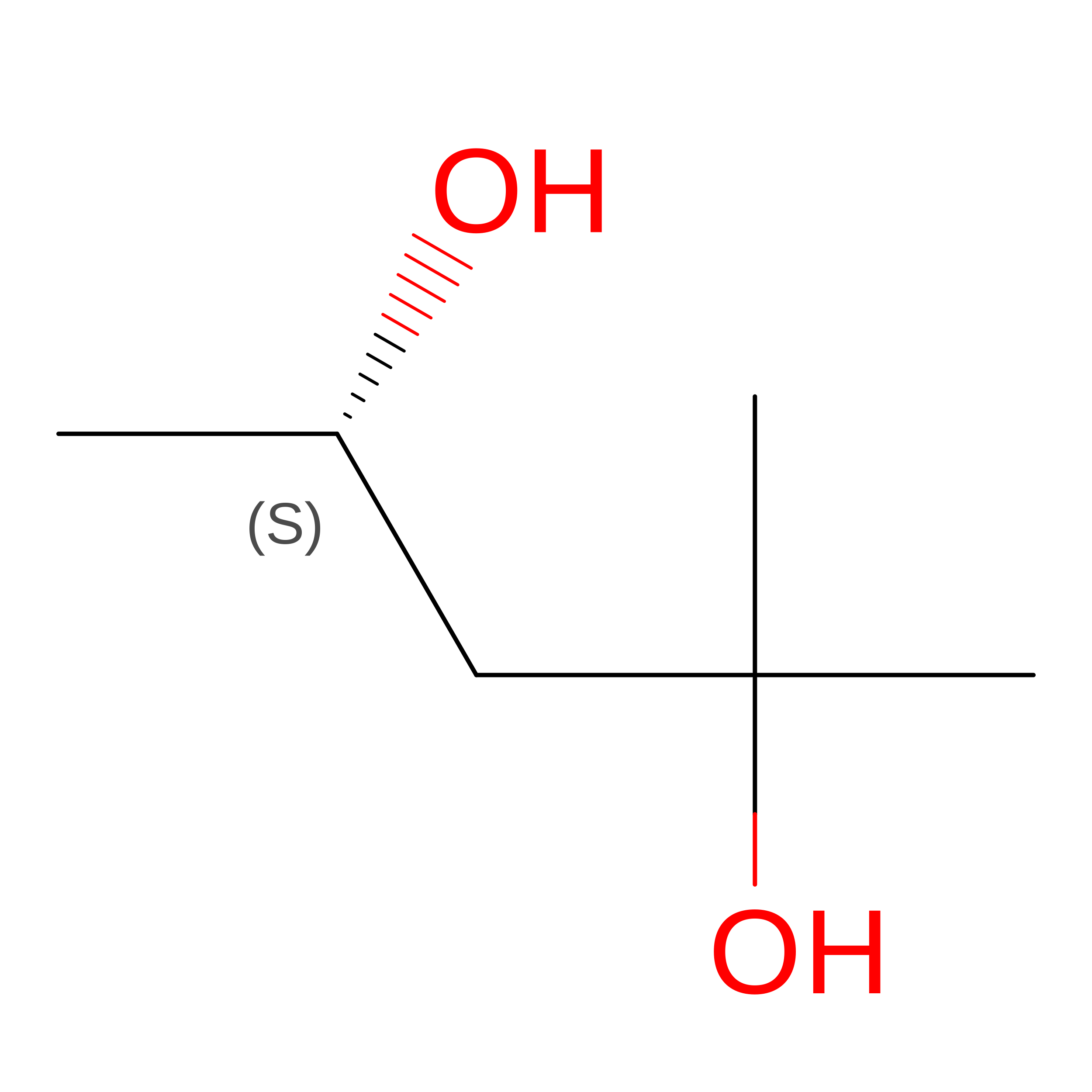
(4S)-2-METHYL-2,4-PENTANEDIOL
C6 H14 O2
SVTBMSDMJJWYQN-YFKPBYRVSA-N
SO4

Query on SO4


Download:Ideal Coordinates CCD File
D [auth A],
E [auth A]
SULFATE ION
O4 S
QAOWNCQODCNURD-UHFFFAOYSA-L
NA

Query on NA


Download:Ideal Coordinates CCD File
J [auth A],
N [auth B]
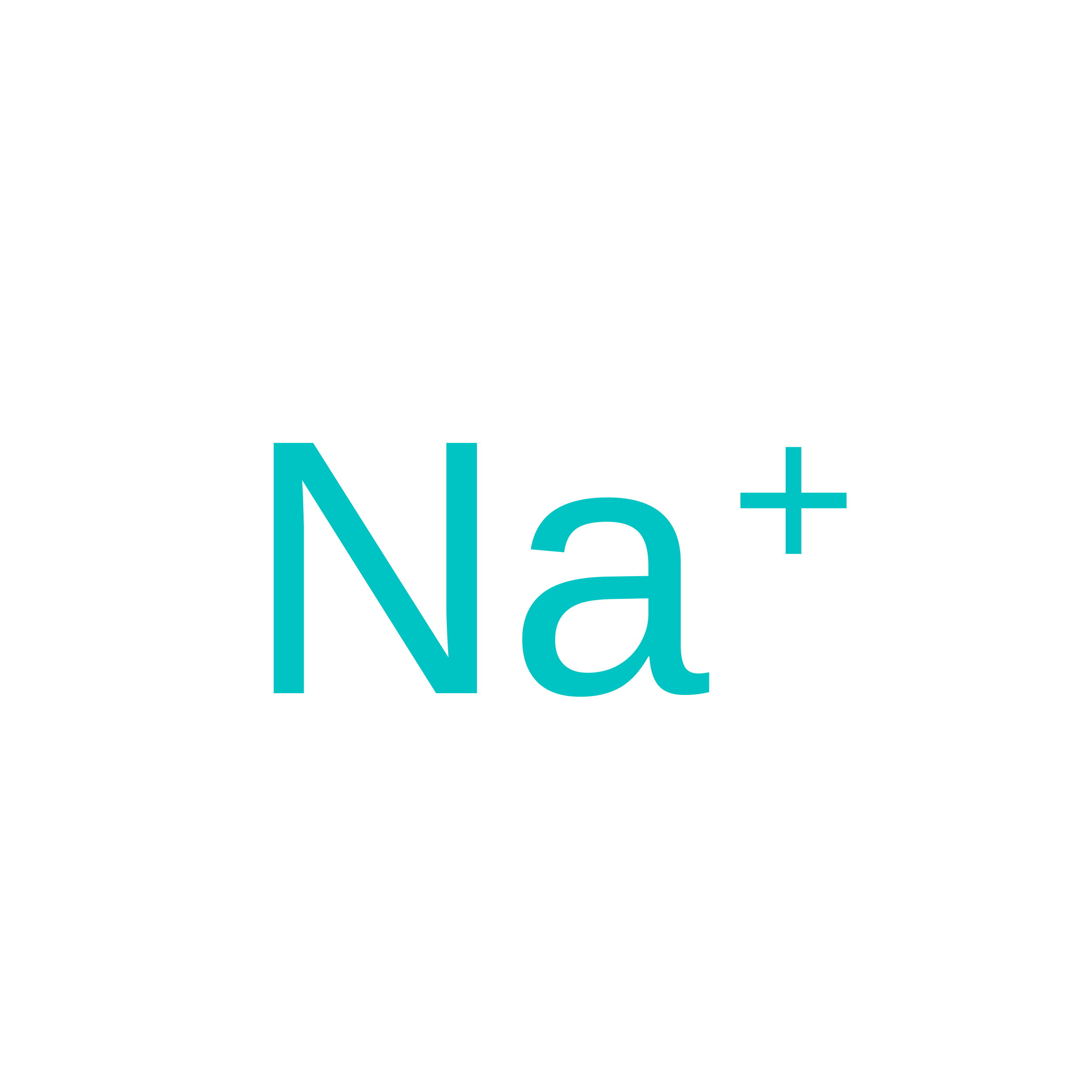
SODIUM ION
Na
FKNQFGJONOIPTF-UHFFFAOYSA-N

Experimental Data & Validation

Experimental Data

  • Method: X-RAY DIFFRACTION
  • Resolution: 1.85 Å
  • R-Value Free:  0.225 (Depositor), 0.224 (DCC) 
  • R-Value Work:  0.187 (Depositor), 0.187 (DCC) 
  • R-Value Observed: 0.189 (Depositor) 
Space Group: P 21 21 21
Unit Cell:
Length ( Å )Angle ( ˚ )
a = 53.982α = 90
b = 59.646β = 90
c = 111.964γ = 90
Software Package:
Software NamePurpose
REFMACrefinement

Structure Validation

View Full Validation Report


Ligand Structure Quality Assessment 


Entry History 

Deposition Data

Revision History  (Full details and data files)

  • Version 1.0: 2012-10-17
    Type: Initial release
  • Version 1.1: 2012-12-05
    Changes: Database references
  • Version 1.2: 2020-07-29
    Type: Remediation
    Reason: Carbohydrate remediation
    Changes: Data collection, Database references, Derived calculations
  • Version 1.3: 2024-02-28
    Changes: Data collection, Database references, Structure summary