1SHO | pdb_00001sho

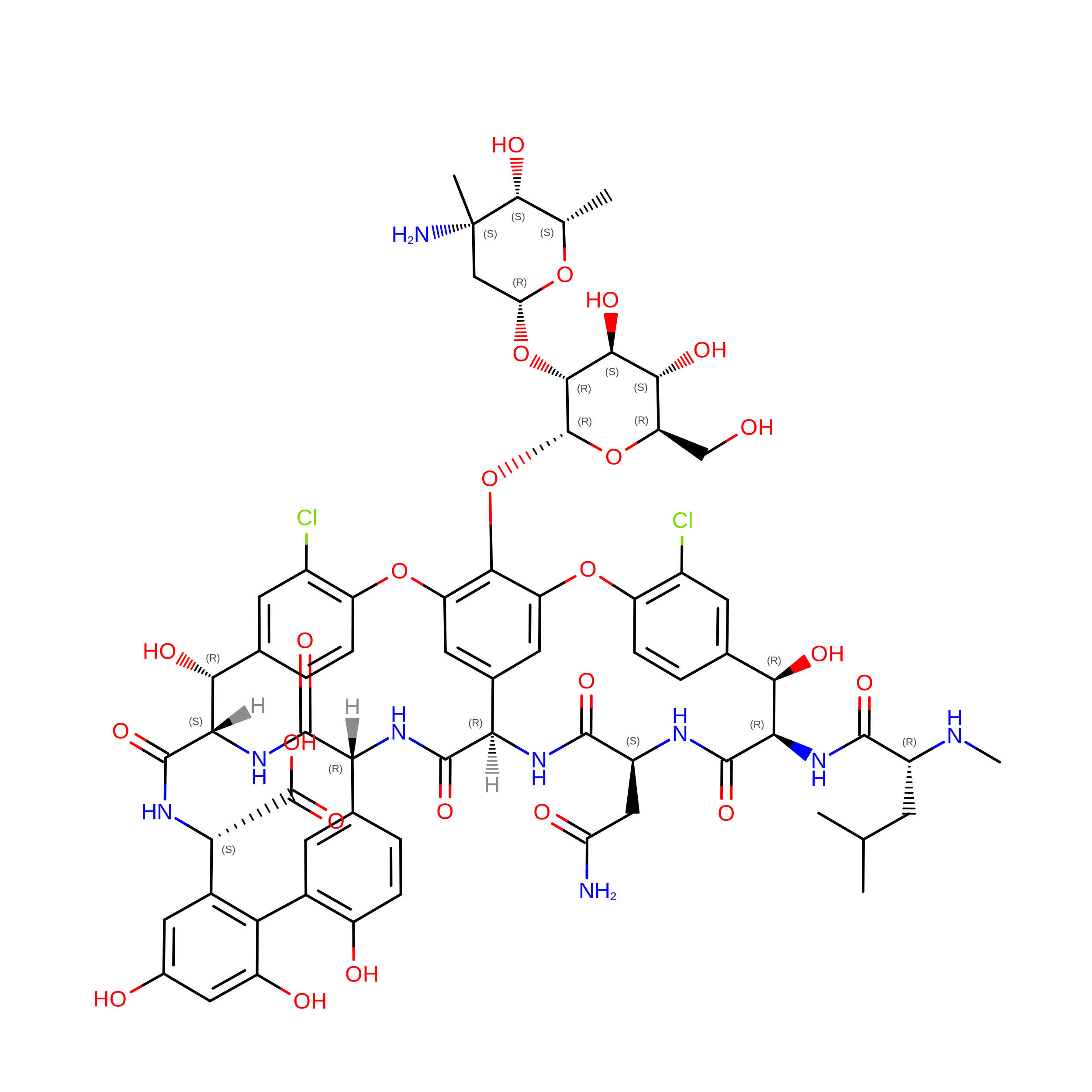
CRYSTAL STRUCTURE OF VANCOMYCIN AT ATOMIC RESOLUTION


Experimental Data Snapshot

  • Method: X-RAY DIFFRACTION
  • Resolution: 1.09 Å
  • R-Value Work: 
    0.118 (DCC) 
  • R-Value Observed: 
    0.105 (Depositor) 

wwPDB Validation 3D Report Full Report

Validation slider image for 1SHO

This is version 2.1 of the entry. See complete history

Literature

Crystal Structure of Vancomycin.

Schafer, M.Schneider, T.R.Sheldrick, G.M.

(1996) Structure 4: 1509

  • DOI: https://doi.org/10.1016/s0969-2126(96)00156-6
  • Primary Citation Related Structures: 
    1SHO

  • PubMed Abstract: 

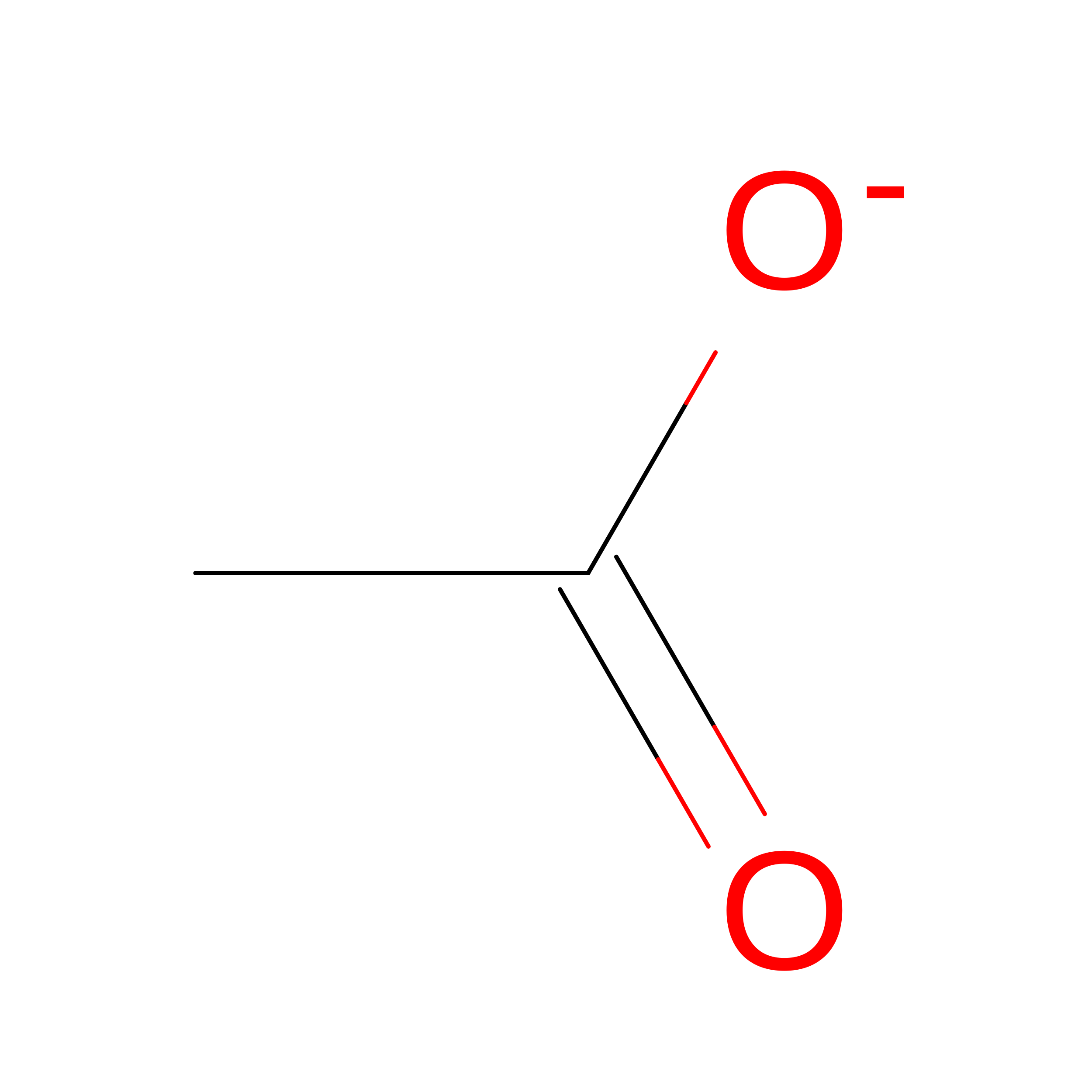
    Vancomycin and other related glycopeptide antibiotics are clinically very important because they often represent the last line of defence against bacteria that have developed resistance to antibiotics. Vancomycin is believed to act by binding nascent cell wall mucopeptides terminating in the sequence D-Ala-D-Ala, weakening the resulting cell wall. Extensive NMR and other studies have shown that the formation of asymmetric antibiotic dimers is important in peptide binding. Despite intensive efforts the crystal structure of vancomycin has been extremely difficult to obtain, partly because high-resolution data were unavailable, and partly because the structure was too large to be solved by conventional "direct methods'. Using low-temperature synchrotron X-ray data combined with new ab initio techniques for solving the crystallographic phase problem, we have succeeded in determining the crystal structure of vancomycin at atomic resolution. The structure provides much detailed information that should prove invaluable in modelling and mechanistic studies. Our structure confirms that vancomycin exists as an asymmetric dimer. The dimer conformation allows the docking of two D-Ala-D-Ala peptides in opposite directions; these presumably would be attached to different glycopeptide strands. In the crystal, one of the binding pockets is occupied by an acetate ion that mimics the C terminus of the nascent cell wall peptide; the other is closed by the asparagine sidechain, which occupies the place of a ligand. The occupied binding pocket exhibits high flexibility but the closed binding pocket is relatively rigid. We propose that the asparagine sidechain may hold the binding pocket in a suitable conformation for peptide docking, swinging out of the way when the peptide enters the binding pocket.


  • Organizational Affiliation
    • Institut für Anorganische Chemie, Universität Göttingen, Germany.

Macromolecule Content 

  • Total Structure Weight: 3.08 kDa 
  • Atom Count: 318 
  • Modeled Residue Count: 14 
  • Deposited Residue Count: 14 
  • Unique protein chains: 1

Macromolecules

Find similar proteins by:  Sequence   |   3D Structure  
Entity ID: 1
MoleculeChains  Sequence LengthOrganismDetailsImage
VANCOMYCIN
A, B
7Amycolatopsis orientalisMutation(s): 0 

Oligosaccharides

Help  
Entity ID: 2
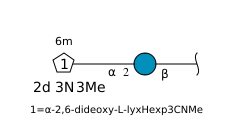
MoleculeChains Length2D Diagram GlycosylationD Interactions
vancosamine-(1-2)-beta-D-glucopyranose
C, D
2N/A
Glycosylation Resources
GlyTouCan: G14263HU
GlyCosmos: G14263HU

Small Molecules

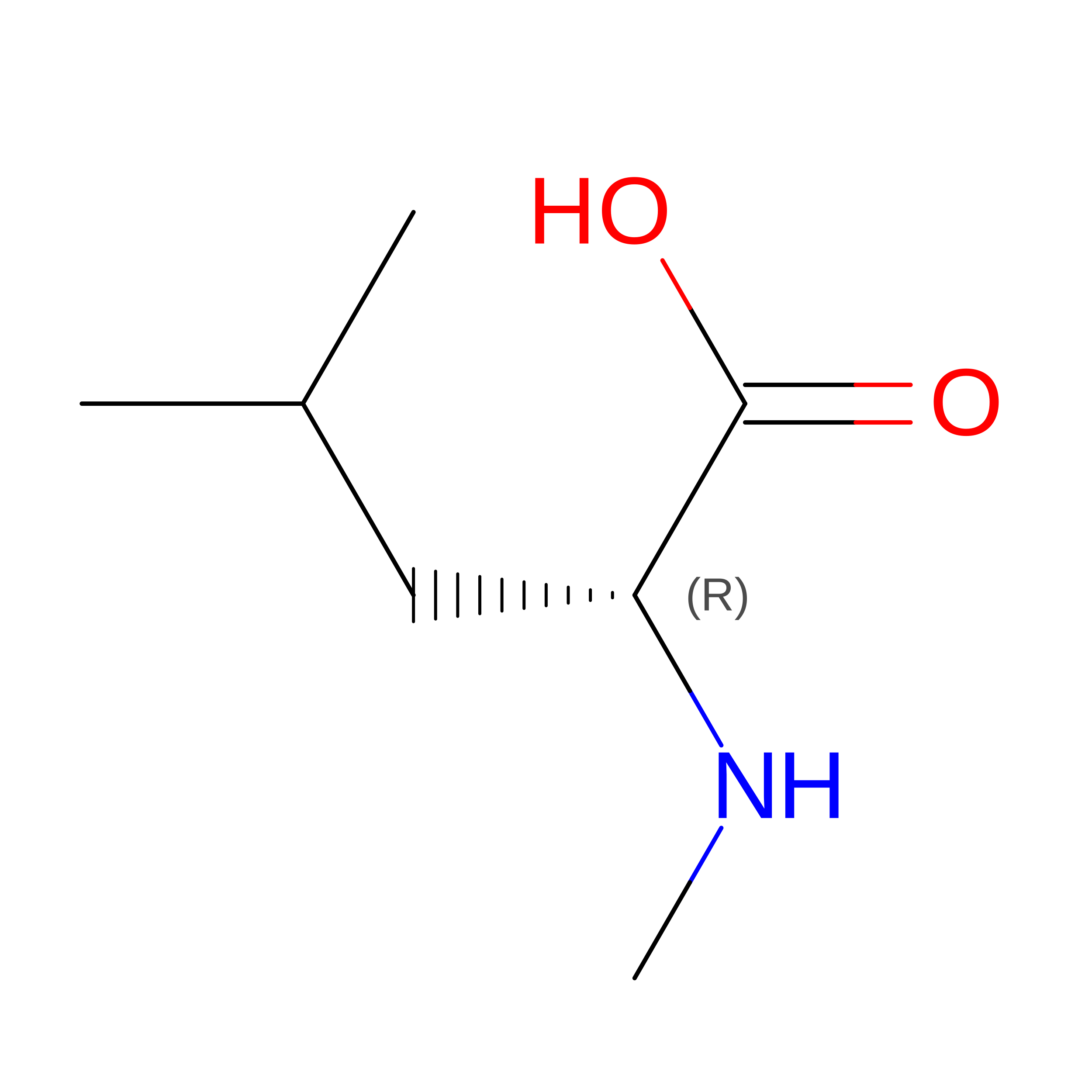
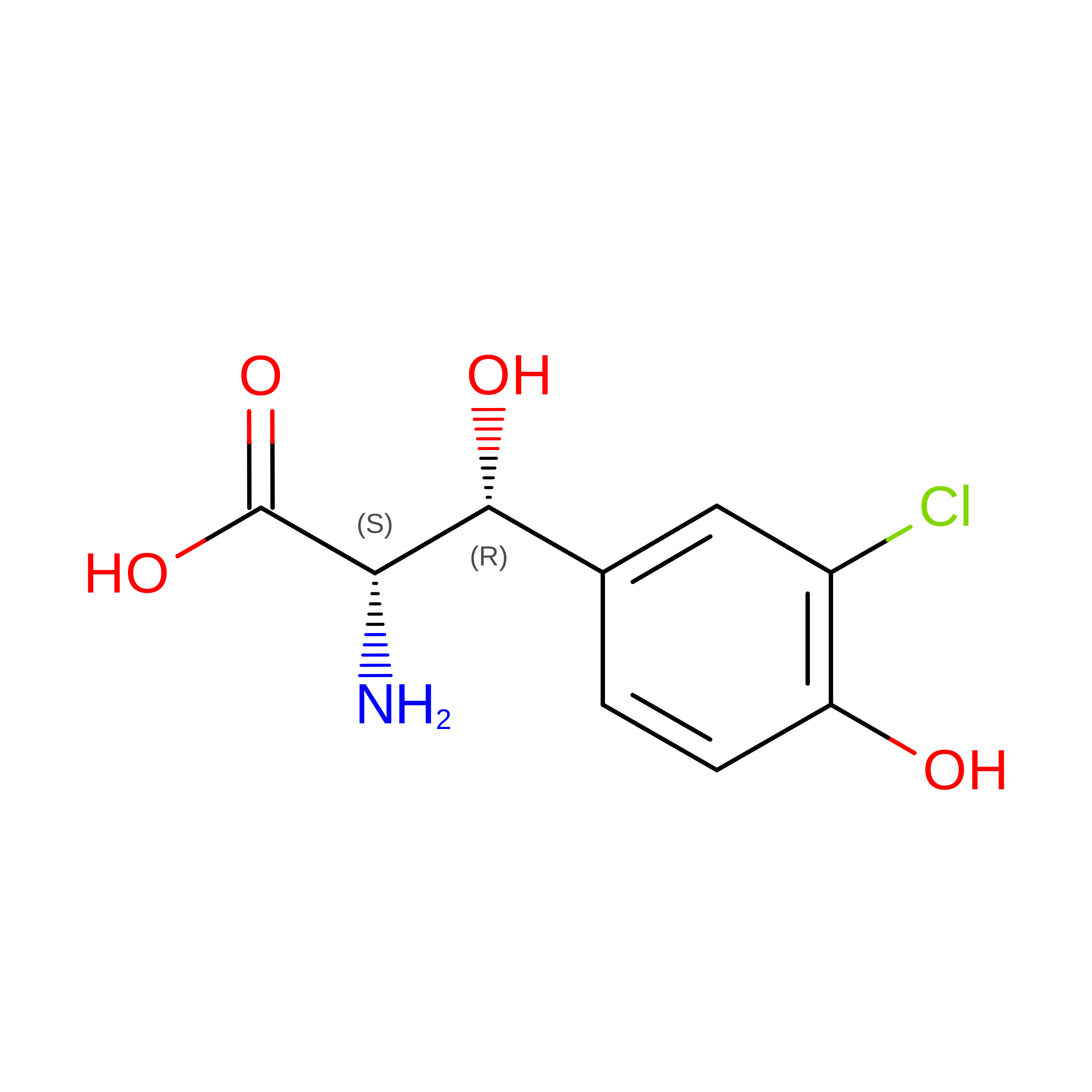
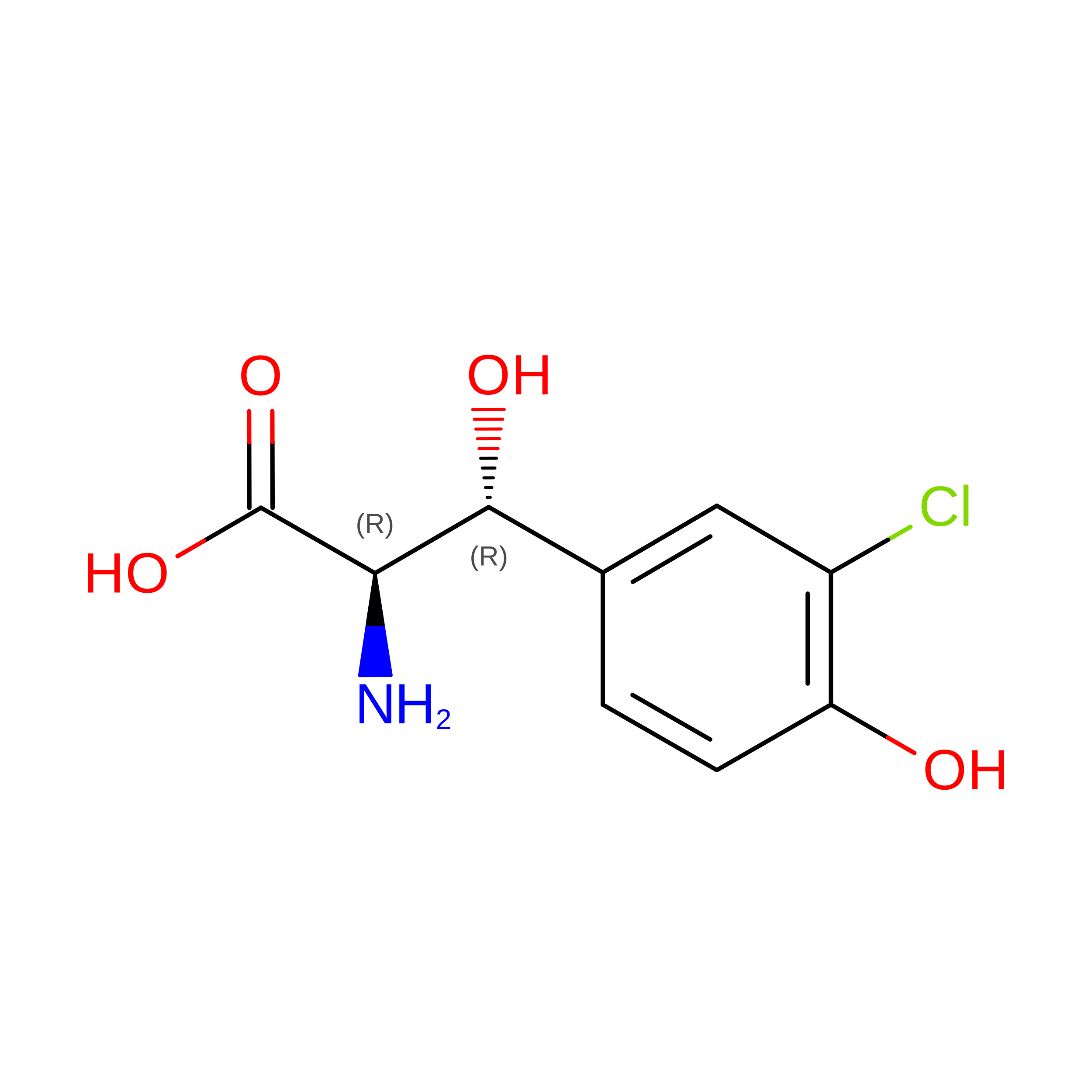
Modified Residues  1 Unique
IDChains TypeFormula2D DiagramParent
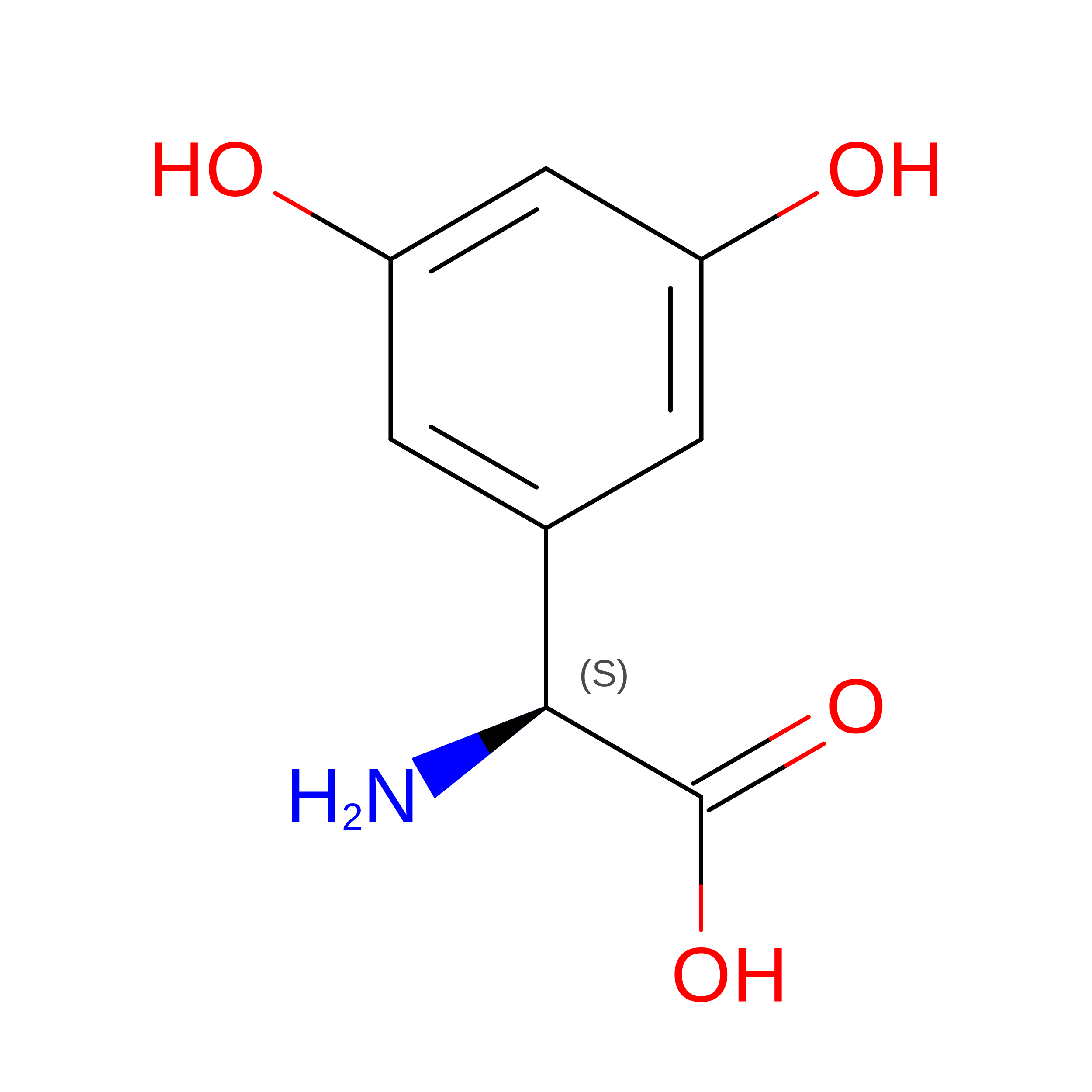
3FG
Query on 3FG
A, B
L-PEPTIDE LINKINGC8 H9 N O4

--

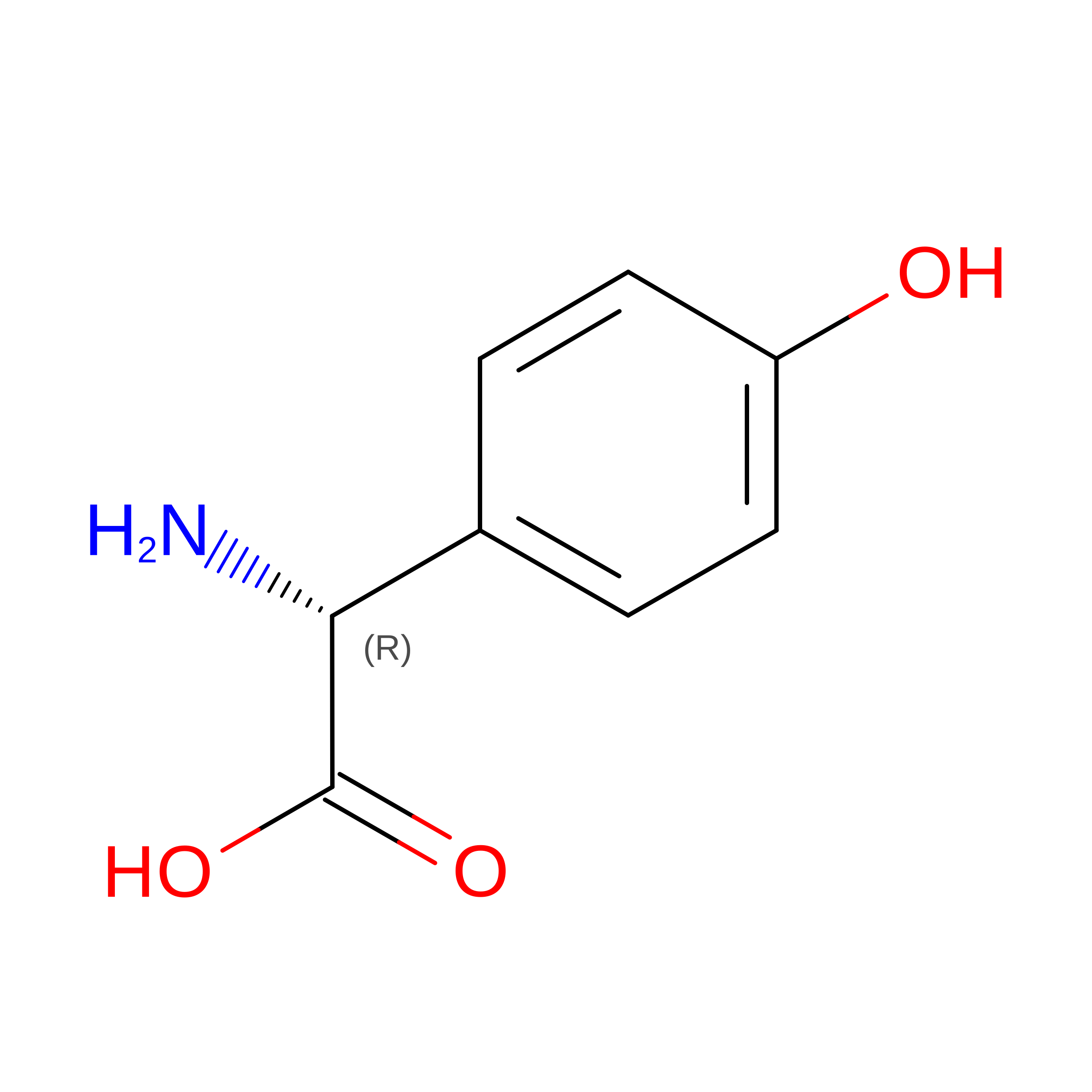
GHP
Query on GHP
A, B
D-PEPTIDE LINKINGC8 H9 N O3

--

MLU
Query on MLU
A, B
D-PEPTIDE LINKINGC7 H15 N O2

--

OMY
Query on OMY
A, B
L-PEPTIDE LINKINGC9 H10 Cl N O4TYR
OMZ
Query on OMZ
A, B
D-PEPTIDE LINKINGC9 H10 Cl N O4

--

Experimental Data & Validation

Experimental Data

  • Method: X-RAY DIFFRACTION
  • Resolution: 1.09 Å
  • R-Value Work:  0.118 (DCC) 
  • R-Value Observed: 0.105 (Depositor) 
Space Group: P 43 21 2
Unit Cell:
Length ( Å )Angle ( ˚ )
a = 28.48α = 90
b = 28.48β = 90
c = 65.83γ = 90
Software Package:
Software NamePurpose
SHELX-96model building
SHELXL-96refinement
DENZOdata reduction
SCALEPACKdata scaling
SHELX-96phasing

Structure Validation

View Full Validation Report


Entry History 

Deposition Data

Revision History  (Full details and data files)

  • Version 1.0: 1997-12-24
    Type: Initial release
  • Version 1.1: 2011-06-14
    Changes: Version format compliance
  • Version 1.2: 2011-07-13
    Changes: Version format compliance
  • Version 1.3: 2011-07-27
    Changes: Atomic model, Database references, Derived calculations, Non-polymer description, Structure summary
  • Version 1.4: 2012-12-12
    Changes: Other
  • Version 2.0: 2020-07-29
    Type: Remediation
    Reason: Carbohydrate remediation
    Changes: Atomic model, Data collection, Derived calculations, Other, Polymer sequence, Structure summary
  • Version 2.1: 2025-03-26
    Changes: Data collection, Database references, Derived calculations, Structure summary