Download Mendeley
Mechanisms of HSV-1 helicase-primase inhibition and replication fork complex assembly.
Yu, Z., Sathyanarayana, P., Liu, C., Tan, J.M.J., Yang, P., Das, B., Hu, S., Fan, X., Ji, C., Weller, S.K., Shekhar, M., Coen, D.M., Kranzusch, P.J., Loparo, J.J., Abraham, J.(2026) Cell 189: 478-494.e18
- PubMed: 41468884 Search on PubMedSearch on PubMed Central
- DOI: https://doi.org/10.1016/j.cell.2025.11.041
- Primary Citation Related Structures:
9YC9, 9YCP, 9YCT, 9YCV - PubMed Abstract:
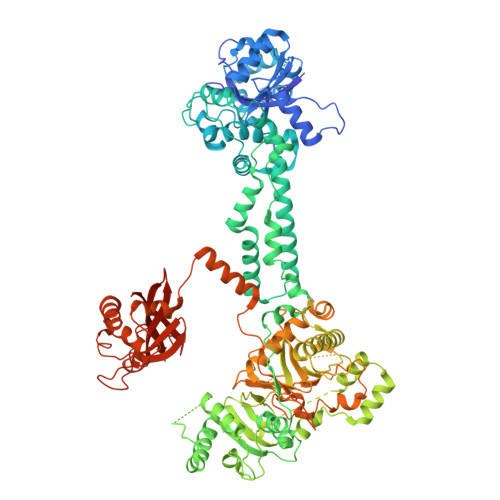
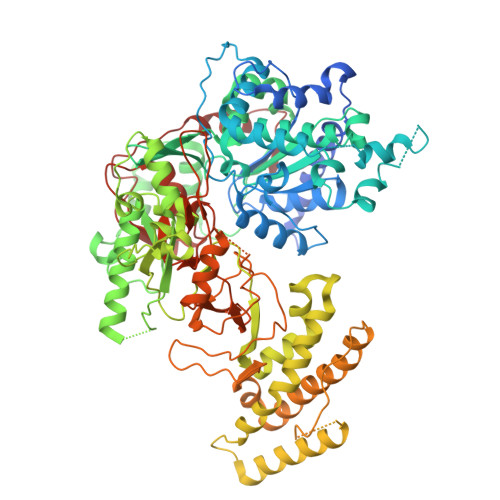
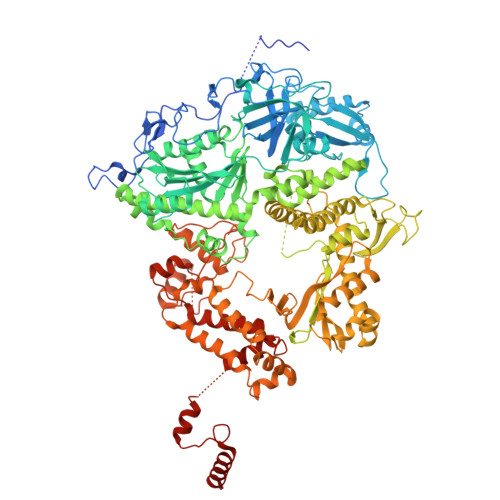
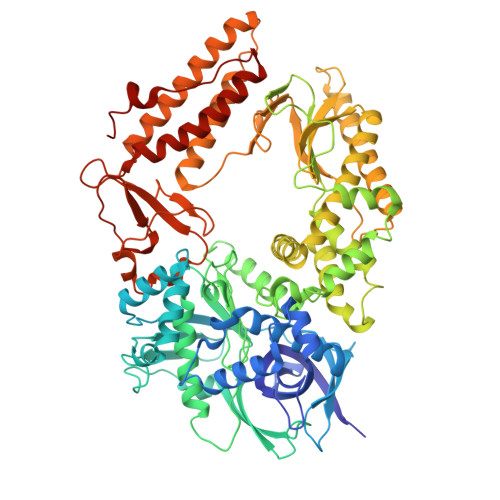
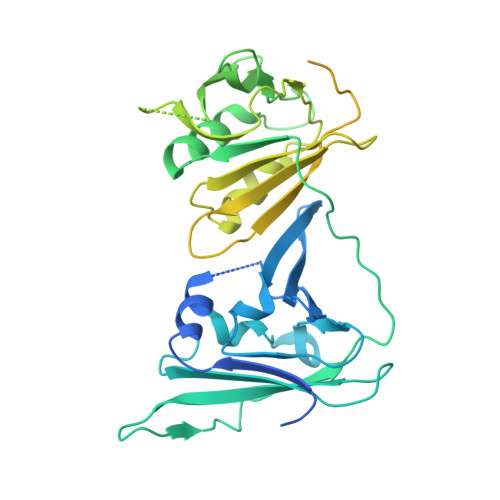
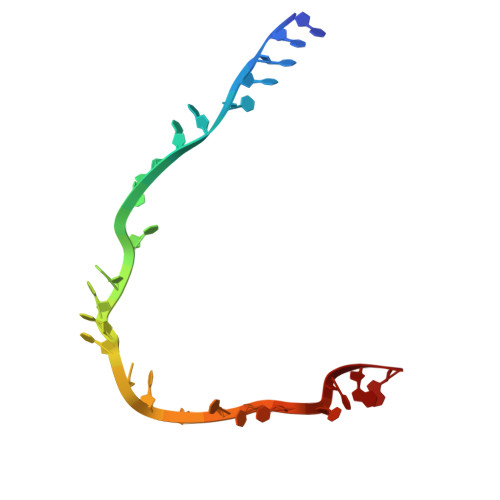
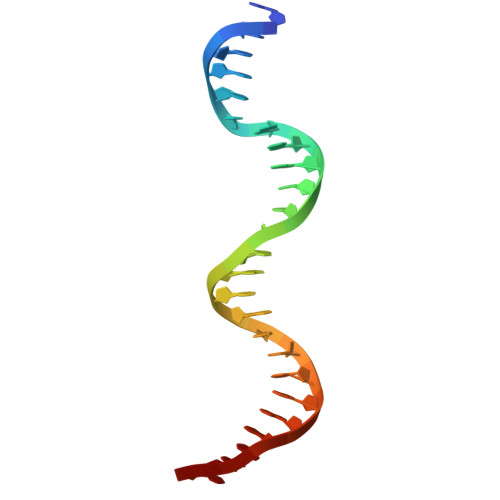
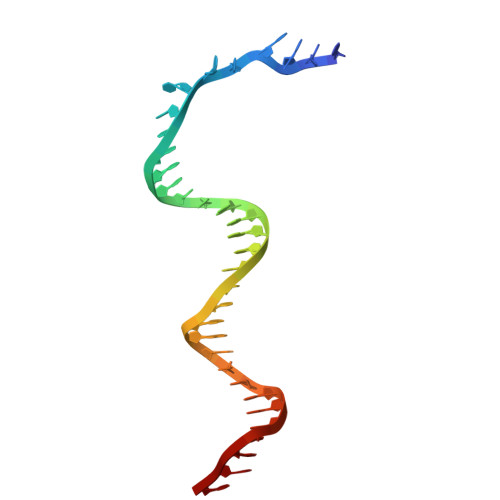
Herpesviruses are widespread double-stranded DNA viruses that establish lifelong latency and cause various diseases. Although DNA-polymerase-targeting antivirals are effective, increasing drug resistance underscores the need for alternatives. Helicase-primase inhibitors (HPIs) are promising antivirals, but their mechanisms of action are poorly defined. Furthermore, how the helicase-primase (H/P) complex and DNA polymerase coordinate genome replication is not well understood for herpesviruses. Here, we report cryo-electron microscopy (cryo-EM) structures of the herpes simplex virus 1 H/P complex bound to HPIs, showing that these lock the H/P complex in an inactive state. Single-molecule assays reveal that HPIs cause H/P complexes to pause in unwinding activity on DNA. The structure of an HPI-bound replication fork complex, comprising the H/P complex (UL5, UL52, and UL8) and the polymerase holoenzyme (UL30 and UL42), reveals a previously uncharacterized interface bridging these complexes. These findings provide a structural framework for understanding herpesvirus replisome assembly and advancing inhibitor development.
- Department of Microbiology, Blavatnik Institute, Harvard Medical School, Boston, MA, USA.
Organizational Affiliation: