Download Mendeley
Structural basis of diadinoxanthin-Chl a/b-binding proteins in the photosystem I supercomplex of Euglena gracilis.
Bai, T., Mao, Z., Sun, D., Tang, Y., Lu, Z., Ma, F., Ma, B., Chen, J., Wang, W., Li, Y., Liu, S., Yang, Y., Wang, Y., Tian, L.(2026) Sci Adv 12: eaea5561-eaea5561
- PubMed: 41790873 Search on PubMedSearch on PubMed Central
- DOI: https://doi.org/10.1126/sciadv.aea5561
- Primary Citation Related Structures:
9V7T, 9V7U - PubMed Abstract:
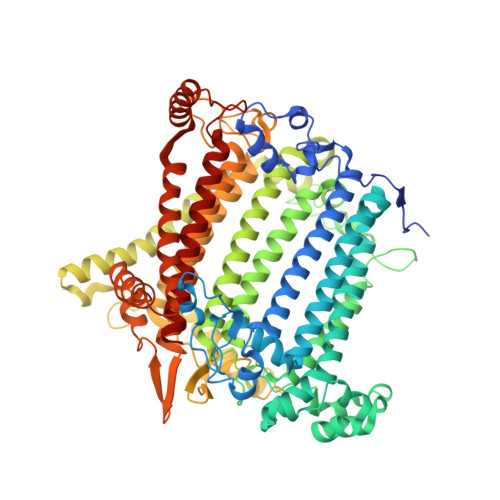
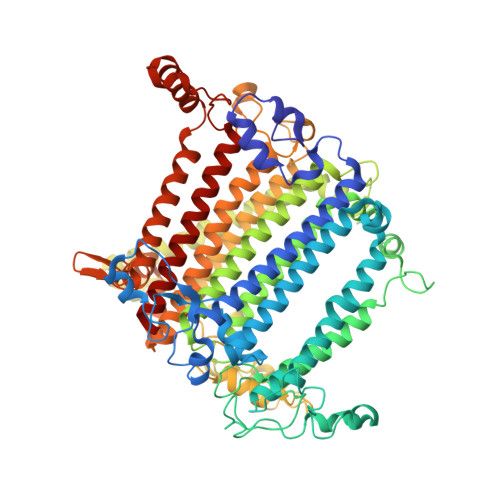
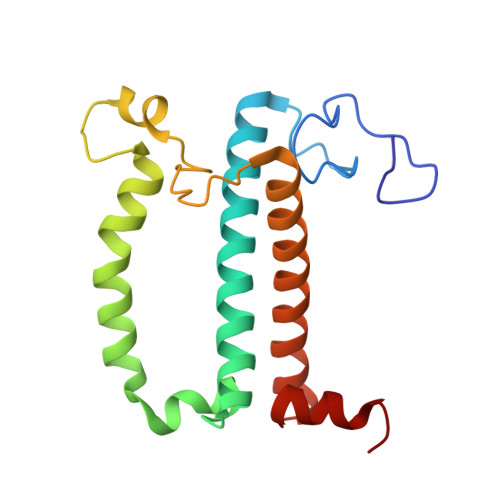
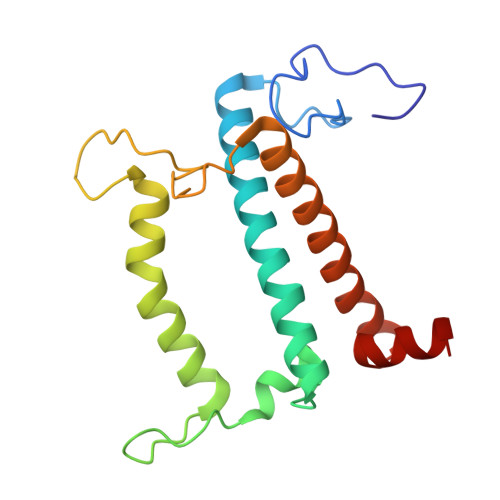
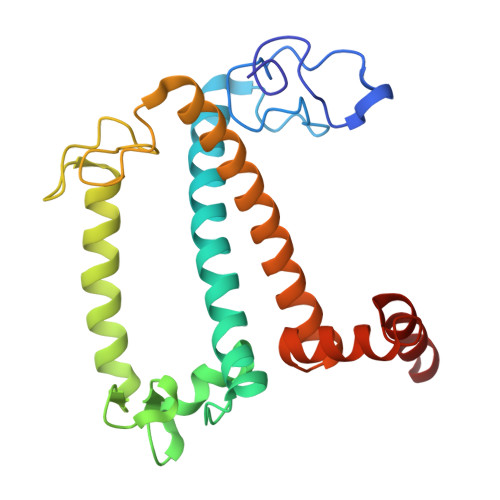
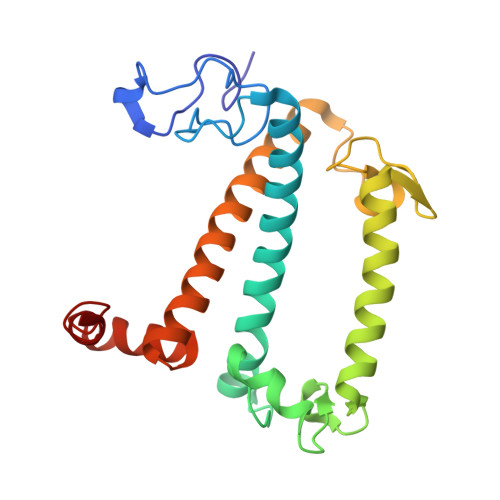
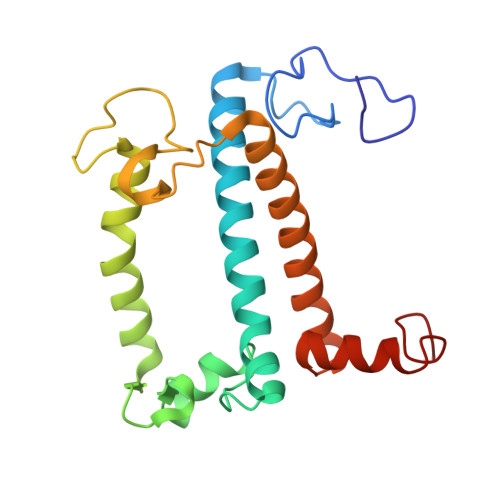
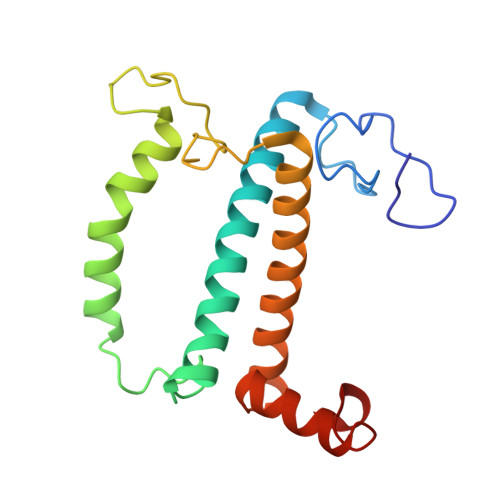
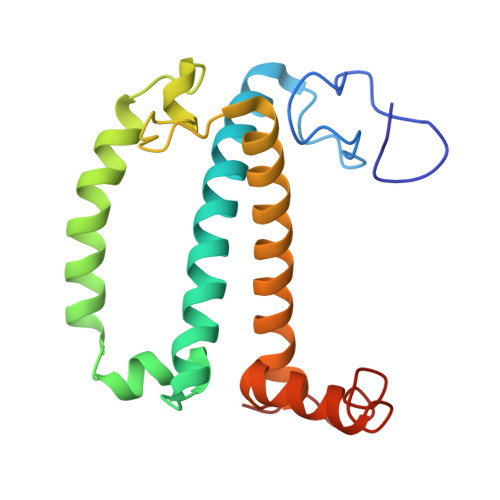
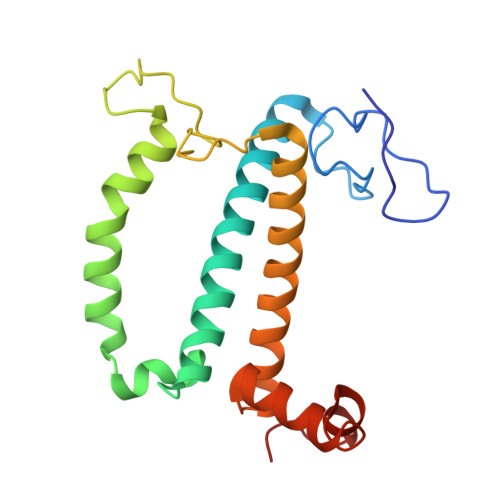
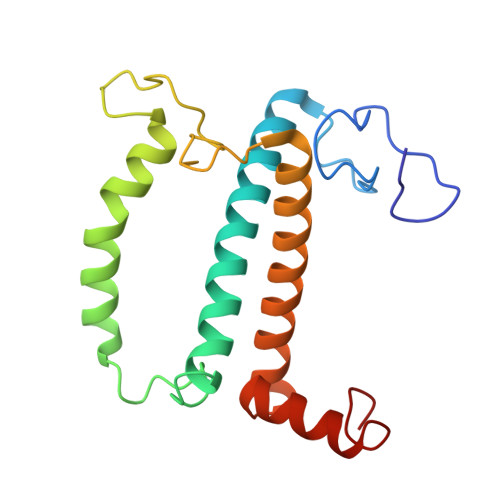
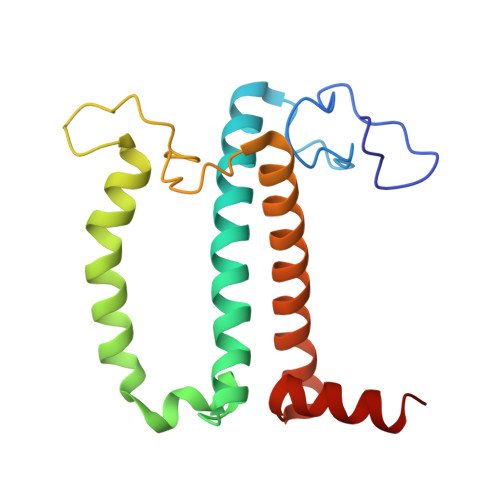
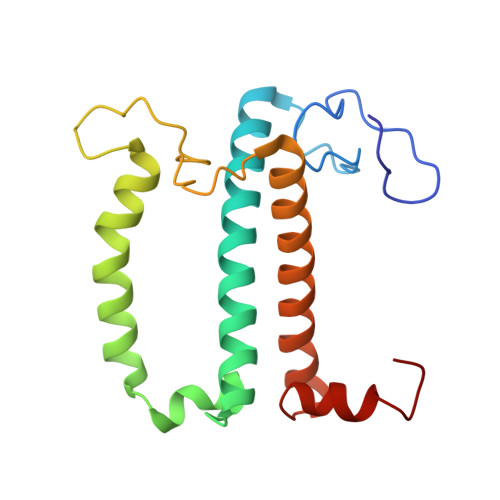
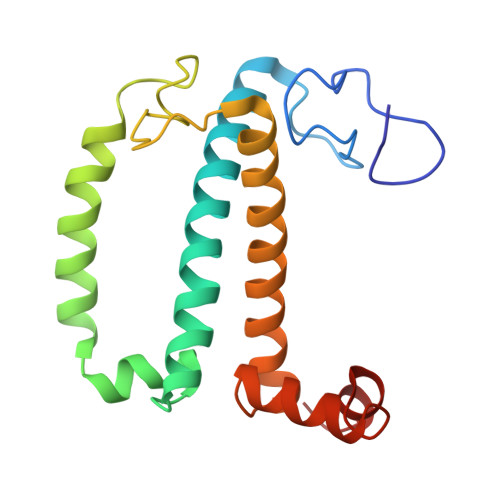
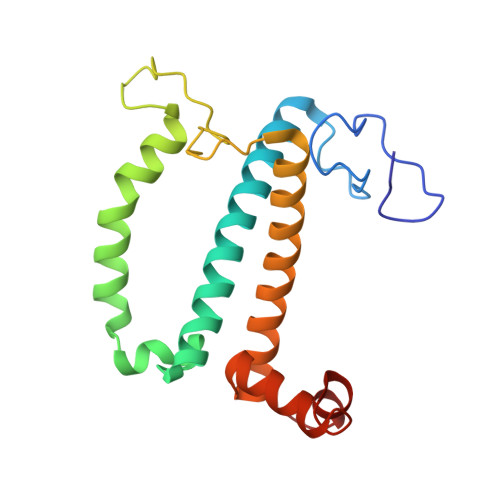
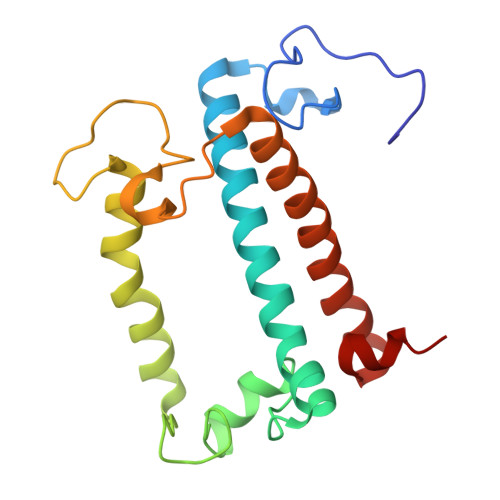
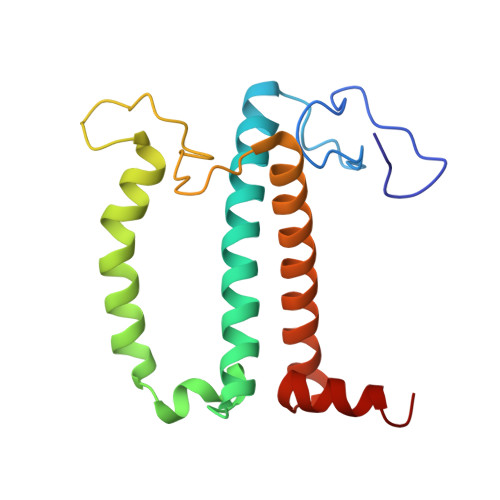
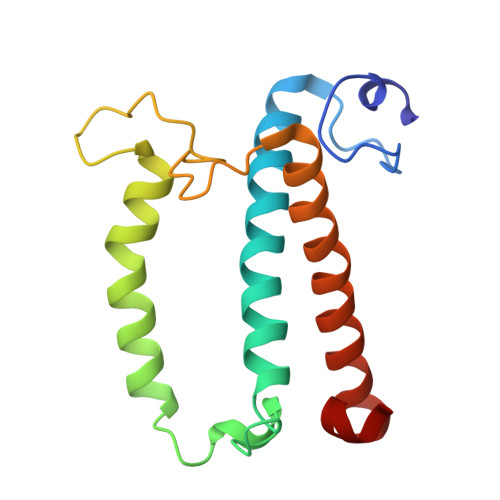
Euglena gracilis is a phototrophic flagellate that has evolved through secondary endosymbiotic events and belongs to green-lineage organisms. We report a unique structure of photosystem I-light harvesting complex I (PSI-LHCI) supercomplex from E. gracilis at a 2.23-angstrom resolution by cryo-electron microscopy. The supercomplex is composed of 8 core subunits and 16 LHCIs and exhibits distinctive structural features compared to its counterparts in green algae and plants. The LHCI subunits encircle the core complex, forming a two-layered arrangement that comprises six pairs of tightly packed heterodimers. Specifically, the 16 LHCIs consist of 4 diadinoxanthin-chlorophyll (Chl) a/b-binding antennae (Lhcbm) and 12 diadinoxanthin-Chl a-binding antennae (Lhca), and they exhibit characteristic pigment compositions combining features of green- and red-lineage organisms. These findings provide a robust structural foundation for elucidating the mechanisms of light harvesting and energy transfer as well as insights into the evolutionary changes of green-lineage PSI-LHCI.
- Key Laboratory of Molecular and Cellular Biology of the Ministry of Education, Hebei Research Center of the Basic Discipline of Cell Biology, Hebei Collaboration Innovation Center for Cell Signaling, College of Life Sciences, Hebei Normal University, Shijiazhuang 050024, Hebei, China.
Organizational Affiliation: