Download Mendeley
NAA40 and NAC cooperate in co-translational histone acetylation in humans.
Guan, D., Denk, T., Klavaris, A., Thoms, M., Berninghausen, O., Beatrix, B., Kirmizis, A., Beckmann, R.(2026) Nat Commun 17
- PubMed: 41820326 Search on PubMedSearch on PubMed Central
- DOI: https://doi.org/10.1038/s41467-026-70279-5
- Primary Citation Related Structures:
9T69, 9T6C, 9T6D, 9T6I - PubMed Abstract:
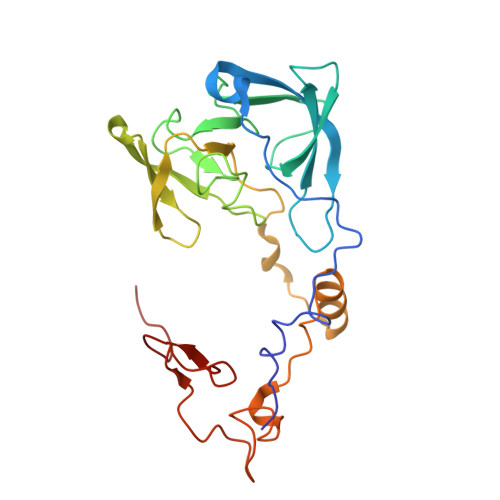
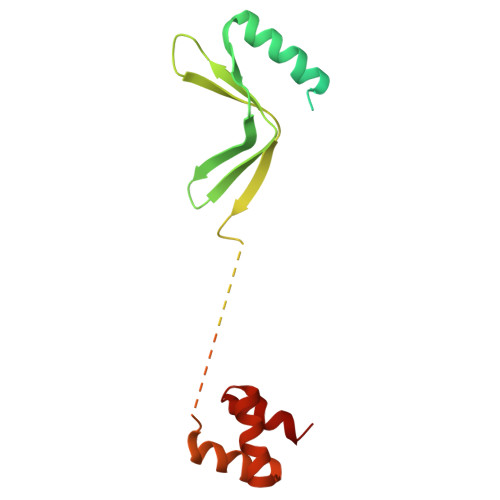
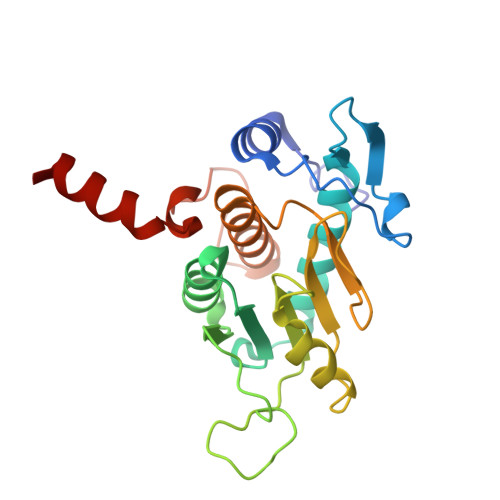
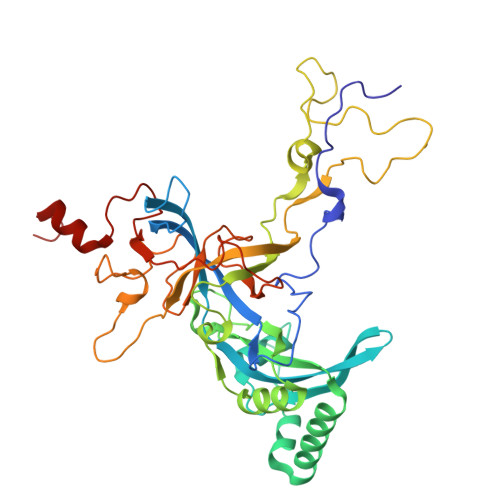
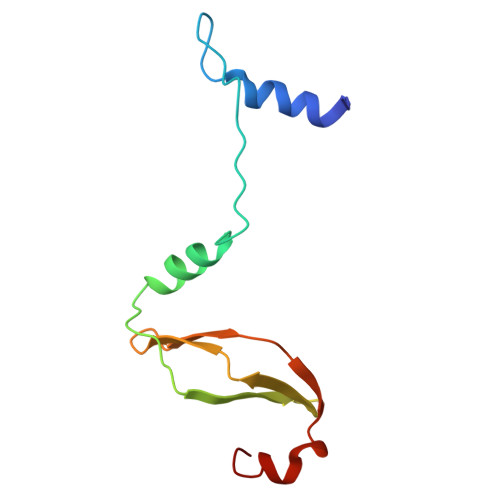
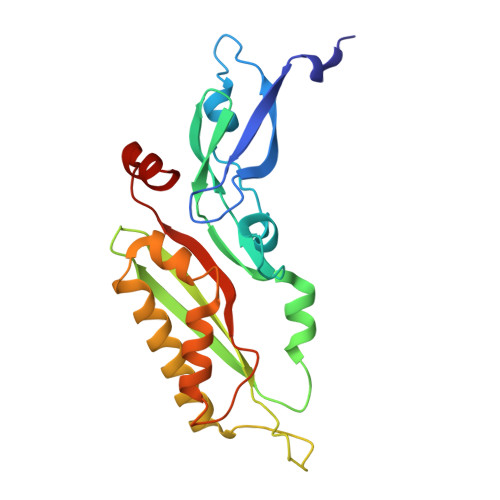
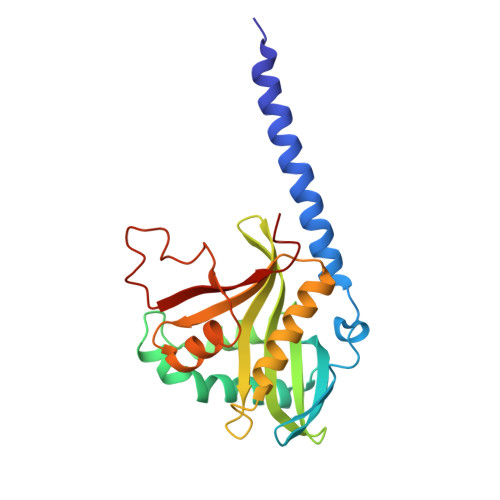
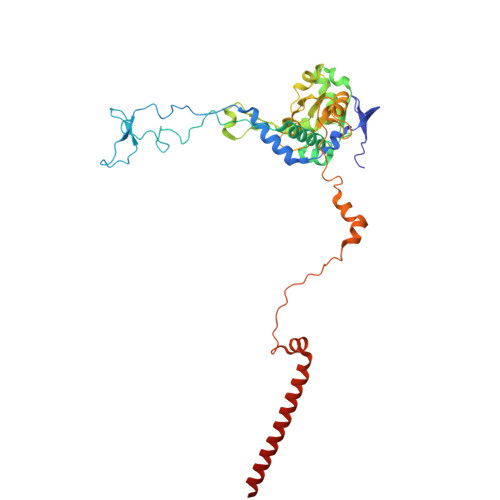
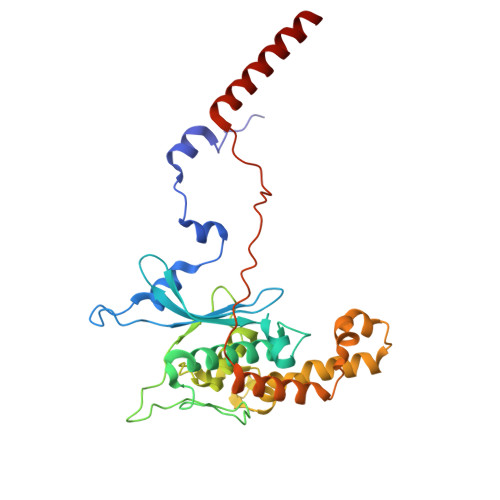
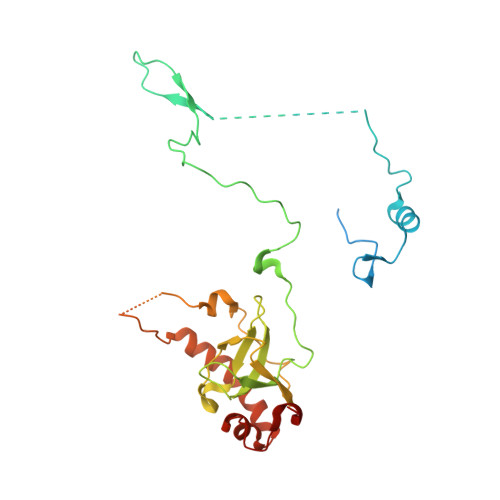
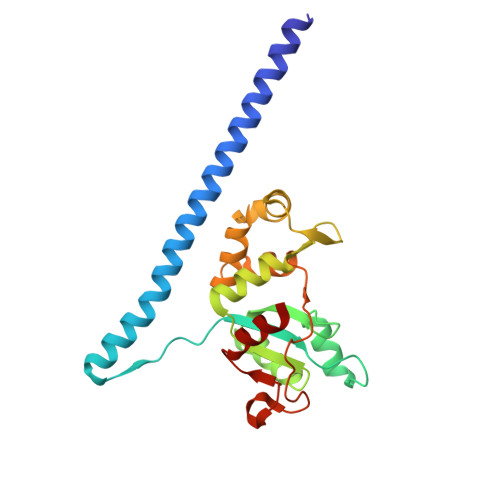
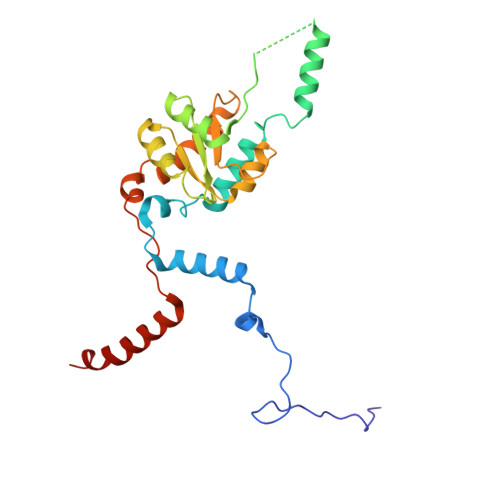
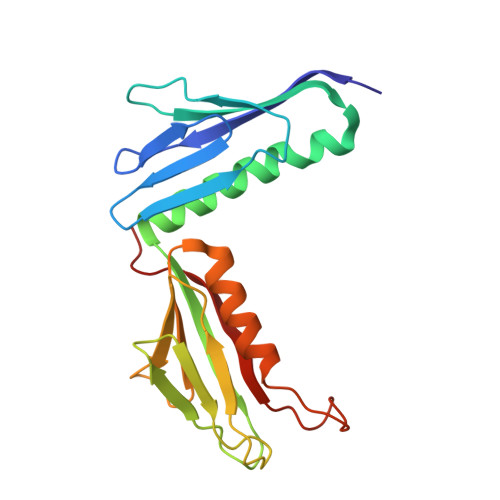
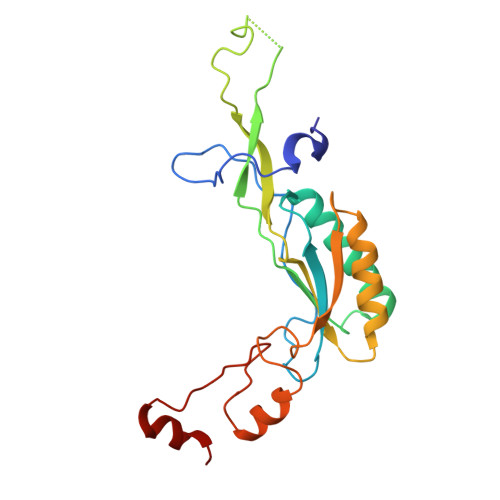
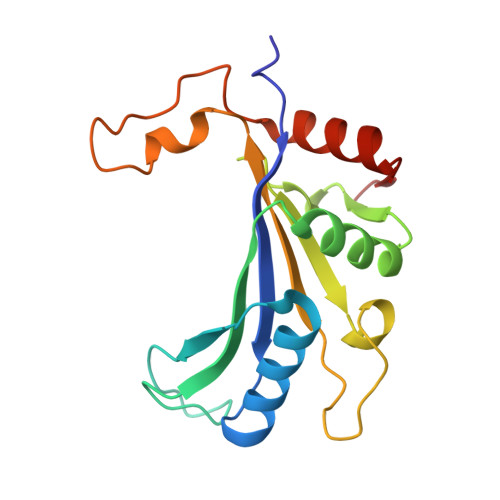
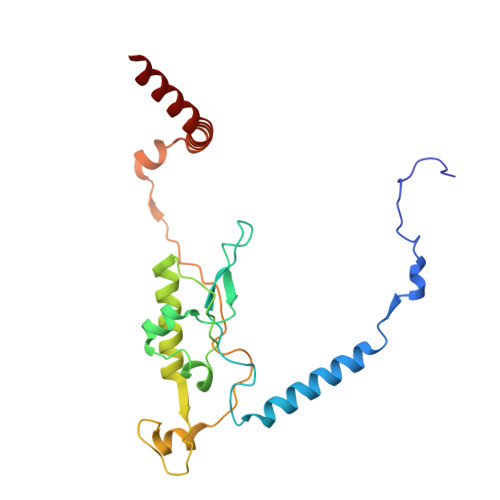
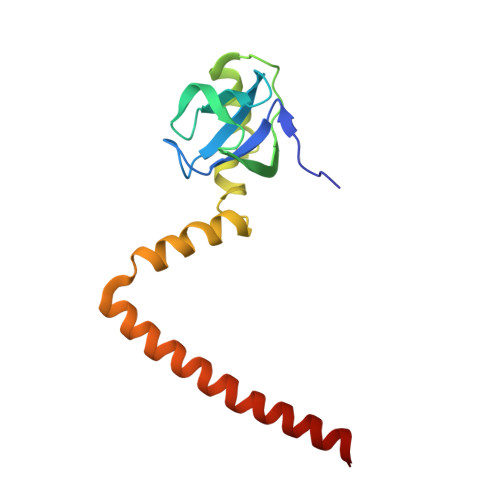
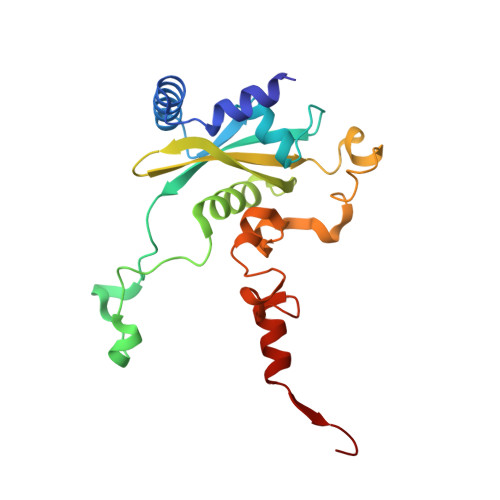
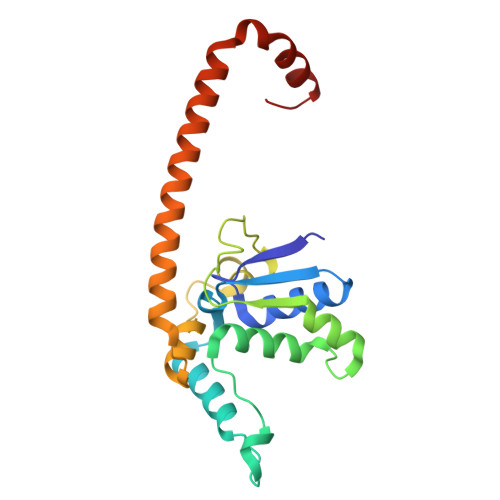
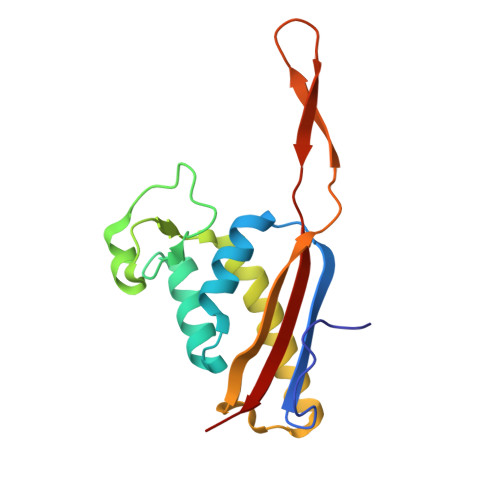
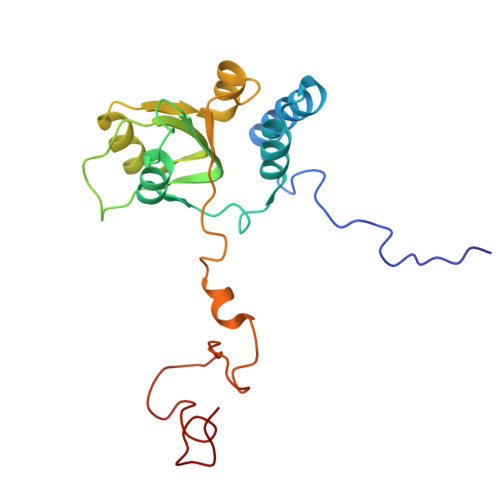
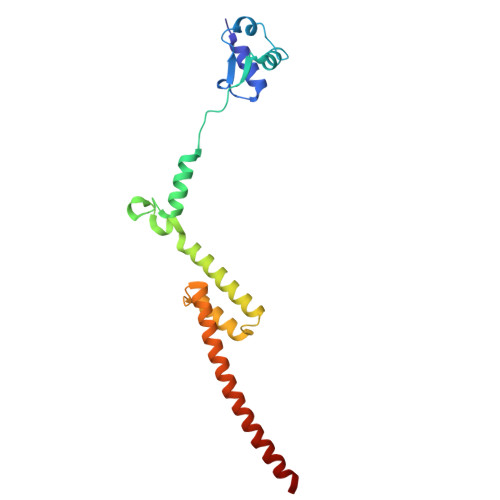
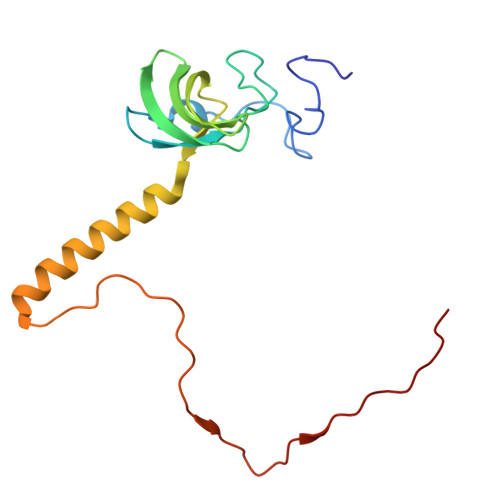
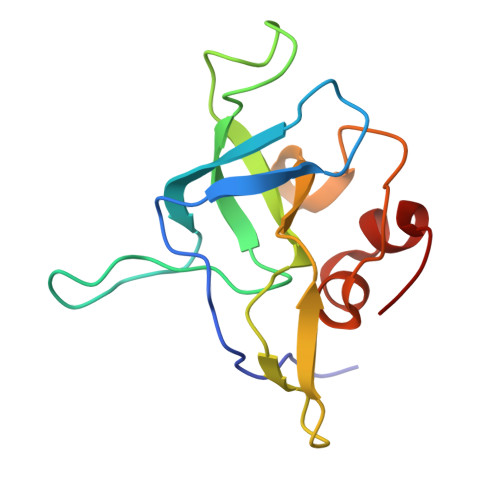
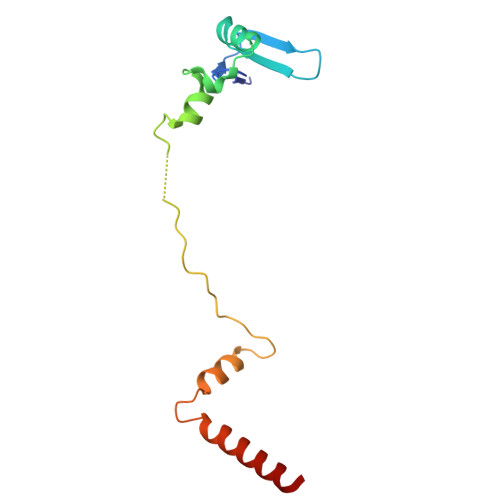
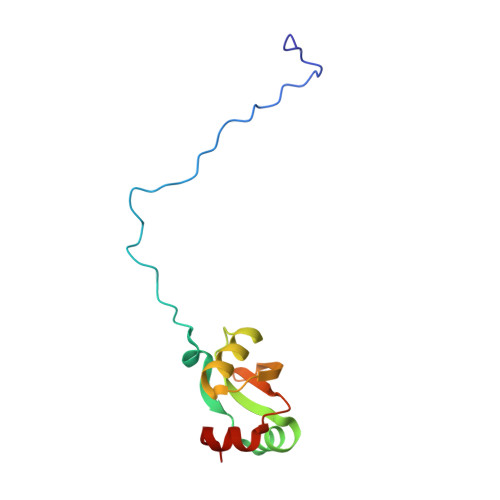
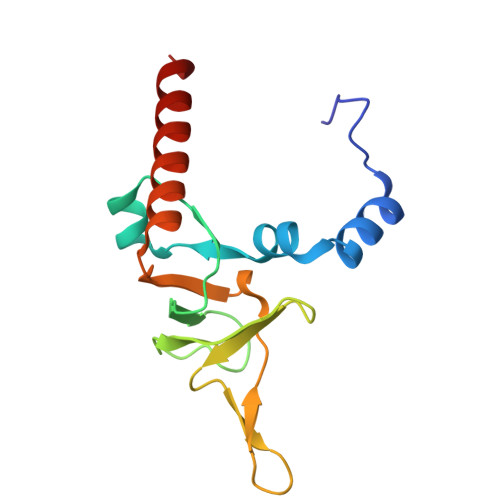
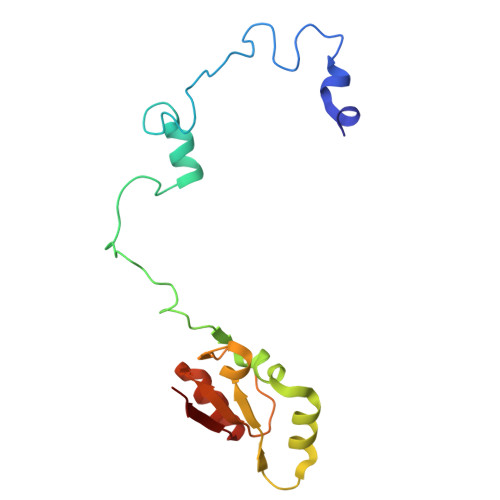
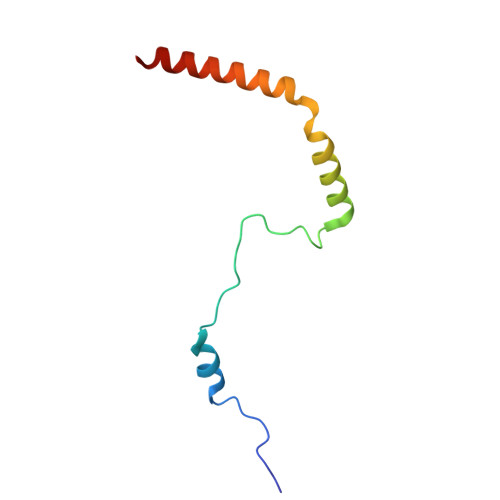
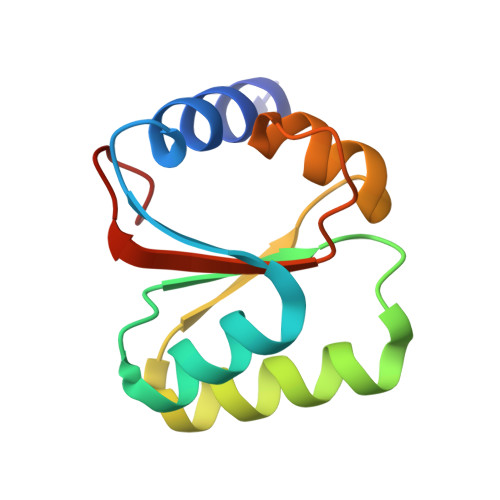
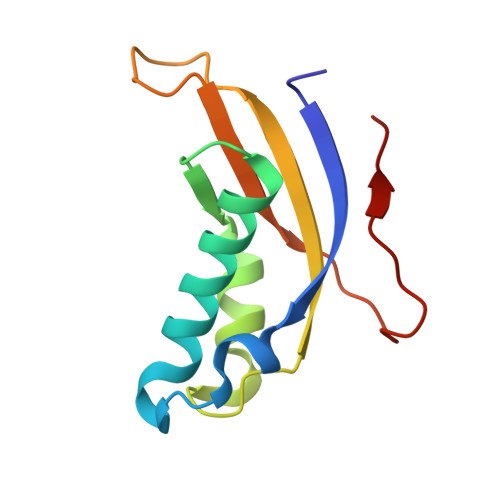
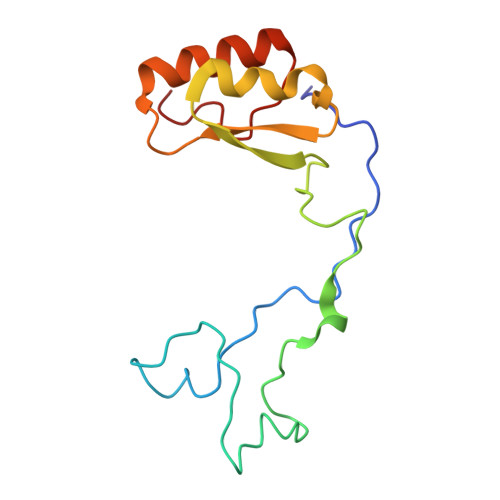
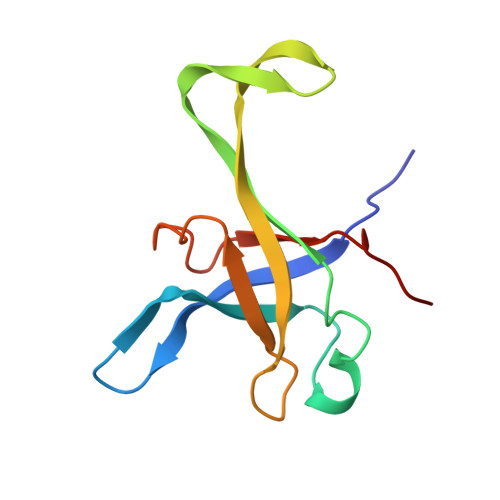
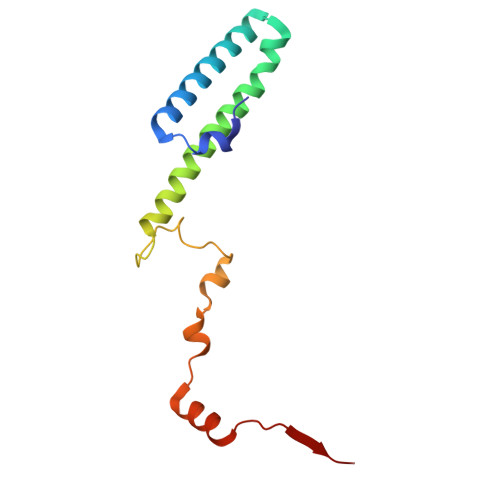
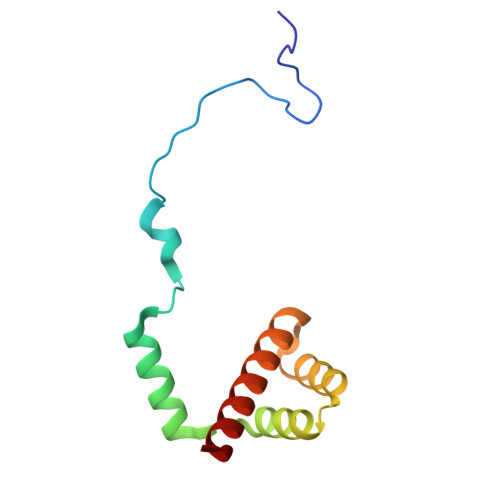
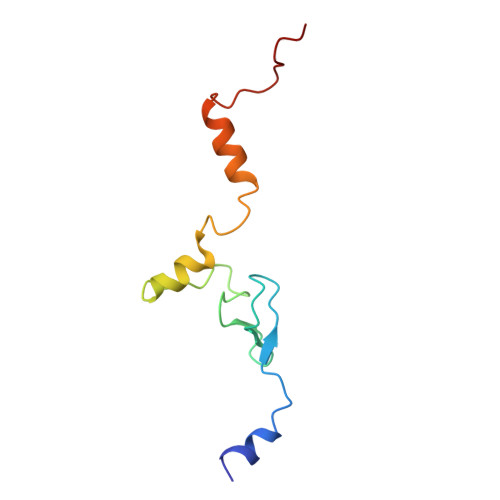
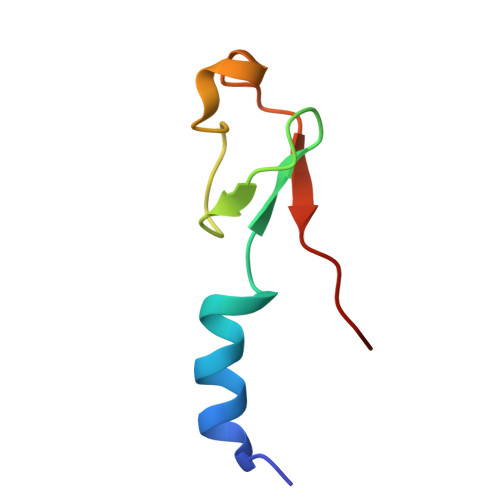
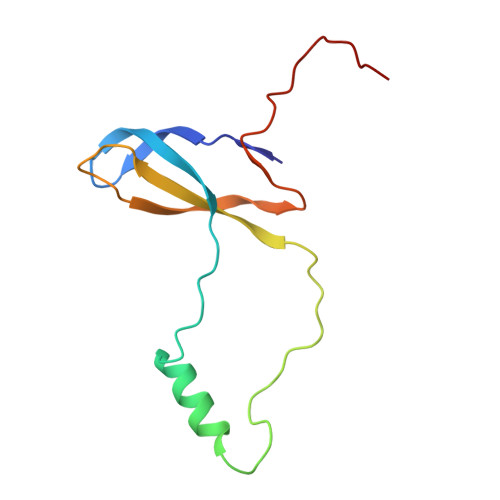
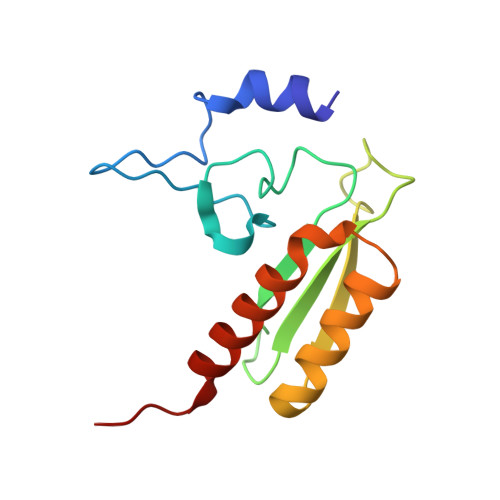
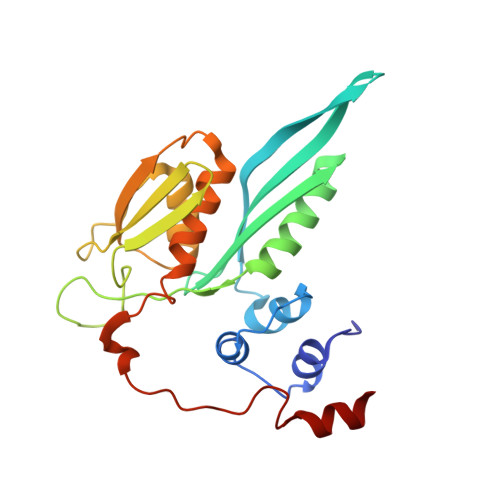
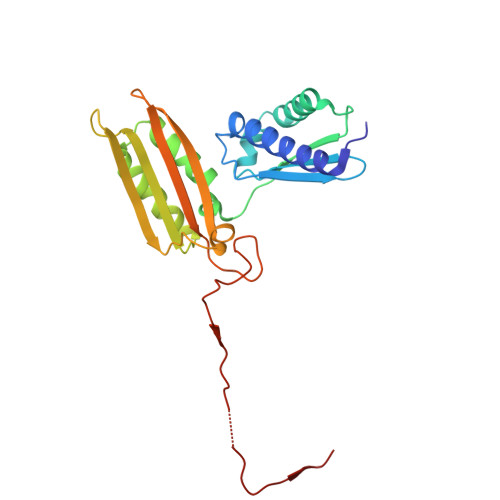
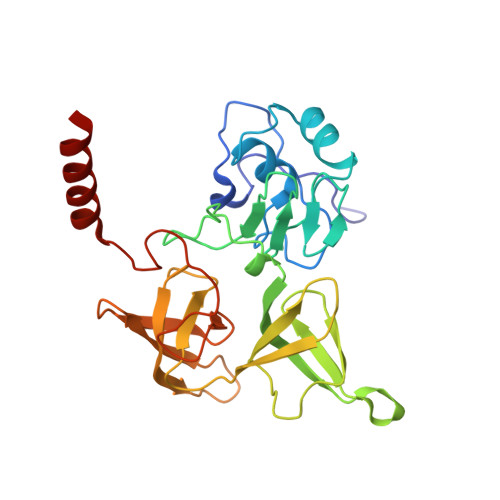
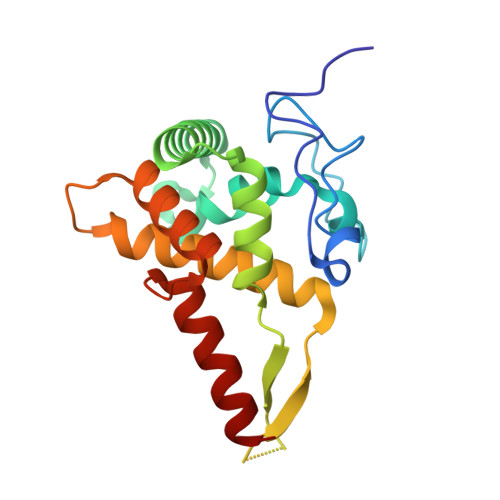
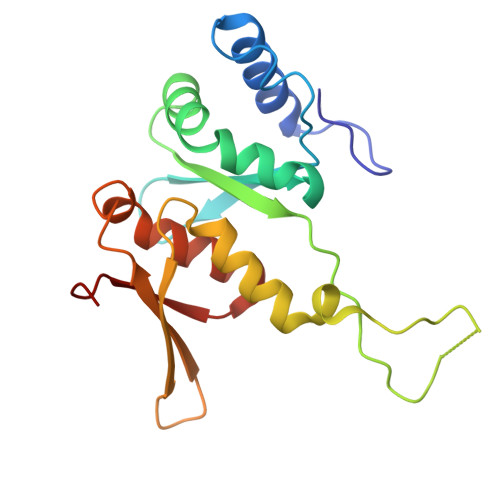
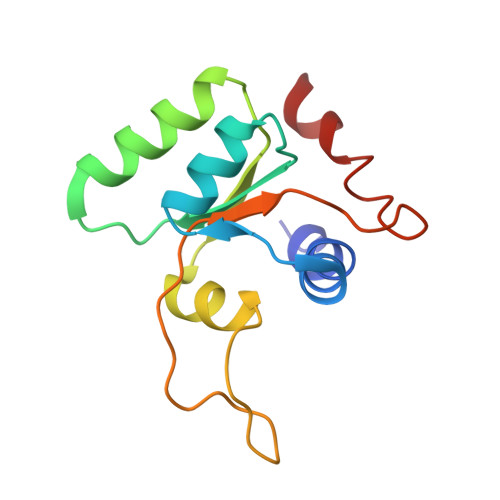
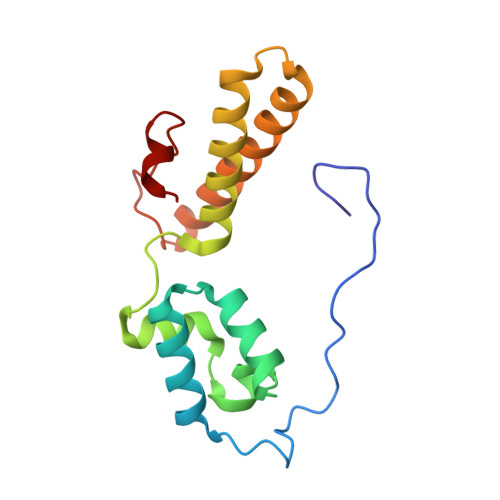
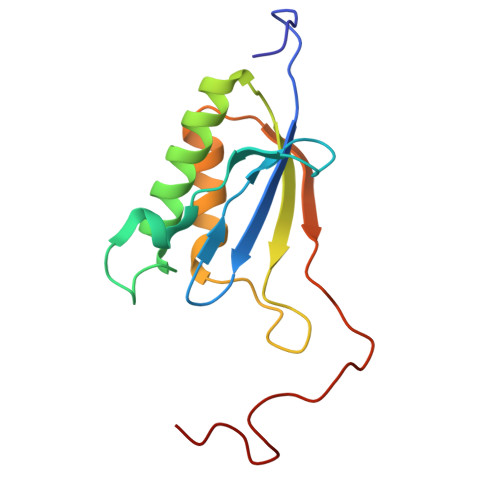
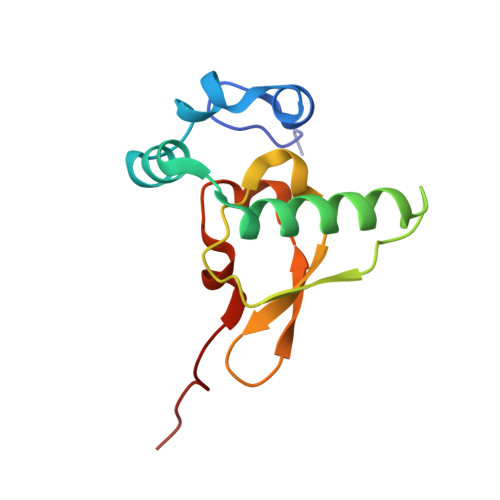
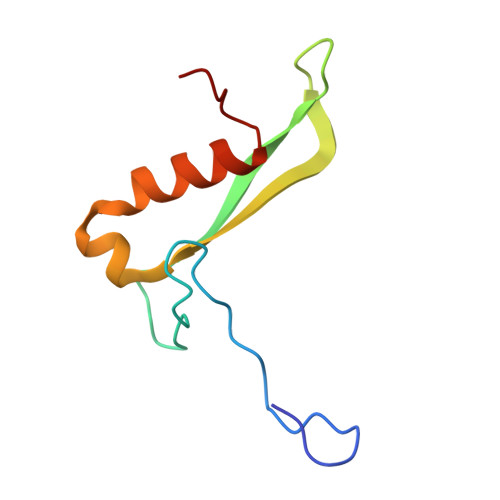
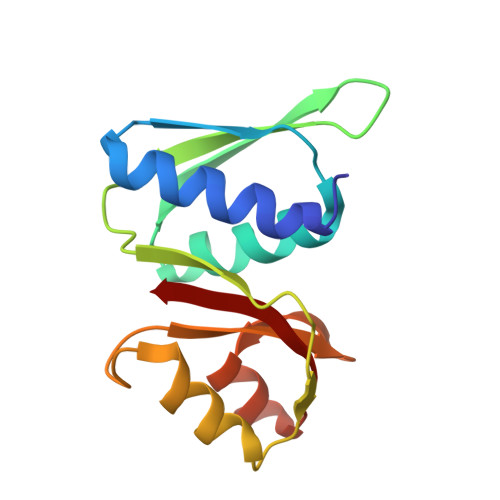
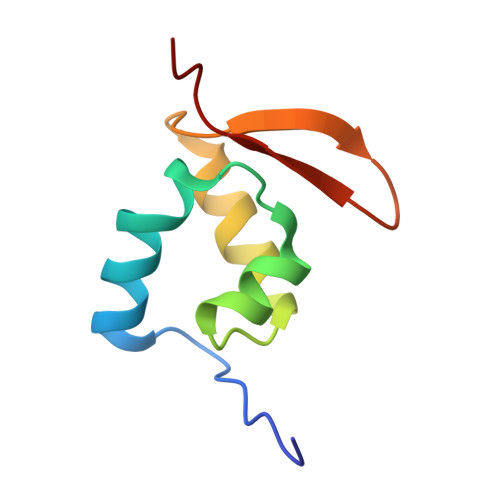
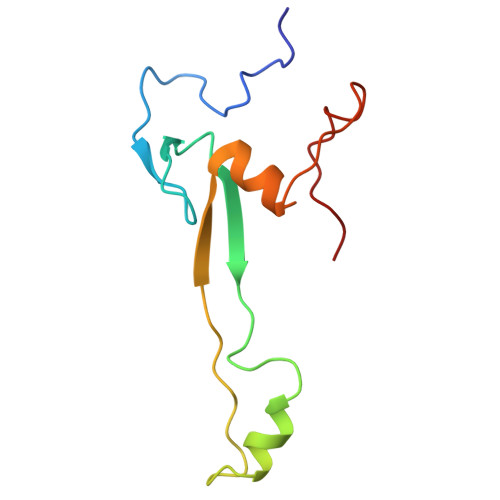
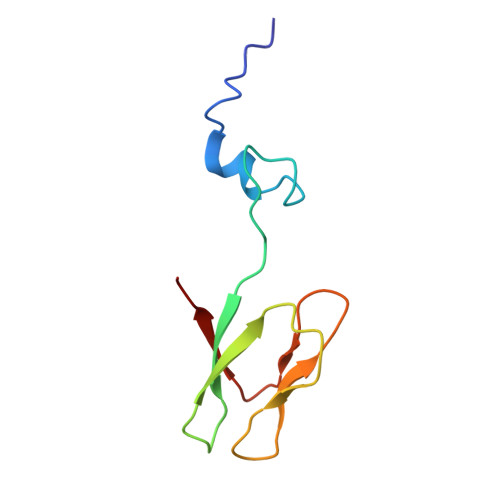
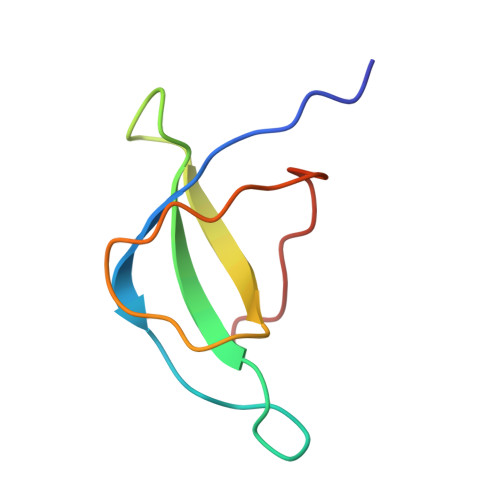
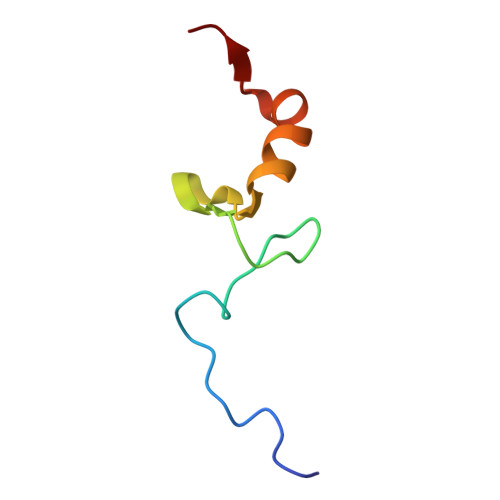
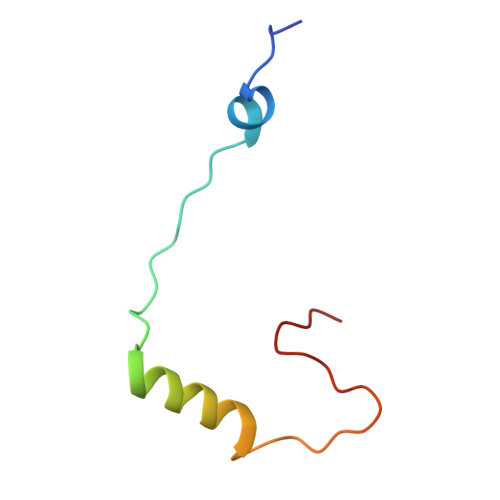
N-terminal acetylation is an abundant and predominantly co-translational modification in eukaryotes that profoundly affects folding, compartmentalization fidelity and turnover of target proteins. Unlike other N-acetyltransferases, human NatD is composed solely of the catalytic subunit NAA40 and exclusively modifies histone proteins H2A and H4. However, the molecular details of co-translational NAA40 activity have remained elusive. Here, we show biochemically and by cryo-EM how NAA40 activity is coordinated at the ribosomal peptide tunnel exit involving the NAC complex. We demonstrate that the NAA40-NAC interaction is required for efficient ribosome binding and histone acetylation. Furthermore, we provide insights on the potential coordination of methionine removal and subsequent NAA40-mediated acetylation by formation of a multienzyme complex on the ribosome involving METAP1. Therefore, our results illustrate the details of N-terminal histone acetylation by NAA40 and highlight the role of NAC as a general coordinator of nascent protein modification.
- Gene Center, Ludwig-Maximilians-Universität München, Munich, Germany.
Organizational Affiliation: