Download Mendeley
Glycan recognition by collectin-11 drives SARS-CoV-2 infectivity and membrane injury of respiratory epithelial cells.
Polycarpou, A., Wagner-Gamble, T., Greenlaw, R., O'Neill, L., Kanabar, V., Alrehaili, A., Jeon, Y., Baker, J., Bafadhel, M., Khan, H., Malim, M.H., Romano, M., Farrar, C.A., Smolarek, D., Martinez-Nunez, R., Doores, K.J., Wallis, R., Klavinskis, L.S., Sacks, S.H.(2025) Proc Natl Acad Sci U S A 122: e2521209122-e2521209122
- PubMed: 41134631 Search on PubMedSearch on PubMed Central
- DOI: https://doi.org/10.1073/pnas.2521209122
- Primary Citation Related Structures:
9SRK - PubMed Abstract:
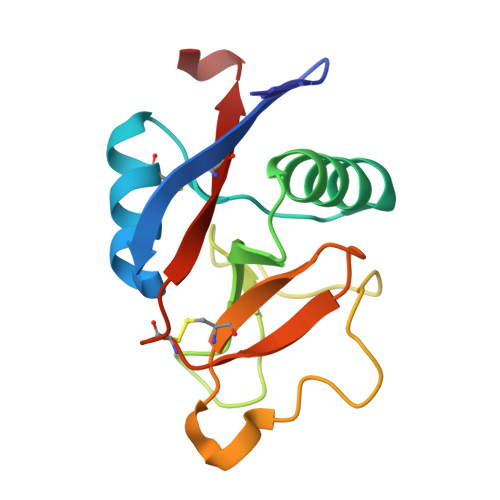
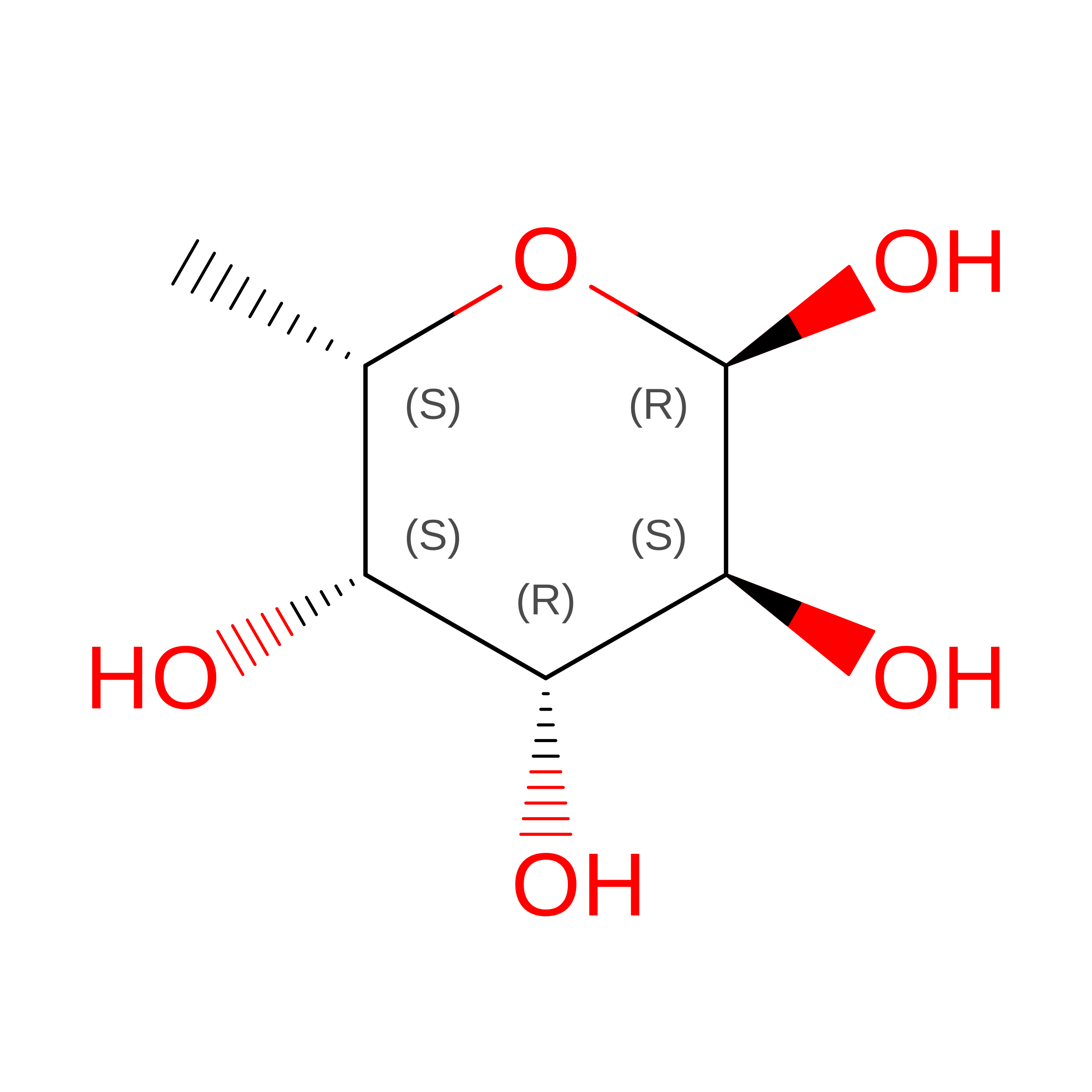
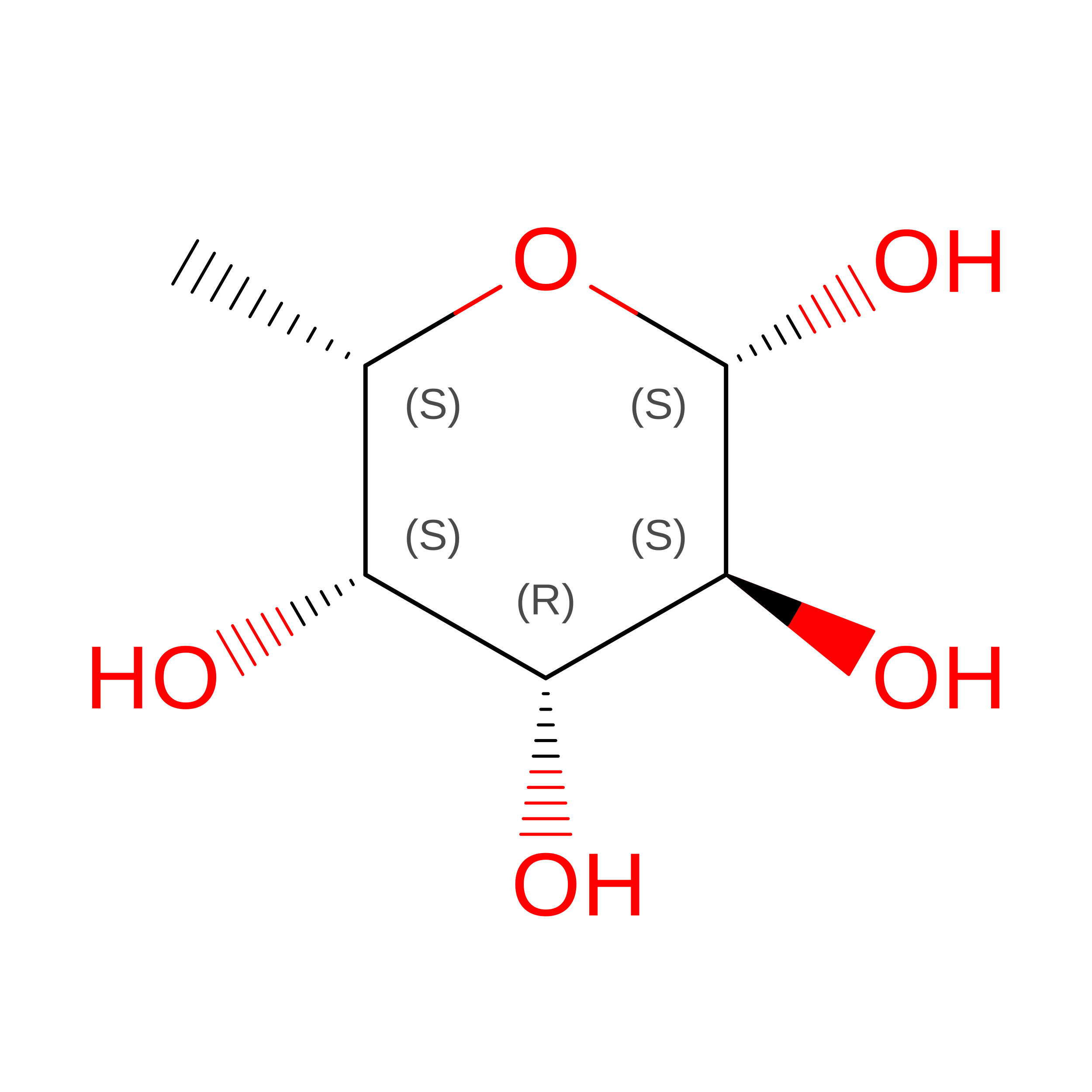
SARS-CoV-2 respiratory-tract infection affects both vaccinated and unvaccinated persons suggesting factors besides adaptive immunity are operative. We investigated the role of collectin-11 (CL-11), an epithelial-secreted carbohydrate-binding lectin that drives innate immunity and eliminates pathogens by complement activation. SARS-CoV-2, despite binding CL-11 to activate complement, was resistant to lysis. Remarkably, opsonization by CL-11 enhanced virus production by infected respiratory epithelial cells independently of complement. Furthermore, infected cells expressing SARS-CoV-2 spike protein displayed enhanced vulnerability to CL-11 binding and membrane attack by complement. The mechanism of enhanced infectivity was ablated in the presence of L-fucose, which occupied the extended carbohydrate-binding cleft of CL-11 in a crystallographic analysis of complexes between L-fucose and CL-11. Our study suggests pathogenicity of SARS-CoV-2 is related to complement-resistance together with enhanced infectivity and injury of respiratory epithelial cells mediated by locally released CL-11.
- Peter Gorer Department of Immunobiology, School of Immunology and Microbial Sciences, King's College, London SE1 9RT, United Kingdom.
Organizational Affiliation: