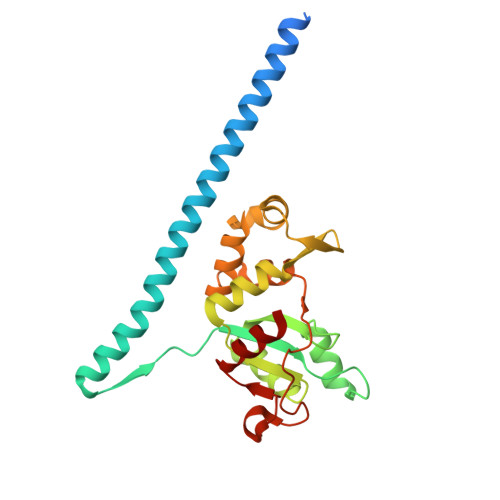
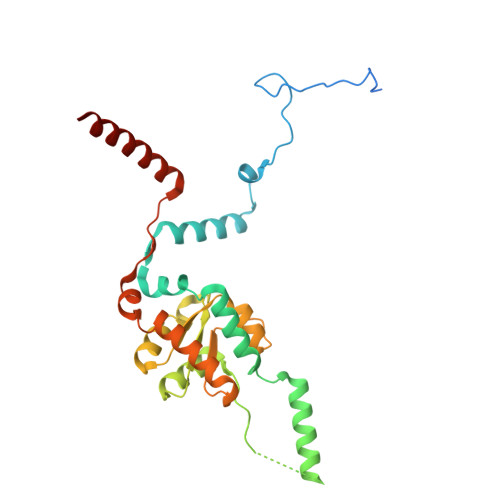
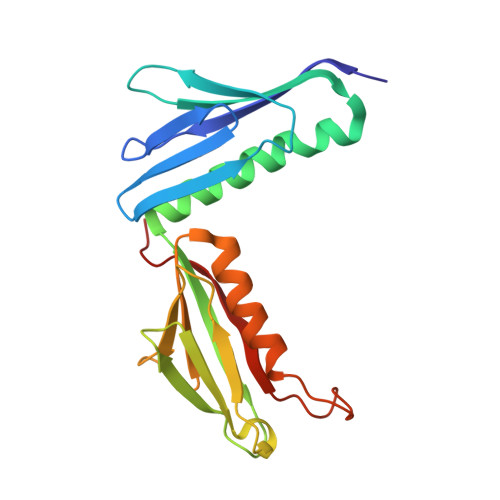
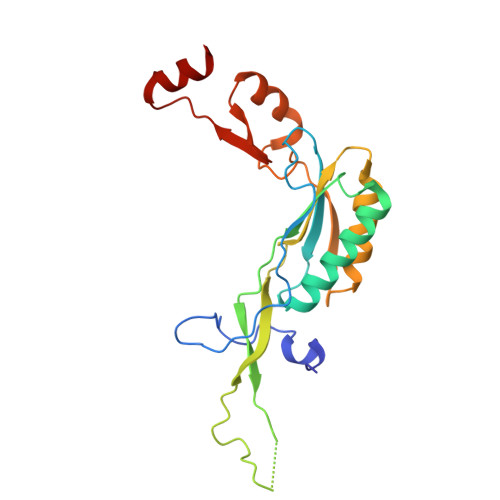
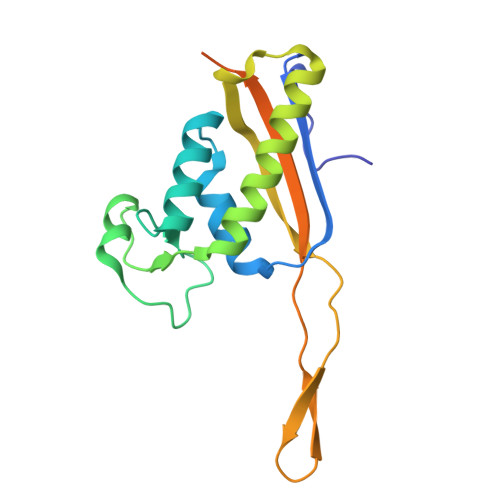
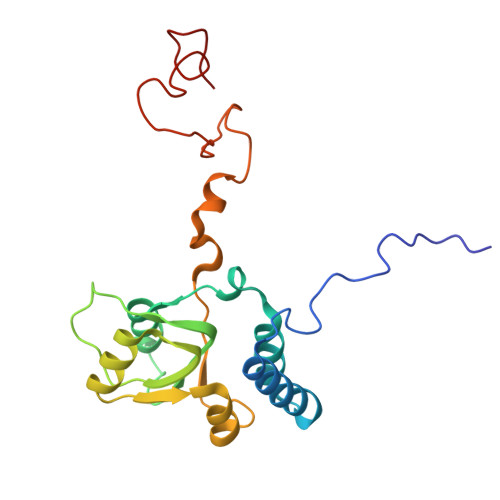
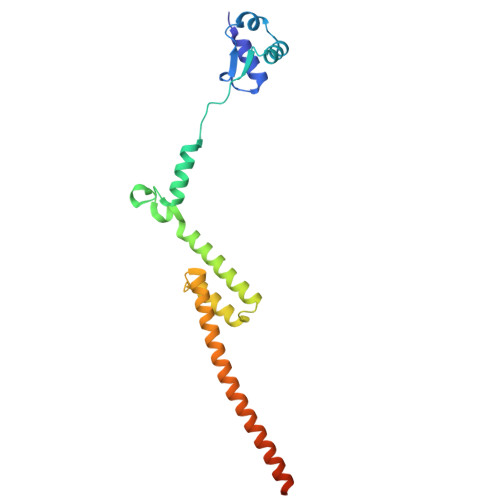
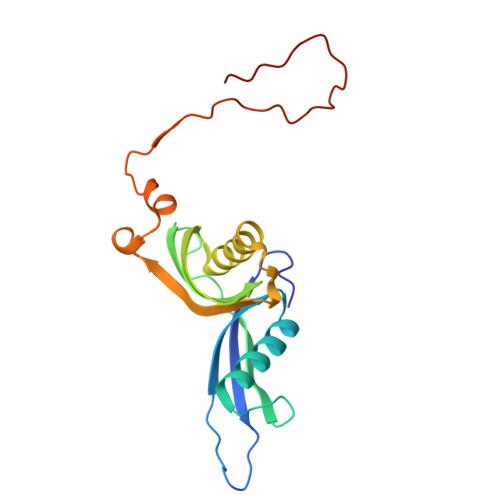
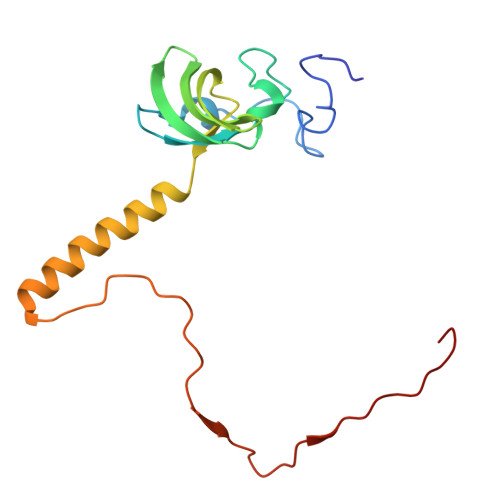
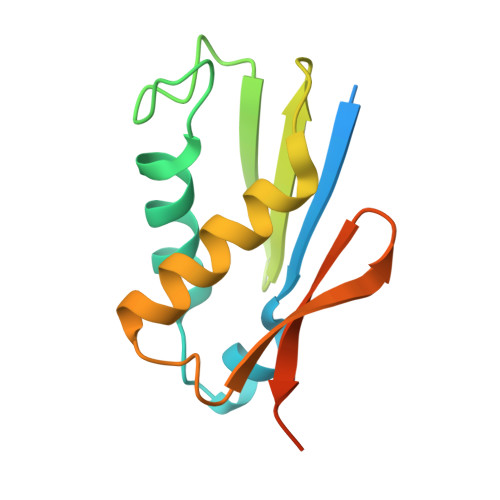
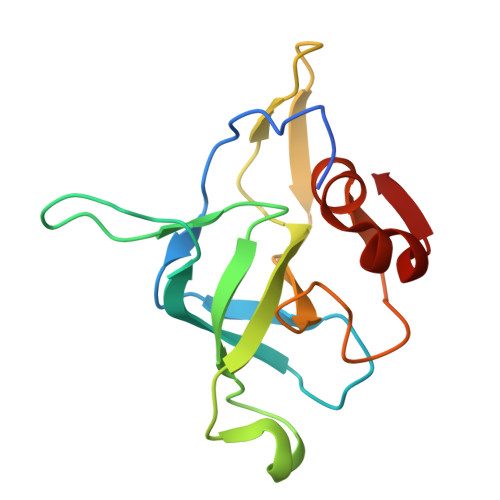
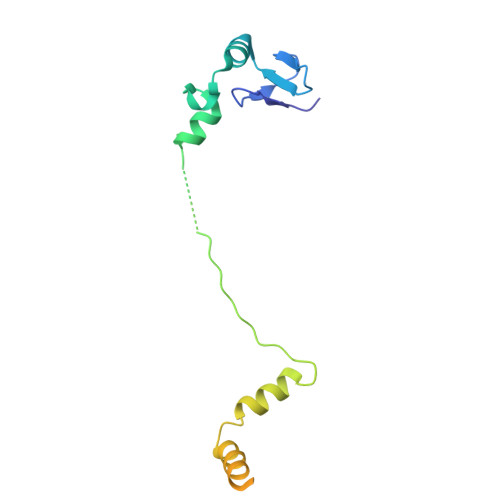
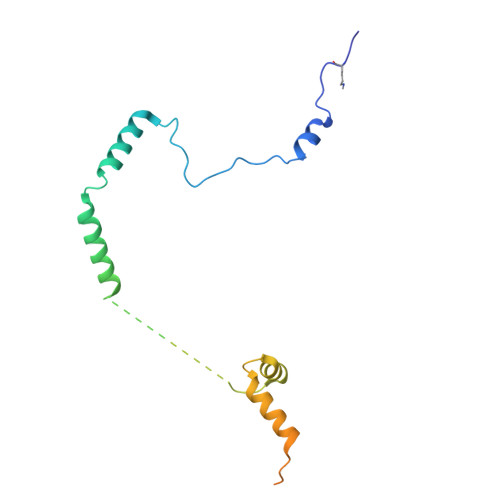
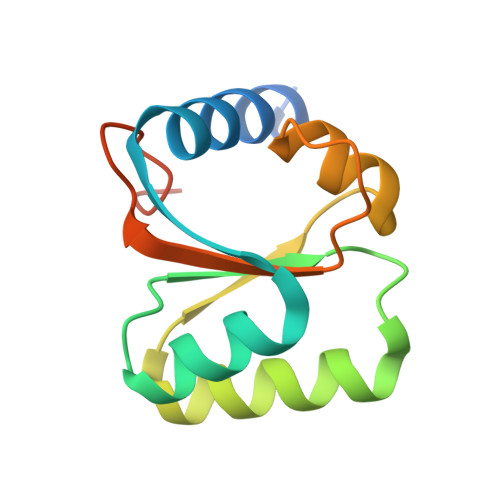
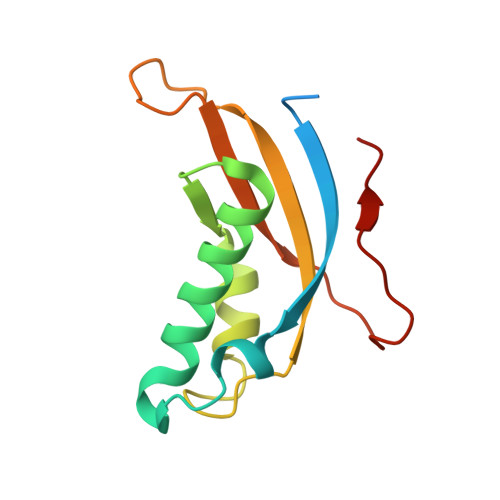
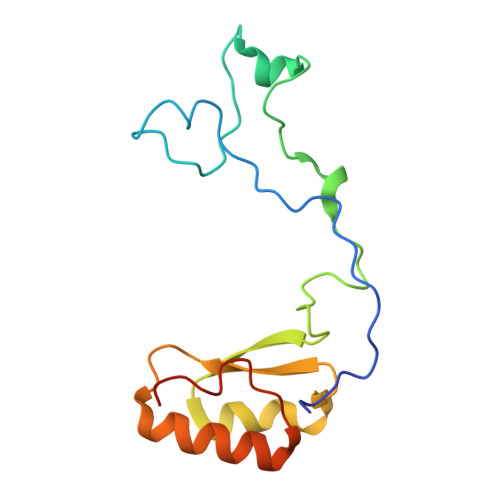
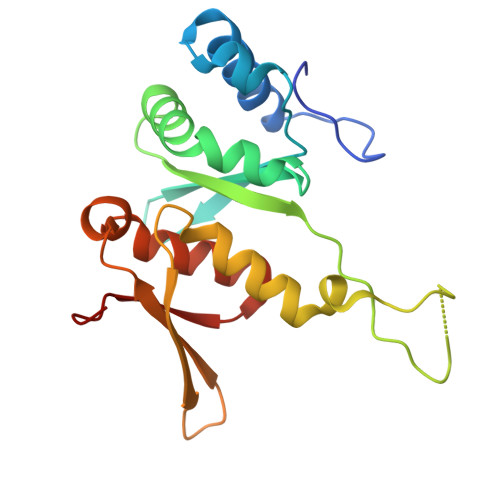
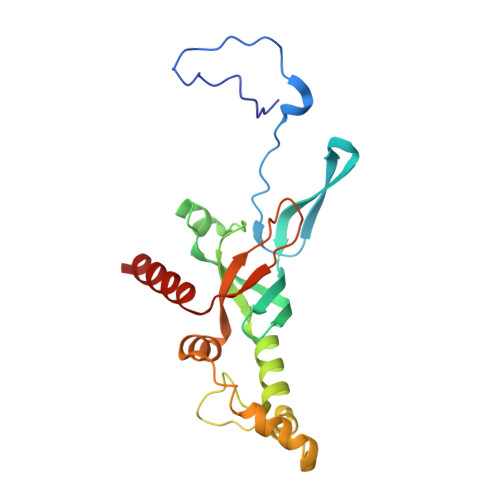
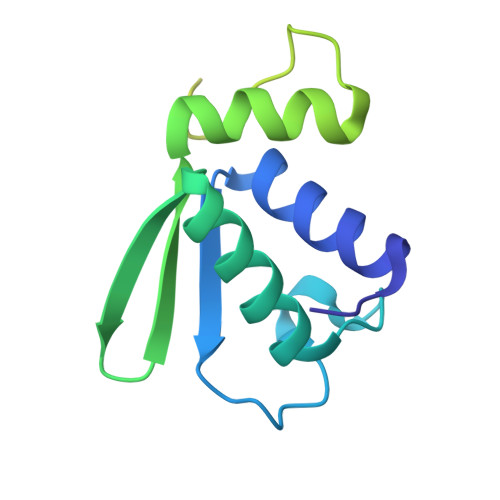
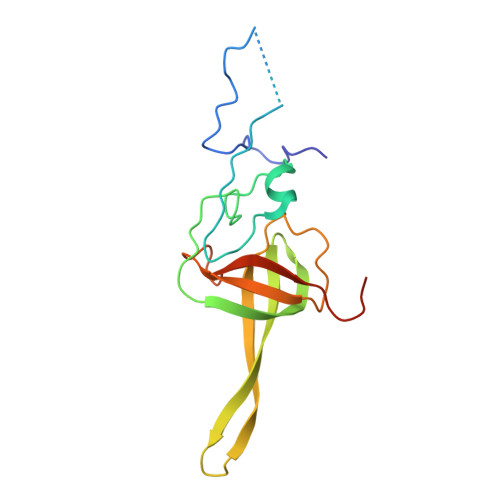
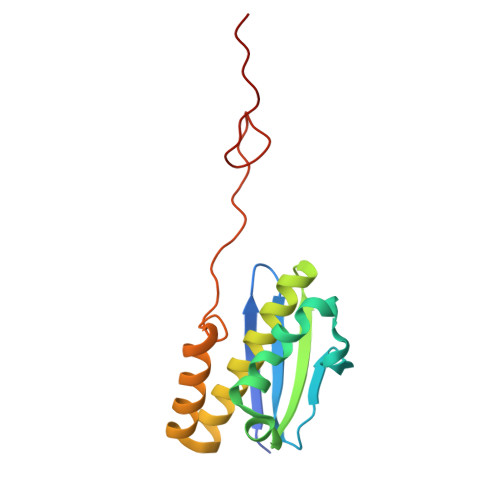
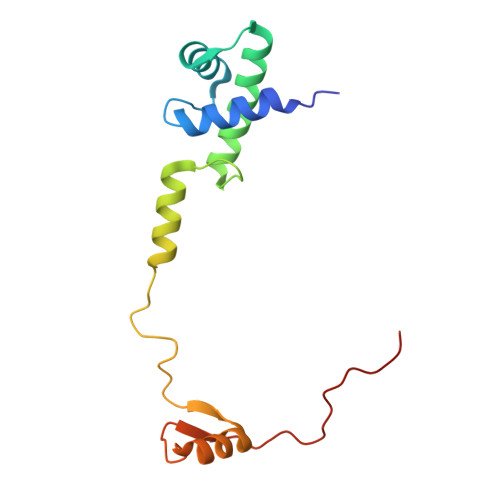
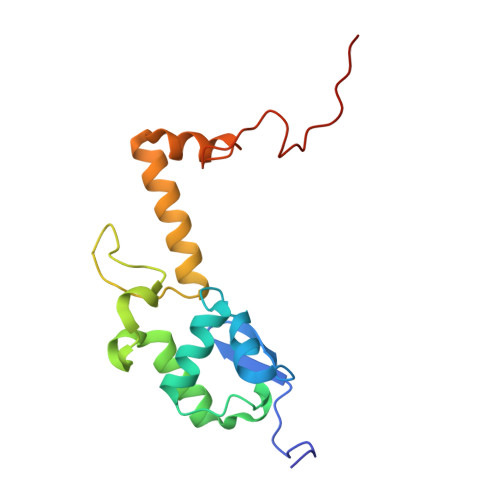
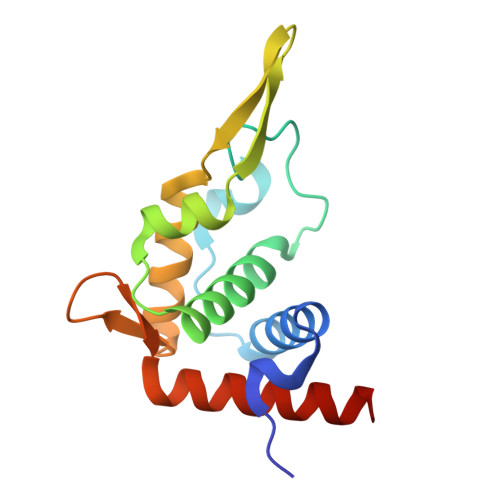
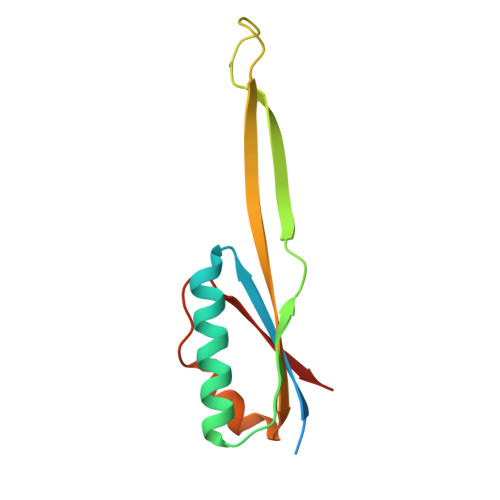
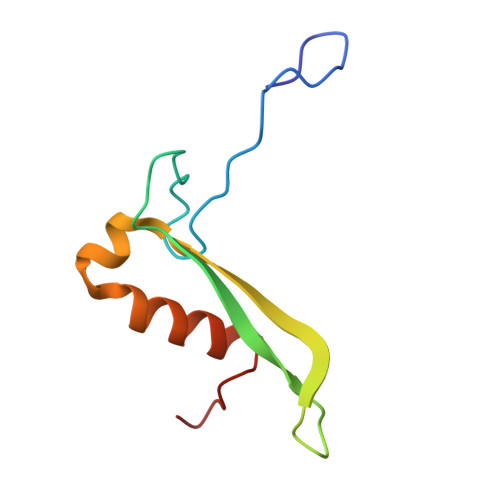
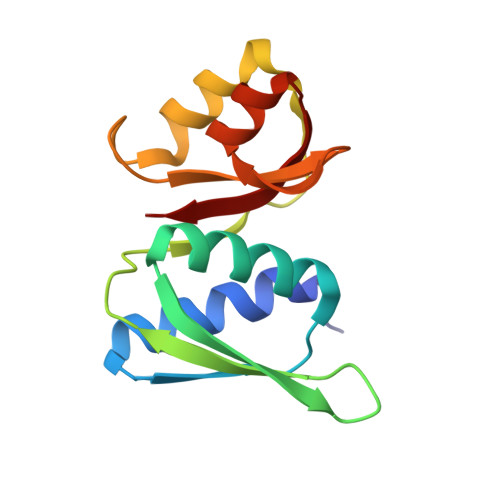
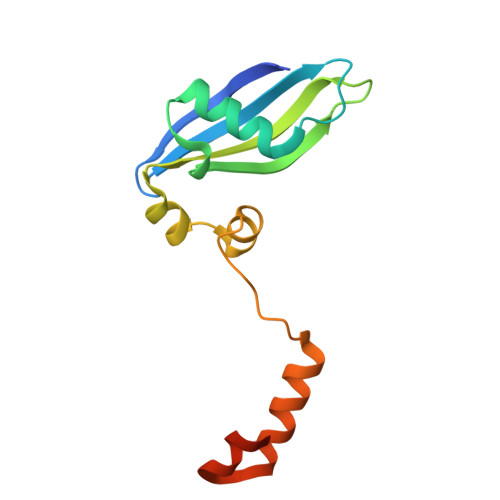
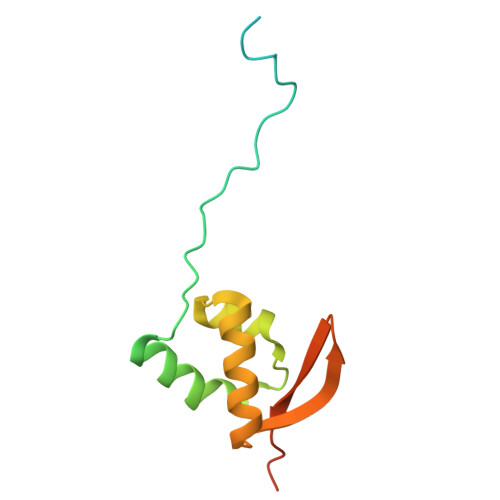
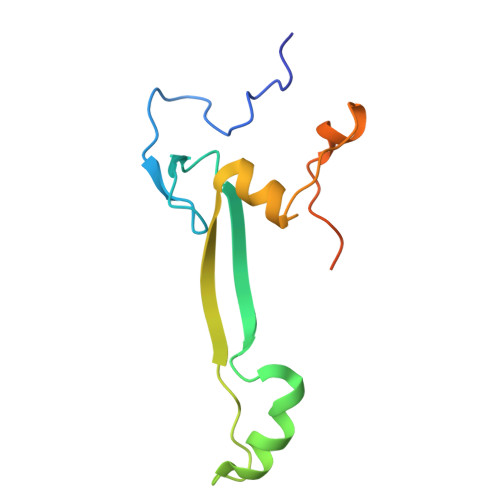
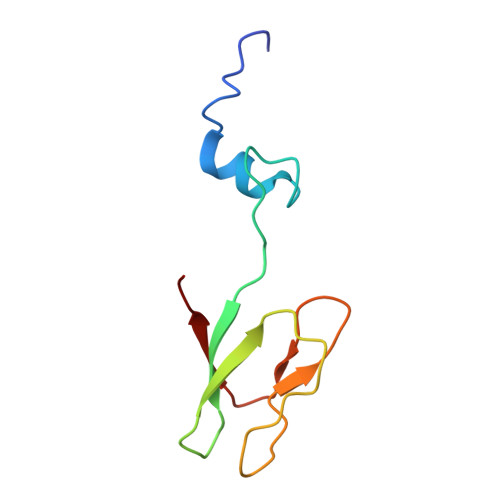
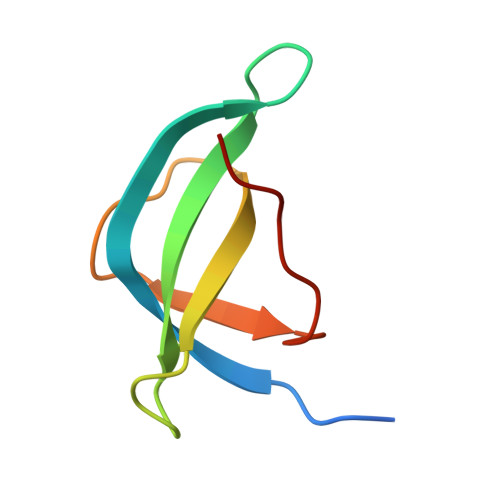
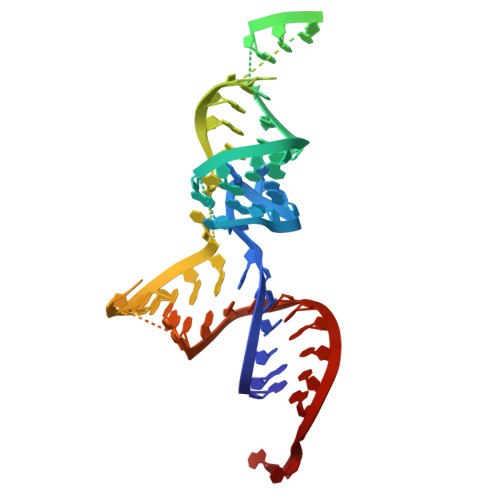
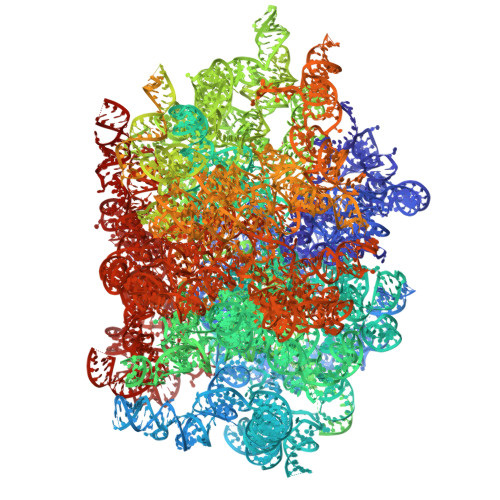
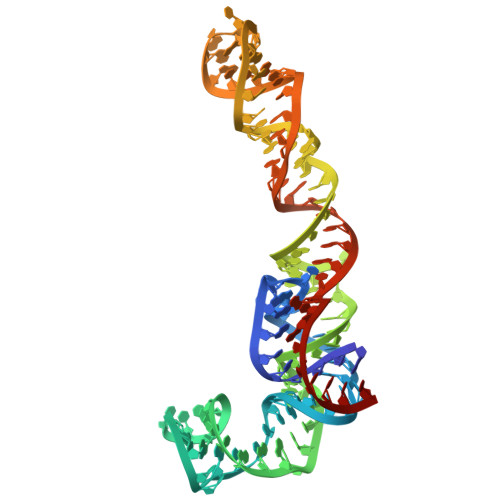
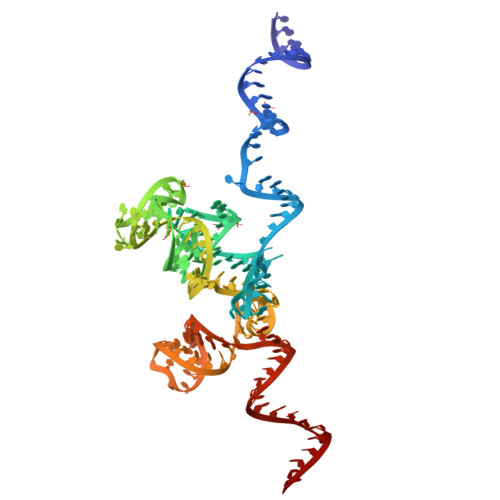
Find PDB structures and Computed Structure Models (CSM) by combining queries from tools in this suite: Attribute Search, Sequence Similarity, Sequence Motif, 3D Similarity, and 3D Motif with 'AND' logic.
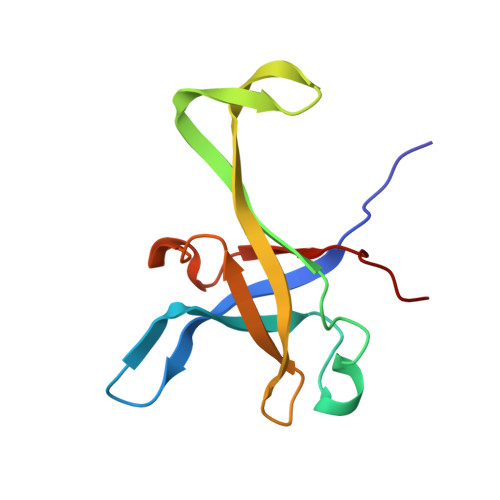
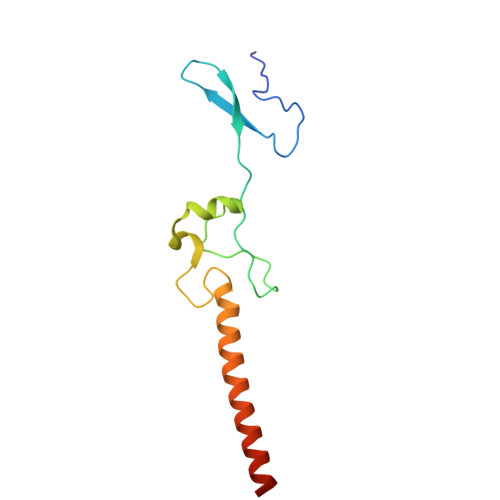
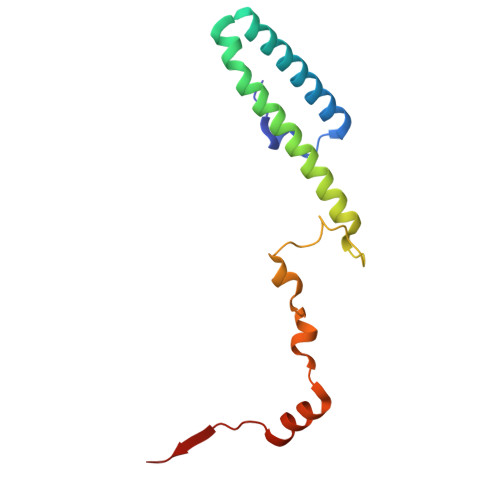
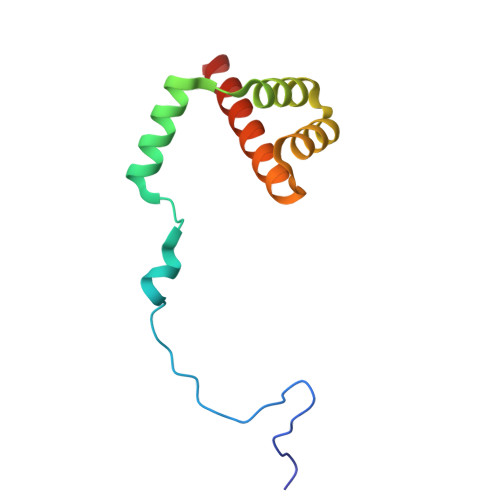
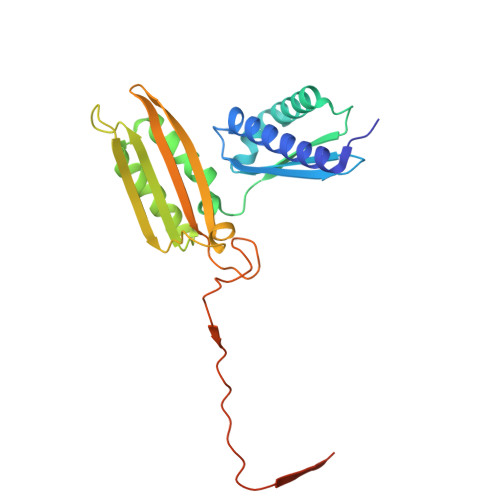
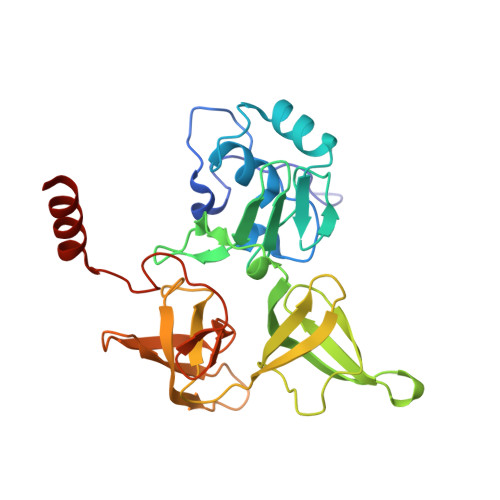
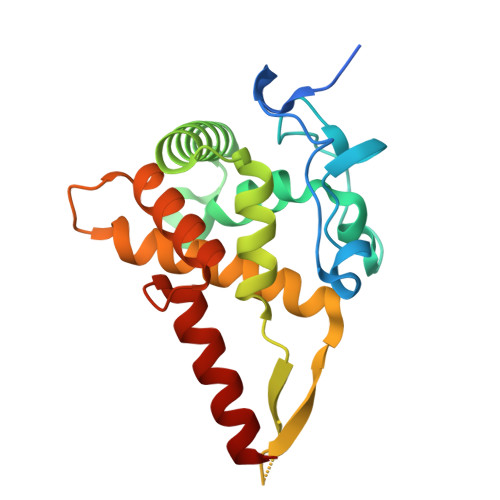
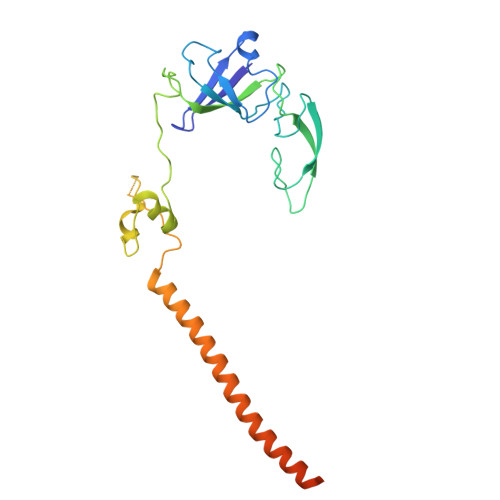
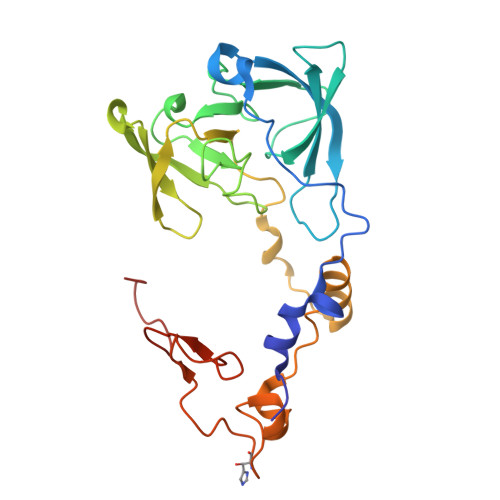
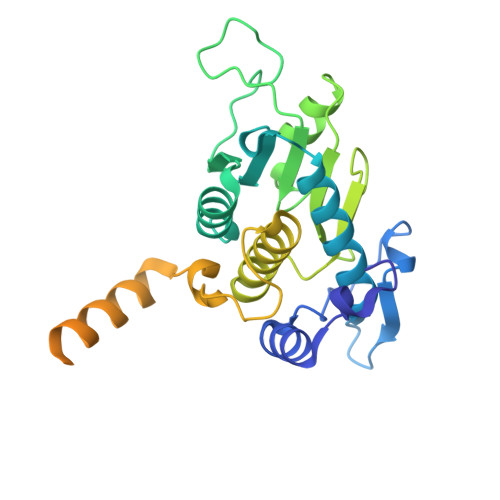
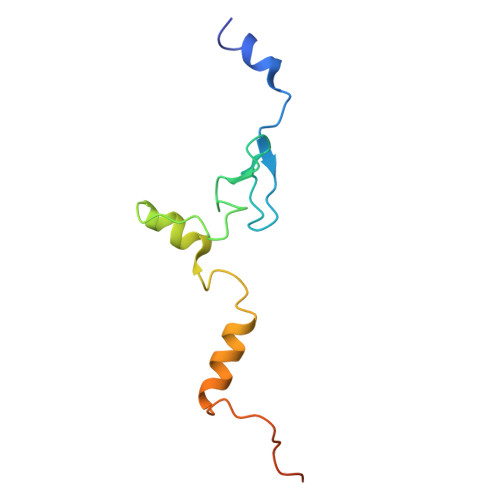
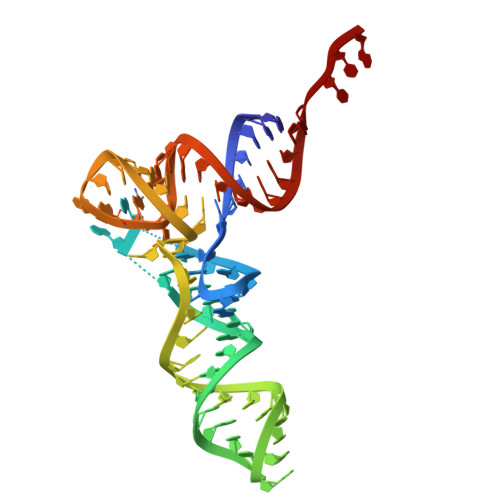
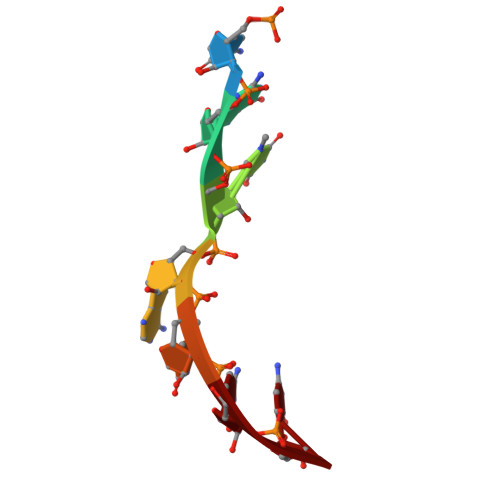
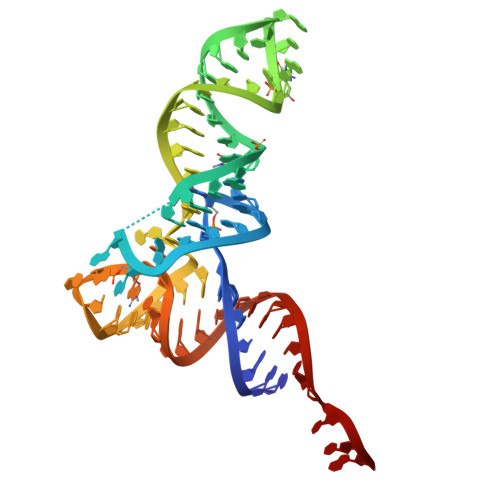
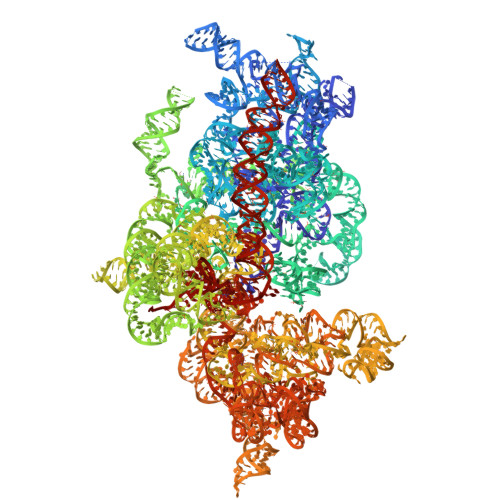
The considerable success of mRNA vaccines against SARS-CoV-2 has underscored the potential of synthetic mRNA as a transformative biomedical technology 1 . A critical feature of this approach is the incorporation of the modified nucleoside N 1 -methylpseudouridine (m 1 Ψ), which enhances antigen expression while reducing immunogenicity 2-5 . However, a comprehensive understanding of how m 1 Ψ influences translation remains incomplete. Here we use ribosome profiling at the subcodon resolution to show that m 1 Ψ increases ribosome density on synthetic mRNAs, leading to higher protein production independent of innate immune activation or eIF2α phosphorylation. We find that m 1 Ψ directly slows ribosome movement in defined sequence contexts while simultaneously promoting translation initiation. Structural studies using cryo-electron microscopy reveal that m 1 Ψ alters interactions within the ribosomal decoding centre, providing a mechanistic basis for slowed elongation. Furthermore, by introducing synonymous recoding that disrupts the modification-mediated changes in elongation, we show that the m 1 Ψ-dependent enhancement of protein output is modulated by codon composition, and that m 1 Ψ impact is strongest in mRNAs containing non-optimal codons with uridines at the wobble position. Together, these findings demonstrate that m 1 Ψ directly modulates translation dynamics, thereby increasing protein yield from synthetic mRNAs in specific sequence contexts.
Organizational Affiliation:
Department of Molecular Genetics, Weizmann Institute of Science, Rehovot, Israel. batsheva.frankelrozman@weizmann.ac.il.
Department of Immunology and Regenerative Biology, Weizmann Institute of Science, Rehovot, Israel.
Department of Chemical and Structural Biology, The Weizmann Institute of Science, Rehovot, Israel.
Department of Molecular Genetics, Weizmann Institute of Science, Rehovot, Israel.
Department of Molecular Cell Biology, Weizmann Institute of Science, Rehovot, Israel.
Department of Microbiology and Immunology, College of Medicine, University of Illinois Chicago, Chicago, IL, USA.
Architecture et Réactivité de l'ARN, Université de Strasbourg, Institut de biologie moléculaire et cellulaire du CNRS, Strasbourg, France.
Engineering Research Center of Clinical Functional Materials and Diagnosis & Treatment. Devices of Zhejiang Province, Wenzhou Institute, University of Chinese Academy of Sciences, Wenzhou, China.
Department of Molecular Genetics, Weizmann Institute of Science, Rehovot, Israel. noam.stern-ginossar@weizmann.ac.il.

 Download Mendeley