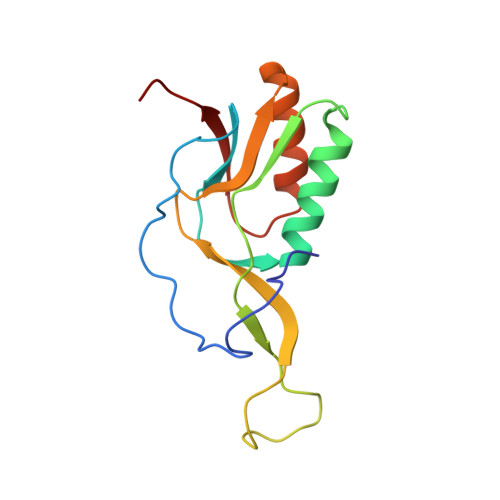
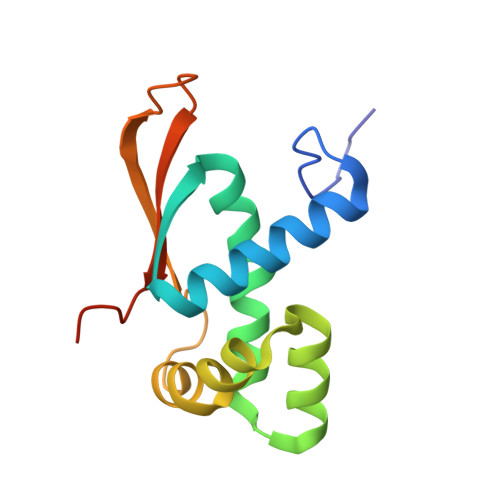
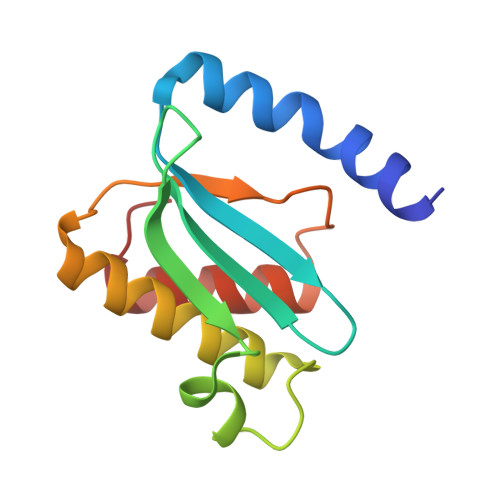
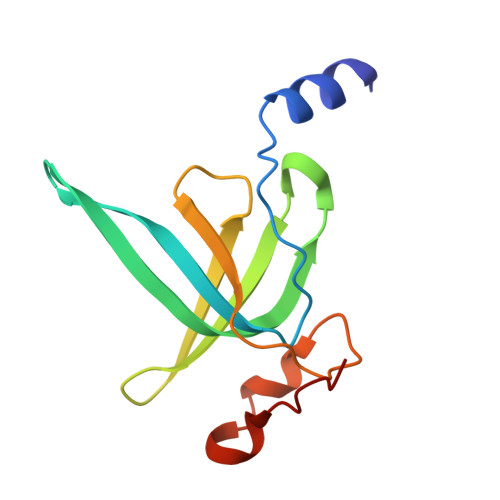
Find PDB structures and Computed Structure Models (CSM) by combining queries from tools in this suite: Attribute Search, Sequence Similarity, Sequence Motif, 3D Similarity, and 3D Motif with 'AND' logic.
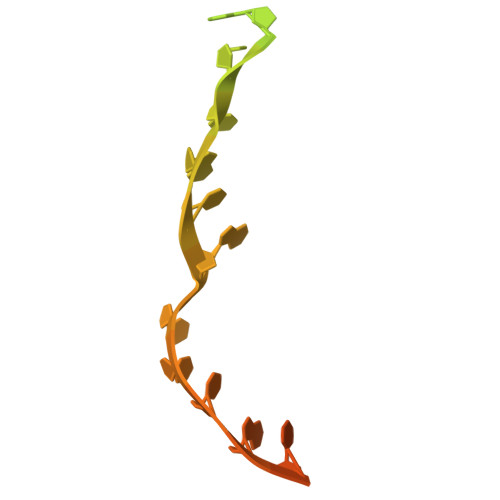
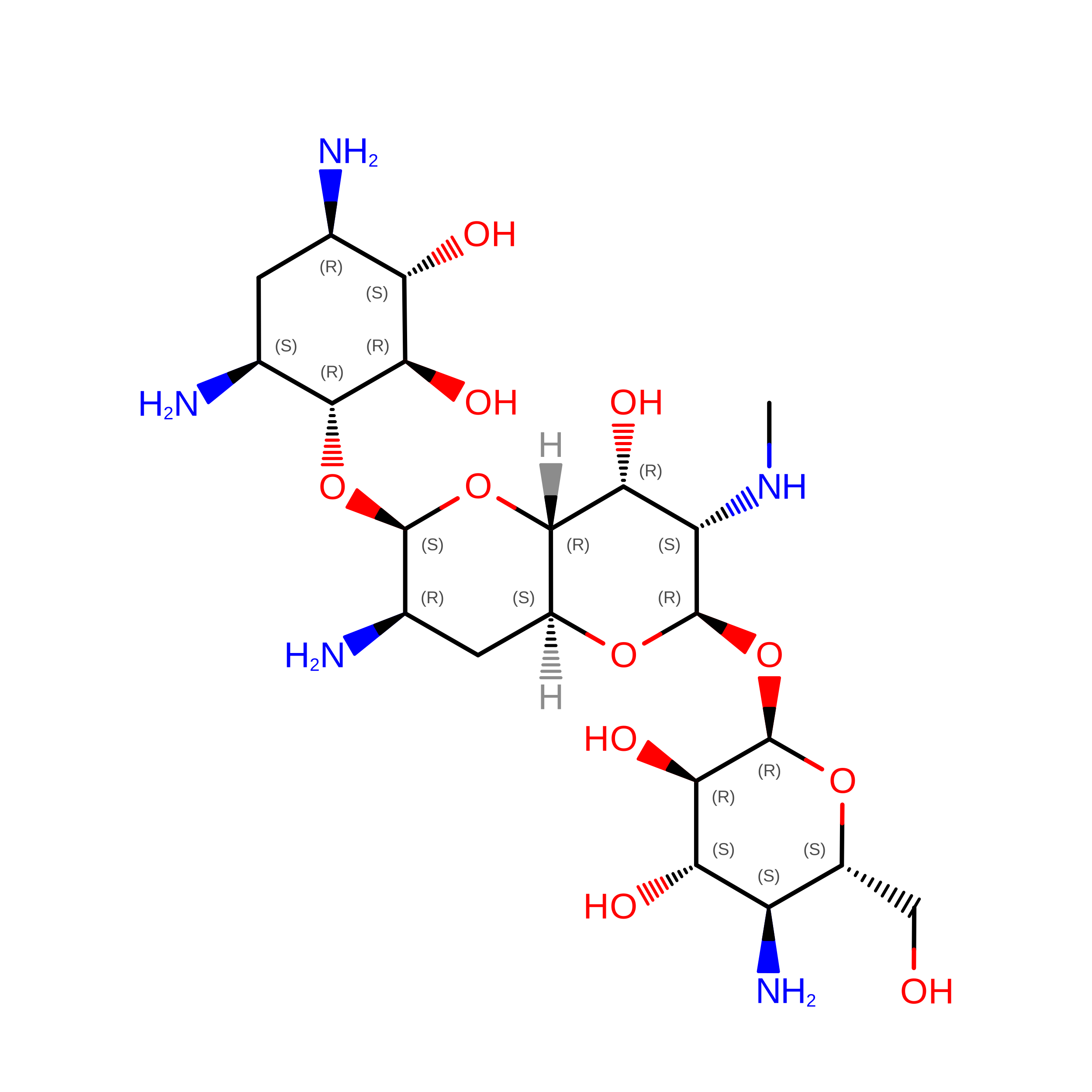
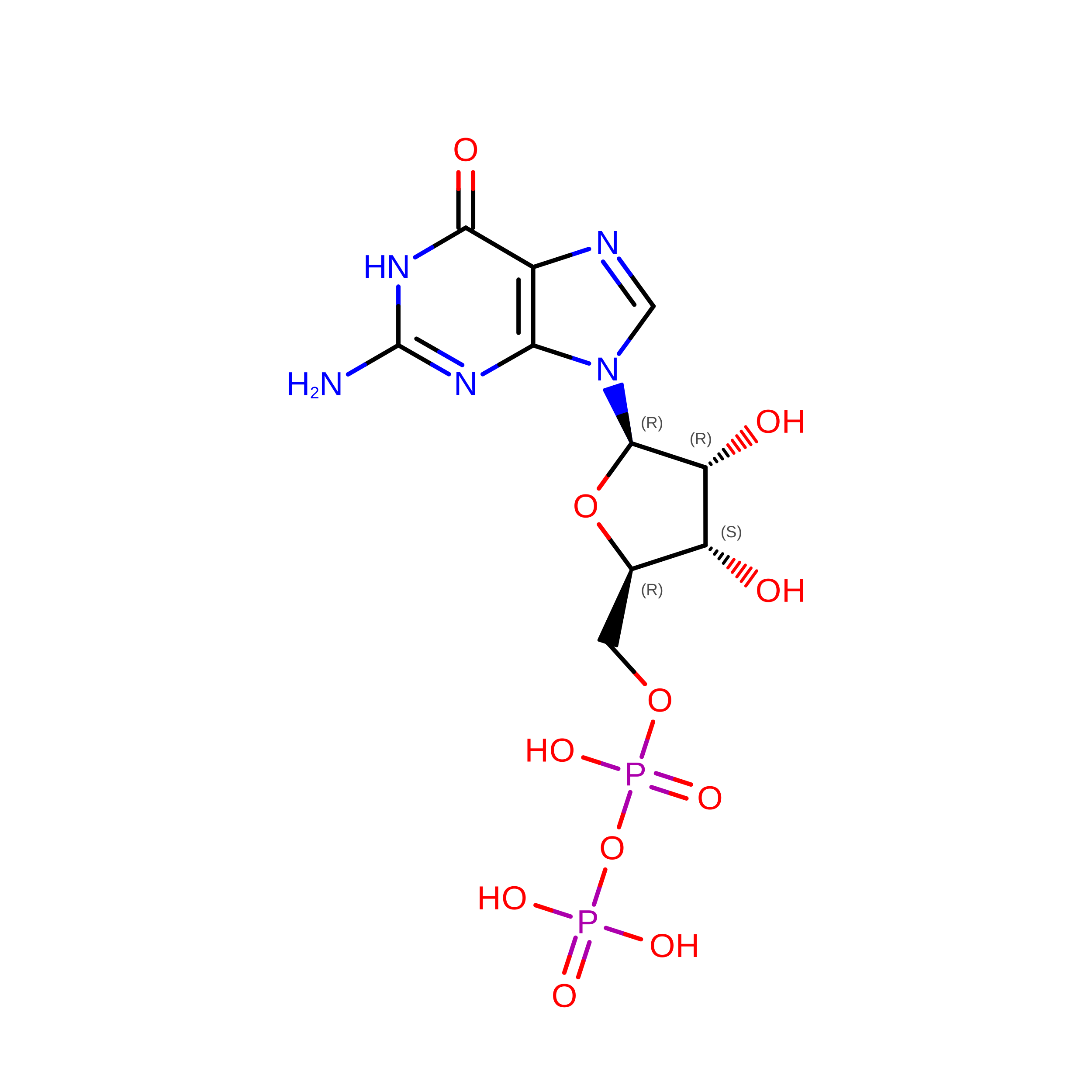
Antibiotic resistance is a growing threat, underscoring the need to understand the underlying mechanisms. Aminoglycosides kill bacteria by disrupting translation fidelity, leading to the synthesis of aberrant proteins. Surprisingly, mutations in fusA, a gene encoding translation elongation factor G (EF-G), frequently confer resistance, even though EF-G neither participates in mRNA decoding nor blocks aminoglycoside binding. Here, we show that EF-G resistance variants selectively slow ribosome movement along mRNA when aminoglycosides are bound. This delay increases the chance that the drug dissociates before misreading occurs. Over several elongation cycles, this selective silencing of drug-bound ribosomes prevents error cluster formation, preserving proteome and membrane integrity. As a result, fusA mutations confer resistance early in treatment by preventing self-promoted aminoglycoside uptake. Translation on drug-free ribosomes remains sufficiently rapid to sustain near-normal bacterial growth. The mechanism of selective silencing of corrupted targets reveals a previously unrecognized antibiotic resistance strategy with potential therapeutic implications.
Organizational Affiliation:
Department for Physical Biochemistry, Max Planck Institute for Multidisciplinary Sciences, Göttingen, Germany.
Project Group Fidelity of Protein Synthesis in vivo, Department for Physical Biochemistry, Max Planck Institute for Multidisciplinary Sciences, Göttingen, Germany.
Project Group Molecular Machines in Motion, Department for Physical Biochemistry, Max Planck Institute for Multidisciplinary Sciences, Göttingen, Germany.
Facility for Light Microscopy, Max Planck Institute for Multidisciplinary Sciences, Göttingen, Germany.
Bioanalytical Mass Spectrometry Group, Max Planck Institute for Multidisciplinary Sciences, Göttingen, Germany.
Institute of Clinical Chemistry, Bioanalytics, University Medical Center Göttingen, Göttingen, Germany.
Department for Physical Biochemistry, Max Planck Institute for Multidisciplinary Sciences, Göttingen, Germany. rodnina@mpinat.mpg.de.
Project Group Fidelity of Protein Synthesis in vivo, Department for Physical Biochemistry, Max Planck Institute for Multidisciplinary Sciences, Göttingen, Germany. Ingo.Wohlgemuth@mpinat.mpg.de.

 Download Mendeley