Download Mendeley
Structural transitions in the stepwise assembly of proteasome core particles.
Mark, E., Ramos, P.C., Nunes, M.M., Matias, A.C., Jurgen Dohmen, R., Wendler, P.(2026) Nat Commun 17
- PubMed: 41876489 Search on PubMedSearch on PubMed Central
- DOI: https://doi.org/10.1038/s41467-026-70525-w
- Primary Citation Related Structures:
9RL3, 9RLA, 9RLT, 9RLZ, 9RM0, 9RM1 - PubMed Abstract:
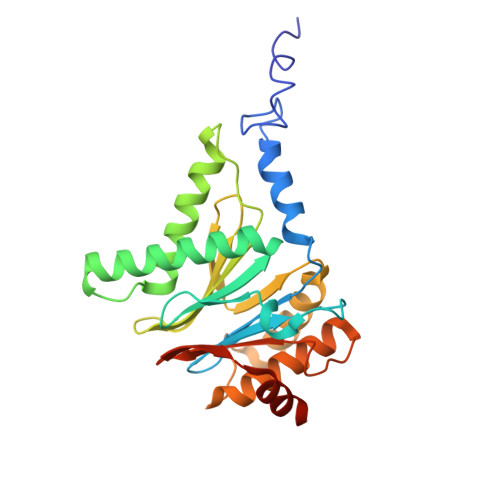
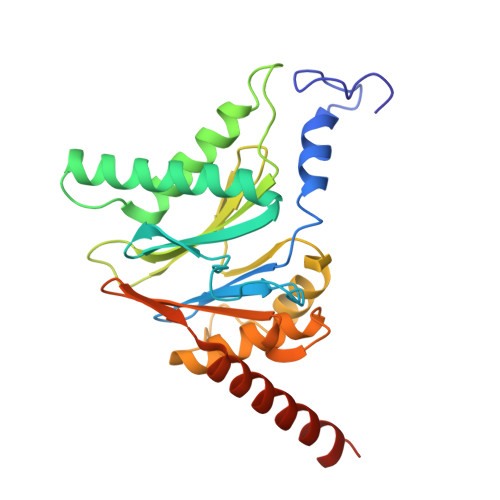
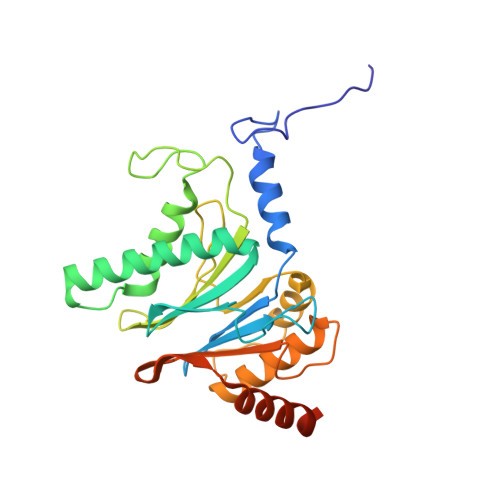
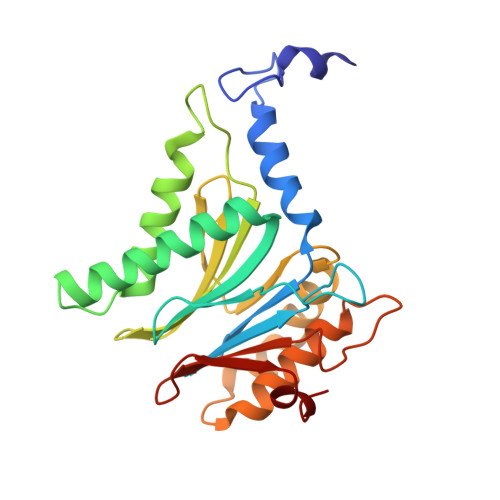
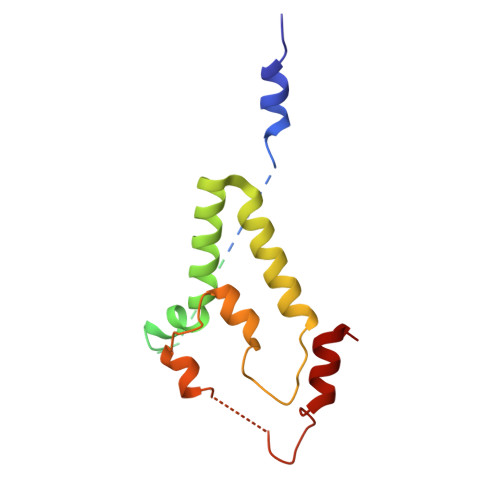
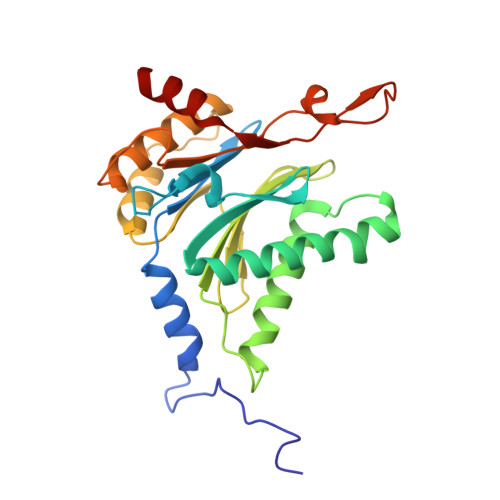
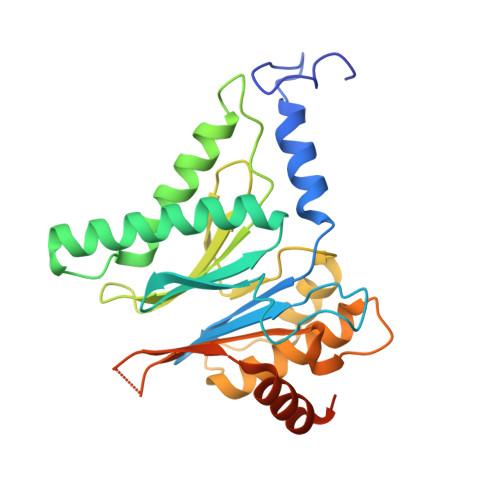
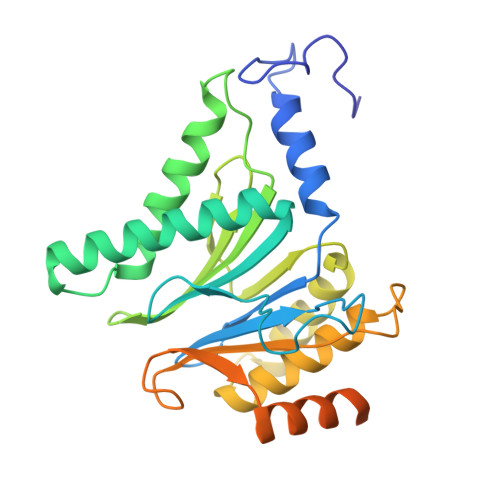
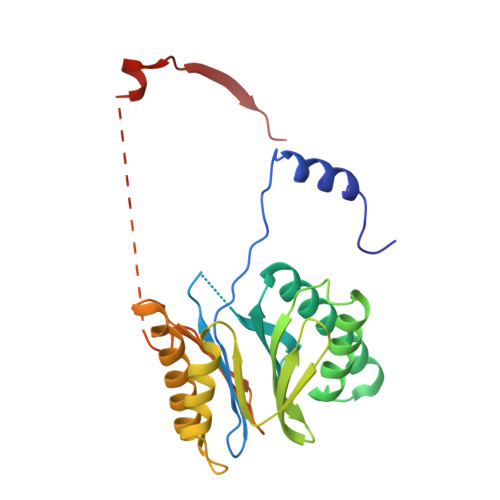
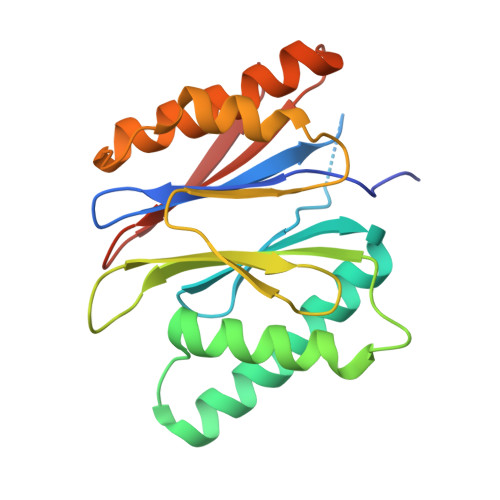
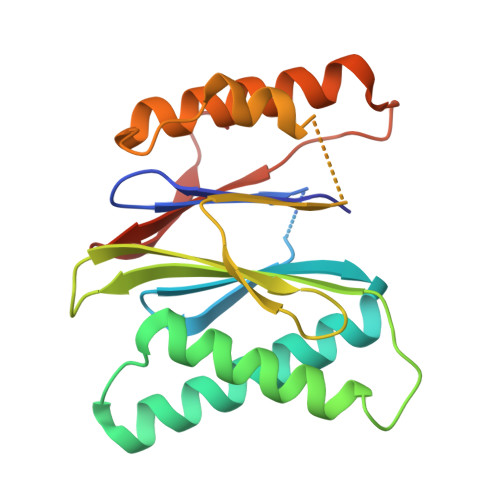
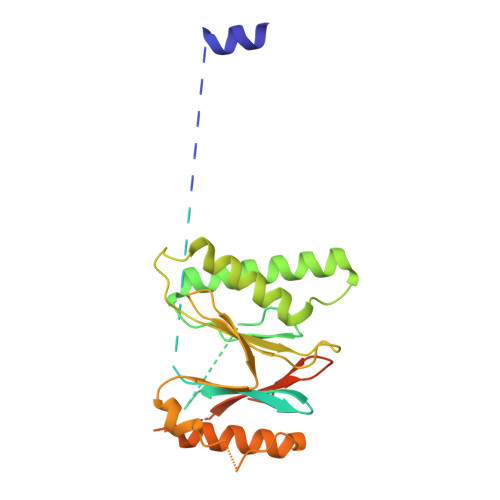
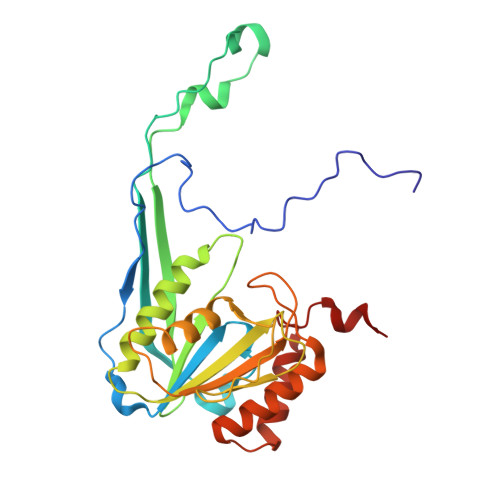
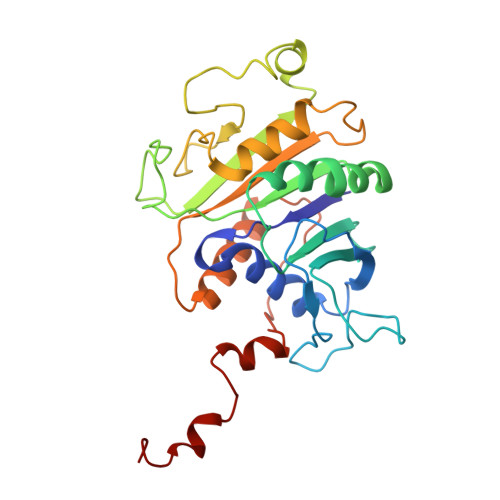
20S catalytic core particles (CP) of eukaryotic 26S proteasomes are composed of two identical halves comprising 14 distinct subunits. 15S precursor complexes (PC) represent detectable half-CPs assembly intermediates lacking the β7-subunit but containing assembly chaperones Ump1 and Pba1-Pba2. Incorporation of β7 drives 15S-PC dimerisation and further CP maturation. Our cryo-EM structures of the yeast 15S-PC and all 13S-PC-derived intermediates suggest that assembly in yeast is not restricted to a single trajectory, but instead involves alternative, and potentially simultaneous pathways. Comparison of the intermediates reveals how Ump1 and β-subunits become structured with each additionally incorporated β-subunit, and how this prepares peptidase sites for auto-activation. We identify two transient interactions of Pba1 with the α-ring, which are important for an ordered progression of maturation. Pba1 loop 81-117 intercalates between subunits α3 and α4 in 13S-15S-PCs and is displaced upon 15S-PC dimerisation. The second interaction involves the α1 N-terminus, deletion of which leads to a defect in Pba1-Pba2 release. These findings indicate how changes in α-ring subunit conformations coordinate CP maturation with Pba1‑Pba2 release.
- Institute of Biochemistry and Biology, Department of Biochemistry, University of Potsdam, Potsdam-Golm, Germany.
Organizational Affiliation: