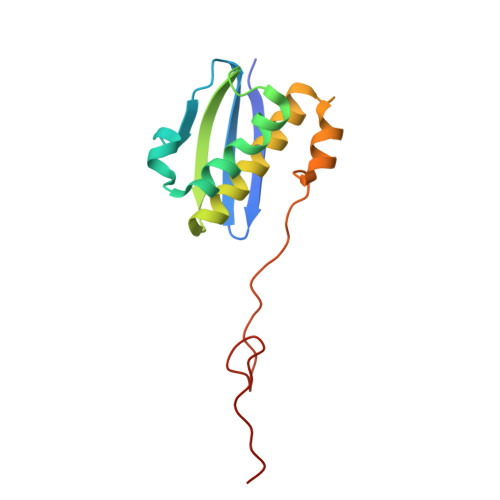
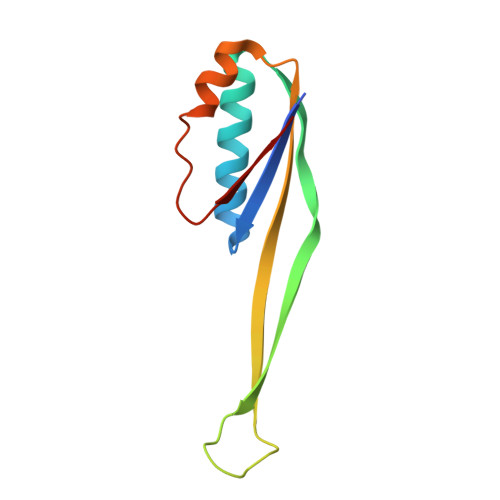
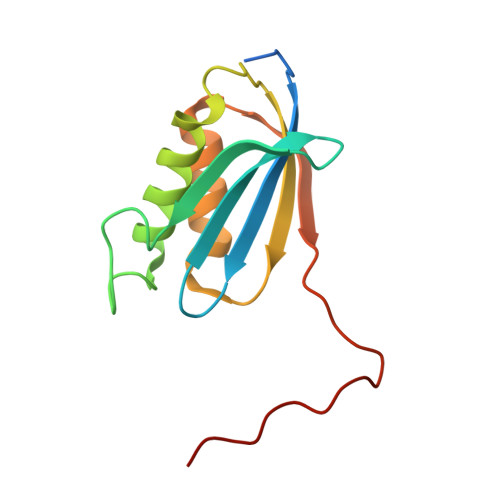
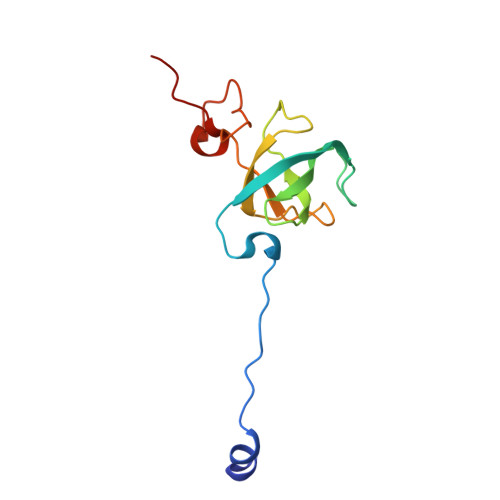
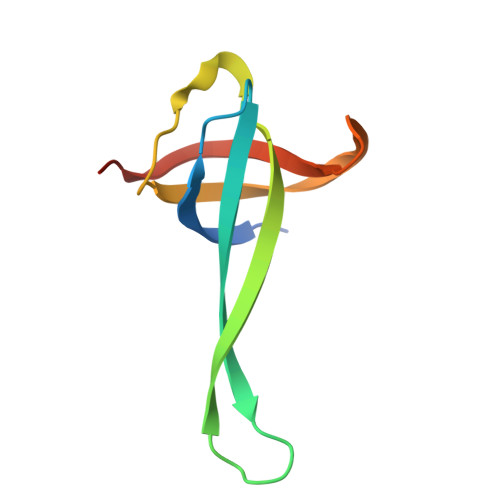
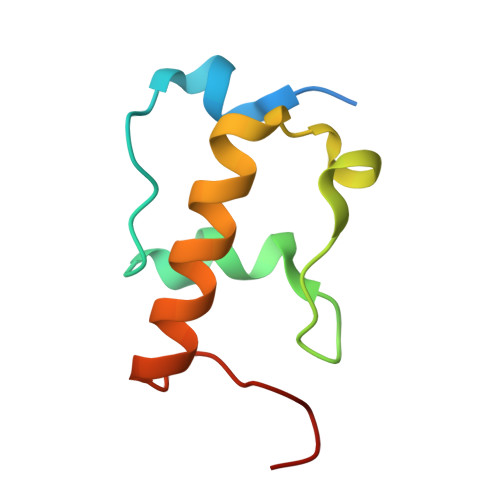
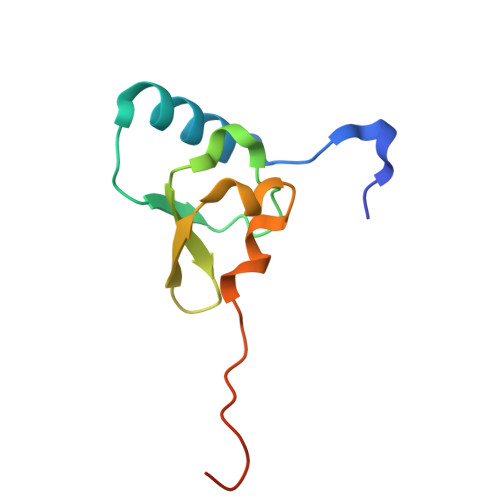
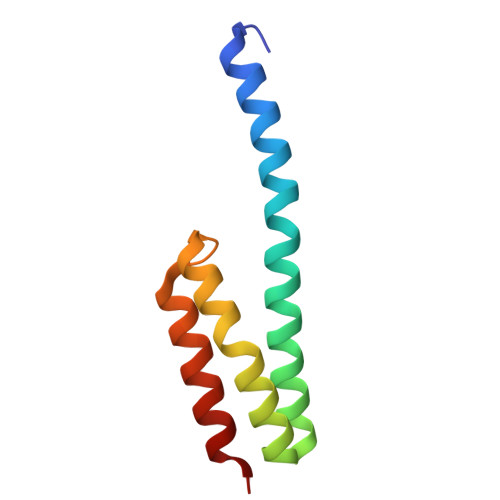
Find PDB structures and Computed Structure Models (CSM) by combining queries from tools in this suite: Attribute Search, Sequence Similarity, Sequence Motif, 3D Similarity, and 3D Motif with 'AND' logic.
Funding Organization(s): European Research Council (ERC), Cancer Research UK, Medical Research Council (MRC, United Kingdom), Wellcome Trust, UK Research and Innovation (UKRI)
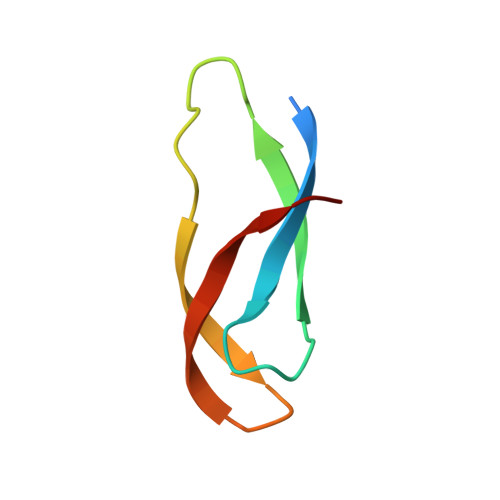
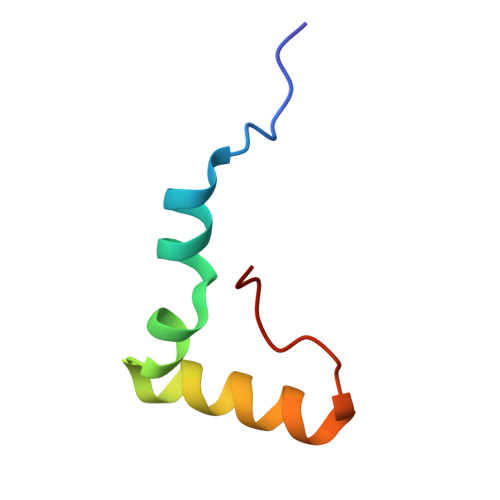
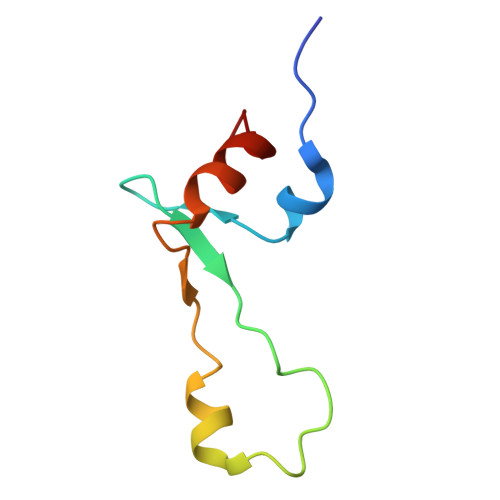
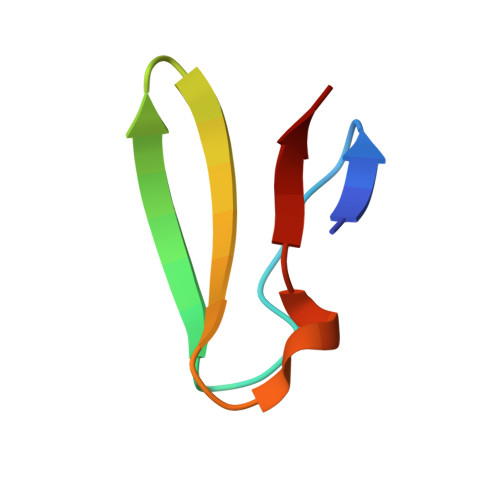
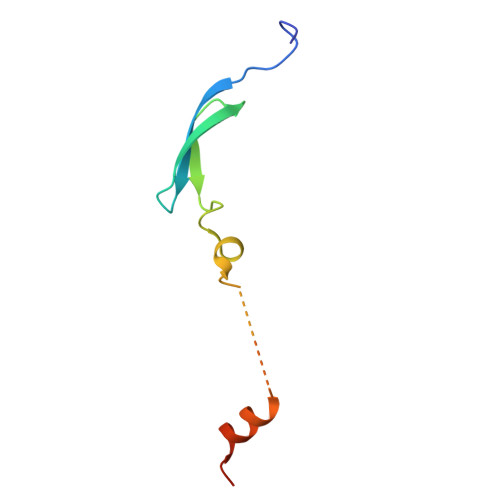
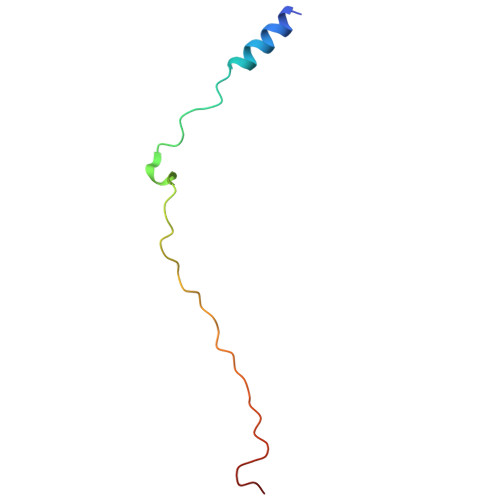
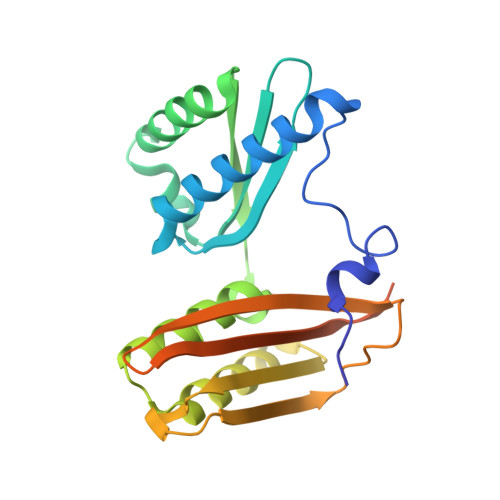
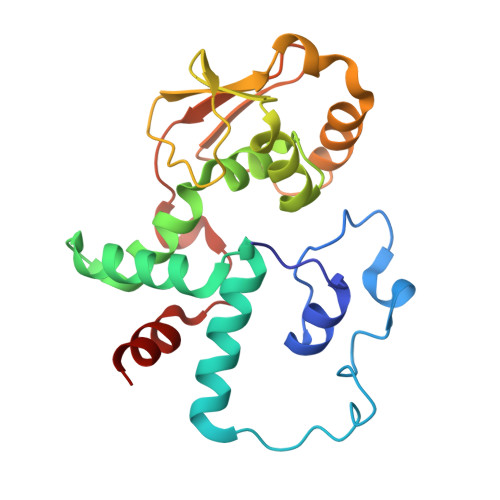
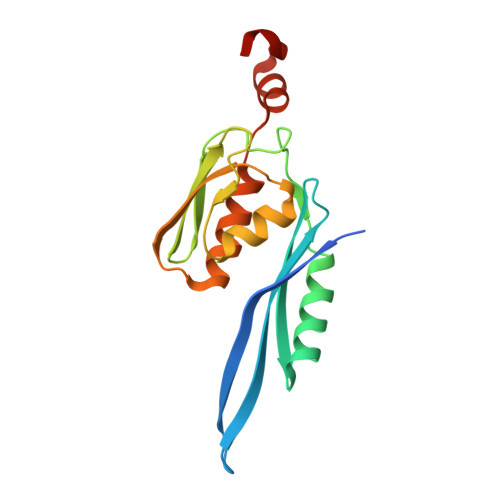
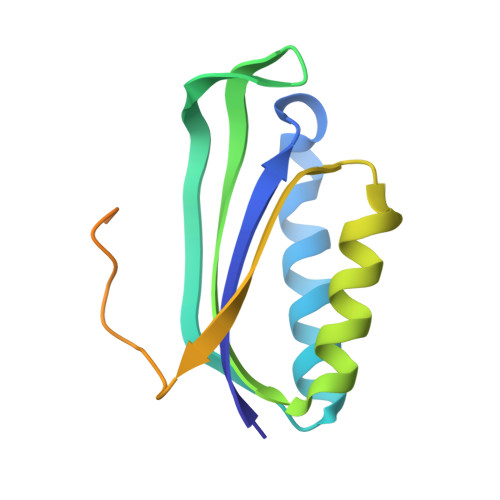
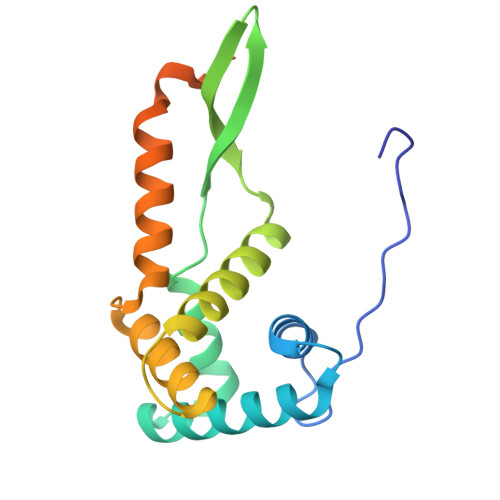
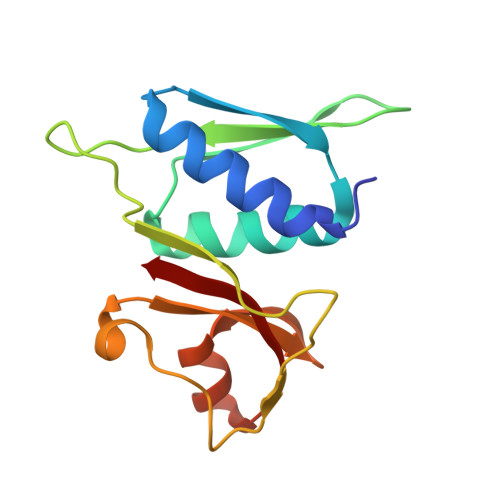
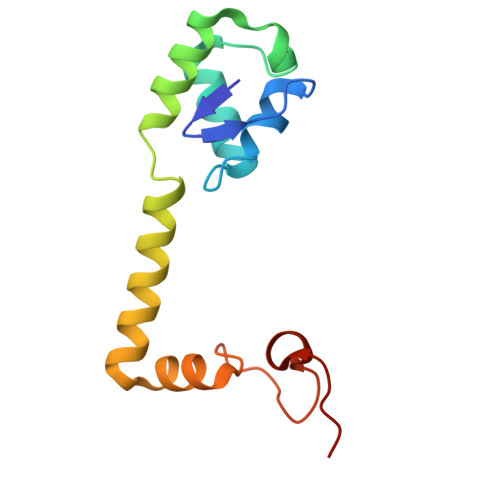
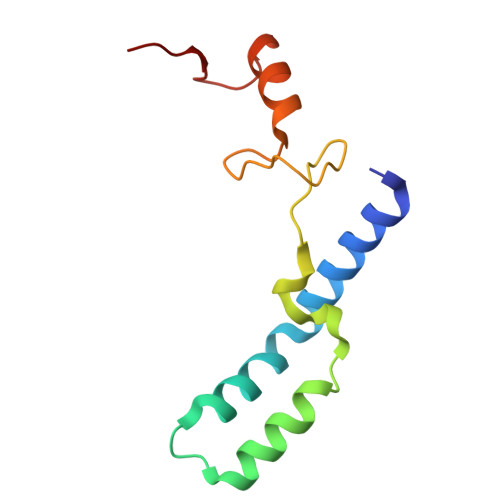
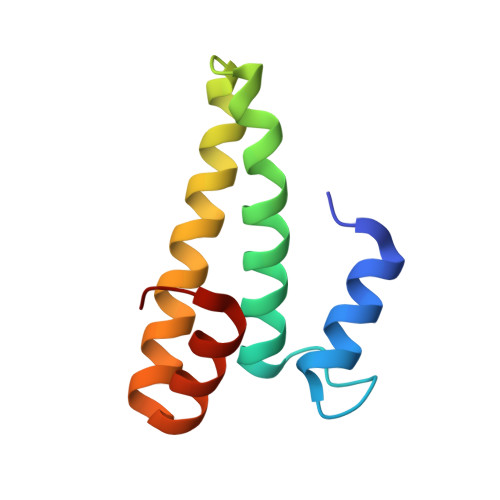
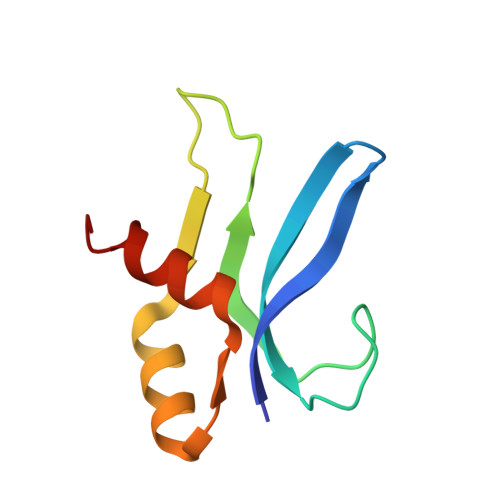
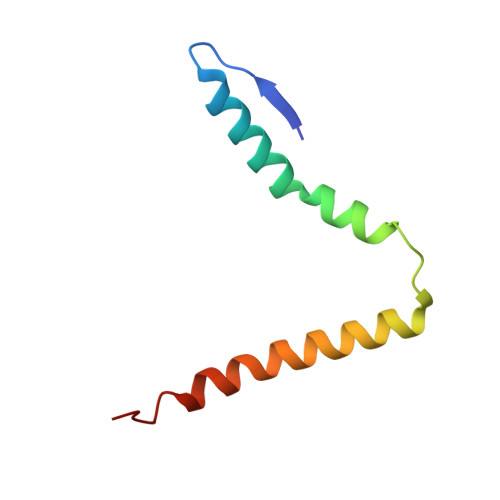
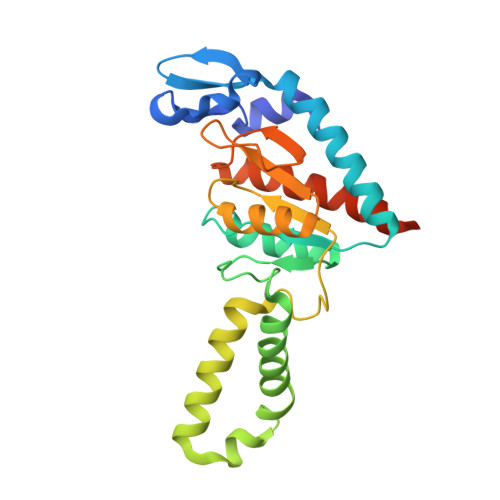
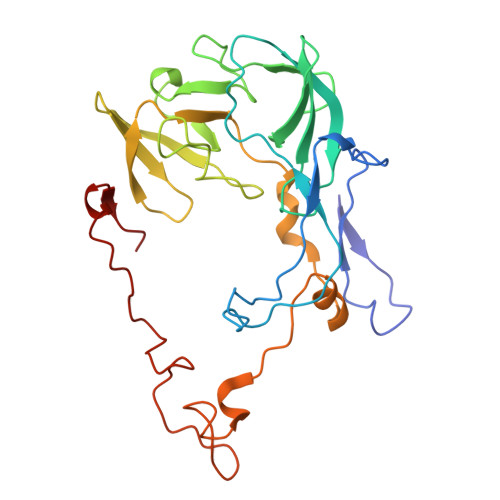
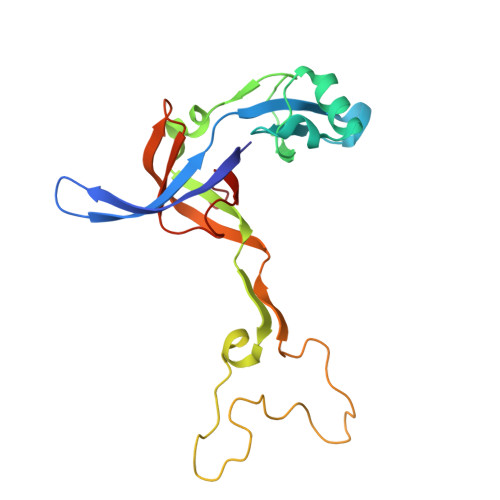
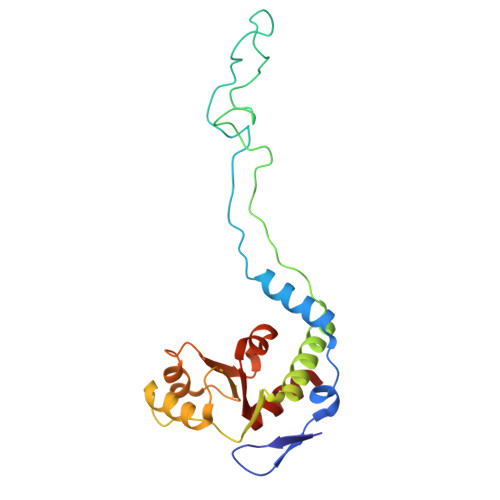
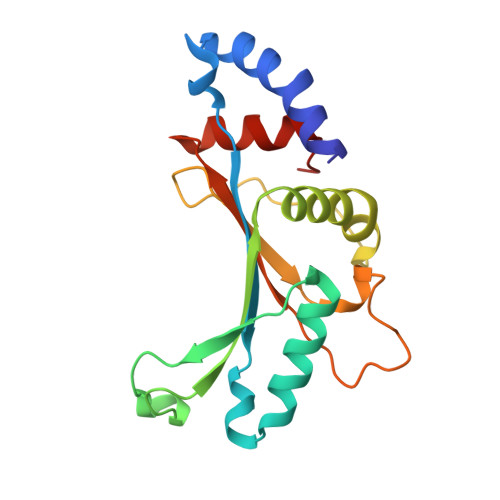
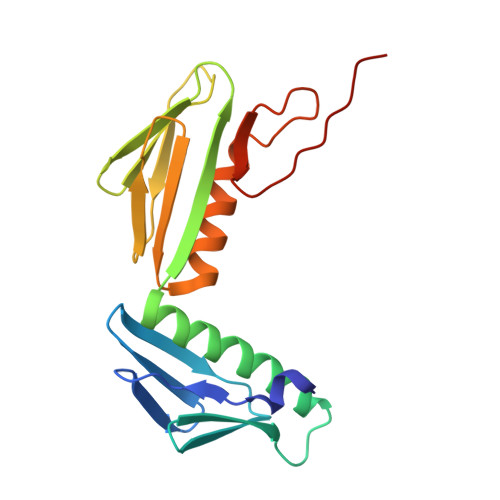
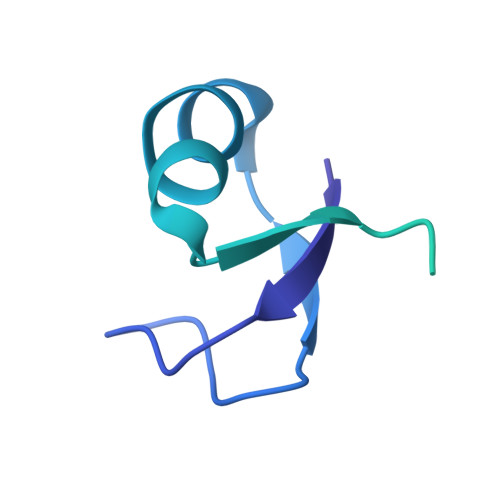
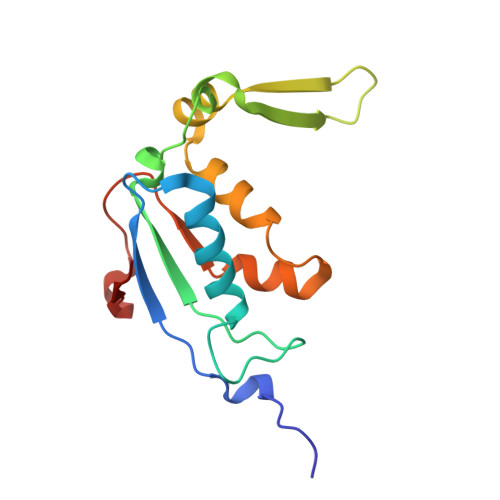
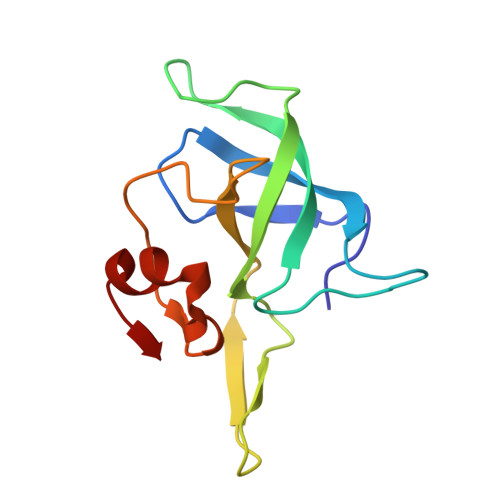
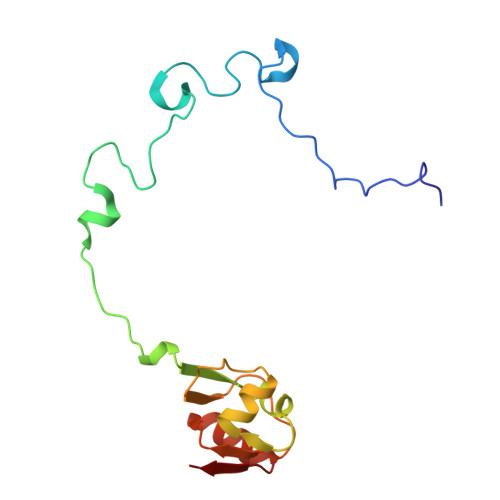
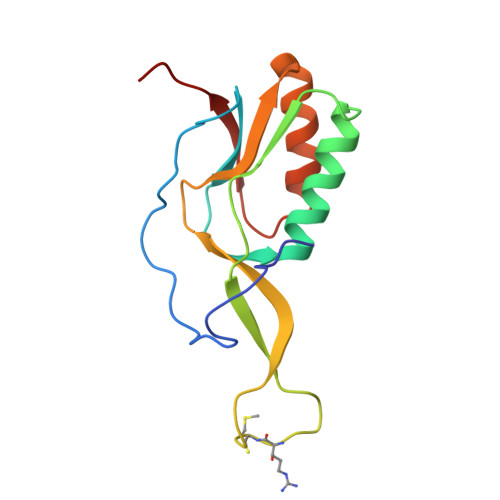
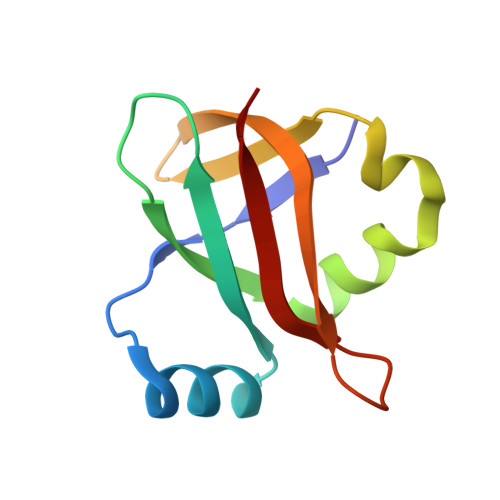
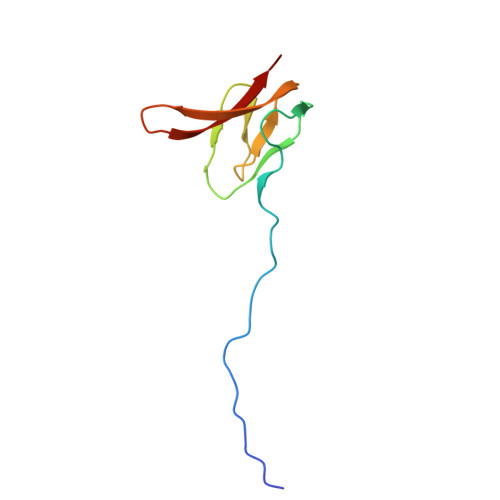
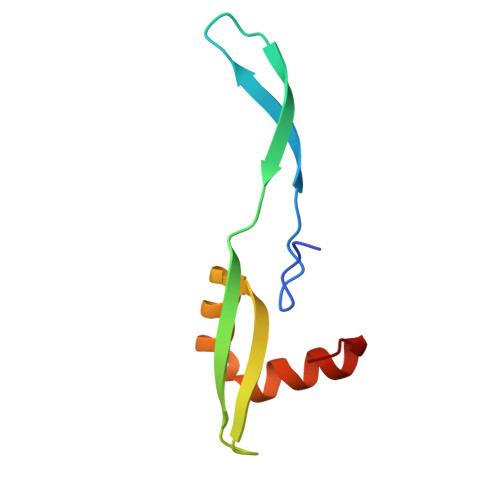
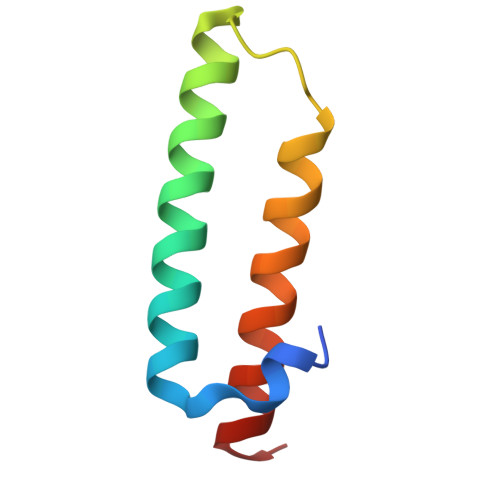
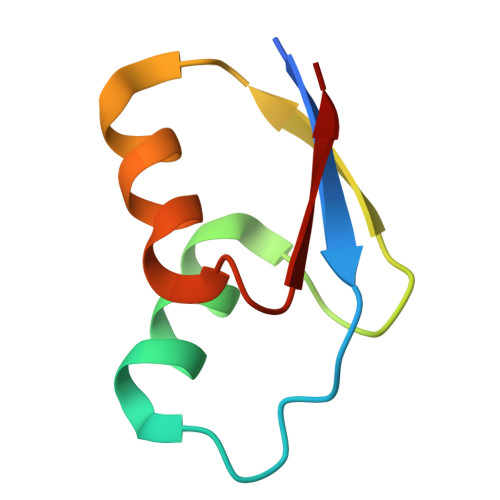
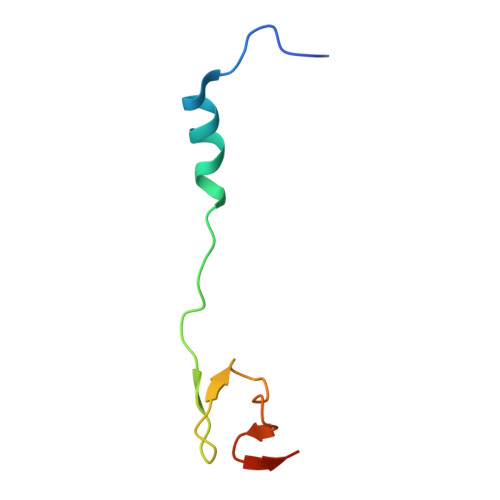
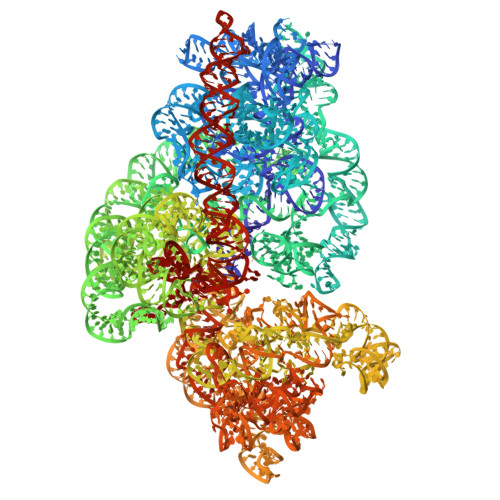
Natural proteins often form intricate multidomain, oligomeric architectures. This presents a prima facie challenge to cellular homeostasis, as topologically complex proteins seldom refold efficiently in vitro. Here, we show that the efficient folding and assembly of the five-domain homotetramer β-galactosidase is obligatorily coupled to its synthesis on the ribosome, and we define the underlying mechanisms. During refolding from a denaturant, maturation of the catalytic domain is frustrated. Assembly outpaces monomer folding, and non-native oligomers accumulate. Efficient de novo folding is characterized by segmental domain folding, shaped by the binding of a nascent amphipathic helix to a cryptic pocket on uL23 on the ribosome surface. Homomer assembly also initiates cotranslationally via recruitment of a full-length subunit to the nascent polypeptide, and the failure to do so results in misassembly. Our results reveal how the ribosome can dictate the timing of folding and assembly to enable efficient biogenesis of a topologically complex protein.
Organizational Affiliation:
Protein Biogenesis Laboratory, The Francis Crick Institute, London, UK; Division of Biosciences, Faculty of Life Science, University College London, London, UK.
Protein Biogenesis Laboratory, The Francis Crick Institute, London, UK.
Visual Biochemistry Laboratory, The Francis Crick Institute, London, UK; Department of Neuroscience, Physiology and Pharmacology, University College London, London, UK.
Visual Biochemistry Laboratory, The Francis Crick Institute, London, UK; Department of Chemistry, Imperial College London, London, UK.
Center for Molecular Biology of Heidelberg University (ZMBH), DKFZ-ZMBH Alliance, Heidelberg, Germany.
Visual Biochemistry Laboratory, The Francis Crick Institute, London, UK. Electronic address: radoslav.enchev@crick.ac.uk.
Protein Biogenesis Laboratory, The Francis Crick Institute, London, UK. Electronic address: david.balchin@crick.ac.uk.

 Download Mendeley