9Q9K | pdb_00009q9k

Cryo-EM structure of human Mre11-Rad50 (MR) complex bound to DNA and telomeric factor TRF2 fragment (438-542)


Experimental Data Snapshot

  • Method: ELECTRON MICROSCOPY
  • Resolution: 2.59 Å
  • Aggregation State: PARTICLE 
  • Reconstruction Method: SINGLE PARTICLE 

Starting Model: in silico
View more details

wwPDB Validation 3D Report Full Report

Validation slider image for 9Q9K

This is version 1.0 of the entry. See complete history

Literature

Structural basis for DNA break sensing by human MRE11-RAD50-NBS1 and its regulation by telomeric factor TRF2.

Fan, Y.Kuybu, F.Cui, H.Lammens, K.Chen, J.X.Kugler, M.Jung, C.Hopfner, K.P.

(2025) Nat Commun 16: 8320-8320

  • DOI: https://doi.org/10.1038/s41467-025-64082-x
  • Primary Citation Related Structures: 
    9Q9H, 9Q9I, 9Q9J, 9Q9K, 9Q9M

  • PubMed Abstract: 

    The MRE11-RAD50-NBS1 (MRN) complex is a central, multifunctional factor in the detection, signaling and nucleolytic processing of DNA double-strand breaks (DSBs). To clarify how human MRN binds generic and telomeric DNA ends and can separate DNA end sensing from nuclease activities, we determined cryo-electron microscopy (cryo-EM) structures of human MRN bound to DNA and to DNA and the telomere protection factor TRF2. MRN senses DSBs through a tight clamp-like sensing state with closed coiled-coil domains, but auto-inhibited MRE11 nuclease. NBS1 wraps around the MRE11 dimer, with NBS1's ATM recruitment motif sequestered by binding to the regulatory RAD50 S site, necessitating a switch in the NBS1 C helix for ATM activation. At telomeric DNA, TRF2 blocks the second S site via the iDDR motif to prevent nuclease and ATM activation. Our results provide a structural framework for DNA sensing via a gating mechanism and separation of sensing, signaling and processing activities of mammalian MRN.


  • Organizational Affiliation
    • Gene Center, Department of Biochemistry, Ludwig-Maximilians-Universität München, Feodor Lynen Straße 25, 81377, Munich, Germany.

Macromolecule Content 

  • Total Structure Weight: 542.91 kDa 
  • Atom Count: 16,910 
  • Modeled Residue Count: 1,988 
  • Deposited Residue Count: 4,460 
  • Unique protein chains: 3
  • Unique nucleic acid chains: 2

Macromolecules


Find similar proteins by:|  3D Structure
Entity ID: 1
MoleculeChains  Sequence LengthOrganismDetailsImage
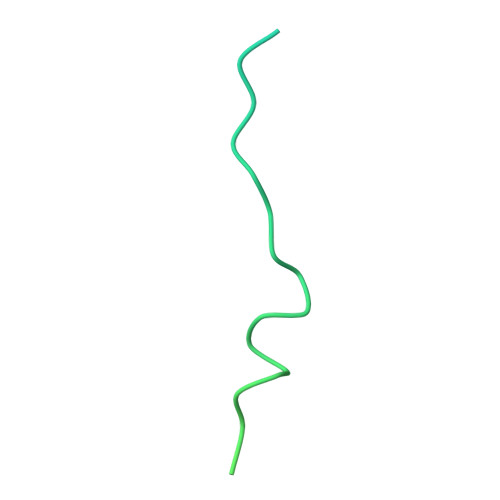
Telomeric repeat-binding factor 2A [auth J],
B [auth K]
116Homo sapiensMutation(s): 0 
Gene Names: TERF2TRBF2TRF2
UniProt & NIH Common Fund Data Resources
Find proteins for Q15554 (Homo sapiens)
Explore Q15554 
Go to UniProtKB:  Q15554
PHAROS:  Q15554
GTEx:  ENSG00000132604 
Entity Groups
Sequence Clusters30% Identity50% Identity70% Identity90% Identity95% Identity100% Identity
UniProt GroupQ15554
Sequence Annotations
Expand
Reference Sequence
Find similar proteins by:|  3D Structure
Entity ID: 4
MoleculeChains  Sequence LengthOrganismDetailsImage
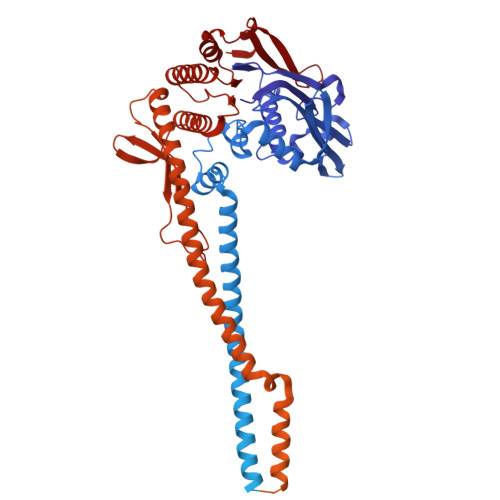
DNA repair protein RAD50E [auth A],
F [auth B]
1,312Homo sapiensMutation(s): 0 
Gene Names: RAD50
EC: 3.6
UniProt & NIH Common Fund Data Resources
Find proteins for Q92878 (Homo sapiens)
Explore Q92878 
Go to UniProtKB:  Q92878
PHAROS:  Q92878
GTEx:  ENSG00000113522 
Entity Groups
Sequence Clusters30% Identity50% Identity70% Identity90% Identity95% Identity100% Identity
UniProt GroupQ92878
Sequence Annotations
Expand
Reference Sequence
Find similar proteins by:|  3D Structure
Entity ID: 5
MoleculeChains  Sequence LengthOrganismDetailsImage
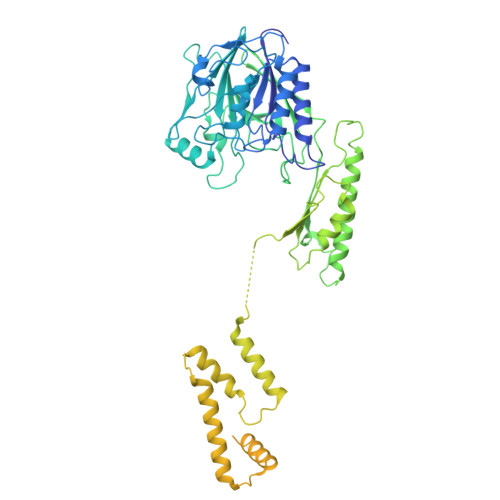
Double-strand break repair protein MRE11G [auth D],
H [auth E]
738Homo sapiensMutation(s): 0 
Gene Names: MRE11HNGS1MRE11A
EC: 3.1
UniProt & NIH Common Fund Data Resources
Find proteins for P49959 (Homo sapiens)
Explore P49959 
Go to UniProtKB:  P49959
PHAROS:  P49959
GTEx:  ENSG00000020922 
Entity Groups
Sequence Clusters30% Identity50% Identity70% Identity90% Identity95% Identity100% Identity
UniProt GroupP49959
Sequence Annotations
Expand
Reference Sequence
Find similar nucleic acids by:  (by identity cutoff) 
Entity ID: 2
MoleculeChains LengthOrganismImage
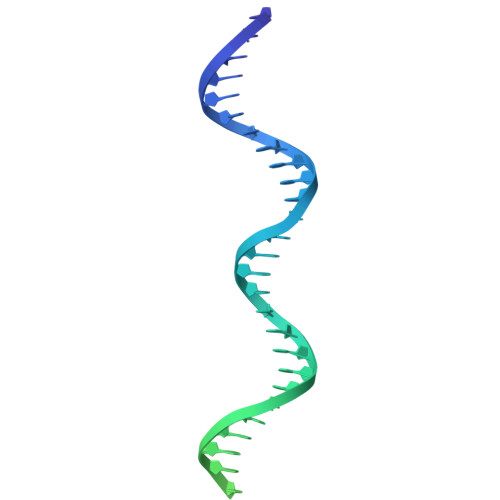
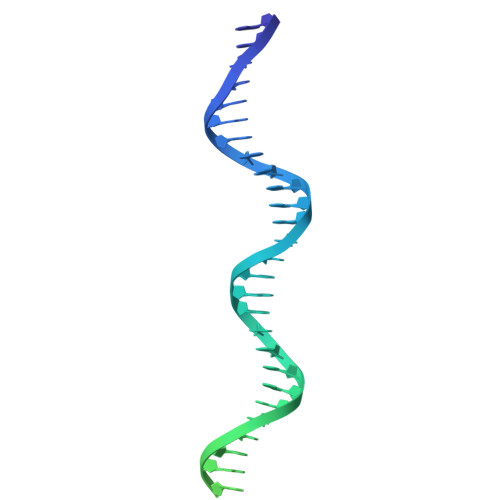
DNA (64-MER)C [auth P]64Homo sapiens
Sequence Annotations
Expand
Reference Sequence
Find similar nucleic acids by:  (by identity cutoff) 
Entity ID: 3
MoleculeChains LengthOrganismImage
DNA (64-MER)D [auth T]64Homo sapiens
Sequence Annotations
Expand
Reference Sequence

Small Molecules

Ligands 4 Unique
IDChains Name / Formula / InChI Key2D Diagram3D Interactions
ADP
(Subject of Investigation/LOI)

Query on ADP


Download:Ideal Coordinates CCD File
I [auth A],
L [auth B]
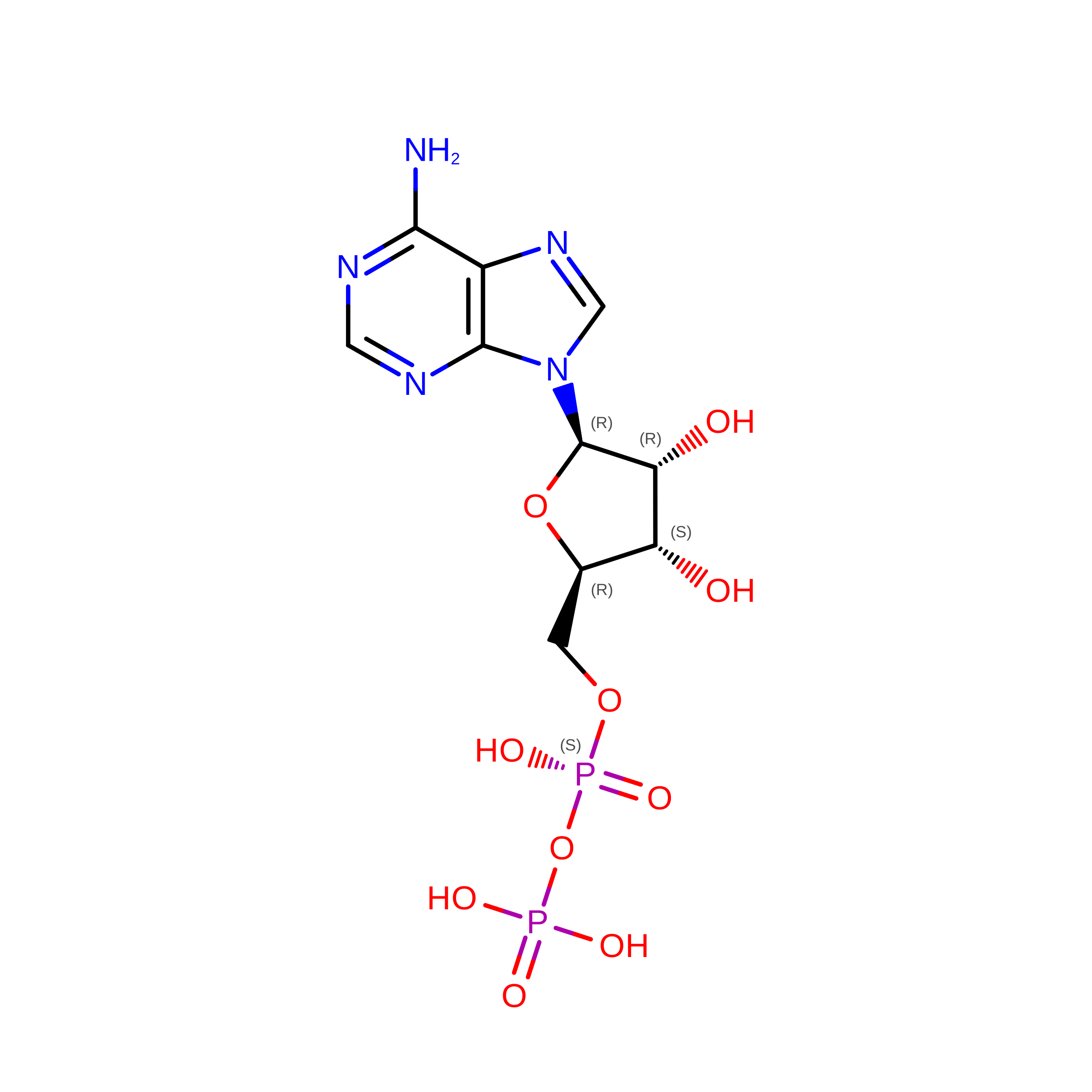
ADENOSINE-5'-DIPHOSPHATE
C10 H15 N5 O10 P2
XTWYTFMLZFPYCI-KQYNXXCUSA-N
BEF
(Subject of Investigation/LOI)

Query on BEF


Download:Ideal Coordinates CCD File
K [auth A],
N [auth B]
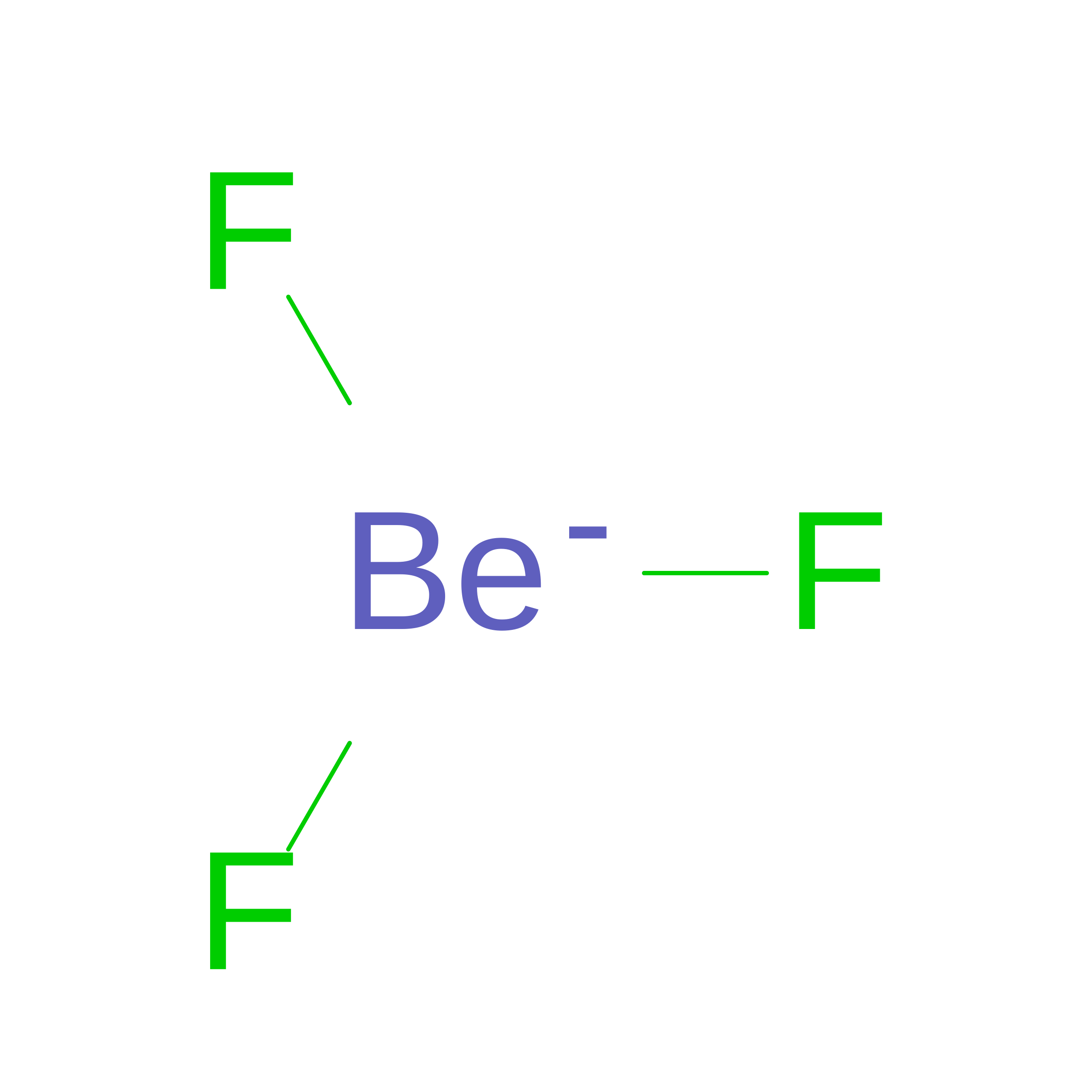
BERYLLIUM TRIFLUORIDE ION
Be F3
OGIAHMCCNXDTIE-UHFFFAOYSA-K
MN
(Subject of Investigation/LOI)

Query on MN


Download:Ideal Coordinates CCD File
O [auth D],
P [auth D],
Q [auth E],
R [auth E]
MANGANESE (II) ION
Mn
WAEMQWOKJMHJLA-UHFFFAOYSA-N
MG
(Subject of Investigation/LOI)

Query on MG


Download:Ideal Coordinates CCD File
J [auth A],
M [auth B]
MAGNESIUM ION
Mg
JLVVSXFLKOJNIY-UHFFFAOYSA-N

Experimental Data & Validation

Experimental Data

  • Method: ELECTRON MICROSCOPY
  • Resolution: 2.59 Å
  • Aggregation State: PARTICLE 
  • Reconstruction Method: SINGLE PARTICLE 
EM Software:
TaskSoftware PackageVersion
MODEL REFINEMENTPHENIX1.20.1
RECONSTRUCTIONcryoSPARC4.6.2

Structure Validation

View Full Validation Report


Entry History 

& Funding Information

Deposition Data


Funding OrganizationLocationGrant Number
German Research Foundation (DFG)Germany--

Revision History  (Full details and data files)

  • Version 1.0: 2025-10-01
    Type: Initial release