Download Mendeley
Bioactive lipid-mediated structural and functional regulation of the essential human potassium channel Kir7.1.
Niu, Q., Vu, S., Xu, Y., Qian, M., Rudenko, A., Ye, J., Zeng, J., Huang, W., Covey, D.F., Zhang, R., Fu, Z., Lishko, P.V.(2026) Nat Commun 17
- PubMed: 41672996 Search on PubMedSearch on PubMed Central
- DOI: https://doi.org/10.1038/s41467-026-68819-0
- Primary Citation Related Structures:
9PR5, 9PR6, 9PR7 - PubMed Abstract:
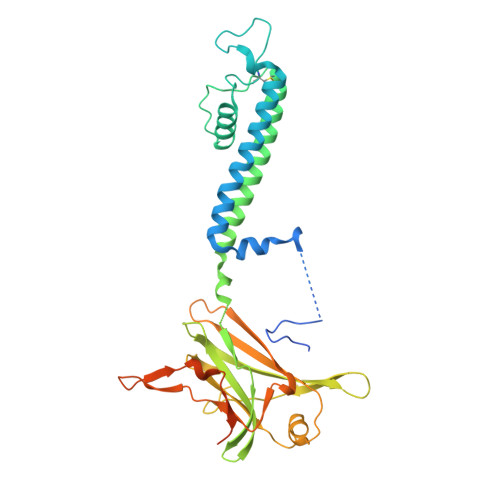
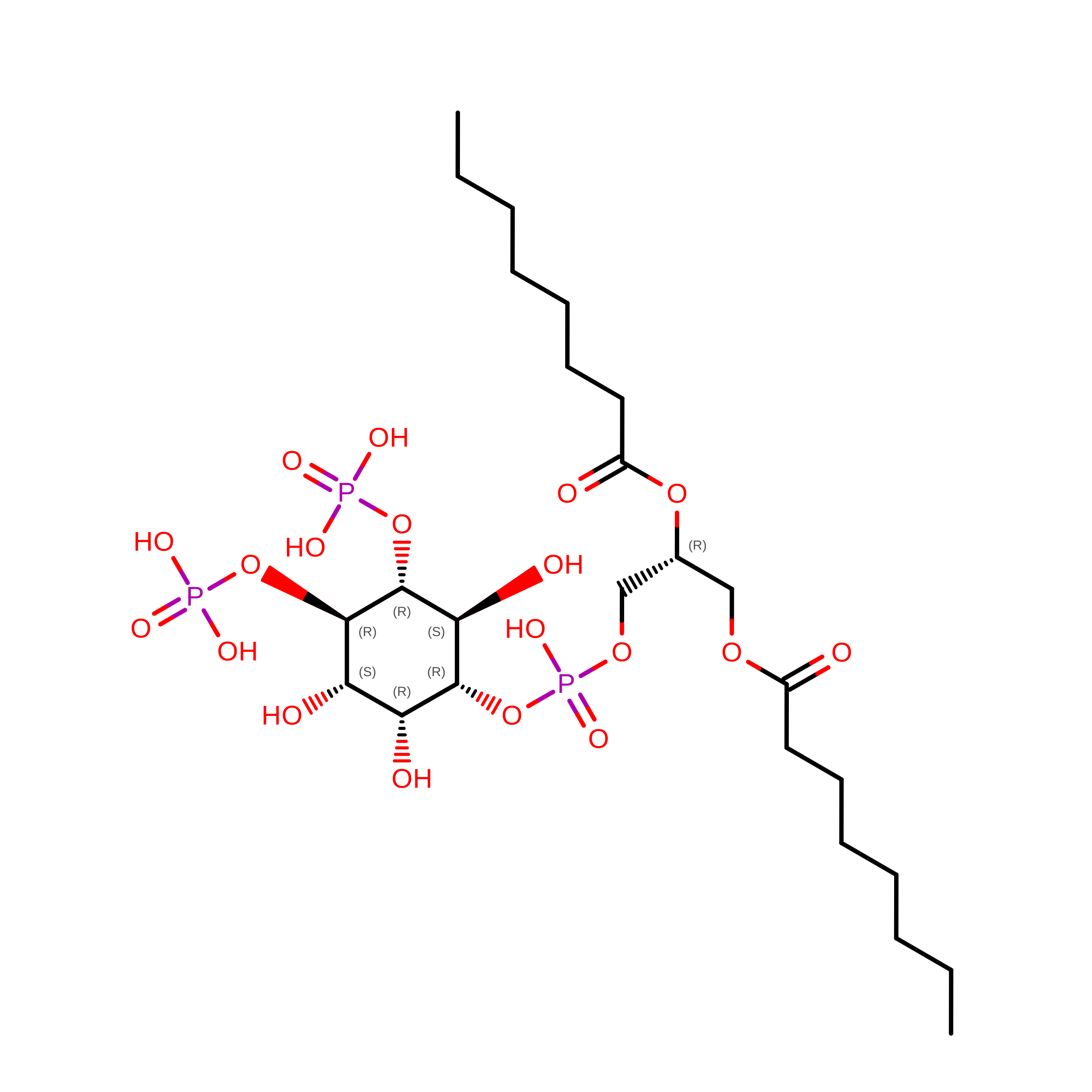
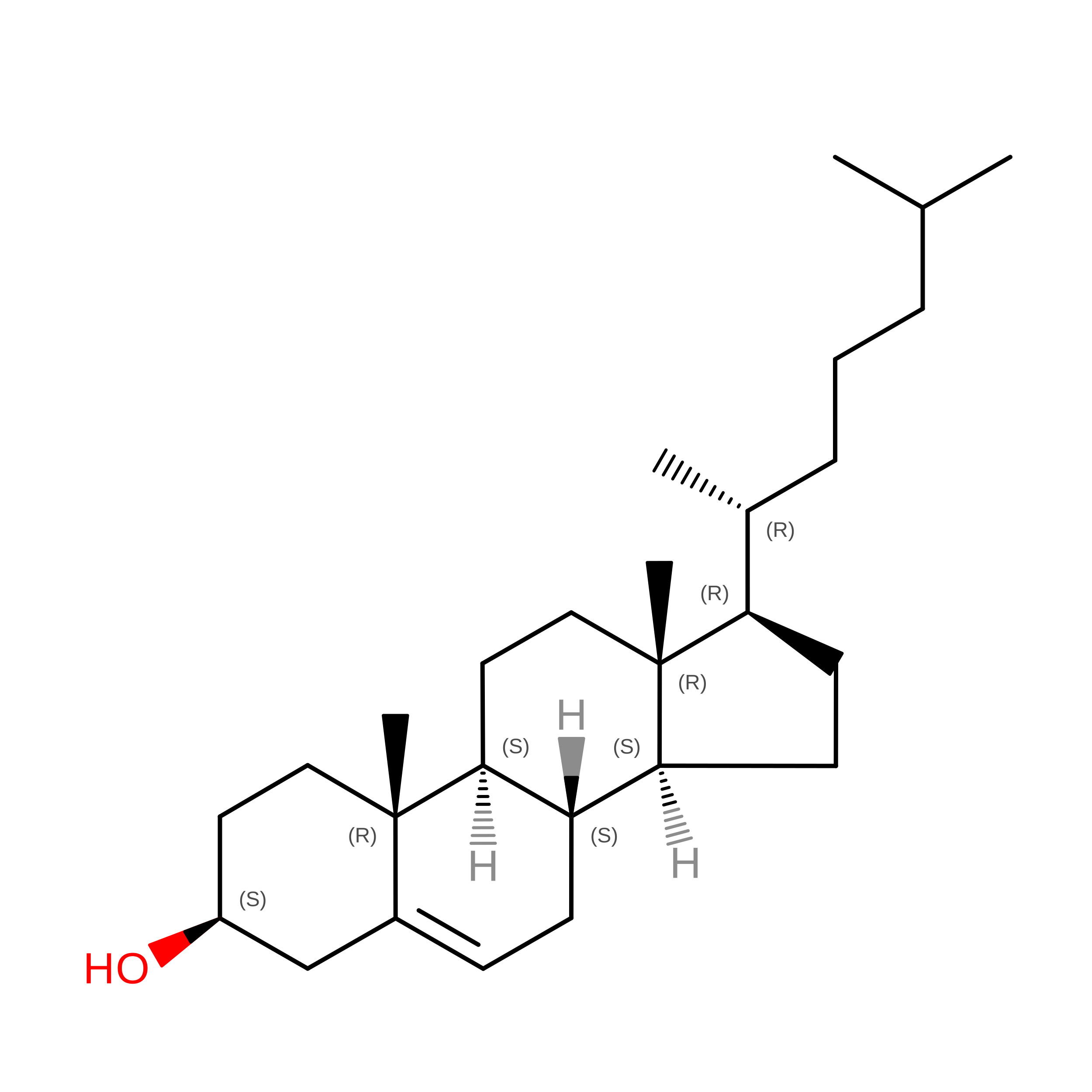
The inwardly rectifying potassium channel Kir7.1 is essential for the physiological function of diverse tissues, including the retinal pigment epithelium and the gestational myometrium. Loss-of-function mutations in KCNJ13, which encodes Kir7.1, or conditional ablation of Kir7.1 in the retinal pigment epithelium, lead to early-onset vision loss. Despite strong genetic evidence supporting Kir7.1 as a therapeutic target, its regulation by endogenous ligands-beyond phosphoinositides-remains poorly understood. Here, we report cryo-electron microscopy structures of human Kir7.1 in multiple functional states at resolutions ranging from 2.8 Å to 4.0 Å. These structures uncover the molecular basis of Kir7.1 modulation by PI 4,5 P 2 , its selectivity, rectification, and identify a distinct steroid-binding site that may mediate cooperative channel gating. Our data suggest that endogenous cholesterol acts as an inhibitory ligand, which is displaced by select activating steroids. These activating steroids work in concert with PI 4,5 P 2 to promote channel opening through profound changes in cytoplasmic domains, and the linker region. Electrophysiological analyses define a pharmacological landscape of Kir7.1 activators, providing innovative tools to probe and modulate channel function in both physiological and pathological contexts.
- Department of Cell Biology and Physiology, WashU Medicine; Washington University School of Medicine, St. Louis, MO, USA.
Organizational Affiliation: