Download Mendeley
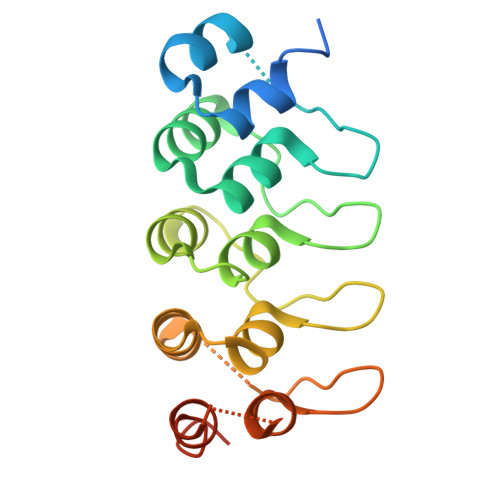
The structural basis for LRRK2's activation and autoinhibition.
Villagran Suarez, A., Hatch, K.S., Bodrug, T., Gai, W., Surridge, K.J., Moussikhina, E., Nguyen, K.H.V., Sanz-Murillo, M., Callahan, R., Xiong, E., Ramos, D., Zhu, L., Dederer, V., Mathea, S., Iwasa, J., Knapp, S., Shokat, K.M., Reck-Peterson, S.L., Leschziner, A.E.(2026) Cell 189: 6460-6473.e7
- PubMed: 42575089 Search on PubMed
- DOI: https://doi.org/10.1016/j.cell.2026.07.027
- Primary Citation Related Structures:
9OM2, 9OXH, 9OXI, 9OYA, 9Y67, 9Y68, 9Y7A, 9Y7I, 9YBL, 9YBP, 9YC8, 9YCD, 9YGT, 9YQK - PubMed Abstract:
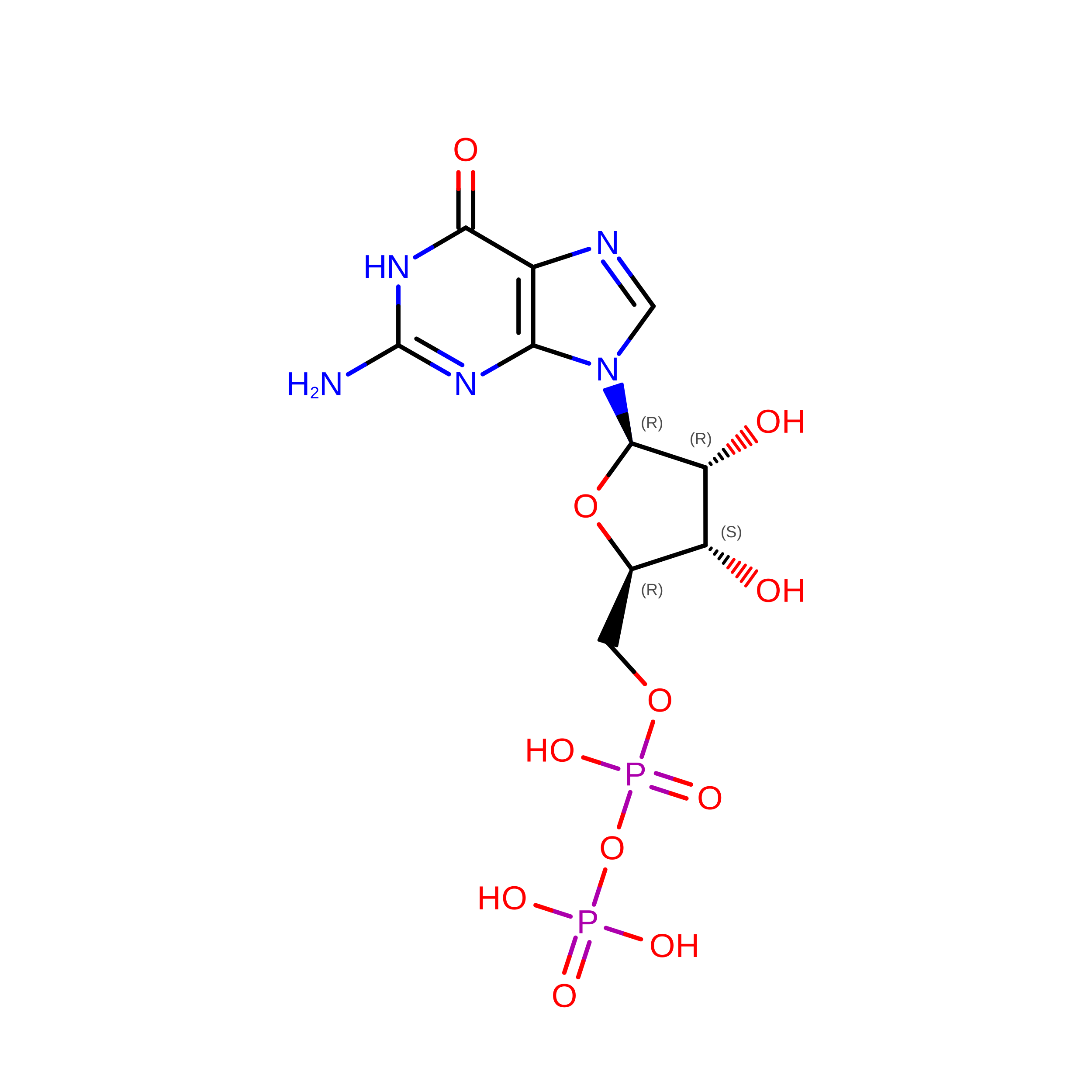
Mutations in leucine-rich repeat kinase 2 (LRRK2) are the second most common cause of autosomal-dominant Parkinson's disease (PD), and increased LRRK2 kinase activity is also observed in idiopathic PD, making LRRK2 a major actionable therapeutic target. LRRK2 is a 286-kDa multidomain enzyme containing a Ras-like GTPase (ROC) and a kinase domain. Using cryo-electron microscopy (cryo-EM), biochemical reconstitution, and cell-based assays, we show that the ROC GTPase governs switching between autoinhibited and active states: GTP binding promotes activation, whereas GDP binding enforces autoinhibition. Two common PD-linked mutations, G2019S and R1441C/G/H, activate LRRK2 through distinct structural mechanisms, revealing genotype-specific routes to dysregulation. These findings provide a unified framework for understanding LRRK2 regulation with broad therapeutic implications. Stabilizing the guanosine diphosphate (GDP)-bound state may inhibit LRRK2 by maintaining autoinhibition, whereas promoting the GTP-bound state could be advantageous in specific cellular contexts, such as the lung, where increased LRRK2 kinase activity may play protective or regulatory roles.
- Department of Cellular and Molecular Medicine, University of California, San Diego, La Jolla, CA 92093, USA.
Organizational Affiliation: