Download Mendeley
Mechanisms of human mitochondrial leaderless mRNA translation initiation.
Shen, S., Xu, Y., Kober, D.L., Wang, J.(2026) Nat Commun 17
- PubMed: 41935065 Search on PubMedSearch on PubMed Central
- DOI: https://doi.org/10.1038/s41467-026-71535-4
- Primary Citation Related Structures:
9OJM - PubMed Abstract:
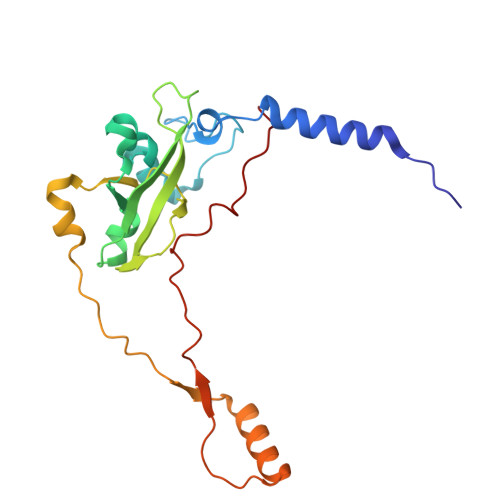
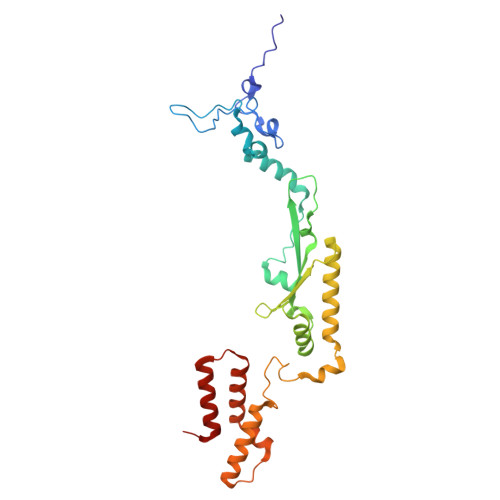
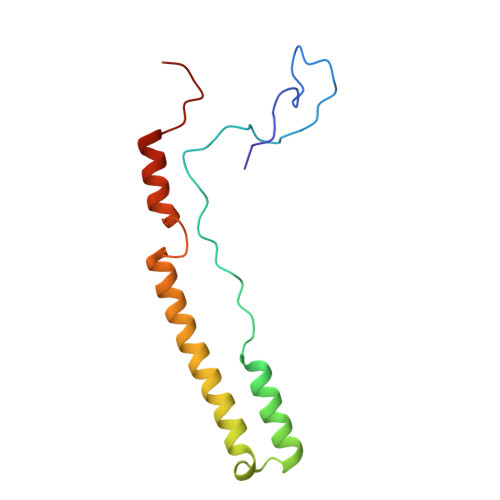
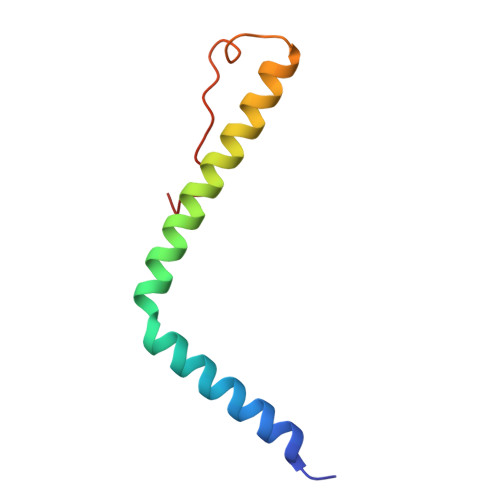
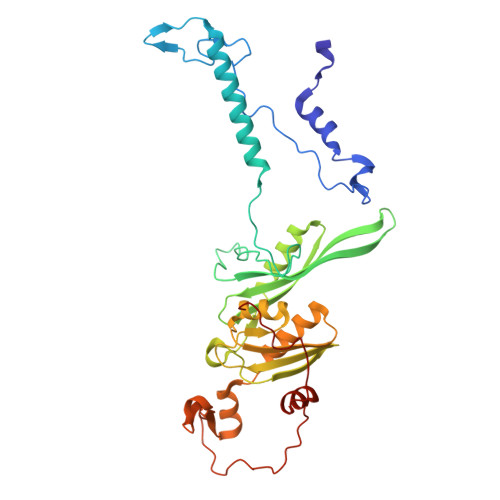
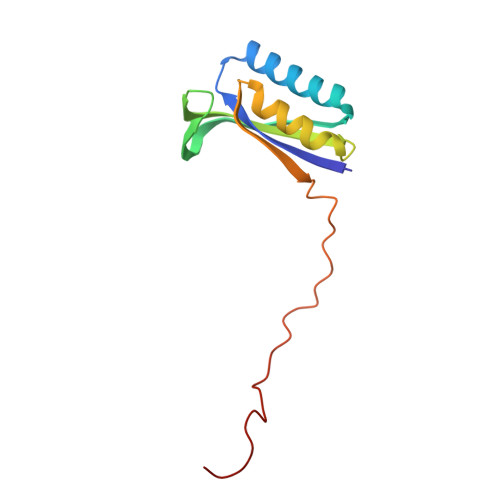
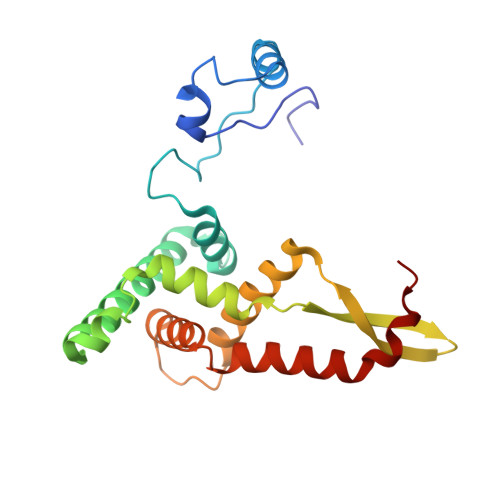
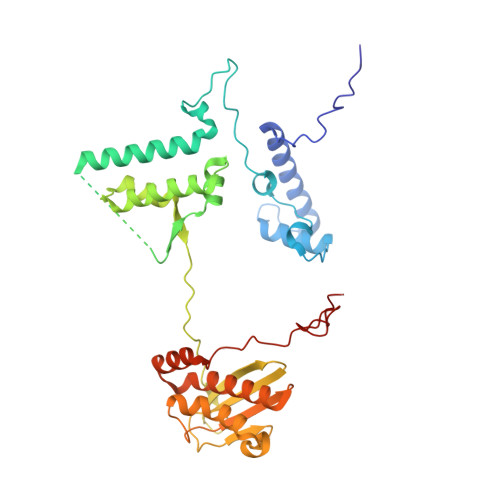
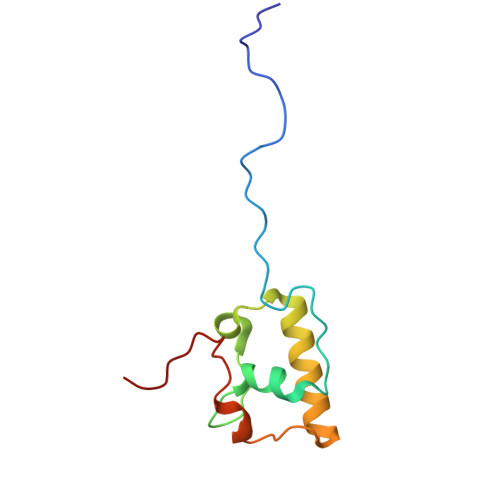
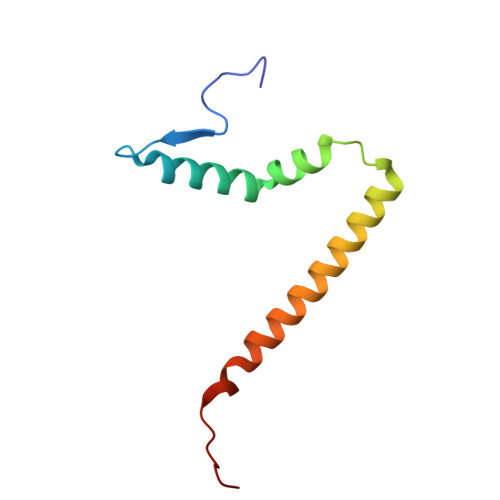
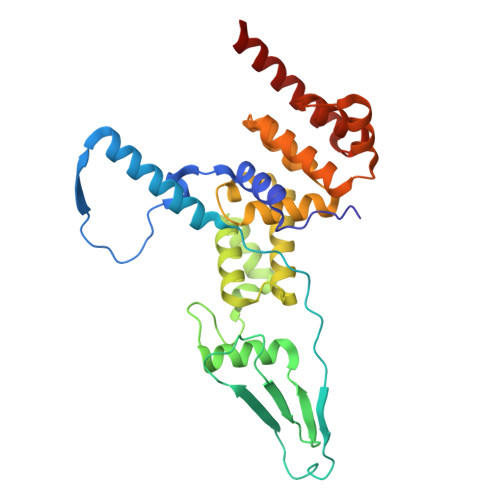
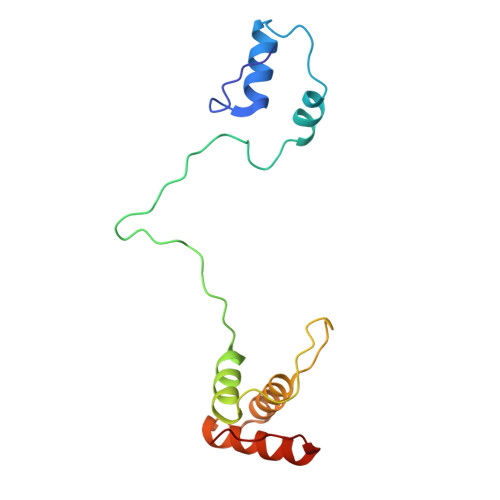
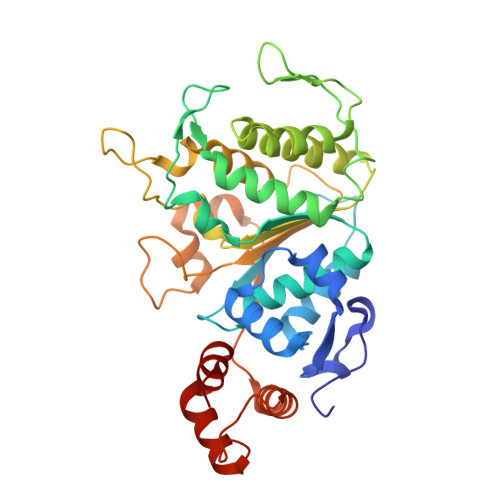
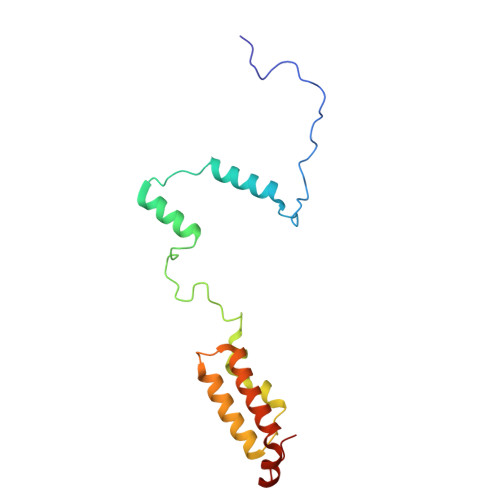
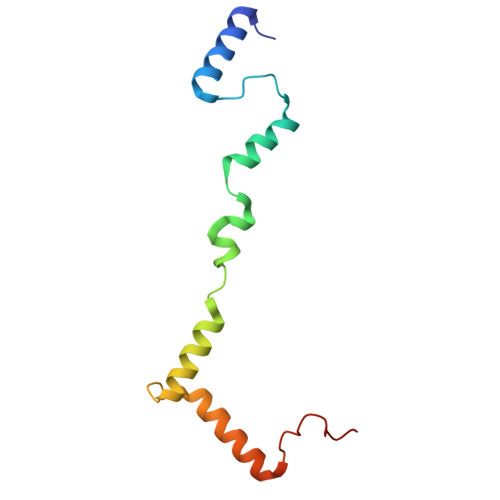
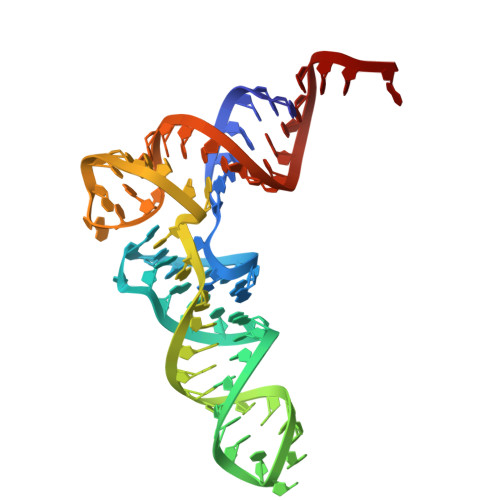
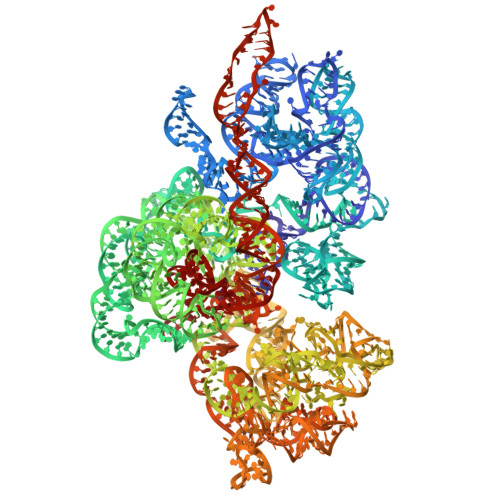
Mitochondrial translation is essential for cellular function, and its dysregulation is associated with mitochondrial disorders and cancer. However, the mechanisms by which human mitochondrial ribosomes initiate translation remain poorly understood, particularly because mitochondrial mRNAs generally lack the 5' untranslated regions that guide translation initiation in bacterial and cytoplasmic systems. Using real-time single-molecule fluorescence measurements, biochemical assays, and cryo-EM analysis, we show that human mitochondrial translation initiation occurs through two parallel pathways. In one pathway, leaderless mRNA first loads onto the 28S small subunit, followed by recruitment of the 39S large subunit to form the 55S initiation complex. In the second pathway, a preassembled 55S monosome directly loads onto leaderless mRNA. Both pathways require recruitment of mtIF2 and fMet-tRNA Met before mRNA binding. However, the monosome-loading pathway tolerates non-formylated Met-tRNA Met and is suppressed by mtIF3. Together, these findings define the heterogeneous pathways of human mitochondrial translation initiation on leaderless mRNAs.
- Department of Biochemistry, The University of Texas Southwestern Medical Center, Dallas, TX, USA.
Organizational Affiliation: