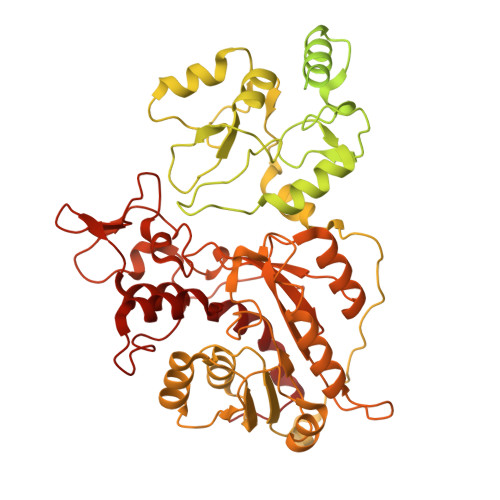
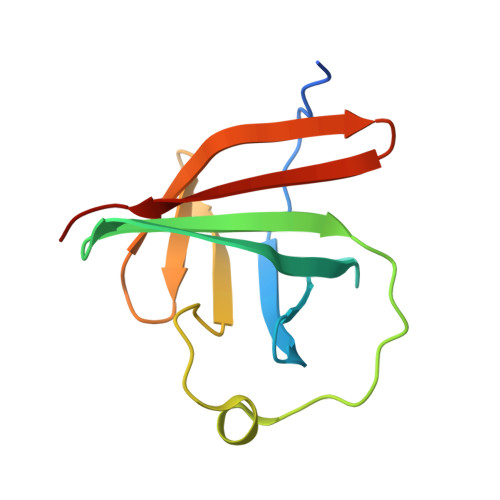
DNA methyltransferases DNMT3A/B mediate de novo DNA methylation, essential for embryonic development and cell fate determination. Dysregulation of DNMT3A/B causes developmental defects and tumorigenesis. TCL1A is critical for embryogenesis but promotes lymphomagenesis when deregulated. Previous studies suggested TCL1A binds DNMT3A/B and inhibits their activity, but the mechanism remained unclear. Here, we report the cryo-EM structure of the DNMT3A-TCL1A complex, which comprises a DNMT3A dimer bound by two TCL1A dimers. TCL1A interacts with the catalytic domain of DNMT3A, overlapping with the DNMT3L-binding site, and induces extended conformational rearrangements. The target recognition domain and catalytic loop shift markedly, reducing DNA accessibility, while the catalytic loop occupies the SAM-binding pocket, thereby blocking methyltransferase activity. Supported by biochemical assays and molecular dynamics simulations, we propose a dynamic inhibition mechanism in which TCL1A exploits DNMT3A conformational plasticity to suppress de novo DNA methylation.
Organizational Affiliation:
Department of Obstetrics and Gynecology, Key Laboratory of Birth Defects and Related Disease of Women and Children of MOE, State Key Laboratory of Biotherapy, West China Second Hospital, Sichuan University, Chengdu, China.
The Key Laboratory of Organ Regeneration and Reconstruction, Institute of Zoology, Chinese Academy of Sciences, Beijing, China.
Beijing Institute of Stem Cell and Regenerative Medicine, Institute of Zoology, Chinese Academy of Sciences, Beijing, China.
Department of Chemistry, Umeå University, Umeå, Sweden.
Department of Thoracic Surgery and Institute of Thoracic Oncology, National Clinical Research Center for Geriatrics, West China Hospital of Sichuan University, Chengdu, China; Western China Collaborative Innovation Center for Early Diagnosis and Multidisciplinary Therapy of Lung Cancer, Sichuan University, Chengdu, China.
Development and Related Diseases of Women and Children Key Laboratory of Sichuan Province, Sichuan University, Chengdu, China.
Department of Obstetrics and Gynecology, Center for Reproductive Medicine, The Third Affiliated Hospital, Guangzhou Medical University, Guangzhou, China. gaozheng@gzhmu.edu.cn.
Guangdong Provincial Key Laboratory of Major Obstetric Diseases, The Third Affiliated Hospital, Guangzhou Medical University, Guangzhou, China. gaozheng@gzhmu.edu.cn.
Guangdong Provincial Clinical Research Center for Obstetrics and Gynecology, The Third Affiliated Hospital, Guangzhou Medical University, Guangzhou, China. gaozheng@gzhmu.edu.cn.
Guangdong-Hong Kong-Macao Greater Bay Area Higher Education Joint Laboratory of Maternal-Fetal Medicine, The Third Affiliated Hospital, Guangzhou Medical University, Guangzhou, China. gaozheng@gzhmu.edu.cn.
The Key Laboratory of Organ Regeneration and Reconstruction, Institute of Zoology, Chinese Academy of Sciences, Beijing, China. lil@ioz.ac.cn.
Beijing Institute of Stem Cell and Regenerative Medicine, Institute of Zoology, Chinese Academy of Sciences, Beijing, China. lil@ioz.ac.cn.
Department of Obstetrics and Gynecology, Key Laboratory of Birth Defects and Related Disease of Women and Children of MOE, State Key Laboratory of Biotherapy, West China Second Hospital, Sichuan University, Chengdu, China. dengd@scu.edu.cn.
Development and Related Diseases of Women and Children Key Laboratory of Sichuan Province, Sichuan University, Chengdu, China. dengd@scu.edu.cn.








 Download Mendeley