Download Mendeley
Stepwise transcription stalling by the anti-cancer drug Actinomycin D and insights into short tandem repeat transcription inhibition.
Zhao, W., Zhu, L., Liu, Y., Deng, W., Yang, X., Ye, L., Lin, Z., Ding, K., Yang, X., Li, X., Xu, J.(2026) Nat Commun 17
- PubMed: 41833943 Search on PubMedSearch on PubMed Central
- DOI: https://doi.org/10.1038/s41467-026-70612-y
- Primary Citation Related Structures:
9K7F, 9KD7, 9KD8, 9KD9, 9KDN, 9KDO, 9KDQ, 9XGK - PubMed Abstract:
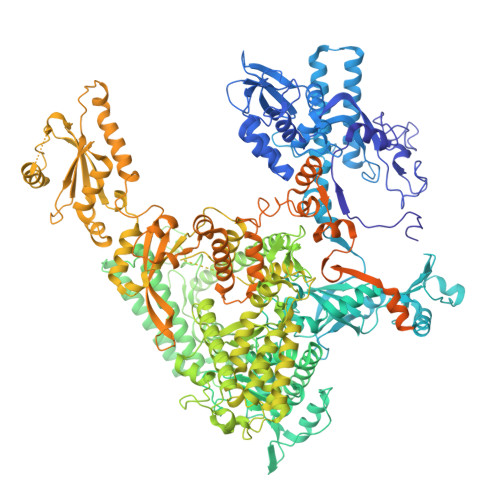
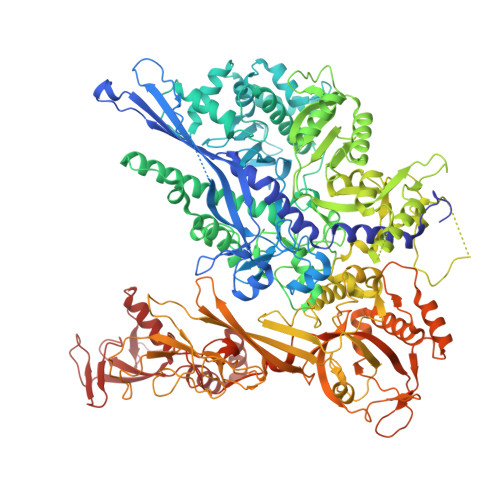
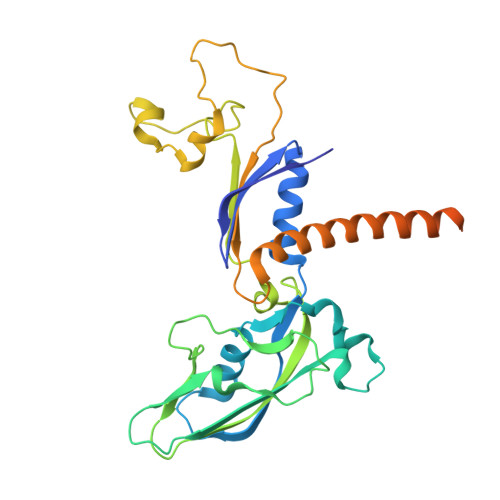
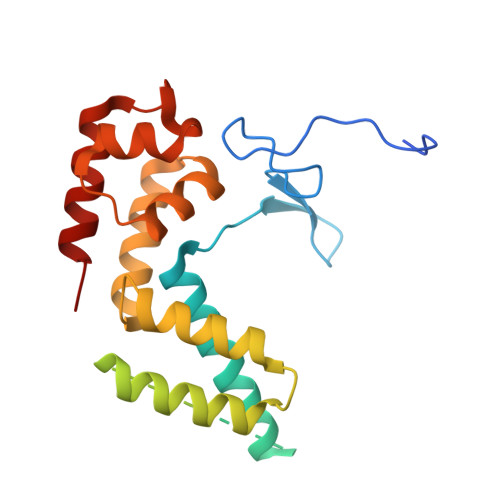
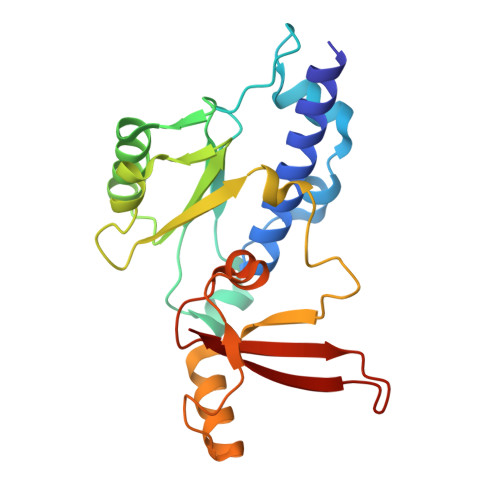
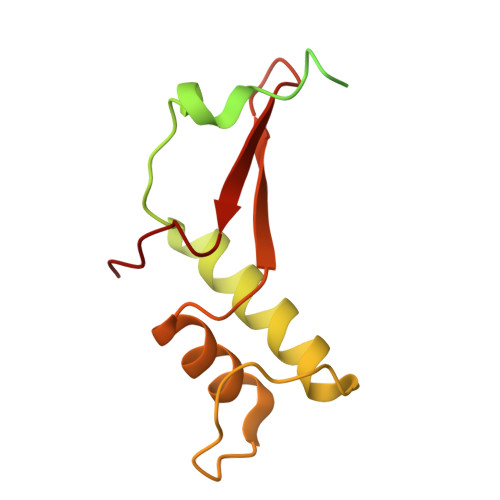
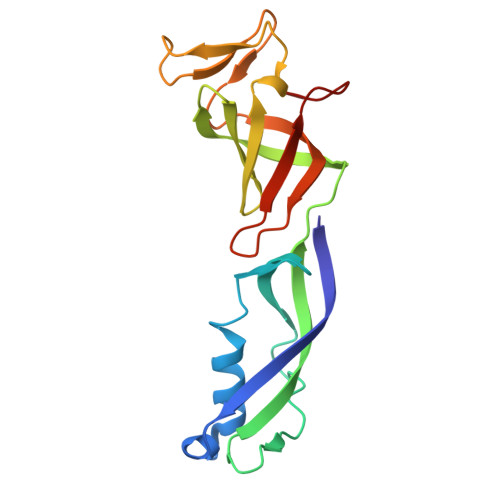
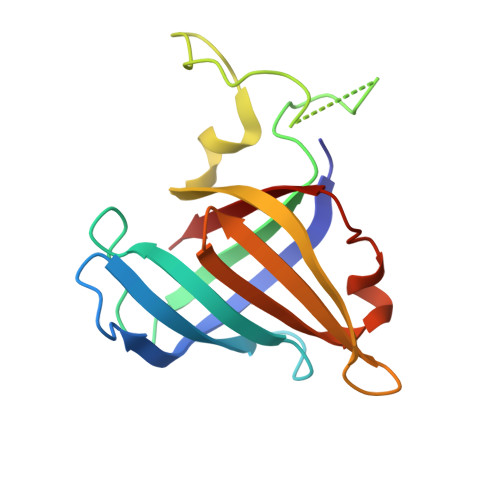
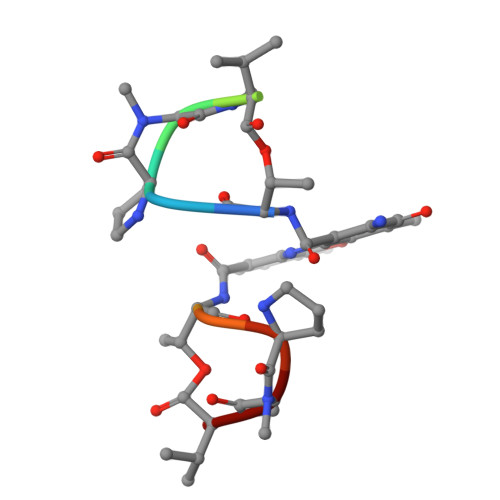
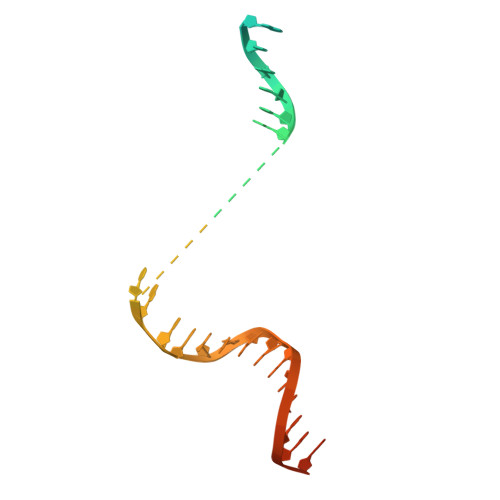
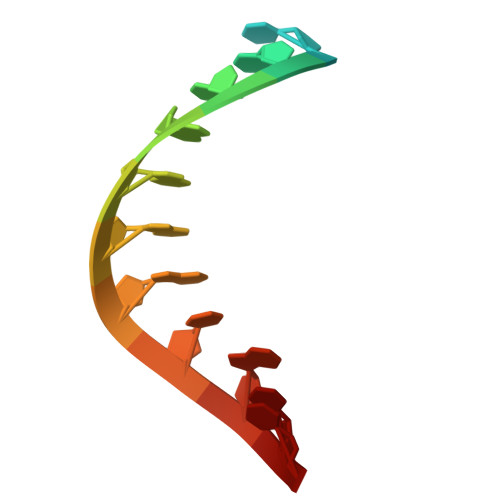
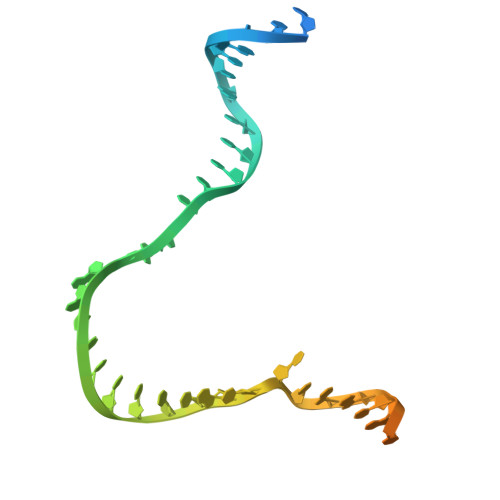
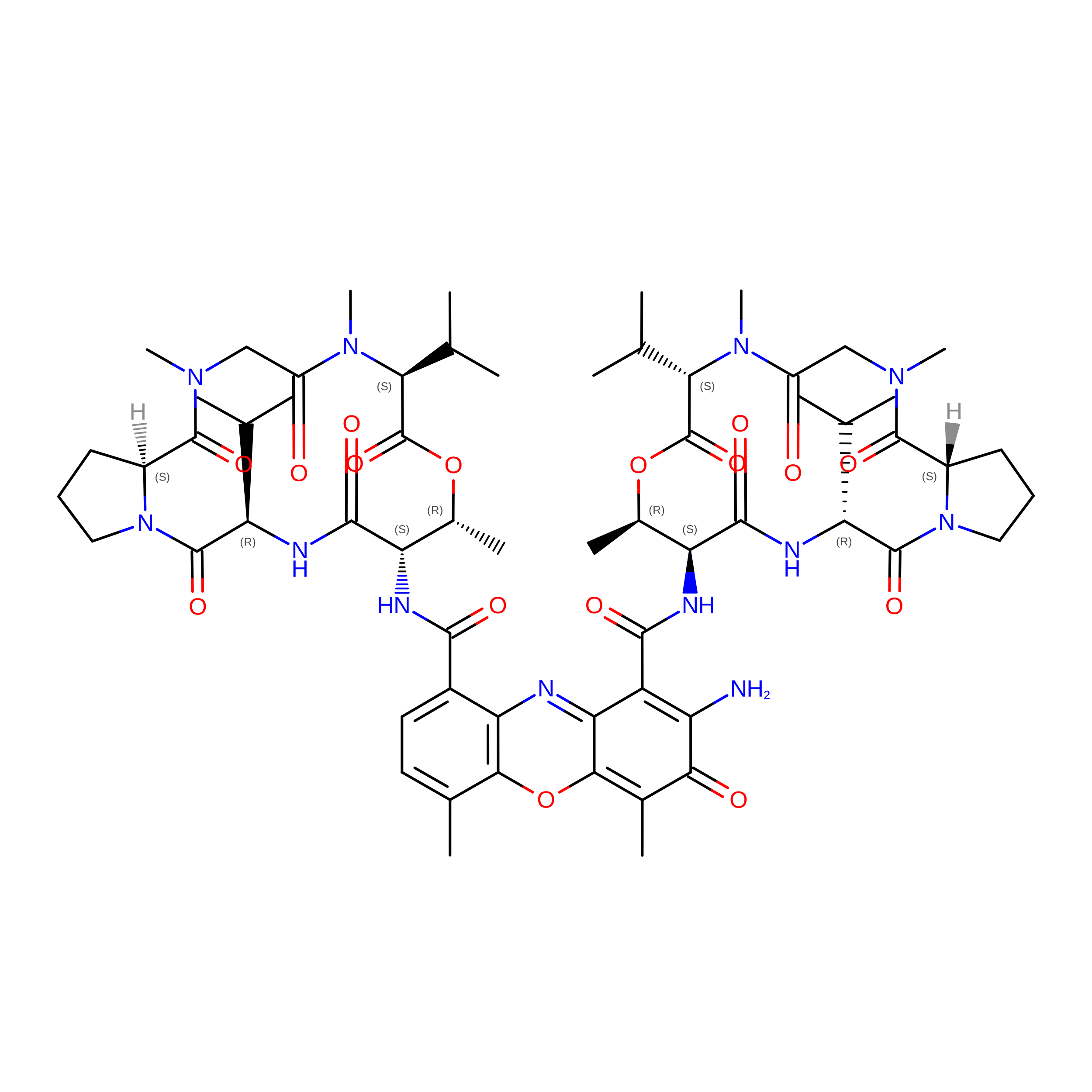
Short tandem repeats (STRs) comprise 6% of the human genome, and their transcription is linked to over 60 diseases. Actinomycin D (ACTD) is the first clinically approved anticancer antibiotic that inhibits transcription through an incompletely understood mechanism. Here, using reconstituted yeast and mammalian systems, we investigate the mechanism of transcription inhibition and examine the impact of ACTD on STR transcription. We show that ACTD induces RNA polymerase II (Pol II) pausing at three distinct states and present structural snapshots of Pol II processing ACTD in these states. Furthermore, we examine ACTD's effects on Pol II transcribing five disease-linked, GC-rich STRs and resolve structures of Pol II in complex with ACTD during the transcription of CTG repeats associated with myotonic dystrophy type 1. Our findings reveal the structural basis of ACTD-mediated transcription inhibition and provide a framework for the rational modification of ACTD to target STR-associated disorders.
- Department of Genetics and Metabolism, Children's Hospital, Zhejiang University School of Medicine, National Clinical Research Center for Child Health, Hangzhou, China.
Organizational Affiliation: