Download Mendeley
Structural insights into selective and dual antagonism of EP2 and EP4 prostaglandin receptors.
Wu, Y., Zhang, H., Xu, J., Wu, K., Hu, W., He, X., Wang, G., Wu, C., Xu, H.E.(2025) EMBO J 44: 7242-7262
- PubMed: 41162752 Search on PubMedSearch on PubMed Central
- DOI: https://doi.org/10.1038/s44318-025-00611-0
- Primary Citation Related Structures:
9JQY, 9JQZ, 9JRO, 9JRT - PubMed Abstract:
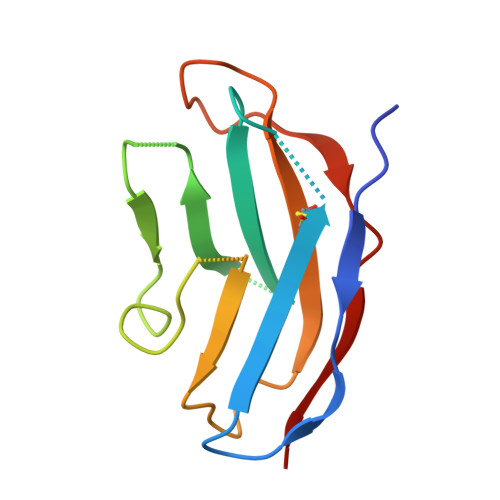
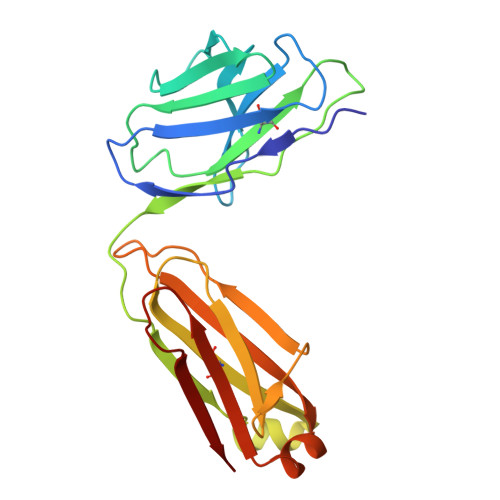
Prostaglandin E2 (PGE2) signaling through EP2 and EP4 receptors is crucial in regulating inflammation, pain, and cancer progression. While selective and dual antagonists for these receptors hold therapeutic potential, their binding mechanisms and selectivity have remained unclear. In this study, we present cryo-electron microscopy (cryo-EM) structures of human EP2 and EP4 receptors in complex with selective antagonists PF-04418948 and grapiprant, as well as with the dual antagonist TG6-129. These structures reveal distinct binding pockets and interaction networks that dictate antagonist selectivity and efficacy. Notably, TG6-129 displays a novel binding mode, engaging deeply with EP2 while interacting more superficially with EP4 in a two-warhead manner. Furthermore, comparisons of active and inactive receptor structures elucidate the mechanisms underlying EP2 activation and antagonism. Overall, these findings provide a structural framework for understanding prostanoid receptor pharmacology and offer valuable insights for the rational design of improved selective and dual antagonists targeting EP2 and EP4 receptors.
- State Key Laboratory of Drug Research, Shanghai Institute of Materia Medica, Chinese Academy of Sciences, 201203, Shanghai, China. wuyanli@simm.ac.cn.
Organizational Affiliation: