Find PDB structures and Computed Structure Models (CSM) by combining queries from tools in this suite: Attribute Search, Sequence Similarity, Sequence Motif, 3D Similarity, and 3D Motif with 'AND' logic.
Funding Organization(s): Ministry of Education, Culture, Sports, Science and Technology (Japan), Japan Society for the Promotion of Science (JSPS), Japan Science and Technology
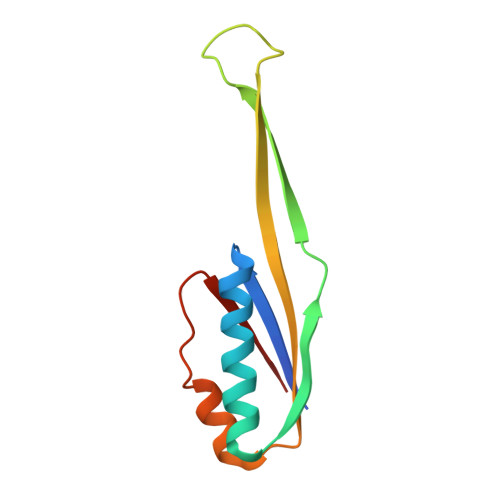
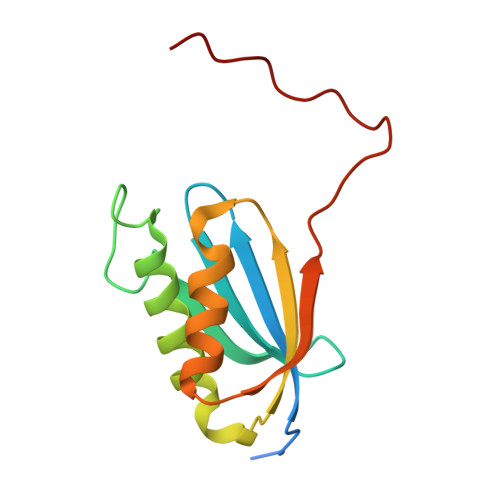
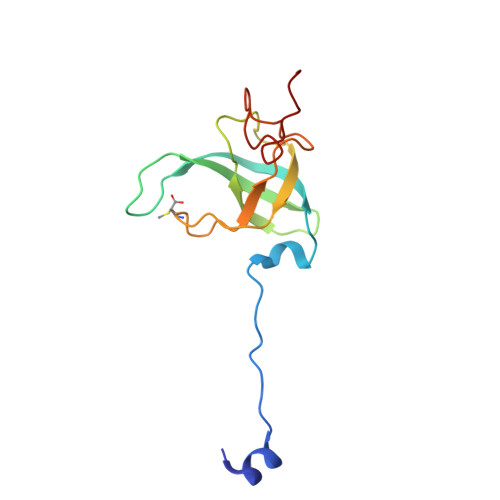
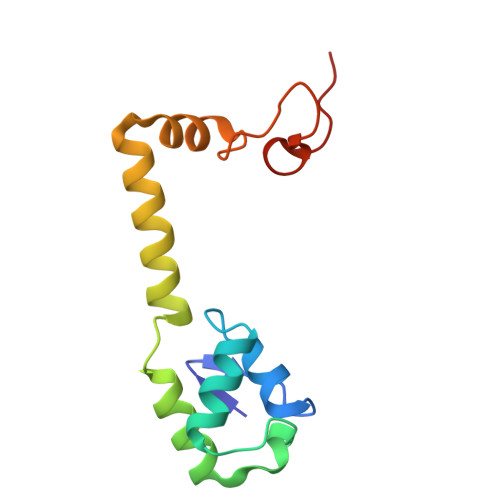
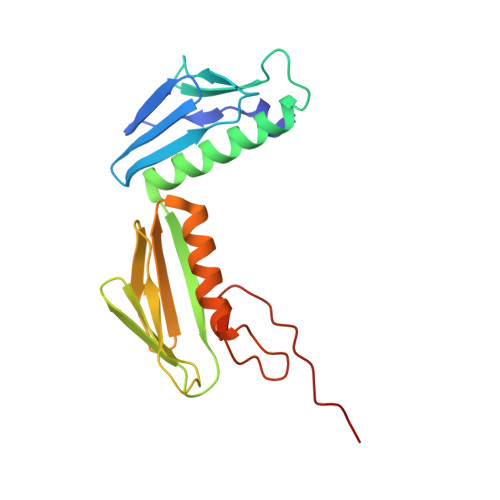
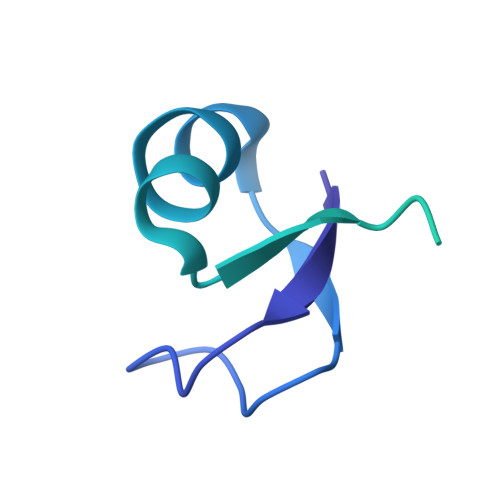
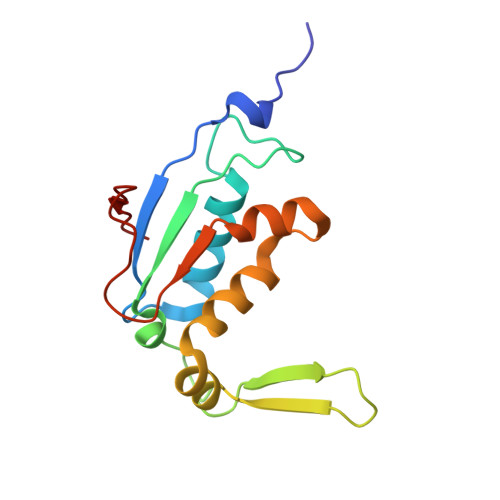
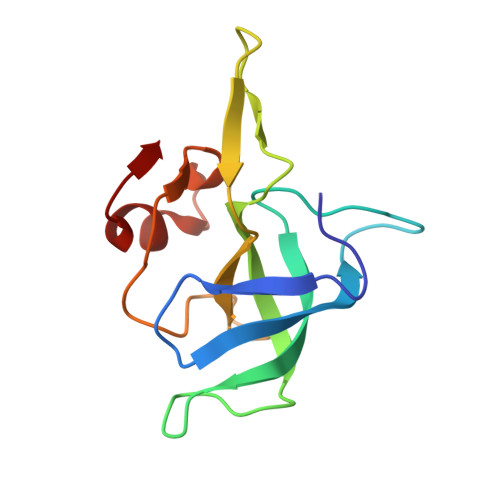
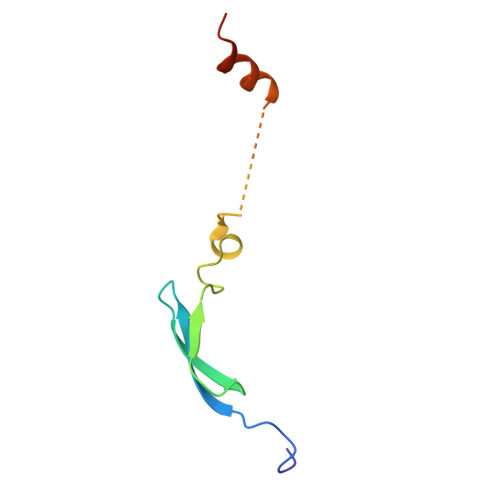
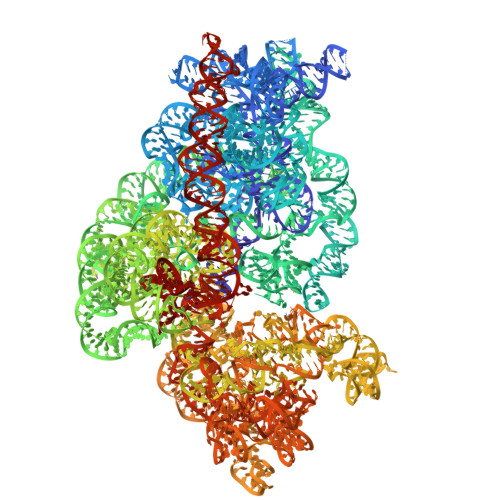
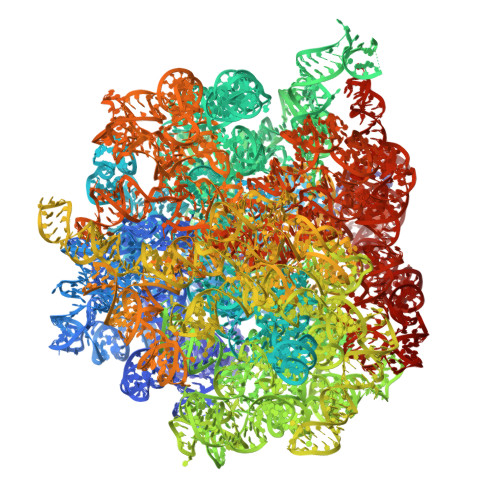
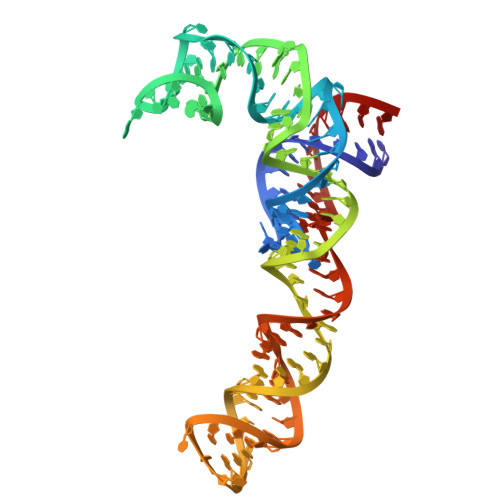
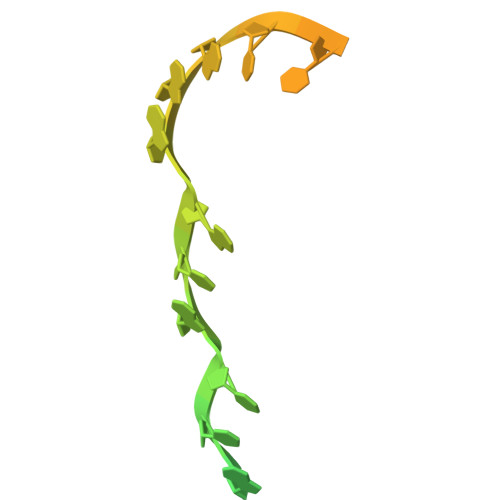
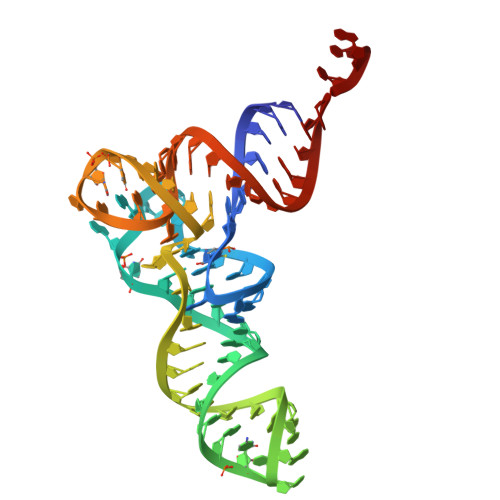
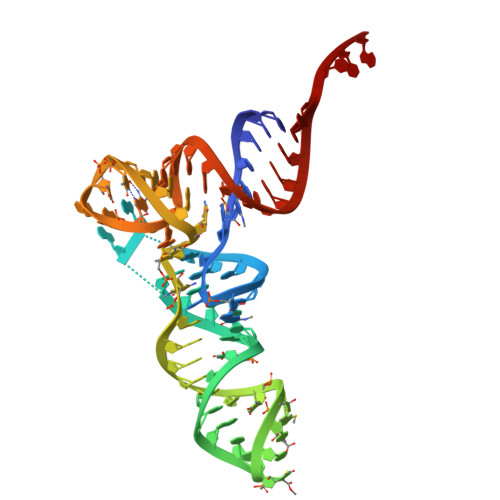
Modifications in the anticodon region of transfer RNA (tRNA) are essential for accurate and efficient protein synthesis. 5-Methyl-2-thiouridine derivatives (xm 5 s 2 U) are major modifications at the wobble position of tRNA anticodons decoding purine-ending two-codon sets. Although the thiocarbonyl group of xm 5 s 2 U enhances decoding efficiency, it is chemically susceptible to oxidative desulfuration, yielding 4-pyrimidinone derivatives (xm 5 h 2 U). Here, we identify xm 5 h 2 U derivatives in human cells and mouse tissues and confirm their cellular formation by spike-in experiments. Desulfurized tRNAs carrying 5-methoxycarbonylmethyl-4-pyrimidinone (mcm 5 h 2 U) show impaired codon recognition in a human reconstituted in vitro translation system. The mcm 5 h 2 U modification reduces aminoacylation of tRNAs for lysine, glutamate, and glutamine, but not arginine. Cryogenic electron microscopy reveals the structural basis of altered AAA/AAG decoding by mcm 5 h 2 U at the ribosomal A-site. These findings reveal a mechanism by which oxidative desulfuration of tRNA modifications dynamically regulates codon recognition and protein synthesis under oxidative stress conditions in human and mammalian cells.
Organizational Affiliation:
Department of Chemistry and Biotechnology, Graduate School of Engineering, University of Tokyo, Bunkyo-ku, Japan.
Laboratory for Protein Functional and Structural Biology, RIKEN Center for Biosystems Dynamics Research, Yokohama, Japan.
Department of Applied Chemistry, Graduate School of Engineering, University of Hyogo, Himeji, Japan.
Department of Pharmaceutical Sciences, Laboratory of Molecular Cell Biology, Kindai University, Higashi-Osaka, Japan.
Department of Chemistry and Biotechnology, Graduate School of Engineering, University of Tokyo, Bunkyo-ku, Japan. ts@chembio.t.u-tokyo.ac.jp.

 Download Mendeley