Download Mendeley
Metabolic signaling of ceramides through the FPR2 receptor inhibits adipocyte thermogenesis.
Lin, H., Ma, C., Cai, K., Guo, L., Wang, X., Lv, L., Zhang, C., Lin, J., Zhang, D., Ye, C., Wang, T., Huang, S., Han, J., Zhang, Z., Gao, J., Zhang, M., Pu, Z., Li, F., Guo, Y., Zhou, X., Qin, C., Yi, F., Yu, X., Kong, W., Jiang, C., Sun, J.P.(2025) Science 388: eado4188-eado4188
- PubMed: 40080544 Search on PubMed
- DOI: https://doi.org/10.1126/science.ado4188
- Primary Citation Related Structures:
8Y62, 8Y63, 9JHJ - PubMed Abstract:
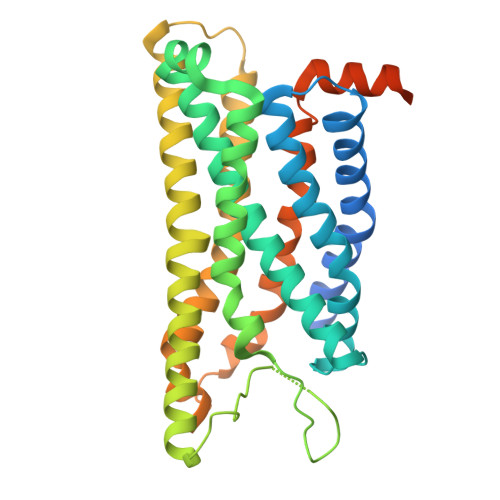
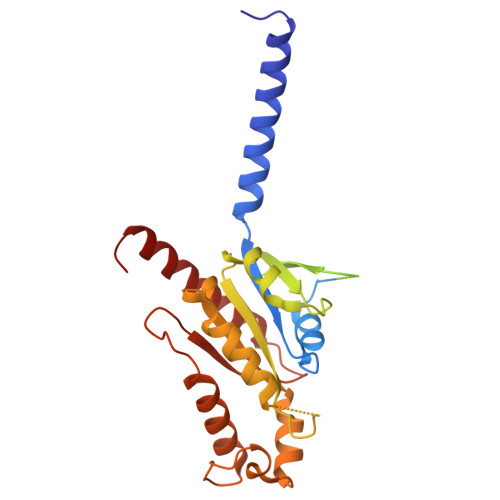
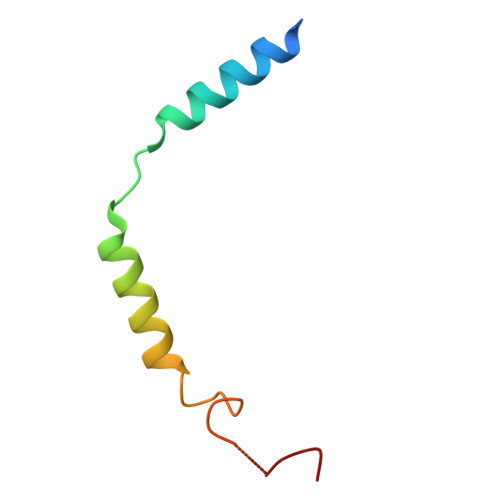
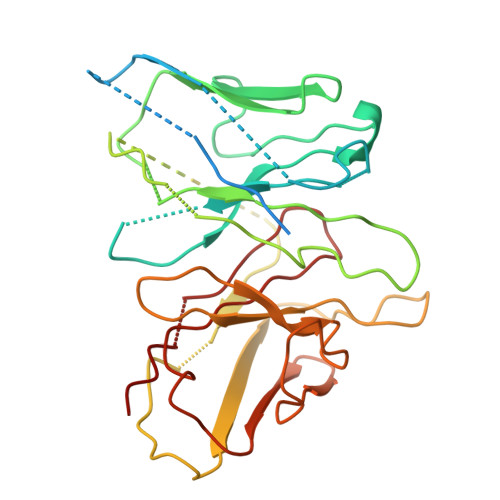
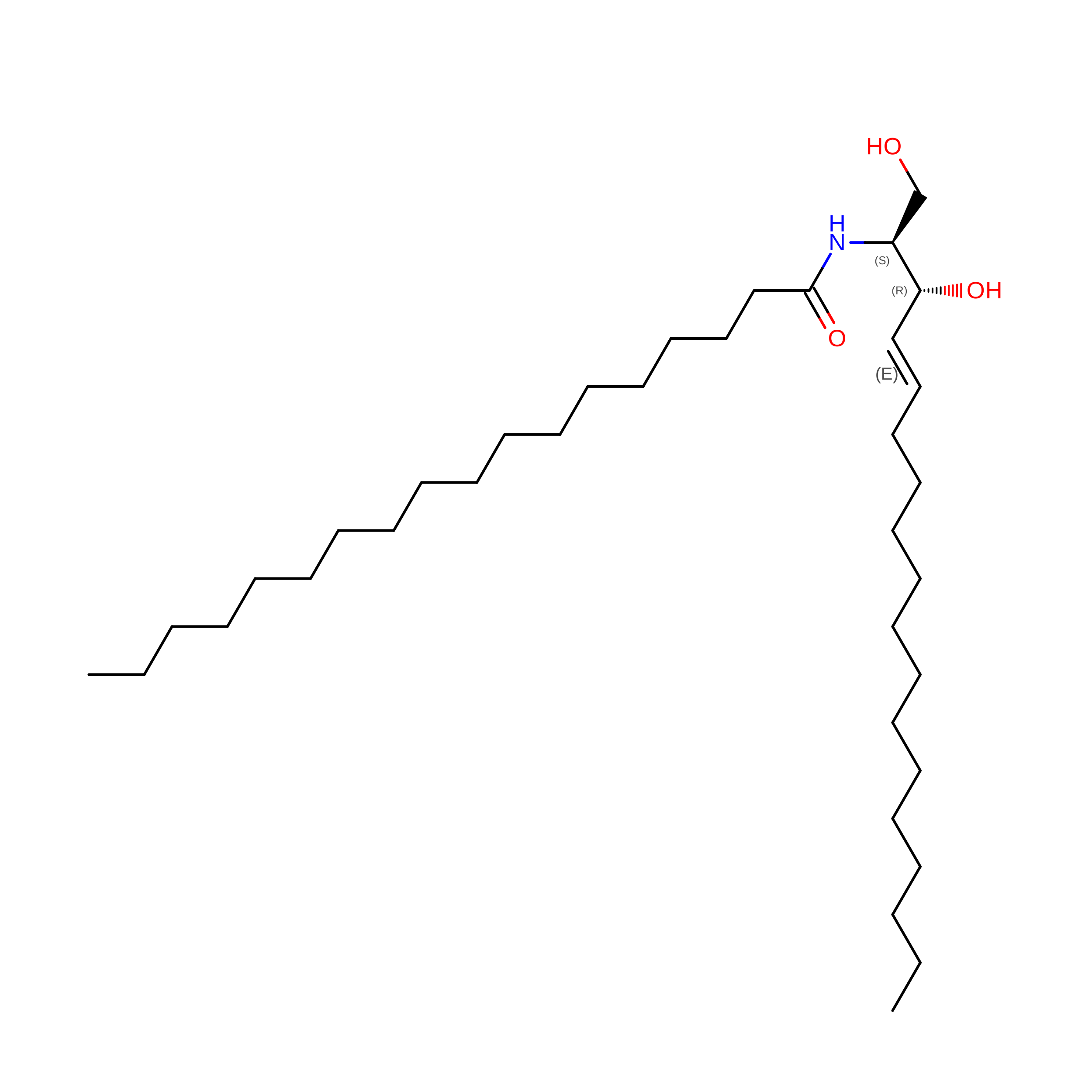
Ceramides play a central role in human health and disease, yet their role as systemic signaling molecules remain poorly understood. In this work, we identify formyl peptide receptor 2 (FPR2) as a membrane receptor that specifically binds long-chain ceramides (C14 to C20). In brown and beige adipocytes, C16:0 ceramide binding to FPR2 inhibits thermogenesis through G i cyclic adenosine monophosphate signaling pathways, an effect that is reversed in the absence of FPR2. We present three cryo-electron microscopy structures of FPR2 in complex with G i trimers bound to C16:0, C18:0, and C20:0 ceramides. The hydrophobic tails are deeply embedded in the orthosteric ligand pocket, which has a limited amount of plasticity. Modification of the ceramide binding motif in closely related receptors, such as FPR1 or FPR3, converts them from inactive to active ceramide receptors. Our findings provide a structural basis for adipocyte thermogenesis mediated by FPR2.
- New Cornerstone Science Laboratory, Advanced Medical Research Institute, and NHC Key Laboratory of Otorhinolaryngology, Qilu Hospital of Shandong University, Cheeloo College of Medicine, Shandong University, Jinan, Shandong, China.
Organizational Affiliation: