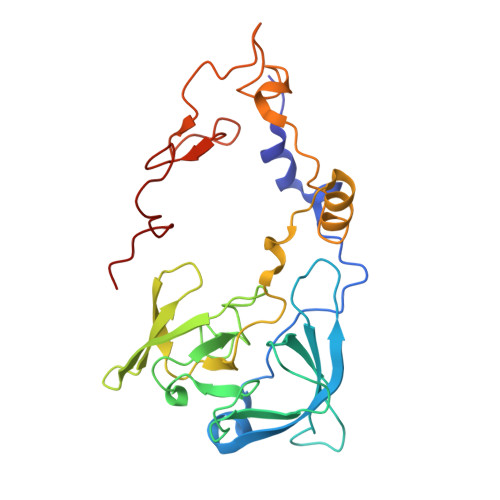
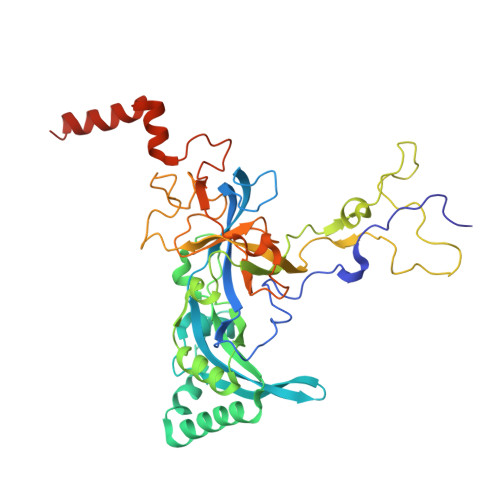
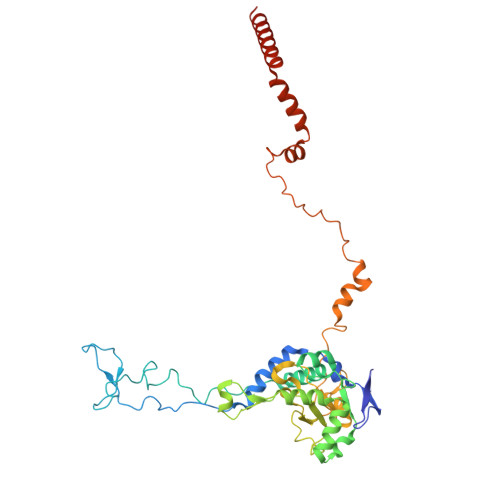
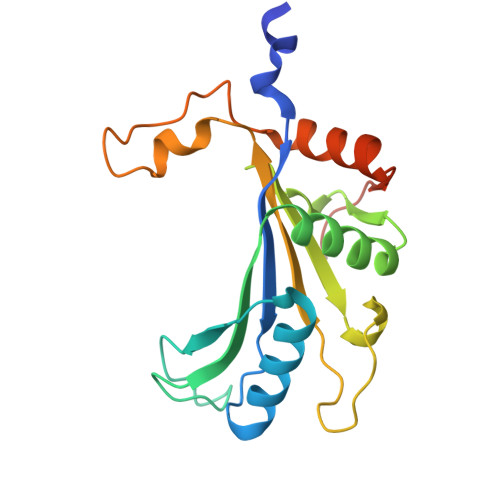
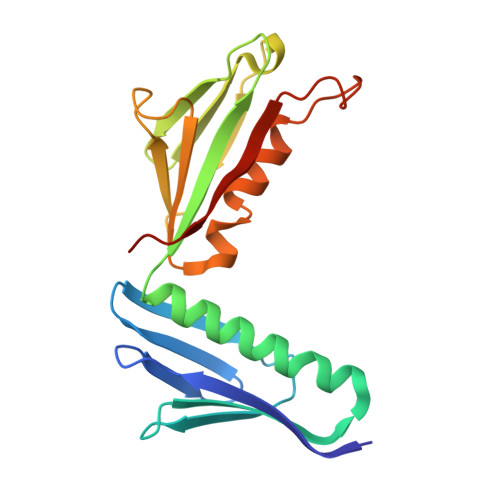
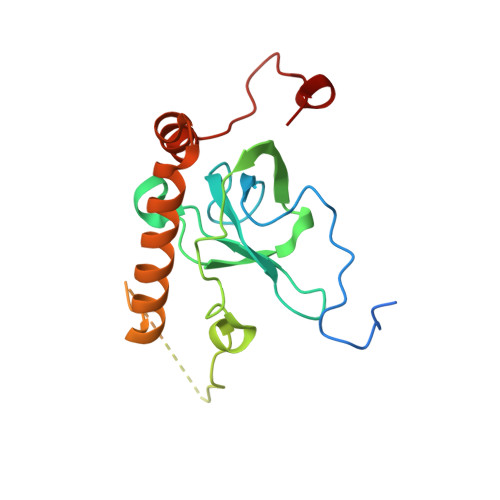
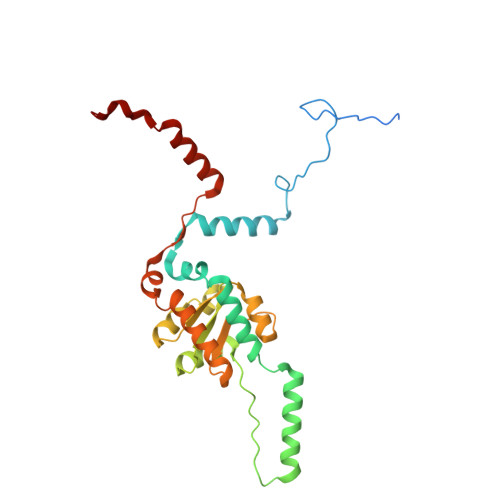
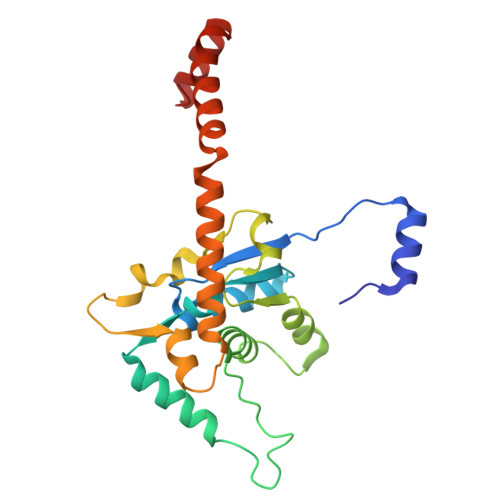
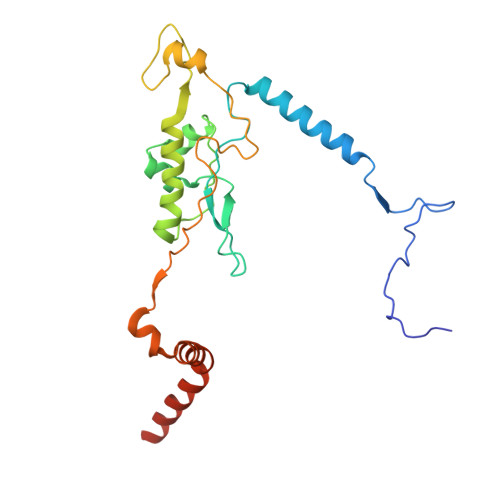
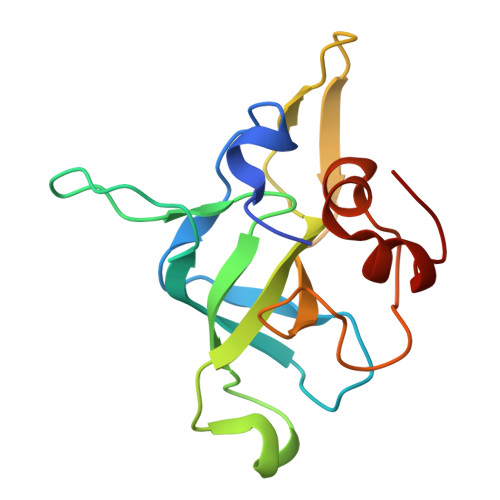
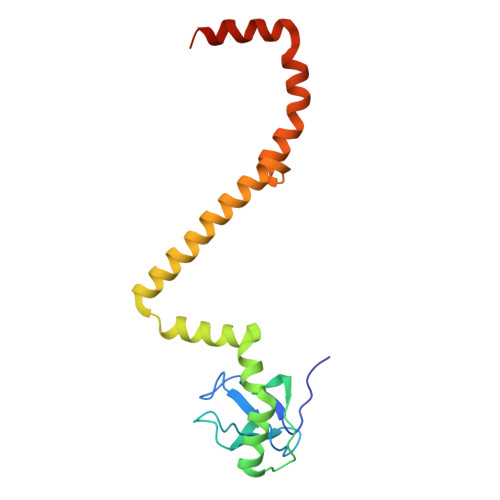
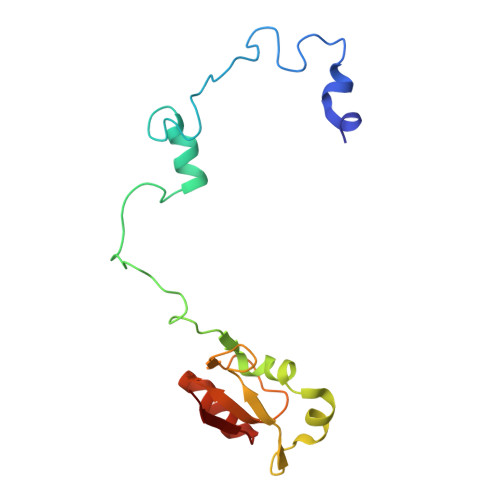
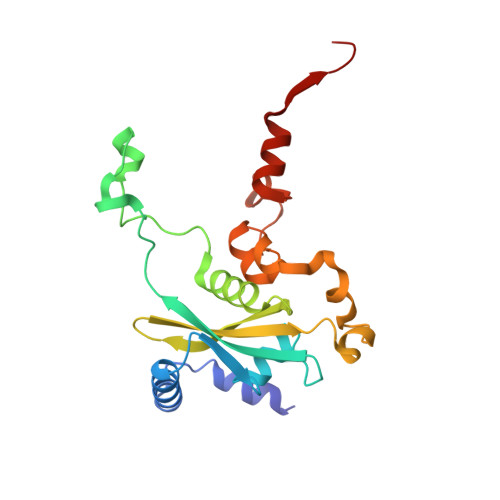
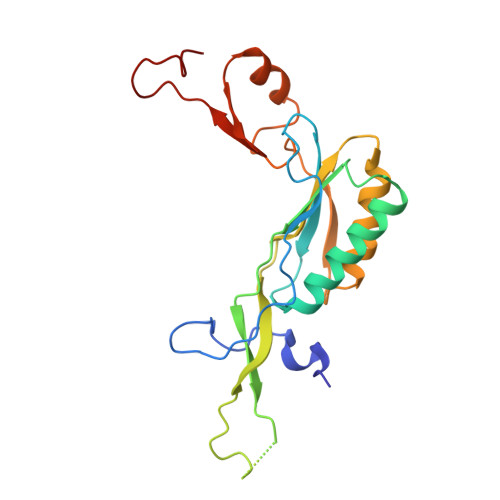
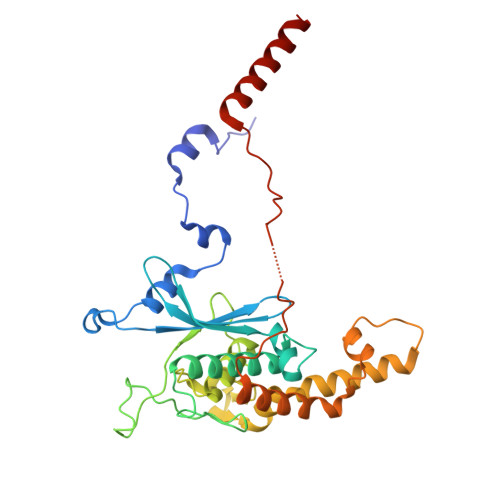
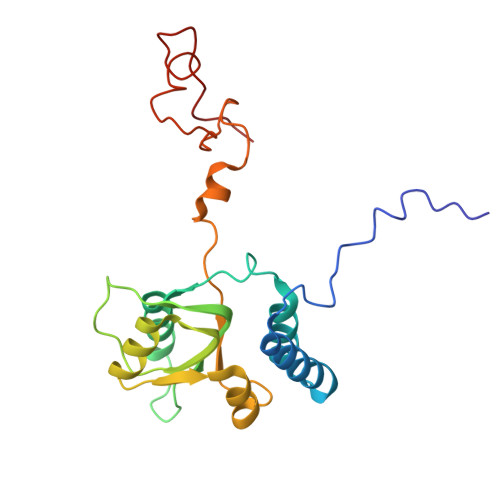
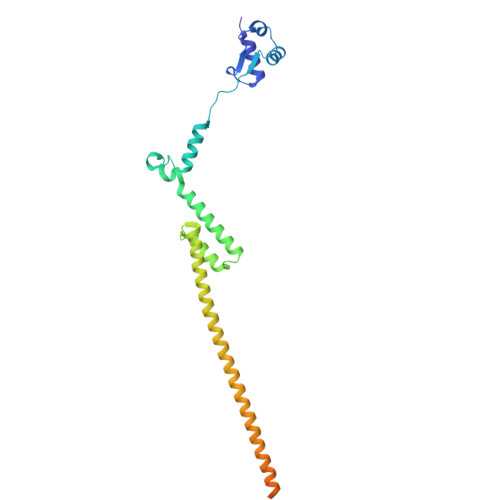
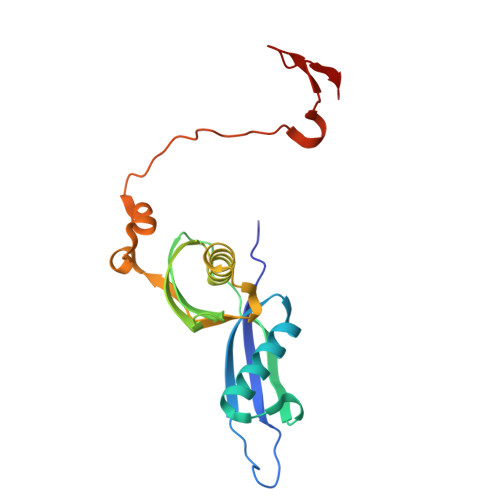
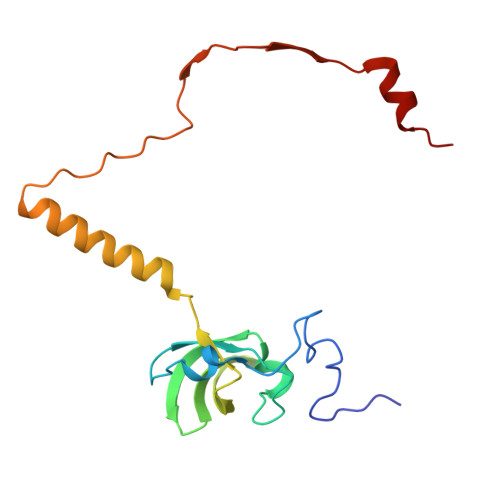
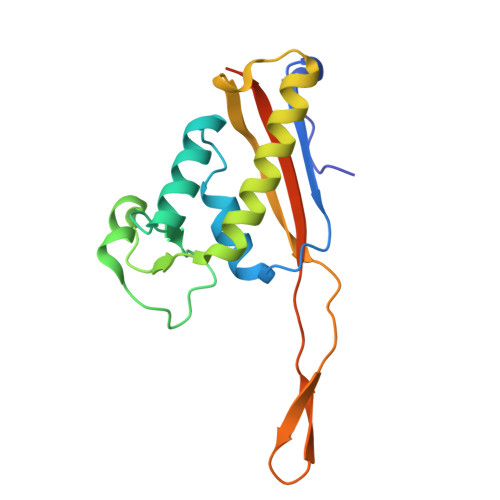
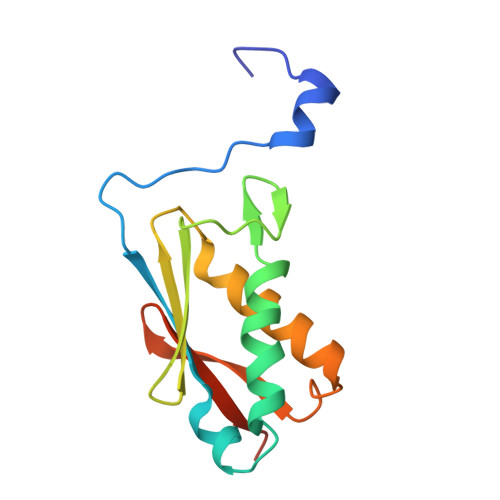
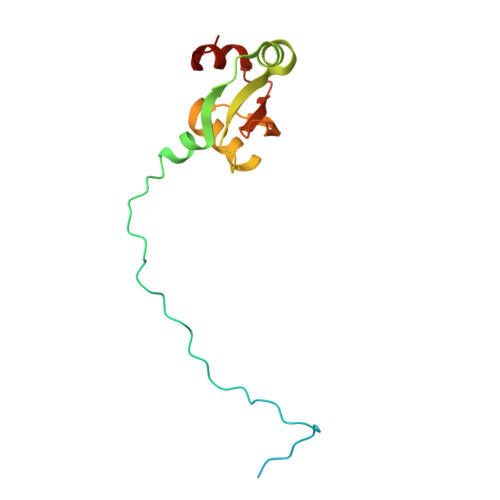
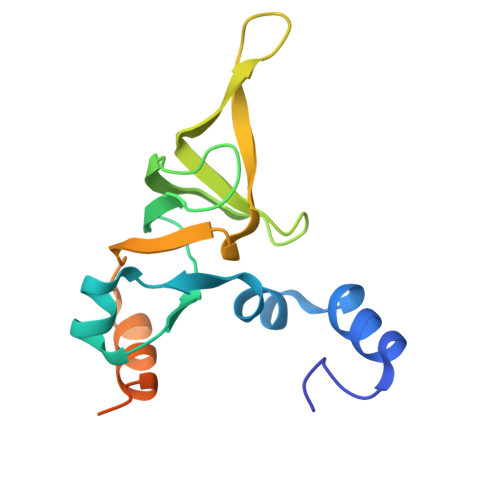
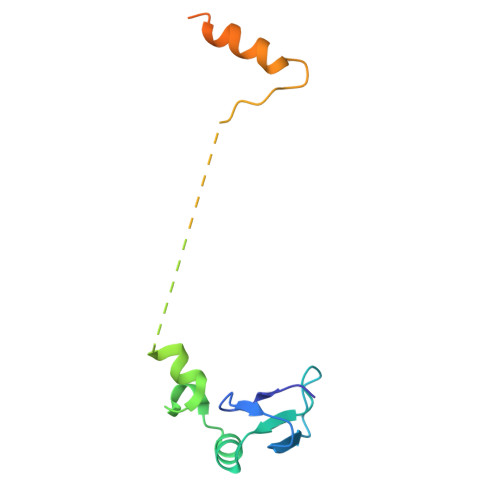
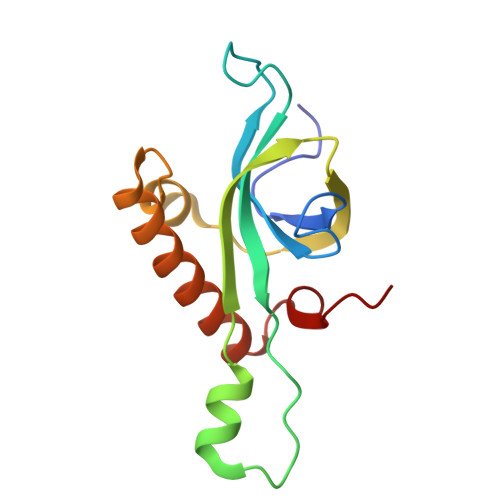
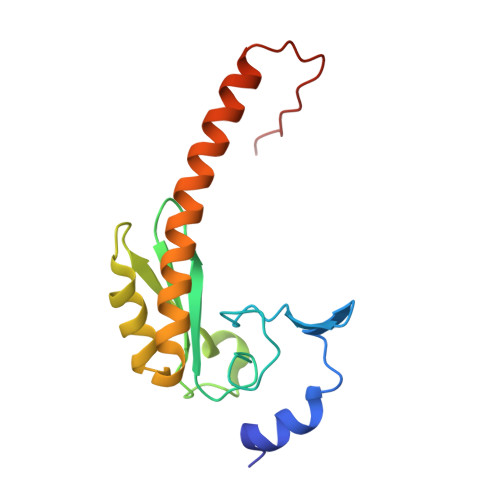
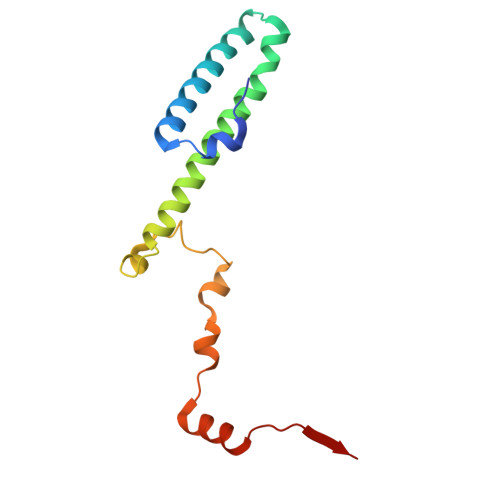
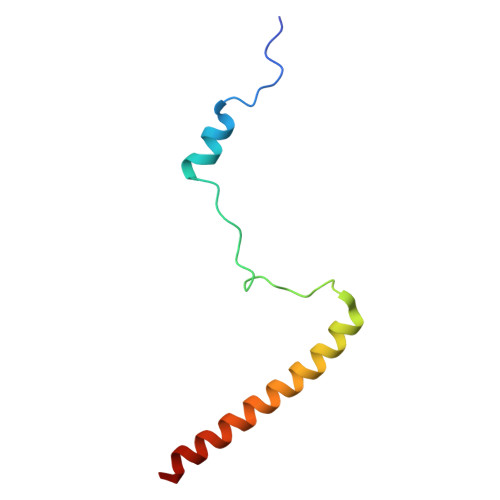
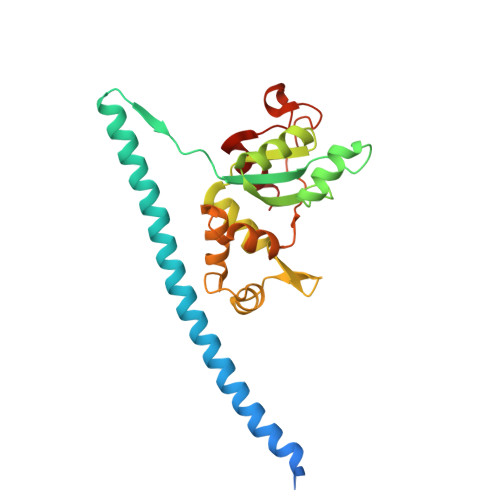
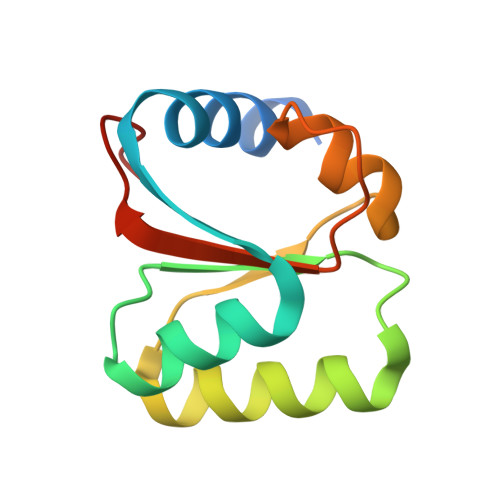
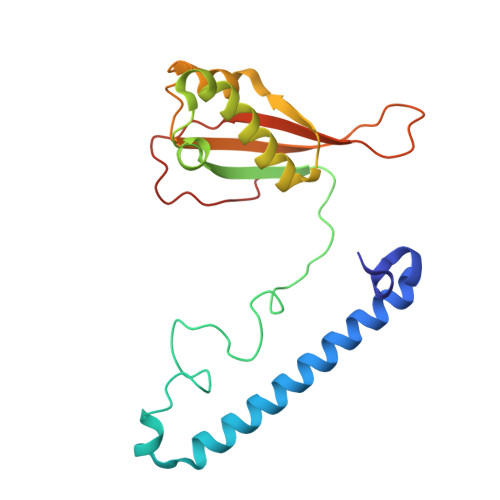
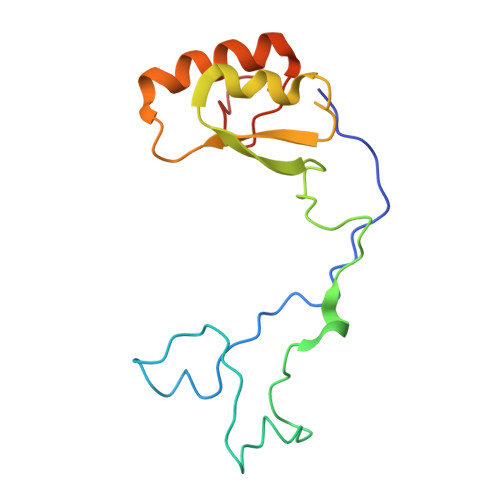
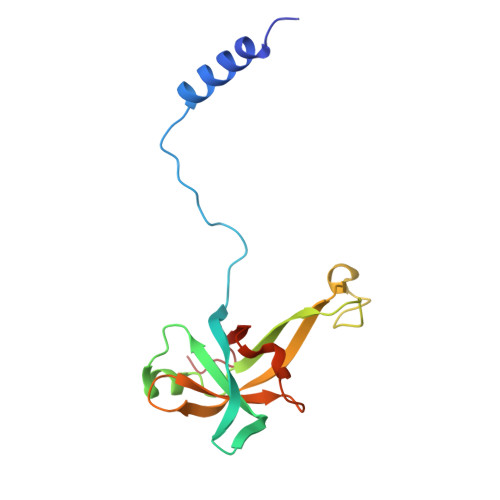
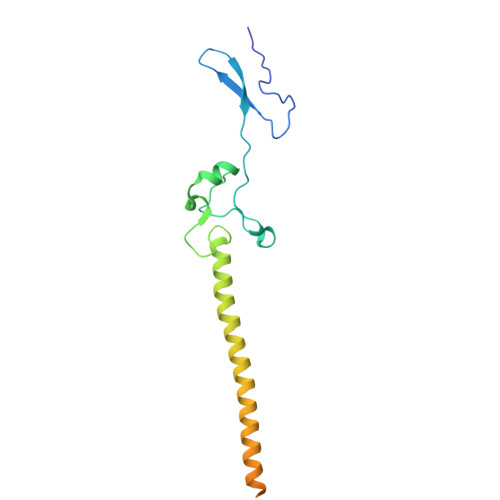
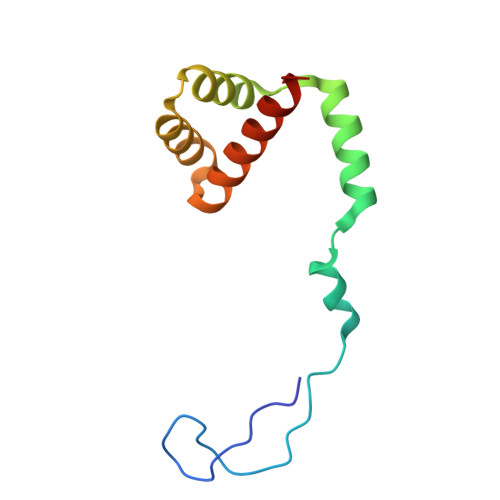
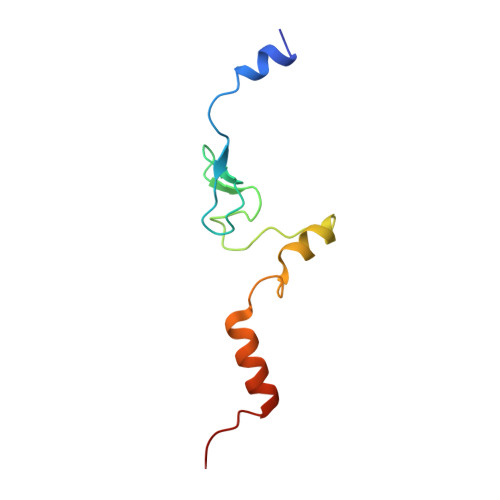
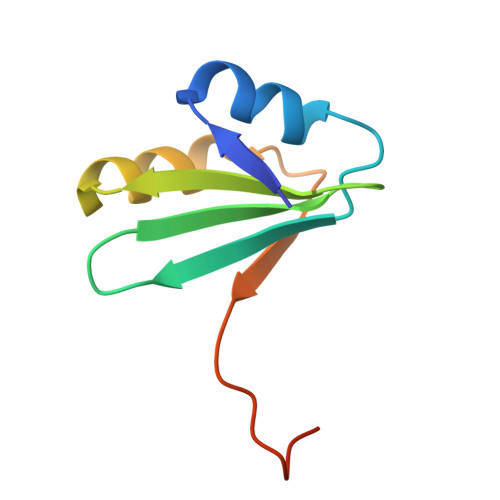
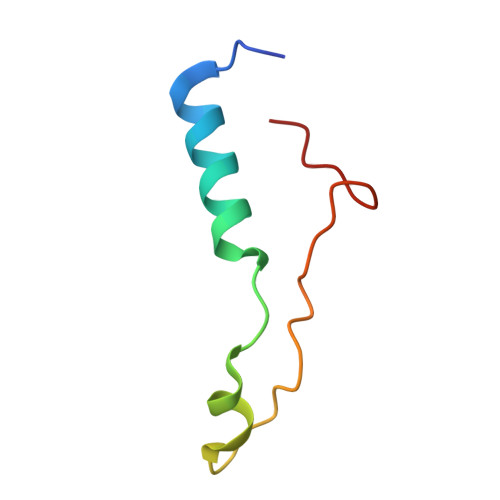
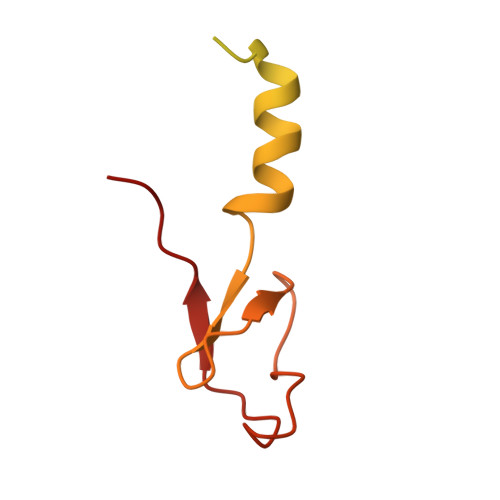
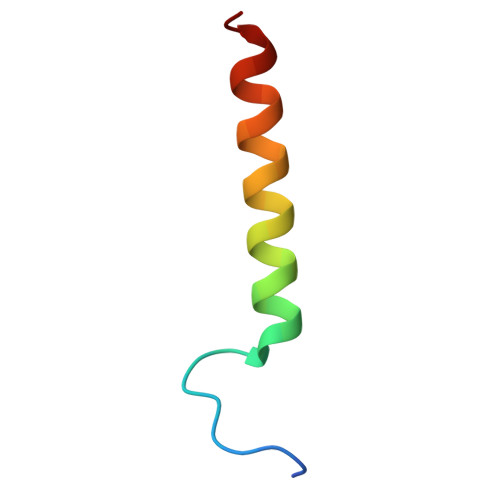
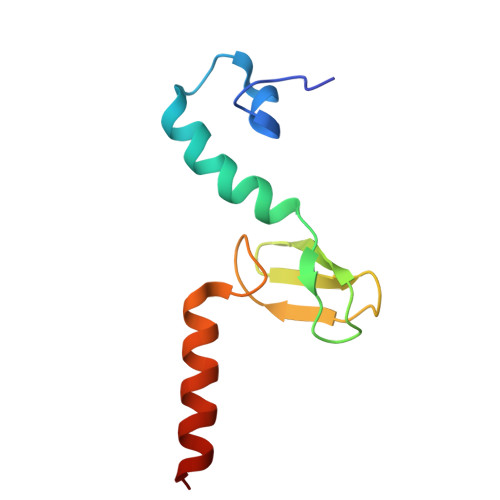
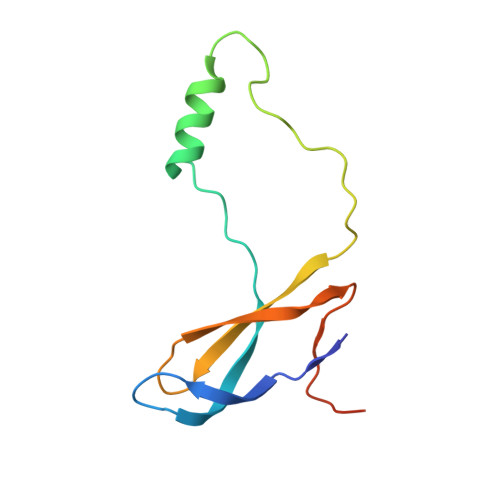
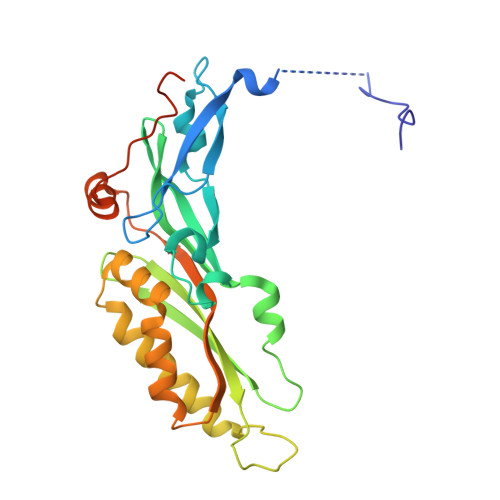
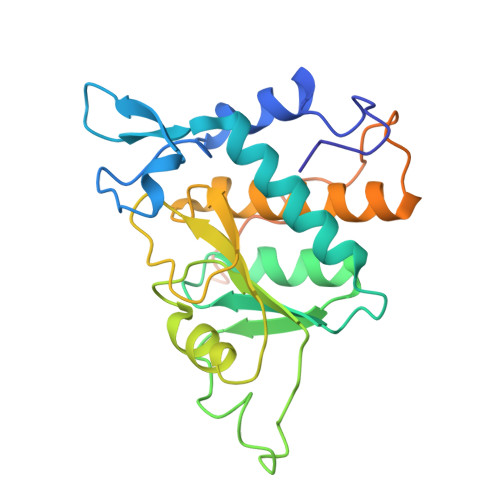
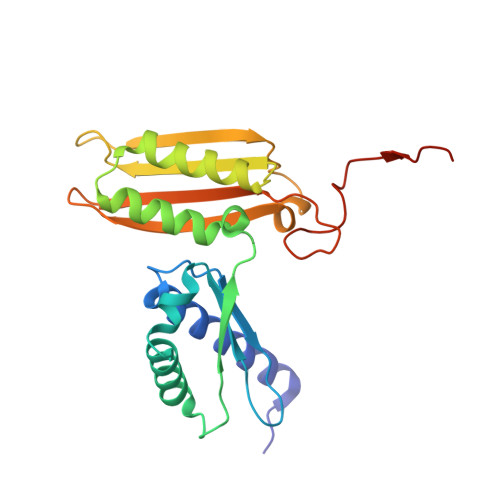
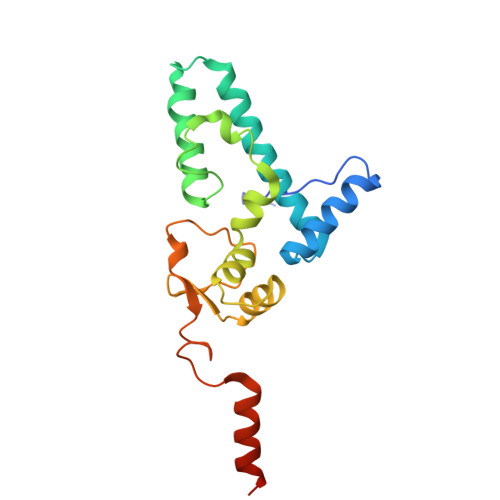
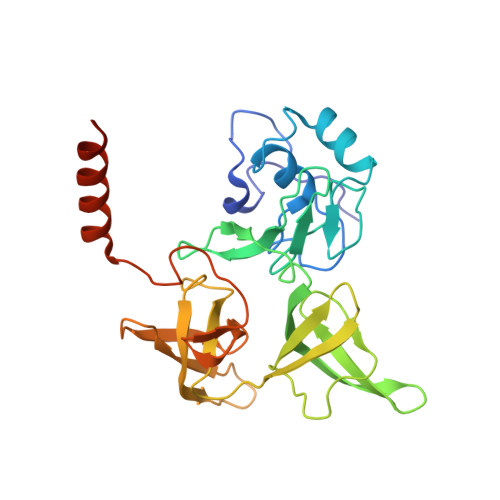
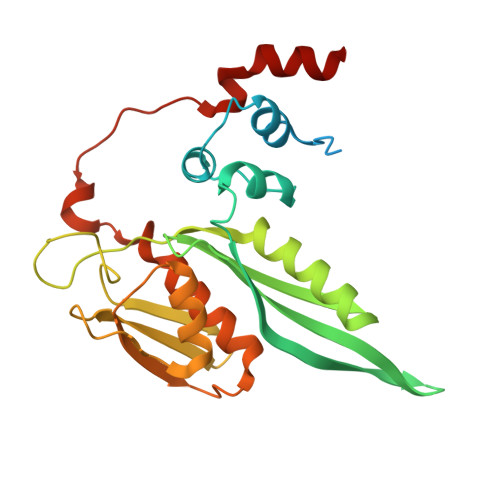
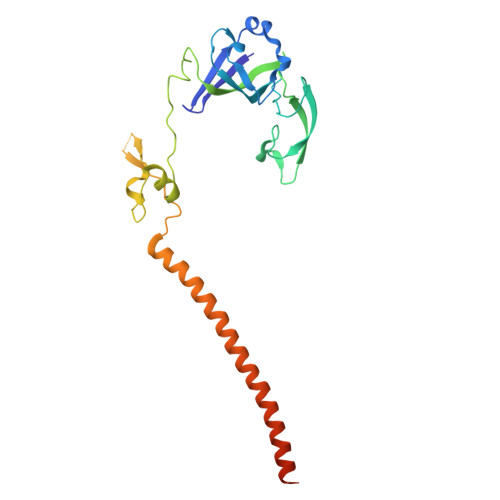
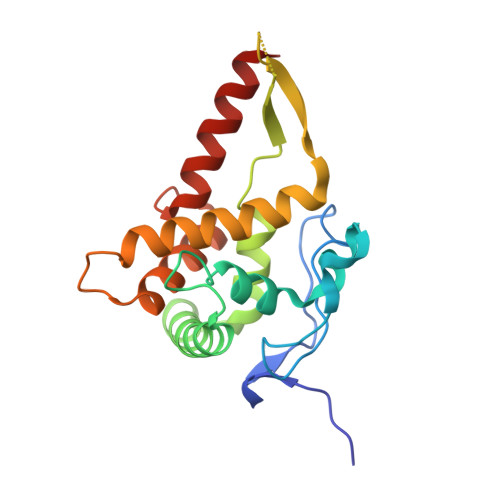
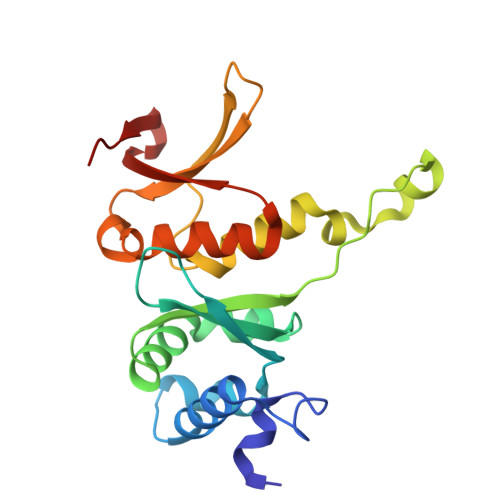
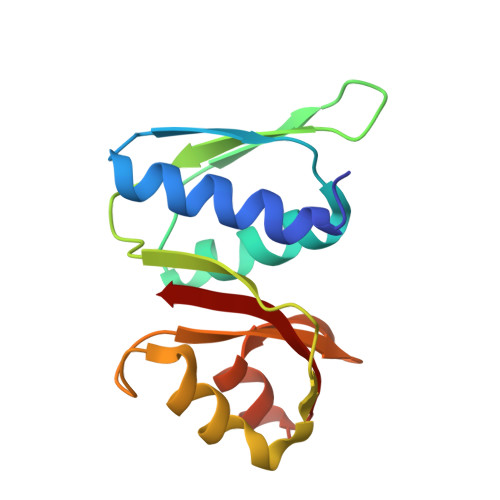
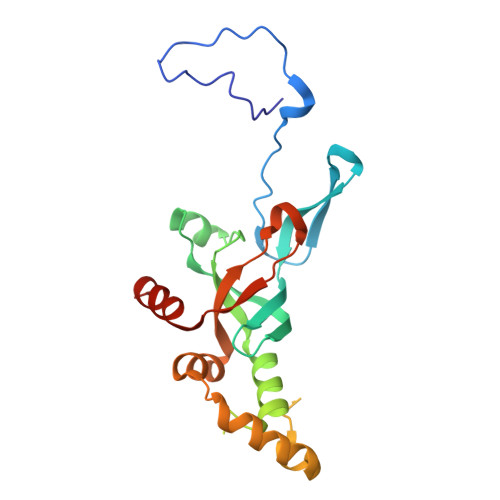
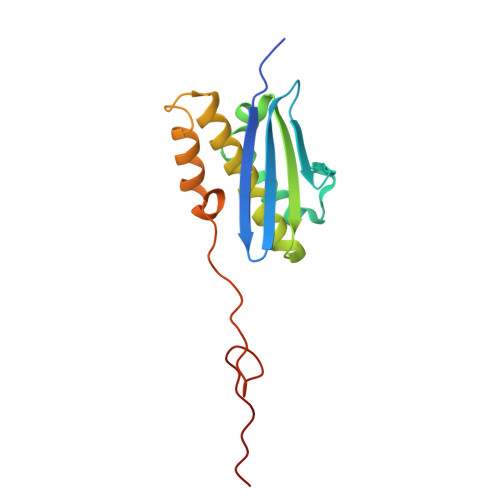
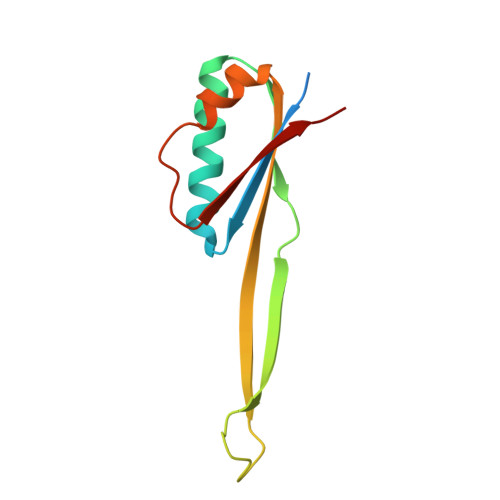
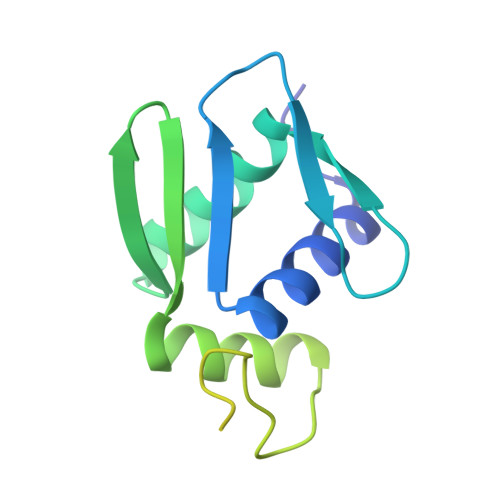
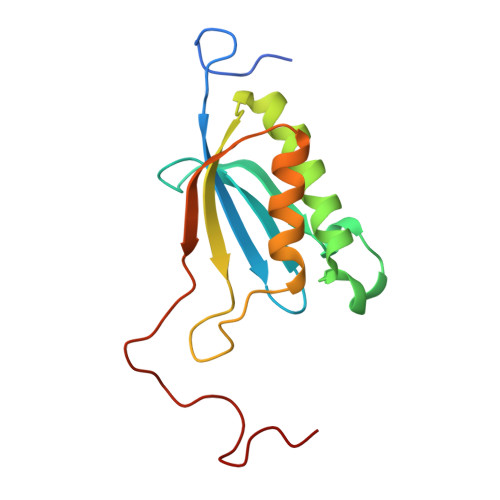
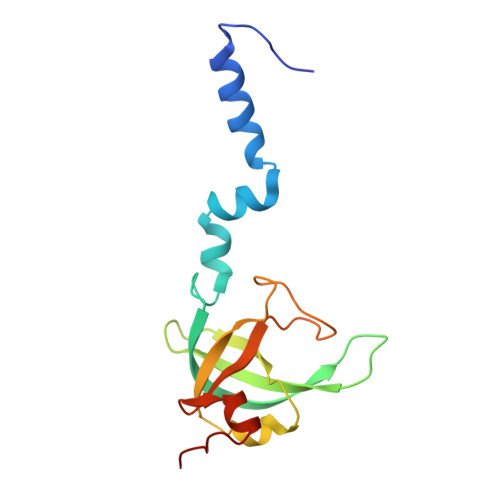
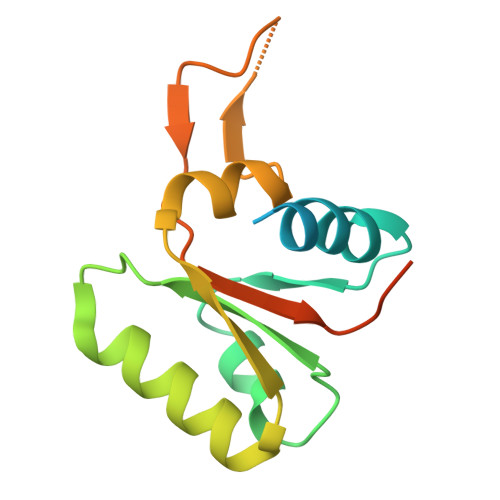
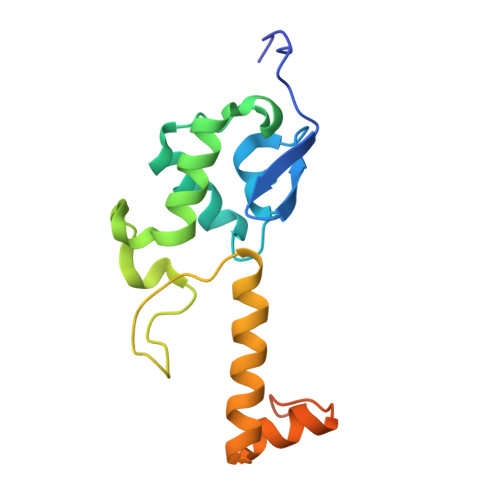
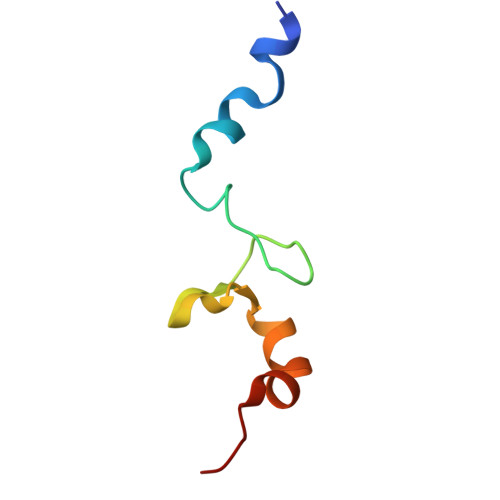
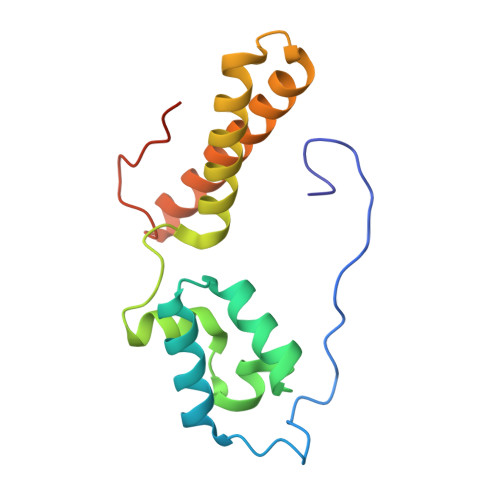
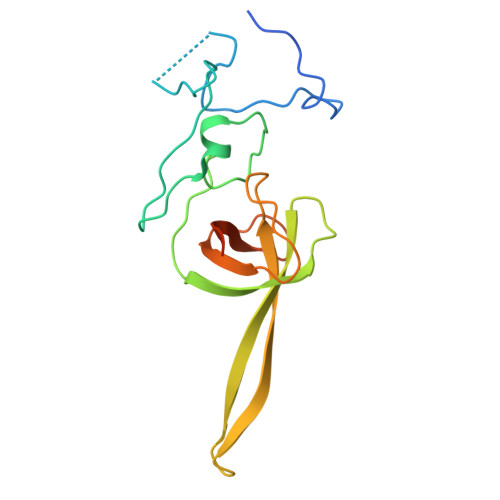
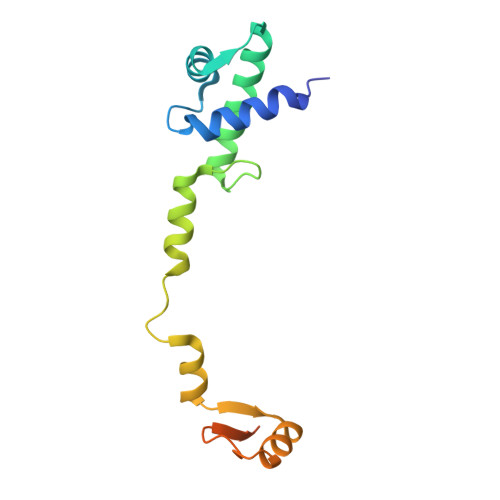
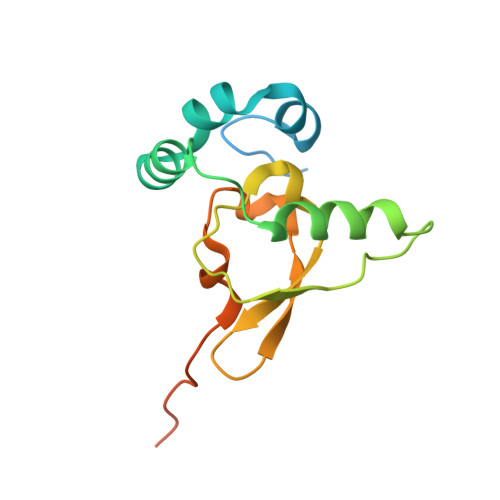
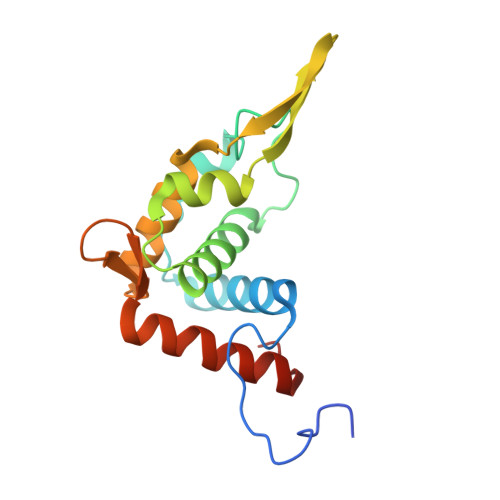
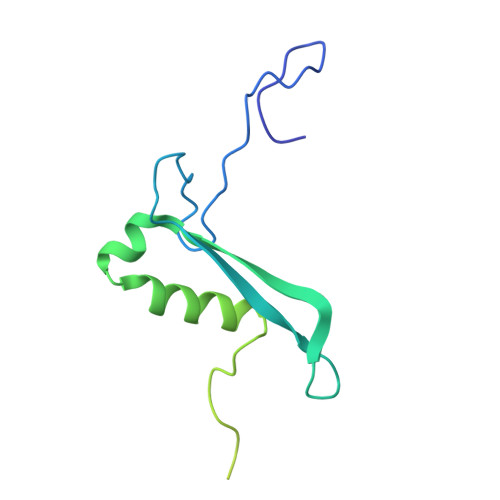
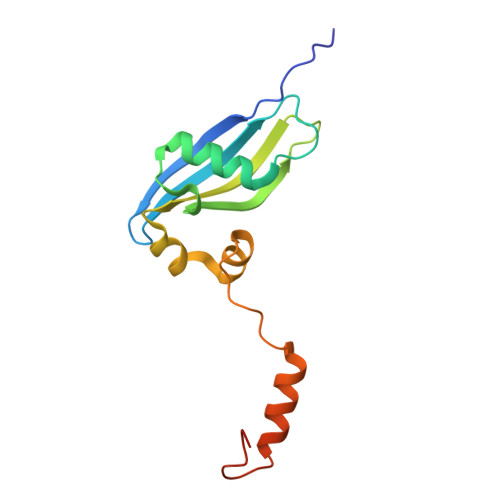
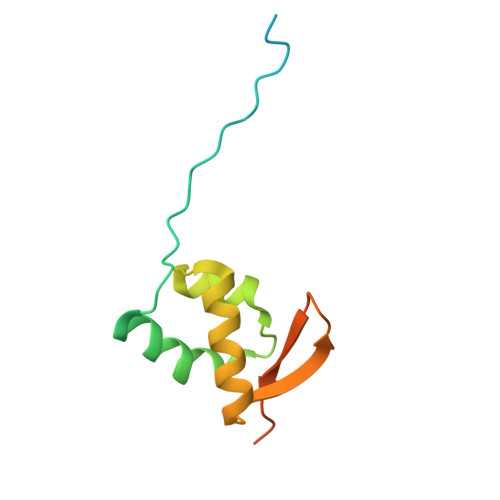
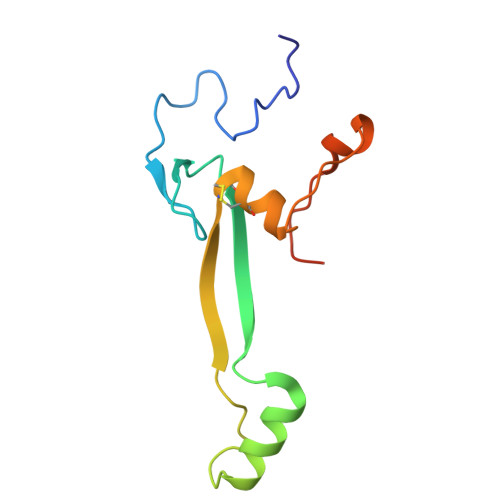
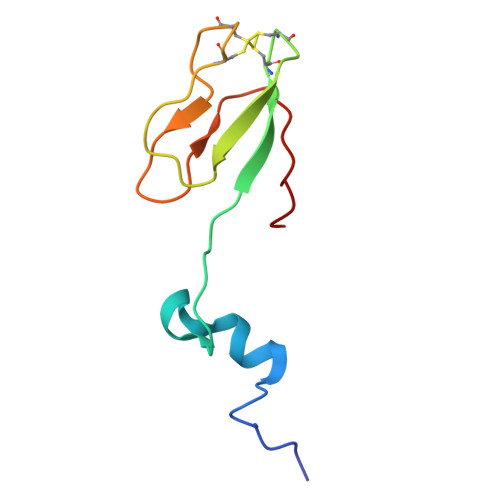
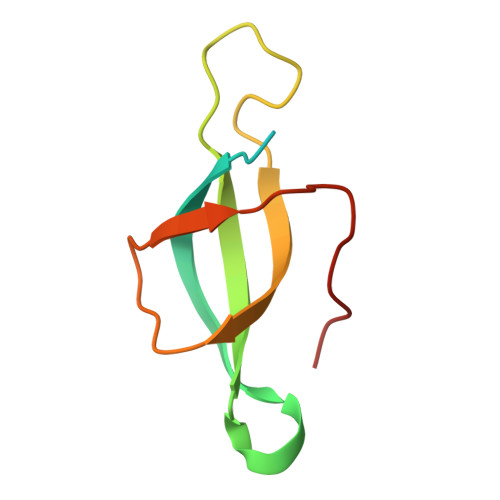
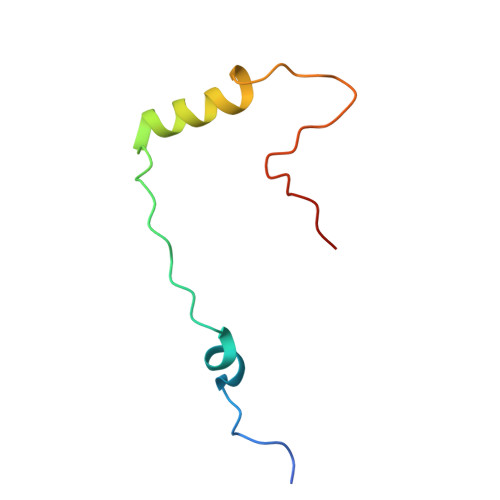
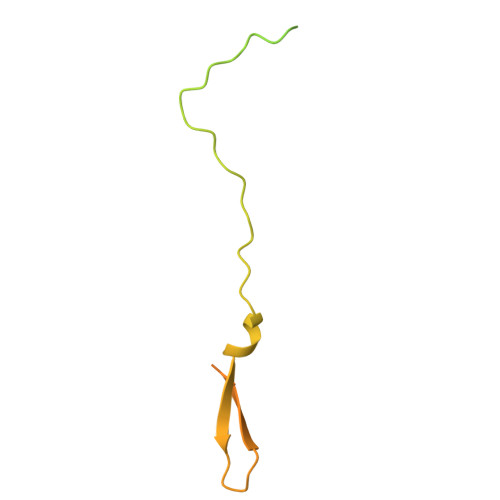
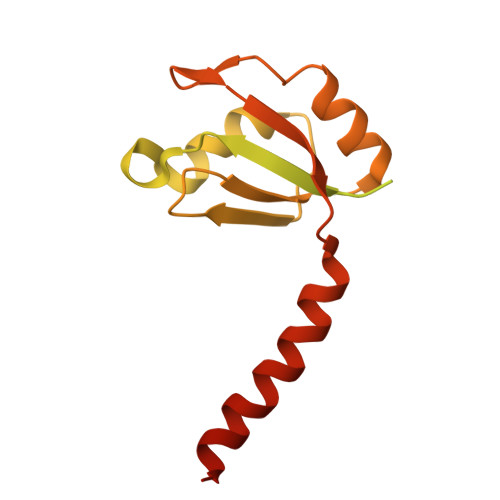
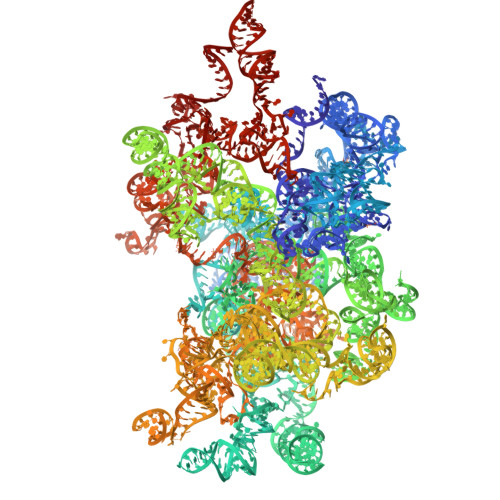
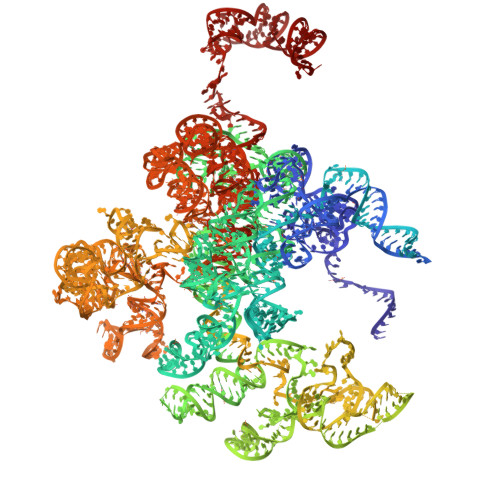
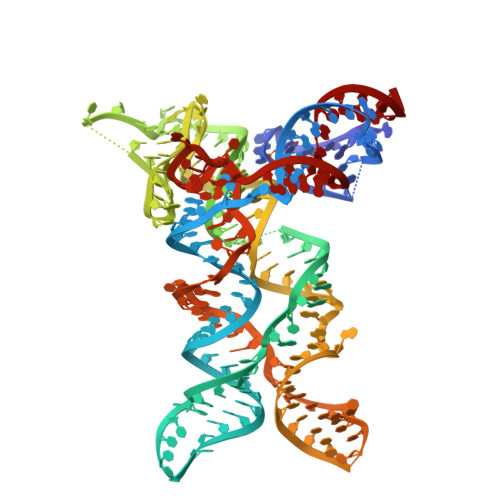
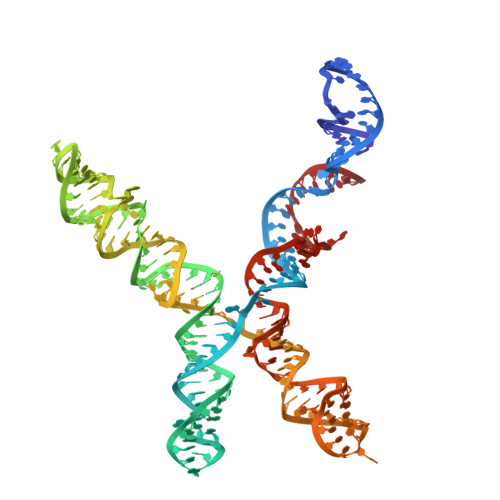
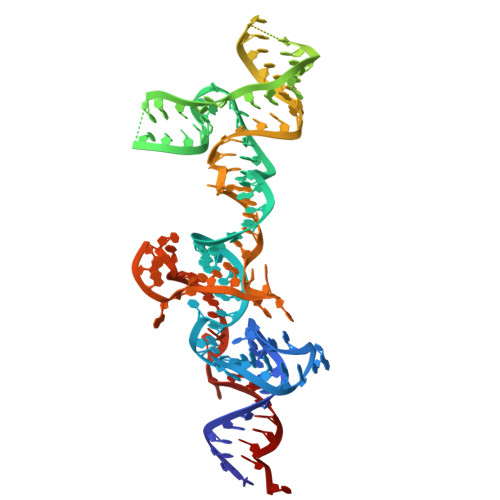
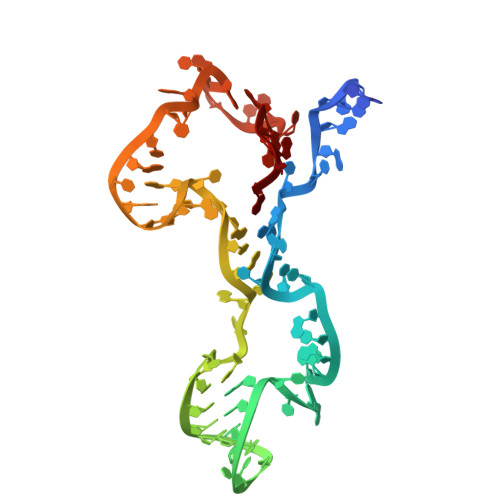
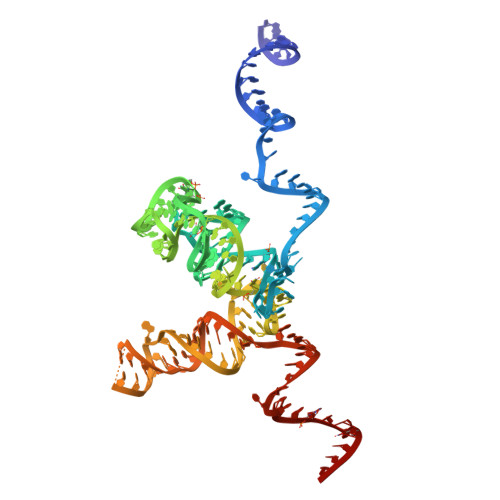
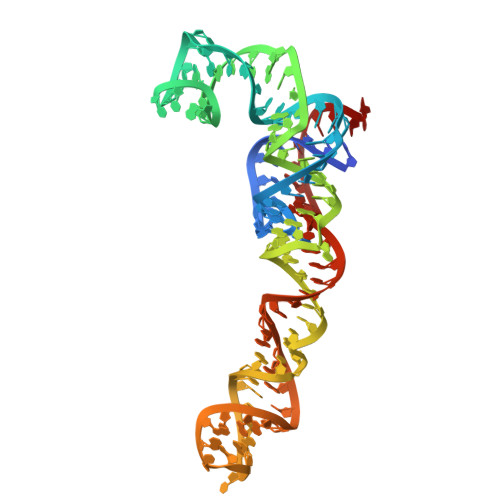
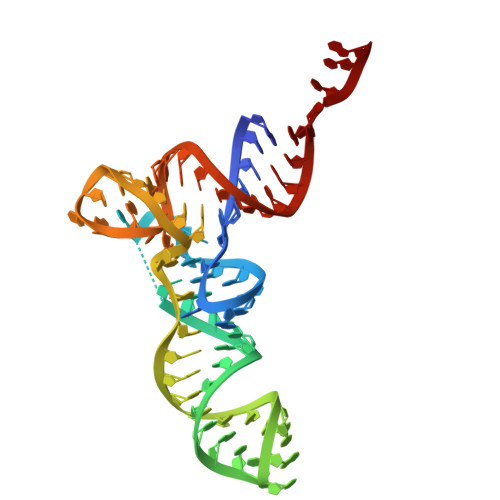
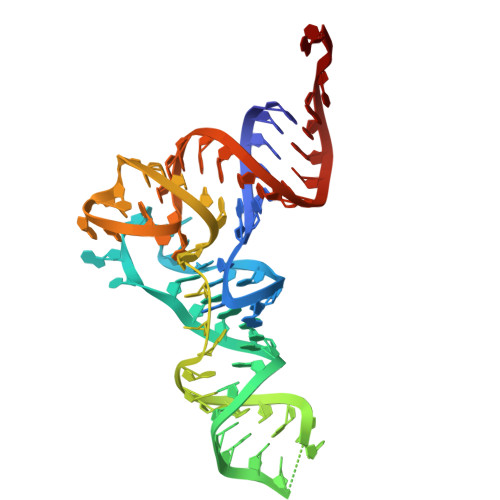
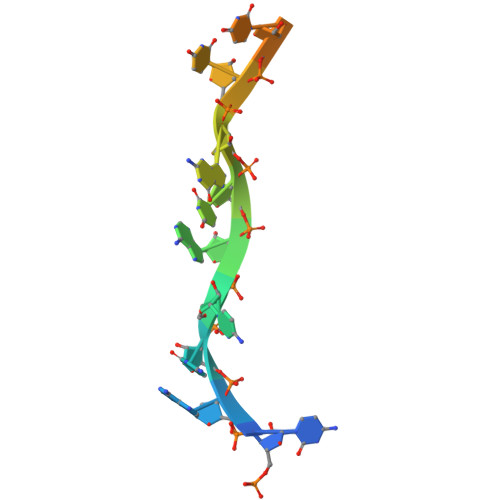
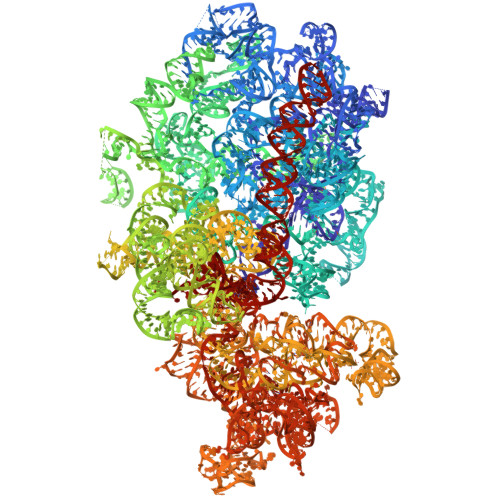
Neglected tropical diseases caused by trypanosomatid parasites present a major public healthcare issue, partly due to emerging resistance. Attachment of ω-alkynyl chains characteristic of the lipid tails of antiparasitic peptides to the p -position of anisomycin gave ethers exhibiting potent activity, rivalling that of the parent ribosomal inhibitor, especially against resistant Leishmania strains. Single-particle cryoelectron microscopy analysis revealed that O -propargyl anisomycin binds to the highly conserved peptidyl transferase center of the ribosome similar to the parent inhibitor. Thermal proteomic profiling and gene ontology analysis demonstrated that O -propargyl anisomycin exhibited a broader mode of action, including activity against glycosome-associated proteins. Alkynyl substituents improved antiparasitic activity against resistant strains, likely by enlarging the mode of action, offering a novel path toward therapy against trypanosomatid infections.
Organizational Affiliation:
Department of Chemistry, Université de Montréal, 1375 Avenue Thérèse-Lavoie-Roux, Montréal, Quebec H2 V 0B3, Canada.
Department of Pathology and Microbiology, Faculty of Veterinary Medicine, Université de Montréal, Saint-Hyacinthe, Quebec J2S 2M2, Canada.
The Research Group on Infectious Diseases in Production Animals (GREMIP), Faculty of Veterinary Medicine, Université de Montréal, Saint-Hyacinthe, Quebec, J2S 2M2, Canada.
Departments of Medicine, and of Microbiology and Immunology, Faculty of Medicine, McGill University, Montréal, Quebec H3A 2B4, Canada.
The Research Institute of the McGill University Health Centre, Montréal, Quebec H4A 3J1, Canada.
Department of Chemical and Structural Biology, Weizmann Institute of Science, Rehovot 7610001, Israel.
Département de Biomédecine Vétérinaire, Faculté de Médecine Vétérinaire, Université de Montréal, Saint-Hyacinthe, Quebec J2S 2M2, Canada.








 Download Mendeley