Download Mendeley
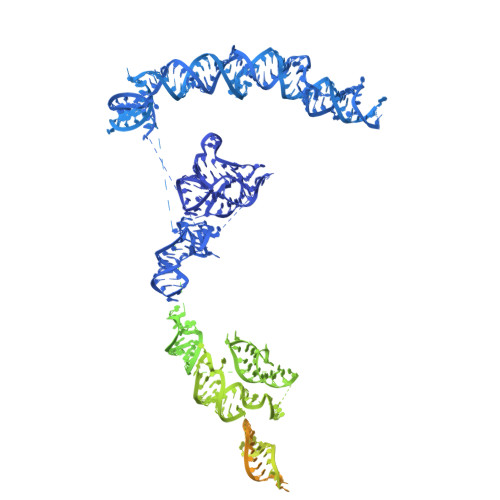
NatA engages in multi-factor complexes at the ribosomal polypeptide tunnel exit.
Klein, M., Wild, K., McTiernan, N., Arnesen, T., Sinning, I.(2026) Nat Commun 17: 884-884
- PubMed: 41577663 Search on PubMedSearch on PubMed Central
- DOI: https://doi.org/10.1038/s41467-026-68787-5
- Primary Citation Related Structures:
9GJ5, 9GJ6 - PubMed Abstract:
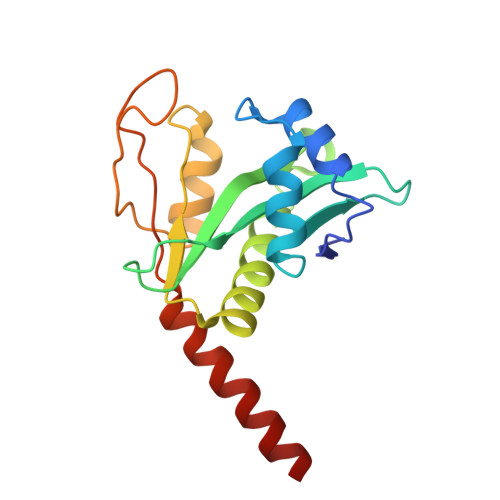
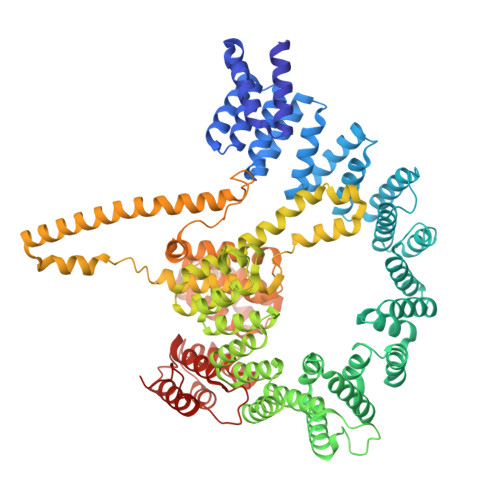
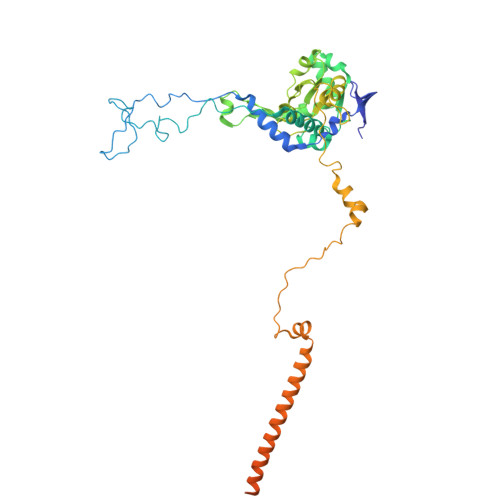
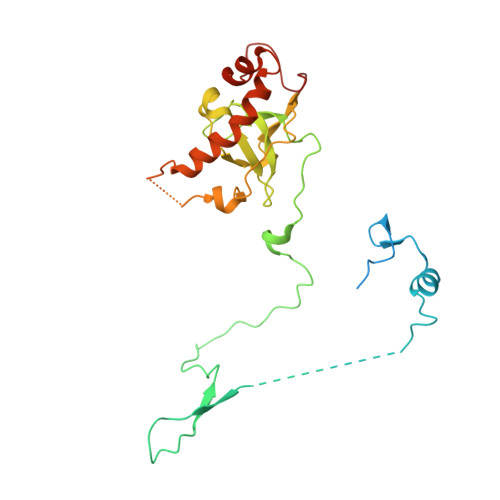
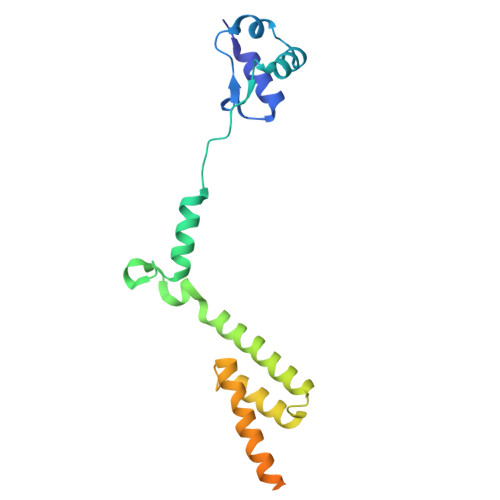
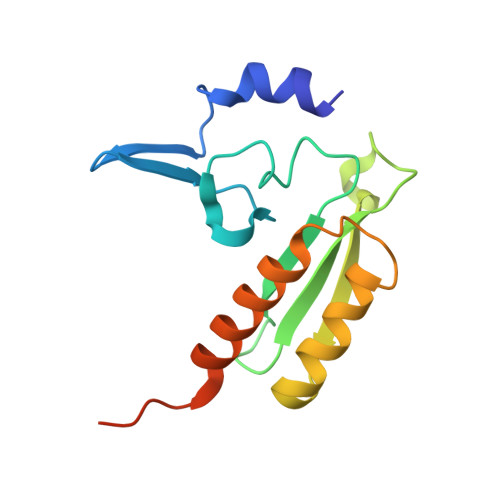
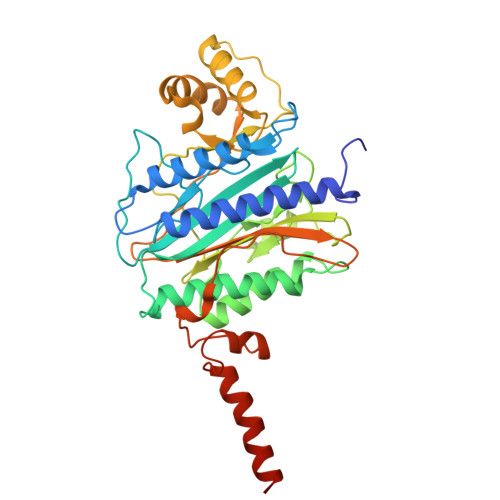
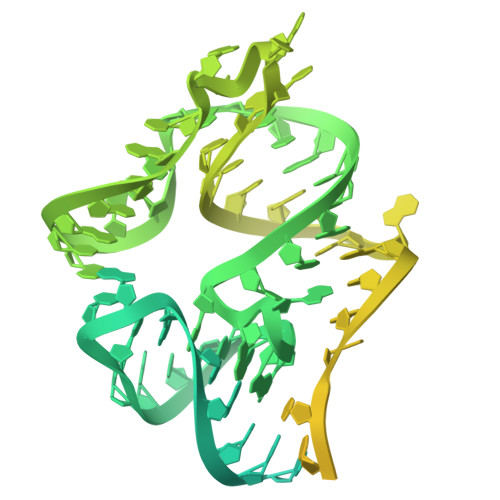
N-terminal acetylation (NTA) is the most common protein modification in eukaryotes, playing a crucial role in proteostasis. Almost 40% of the human proteome is acetylated co-translationally by the NatA complex, which requires prior N-terminal methionine excision (NME). Recently, NatA was shown to form multi-enzyme complexes with MAP1/NAC or MAP2, combining the capabilities of NME and NTA into a single complex. Here, we show that NatA can also form ribosome-independent assemblies with several ribosome associated factors (RAFs). At the ribosome, NatA can form a ternary complex with the abundant pseudoenzyme Ebp1 or a second copy of NatA, which can be coordinated from a different binding site with closer access to a potential substrate. Further, we identify a conserved binding site on NatA, which can be accessed by four RAFs - Ebp1, NAC, Naa10 and HypK, allowing the formation of different multi-factor complexes at the ribosomal tunnel exit. Therefore, our data suggest that NatA constitutes an interaction hub, and contributes to the coordination of co-translational protein maturation.
- Heidelberg University Biochemistry Center (BZH), Heidelberg, Germany.
Organizational Affiliation: