Download Mendeley
Dynamic assemblies and coordinated reactions of non-homologous end joining.
Liu, L., Li, J., Cisneros-Aguirre, M., Merkell, A., Stark, J.M., Gellert, M., Yang, W.(2025) Nature 643: 847-854
- PubMed: 40500445 Search on PubMedSearch on PubMed Central
- DOI: https://doi.org/10.1038/s41586-025-09078-9
- Primary Citation Related Structures:
9CQ3, 9CQ6, 9CQC, 9N81, 9N82, 9N83 - PubMed Abstract:
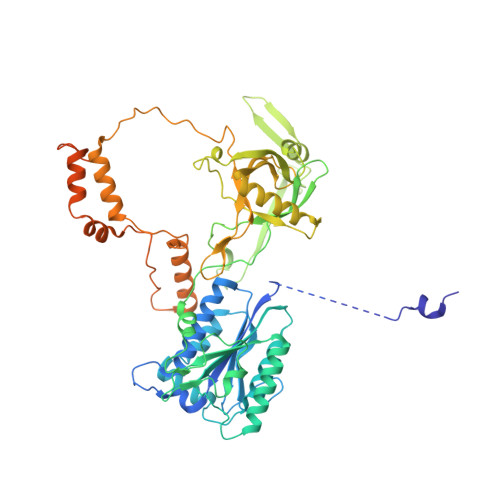
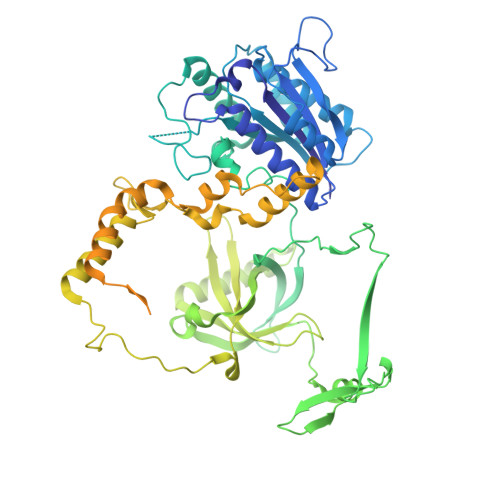
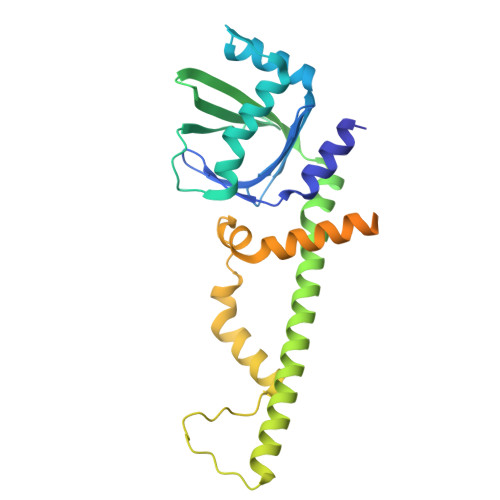
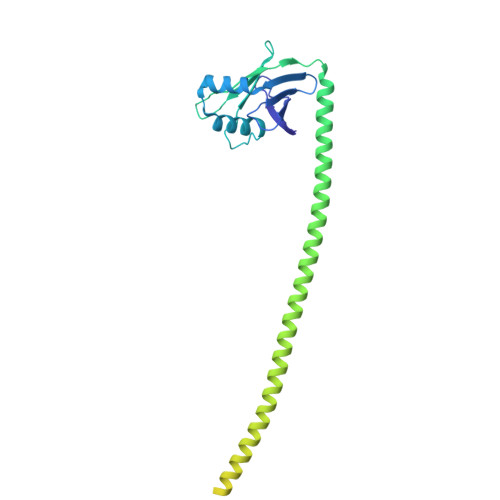
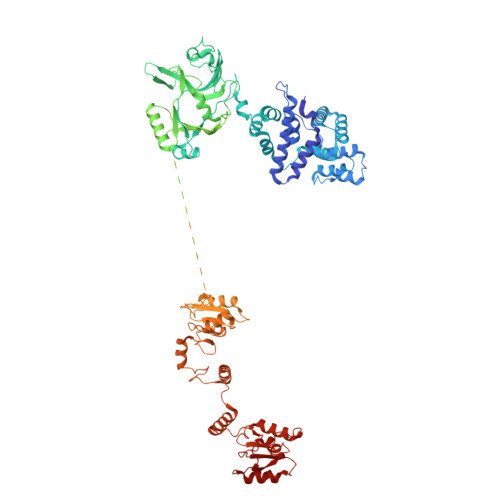
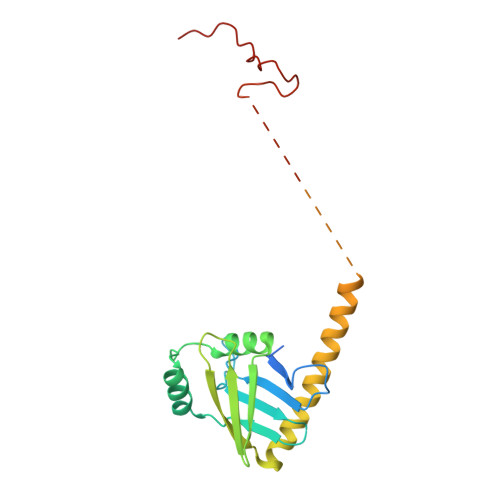
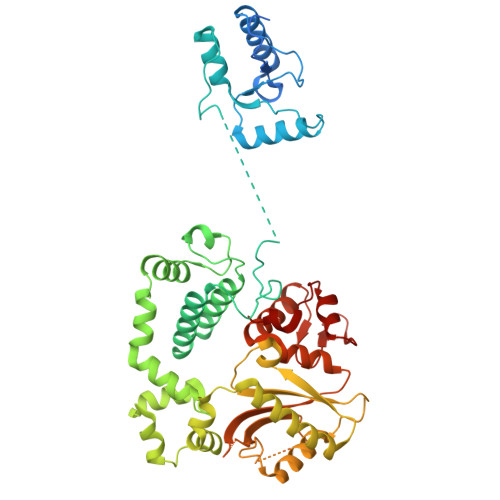
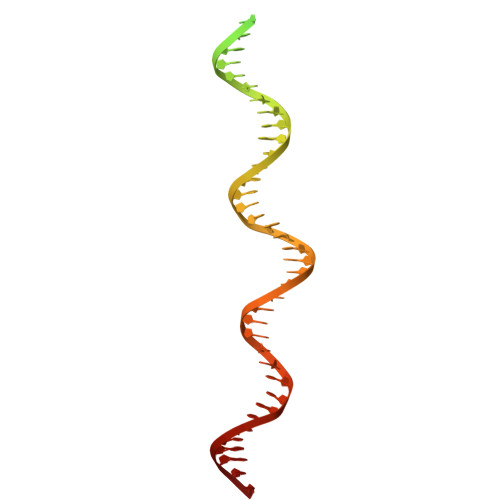
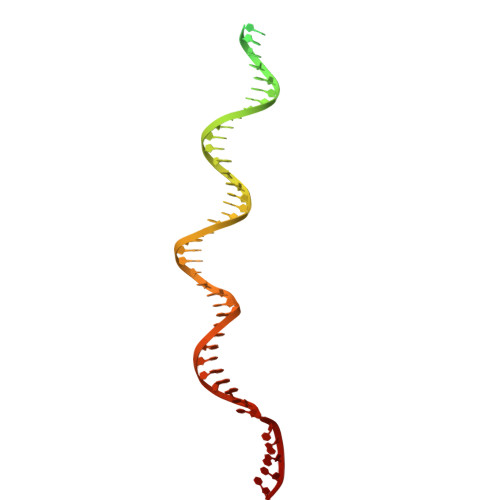
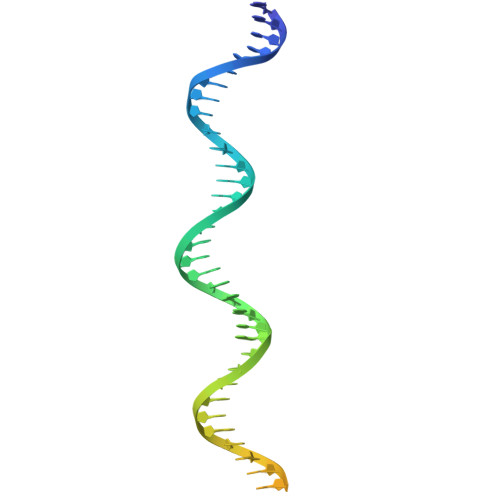
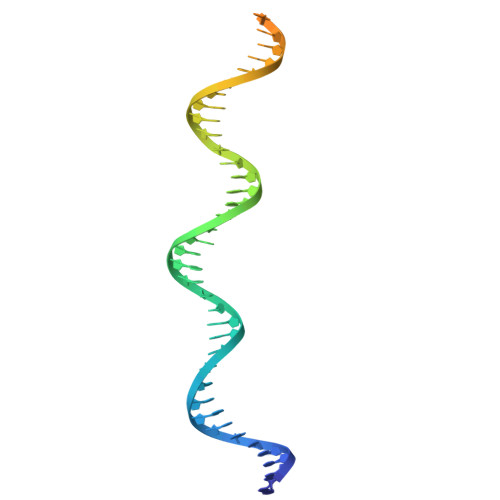
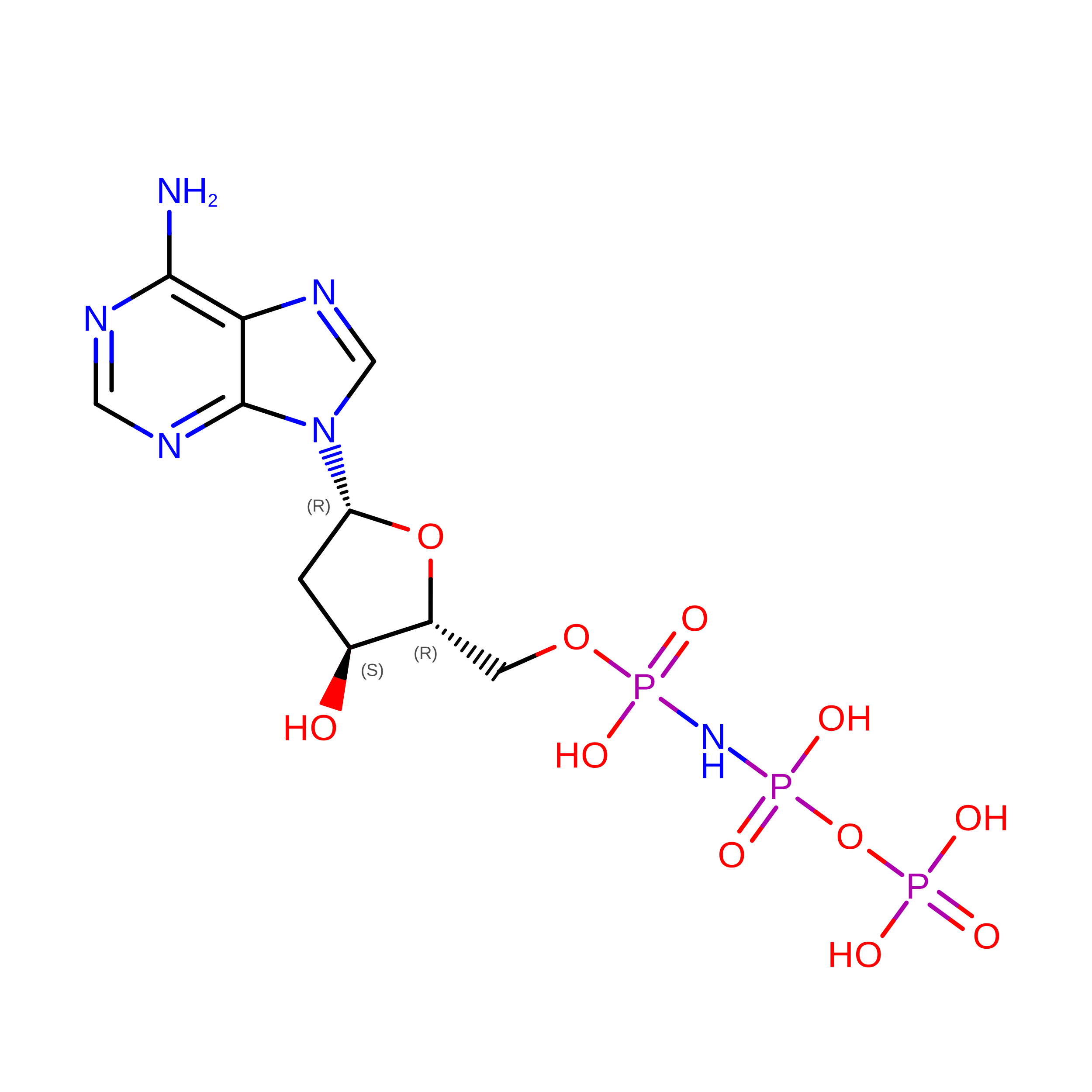
Non-homologous end joining (NHEJ) is the main repair pathway of double-strand DNA breaks in higher eukaryotes 1,2 . Here we report reconstitution of the final steps of NHEJ and structures of DNA polymerase μ and ligase IV (LIG4) engaged in gap filling and end joining. These reactions take place in a flexible ω-shaped framework composed of XRCC4 and XLF. Two broken DNA ends, each encircled by Ku70-Ku80 internally, are docked onto the ω frame, mediated by LIG4. DNA polymerase and ligase attached to each ω arm repair only one broken strand of a defined polarity; the final steps of NHEJ requires coordination and toggling of a pair of such enzymes. The facilitators XLF and PAXX additively stimulate NHEJ reactions. As DNA-end sensor and protector, LIG4 replaces DNA-PKcs for end joining and bridges the two DNA ends for polymerase to fill remaining gaps. These assemblies present new targets for NHEJ inhibition to enhance efficacy of radiotherapy and accuracy of gene editing.
- Laboratory of Molecular Biology, NIDDK, National Institutes of Health, Bethesda, MD, USA.
Organizational Affiliation: