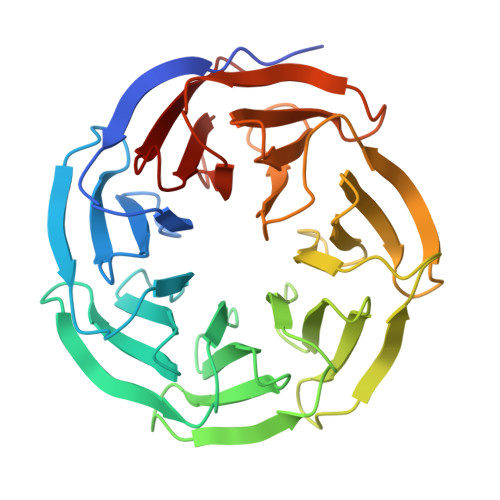
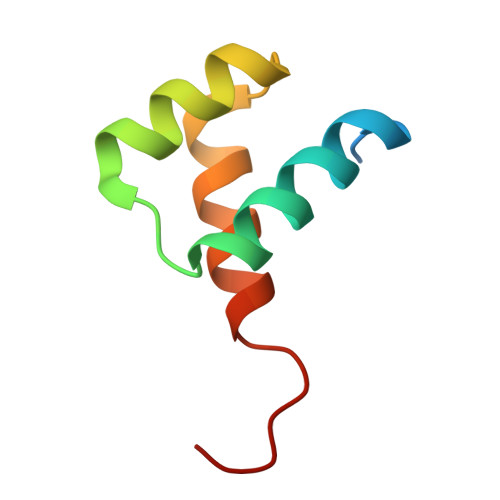
Stem cell pluripotency relies on a finely tuned interplay between transcription factors and epigenetic regulators. Here, we identify a direct interaction between NANOG, a master pluripotency transcription factor, and WDR5, a core chromatin regulator essential for maintaining stem cell identity. Mechanistically, WDR5 remodels irregular NANOG aggregates into dynamic, liquid-liquid phase-separated condensates at pluripotency-associated promoters to activate target genes. Structural analyses show that the NANOG homeodomain engages WDR5 through an extended interface distinct from previously characterized short linear motifs. The NANOG R153A mutation disrupts this interaction, leading to impaired condensate formation, reduced chromatin co-occupancy, and diminished levels of active histone marks, ultimately compromising embryonic stem cell pluripotency. Pharmacological inhibition of the WDR5-NANOG interaction suppresses leukemia stem cell expansion in vivo, highlighting its therapeutic potential. Collectively, this study reveals that WDR5-dependent regulation of NANOG condensate dynamics links phase-separated assemblies to transcriptional control of stem cell identity in physiological and pathological contexts.
Organizational Affiliation:
State Key Laboratory of Systems Medicine for Cancer, Shanghai Cancer Institute, Renji Hospital Affiliated to Shanghai Jiao Tong University School of Medicine, Shanghai, China.
Key Laboratory of Epigenetic Regulation and Intervention, Shanghai Institute of Biochemistry and Cell Biology, Center for Excellence in Molecular Cell Science, Chinese Academy of Sciences; University of Chinese Academy of Sciences, Shanghai, China.
Department of Medicine, Columbia Center for Human Development and Stem Cell Therapies, Columbia University Irving Medical Center, New York, NY, USA.
Shanghai Key Laboratory of Cancer System Regulation and Clinical Translation (CSRCT-SHANGHAI), Jiading District Central Hospital, Shanghai, China.
Protein Data Bank China (PDBc), Shanghai Advanced Research Institute, CAS, Shanghai, China.
Department of Thyroid and Neck Cancer, Tianjin Medical University Cancer Institute and Hospital, National Clinical Research Center for Cancer, Key Laboratory of Cancer Prevention and Therapy, Tianjin's Clinical Research Center for Cancer, Tianjin, China.
Institute of Microsurgery on Extremities, Department of Orthopedic Surgery, Shanghai Sixth People's Hospital Affiliated with Shanghai Jiao Tong University School of Medicine, Shanghai, China.
National Facility for Protein Science in Shanghai, Zhangjiang Lab, Shanghai Advanced Research Institute, Chinese Academy of Science, Shanghai, China.
Center of Precision Medicine for Blood Diseases, Huashan Hospital, Zhongshan-Xuhui Hospital, Shanghai Key Laboratory of Medical Epigenetics, Institutes of Biomedical Sciences, Medical College of Fudan University, Shanghai, China.
State Key Laboratory of Systems Medicine for Cancer, Shanghai Cancer Institute, Renji Hospital Affiliated to Shanghai Jiao Tong University School of Medicine, Shanghai, China. laoniulyb@shsmu.edu.cn.
Shanghai Key Laboratory of Cancer System Regulation and Clinical Translation (CSRCT-SHANGHAI), Jiading District Central Hospital, Shanghai, China. laoniulyb@shsmu.edu.cn.
Department of Medicine, Columbia Center for Human Development and Stem Cell Therapies, Columbia University Irving Medical Center, New York, NY, USA. jw3925@cumc.columbia.edu.
Key Laboratory of Epigenetic Regulation and Intervention, Shanghai Institute of Biochemistry and Cell Biology, Center for Excellence in Molecular Cell Science, Chinese Academy of Sciences; University of Chinese Academy of Sciences, Shanghai, China. yongchen@sibcb.ac.cn.
State Key Laboratory of Systems Medicine for Cancer, Shanghai Cancer Institute, Renji Hospital Affiliated to Shanghai Jiao Tong University School of Medicine, Shanghai, China. liyanjing@sjtu.edu.cn.
Shanghai Key Laboratory of Cancer System Regulation and Clinical Translation (CSRCT-SHANGHAI), Jiading District Central Hospital, Shanghai, China. liyanjing@sjtu.edu.cn.








 Download Mendeley