6G2I | pdb_00006g2i

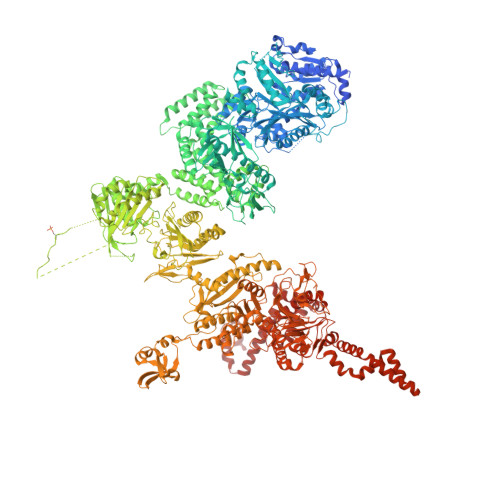
Filament of acetyl-CoA carboxylase and BRCT domains of BRCA1 (ACC-BRCT) at 5.9 A resolution


Experimental Data Snapshot

  • Method: ELECTRON MICROSCOPY
  • Resolution: 5.90 Å
  • Aggregation State: FILAMENT 
  • Reconstruction Method: SINGLE PARTICLE 

wwPDB Validation 3D Report Full Report

Validation slider image for 6G2I

This is version 1.4 of the entry. See complete history

Literature

Structural basis for regulation of human acetyl-CoA carboxylase.

Hunkeler, M.Hagmann, A.Stuttfeld, E.Chami, M.Guri, Y.Stahlberg, H.Maier, T.

(2018) Nature 558: 470-474

  • DOI: https://doi.org/10.1038/s41586-018-0201-4
  • Primary Citation Related Structures: 
    6G2D, 6G2H, 6G2I

  • PubMed Abstract: 

    Acetyl-CoA carboxylase catalyses the ATP-dependent carboxylation of acetyl-CoA, a rate-limiting step in fatty acid biosynthesis 1,2 . Eukaryotic acetyl-CoA carboxylases are large, homodimeric multienzymes. Human acetyl-CoA carboxylase occurs in two isoforms: the metabolic, cytosolic ACC1, and ACC2, which is anchored to the outer mitochondrial membrane and controls fatty acid β-oxidation 1,3 . ACC1 is regulated by a complex interplay of phosphorylation, binding of allosteric regulators and protein-protein interactions, which is further linked to filament formation 1,4-8 . These filaments were discovered in vitro and in vivo 50 years ago 7,9,10 , but the structural basis of ACC1 polymerization and regulation remains unknown. Here, we identify distinct activated and inhibited ACC1 filament forms. We obtained cryo-electron microscopy structures of an activated filament that is allosterically induced by citrate (ACC-citrate), and an inactivated filament form that results from binding of the BRCT domains of the breast cancer type 1 susceptibility protein (BRCA1). While non-polymeric ACC1 is highly dynamic, filament formation locks ACC1 into different catalytically competent or incompetent conformational states. This unique mechanism of enzyme regulation via large-scale conformational changes observed in ACC1 has potential uses in engineering of switchable biosynthetic systems. Dissecting the regulation of acetyl-CoA carboxylase opens new paths towards counteracting upregulation of fatty acid biosynthesis in disease.


  • Organizational Affiliation
    • Biozentrum, University of Basel, Basel, Switzerland. moritz_hunkeler@dfci.harvard.edu.

Macromolecule Content 

  • Total Structure Weight: 2,880.81 kDa 
  • Atom Count: 145,436 
  • Modeled Residue Count: 18,352 
  • Deposited Residue Count: 25,380 
  • Unique protein chains: 2

Macromolecules

Find similar proteins by:|  3D Structure
Entity ID: 1
MoleculeChains  Sequence LengthOrganismDetailsImage
Acetyl-CoA carboxylase 12,346Homo sapiensMutation(s): 0 
Gene Names: ACACAACACACC1ACCA
EC: 6.4.1.2 (PDB Primary Data), 6.3.4.14 (PDB Primary Data)
UniProt & NIH Common Fund Data Resources
Find proteins for Q13085 (Homo sapiens)
Explore Q13085 
Go to UniProtKB:  Q13085
PHAROS:  Q13085
GTEx:  ENSG00000278540 
Entity Groups
Sequence Clusters30% Identity50% Identity70% Identity90% Identity95% Identity100% Identity
UniProt GroupQ13085
Sequence Annotations
Expand
Reference Sequence
Find similar proteins by:|  3D Structure
Entity ID: 2
MoleculeChains  Sequence LengthOrganismDetailsImage
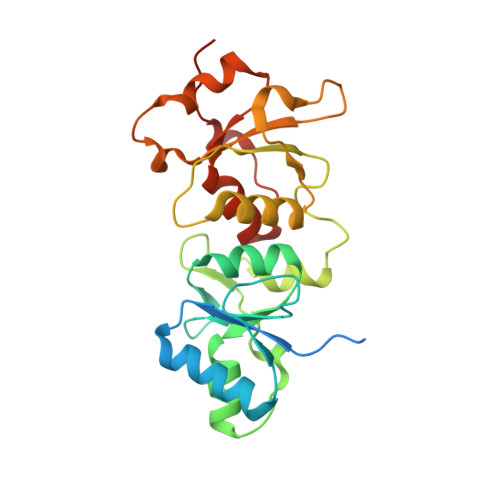
Breast cancer type 1 susceptibility protein240Homo sapiensMutation(s): 0 
Gene Names: BRCA1RNF53
EC: 2.3.2.27
UniProt & NIH Common Fund Data Resources
Find proteins for P38398 (Homo sapiens)
Explore P38398 
Go to UniProtKB:  P38398
PHAROS:  P38398
GTEx:  ENSG00000012048 
Entity Groups
Sequence Clusters30% Identity50% Identity70% Identity90% Identity95% Identity100% Identity
UniProt GroupP38398
Sequence Annotations
Expand
Reference Sequence

Small Molecules

Modified Residues  1 Unique
IDChains TypeFormula2D DiagramParent
SEP
Query on SEP
A [auth D]
B [auth E]
C
D [auth F]
E [auth B]
A [auth D],
B [auth E],
C,
D [auth F],
E [auth B],
F [auth A],
G,
H [auth Q],
I [auth J],
J [auth R]
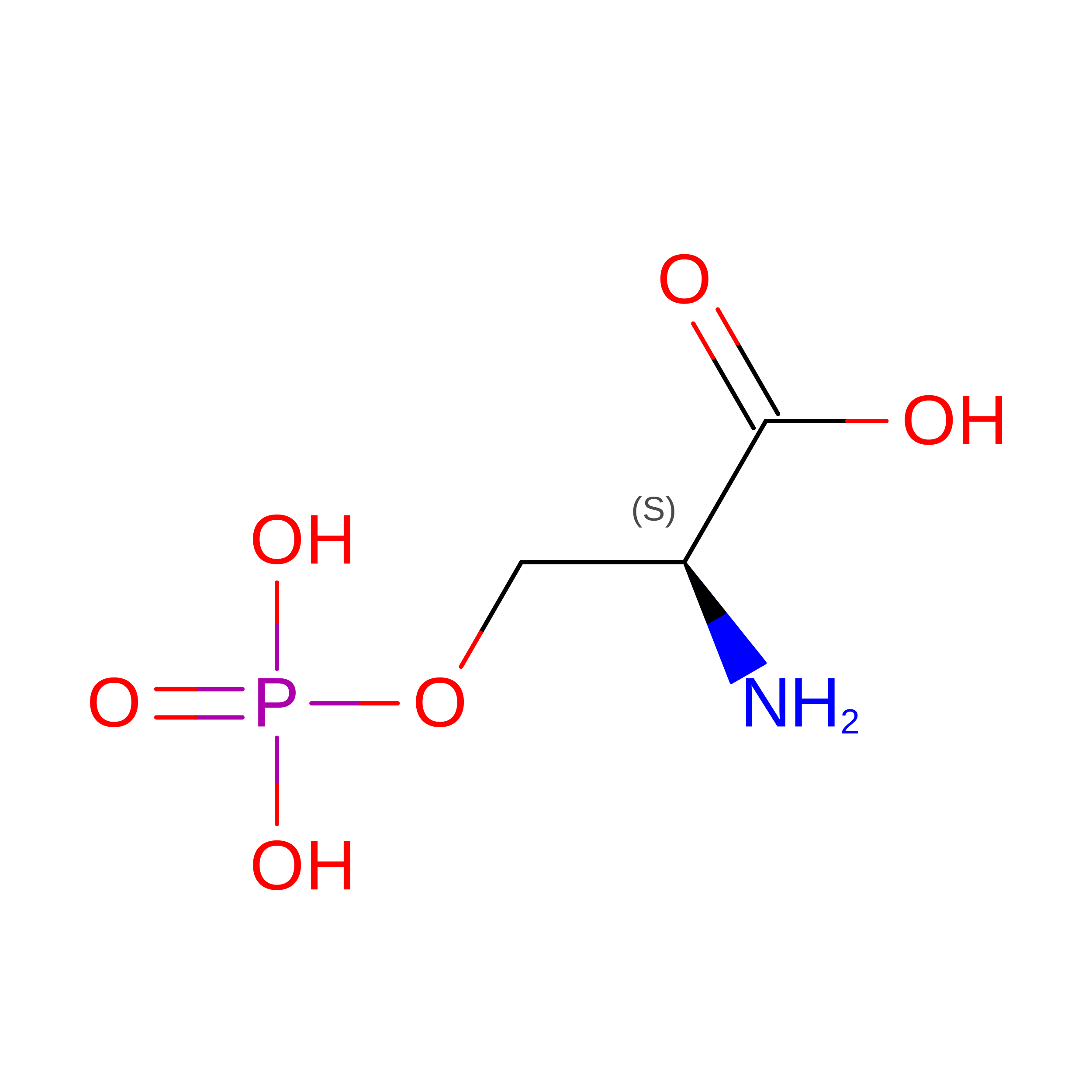
L-PEPTIDE LINKINGC3 H8 N O6 PSER

Experimental Data & Validation

Experimental Data

  • Method: ELECTRON MICROSCOPY
  • Resolution: 5.90 Å
  • Aggregation State: FILAMENT 
  • Reconstruction Method: SINGLE PARTICLE 
EM Software:
TaskSoftware PackageVersion
MODEL REFINEMENTPHENIX
RECONSTRUCTIONRELION2.01

Structure Validation

View Full Validation Report


Entry History 

& Funding Information

Deposition Data


Funding OrganizationLocationGrant Number
Swiss National Science FoundationSwitzerland138262
Swiss National Science FoundationSwitzerland15696
Swiss National Science FoundationSwitzerland164074

Revision History  (Full details and data files)

  • Version 1.0: 2018-06-13
    Type: Initial release
  • Version 1.1: 2018-06-27
    Changes: Data collection, Database references
  • Version 1.2: 2019-11-06
    Changes: Data collection, Refinement description
  • Version 1.3: 2019-12-11
    Changes: Other
  • Version 1.4: 2024-11-20
    Changes: Data collection, Database references, Structure summary